Your nose is the anchor of your face, so reshaping it shouldn't feel like a shot in the dark. This comprehensive rhinoplasty package in Santo Domingo offers medically eligible candidates an estimated starting price of $2,500 for structural or cosmetic enhancement by Dr. Miguel Mota Renosto, a board-certified specialist. You can expect a standard treatment timeline requiring roughly 7 to 10 days in the Dominican Republic for proper immediate post-operative monitoring before receiving clearance to fly home. Keep in mind that exact final pricing, structural surgical approaches, and your ultimate eligibility are completely dependent on a personalized, thorough clinical assessment.
Essential Insights for Your Nose Reshaping Journey
- Estimated Investment: The surgical packages begin from an estimated $2,500, though this fluctuates based on the functional or cosmetic complexity of your individual anatomy.
- Verified Specialist: The procedure is meticulously performed by Dr. Miguel Mota Renosto, a board-certified plastic surgeon and member of the Dominican Society of Plastic Surgery (SODOCIPRE).
- Ideal Candidates: Best suited for non-smoking individuals in strong cardiovascular health who are seeking cosmetic nasal refinement or functional correction for airway obstructions.
- What to Anticipate: A highly customized, detail-oriented procedure prioritizing long-term facial harmony and functional health, rather than attempting to replicate unrealistic reference photos.
- Pre-Travel Requirements: Thorough remote medical clearance, including blood work and health history review, is completely mandatory prior to securing dates and booking your flight.
Global Rhinoplasty Cost Comparison and Package Breakdown
Understanding standard market averages is a vital preliminary step in medical travel planning. The Dominican Republic features a robust aesthetic medical sector that provides highly competitive structural pricing compared to dominant North American markets. The table below illustrates general, estimated starting costs for primary rhinoplasty across several popular healthcare destinations.
The following detailed table breaks down the clinical components that typically comprise the foundational package. Note: This is an estimated baseline cost intended solely for general informational purposes. Complex structural repairs, functional breathing corrections, or revision rhinoplasties will always result in a different final fee determined after your thorough clinical evaluation.
What Your Surgical Package Includes?
- Comprehensive in-person preoperative evaluation and precise physical surgical planning.
- The primary designated rhinoplasty surgical procedure as discussed with the doctor.
- Professional fees for the primary surgeon, the anesthesiologist, and all assisting nursing staff.
- Standard operating room access and medical facility utilization charges.
- Initial postoperative medications and monitoring administered while recovering at the surgical facility.
- Scheduled follow-up appointments, including professional splint and internal suture removal.
Expenses Not Covered in the Base Package
- Round-trip international flights to and from the Dominican Republic.
- Hotel accommodations, meals, and daily general living expenses during your stay.
- Preoperative laboratory testing and required medical clearance exams (such as bloodwork and EKGs).
- Prescription medications required for pain management and infection prevention after discharge.
- Ground transportation, including airport transfers and daily commutes to the clinic.
- Comprehensive medical travel insurance and complication coverage policies.
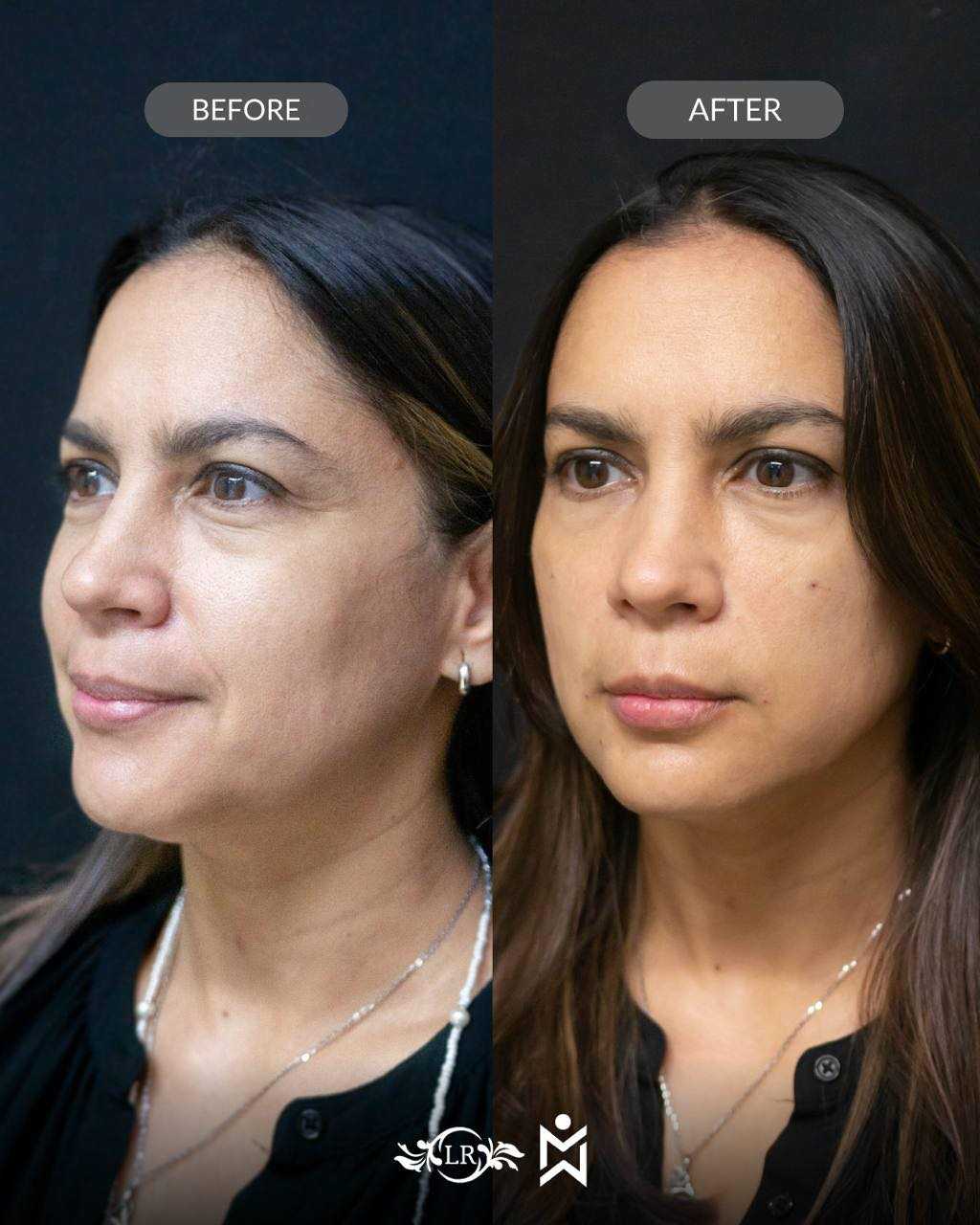
Evaluating Your Suitability for Nose Surgery
Safe aesthetic and functional surgery requires strict adherence to international health guidelines. Accurately evaluating your physical candidacy is the most crucial step before finalizing any international travel plans.
- Individuals seeking to alter the size, structural width, or profile of their nose to achieve better facial proportion.
- Patients experiencing structural breathing issues, such as a deviated septum, seeking measurable functional improvement alongside aesthetic changes.
- Adults and older teens whose facial bone growth is entirely complete (typically occurring around age 16 for females and slightly later for males).
- Non-smokers in strong physical health who do not suffer from uncontrolled chronic medical conditions, such as severe hypertension or bleeding disorders.
- Individuals holding highly realistic expectations regarding the surgical outcomes, understanding the prolonged timeline required for final results to settle.
Medical Documentation Required for Preliminary Assessment
Before you travel, the medical team requires thorough documentation to assess your health status remotely. This ensures they can customize a safe, effective surgical approach before you board a plane.
- A complete, honest medical history summary, explicitly detailing any previous nasal injuries, breathing issues, or prior facial surgeries (even non-surgical fillers).
- Clear, well-lit, high-resolution photographs of your face taken from multiple specific angles (front, both profiles, and from below the nostrils).
- Recent comprehensive blood panel results to check for healthy organ function, normal red blood cell counts, and proper blood clotting parameters.
- An Electrocardiogram (EKG) report for rigorous anesthesia clearance, typically required for all patients over a specific age threshold determined by the clinic.
- A detailed, exhaustive list of all current prescription medications, over-the-counter supplements (especially vitamins and herbal remedies), and known medical allergies.
Step-by-Step Breakdown of the Rhinoplasty Procedure
The specific surgical techniques applied depend entirely on your unique anatomy and goals. However, the general progression of the operation, which typically takes between 1.5 to 3 hours in the operating room, follows a standard, highly regulated clinical path.
1. Administering Safe Anesthesia
Prior to the procedure, medications are administered to ensure your absolute comfort. The board-certified anesthesiologist will utilize either general anesthesia or deep intravenous sedation, guaranteeing you remain entirely comfortable and completely unaware throughout the entire surgical process.
2. Making the Surgical Incisions
The surgeon will utilize either a "closed" or "open" approach based on the complexity of your case. In a closed procedure, incisions are hidden entirely inside the nostrils. An open procedure requires a small, strategic incision across the columella (the narrow strip of tissue separating the nostrils), which grants the surgeon broader visibility for intricate structural adjustments.
3. Reshaping the Nasal Structure
Once the underlying bone and cartilage framework is accessible, the surgeon meticulously reshapes them. This highly technical step can involve reducing a prominent nasal hump, narrowing a wide bridge, or utilizing specialized cartilage grafts (often taken from deep within the septum) to rebuild and support specific weakened areas of the nose.
4. Addressing Functional Issues
If the patient suffers from documented breathing obstructions, the surgeon will carefully straighten a deviated septum and reduce any internal projections (turbinates) to optimize airflow. This effectively combines vital functional health improvements with cosmetic external enhancement in a single operation.
5. Closing and Splinting
The skin and delicate soft tissues are carefully re-draped over the newly constructed framework, and incisions are meticulously closed with very fine sutures. A supportive external splint (and sometimes soft, temporary internal splints) is immediately applied to maintain the new shape, support the tissues, and help control initial post-operative swelling.
Your Comprehensive Treatment and Travel Timeline
Proper medical travel requires structured, conservative planning. This timeline outlines the standard progression of your journey to Santo Domingo, ensuring you allocate enough time for safe healing.
Pre-Travel: You will complete a virtual consultation, submit all required medical records, receive preliminary surgical clearance, and finalize your operation dates before booking flights.
Day 1 (Arrival): Arrive in Santo Domingo, settle into your accommodation, attend the comprehensive in-person preoperative evaluation, and complete final surgical planning face-to-face with your doctor.
Day 2 (Surgery): Arrive at the medical facility fasting. The procedure is performed, and you will rest in the clinical recovery bay until you are fully cleared to return to your hotel with a responsible adult companion.
Days 3 to 7 (Recovery): Rest extensively at your hotel with your head elevated. Swelling and heavy nasal congestion will peak during this period. You must follow all postoperative medication and care instructions strictly.
Days 8 to 10 (Clearance): Return to the clinic for your scheduled splint and suture removal. The physician thoroughly assesses your early healing progress and grants final medical clearance for your flight home.
Required Minimum Stay in the Dominican Republic
Rushing to the airport post-surgery introduces severe, avoidable risks to your delicate healing process. A deeply responsible approach to medical travel is absolutely essential for your safety.
- A minimum stay of 7 to 10 days in the Dominican Republic post-surgery is highly recommended and standard protocol.
- Air travel exposes the body to significant cabin pressure changes, which drastically increases the risk of severe nasal bleeding before blood vessels have fully stabilized.
- Initial internal swelling and heavy congestion make flying deeply uncomfortable and stressful during the first critical week of recovery.
- Your treating physician retains absolute authority to grant or deny air travel clearance based entirely on your individual recovery progress, prioritizing your well-being over your travel itinerary.
Navigating the Rhinoplasty Recovery Stages
Healing from complex nose surgery is a gradual, non-linear process. The body dictates the pace of recovery, and immense patience is required from the patient to see the final outcome.
- Days 1-7: You will wear a protective external splint. Expect noticeable bruising around the eyes and a sensation similar to a severe head cold. Maintaining head elevation, even while sleeping, is crucial to minimize fluid retention.
- Week 2: The external splint and any internal sutures are typically removed. Visible bruising begins to fade rapidly and shift in color. Many patients feel comfortable returning to non-strenuous desk work at this juncture.
- Weeks 3-6: The most obvious, visible swelling subsides significantly. You can carefully resume light cardiovascular exercise following your surgeon's advice, though heavy lifting and contact sports must remain strictly avoided.
- Up to 1 Year: Healing continues silently beneath the skin. Subtle micro-swelling, particularly in the thick skin of the nasal tip, may take a full 12 to 18 months to resolve completely into the final, refined aesthetic result.
Understanding Potential Risks and Surgical Complications
Every surgical intervention, no matter how routine, carries inherent medical risks. A responsible approach to aesthetic enhancement involves understanding these possibilities. This list is not exhaustive, and your physician will thoroughly discuss individual risks specifically aligned with your unique health profile during your consultation.
- Adverse, unpredictable reactions to general anesthesia, which can occur with any major surgical procedure.
- Post-operative bleeding (epistaxis) or localized infection, requiring prompt medical management and potential antibiotic intervention.
- Temporary or, in very rare cases, permanent changes in skin sensation or prolonged numbness around the nasal and upper lip area.
- Subtle aesthetic asymmetries, contour irregularities, or minor scarring issues occurring during the unpredictable healing phase.
- Difficulty breathing through the nose temporarily due to prolonged swelling, or persistent functional issues requiring minor secondary surgical adjustments down the line.
Setting Realistic Expectations for Your Final Results
The primary goal of this surgery is to achieve natural-looking improvements that harmonize with your unique facial features, not to achieve absolute, mathematical perfection.
- The procedure may significantly improve overall facial proportion by creating better visual balance between your nose, chin, and forehead.
- When correcting a severely deviated septum, patients typically experience noticeably improved airflow and long-term relief from chronic nasal congestion.
- Surgery often successfully refines a bulbous tip, smooths a prominent dorsal hump on the bridge, or narrows excessively wide nostrils.
- The pace of healing varies immensely between individuals; patients must remain highly aware that the final aesthetic result typically takes up to twelve months to fully manifest as swelling slowly dissipates.
Meet Your Specialist: Dr. Miguel Mota Renosto
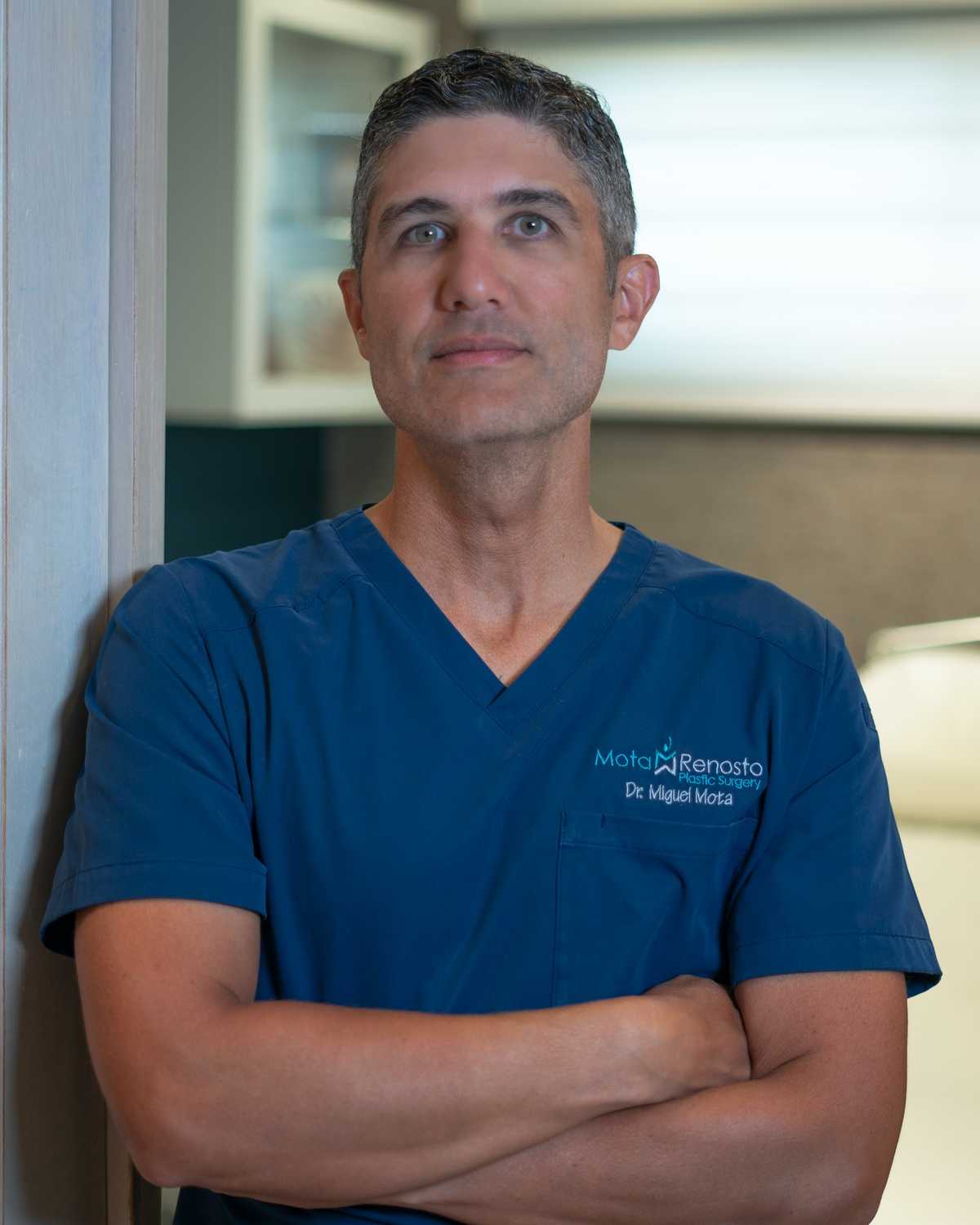
Selecting the right specialist is the most critical factor in achieving safe, satisfying, and enduring outcomes. Dr. Miguel Mota Renosto is recognized in Santo Domingo for his intense focus on surgical precision, patient safety, and highly personalized aesthetic care.
- Medical Education: Completed rigorous medical training and graduated with a dedicated focus on human anatomy and surgical intervention.
- Board Certification: Fully certified specialist in cosmetic and reconstructive plastic surgery, maintaining high standards of clinical excellence.
- Professional Affiliations: Active, verified member of the Dominican Society of Plastic Surgery (SODOCIPRE), ensuring strict adherence to national ethical and safety protocols.
- Clinical Focus: Dedicates significant practice time to complex facial procedures, including primary and revision rhinoplasty, prioritizing facial harmony.
Frequently Asked Questions
Why consider Santo Domingo for nose reshaping surgery?
Santo Domingo features a strongly developed medical infrastructure with board-certified specialists who adhere to rigorous standards monitored by organizations like SODOCIPRE. The destination offers highly competitive pricing compared to North American markets while still utilizing modern, advanced surgical techniques and well-equipped private clinical facilities.
Are virtual consultations sufficient for booking the procedure?
Yes, remote virtual consultations are a mandatory and effective initial step in the medical travel process. By submitting your detailed medical history and photographs, the medical team can accurately assess your preliminary candidacy safely before you commit to international travel. However, a final in-person evaluation is always conducted before surgery.
Will I have visible scarring after the procedure?
If your surgeon utilizes a "closed" approach, all incisions remain internal, resulting in zero visible external scarring. If a more complex "open" approach is deemed medically necessary, a tiny incision is made beneath the nose on the columella. This specific incision typically fades into a nearly imperceptible, highly discreet line once fully healed.
When is it safe to resume wearing glasses?
You must strictly avoid placing any weight whatsoever directly on the healing nasal bones for at least four to six weeks post-surgery. During this critical, fragile healing window, you will need to tape your glasses to your forehead or completely switch to contact lenses to prevent shifting the healing bone structure.
How painful is the immediate recovery phase?
Most patients report feeling a sensation of intense pressure and heavy congestion rather than acute, sharp pain. Any resulting discomfort is usually highly manageable with the standard prescribed pain medications, and the heavy feeling of congestion improves significantly the moment the splints are removed.
Can functional breathing issues be corrected simultaneously?
Absolutely. A combined procedure known as septorhinoplasty addresses both functional breathing problems (such as a severely deviated septum or enlarged turbinates) and external aesthetics during the exact same operation. The surgeon often utilizes internal cartilage removed during functional correction to aid in external reshaping.
What happens if I get sick right before my travel date?
You must notify the medical staff immediately if you develop any respiratory illness, fever, or infection. For your absolute safety while under general anesthesia and to minimize surgical risks, the procedure will likely be responsibly postponed until the infection clears completely from your system.
Can I combine my nose surgery with other facial procedures?
While clinically possible—such as combining rhinoplasty with chin augmentation for comprehensive facial balance—combining procedures extends your total time under anesthesia and significantly prolongs your overall recovery timeline. Your surgeon will carefully advise if this combined approach is safe based on your specific health profile.
Who decides when I am medically cleared to fly home?
The primary operating surgeon holds the final, unchallengeable authority on providing your medical travel clearance. This clearance is typically granted 7 to 10 days post-surgery, provided that your clinical healing is progressing normally and the severe risk of post-operative bleeding has been sufficiently minimized.
How long does it truly take to see the final aesthetic outcome?
While you will notice a significant, immediate difference once the splint is removed, the final result is a long-term reveal. Residual micro-swelling, particularly in the nasal tip, can take a full 12 to 18 months to resolve entirely. Patients must be prepared for this gradual evolution of their new profile.
Ready to Begin Your Surgical Planning?
Embarking on a medical journey requires careful consideration and expert clinical guidance. Reach out today for a preliminary, pressure-free evaluation to determine if this rhinoplasty package aligns securely with your health profile and aesthetic goals.
Medical Disclaimer: The content provided on this page is for general informational and educational purposes only and is not a substitute for professional medical advice, diagnosis, or treatment. Always consult directly with a qualified healthcare provider regarding your specific medical condition and before making any major healthcare or medical travel decisions.
References:
- "Rhinoplasty Candidate Requirements." https://www.plasticsurgery.org/cosmetic-procedures/rhinoplasty/candidates
- "Rhinoplasty - Details, Risks, and Recovery." https://www.mayoclinic.org/tests-procedures/rhinoplasty/about/pac-20384532
- "Rhinoplasty Procedure: What to Expect." https://my.clevelandclinic.org/health/treatments/11011-rhinoplasty
- "Functional and Aesthetic Outcomes in Rhinoplasty." https://www.ncbi.nlm.nih.gov/pmc/articles/PMC3199847/
- "Medical Tourism: Getting Medical Care in Another Country safely." https://wwwnc.cdc.gov/travel/page/medical-tourism

























Share this listing