
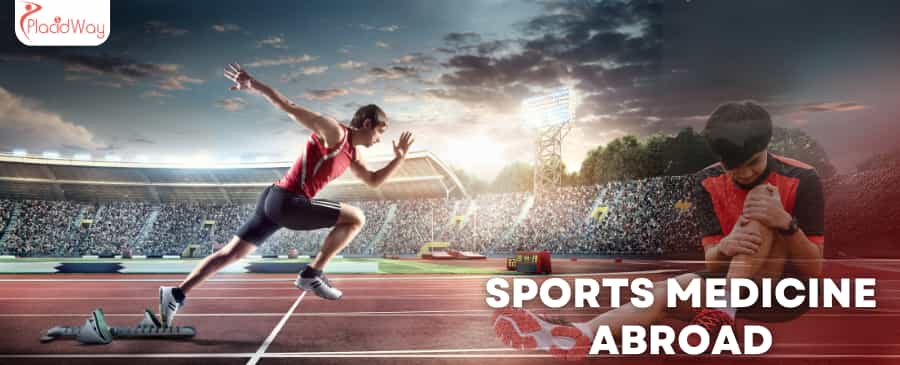
Regain Your Peak Performance: Advanced Sports Injury Treatment Abroad
Are you an athlete, a weekend warrior, or simply an active individual sidelined by a sports injury? The frustration of pain, limited movement, and being unable to participate in the activities you love is deeply felt. From sudden ACL tears to nagging meniscus damage or persistent shoulder pain, sports injuries can significantly impact your quality of life.
Many patients globally are now looking beyond their borders for high-quality, affordable solutions. Sports medicine treatment abroad offers an exciting opportunity to access cutting-edge orthopedic care, often with shorter wait times and more competitive pricing, without compromising on expertise or technology. Whether you're considering ACL reconstruction, meniscus repair<, rotator cuff surgery, or advanced non-surgical options like PRP (Platelet-Rich Plasma) therapy, leading clinics worldwide specialize in helping you recover and return to full function.
This guide will explore everything you need to know about pursuing sports injury treatment overseas, from understanding your symptoms and treatment options to navigating the journey of medical travel. We'll delve into the common causes of these injuries, what to expect from various procedures, recovery timelines, and crucial insights into selecting the best global destinations for your care. Our goal is to empower you with the knowledge to make informed decisions and get back in the game, stronger than ever.
What are the common symptoms of a sports injury that needs medical attention?
Recognizing the signs of a serious sports injury is the first step towards effective treatment. While minor aches can often be managed with rest and ice, certain symptoms warrant immediate medical evaluation. Here are key indicators:
- Persistent Pain: Pain that doesn't improve with rest, ice, compression, and elevation (RICE) or worsens over time.
- Swelling and Bruising: Significant swelling around a joint or muscle, often accompanied by bruising, indicates inflammation and potential tissue damage.
- Limited Range of Motion: Difficulty moving a joint fully, like inability to bend or straighten your knee or lift your arm overhead.
- Joint Instability: A feeling that a joint is "giving way," buckling, or cannot bear weight, which is particularly common with ACL tears or severe ankle sprains.
- Audible "Pop" or "Snap": Hearing or feeling a distinct pop or snap at the moment of injury, often associated with ligament tears (like an ACL or Achilles tendon) or bone fractures.
- Deformity: A visible change in the shape of a limb or joint, suggesting a dislocation or fracture.
- Numbness or Tingling: Any loss of sensation or abnormal feelings in the limb, which could indicate nerve involvement.
- Inability to Bear Weight: If you cannot put any weight on an injured leg or use an injured arm, it's a clear signal for medical help.
For specific injuries:
- ACL Tear: Severe knee pain, rapid swelling, inability to continue activity, feeling of the knee "giving out."
- Meniscus Tear: Knee pain, swelling, tenderness along the joint line, clicking or locking sensation in the knee, difficulty squatting.
- Rotator Cuff Injury: Dull ache deep in the shoulder, difficulty raising the arm, weakness, pain when sleeping on the affected side.
What causes sports injuries like ACL tears or meniscus damage, and who is at risk?
Sports injuries can stem from a variety of factors, often a combination of acute trauma and underlying issues. Understanding the causes can help in prevention and effective treatment planning:
Common Causes:
- Sudden Impact or Trauma: Direct blows (e.g., tackle in football), falls, or collisions.
- Awkward Movements: Sudden twisting, pivoting, or hyperextension of joints (e.g., landing incorrectly from a jump, sudden change of direction in basketball, quick stop in tennis). This is a primary cause of ACL tears and meniscus damage.
- Overuse and Repetitive Strain: Performing the same motion repeatedly over time, leading to inflammation and microtrauma (e.g., tennis elbow, runner's knee, stress fractures, some rotator cuff injuries from throwing).
- Improper Technique: Incorrect form during exercise or sport, placing undue stress on joints and muscles.
- Insufficient Conditioning: Lack of proper warm-up, stretching, or strength training, leading to muscle imbalances and reduced flexibility.
- Inadequate Equipment: Wearing ill-fitting shoes or using worn-out gear can increase injury risk.
Who is at Risk?
- Athletes in High-Impact/Contact Sports: Football, soccer, basketball, rugby, skiing, wrestling.
- Individuals with Muscle Imbalances: Weak core muscles, tight hamstrings, or weak quadriceps can predispose certain injuries.
- Those with Poor Flexibility: Limited range of motion makes muscles and tendons more susceptible to tears and strains.
- People with a History of Previous Injuries: A prior injury can weaken the area, making re-injury more likely.
- Age: Risk factors can change with age; younger athletes might experience growth plate injuries, while older adults might face more degenerative tendon or ligament issues.
- Gender: Women have a higher incidence of ACL tears due to anatomical and biomechanical differences.
What are the best treatment options for common sports injuries such as ACL, meniscus, or rotator cuff?
The "best" treatment depends on the specific injury, its severity, your activity level, and overall health. A comprehensive diagnosis by an orthopedic specialist is crucial. Here's a look at common options:
Non-Surgical Treatments:
- RICE Method: Rest, Ice, Compression, Elevation for acute injuries.
- Physical Therapy (Physiotherapy): Essential for strengthening muscles, improving flexibility, restoring range of motion, and correcting biomechanics. It's often the first line of defense and crucial post-surgery.
- Medications: Over-the-counter pain relievers (NSAIDs) or prescription medications for pain and inflammation.
- Bracing/Taping: To stabilize joints and protect injured areas during healing.
- Injections:
- Corticosteroid Injections: To reduce inflammation and pain.
- Platelet-Rich Plasma (PRP) Therapy: Uses a concentration of your own platelets to accelerate healing in tendons, ligaments, and cartilage.
- Stem Cell Therapy: Emerging treatment using stem cells to repair damaged tissues, particularly in joints.
Surgical Treatments:
When non-surgical options aren't enough, surgery may be necessary to restore function.
- Arthroscopy: A minimally invasive procedure using a small camera (arthroscope) and instruments inserted through tiny incisions to diagnose and treat joint problems. It's common for:
- ACL Reconstruction: Repairing a torn anterior cruciate ligament, often using a graft from your own body (autograft) or a donor (allograft).
- Meniscus Repair/Meniscectomy: Repairing a torn meniscus or surgically removing the damaged portion.
- Rotator Cuff Repair: Reattaching torn tendons to the bone, often performed arthroscopically.
- Open Surgery: Less common now, but still used for complex fractures or extensive damage.
- Ligament/Tendon Repair: Direct repair of torn ligaments or tendons.
- Cartilage Repair/Transplantation: Procedures to address damaged joint cartilage, such as microfracture, OATS (Osteochondral Autograft Transfer System), or ACI (Autologous Chondrocyte Implantation).
Am I a good candidate for advanced sports injury surgery or non-surgical treatments?
Determining your candidacy for sports injury treatment is a comprehensive process involving detailed medical assessment. Here are factors that influence eligibility:
General Candidacy Factors:
- Injury Type and Severity: Some injuries (e.g., complete ACL tear) almost always require surgery for athletes, while others (e.g., minor sprains, small meniscus tears) may respond well to conservative care.
- Overall Health: You should be in generally good health, free from uncontrolled chronic conditions (like severe diabetes, heart disease, or bleeding disorders) that could complicate surgery or recovery.
- Activity Level and Goals: Highly active individuals or athletes aiming to return to high-impact sports are often stronger candidates for surgical repair to restore full stability and function. Less active individuals might opt for conservative management if their daily activities aren't severely impacted.
- Age: While age isn't a strict barrier, it can influence graft choice for ACL surgery or general healing capacity.
- Commitment to Rehabilitation: Successful outcomes, especially after surgery, heavily rely on dedicated adherence to a post-operative physical therapy program.
- Weight: Being overweight or obese can increase surgical risks and place additional stress on healing joints, potentially affecting recovery.
- Smoking: Smoking impairs healing and increases surgical risks, often requiring cessation before surgery.
Specific Considerations:
- ACL Tear: Candidates are typically active individuals experiencing knee instability who wish to return to sports involving cutting, jumping, or pivoting.
- Meniscus Tear: Small, stable tears in the outer (vascular) zone of the meniscus are often suitable for repair. Tears in the inner (avascular) zone or degenerative tears might be removed (meniscectomy) or managed non-surgically.
- Rotator Cuff Tear: Full-thickness tears causing significant pain and weakness, especially in younger, active individuals, are often candidates for surgical repair.
A sports medicine physician will conduct a thorough examination, review imaging (MRI, X-rays), and discuss your symptoms and goals to determine the most appropriate treatment plan for you.
What is the typical recovery process and timeline after sports injury treatment?
Recovery is perhaps the most critical phase of sports injury treatment. It’s a marathon, not a sprint, and dedication to rehabilitation is key to a successful outcome. Timelines vary significantly based on the injury, procedure, and individual patient factors.
General Recovery Phases:
- Immediate Post-Procedure (Days 1-7):
- Focus: Pain management, swelling reduction (RICE), wound care.
- Activity: Often non-weight-bearing or limited weight-bearing, use of crutches/sling/brace. Gentle range of motion exercises may begin.
- Early Rehabilitation (Weeks 1-6):
- Focus: Restoring initial range of motion, reducing stiffness, protecting the healing tissue.
- Activity: Progression of gentle exercises, passive and active range of motion, light isometric strengthening. Physical therapy sessions become regular.
- Intermediate Rehabilitation (Months 2-4):
- Focus: Increasing strength, improving balance and proprioception (awareness of body position), regaining functional movement.
- Activity: Introduction of resistance exercises, stationary cycling, swimming, balance drills. Gradual reduction in bracing as stability improves.
- Advanced Rehabilitation (Months 4-9+):
- Focus: Sport-specific training, agility, plyometrics, power development, endurance.
- Activity: Running drills, jumping, cutting movements, return to light sport-specific activities under supervision. This phase is crucial for safely returning to full activity.
Typical Timelines for Common Procedures:
- Knee Arthroscopy (e.g., partial meniscectomy): Return to light activities 2-4 weeks, full activity 4-8 weeks.
- Meniscus Repair: More cautious recovery, 6-12 weeks for light activity, 4-6 months for full return to sport, depending on repair strength.
- ACL Reconstruction: This is one of the longest recovery processes. Typically 6-9 months (sometimes up to 12 months) before a full, safe return to pivoting sports. Initial mobility starts immediately, but graft healing takes time.
- Rotator Cuff Repair: Sling for 4-6 weeks, passive motion, then active motion, strengthening. Return to light activities 3-6 months, full overhead activities 6-12 months.
Consistent physical therapy, patient adherence, and listening to your body are paramount. Rushing the process can lead to re-injury.
What are the potential risks and side effects of sports injury procedures?
As with any medical procedure, sports injury surgeries carry potential risks and side effects. While serious complications are rare, it's essential to be aware of them to make an informed decision and prepare for recovery.
General Surgical Risks:
- Infection: Though sterile techniques are used, any incision site can become infected.
- Bleeding: Some bleeding is normal, but excessive bleeding or hematoma formation can occur.
- Blood Clots (DVT/PE): Deep vein thrombosis (DVT) in the leg, which can potentially travel to the lungs (pulmonary embolism), is a rare but serious risk. Prophylactic measures are often taken.
- Nerve Damage: Nerves near the surgical site can be bruised or damaged, leading to numbness, tingling, or weakness, often temporary but sometimes permanent.
- Anesthesia Complications: Reactions to anesthesia, though rare, can range from nausea to more severe systemic issues.
- Scarring: While minimally invasive surgeries create small scars, some scarring is inevitable.
- Persistent Pain or Stiffness: Despite successful surgery, some patients may experience ongoing pain or limited range of motion.
Specific Risks by Procedure:
- ACL Reconstruction:
- Graft Failure: The new ligament may re-tear or stretch out over time, especially with premature return to high-impact activities.
- Patellar Tendonitis (if patellar tendon graft used): Pain at the front of the knee where the graft was taken.
- Knee Stiffness or Arthrofibrosis: Excessive scar tissue can limit motion.
- Meniscus Repair/Meniscectomy:
- Failure of Repair: The torn meniscus may not heal properly, requiring further intervention.
- Osteoarthritis Progression (after meniscectomy): Removal of meniscus tissue can increase the long-term risk of developing arthritis.
- Rotator Cuff Repair:
- Re-tear of Tendon: Despite repair, the tendon can tear again, especially if rehabilitation is not followed or if the tear was very large initially.
- Shoulder Stiffness: Also known as "frozen shoulder," which can occur after shoulder surgery.
Your surgeon will discuss these risks in detail and take all necessary precautions to minimize them. Following post-operative instructions carefully is crucial for minimizing complications.
How much does sports injury surgery cost worldwide for procedures like ACL repair or arthroscopy?
Cost is a primary driver for many patients considering sports medicine treatment abroad. The price discrepancies can be substantial, often representing savings of 50-70% or more compared to Western countries like the United States, Canada, or the UK, even when factoring in travel and accommodation.
These prices are estimates and can vary based on:
- The specific procedure: Simple arthroscopy vs. complex multi-ligament reconstruction.
- The country and clinic: Reputation, technology, and location all play a role.
- Surgeon's fees: Highly experienced or renowned surgeons may charge more.
- Inclusions: Some packages include accommodation, transfers, and extended physical therapy, while others are procedure-only.
- Type of anesthesia, hospital stay, and implant costs.
Estimated Worldwide Cost Comparison for Common Sports Injury Surgeries (USD)
| Procedure | USA / UK / Canada (Estimate) | Mexico (Estimate) | India (Estimate) | Turkey (Estimate) | Thailand (Estimate) |
|---|---|---|---|---|---|
| Knee Arthroscopy (diagnostic/minor repair) | $10,000 - $25,000 | $3,500 - $6,000 | $2,500 - $5,000 | $3,000 - $5,500 | $4,000 - $7,000 |
| ACL Reconstruction Surgery | $20,000 - $50,000+ | $6,000 - $10,000 | $4,500 - $8,000 | $6,000 - $9,500 | $7,000 - $11,000 |
| Meniscus Repair Surgery | $15,000 - $35,000 | $5,000 - $8,000 | $3,500 - $6,500 | $4,500 - $7,500 | $5,500 - $9,000 |
| Rotator Cuff Repair Surgery | $25,000 - $60,000+ | $7,000 - $12,000 | $5,000 - $9,000 | $7,000 - $11,000 | $8,000 - $13,000 |
| PRP/Stem Cell Injections (course) | $1,500 - $5,000 | $800 - $2,500 | $500 - $1,500 | $700 - $2,000 | $1,000 - $2,800 |
These figures often include the surgeon's fee, anesthesia, hospital stay, and sometimes initial physical therapy sessions. It's crucial to get a detailed, all-inclusive quote to understand the full cost.
Why should I consider traveling abroad for sports injury treatment and rehabilitation?
The decision to seek medical treatment overseas is a significant one, driven by several compelling advantages, especially for sports injuries:
- Significant Cost Savings: As highlighted above, the most common reason is the drastically lower cost of procedures compared to developed nations. This can make life-changing surgeries accessible to those without adequate insurance or facing high deductibles.
- Access to Advanced Expertise and Technology: Many international hospitals specialize in sports medicine, boasting state-of-the-art facilities, cutting-edge diagnostic equipment, and surgeons with extensive experience in specific procedures like complex arthroscopy or regenerative therapies.
- Reduced Wait Times: In some countries, public healthcare systems have long waiting lists for orthopedic surgeries. Traveling abroad can mean getting treatment much sooner, preventing further deterioration of the injury and accelerating recovery.
- Comprehensive Packages: Many medical tourism providers and hospitals offer all-inclusive packages that cover the procedure, hospital stay, initial rehabilitation, accommodation, and even airport transfers, simplifying the logistics.
- Privacy and Anonymity: For some, undergoing a medical procedure away from home offers a sense of privacy and the opportunity to recover discreetly.
- Opportunity for Recovery in a Different Environment: Combining treatment with travel can offer a unique recovery experience, away from the stresses of daily life, in a more relaxing or inspiring setting.
For athletes and active individuals, getting timely and expert care is paramount to their performance and well-being. Medical tourism provides a viable and often superior alternative to local options.
Which are the top destinations for affordable and quality sports medicine care?
Several countries have emerged as global leaders in medical tourism for sports medicine, balancing high-quality care with cost-effectiveness:
- Mexico: Particularly popular for patients from the US and Canada due to proximity. Offers a wide range of orthopedic services, JCI-accredited hospitals (Joint Commission International), and experienced surgeons in cities like Tijuana, Cancun, and Monterrey.
- India: Known for its highly skilled doctors (many trained in Western countries), state-of-the-art hospitals, and significantly lower costs. Major cities like Delhi, Mumbai, and Chennai have excellent orthopedic centers.
- Turkey: An increasingly popular destination, especially for European and Middle Eastern patients. Turkey boasts modern facilities, advanced medical technology, and a strong emphasis on patient care and hospitality, often at very competitive prices. Istanbul and Ankara are key medical hubs.
- Thailand: A long-standing leader in medical tourism, offering excellent hospitals (many JCI-accredited), world-class surgeons, and a strong focus on patient experience and hospitality. Bangkok and Phuket are popular choices.
- South Korea: Renowned for its cutting-edge medical technology and highly specialized surgeons. While potentially slightly higher in cost than some other Asian destinations, it offers exceptional quality and innovation, particularly in advanced arthroscopic techniques and regenerative medicine.
- Costa Rica: Emerging as a strong option for North American patients, combining high-quality care with beautiful natural surroundings conducive to recovery.
When choosing a destination, consider factors like hospital accreditation (e.g., JCI), surgeon's qualifications and experience, language accessibility, and the overall travel and recovery environment.
What should I expect for patient safety, quality, and overall experience when seeking sports injury care overseas?
The overall experience of seeking sports injury care overseas is designed to be streamlined and supportive, prioritizing patient safety and high-quality outcomes. Here's what to expect:
Ensuring Safety and Quality Abroad:
- Accreditation: Look for hospitals accredited by international bodies like Joint Commission International (JCI). This signifies adherence to global standards of patient safety and quality of care.
- Surgeon Qualifications: Research your surgeon's credentials, experience, and specialization. Many international surgeons have Western training or affiliations.
- Transparent Communication: Ensure clear and direct communication with the medical team, preferably in your native language, before, during, and after treatment.
- Dedicated Medical Tourism Facilitators: Companies like PlacidWay act as intermediaries, vetting clinics, coordinating appointments, travel logistics, accommodation, and providing on-the-ground support, significantly enhancing safety and ease.
- Technology and Infrastructure: Reputable international hospitals invest heavily in modern operating rooms, diagnostic equipment (MRI, CT scans), and intensive care units, comparable to those in Western countries.
- Post-Operative Care Plan: A clear plan for rehabilitation and follow-up care, both abroad and upon return home, is crucial.
The Patient Experience:
- Initial Consultation & Planning: You'll typically start with remote consultations, sharing your medical records, MRI scans, and history. The medical team will assess your case and propose a treatment plan and cost estimate.
- Pre-Travel Arrangements: Your medical tourism facilitator (e.g., PlacidWay) will assist with travel arrangements, visa requirements, accommodation near the hospital, and local transport.
- Arrival and Pre-Operative Assessments: Upon arrival, you'll undergo in-person consultations, physical examinations, and any necessary pre-operative tests (blood work, imaging).
- The Procedure: Performed by a specialized orthopedic surgeon in a modern facility.
- Hospital Stay: Depending on the procedure, you'll have a comfortable hospital stay with attentive nursing care, often with dedicated international patient coordinators.
- Initial Recovery & Rehabilitation: Early physical therapy often begins while you're still abroad, guided by experienced physiotherapists.
- Return Home & Continued Rehabilitation: You'll return with a detailed post-operative care plan to continue your recovery and physical therapy in your home country.
Patient Success Stories from Abroad:
Many patients share inspiring stories of successful sports injury treatments overseas. For example, a semi-professional soccer player from the UK, facing a year-long wait for an ACL reconstruction, traveled to Turkey. He received his surgery within weeks, underwent initial intensive physiotherapy, and returned home to continue his rehab, back on the field within 8 months, attributing his quick recovery and financial savings to his decision to go abroad. Similarly, an American active senior with a debilitating rotator cuff tear found affordable, expert care in Mexico, regaining full range of motion and returning to her gardening and hiking hobbies without the burden of massive medical debt.
These stories highlight the blend of quality care, affordability, and efficient access that makes medical tourism an attractive option for sports injury patients worldwide.
Take the Next Step with PlacidWay
Ready to explore treatment options abroad? Discover top clinics, compare prices, and get a free quote tailored to your needs with PlacidWay.
Sports medicine | Medical Tourism Abroad






.png)










Share this listing