
.png)
Getting a diagnosis of osteonecrosis, also known as avascular necrosis (AVN), can be frightening. The term literally means "bone death." It's a condition where the blood supply to a part of your bone gets cut off, causing that section of bone to weaken, die, and eventually collapse. This most commonly happens in the hip (the femoral head), but can also affect the knee, shoulder, and other joints. When the bone collapses, it destroys the joint, leading to severe arthritis and the need for a total joint replacement.
For a long time, the only options were to wait on crutches (observation) or get a core decompression surgery, which drills holes into the bone to relieve pressure. While that can help, it doesn't fix the underlying problem: the dead bone. This is where stem cell therapy for osteonecrosis changes the game. It's not just about stopping the problem; it's about actively *rebuilding* what was lost.
This therapy is a breakthrough in orthopedics, offering a real chance to heal the bone lesion *before* it collapses. It's about saving your natural joint and preventing the need for a major replacement surgery. But how does it work? Is it combined with surgery? What is the success rate, and are you a good candidate? This guide will answer your most critical questions about this cutting-edge treatment.
What is osteonecrosis (avascular necrosis)?
This condition is most famous for affecting the "ball" of the hip joint (the femoral head). Common causes for this loss of blood supply include:
- Trauma: A hip dislocation or fracture can tear the blood vessels.
- Steroid Use: Long-term, high-dose use of corticosteroids (like prednisone) is a major risk factor.
- Excessive Alcohol Use: Heavy drinking can also damage blood vessels.
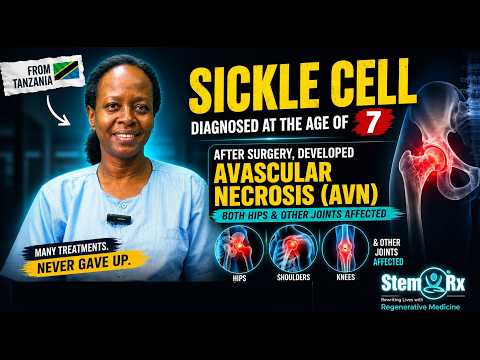
- Other Conditions: Medical issues like sickle cell anemia, Gaucher's disease, and pancreatitis are also linked to AVN.
In many cases, the cause is "idiopathic," meaning it's unknown. The real danger is that in the early stages (Stage 1-2), you may have no symptoms. Pain usually begins when the bone starts to collapse (Stage 3).
What is stem cell therapy for osteonecrosis?
This is almost always performed in combination with a procedure called core decompression. A pure injection *into the joint* (like for arthritis) will not fix osteonecrosis. The cells must be placed *inside the bone* at the site of the problem.
How does stem cell therapy work for osteonecrosis?
Here’s the step-by-step healing process:
- Stimulate Blood Flow: The stem cells release growth factors that signal the body to create new blood vessels (angiogenesis) into the dead area.
- Clear Dead Bone: This new blood supply brings in cells (osteoclasts) that clear out the dead, brittle bone tissue.
- Build New Bone: The stem cells (MSCs) differentiate into new bone-building cells (osteoblasts), which lay down new, healthy, and strong bone matrix.
The goal is to replace the dead, structurally-unsound bone with living, healthy bone, restoring the joint's integrity.
What is the goal of stem cell therapy for AVN?
Secondary goals are, of course, to reduce pain and improve function. The pain from AVN is caused by the bone dying and the resulting inflammation. By healing the bone, the source of the pain is eliminated.
Am I a good candidate for this treatment?
It can also be effective for some patients in early Stage 3, where there is minimal collapse.
You are not a good candidate if you are in the late stages of AVN (Stage 3-4) where the bone has already collapsed and the joint is destroyed. At that point, the joint cannot be saved, and a total joint replacement is the only effective treatment.
What is the cost of stem cell therapy for osteonecrosis?
This price almost always includes the surgeon's fee, the core decompression surgery, the harvesting and processing of the bone marrow stem cells, and the facility fee.
Unfortunately, most insurance companies and Medicare do *not* cover the stem cell portion of the procedure, though they may cover the "core decompression" part. This is largely an out-of-pocket expense. Osteonecrosis Treatment Cost Comparison (USA)
| Treatment | Joint | Average Cost (Out-of-Pocket) | Procedure Type |
|---|---|---|---|
| Core Decompression + Stem Cells | Hip | $9,000 - $15,000 | Minimally invasive surgery |
| Core Decompression + Stem Cells | Knee | $8,000 - $12,000 | Minimally invasive surgery |
| Core Decompression (Alone) | Hip/Knee | $2,000 - $6,000 (Often covered) | Minimally invasive surgery |
| Total Joint Replacement | Hip/Knee | $3,000 - $10,000+ (With Insurance) | Invasive Surgery |
Can stem cell therapy treat osteonecrosis of the hip?
Can stem cell therapy treat osteonecrosis of the knee?
What is the procedure like? (Core Decompression + Stem Cells)
- Stem Cell Harvest: First, the surgeon harvests bone marrow, usually from your hip (iliac crest). This is done with a special needle and is the source of the live stem cells.
- Concentration: The bone marrow is taken to a lab right in the OR and spun in a centrifuge to create a small, powerful concentrate of Bone Marrow Aspirate Concentrate (BMAC).
- Core Decompression: While the cells are spinning, the surgeon uses X-ray guidance to make a small incision and drill one or more channels into the area of dead bone. This relieves pressure and creates a pathway.
- Implantation: The surgeon then injects the stem cell concentrate (BMAC) directly into the channels, delivering the "repair crew" right to the problem area.
You will typically go home the same day.
Where do the stem cells come from?
Fat (adipose) tissue is *not* typically used for this specific disease, as bone marrow cells are considered superior for bone regeneration.
Is the osteonecrosis procedure painful?
After the procedure, you will have moderate surgical pain at the incision site and a deep ache in the bone for several days to a week. You will also be sore at the hip where the bone marrow was harvested. This is all managed with prescribed pain medication.
What is the recovery time for osteonecrosis treatment?
This is called "protected weight-bearing." After 6-8 weeks, you will gradually begin physical therapy to restore strength and motion. Full healing of the bone can take 6-12 months, which is monitored with follow-up MRIs.
What is the success rate?
Success is defined as the lesion healing (seen on MRI), pain being resolved, and no need for a total joint replacement after 5-10 years.
Stem cell therapy vs. core decompression alone?
Think of it this way: Core decompression alone just relieves pressure and creates a pathway. It's like tilling a field and hoping seeds will blow in. Core decompression *with* stem cells is like tilling the field and then planting high-quality seeds and fertilizer. It provides the biological "engine" for repair, dramatically increasing the chances of healing.
Stem cell therapy vs. joint replacement for osteonecrosis?
The goal is always to use stem cell therapy to *prevent* the need for a joint replacement. This is especially important because many AVN patients are young (20s-50s), and a joint replacement will likely wear out and require revision surgeries in their lifetime.
Can stem cell therapy prevent hip replacement?
What are the risks or side effects?
- Infection: A very low risk at the incision or harvest site.
- Bleeding/Nerve Irritation: A small risk from the drilling.
- Fracture: A rare complication where the drilling weakens the bone, but this is why protected weight-bearing is so crucial.
- Failure to Heal: The procedure may not work, especially if the lesion is too large or you return to activity too soon.
Am I too old for this procedure?
How many treatments will I need?
How do I prepare for the procedure?
You will also need to prepare your home for your recovery, making sure you have crutches and can easily navigate your space without putting weight on your joint.
Don't Wait for Your Joint to Collapse.
A diagnosis of osteonecrosis is time-sensitive. PlacidWay connects you with the world's top orthopedic specialists in stem cell therapy for avascular necrosis. This joint-saving procedure is a chance to heal your bone *before* you need a joint replacement.
Find out if you are a candidate for this revolutionary treatment. Contact PlacidWay today for a free, no-obligation consultation and explore your options to save your joint!
Stem Cell Therapy Abroad




.png)
.jpg)

.png)






.png)










Share this listing