
Considering a Sinus Lift for Dental Implants? Your Guide to Restoring Bone and Smiles Abroad
Are you exploring options for dental implants but have been told you lack sufficient bone in your upper jaw? You’re not alone. Many individuals seeking to replace missing teeth encounter this challenge, especially in the back of the upper jaw, where the maxillary sinuses can limit the available bone for implant placement. This common hurdle often leads to questions like "what is a sinus lift?" or "do I need a bone graft for dental implants?"
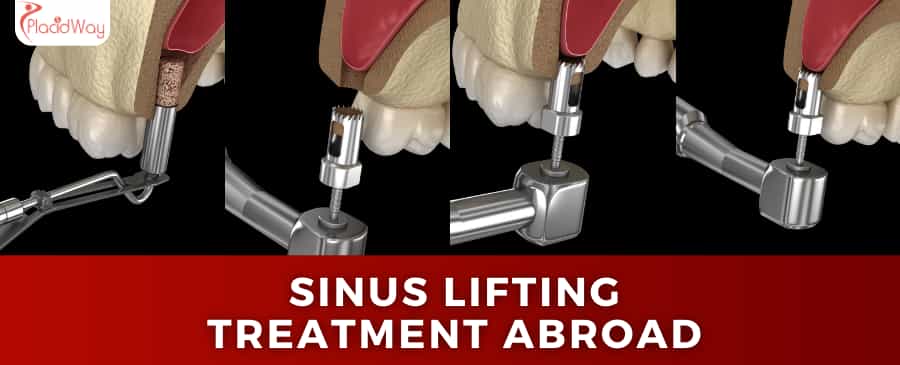
A sinus lift, medically known as sinus augmentation, is a highly effective surgical procedure designed to address this very issue. It involves carefully lifting the sinus membrane and adding bone graft material to create new, stable bone in the upper jaw. This crucial step provides a solid foundation, making it possible for you to receive dental implants and restore your smile, chewing function, and confidence.
For many, the cost and wait times associated with such specialized procedures in their home country can be prohibitive. This is where medical tourism shines, offering a compelling alternative. Patients worldwide are discovering that combining high-quality dental care, including complex procedures like sinus lifts, with the opportunity to travel can offer significant savings and access to world-class specialists. This comprehensive guide will walk you through everything you need to know about sinus lifts, from understanding why they're needed to exploring your options for treatment abroad.
What Are the Signs You Might Need a Sinus Lift?
Unlike some medical conditions that present with clear physical symptoms, the need for a sinus lift isn't something you'll typically feel or notice yourself. Instead, it's a diagnosis made by a dental professional during the planning stages for dental implants. If you're missing teeth in your upper back jaw and considering implants, your dentist will conduct a thorough examination, including:
- X-rays: Standard dental X-rays can offer an initial view of bone density.
- 3D CT Scans (Cone Beam CT - CBCT): These advanced scans provide detailed, cross-sectional images of your jawbone and sinus cavities, allowing the dentist to precisely measure the available bone height and width. This is the definitive way to determine if a sinus lift is required.
If these diagnostic tools reveal that there isn't enough vertical bone to securely anchor an implant without perforating the sinus cavity, a sinus lift will likely be recommended. Patients often search for "how do I know if I need a sinus lift" or "what are the signs of needing a sinus bone graft," and the answer almost always points to an imaging-based diagnosis by a qualified implant dentist.
Why Does Bone Loss Occur in the Upper Jaw? Causes and Risk Factors
Understanding why bone loss happens can help you appreciate the importance of a sinus lift. Several factors can contribute to insufficient bone in the upper back jaw, creating a need for procedures like a sinus lift or bone grafting for dental implants:
- Missing Upper Back Teeth: When a tooth is extracted, the bone that once supported it no longer receives stimulation. Without this stimulation, the jawbone naturally begins to resorb (shrink) over time. This process can be significant in the upper jaw, leading to less bone for future implants.
- Periodontal (Gum) Disease: Advanced gum disease can destroy the bone supporting teeth, leading to tooth loss and subsequent jawbone deterioration.
- Natural Sinus Expansion: As we age, the maxillary sinuses (air-filled cavities located above the upper back teeth) can naturally expand and grow larger, encroaching on the bone where implants would otherwise be placed.
- Trauma or Infection: Injuries to the jaw or severe infections can lead to localized bone loss.
- Prolonged Denture Use: Wearing dentures for many years without natural teeth underneath can accelerate bone resorption, as the dentures rub against the gums and do not provide the necessary stimulation to the bone.
Patients often search for "causes of jaw bone loss" or "why do I need a bone graft before implants" to understand these underlying issues. Essentially, any factor that removes stimulation from the jawbone or causes direct bone destruction can lead to the need for bone augmentation.
Exploring Sinus Lift Types: Lateral vs. Crestal Approaches
There are two primary techniques for performing a sinus lift, chosen based on the amount of bone augmentation required and the patient's specific anatomy:
- 1. Lateral Window Technique (Open Sinus Lift): This is the more common and traditional approach, typically used when a significant amount of bone height is needed (e.g., less than 4-5mm of existing bone).
- Procedure: The surgeon makes an incision in the gum tissue to expose the jawbone. A small, hinged "window" is then created in the lateral (side) wall of the sinus bone. The sinus membrane is gently lifted upwards, creating a space beneath it. This space is then filled with bone graft material. The gum tissue is then sutured closed.
- Recovery: Longer healing time due to its more invasive nature, often 6-9 months before implants can be placed.
- 2. Crestal Approach (Osteotome Sinus Lift or Closed Sinus Lift): This technique is less invasive and is typically performed when only a small amount of bone augmentation is needed (e.g., 5-8mm of existing bone).
- Procedure: The surgeon accesses the sinus through the site where the dental implant will eventually be placed. Small specialized instruments (osteotomes) are used to gently tap the floor of the sinus upwards and lift the membrane. Bone graft material is then carefully packed into this lifted space. Implants can sometimes be placed immediately during this procedure if enough initial stability is present.
- Recovery: Generally shorter and less uncomfortable than the lateral approach.
Patients often ask about "open sinus lift vs closed" or "crestal approach sinus lift recovery" when researching these options, and understanding the differences helps manage expectations.
Am I a Candidate for a Sinus Lift? Eligibility and Contraindications
Determining who is a good candidate for a sinus lift involves a comprehensive evaluation by your dental surgeon. Generally, you might be a candidate if:
- You have missing teeth in your upper back jaw.
- X-rays or CT scans reveal insufficient bone height (often less than 10mm) between the top of your jawbone and the floor of your maxillary sinus.
- You are in good general health with no uncontrolled systemic diseases (e.g., severe diabetes, certain autoimmune conditions).
- You have good oral hygiene and are free from active gum disease or infections.
- You are a non-smoker, or willing to quit, as smoking significantly impairs healing and increases the risk of complications.
- You have realistic expectations about the procedure, recovery, and overall treatment timeline.
Contraindications (Reasons You Might Not Be a Candidate):
- Uncontrolled chronic diseases that impair healing.
- Active infections in the sinus or oral cavity.
- Heavy smoking or alcohol consumption.
- Radiation therapy to the head and neck area.
- Certain medications, such as some bisphosphonates (though this requires careful assessment).
- Severely compromised immune system.
Your dentist will discuss your medical history thoroughly to ensure the procedure is safe and has the highest chance of success. Patients often search for "who needs a sinus lift" or "can I get a sinus lift with medical conditions," highlighting the importance of this eligibility discussion.
What to Expect During the Sinus Lift Procedure
Knowing what happens during the procedure can alleviate anxiety. While specifics may vary slightly depending on the technique (lateral vs. crestal) and individual case, here's a general overview of the sinus lift procedure steps:
- Anesthesia: The area will be numbed with local anesthesia, similar to a filling. Sedation options (oral, IV) may also be available for patient comfort.
- Incision: For a lateral window approach, an incision is made in the gum tissue of your upper back jaw to expose the bone.
- Bone Access: A small, hinged flap of bone is created in the outer wall of the sinus (lateral approach) or a small opening is created through the implant site (crestal approach).
- Sinus Membrane Lift: The delicate sinus membrane, which lines the sinus cavity, is very carefully and gently lifted upwards, away from the jawbone. This creates a space beneath it.
- Bone Graft Placement: The newly created space is then filled with bone graft material. This material can be autogenous (from your own body), allograft (from a human donor), xenograft (from an animal source, typically bovine), or alloplast (synthetic).
- Suturing: The gum tissue is carefully sutured closed. In the lateral approach, sometimes a resorbable membrane is placed over the bone window before suturing to protect the graft.
The entire procedure typically takes 1 to 2 hours, depending on its complexity and the chosen technique. Your surgeon will provide detailed instructions for post-operative care.
Sinus Lift Recovery Time and Post-Procedure Expectations
Recovery is a crucial phase, and patience is key. Here's what to expect:
- Immediate Post-Op (First Few Days): You may experience mild to moderate swelling, bruising, and discomfort, which can be managed with prescribed pain medication. Some light bleeding or oozing from the surgical site is normal. Avoid blowing your nose forcefully or sneezing with your mouth closed, as this can dislodge the blood clot or graft material.
- First 1-2 Weeks: Swelling and bruising should subside significantly. You'll likely be advised to eat soft foods. Stitches, if non-resorbable, will be removed by your surgeon.
- Bone Integration (4-9 Months): This is the longest phase. The bone graft material needs time to integrate with your existing bone and mature into dense, stable bone capable of supporting dental implants. This process, called osseointegration, typically takes 4 to 9 months, sometimes longer, before the implants can be placed. Your surgeon will monitor your healing with follow-up X-rays or CT scans.
Adhering to post-operative instructions, including proper oral hygiene, avoiding strenuous activities, and taking prescribed medications, is vital for successful healing. Patients often look up "sinus lift recovery timeline" or "how long to recover from sinus lift" to set realistic expectations.
Potential Risks and Side Effects of a Sinus Lift
While sinus lifts are generally safe and highly successful when performed by experienced surgeons, like any surgical procedure, there are potential risks and side effects:
- Sinus Membrane Perforation: The most common complication, the sinus membrane is very delicate and can be torn during the lifting process. Small tears can often be repaired immediately with a patch; larger tears might require delaying the procedure.
- Infection: Though rare with proper sterile technique and antibiotics, infection can occur. Symptoms include increased pain, swelling, fever, or pus.
- Graft Failure: In some cases, the bone graft material may not integrate successfully, requiring removal of the graft and possibly another procedure. This is more common in smokers or those with poor health.
- Sinusitis: Inflammation or infection of the sinus cavity can occur if bacteria enter the sinus during or after the procedure.
- Swelling, Bruising, and Pain: These are normal and expected side effects, usually manageable with medication and cold compresses.
- Bleeding: Minor bleeding is normal; excessive or prolonged bleeding should be reported to your surgeon.
- Nerve Damage: Extremely rare but possible, leading to numbness in the lip or gum area. This is usually temporary.
Choosing a highly qualified and experienced surgeon significantly minimizes these risks. It's important to discuss all potential "sinus lift complications" or "sinus lift side effects" with your dental professional before treatment.
Sinus Lift Costs Worldwide: A Comparative Overview
The cost of a sinus lift can be a major factor for many patients. Prices fluctuate widely based on geographic location, the complexity of the procedure (lateral vs. crestal), the type of bone graft material used, the surgeon's fees, and whether other procedures (like immediate implant placement) are performed concurrently. Here's a comparative overview:
| Region/Country | Estimated Sinus Lift Cost (USD) | Notes |
|---|---|---|
| United States / Canada | $1,500 - $4,000+ per sinus | High labor costs, advanced technology, brand reputation. |
| United Kingdom / Western Europe | €1,200 - €3,500 ($1,300 - $3,800) | Similar cost structure to North America, varying by country. |
| Turkey | $600 - $1,500 | Popular for high-quality, affordable dental tourism. |
| Mexico | $700 - $1,800 | Convenient for US patients, excellent dental infrastructure. |
| India | $500 - $1,200 | Extremely competitive pricing, highly skilled dentists. |
| Costa Rica | $800 - $2,000 | Known for high-quality dental care in a beautiful setting. |
| Thailand | $700 - $1,800 | Growing dental tourism hub with modern clinics. |
These figures are estimates and can vary. It's crucial to get a personalized quote from any clinic you consider. The significant difference in "sinus lift cost" abroad is a primary driver for medical tourism.
Why Consider a Sinus Lift Abroad? The Medical Tourism Advantage
The decision to travel abroad for medical treatment is becoming increasingly popular, especially for dental procedures like sinus lifts. Here are compelling reasons why patients choose this path:
- Significant Cost Savings: As seen in the cost comparison, the most prominent advantage is often the dramatically lower prices for the same high-quality procedures. This can make otherwise unaffordable treatment accessible.
- Access to Specialized Expertise: Many medical tourism destinations boast internationally trained and experienced oral surgeons and implantologists, some of whom perform these procedures more frequently than their counterparts in Western countries.
- Reduced Waiting Times: In some countries, public healthcare systems can have long waiting lists for specialized dental surgeries. Traveling abroad often means faster access to treatment.
- State-of-the-Art Facilities: Many clinics catering to international patients are equipped with the latest technology and adhere to international standards of care.
- Combine Treatment with Travel: For many, the appeal lies in combining necessary medical treatment with a holiday, allowing for recovery in a relaxing environment.
- Privacy and Anonymity: Some patients prefer the discretion of receiving treatment away from their local community.
For those researching "medical tourism sinus lift" or "dental work abroad benefits," these advantages clearly stand out.
Which Countries Offer the Best Value for Sinus Lift Procedures?
When seeking the "best countries for sinus lift," several destinations consistently receive high praise for their blend of quality, affordability, and patient experience:
- Turkey: Especially cities like Istanbul and Antalya, offer world-class dental clinics with highly experienced surgeons. They are particularly known for comprehensive dental packages that are significantly cheaper than in Europe or North America.
- Mexico: Border cities (e.g., Tijuana, Los Algodones) are popular for US patients, while larger cities like Cancun and Mexico City attract patients globally. Mexico boasts modern facilities and American-trained dentists.
- India: Renowned for its highly skilled medical professionals and advanced facilities at a fraction of the cost, India is a strong contender for complex dental procedures.
- Costa Rica: A beautiful country with a thriving dental tourism industry, particularly around San José. Clinics offer excellent patient care, often using US-standard materials and technology.
- Colombia: Cities like Medellín and Bogotá are emerging as popular destinations, offering high-quality dental services and plastic surgery at competitive prices.
- Hungary & Poland: Within Europe, these countries offer excellent, affordable dental care, attracting patients from the UK and Western Europe.
These countries represent a sweet spot where quality, expertise, and cost converge, making them ideal for "affordable dental implants abroad" and related procedures.
What to Expect When Traveling for a Sinus Lift Abroad? A Patient's Journey
Embarking on a medical journey abroad requires careful planning. Here's a typical patient's journey:
- Initial Research: Identify potential clinics and surgeons in your chosen destination. Look for websites, patient testimonials, and professional affiliations.
- Remote Consultation: Most reputable clinics offer online consultations. You'll share your dental history, X-rays/CT scans, and discuss your needs. The clinic will provide a personalized treatment plan and quote.
- Travel Planning: Book flights and accommodation. Many clinics offer assistance with this, including airport transfers and local lodging options. Ensure your passport is valid.
- Pre-Procedure Appointments: Upon arrival, you'll have in-person consultations, further diagnostics (if needed), and a final review of your treatment plan.
- The Procedure: Your sinus lift will be performed as scheduled.
- Initial Recovery Abroad: You'll spend several days to a week (depending on the extent of the procedure and your comfort level) recovering in the destination country. Post-operative check-ups will be scheduled.
- Return Home: You'll receive detailed aftercare instructions. You may need to plan for a follow-up visit with your local dentist or surgeon to monitor healing, or return to the international clinic for implant placement (often 6-9 months later).
Understanding "what to expect dental tourism" and "traveling for dental surgery" can help you prepare for a smooth and successful experience.
How to Ensure Safety and Quality for a Sinus Lift Abroad?
Safety and quality should be paramount when considering any medical procedure abroad. Here’s how to ensure you make an informed and safe choice:
- Check Accreditations: Look for international accreditations like JCI (Joint Commission International) or ISO certifications, which indicate adherence to global standards of patient safety and quality.
- Verify Dentist Qualifications and Experience: Research your surgeon's background. Where did they train? How many sinus lifts have they performed? Are they members of international dental associations?
- Read Patient Reviews and Testimonials: Look for independent reviews on platforms like Google, Trustpilot, or specific medical tourism forums. Be wary of only overly positive, generic reviews.
- Ask for a Comprehensive Treatment Plan: Ensure you receive a detailed breakdown of the procedure, materials used (especially bone graft type), expected outcomes, risks, costs, and aftercare.
- Clear Communication: Ensure the clinic provides staff who can communicate effectively in your language. Miscommunication can lead to misunderstandings and errors.
- Understand Follow-up Care: Discuss what post-operative care is available once you return home and how to manage potential complications.
- Consider Medical Tourism Facilitators: Companies like PlacidWay can help you vet clinics, compare quotes, and arrange logistics, adding an extra layer of security.
By diligently researching and asking the right questions, you can ensure a "safe dental tourism" experience and achieve the high-quality results you seek.
Take the Next Step with PlacidWay
Ready to explore treatment options abroad? Discover top clinics, compare prices, and get a free quote tailored to your needs with PlacidWay.
Dental Tourism | Cosmetic Dentistry | Implants | Root Canals | Dentures | Bridges | Orthodontics | Dental Holidays Abroad
-Package-in-Riyadh,-Saudi-Arabia-at-King-Faisal-Specialist-Hospital-Thumbnail.jpg)





.png)
.png)





.png)
-(1).png)












Share this listing