


.png)
Contents
Transform Your Smile with Nuevo Progreso Dental Treatments
Imagine stepping out of your car in Texas, walking across a short pedestrian bridge, and instantly arriving in a vibrant town that is entirely dedicated to your dental health. For hundreds of thousands of North Americans, Nuevo Progreso isn't just a border town; it is the undisputed "Dental Capital of the World." Located directly across the Rio Grande from Weslaco, Texas, this unique destination has perfected the art of delivering world-class dental care—from routine cleanings to complex All-on-4 implant restorations—at a fraction of U.S. and Canadian prices.
Choosing Nuevo Progreso means you are tapping into a highly competitive, specialized medical hub. Because the town's entire economy revolves around medical tourism, clinics are highly motivated to maintain pristine reputations. Dentists here frequently hold board certifications, attend continuing education in the United States, and equip their clinics with state-of-the-art technology like 3D CBCT scanners and on-site CAD/CAM milling machines.
Safety, speed, and massive cost savings are the hallmarks of the Nuevo Progreso experience. Patients routinely report saving between 50% and 80% on procedures that would cost tens of thousands of dollars back home. Moreover, the care is fast. Thanks to dedicated in-house laboratories, a crown that might take three weeks to fabricate in the U.S. can often be seated the very same day or the next morning here.
Whether you are a "Winter Texan" escaping the cold or a patient flying into the Rio Grande Valley specifically to restore your smile, Nuevo Progreso offers a seamless, welcoming, and highly professional environment. Read on to discover why this friendly border town is the ultimate destination for transforming your dental health.
Did You Know?
You don't even need to drive your car into Mexico to visit your dentist! Most patients park in the large, secure, and inexpensive parking lots on the U.S. side in Progreso, Texas. From there, it is a simple, safe, and scenic five-minute walk across the International Bridge—and many top dental clinics are located just steps away from the border checkpoint!
Key Insights at a Glance
Patients routinely save 50% to 80% on high-value procedures like implants, veneers, and full-mouth restorations.
Park safely in Texas and walk across the bridge; the majority of premium dental clinics are located within a 4-block radius of the border.
Clinics use the exact same FDA-approved global brands (like Straumann, Nobel Biocare, and E.max) utilized by U.S. dentists.
On-site dental laboratories allow for rapid turnaround times, meaning crowns and bridges can often be completed in just 24-48 hours.
Because almost 100% of their clientele are Americans and Canadians, English is universally spoken by dentists and staff.
Unlike the complex billing systems in the U.S., pricing in Nuevo Progreso is upfront, clear, and without hidden fees.
The "Winter Texan" Phenomenon
Every winter, over 100,000 retirees from the Northern U.S. and Canada travel down to the Rio Grande Valley. Nuevo Progreso is so beloved by these "Winter Texans" that the town actually hosts a massive "Tourist Appreciation Day" every March, complete with street parades, live music, and free margaritas, entirely dedicated to thanking international patients!
Bundling your dental treatments can make your trip even more straightforward and budget-friendly. In the section below, we have organized a selection of top-rated dental providers offering comprehensive packages. For major restorations like All-on-4 implants or full sets of veneers, these packages often bundle the surgery, implants, abutments, provisional crowns, and even initial consultations into one clear price. Review the options to find a package tailored to your specific oral health needs.
Note: Package deals are an excellent way to lock in pricing for multi-stage procedures, protecting you from unexpected out-of-pocket costs.
.png)
Price starting from $350
Top Denture Package in Nuevo Progreso, Mexico by Dental Artistry & World Dental Center
Dental Artistry Dental Center
- Dentistry
Nuevo Progreso, Mexico
Price starting from $250
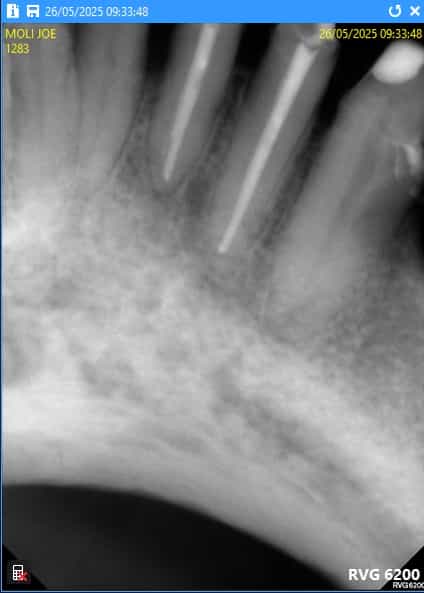
Root Canal and Build-up Package in Nuevo Progreso, Mexico
Dental Artistry Dental Center
- Dentistry
Nuevo Progreso, Mexico
Price starting from $500
Zirconium Crowns, E-max Crowns, & Veneers in Nuevo Progreso, Mexico by Dental Artistry
Dental Artistry Dental Center
- Dentistry
Nuevo Progreso, Mexico
Price starting from $150
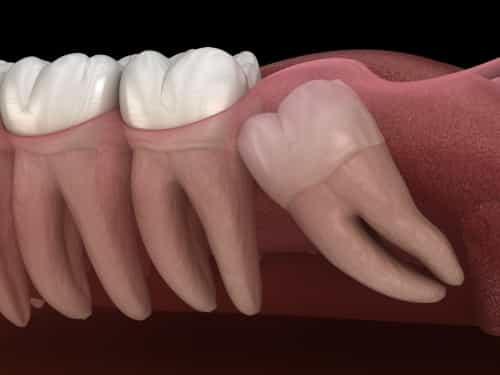
Wisdom Tooth Extraction Package in Nuevo Progresso, Mexico by Dental Artistry & World Dental Center
Dental Artistry Dental Center
- Dentistry
Nuevo Progreso, Mexico
Price starting from $5,000
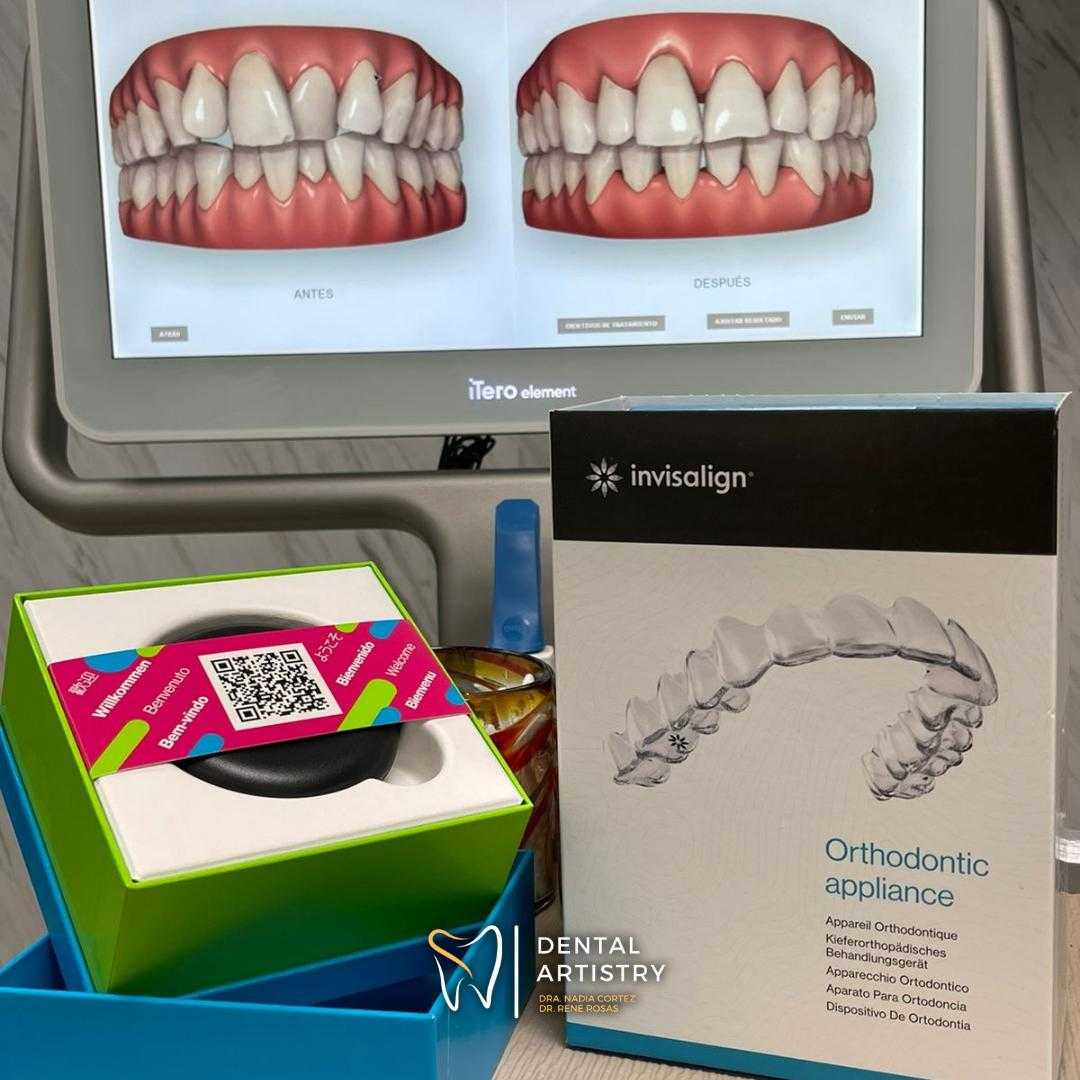
Invisalign Package in Nuevo Progresso, Mexico by Dental Artistry & World Dental Center
Dental Artistry Dental Center
- Dentistry
Nuevo Progreso, Mexico

Price starting from $1,200
Dental Implants Package in Nuevo Progreso, Mexico by Alpha Dental Implant Center
Alpha Dental Implant Center in Nuevo Progreso, Mexico
- Dentistry
Nuevo Progreso, Mexico
Financial predictability is one of the main reasons patients flock to this border town. Below, you will find a transparent table outlining the average costs for the most sought-after dental procedures in Nuevo Progreso, contrasted with standard U.S. pricing. While individual quotes will vary based on your specific clinical needs and the materials chosen, these averages illustrate the tremendous financial relief available just across the border.
Tip: Always share your recent panoramic X-rays with the clinic ahead of time to get the most accurate, personalized price estimate.
Dentistry Centers Cost Comparison in Nuevo Progreso, Mexico
| Provider | Procedure | Price |
|---|---|---|
| Dental Artistry Dental Center | Dental Crowns, Dentistry | $450 |
| Dental Artistry Dental Center | Dentures, Dentistry | $350 |
| Dental Artistry Dental Center | Crowns over Implants, Dentistry | $800 |
| Dental Artistry Dental Center | Teeth Whitening, Dentistry | $250 |
| Dental Artistry Dental Center | Root Canal, Dentistry | $300 |
| Alpha Dental Implant Center in Nuevo Progreso, Mexico | Dental Implants, Dentistry | $1200 |
Dentistry Cost Comparison in Mexico
| Country | Procedure | Price |
|---|---|---|
| Australia | Dental Implants, Dentistry | $3356 |
| Canada | Dental Implants, Dentistry | $3000 |
| United States | All on 6 Dental Implants, Dentistry | $35000 |
With hundreds of clinics operating in a concentrated area, choosing the right facility is paramount. We have curated a list of premier dental centers in Nuevo Progreso that are distinguished by their advanced technology, strict sterilization protocols, and focus on complex implantology and cosmetic dentistry. Explore the profiles below to discover clinics that feature on-site labs, English-speaking staff, and verifiable credentials.
Safety First: Prioritize clinics that prominently display their sterilization methods and utilize reputable, globally recognized dental implant brands.
Alpha Dental Implant Center in Nuevo Progreso, Mexico
Nuevo Progreso, Mexico
Dental Artistry Dental Center
Nuevo Progreso, Mexico
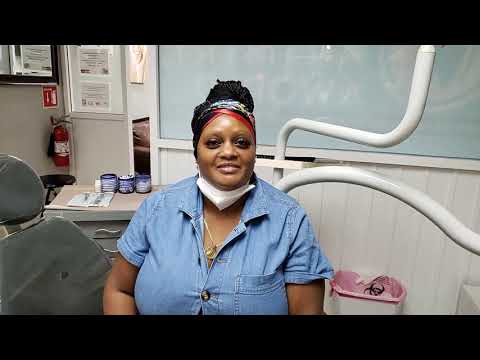
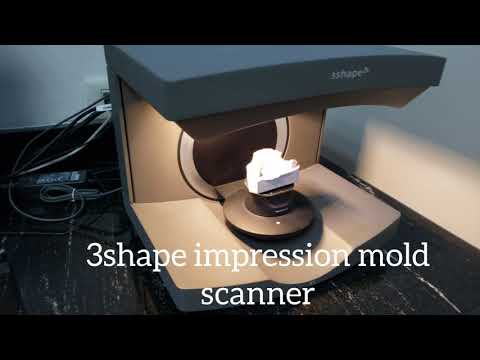
A picture is worth a thousand words, but a video testimonial offers true peace of mind. The videos featured below capture the real-life journeys of North American patients who crossed into Nuevo Progreso to restore their smiles. Listen to their experiences regarding border safety, clinic cleanliness, pain management, and the emotional impact of receiving high-quality, affordable dental care.
Insight: Video reviews are excellent for gauging the "bedside manner" of the dentists and the overall atmosphere of the clinic.


Written feedback provides vital clues about long-term satisfaction and clinic reliability. In this section, browse through verified reviews and ratings from individuals who have recently completed their dental treatments in Nuevo Progreso. Look for comments detailing the longevity of their implants or crowns, the transparency of the pricing, and the clinic's willingness to assist with follow-up care.
Review Tip: Pay special attention to reviews from patients who underwent the exact same procedure you are considering.

Nuevo Progreso Dentist Prices – How Much Does Dental Work Cost in Mexico?
Nuevo Progreso, Mexico, has become a top destination for affordable, high-quality dental care. With significantly lower costs than in the U.S. and Canada, patients can save up to 70% on treatments while receiving expert care from experienced dentists. If you're searching for Nuevo Progreso dentist prices and wondering about the cost of dental implants, crowns, root canals, and other procedures, this guide provides a detailed cost breakdown and essential tips for choosing the right clinic. Why Choose Nuevo Progreso for Dental Care? Nuevo Progreso is one of the best dental tourism destinations in Mexico due to: Low Prices – Treatments are 70% cheaper than in the U.S. Experienced Dentists – Many specialists are trained internationally. Modern Clinics – Clinics use state-of-the-art equipment and advanced technology. Convenient Location – Easily accessible from Texas and other U.S. border states. No Long Wait Times – Get treatments done faster than in many other countries. Nuevo Progreso Dentist Prices – Cost Breakdown Here’s an overview of the cost of dental implants in Nuevo Progreso compared to the U.S.: Procedure Nuevo Progreso Price U.S. Price Savings Dental Implants $900 – $1,500 $3,000 – $5,000 Up to 70% All-on-4 Dental Implants $3,500 – $6,000 $24,000 – $30,000 Up to 75% All-on-6 Dental Implants $5,000 – $7,500 $28,000 – $35,000 Up to 75% Dental Crowns (Porcelain) $250 – $450 $1,200 – $2,500 Up to 80% Porcelain Veneers $350 – $600 $1,500 – $3,000 Up to 75% Zoom Teeth Whitening $150 – $250 $600 – $1,000 Up to 75% Wisdom Tooth Extraction $80 – $250 $400 – $1,000 Up to 80% Dentures (Full Set) $600 – $1,000 $2,000 – $4,000 Up to 70% These prices vary depending on the clinic, dentist experience, and materials used. Nuevo Progreso Dental Implants – Affordable and High-Quality Many people travel to Nuevo Progreso for dental implants, as they are much more affordable than in the U.S. without sacrificing quality. Types of Dental Implants & Their Costs Single Tooth Implant – $900 – $1,500 All-on-4 Dental Implants – $3,500 – $6,000 All-on-6 Dental Implants – $5,000 – $7,500 All-on-8 Dental Implants – $6,000 – $9,000 Clinics use top-quality materials, including titanium implants and zirconia crowns, ensuring durability and long-term success. How to Choose the Best Dentist in Progreso, Mexico? Finding the best dentist in Nuevo Progreso is essential for safe and high-quality treatment. Here’s what to look for: Dentist’s Experience & Credentials – Ensure they are certified and well-trained. Technology & Equipment – Look for clinics using 3D scans, digital X-rays, and CAD/CAM technology. Patient Reviews – Check Google reviews and testimonials for honest feedback. Sterilization & Hygiene Standards – Choose clinics with strict sterilization protocols. Transparent Pricing – Ask for a detailed price breakdown before committing. What to Expect When Visiting a Dentist in Nuevo Progreso? If you're planning your first dental visit to Nuevo Progreso, here's what to expect: Initial Consultation & Treatment Plan – The dentist will evaluate your teeth, take X-rays, and discuss treatment options. Procedure & Recovery – Most treatments require only one or two visits. Some procedures, like dental implants, may need follow-ups. Payment Options – Many clinics accept cash, and credit cards, and even offer payment plans. Post-Treatment Care – You’ll receive detailed aftercare instructions to ensure proper healing. FAQs About Dental Crowns and Dental Work in Nuevo Progreso, Mexico 1. What is the average cost of crowns in Mexico? The average cost of porcelain dental crowns in Mexico ranges from $250 to $450 per tooth, depending on the clinic, materials used, and the dentist’s expertise. Compared to the $1,200 – $2,500 cost in the U.S., patients can save up to 80% while still receiving high-quality, durable crowns from experienced dentists. 2. Is it worth going to Mexico for dental work? Yes, traveling to Mexico for dental treatments like crowns, implants, and veneers is a cost-effective and high-quality option. With modern clinics, highly trained dentists, and prices that are 50-75% lower than in the U.S., many patients find it affordable and reliable to get dental work done in Mexico. Additionally, there are no long wait times, and patients can often combine treatment with a vacation. 3. How long does it take to get crowns in Mexico? Most dental crowns in Nuevo Progreso require two visits over a few days. The first visit includes tooth preparation, impressions, and temporary crowns, while the second visit involves fitting and cementing the final crown. Some clinics with in-house CAD/CAM technology offer same-day crowns, reducing the time required for treatment. 4. Are crowns done in one day? Yes, some clinics in Nuevo Progreso offer same-day crowns using CEREC or CAD/CAM technology. These crowns are designed, milled, and placed in a single visit, eliminating the need for multiple trips. However, traditional crowns may still take a few days as they require lab fabrication for a custom fit. 5. What happens if I can't afford a crown? If you can’t afford a crown in the U.S. or Canada, getting dental crowns in Nuevo Progreso is an excellent alternative. With prices as low as $250 per tooth, dental care in Mexico is far more affordable. Some clinics also offer payment plans, allowing patients to receive essential treatments without financial strain. Final Thoughts: Nuevo Progreso – The Best Place for Affordable Dental Care Nuevo Progreso is an excellent choice for affordable and high-quality dental work. With low prices, experienced dentists, and modern clinics, patients can restore their smiles at a fraction of U.S. costs. Whether you need dental implants, crowns, root canals, or veneers, Nuevo Progreso provides world-class treatment without breaking the bank. Ready to get affordable dental care? Schedule a consultation with a top dentist in Nuevo Progreso today!
How Much Does Dental Implants Cost in Nuevo Progreso, Mexico?
A Comprehensive Guide to Getting Affordable Dental Implants in Nuevo Progreso, Mexico Are you missing one or more teeth? Do you find it difficult to eat your favorite foods or feel self-conscious about your smile? If so, dental implants might be the perfect solution for you. And if you're looking for affordable yet high-quality dental implants, Nuevo Progreso, Mexico, is a destination worth exploring. Nuevo Progreso is a small border town in Mexico, just a stone's throw away from Texas. It has become a popular destination for dental tourism due to its significantly lower prices compared to the United States and Canada. But don't let the lower prices fool you. Nuevo Progreso is home to many highly skilled and experienced dentists who use the latest technology and materials to provide top-notch dental care. Cost of Dental Implants in Nuevo Progreso, Mexico The cost of dental implants in Nuevo Progreso, Mexico varies depending on several factors, including the number of implants needed, the type of artificial teeth used, and the complexity of the procedure. However, you can expect to pay significantly less than you would in the United States or Canada. Procedure Estimated Cost (USD) Single Dental Implant $800 - $1,500 Full Mouth Dental Implants $10,000 - $20,000 Implant-Supported Dentures $5,000 - $12,000 Please note: These are just estimates, and the actual cost of your treatment may vary. It's always best to consult with a dentist in Nuevo Progreso to get a personalized quote. Why Choose Dental Implants? Dental implants are a popular and effective way to replace missing teeth. They are small titanium posts that are surgically placed into your jawbone. Once the implants have fused with your bone, they act as a sturdy base for artificial teeth. Benefits of Dental Implants: Improved Appearance: Dental implants look and feel like your own teeth, giving you a natural-looking smile. Enhanced Speech: Missing teeth can make it difficult to pronounce certain words. Dental implants can help you speak clearly and confidently. Increased Comfort: Unlike removable dentures, dental implants are permanently fixed in place, eliminating the discomfort and inconvenience of slipping or clicking dentures. Easier Eating: Dental implants function like your own teeth, allowing you to eat your favorite foods with ease. Improved Oral Health: Dental implants don't require the grinding down of adjacent teeth, as is necessary for bridges. This helps preserve your natural teeth and overall oral health. Durability: With proper care, dental implants can last a lifetime, making them a cost-effective solution in the long run. Top Dental Implant Clinics in Nuevo Progreso, Mexico Dental Artistry & World Dental Center State of Art Medical Center What to Expect During Your Dental Implant Procedure in Nuevo Progreso The dental implant procedure typically involves several steps, which may be completed in a single visit or multiple visits depending on your individual needs. Consultation and Examination: Your dentist will conduct a thorough examination of your mouth, including X-rays, to determine if you are a good candidate for dental implants. Implant Placement: The titanium implant posts are surgically placed into your jawbone. Healing Period: You will need to allow several months for the implants to fuse with your jawbone in a process called osseointegration. Abutment Placement: Once the implants have healed, small connectors called abutments are attached to the implants. Artificial Tooth Placement: Finally, your new artificial teeth (crowns, bridges, or dentures) are attached to the abutments. Why Choose Nuevo Progreso for Dental Implants? Cost Savings: The cost of dental implants in Nuevo Progreso is significantly lower than in the United States or Canada. You can save up to 70% on your treatment. Experienced Dentists: Nuevo Progreso has a large concentration of dentists who are highly skilled and experienced in implant dentistry. Many have received training in the United States or Europe. Modern Facilities: Dental clinics in Nuevo Progreso are equipped with the latest technology and materials, ensuring that you receive high-quality care. Convenient Location: Nuevo Progreso is easily accessible from the United States, with many people driving across the border for treatment. Tourism Opportunities: While you're in Nuevo Progreso, you can also enjoy the town's other attractions, such as shopping, dining, and cultural experiences. Tips for Choosing a Dentist in Nuevo Progreso, Mexico Do your research: Read online reviews and testimonials from previous patients. Look for experienced dentists: Choose a dentist who has extensive experience in implant dentistry. Consider the clinic's facilities: Make sure the clinic is clean, modern, and equipped with the latest technology. Ask about the materials used: Ensure that the dentist uses high-quality implants and artificial teeth. Get a personalized quote: Don't hesitate to ask for a detailed breakdown of the costs involved in your treatment. FAQs about Dental Implants in Nuevo Progreso, Mexico 1. Is it safe to get dental implants in Nuevo Progreso? Yes, it is generally safe to get dental implants in Nuevo Progreso. The dentists in Nuevo Progreso are highly skilled and experienced, and the clinics are modern and well-equipped. However, as with any medical procedure, there are always some risks involved. It's important to do your research and choose a reputable dentist. 2. How long will I need to stay in Nuevo Progreso for my dental implant treatment? The length of your stay will depend on your individual treatment plan. Some people may only need to stay for a few days, while others may need to stay for several weeks or months. 3. Will my insurance cover dental implants in Nuevo Progreso? Some insurance plans may cover a portion of the cost of dental implants, even if the treatment is done outside of the United States. It's important to check with your insurance provider to see what is covered. 4. What is the recovery time for dental implants? The recovery time for dental implants varies from person to person. However, most people can expect to return to their normal activities within a few days after the procedure. 5. How do I get to Nuevo Progreso? Nuevo Progreso is located just across the border from Progreso, Texas. You can drive to Nuevo Progreso or fly to McAllen International Airport and take a short taxi ride to the border. Ready to Transform Your Smile? Let PlacidWay Help You! Getting dental implants in Nuevo Progreso, Mexico can be a great way to restore your smile and improve your quality of life. If you're considering this option, PlacidWay can help you find a qualified dentist and plan your trip. Contact us today to learn more about our services and how we can help you achieve the smile of your dreams.
How Much Would I Pay for Dental Veneers in Nuevo Progreso, Mexico?
Dental veneers are a popular cosmetic dentistry solution to improve the appearance of teeth. If you're considering getting veneers, you might wonder about the costs, especially if you're planning to get them in Nuevo Progreso, Mexico. This article covers the pricing, benefits, and other important details about getting dental veneers in this well-known dental tourism destination. Why Choose Nuevo Progreso for Dental Veneers? Nuevo Progreso is a small town located near the US-Mexico border. Over the years, it has become a hub for affordable and high-quality dental care. Here are some reasons why people choose Nuevo Progreso for dental veneers: Affordable Prices: Treatments in Mexico are often significantly cheaper than in the US or Canada. High-Quality Services: Dentists in Nuevo Progreso are experienced and use modern equipment. Convenient Location: It's easy to reach Nuevo Progreso from Texas and other US states. Short Wait Times: You can often get an appointment faster than in your home country. What Are Dental Veneers? Dental veneers are thin, custom-made shells designed to cover the front surface of your teeth. They are used to correct issues such as: Discolored teeth Chipped or broken teeth Gaps between teeth Irregularly shaped or misaligned teeth Veneers are typically made from porcelain or composite resin, each offering durability and a natural look. How Much Do Dental Veneers Cost in Nuevo Progreso? The cost of dental veneers in Nuevo Progreso is significantly lower compared to the United States and Canada. Here’s an approximate breakdown: Type of Veneer Average Cost in Nuevo Progreso (per tooth) Average Cost in the US (per tooth) Porcelain Veneers $250 - $500 $1,000 - $2,500 Composite Resin Veneers $150 - $300 $800 - $1,500 Why Are Veneers Cheaper in Mexico? Lower Overhead Costs: Dentists in Mexico face lower operating costs, allowing them to charge less. Currency Exchange Rates: The favorable exchange rate makes treatments more affordable for international patients. Competitive Market: With numerous clinics in Nuevo Progreso, prices remain competitive. What Affects the Cost of Dental Veneers? Several factors can influence the final cost of veneers, including: Type of Material: Porcelain veneers are more expensive but more durable and natural-looking compared to composite resin veneers. Number of Veneers: The cost increases with the number of veneers you need. Dentist’s Experience: Highly experienced dentists may charge more for their expertise. Clinic Facilities: Clinics with state-of-the-art equipment may have slightly higher prices. Benefits of Getting Dental Veneers in Nuevo Progreso Choosing Nuevo Progreso for your dental veneers offers several advantages: Cost Savings: Save up to 70% compared to US prices. Experienced Dentists: Many dentists have international training and certifications. Quality Materials: Clinics often use the same materials as those used in the US. Tourism Opportunity: Explore the charming town of Nuevo Progreso during your visit. Are Dental Veneers Right for You? Dental veneers are a great option if you’re looking to enhance your smile. However, not everyone is a good candidate. Here are some conditions to meet: Healthy teeth and gums No severe tooth decay or gum disease Commitment to good oral hygiene A consultation with a dentist in Nuevo Progreso can help determine if veneers are the right choice for you. What to Expect During the Procedure Initial Consultation: The dentist examines your teeth and discusses your goals. Preparation: A small amount of enamel is removed from your teeth to make room for the veneers. Impressions: The dentist takes impressions of your teeth to create custom veneers. Placement: Once the veneers are ready, they are bonded to your teeth using a special adhesive. The entire process usually requires 2-3 visits over a week. Tips for Choosing a Dental Clinic in Nuevo Progreso Research Reviews: Look for clinics with positive patient reviews. Check Credentials: Ensure the dentist is qualified and has relevant experience. Ask About Materials: Confirm the type of veneers and materials used. Get a Quote: Request a detailed cost estimate before starting treatment. FAQs About Dental Veneers in Nuevo Progreso 1. How long do veneers last? Porcelain veneers can last 10-15 years, while composite veneers typically last 5-7 years with proper care. 2. Do veneers require special care? No, you care for veneers just like your natural teeth—brush twice a day, floss daily, and visit the dentist regularly. 3. Can I replace old veneers in Nuevo Progreso? Yes, dentists in Nuevo Progreso can replace old veneers at a fraction of the cost you’d pay in the US. 4. Will my insurance cover veneers? Most dental insurance plans don’t cover cosmetic procedures like veneers. Check with your provider for details. 5. How soon can I travel back after the procedure? You can usually travel back immediately after your appointment, but it’s best to schedule follow-ups if needed. 6. Can I combine veneers with other treatments? Yes, many clinics offer packages for veneers along with teeth whitening or other dental treatments. Ready to Transform Your Smile? Contact PlacidWay Today! If you’re ready to enhance your smile with affordable dental veneers in Nuevo Progreso, PlacidWay is here to help. We connect you with trusted dental clinics and experienced dentists, ensuring a smooth and stress-free experience. Don’t wait to achieve the smile you’ve always wanted! Reach out to PlacidWay now for more information or to schedule your consultation.
How Much Do Nuevo Progreso Dental Implants Cost? Best Clinics & Dentists
If you’re looking for affordable, high-quality dental implants, Nuevo Progreso, Mexico, is one of the best destinations for dental care. The All-on-4 dental implant procedure, which replaces a full arch of missing teeth, costs 70% less than in the U.S. while maintaining the same high standards of care. In this guide, we’ll explore the cost of dental implants in Nuevo Progreso, the best dental clinics, and highly skilled dentists in Nuevo Progreso who offer world-class treatment. How Much Do Dental Implants Cost in Nuevo Progreso? The cost of All-on-4 dental implants in Nuevo Progreso is much lower than in the U.S., allowing patients to save thousands while getting high-quality care. Patients from the U.S. and Canada choose Nuevo Progreso not just for affordability but also for its excellent dental care standards. Many clinics use the same materials and technology found in North American dental offices but at a fraction of the price. Procedure Cost in Nuevo Progreso (USD) Cost in the U.S. (USD) Savings (%) All-on-4 Dental Implants $7,160 $25,000 70% All-on-6 Dental Implants $9,000 $28,000 68% Single Dental Implant $1,200 $3,500 66% Implant-Supported Denture $3,500 $12,000 71% Unlike traditional dentures, All-on-4 dental implants offer a permanent and stable solution for patients missing multiple teeth. These implants prevent bone loss, improve speech, and restore chewing ability—making them a superior alternative to removable dentures. Even with travel and accommodation costs, patients save thousands by choosing Nuevo Progreso dental implants over U.S. clinics. Best Dental Implant Clinic in Nuevo Progreso Dental Artistry & World Dental Center is one of the top-rated dental clinics in Nuevo Progreso, Mexico, specializing in cosmetic and restorative dentistry, including All-on-4 dental implants. With a 94.12% patient recommendation rate, this clinic is highly trusted by international patients seeking affordable, high-quality dental care. The clinic is equipped with CAD/CAM technology, ensuring precision and efficiency in every dental procedure. By using computer-aided design and manufacturing, they create custom-fitted dental restorations with exceptional accuracy and durability. Premium-Quality Materials for Long-Lasting Results Patients at Dental Artistry & World Dental Center receive only the best materials available in modern dentistry. The clinic specializes in: Zirconium Crowns – Known for their strength, durability, and natural appearance. E-Max Crowns & Veneers – High-quality ceramic restorations that provide lifelike aesthetics and superior longevity. Full-Mouth Restorations – Custom treatment plans for patients needing extensive dental work, including implants, crowns, and veneers. Why Choose Dental Artistry & World Dental Center? Advanced Technology: Cutting-edge CAD/CAM technology ensures precision in every procedure. Highly Experienced Team: Skilled dentists with years of experience in implantology and cosmetic dentistry. High-Quality Materials: Zirconium and E-Max restorations for long-lasting, natural-looking results. Patient Satisfaction: A 94.12% recommendation rate from satisfied patients. Affordable Pricing: Significant cost savings compared to U.S. and Canadian dental clinics. If you're considering All-on-4 dental implants or full-mouth restorations, the Dental Artistry & World Dental Center in Nuevo Progreso is a trusted choice for world-class dental care at an affordable price. Top Dentists in Nuevo Progreso for Dental Implants Finding the right dentist in Nuevo Progreso is essential to ensure successful and long-lasting dental implants. Patients should consider experience, education, and patient reviews when selecting a specialist. Here are some of the most trusted dental professionals in the area: 1. Dr. Rene Rosas – Expert in Implantology and Maxillofacial Surgery Dr. Rosas is a highly regarded oral and maxillofacial surgeon with over 15 years of experience in dental implants and complex oral surgeries. His expertise in implant placement, bone grafting, and sinus lifts ensures high success rates for patients undergoing the All-on-4 procedure. He is committed to customized treatment plans that focus on patient needs, ensuring both functionality and aesthetics. 2. Dra. Nadia Cortez – Orthodontics & General Dentistry Specialist Dra. Nadia Cortez is an orthodontic specialist and general dentist at Dental Artistry & World Dental Center. She is well known for her attention to detail and patient-first approach. Her clinic specializes in full-mouth restorations, traditional implants, and orthodontics, making it an excellent choice for patients seeking a combination of treatments. Dra. Cortez ensures that each treatment plan is tailored to the patient's dental condition, preferences, and long-term goals. 3. Dra. Paulina Corona – Periodontist & Implant Specialist With a background in periodontics and implantology, Dra. Paulina Corona focuses on gum health, bone preservation, and implant-supported prosthetics. She graduated from U.N.A.L., one of the top dental schools in northern Mexico, and brings over six years of expertise in treating periodontal disease and complex implant cases. Her advanced techniques ensure strong implant placement, preventing complications such as implant failure due to gum infections. 4. Dr. Sergio Quiroga – General Dentistry & Implant Surgery Dr. Quiroga has a decade of experience in dental implants and full-mouth reconstructions. He specializes in implant-supported bridges, immediate-load implants, and digital smile design. Patients appreciate his patient-focused approach, ensuring comfort, efficiency, and outstanding results. His knowledge in digital dentistry and computer-guided implant surgery makes him one of the best choices for highly precise and minimally invasive procedures. 5. Dra. Berali – General Dentistry & Implantology Expert Dra. Berali graduated from the University of Valle de Mexico (UVM) and has been practicing since 2015. She specializes in single implants, full-arch restorations, and cosmetic dentistry. Her expertise in restorative treatments ensures natural-looking and functional implants. Patients trust her for affordable, high-quality dental implant procedures that meet international standards. What to Expect During the All-on-4 Procedure? The All-on-4 dental implant procedure in Nuevo Progreso is completed in two phases over several months. Understanding the steps involved helps patients prepare for a smooth experience. Phase 1: Implant Placement (2-3 Days) Consultation & 3D Imaging – The dentist examines the jawbone and takes digital X-rays and CT scans to create a customized treatment plan. Surgical Placement – Four high-quality titanium implants are inserted into the jawbone at precise angles for maximum stability. Temporary Dentures – A temporary prosthetic is placed immediately, allowing patients to leave with a functional smile. Phase 2: Permanent Teeth Placement (3-6 Months Later) Healing Period – Over the next 3-6 months, the implants fuse with the jawbone (osseointegration). Final Restoration – Once healing is complete, a permanent Zirconia or acrylic bridge is attached to the implants, creating a durable and natural-looking smile. FAQs About Nuevo Progreso Dental Implants 1. What is the average cost of All-on-4 dental implants in Mexico? The average cost of All-on-4 dental implants in Mexico is around $7,160, while in the U.S., the same procedure costs $25,000 or more. This means patients can save up to 70% on full-mouth restorations while still receiving high-quality care. Prices may vary depending on clinic reputation, dentist experience, and materials used, but Nuevo Progreso remains one of the most affordable locations for this procedure. 2. How many teeth do you get on All-on-4 dental implants? All-on-4 dental implants typically support a full arch of 12 to 14 teeth per jaw. The four strategically placed implants act as anchors for a fixed bridge, replacing all missing teeth in either the upper or lower jaw. These prosthetic teeth are custom-designed for durability and aesthetics, providing a natural-looking smile and full functionality for chewing and speaking. 3. What is the downside of All-on-4 dental implants? While All-on-4 dental implants are a permanent and effective solution, there are some downsides to consider. The procedure requires sufficient jawbone density, meaning some patients may need bone grafting before implantation. Additionally, because only four implants support an entire arch, they carry more stress than traditional implants. If one implant fails, the entire restoration could be compromised, requiring additional treatment. 4. How many trips do I need for dental implants in Mexico? Most patients need two trips to Mexico for All-on-4 dental implants. The first visit, lasting 2-3 days, includes implant placement and temporary teeth. After 3-6 months of healing, the patient returns for the final restoration, which takes about 3-5 days. Some clinics offer same-day temporary solutions, but the complete treatment requires proper healing time for long-term success. 5. Where is it cheapest to get dental implants? Mexico is one of the cheapest and best countries for dental implants, particularly in Nuevo Progreso, where costs are significantly lower than in the U.S. and Canada. Other affordable destinations include Costa Rica, Colombia, and Thailand, but Mexico stands out due to its proximity to the U.S., experienced dentists, and high-quality dental care at competitive prices. In conclusion, Nuevo Progreso is one of the best destinations for affordable, high-quality dental implants. With savings of up to 70%, experienced Progreso Mexico dentists, and modern state-of-the-art clinics, it’s no surprise that thousands of patients travel here every year for full-mouth restorations and implant procedures. If you’re considering All-on-4 dental implants in Nuevo Progreso, now is the time to take action. Schedule a consultation with a top-rated dentist in Nuevo Progreso today and restore your smile at a fraction of the cost!
How Much is the All-on-6 Dental Implants Package in Nuevo Progreso, Mexico?
The All-on-6 package in Nuevo Progreso typically ranges from $8,000 to $15,000 USD per arch, offering a significantly more affordable option compared to prices in the United States or Canada. If you're considering full arch restoration, the All-on-6 dental implant procedure has likely crossed your radar. It’s a fantastic solution for those needing to replace an entire set of teeth, providing a stable, long-lasting, and aesthetically pleasing result. Nuevo Progreso, Mexico, has emerged as a popular destination for dental tourism, attracting patients from the US and Canada primarily due to its combination of high-quality dental care and significantly lower costs. The cost of an All-on-6 package in Nuevo Progreso usually falls within the range of $8,000 to $15,000 USD per arch. This pricing makes it an incredibly attractive option when compared to the substantial expenses often encountered in many Western countries, where the same procedure can easily exceed $25,000 to $30,000 per arch. This price difference allows many individuals to access necessary dental work that might otherwise be financially out of reach. What is the typical cost range for an All-on-6 package in Nuevo Progreso? The typical cost range for an All-on-6 package in Nuevo Progreso, Mexico, is between $8,000 and $15,000 USD per arch, making it a highly cost-effective solution for full mouth restoration. The cost of an All-on-6 package in Nuevo Progreso can vary, but generally, patients can expect to pay anywhere from $8,000 to $15,000 USD for a single arch (either upper or lower). This price is a significant draw for many individuals seeking comprehensive dental solutions, especially when considering that the identical procedure in countries like the United States or Canada can cost upwards of $25,000 to $35,000 per arch, or even more, depending on the specifics. This wide range in pricing within Nuevo Progreso itself is often due to several factors. These include the specific dental materials used for the prosthetic teeth (such as acrylic, porcelain, or zirconia), the technology and equipment available at the clinic, the expertise and specialization of the dental team, and any additional services included in the package. It's always advisable to get detailed quotes and understand what each package covers before making a decision. What does an All-on-6 package in Nuevo Progreso usually include? An All-on-6 package in Nuevo Progreso typically includes the initial consultation, X-rays, CT scans, extraction of any remaining teeth, placement of six dental implants, and the fabrication and fitting of a fixed, full-arch prosthetic bridge. When you opt for an All-on-6 package in Nuevo Progreso, you're usually looking at a comprehensive service that covers the entire restoration process from start to finish. Most reputable dental providers structure their packages to be all-inclusive, minimizing unexpected costs for patients traveling from out of town. Here’s what is commonly included: Initial Consultation and Diagnostics: This often involves a thorough examination, digital X-rays, and often a 3D CT scan to assess bone density and plan implant placement precisely. Tooth Extractions: Any necessary remaining teeth that are beyond repair will be extracted as part of the preparation for the implants. Six Dental Implants: The surgical placement of six high-quality titanium dental implants into the jawbone per arch. Temporary Prosthesis: In many cases, a temporary acrylic bridge is provided immediately after implant placement, allowing you to have functional teeth while the implants heal. Permanent Prosthesis: The fabrication and fitting of your final, custom-made full-arch bridge, which can be made from materials like acrylic, porcelain, or zirconia. Follow-up Appointments: Some packages include follow-up visits to ensure proper healing and function of your new teeth. Why is dental work, specifically All-on-6, more affordable in Nuevo Progreso? Dental work, including All-on-6, is more affordable in Nuevo Progreso primarily due to lower operating costs, reduced labor expenses, and lower malpractice insurance rates compared to the United States and Canada, without compromising on quality or materials. The significant cost difference for dental procedures like All-on-6 in Nuevo Progreso compared to the US or Canada can be attributed to several economic factors. These factors allow dental clinics in Mexico to offer competitive pricing while often maintaining high standards of care and using quality materials. Key reasons for affordability: Lower Operating Costs: The general cost of doing business, including rent, utilities, and administrative expenses, is considerably lower in Mexico. Reduced Labor Costs: Dentists, dental hygienists, and support staff in Mexico typically earn lower salaries than their counterparts in the US or Canada, which significantly reduces overhead for clinics. Lower Malpractice Insurance: The cost of malpractice insurance for dentists in Mexico is substantially less than in North America, which translates to lower overall procedure costs. Pharmaceutical and Lab Costs: The cost of dental materials, medications, and laboratory services can also be lower in Mexico, further contributing to the overall savings passed on to the patient. It is important to note that affordability does not necessarily equate to lower quality. Many clinics in Nuevo Progreso are equipped with modern technology and staffed by highly trained dentists who have received education both domestically and internationally. They often use the same high-quality implant brands and prosthetic materials found in other countries. How long does the All-on-6 procedure take in Nuevo Progreso? The All-on-6 procedure in Nuevo Progreso typically involves two main phases: an initial visit lasting 3-5 days for implant placement and a temporary bridge, followed by a second visit 4-6 months later for 7-10 days to place the permanent bridge. The All-on-6 procedure is a multi-stage process, and its duration can vary depending on individual patient needs, healing time, and the clinic's specific protocol. Generally, it requires two separate visits to Nuevo Progreso. Here's a breakdown of the typical timeline: First Visit (3-5 days): Day 1: Consultation, X-rays, CT scan, and creation of a treatment plan. Day 2-3: Any necessary tooth extractions and the surgical placement of the six dental implants. A temporary prosthetic bridge is often fitted on the same day or the following day, allowing patients to leave with a functional set of teeth. Day 4-5: Post-operative check-ups and instructions before returning home. Healing Period (4-6 months): During this time, the implants integrate with the jawbone (osseointegration). This period is crucial for the stability and longevity of the implants. Second Visit (7-10 days): Day 1-2: Impressions are taken for the permanent bridge, and the fit is checked. Day 3-7: Fabrication and fitting of the final custom-made permanent bridge. Several appointments may be needed for adjustments and final placement. Day 8-10: Final checks and patient education on care and maintenance. This phased approach ensures optimal healing and the precise fitting of your permanent restoration. What materials are commonly used for All-on-6 prosthetics in Mexico? Common materials for All-on-6 prosthetics in Mexico include high-quality titanium for the implants and acrylic, porcelain, or zirconia for the full-arch prosthetic bridge, offering varying levels of durability and aesthetics. The quality and type of materials used for your All-on-6 procedure play a significant role in its durability, aesthetics, and overall cost. Dental clinics in Nuevo Progreso typically offer a range of options for the prosthetic bridge, allowing patients to choose based on their budget and desired outcome. Here's an overview of common materials: Titanium Implants: The dental implants themselves are almost universally made from medical-grade titanium. Titanium is biocompatible, meaning it is well-accepted by the body, and it has excellent strength for integrating with bone. Temporary Bridges (usually acrylic): Immediately after implant placement, a temporary bridge is often made from a strong, durable acrylic resin. This allows patients to have teeth during the healing phase. Permanent Bridges: Acrylic with Titanium Frame: This is often the most cost-effective option. It's durable and looks natural, but may require more maintenance or replacement over a longer period compared to ceramic options. Porcelain Fused to Metal (PFM): Offers a good balance of strength and aesthetics. The porcelain provides a natural tooth-like appearance, while the metal frame offers support. Zirconia: Considered the premium option, zirconia is an incredibly strong, biocompatible ceramic material that offers exceptional aesthetics, closely mimicking natural teeth. It is highly resistant to chipping, staining, and wear, making it a very durable choice. The choice of material for the permanent bridge will directly influence the final cost of your All-on-6 package. Is Nuevo Progreso a safe destination for dental tourism? Nuevo Progreso is generally considered a safe destination for dental tourism, with thousands of patients crossing the border daily for dental care. While common travel precautions should always be taken, the dental district is typically secure and caters specifically to medical tourists. Safety is a primary concern for anyone traveling internationally for medical or dental procedures, and Nuevo Progreso is no exception. While perceptions of safety in border towns can vary, Nuevo Progreso has a long-standing reputation as a safe and welcoming destination for dental tourism. The city's economy heavily relies on visitors from the U.S. and Canada seeking affordable healthcare. Thousands of Americans and Canadians visit Nuevo Progreso annually for dental work without incident. The primary dental district is concentrated near the international bridge, making it easily accessible and well-trafficked. Local authorities recognize the importance of medical tourism to their economy and generally maintain a visible presence to ensure visitor safety. Patients often drive across the border or park on the U.S. side and walk over, finding the dental clinics just a short walk away. However, like any travel destination, it's always wise to exercise standard precautions: Stick to well-lit, populated areas, especially the main dental and shopping districts. Avoid walking alone at night. Be aware of your surroundings and personal belongings. Only visit reputable, established dental clinics. By taking common-sense precautions, your dental trip to Nuevo Progreso can be both safe and successful. What factors can influence the final cost of an All-on-6 in Nuevo Progreso? The final cost of an All-on-6 in Nuevo Progreso is influenced by factors such as the choice of prosthetic material (acrylic, porcelain, zirconia), the number of arches treated, the need for bone grafting, the brand of dental implants used, and the clinic's reputation and included services. While the initial quoted range for All-on-6 in Nuevo Progreso provides a good estimate, several factors can cause the final cost to fluctuate. Understanding these variables can help you budget accurately and avoid surprises. Key cost influencing factors: Factor Impact on Cost Prosthetic Material Acrylic is typically the most affordable, followed by porcelain-fused-to-metal (PFM), with zirconia being the most expensive due to its superior strength and aesthetics. Number of Arches Treating both upper and lower arches (full mouth restoration) will naturally double the cost compared to treating a single arch. Bone Grafting Needs If you have insufficient bone density in your jaw, bone grafting may be required before implant placement, adding to the overall cost and treatment time. Implant Brand Some clinics use specific premium implant brands (e.g., Nobel Biocare, Straumann) which may carry a higher cost than generic or lesser-known brands. Clinic Reputation & Inclusions Highly reputable clinics with advanced technology and extensive experience might charge slightly more. Comprehensive packages that include accommodation or transportation can also impact the price. It’s essential to discuss all potential additional costs with your chosen clinic beforehand to get a precise quote tailored to your specific needs. Are financing options available for All-on-6 in Nuevo Progreso? While most dental clinics in Nuevo Progreso do not offer direct financing for All-on-6, patients often utilize third-party medical financing companies from their home country, personal loans, or credit cards to cover the costs, taking advantage of the lower overall price. Given the significantly lower costs of All-on-6 in Nuevo Progreso, many patients find that the procedure becomes much more financially accessible, even without direct in-house financing from the Mexican clinics themselves. However, for those who still require assistance, there are several common approaches to financing the treatment. Common financing strategies for dental tourism patients: Third-Party Medical Financing: Many patients apply for medical credit cards or healthcare-specific loans in their home countries (e.g., CareCredit in the US). These typically offer promotional interest rates or extended payment plans. Personal Loans: Banks and credit unions offer personal loans that can be used for any purpose, including medical and dental expenses. Credit Cards: For some, using a credit card with a good rewards program or a low introductory APR can be a viable option, especially if they plan to pay off the balance quickly. Payment Plans through Agencies: Some dental tourism facilitators or agencies might have partnerships that offer payment plans or help connect patients with financing solutions. It's always recommended to explore your financing options well in advance of your treatment date. Even with financing, the total cost for an All-on-6 in Nuevo Progreso will likely be substantially less than paying out-of-pocket for the same procedure in the US or Canada. What are the benefits of choosing All-on-6 for full arch restoration? Choosing All-on-6 provides significant benefits for full arch restoration, including immediate functional teeth, enhanced stability and comfort, preservation of jawbone, improved chewing ability, natural aesthetics, and a long-term solution to extensive tooth loss. The All-on-6 dental implant system offers a revolutionary approach to full arch restoration, providing numerous advantages over traditional dentures or even conventional implant-supported bridges that require more implants. It's an excellent solution for individuals suffering from significant tooth loss, extensive decay, or failing dental work that necessitates a full mouth rehabilitation. Key benefits of the All-on-6 system include: Immediate Functionality: In many cases, a temporary set of teeth can be placed on the implants immediately after surgery, allowing patients to leave with a functional and aesthetic smile on the same day. Enhanced Stability and Comfort: The six implants provide a strong, stable foundation for the prosthetic bridge, eliminating the slipping, clicking, and discomfort often associated with traditional removable dentures. Preservation of Jawbone: Dental implants stimulate the jawbone, preventing the bone loss that typically occurs after tooth extraction. This helps maintain facial structure and oral health. Improved Chewing Ability: Patients can eat a wider variety of foods with confidence and comfort, significantly improving their nutrition and quality of life. Natural Appearance: The custom-designed prosthetic bridge looks and feels very much like natural teeth, restoring your smile and self-confidence. Long-Term Solution: With proper care and maintenance, All-on-6 implants can last for many decades, making it a durable and reliable investment in your oral health. Fewer Implants Needed: Compared to older techniques that might require 8-10 implants per arch, All-on-6 uses fewer implants strategically placed to support a full arch, making the procedure less invasive and often more affordable. How can I ensure I choose a reputable dental provider for All-on-6 in Nuevo Progreso? To ensure you choose a reputable dental provider for All-on-6 in Nuevo Progreso, research clinics with high patient reviews, verify their dentists' qualifications and experience, confirm the use of accredited implant brands, inquire about technology and hygiene standards, and request a detailed treatment plan and cost breakdown. Choosing the right dental provider is paramount for a successful All-on-6 procedure, especially when seeking treatment in another country. While Nuevo Progreso offers excellent value, diligence in selecting a clinic is essential to ensure quality and safety. Here are crucial steps to take: Read Patient Reviews and Testimonials: Look for clinics with a high volume of positive reviews on independent platforms, dental tourism forums, and social media. Pay attention to feedback regarding patient care, communication, and the longevity of results. Verify Dentist Qualifications and Experience: Inquire about the dentists' education, specialized training in implantology, and years of experience performing All-on-6 procedures. Many reputable dentists will highlight their international certifications or memberships. Confirm Implant Brands and Materials: Ensure the clinic uses internationally recognized and accredited dental implant brands (e.g., Nobel Biocare, Straumann, Zimmer Biomet). Also, ask about the materials used for the final prosthetic bridge. Assess Clinic Technology and Hygiene: A modern, clean clinic with up-to-date diagnostic tools (like 3D CT scanners) and sterilization protocols is a good indicator of quality care. Virtual tours or photos can offer insights. Request a Detailed Treatment Plan and Quote: Before committing, obtain a comprehensive treatment plan outlining each step of the procedure, expected timeline, and a transparent breakdown of all costs. This helps prevent hidden fees. Communicate Effectively: Ensure the clinic staff, especially the dentists, can communicate clearly in your language, making it easier to understand your treatment and ask questions. By thoroughly researching and vetting potential clinics, you can significantly increase your chances of a positive and successful All-on-6 experience in Nuevo Progreso. Considering your dental options? Explore PlacidWay for solutions related to medical tourism and healthcare services worldwide.
How Long Does it take to Get Dentures in Nuevo Progreso, Mexico?
Getting dentures in Nuevo Progreso typically takes 2 to 5 days, depending on the complexity and type of dentures. Most clinics offer expedited services for international patients. Planning to get dentures can feel like a significant step, and if you're considering Nuevo Progreso, Mexico, you're likely looking for both quality and efficiency. It’s a popular destination for dental tourism, known for its skilled professionals and cost-effective services. Many people wonder about the timeline involved, especially when traveling from out of town. Generally, the process for obtaining dentures in Nuevo Progreso is streamlined to accommodate international patients, meaning you can often complete your treatment within a relatively short visit. While the exact duration can vary based on individual needs and the complexity of the case, most patients find that their new dentures are ready surprisingly quickly, allowing them to enjoy their new smile without an extended stay. How Long Does It Actually Take to Get Dentures in Nuevo Progreso? "Getting dentures in Nuevo Progreso typically takes 2 to 5 business days for a complete process, from initial consultation to final fitting, though some complex cases may require more time." The speed at which you can get dentures in Nuevo Progreso is one of its main attractions for dental tourists. Many dental clinics in the city are well-versed in serving patients who travel from the United States and Canada, and they have optimized their procedures to be efficient without compromising quality. For a standard set of full or partial dentures, you can often expect the entire process to be completed within a single trip lasting between two to five days. This timeframe usually includes the initial examination, taking impressions, wax try-ins, adjustments, and the final fitting. Patients often appreciate the ability to receive comprehensive dental care and return home with their new dentures in just a few days, making it a convenient option for those with limited travel time. What is the Typical Process for Getting Dentures in Nuevo Progreso? "The typical process for getting dentures in Nuevo Progreso involves an initial consultation, taking impressions, wax try-ins for fit, laboratory fabrication, and final fitting and adjustments." Understanding the steps involved can help you prepare for your trip and know what to expect. While clinics may have slight variations, the general process for obtaining dentures is quite consistent: Initial Consultation and Examination: This first visit involves a comprehensive check-up of your oral health, including X-rays if needed. The dentist will discuss your options, take measurements, and determine the best type of dentures for you. Impressions: Accurate impressions of your mouth are crucial for well-fitting dentures. These are taken after any necessary extractions have healed. Wax Try-In: A wax model of your future dentures is created based on the impressions. You will try this model to ensure the fit, bite, and appearance are satisfactory before the final dentures are made. This stage allows for any necessary adjustments to be made to the mold. Laboratory Fabrication: Once the wax try-in is approved, the dental lab will fabricate your custom dentures using high-quality materials. This is usually the most time-consuming part of the process, but clinics in Nuevo Progreso often have in-house labs or partnerships that expedite this step. Final Fitting and Adjustments: You'll try on your finished dentures, and the dentist will make any minor adjustments to ensure comfort, proper fit, and function. You'll also receive instructions on care and maintenance. Can I Get Same-Day Dentures in Nuevo Progreso? "While 'same-day dentures' in Nuevo Progreso are rare for a complete custom set, clinics can sometimes provide immediate dentures after extractions, which are temporary solutions." The concept of "same-day dentures" often refers to immediate dentures, which are prepared in advance and inserted immediately after natural teeth are extracted. This prevents you from being without teeth during the healing period. However, these are typically temporary and require relining or replacement with conventional dentures once your gums have fully healed and reshaped, which can take several months. For a permanent, custom-fitted set of conventional dentures, a same-day turnaround is generally not feasible due to the multiple stages of impressions, try-ins, and lab fabrication required for precision. While clinics in Nuevo Progreso are incredibly efficient, the fastest you might expect a high-quality, custom-fit denture is usually 2-3 days, ensuring all steps are meticulously followed for the best outcome. What Factors Affect the Timeline for Denture Creation in Nuevo Progreso? "The timeline for denture creation in Nuevo Progreso is affected by the type of denture, number of teeth needing extraction, individual healing time, and complexity of the case." Several factors can influence how quickly you can get your new dentures. Understanding these can help manage expectations: Type of Denture: Full dentures for an entire arch might have a different timeline than partial dentures. Implant-supported dentures, for instance, involve a more complex surgical procedure and a longer healing period for the implants before the dentures can be attached. Need for Extractions: If you need teeth extracted before getting dentures, the healing process for your gums is crucial. Immediate dentures can be placed right after extraction, but they are often temporary. Conventional dentures require the gums to heal completely (which can take several weeks to months) before permanent impressions can be taken. Individual Healing Time: Everyone heals at a different pace. Factors like overall health, age, and existing medical conditions can influence how long your gums take to recover from extractions or other preparatory work. Complexity of the Case: Simple cases with straightforward impressions will naturally be quicker than those requiring extensive preparatory work, multiple adjustments, or special aesthetic considerations. How Many Visits are Usually Required for Dentures in Nuevo Progreso? "Typically, getting dentures in Nuevo Progreso requires 3 to 5 visits spread over a few days, covering consultation, impressions, wax try-in, and final fitting sessions." For most conventional denture procedures, patients can expect to make multiple visits to the dental clinic over their short stay. Here's a common breakdown: Visit Number Purpose Typical Duration Visit 1 Consultation, examination, initial impressions 1-2 hours Visit 2 Secondary impressions, bite registration 45 mins - 1 hour Visit 3 Wax try-in for fit and aesthetics 1 hour Visit 4 Final fitting and adjustments 1-2 hours (Optional) Visit 5 Minor post-fitting adjustments, if needed 30 mins These visits are typically scheduled over 2 to 5 consecutive days, making it feasible for a short trip. Some clinics might combine certain steps, especially with advanced technology, potentially reducing the number of visits. What is the Cost of Dentures in Nuevo Progreso Compared to the US? "The cost of dentures in Nuevo Progreso is significantly lower than in the US, often ranging from 50% to 70% less, making it a popular choice for budget-conscious patients." One of the primary motivators for seeking dental care in Nuevo Progreso is the substantial cost savings. The prices for dental services, including dentures, are considerably more affordable compared to those in the United States and Canada, without necessarily compromising on quality. Denture Type Estimated Cost in US Estimated Cost in Nuevo Progreso Full Conventional Denture (per arch) $1,000 - $3,000+ $300 - $800+ Partial Denture $700 - $1,800+ $200 - $600+ Immediate Denture (per arch) $900 - $2,500+ $250 - $700+ These figures are estimates and can vary based on the clinic, materials used, and complexity. However, the savings are often significant enough to cover travel and accommodation costs, making the trip worthwhile for many individuals. What Types of Dentures are Available in Nuevo Progreso? "Nuevo Progreso clinics offer a range of denture types, including conventional full and partial dentures, immediate dentures, and implant-supported overdentures, catering to various patient needs." Just like in the US or Canada, dental clinics in Nuevo Progreso provide a comprehensive array of denture options to suit different oral health situations and preferences: Conventional Full Dentures: These replace all teeth in either the upper or lower jaw (or both). They are made after the gums have completely healed following tooth extractions. Conventional Partial Dentures: Used when some natural teeth remain, partial dentures fill gaps created by missing teeth and prevent other teeth from shifting. They often consist of replacement teeth attached to a gum-colored plastic base, connected by a metal framework. Immediate Dentures: These are fabricated in advance and inserted immediately after natural teeth are removed, so you don't have to go without teeth during the healing period. They are temporary and require adjustments or replacement later. Implant-Supported Overdentures: These dentures attach to dental implants surgically placed in the jawbone. They offer superior stability, comfort, and chewing efficiency compared to conventional dentures because they are securely anchored. Flexible Partial Dentures: Made from a flexible, thermoplastic material, these are often more comfortable and less noticeable than traditional partial dentures with metal clasps. Is It Safe to Get Dental Work in Nuevo Progreso? "Yes, getting dental work in Nuevo Progreso is generally considered safe, with many reputable clinics employing skilled dentists and adhering to high sterilization and treatment standards." The safety of medical tourism, especially for dental work, is a common concern. Nuevo Progreso has a long-standing reputation as a dental tourism hub, which means many clinics are accustomed to international standards and patient expectations. Most reputable clinics prioritize patient safety, cleanliness, and the use of modern equipment and materials. When choosing a clinic, it's advisable to look for those with good reviews, transparent pricing, and clear communication. Many dentists in Nuevo Progreso have received their training in both Mexico and the US, bringing a high level of expertise. Always ensure the clinic you choose follows strict sterilization protocols and uses quality materials for your dentures to ensure a safe and successful outcome. What Should I Consider Before Traveling to Nuevo Progreso for Dentures? "Before traveling to Nuevo Progreso for dentures, consider transportation, accommodation, currency exchange, communication with your chosen clinic, and your overall travel duration." Planning your trip carefully will help ensure a smooth and stress-free experience: Research Clinics Thoroughly: Look for clinics with positive patient testimonials, clear communication, and experienced dentists. Consider asking for before-and-after photos if available. Travel Logistics: Nuevo Progreso is easily accessible from the US border, often by walking across the bridge. Plan your transportation and parking. Accommodation: While some people opt for day trips, if your treatment requires multiple days, research nearby hotels or accommodations on both sides of the border. Communication: Ensure the dental staff can communicate effectively in English to avoid misunderstandings about your treatment plan or aftercare instructions. Currency: While many places accept US dollars, it's wise to have some Mexican Pesos for smaller purchases or emergencies. Credit cards are also widely accepted at larger establishments. Medical History: Bring a copy of your relevant medical history, including any medications you are taking, to share with your new dentist. Follow-up Care: Discuss with your dentist in Nuevo Progreso what follow-up care might be needed and how you can manage it once you return home. Are There Any Post-Denture Care Instructions I Should Know? "Post-denture care includes daily cleaning with a soft brush and denture cleanser, soaking them overnight, maintaining good oral hygiene for remaining natural teeth and gums, and regular dental check-ups." Proper care of your new dentures is essential for their longevity and your oral health. Your dentist in Nuevo Progreso will provide specific instructions, but here are some general guidelines: Daily Cleaning: Clean your dentures daily with a soft-bristled brush and non-abrasive denture cleanser to remove food particles and plaque. Avoid using regular toothpaste, which can be too abrasive and scratch the denture surface. Soaking: Most dentures need to stay moist to retain their shape. Place them in water or a mild denture-cleaning solution overnight as recommended by your dentist. Handle with Care: Dentures can break if dropped. Always handle them over a towel or a basin of water. Oral Hygiene: Even with dentures, maintaining good oral hygiene is crucial. Brush your gums, tongue, and the roof of your mouth daily with a soft brush to remove plaque and stimulate circulation. Diet Adjustment: It may take some time to get used to eating with new dentures. Start with soft foods cut into small pieces and gradually introduce harder foods as you become more comfortable. Regular Check-ups: Continue to schedule regular dental check-ups, even if you have full dentures. Your dentist can check the fit, inspect your oral tissues for any issues, and ensure your dentures remain in good condition. How Can PlacidWay Help with Denture Solutions and Medical Tourism? "PlacidWay assists individuals by connecting them with vetted clinics and healthcare providers globally, including those offering denture solutions and medical tourism packages in destinations like Nuevo Progreso, simplifying the process of finding quality and affordable care." Exploring medical tourism for dental work can seem daunting, but platforms like PlacidWay are designed to simplify the process. PlacidWay acts as a comprehensive resource, helping you navigate the world of international healthcare services. They provide access to information about various dental clinics, treatment options, and pricing in destinations known for medical tourism, such as Nuevo Progreso. Whether you're looking for cost comparisons, need assistance with understanding treatment timelines, or want help connecting with reputable providers, PlacidWay can offer valuable guidance. They aim to empower patients to make informed decisions about their healthcare journey, ensuring you can find quality denture solutions that fit your budget and schedule. Explore PlacidWay's offerings to discover how they can assist you in finding the right dental care abroad.
Complex dental restorations require specialized hands. We have compiled a list of top-tier dental specialists in Nuevo Progreso who possess extensive experience in implantology, endodontics, and cosmetic smile makeovers. Review their professional backgrounds, international training, and patient satisfaction records to identify the right expert for your oral health needs.
Board-Certified Specialists
Endodontists, Prosthodontists, and Maxillofacial Surgeons
Unlike general dentists attempting complex surgeries, these specialists have dedicated years of post-graduate study to master specific disciplines, ensuring that your root canals, bone grafts, and implant placements are handled by absolute experts.
Internationally Trained
Global Protocols & Continuing Education
Many top providers regularly attend dental conferences and complete specialized training programs in the U.S. and Europe. This ensures they utilize the most modern techniques, such as guided implant surgery and digital smile design.
Exceptional Patient Outcomes
High Success Rates & Empathy
Beyond technical skill, these specialists are praised for their gentle chairside manner, pain management techniques, and commitment to ensuring long-term patient satisfaction and durable aesthetic results.
.png)
Dr. Rene Rosas
CAD/CAM Technology Dental Artistry Dental Center
- Maxillofacial Surgeon
Nuevo Progreso, Mexico
Dra. Nadia Cortez
CAD/CAM Technology Dental Artistry Dental Center
- Orthodontist
Nuevo Progreso, Mexico

Dra. Paulina Corona
CAD/CAM Technology Dental Artistry Dental Center
- Periodontist
Nuevo Progreso, Mexico
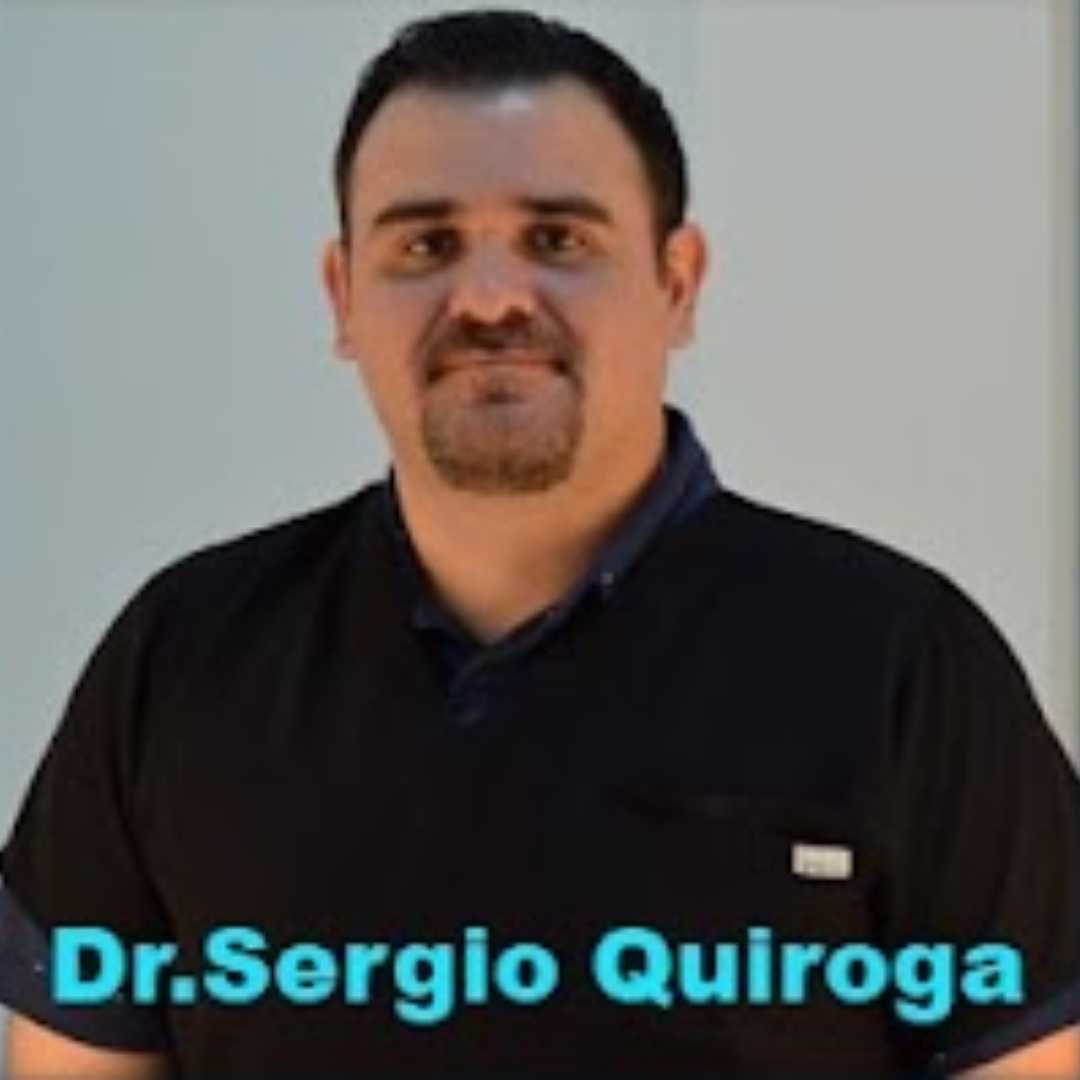
Dr. Sergio Quiroga
CAD/CAM Technology Dental Artistry Dental Center
- Dental - General Dentistry
Nuevo Progreso, Mexico

Dra. Berali
CAD/CAM Technology Dental Artistry Dental Center
- Dental - General Dentistry
Nuevo Progreso, Mexico
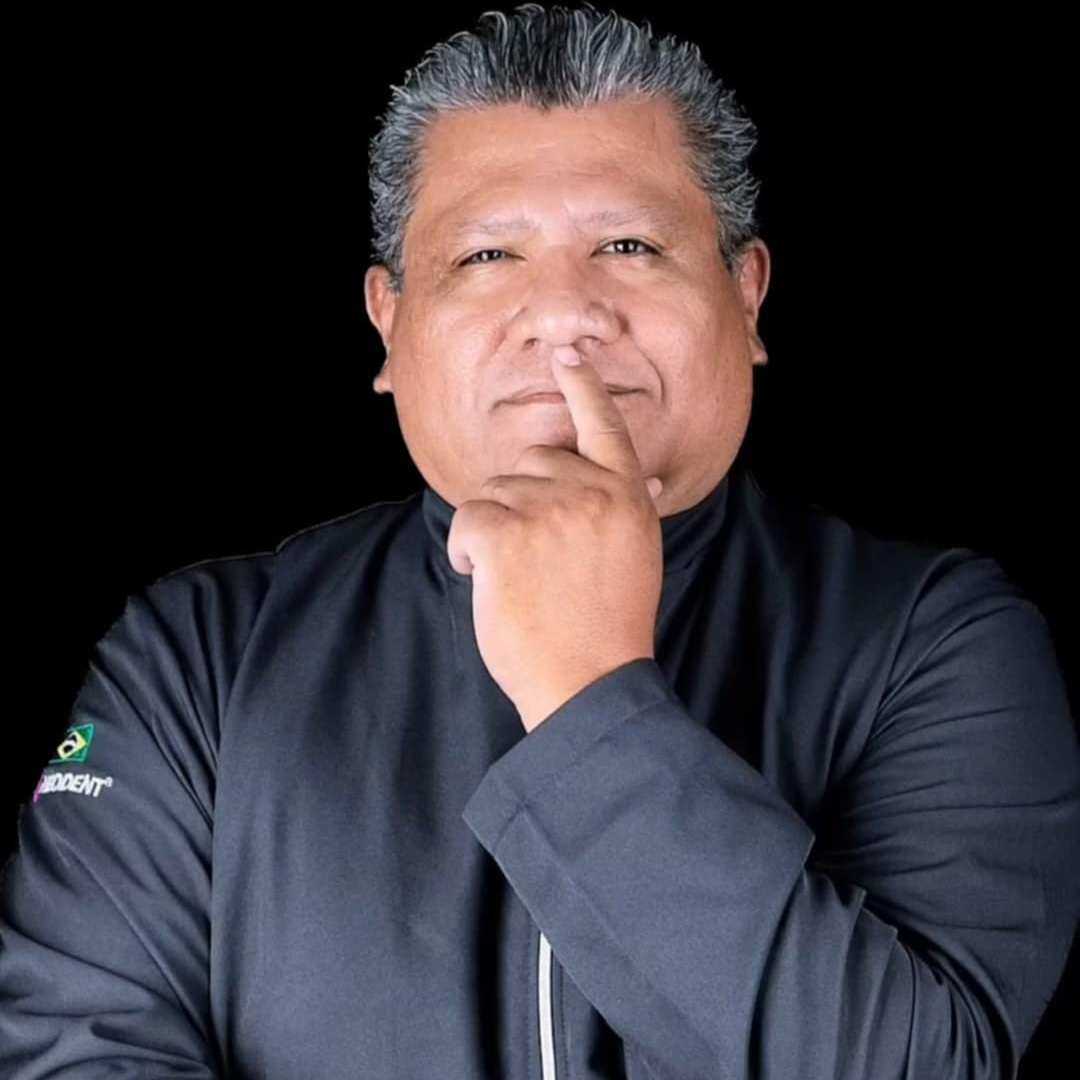
Dr. Edgar Guerrero Loaeza
Alpha Dental Implant Center in Nuevo Progreso, Mexico
- Dentist
Nuevo Progreso, Mexico
Unmatched Accessibility
Nuevo Progreso's geographical location makes it arguably the most accessible medical tourism destination in North America. Unlike destinations that require flights, hotels, and complex logistics, patients can simply drive to the Texas border, park their cars securely for a few dollars, and walk across the pedestrian bridge directly into the medical zone.
This sheer convenience allows for easy, same-day consultations and stress-free follow-up visits, which is incredibly rare in international healthcare.
A Town Built on Dental Excellence
The entire infrastructure of Nuevo Progreso is dedicated to serving the medical needs of U.S. and Canadian visitors. With hundreds of clinics competing in a small radius, the quality of care has naturally been pushed to the highest levels. To stand out, top clinics invest heavily in their facilities, offering amenities like VIP lounges, in-house CAD/CAM milling centers, and 3D panoramic imaging.
Furthermore, clinics often provide localized patient support. It is common for a clinic's concierge to meet you right at the border crossing, walk you to the office, and assist you with anything you need during your visit, creating a highly personalized, VIP experience.
Cost-Effectiveness for Complex Cases
While saving money on a filling is nice, Nuevo Progreso truly shines for patients needing massive restorations. Procedures like bone grafting, sinus lifts, and full-mouth All-on-4 implants are financially crippling in the U.S., often costing as much as a luxury car.
In Nuevo Progreso, the lower cost of labor, real estate, and overhead means these life-changing procedures become affordable. Patients are able to receive comprehensive, premium treatments using the exact same Swiss and German implant brands, turning a medical impossibility at home into a reality just across the border.
With hundreds of dentists in a small border town, finding the right specialist can feel overwhelming. PlacidWay acts as your expert guide, helping you cut through the noise to connect directly with proven, vetted dental professionals in Nuevo Progreso.
Provider Vetting & Credentialing
We rigorously pre-screen dental centers to ensure they meet international standards of hygiene, utilize modern technology, and employ licensed specialists.
Secure X-Ray Sharing
We facilitate the secure transfer of your panoramic X-rays or 3D scans directly to specialists so they can evaluate your case before you travel.
Transparent, Customized Quotes
We help you obtain itemized, no-obligation quotes from multiple top-rated clinics, ensuring you understand exactly what is included without hidden fees.
Direct Tele-Consultations
We arrange direct video or phone calls between you and the lead dentist, allowing you to ask clinical questions and build trust before booking your procedure.
Appointment Coordination
We manage the scheduling of your consultations and multi-stage surgeries, ensuring your timeline aligns perfectly with the clinic's availability.
Ongoing Patient Advocacy
Our support team is always in your corner, providing guidance on border crossing protocols, post-operative expectations, and any necessary follow-up communication.
Don't let the high cost of dental care keep you from the smile you deserve. Contact PlacidWay today to receive a free, comprehensive quote and confidently take the first step toward superior dental care in Nuevo Progreso.
Get Your Free Personalized Quote.png)


.png)
.png)
.png)
.png)









Share this listing