
Experience Exceptional Dental Care at Top Dental Clinic in Nuevo Progreso, Mexico

For many patients struggling with tooth loss, restorative dentistry can feel financially out of reach in their home countries. This has led to a significant increase in people looking into dental implants in Nuevo Progreso, a border town highly frequented by patients from Texas and beyond. Because of the town's proximity to the United States and lower overhead costs, it has become a prominent hub for individuals seeking quality dental restoration.
While navigating international healthcare requires careful research, understanding the process, evaluating clinics properly, and knowing what to expect can help you make an informed decision about your oral health journey.
Key Takeaways
- Estimated prices for implants in this region are often 50% to 70% lower than typical North American averages.
- The procedure usually requires at least two separate visits spaced several months apart to allow the jawbone to heal.
- Candidates must have adequate jawbone density and healthy gums for successful treatment.
- Thoroughly vetting the credentials and safety protocols of any dental clinic in Nuevo Progreso is essential.
- Walking across the international bridge is a common, convenient way for patients to reach their appointments.
What affects the overall cost of dental implants
When evaluating treatment estimates, it is important to understand that an implant is not a single piece. The restoration consists of three parts: the titanium post placed into the bone, the abutment that connects the post to the tooth, and the final artificial crown. Some facilities quote these components separately, while others provide an all-inclusive price. Asking for a detailed, itemized breakdown can help you accurately compare different providers.
Several supplementary treatments can also increase the total expense. If a damaged tooth needs to be extracted before placement, that will add to the cost. More commonly, patients who have been missing teeth for a long time may suffer from bone loss. In such cases, a bone graft or sinus lift is necessary to create a strong foundation for the post, which adds both cost and healing time.
| Procedure Component | Estimated Cost Range (USD) | Purpose |
|---|---|---|
| Initial Consultation & 3D CT Scan | $50 - $150 | Evaluates bone structure and plans surgery |
| Tooth Extraction (if needed) | $50 - $150 | Removes decayed or damaged tooth |
| Bone Grafting | $200 - $450 | Builds up bone density to support implant |
| Single Implant, Abutment & Crown | $750 - $1,500 | Complete single-tooth replacement |
How to find a safe and reputable provider
Safety should always be the priority when participating in medical tourism in Mexico. Because the regulatory environment differs from that in the US or Canada, patients must take an active role in vetting their providers. Look for dentists who specialize specifically in implantology or maxillofacial surgery rather than general practitioners who only occasionally perform these surgeries.
Ask questions about their sanitation protocols and the technology they use. Reputable facilities utilize autoclaves for sterilization and employ 3D CBCT scanners to plan surgeries accurately, reducing the risk of nerve damage. Additionally, verify if the dentist holds memberships in recognized professional organizations, such as the American Dental Association (ADA) or international implantology boards, which often indicate a commitment to continued education and industry standards.
What happens during the dental implant procedure
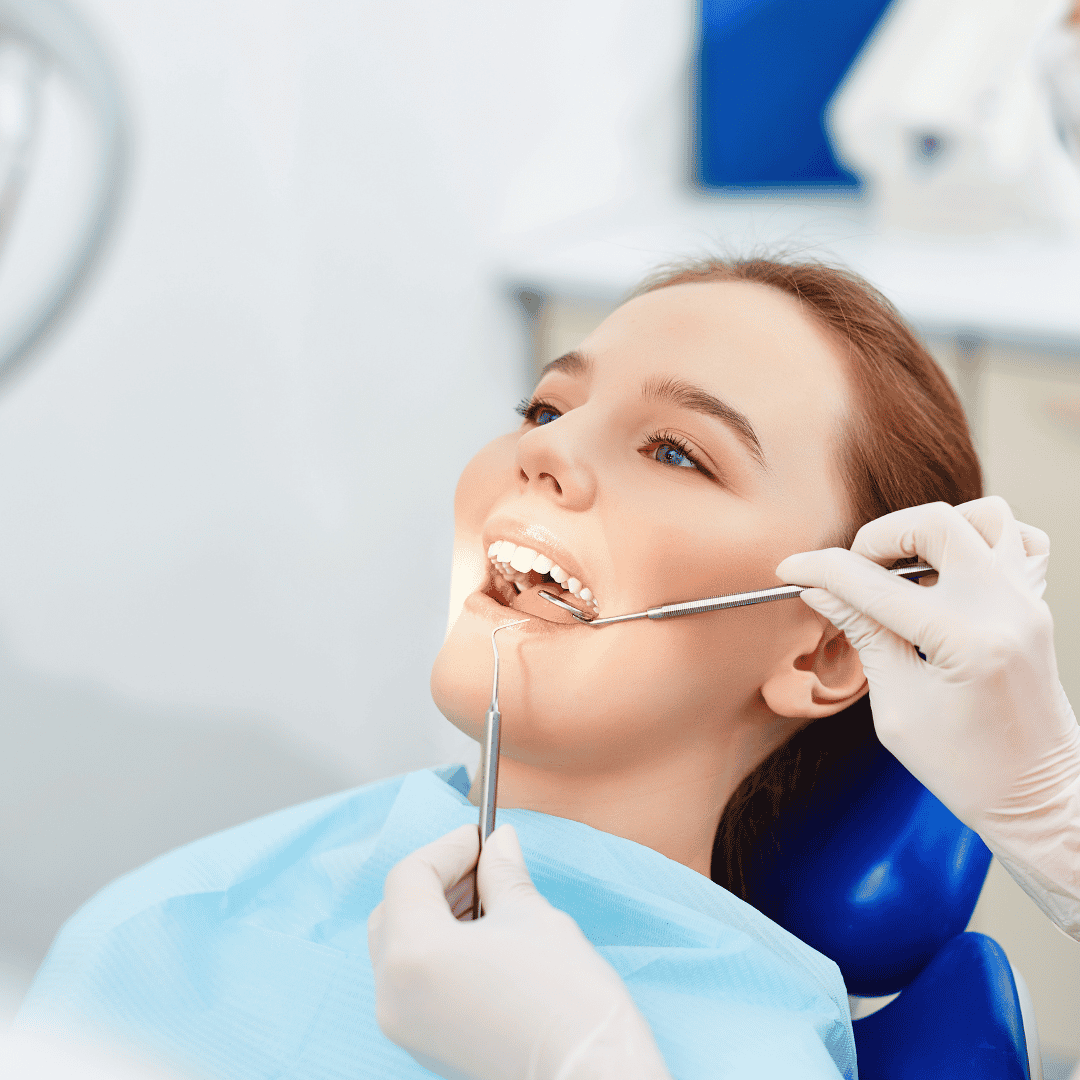
The journey begins with a comprehensive consultation involving 3D imaging to assess the jawbone's health and map out the precise location for the artificial root. Once a treatment plan is established and local anesthesia is administered, the dentist makes an incision in the gum to expose the bone. A specialized drill is used to create space, and the titanium post is carefully inserted deep into the jawbone.
After the post is placed, a critical phase called osseointegration begins. During this time, which typically takes three to six months, the jawbone grows around the titanium surface, locking it firmly into place. Once osseointegration is confirmed successful via X-ray, the patient returns for the final step. The dentist attaches an abutment to the post and secures a custom-made crown on top, completing the restoration.
How long does it take to recover from implant surgery
- First 24 to 48 hours: Swelling, minor bruising, and manageable discomfort are common. Cold compresses and prescribed or over-the-counter pain medications can help manage symptoms.
- First week: Patients are generally advised to stick to a soft food diet, such as soups, yogurt, and mashed potatoes, to avoid applying pressure to the surgical site.
- Oral hygiene: Gentle brushing is necessary, avoiding the immediate surgical area. Dentists often recommend an antimicrobial mouthwash to prevent infection.
- Physical activity: Strenuous exercise should typically be avoided for the first few days, as it can increase blood pressure and lead to throbbing or bleeding at the site.
- Long-term healing: While the gums heal quickly, the bone continues to fuse with the implant quietly over several months without causing pain.
Who is an ideal candidate for implant treatment
Suitability for this treatment relies heavily on the foundation available in your mouth. You must have enough healthy bone to anchor the post securely. If bone has deteriorated due to long-term tooth loss or periodontal disease, you may still be a candidate if you undergo a bone grafting procedure first. Furthermore, healthy gums are essential, as active gum disease can compromise the surgery and lead to infection or implant failure.
Certain medical conditions can affect your eligibility. Uncontrolled diabetes, autoimmune disorders, and treatments involving bisphosphonates or radiation therapy to the head and neck can impair healing and osseointegration. Heavy smoking also significantly reduces the success rate by restricting blood flow to the oral tissues. A thorough review of your medical history by a qualified dentist is crucial to determine if this procedure is safe and appropriate for you.
What materials are typically used for implants and crowns
Titanium alloys have been the gold standard in implantology for decades due to their unique ability to fuse organically with human bone. They are exceptionally strong, lightweight, and have a proven track record of longevity. For patients with specific metal allergies, zirconia (a type of durable ceramic) posts offer an alternative, metal-free option, though they are less commonly used and may be more expensive.
For the visible crown, the choice of material impacts both appearance and function. Zirconia crowns are incredibly durable and highly resistant to chipping, making them excellent for molars that endure heavy chewing forces. Porcelain fused to metal (PFM) or full porcelain crowns offer excellent color matching and translucency, making them a popular choice for front teeth where aesthetics are the primary concern.
How should you prepare for dental work across the border
- Documentation: You will need a valid US or Canadian passport or a passport card to re-enter your home country after your appointment.
- Medical records: Bring recent dental X-rays, a list of current medications, and a summary of any existing health conditions to help the dentist plan your care safely.
- Border logistics: Many patients find it easiest to drive to Progreso, Texas, park in one of the paid, secure lots near the border, and walk across the pedestrian bridge directly into the medical district.
- Finances: Verify how you will pay. While US cash is widely accepted, carrying large amounts of cash carries risks. Confirm if the clinic accepts credit cards and if there are foreign transaction fees.
- Travel companion: Having someone accompany you is highly recommended, especially on the day of surgery, as you may be groggy or uncomfortable afterward.
What follow-up care is required after receiving implants
Even though artificial teeth cannot decay, the gums and bone surrounding them are still vulnerable to disease. Peri-implantitis is an inflammatory condition similar to gum disease that can cause bone loss and eventual implant failure if plaque is allowed to build up. Brushing twice a day, flossing daily (using special floss designed for implants if recommended), and using an antibacterial mouthwash are vital for long-term success.
When receiving care abroad, planning for routine maintenance is crucial. You must establish a relationship with a local dentist in your home country for regular cleanings and check-ups. Ensure your local provider is willing to examine and clean restorations placed internationally. If a complication arises after you return home, seeking prompt evaluation from a local professional is critical rather than waiting until your next planned trip across the border.
Are there risks or potential complications to consider
While success rates are generally high in healthy patients, complications can and do occur. Infection can develop during or after surgery, particularly if oral hygiene instructions are not followed or if the patient uses tobacco products. Nerve damage, though uncommon, can result in tingling, numbness, or pain in the natural teeth, gums, lips, or chin. Upper jaw placements carry a specific risk of protruding into the sinus cavities, potentially causing sinus issues.
Another risk is the failure of osseointegration. Sometimes, the bone simply fails to heal adequately around the titanium post, causing it to become loose. This can be caused by micro-movements during the healing phase, poor bone density, or underlying medical issues. If failure occurs, the implant must be removed, the bone allowed to heal, and the procedure potentially attempted again at a later date. Discussing these risks with a qualified medical professional is essential before consenting to surgery.
Why Choose PlacidWay for Medical Tourism in Mexico?
Researching international healthcare can be a complex process. PlacidWay serves as a global medical tourism platform that helps individuals gather information about their healthcare options abroad. Here is what PlacidWay provides:
- Provider Connectivity: PlacidWay connects patients directly with a wide network of international dental clinics and medical facilities.
- Facility Information: The platform offers access to detailed information regarding clinic accreditations, facility infrastructure, and provider credentials.
- Pricing Estimates: Patients can view and compare estimated costs for various procedures across different clinics and geographic regions.
- Multilingual Support: PlacidWay facilitates communication by providing access to teams that can help bridge language barriers between patients and international clinics.
- Side-by-Side Comparisons: The platform allows users to compare different healthcare providers globally to help them make informed, independent decisions.
Frequently Asked Questions
Do I need a passport to visit a dentist in Nuevo Progreso?
Yes, a valid passport or passport card is generally required for returning to the United States or Canada after crossing the border into Nuevo Progreso.
How long does the entire implant process take?
The entire process typically takes three to six months. It generally requires at least two separate visits: one for placing the surgical post and another for attaching the final crown after the bone has healed.
Can I get a full mouth of implants in one trip?
While temporary teeth or immediate-load implants can sometimes be placed in a single trip if you are a suitable candidate, the permanent, final restorations typically require a return visit months later after osseointegration is complete.
What currency is accepted for dental procedures?
Most clinics catering to international patients readily accept US dollars. Many also accept major credit cards, though some may charge a processing fee for card transactions.
Will my US dental insurance cover treatment in Mexico?
Some US dental insurance plans, particularly PPO networks, may reimburse you for out-of-network care received in Mexico. You typically must pay upfront and submit an itemized receipt to your provider for potential reimbursement.
Is bone grafting always required for implants?
No, bone grafting is not always required. It is only necessary if your jawbone lacks the density or volume needed to securely support the titanium post.
Are titanium or zirconia implants better?
Titanium is the industry standard with decades of proven success and durability. Zirconia is a newer, metal-free alternative often used for patients with metal allergies or specific aesthetic preferences. A dentist can help determine the best material for your needs.
What should I do if an implant feels loose after I return home?
If an implant feels loose, contact your provider immediately for guidance and seek evaluation from a local dentist or oral surgeon. Do not attempt to adjust it yourself, as early intervention is critical to preventing implant failure.
How long do dental implants typically last?
With proper oral hygiene, regular dental checkups, and good general health, the implant post can often last a lifetime. The visible crown attached to it may need replacement due to normal wear after ten to fifteen years.
Can I drive my car into Nuevo Progreso for my appointment?
Yes, you can drive across the border, but many patients prefer to park their vehicles in secure lots on the US side in Progreso, Texas, and walk across the pedestrian bridge to avoid international vehicle insurance requirements and traffic.
Compare Treatment Options
Gather information on clinics, explore estimated costs, and learn more about dental procedures available internationally.
Request Treatment InformationReferences
- Implants – American Dental Association (ADA)
- Dental Implants: What You Should Know – U.S. Food and Drug Administration (FDA)
- Dental Implant Surgery – Mayo Clinic
- Medical Tourism: Travel for Medical Care – Centers for Disease Control and Prevention (CDC)
- Dental Implants: A Review – National Institutes of Health (NIH) / NLM
- Dental Implant Procedures – American Academy of Periodontology (AAP)





















Share this listing