
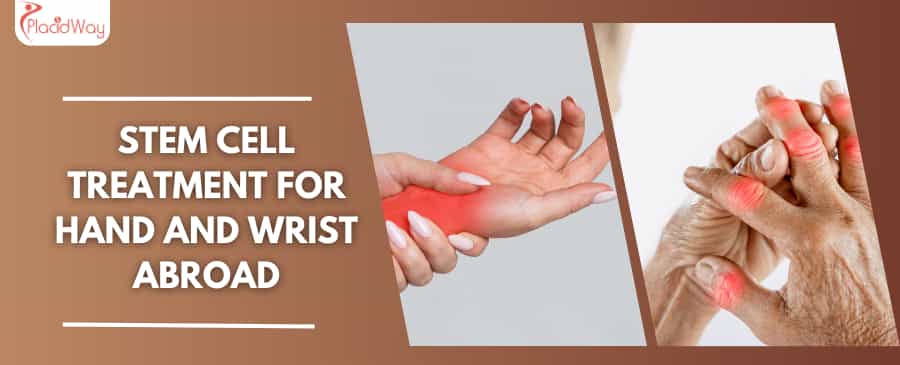
Unlock Relief: Your Guide to Stem Cell Treatment for Hand and Wrist Abroad
Living with persistent hand or wrist pain can significantly impact your daily life, making simple tasks like gripping a coffee cup, typing, or even turning a doorknob feel excruciating. Whether it's the nagging ache of arthritis, the sharp pang of tendonitis, or the stiffness from a past injury, these conditions can limit your independence and diminish your quality of life. Many individuals search for "alternatives to hand surgery" or "non-surgical options for wrist pain relief," hoping to avoid invasive procedures and lengthy recoveries.
Stem cell treatment for hand and wrist conditions offers a promising, regenerative approach that harnesses your body's natural healing capabilities. This innovative therapy aims to repair damaged tissues, reduce inflammation, and alleviate pain, providing a potential path to renewed function and comfort without the extensive downtime associated with traditional surgery. For those exploring "affordable stem cell therapy for hands" or "best clinics for wrist stem cells overseas," medical tourism presents a compelling solution.
This comprehensive guide delves into everything you need to know about pursuing stem cell treatment for your hand or wrist abroad. We'll explore the conditions it treats, how the procedure works, what to expect, and why traveling internationally might be your best option for accessing high-quality, cost-effective care. Discover how regenerative medicine can offer a new lease on life for your hands and wrists.
What symptoms indicate you might need stem cell treatment for your hand or wrist?
Persistent pain and discomfort in the hand and wrist are often the primary indicators that something is amiss. Patients frequently search for terms like "why do my hands ache" or "my wrist hurts all the time." These symptoms, especially when they begin to interfere with daily activities, warrant investigation. Here are common signs that might suggest you could benefit from regenerative therapies like stem cell treatment:
- Chronic Pain: A dull, aching, sharp, or burning pain that lasts for weeks or months, not resolving with rest or over-the-counter pain relievers. This could be anywhere from your fingertips to your forearm.
- Stiffness and Reduced Mobility: Difficulty bending, straightening, or rotating your fingers, thumb, or wrist, especially in the morning or after periods of inactivity. Many describe a feeling of "my hand feels locked up."
- Swelling and Inflammation: Visible swelling around the joints, knuckles, or wrist, often accompanied by warmth and tenderness to the touch.
- Grinding, Clicking, or Popping Sensations: You might hear or feel these sensations when moving your hand or wrist, which can indicate cartilage degradation or joint instability.
- Weakness or Loss of Grip Strength: Struggling to hold objects, open jars, or perform tasks requiring fine motor skills. Patients often report "my hand feels weak" or "I keep dropping things."
- Numbness or Tingling: Sensations often associated with nerve compression, such as carpal tunnel syndrome, but can also be a secondary symptom of joint inflammation.
- Visible Deformity or Nodules: In advanced cases of arthritis, joints might appear swollen, bumpy, or misaligned.
These symptoms are commonly associated with conditions like osteoarthritis, rheumatoid arthritis, tendonitis (e.g., De Quervain's tenosynovitis, golfer's elbow in the wrist), ligament injuries, and carpal tunnel syndrome. If conservative treatments like physical therapy, medication, or steroid injections have provided only temporary or insufficient relief, exploring "stem cell therapy for hand pain" becomes a logical next step.
What commonly causes hand and wrist pain treatable by stem cells?
Understanding the root causes of hand and wrist pain is crucial for effective treatment. Many patients search for "what causes wrist pain" or "why do my finger joints hurt." Stem cell therapy targets the cellular and tissue-level damage that drives these conditions:
- Osteoarthritis (OA): The most common form of arthritis, often called "wear and tear" arthritis. It occurs when the protective cartilage on the ends of your bones wears down over time, leading to bone-on-bone friction, pain, stiffness, and loss of movement. In the hand, it frequently affects the base of the thumb (CMC joint), the middle (PIP), and end (DIP) finger joints.
- Rheumatoid Arthritis (RA): An autoimmune disease where the body's immune system mistakenly attacks its own tissues, primarily targeting the lining of the joints (synovium). This leads to inflammation, pain, swelling, and can eventually cause bone erosion and joint deformity, often affecting both hands and wrists symmetrically.
- Tendonitis and Tenosynovitis: Inflammation or irritation of a tendon, the thick cords that attach muscle to bone. Overuse, repetitive motions (like typing, gripping tools), or sudden injury can cause conditions like De Quervain's tenosynovitis (thumb-side wrist pain), trigger finger, or general wrist tendonitis.
- Ligament Injuries: Sprains or tears in the ligaments, which connect bones to other bones, often resulting from falls, sports injuries, or hyperextension. Common examples include scapholunate ligament tears in the wrist.
- Carpal Tunnel Syndrome (CTS): Caused by compression of the median nerve as it passes through the carpal tunnel in the wrist. While primarily a nerve issue, inflammation of surrounding tendons and tissues can contribute, and stem cells may help reduce this inflammation.
- Repetitive Strain Injuries (RSIs): Umbrella term for conditions caused by repetitive tasks, forceful exertions, vibrations, mechanical compression, or sustained awkward positions. Often leads to cumulative trauma in tendons, nerves, and muscles.
- Post-Traumatic Arthritis: Arthritis that develops after a physical injury to a joint, such as a fracture or dislocation. Even if the injury heals, the joint surface may not be perfectly smooth, leading to accelerated wear.
Risk factors contributing to these conditions include age, genetics, repetitive occupational or recreational activities, previous injuries, and certain autoimmune disorders. When these underlying causes lead to significant tissue degeneration, "regenerative medicine for hand pain" becomes a viable treatment path, addressing the damaged cells and promoting natural repair.
What types of stem cell treatments are available for hand and wrist conditions?
Stem cell therapy for hand and wrist pain generally involves harvesting regenerative cells from your own body (autologous) or, less commonly, from ethically sourced donor tissue (allogeneic). The goal is to introduce these potent cells to the damaged area, where they can differentiate into various cell types, promote tissue repair, reduce inflammation, and stimulate the body's natural healing processes. Patients often inquire about "different types of stem cell therapy" or "how does stem cell injection work."
The primary types of stem cell treatments utilized for orthopedic conditions in the hand and wrist include:
-
Bone Marrow Aspirate Concentrate (BMAC):
- Source: Mesenchymal Stem Cells (MSCs), platelets, and growth factors are harvested directly from your own bone marrow, typically from the hip (iliac crest).
- Process: Bone marrow is extracted, centrifuged to concentrate the regenerative cells (including MSCs), and then injected into the affected hand or wrist joint/tissue.
- Benefits: Rich in various types of stem cells and growth factors, promoting broad regenerative potential. Autologous nature minimizes immune rejection.
- Applications: Often used for osteoarthritis, ligament tears, tendon injuries, and non-union fractures.
-
Adipose-Derived Stem Cells (ADSCs):
- Source: MSCs are harvested from your own fat tissue, usually via a mini-liposuction procedure from the abdomen or flank.
- Process: Fat tissue is processed to isolate and concentrate the ADSCs, which are then injected into the damaged area.
- Benefits: Fat tissue is a more abundant source of MSCs compared to bone marrow, and harvesting is generally less invasive.
- Applications: Similar to BMAC, effective for osteoarthritis, chronic tendonitis, and soft tissue injuries.
-
Platelet-Rich Plasma (PRP):
- Source: Not strictly a stem cell treatment, but often used in conjunction or as a precursor. PRP is derived from your own blood, concentrating platelets and growth factors.
- Process: Blood is drawn, centrifuged to separate PRP, and injected.
- Benefits: Growth factors in PRP stimulate healing, reduce inflammation, and can enhance the effects of stem cells.
- Applications: Mild to moderate tendonitis, early-stage arthritis, and as an adjunctive therapy.
-
Umbilical Cord Tissue/Amniotic Fluid-Derived Products (Allogeneic):
- Source: Mesenchymal stem cells and growth factors are derived from ethically donated umbilical cord tissue or amniotic fluid after healthy births.
- Process: These products are processed and prepared in labs, then injected.
- Benefits: Readily available, high concentration of young, potent cells, non-invasive harvest, and low immunogenicity (less risk of rejection).
- Applications: Used for various orthopedic conditions, especially in clinics where autologous harvesting might be challenging or less preferred.
The choice of treatment depends on the specific condition, its severity, and the clinic's expertise. Regardless of the source, the overarching goal of "regenerative injection therapy for hand joints" is to promote long-term healing and functional improvement.
Who is an ideal candidate for stem cell therapy for hand and wrist pain?
Determining if stem cell therapy is right for you involves a thorough medical evaluation. Patients often ask, "Am I suitable for stem cell treatment?" or "Who can get stem cell injections for arthritis?" While specific criteria can vary between clinics and individual conditions, general guidelines for an ideal candidate include:
- Chronic Pain Sufferers: Individuals experiencing ongoing hand or wrist pain (typically for more than 3-6 months) due to degenerative or inflammatory conditions.
- Failed Conservative Treatments: Those who have tried standard non-surgical approaches like physical therapy, oral medications, anti-inflammatory drugs, activity modification, bracing, and steroid injections without significant or lasting relief.
- Mild to Moderate Joint Degeneration: Stem cell therapy is often most effective in early to moderate stages of osteoarthritis where there is still some cartilage remaining and the joint isn't completely "bone on bone." While it can help severe cases, the potential for full regeneration is reduced.
- Specific Diagnoses: Patients with diagnoses such as:
- Osteoarthritis of the hand (e.g., thumb CMC joint, finger joints)
- Rheumatoid arthritis (early to moderate stages, to manage inflammation and progression)
- Chronic tendonitis or tenosynovitis (e.g., De Quervain's, trigger finger)
- Ligament sprains or tears (e.g., wrist instability, thumb UCL injury)
- Carpal Tunnel Syndrome (especially cases with significant inflammation or mild to moderate nerve compression)
- Post-traumatic arthritis
- Good General Health: Candidates should be in relatively good overall health, without active infections, certain types of cancer, or severe blood disorders that could interfere with the procedure or healing process.
- Non-Smokers: Smoking can impair healing and is often a contraindication or a strong recommendation to quit before treatment.
- Realistic Expectations: It's important to understand that stem cell therapy aims to promote healing and reduce pain, but it's not a "cure-all" or an instant fix. Results can vary, and it requires patience and adherence to post-treatment care.
- Desire to Avoid Surgery: Many candidates are actively seeking "non-surgical options for hand arthritis" or "alternatives to wrist fusion."
A detailed consultation with a qualified physician specializing in regenerative medicine is essential to determine if stem cell treatment is the most appropriate and beneficial option for your specific hand or wrist condition.
What is the typical recovery time and what results can I expect after stem cell treatment?
One of the appealing aspects of stem cell treatment, especially when compared to invasive surgery, is the relatively quicker and less demanding recovery period. Patients frequently ask, "How long does it take for stem cells to work?" or "What to expect after stem cell injection in my wrist?"
Recovery Time and Process:
- Immediate Post-Procedure (First Few Days): You might experience mild soreness, swelling, or bruising at the injection site and/or the donor site (if autologous cells were harvested). Rest and icing are generally recommended. Most patients can resume light activities within 24-72 hours, avoiding heavy lifting or strenuous use of the hand/wrist.
- Weeks 1-4: Gradual Activity Increase: As initial tenderness subsides, you'll gradually increase activity. Physical therapy or specific exercises may be prescribed to help restore range of motion and strength without overstressing the healing tissues.
- Months 1-3: Healing and Improvement: This is the phase where the regenerative cells are actively working, modulating inflammation, and promoting tissue repair. You may begin to notice significant reductions in pain and improvements in function. Adherence to a prescribed rehabilitation program is crucial.
- Months 3-6+: Continued Progress: Many patients continue to experience improvements for several months post-treatment. The body's healing process is continuous, and the full benefits of stem cell therapy often become most apparent in this timeframe.
Expected Results:
While individual results can vary based on the severity of the condition, patient age, and overall health, common outcomes include:
- Significant Pain Reduction: Many patients experience a substantial decrease in chronic pain, leading to reduced reliance on pain medication.
- Improved Function and Mobility: Enhanced range of motion, increased grip strength, and greater ease in performing daily activities. Patients often report being able to "use my hand without pain again."
- Reduced Inflammation: Stem cells have powerful anti-inflammatory properties, helping to calm irritated joints and tissues.
- Tissue Repair and Regeneration: The core benefit is the potential for the stem cells to stimulate the body's natural repair mechanisms, leading to partial regeneration of cartilage, tendons, or ligaments. This can slow the progression of degenerative diseases.
- Long-lasting Relief: Unlike temporary fixes, stem cell therapy aims for sustained improvement by addressing the underlying cause of pain and degeneration.
It's important to have realistic expectations. Stem cell therapy is not always a complete "cure" and may not reverse severe, long-standing damage entirely. However, for many, it offers a path to dramatically improved quality of life and potentially avoids or delays the need for more invasive surgeries like joint replacements or fusions.
What are the potential risks and side effects of stem cell therapy for the hand and wrist?
Like any medical procedure, stem cell therapy carries some potential risks and side effects, though it is generally considered safe, particularly when using a patient's own cells (autologous). Patients often search for "is stem cell therapy safe for hand arthritis?" or "what are the side effects of stem cell injections?"
The risks can be broadly categorized into those related to the harvesting of cells and those related to the injection itself.
Risks Associated with Cell Harvesting (for Autologous Procedures - BMAC or ADSCs):
- Donor Site Pain/Bruising: Temporary discomfort, tenderness, or bruising at the site where bone marrow (hip) or fat tissue (abdomen) was extracted. This usually resolves within a few days to a week.
- Infection: Although rare, there's a small risk of infection at the donor site.
- Nerve or Tissue Damage: Very rare, but possible damage to nerves or surrounding tissues during the aspiration process.
Risks Associated with the Injection into Hand/Wrist:
- Temporary Pain and Swelling: It's common to experience mild to moderate pain, swelling, and stiffness at the injection site for a few days after the procedure.
- Infection: Any injection carries a small risk of introducing bacteria into the joint or tissue, leading to infection. This risk is minimized with sterile techniques.
- Bleeding or Bruising: Localized bleeding or bruising can occur at the injection site.
- Nerve or Tendon Injury: Although rare, there's a slight risk of the needle directly hitting a nerve or tendon, causing temporary or (very rarely) permanent damage. This is mitigated by using imaging guidance (ultrasound or fluoroscopy).
- Allergic Reaction: Extremely rare with autologous cells (your own), but possible with allogeneic (donor) products, though these are rigorously screened.
- Lack of Efficacy: The treatment might not provide the desired level of pain relief or tissue regeneration for every individual. Results can vary.
- Tumor Formation: A theoretical concern, but there is no strong evidence in peer-reviewed clinical studies supporting tumor formation from adult mesenchymal stem cell therapies used for orthopedic conditions. Reputable clinics use adult, multipotent stem cells, which differ from embryonic stem cells that carry higher risks.
To minimize risks, it is paramount to choose a highly qualified and experienced physician and clinic that adhere to strict sterile protocols and use image guidance (e.g., ultrasound) for precise injections. Open communication with your medical team about your medical history and any concerns is also crucial.
How does the cost of stem cell treatment for hand and wrist compare globally?
Cost is a major factor for many patients considering "stem cell therapy cost for hand arthritis" or "affordable regenerative medicine for wrist pain." While stem cell therapy is not typically covered by insurance in many countries (especially for orthopedic applications, as it's often considered experimental or investigational), significant cost savings can be found by traveling abroad for treatment. The price can vary widely based on the specific type of stem cell used (BMAC, ADSC, allogeneic), the number of joints treated, the clinic's reputation, and the country's economic structure.
Worldwide Cost Comparison (Estimated Ranges):
Here's a general overview of estimated costs for a single hand or wrist joint treatment (prices are approximate and can change):
| Country/Region | Estimated Cost (USD) per Joint | Typical Savings vs. US/Canada |
|---|---|---|
| USA / Canada | $8,000 - $18,000+ | (Baseline) |
| Western Europe (UK, Germany, Switzerland) | $7,000 - $15,000 | 0-20% |
| Mexico | $5,000 - $9,000 | 30-60% |
| Costa Rica | $5,500 - $9,500 | 30-55% |
| Turkey | $4,500 - $8,500 | 40-70% |
| India | $4,000 - $7,000 | 50-75% |
| Thailand | $5,000 - $8,000 | 40-65% |
These figures typically include the consultation, harvesting of cells (if autologous), processing, and the injection itself. They may not include travel, accommodation, or extensive post-procedure physical therapy, which should also be factored into your total budget when considering "medical tourism for stem cells."
Why should I consider traveling abroad for hand and wrist stem cell treatment?
For many patients seeking advanced medical care, particularly in the realm of regenerative medicine, looking beyond their national borders has become an increasingly popular and practical choice. The decision to pursue "stem cell treatment overseas" or "medical tourism for hand pain" is often driven by several compelling factors:
- Cost-Effectiveness: This is arguably the biggest driver. As highlighted in the cost comparison, treatments abroad can be significantly more affordable, sometimes up to 70% less than in Western countries like the US, Canada, or the UK. This makes life-changing procedures accessible to a wider range of patients, especially since many insurance providers do not cover stem cell therapy.
- Access to Innovative Therapies: Some countries have different regulatory landscapes, allowing for the faster adoption and wider availability of advanced stem cell protocols that may still be undergoing lengthy trials or are not yet approved in a patient's home country. This can mean access to cutting-edge techniques or more extensive cell processing options.
- Reduced Waiting Times: In some healthcare systems, waiting lists for specialized treatments can be long. Traveling abroad often means quicker access to consultations and procedures, allowing patients to begin their healing journey sooner.
- High-Quality Medical Care and Expertise: Many international destinations boast world-class hospitals and clinics equipped with state-of-the-art technology and staffed by highly trained, internationally certified specialists. These facilities often cater specifically to medical tourists, providing comprehensive care packages.
- Confidentiality and Privacy: For some, seeking treatment abroad offers a level of privacy and discretion that might be appealing.
- Integrated Wellness and Recovery Environment: Combining treatment with a relaxing recovery period in an appealing travel destination can be beneficial for overall well-being. The change of scenery and reduction of daily stressors can contribute positively to the healing process.
- Personalized Care: Many clinics specializing in medical tourism offer a highly personalized approach, with dedicated patient coordinators assisting with every step, from travel logistics to post-treatment follow-ups.
Considering these benefits, patients often find that the overall value – combining quality care, advanced treatments, and significant savings – makes "stem cell treatment in another country" an attractive and viable option for addressing chronic hand and wrist pain.
Which countries are recognized for offering high-quality and affordable stem cell therapy for hand and wrist?
When searching for "best country for stem cell therapy" or "where to get affordable stem cell treatment for hand," several nations consistently emerge as leading destinations for medical tourism, particularly for regenerative medicine. These countries have invested heavily in their healthcare infrastructure, attracted top medical talent, and often operate under regulatory frameworks that support advanced stem cell research and application.
Here are some of the top countries recognized for offering high-quality and affordable stem cell treatment for hand and wrist conditions:
-
Mexico:
- Why: Proximity to the US, significant cost savings, state-of-the-art clinics (especially in cities like Tijuana, Cancun, and Guadalajara) with English-speaking staff. They often offer a wide range of stem cell sources including BMAC and ADSCs.
- Patient Search Phrases: "stem cell therapy Mexico hand," "Tijuana stem cells wrist pain."
-
Costa Rica:
- Why: Known for its beautiful environment and high-quality, regulated medical tourism sector. Clinics in Costa Rica often specialize in regenerative medicine, offering personalized care in a tranquil setting.
- Patient Search Phrases: "Costa Rica stem cell arthritis hand," "regenerative medicine San Jose."
-
Turkey:
- Why: A rapidly growing medical tourism hub with modern hospitals, internationally accredited facilities, and highly skilled doctors, particularly in Istanbul and Ankara. Turkey offers very competitive pricing without compromising on medical standards.
- Patient Search Phrases: "stem cell treatment Turkey wrist," "affordable stem cell Istanbul."
-
India:
- Why: A global leader in medical tourism, offering advanced medical treatments at exceptionally low costs. Indian hospitals are often internationally accredited and have extensive experience with a diverse patient base.
- Patient Search Phrases: "stem cell therapy India hand arthritis," "regenerative medicine Mumbai."
-
Thailand:
- Why: Renowned for its hospitality, excellent medical facilities, and experienced specialists. Bangkok is a major medical hub, attracting patients with high standards of care and attractive travel opportunities.
- Patient Search Phrases: "stem cell treatment Thailand wrist injury," "Bangkok stem cell clinics."
When selecting a destination, consider not just the cost, but also the clinic's certifications, doctor's experience, patient reviews, and the ease of travel and communication.
How can I ensure safety, quality, and a smooth experience when getting stem cell treatment abroad?
Embarking on a medical journey abroad, especially for a specialized treatment like stem cell therapy, requires careful planning and due diligence. Patients often worry about "safety of stem cell therapy abroad" or "how to choose a stem cell clinic overseas." Here’s how to ensure a safe, high-quality, and smooth experience:
-
Thorough Clinic and Physician Research:
- Credentials: Verify the medical licenses, board certifications, and specialized training of the doctors who will perform your procedure. Look for experience specifically in orthopedic regenerative medicine.
- Accreditation: Prioritize clinics that have international accreditations, such as Joint Commission International (JCI), which signifies adherence to rigorous quality and safety standards.
- Technology and Facilities: Ensure the clinic uses state-of-the-art equipment, sterile operating environments, and has on-site labs for cell processing if using autologous cells. Imaging guidance (ultrasound/fluoroscopy) for injections is a must.
- Regulatory Compliance: Research the country's regulations regarding stem cell therapy. Reputable clinics will operate within strict ethical and legal guidelines.
-
Patient Reviews and Testimonials:
- Seek out "patient success stories stem cell hand treatment abroad" or "reviews stem cell wrist overseas." Look for consistent positive feedback regarding outcomes, patient care, and professionalism. Be wary of testimonials that seem overly embellished or lack specific details.
- Online forums and independent review sites can provide valuable insights.
-
Communication and Language:
- Ensure the clinic has English-speaking staff, or that a translator will be readily available throughout your consultation, procedure, and recovery. Clear communication is vital for understanding your treatment plan and expressing any concerns.
-
Transparent Pricing and Inclusions:
- Get a detailed quote that outlines all costs, including consultations, procedures, cell harvesting, post-procedure medications, and any recommended follow-up visits. Clarify what is *not* included (e.g., travel, accommodation).
-
Travel Logistics and Accommodation:
- Plan your flights, visas, and local transportation. Many medical tourism clinics offer assistance with these arrangements or have partnerships with local hotels. Consider staying longer than just the procedure to allow for initial recovery and follow-up.
-
Follow-Up Care Plan:
- Discuss how post-procedure follow-up will be handled once you return home. Will the clinic provide detailed reports for your local doctor? Are telehealth consultations available?
-
Utilize Medical Tourism Facilitators:
- Companies like PlacidWay specialize in connecting patients with reputable international clinics. We can help you research options, compare prices, facilitate communication, and assist with travel arrangements, significantly simplifying the process and providing an extra layer of vetting.
By taking these steps, you can significantly mitigate risks and enhance your chances of a successful and positive experience when seeking "stem cell treatment for hand and wrist abroad."
Take the Next Step with PlacidWay
Ready to explore treatment options abroad? Discover top clinics, compare prices, and get a free quote tailored to your needs with PlacidWay.
Stem Cell Therapy Abroad



.png)
.png)
.png)
.png)



.png)













Share this listing