
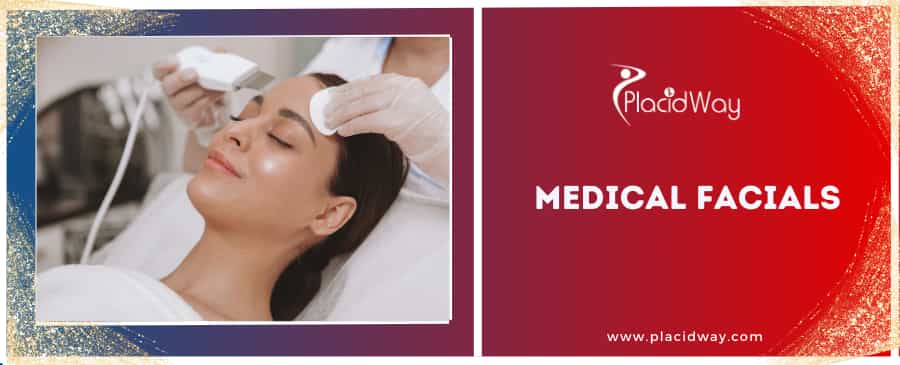
Reveal Your Best Skin: Exploring Medical Facials for a Healthier Glow
Are you looking in the mirror and seeing dullness, persistent breakouts, or the early signs of aging? Perhaps your current skincare routine isn't delivering the radiant, healthy complexion you desire. You're not alone. Many individuals worldwide seek effective solutions to enhance their skin's health and appearance, often wondering, "what is a medical facial good for?" and "how can I achieve clearer, more vibrant skin?"
Enter medical facials – a cornerstone of advanced skincare. Unlike traditional spa facials, these professional treatments delve deeper, using medical-grade ingredients and specialized techniques to address specific skin concerns with precision and efficacy. From tackling stubborn acne to diminishing fine lines and restoring a youthful glow, medical facials offer a science-backed approach to skin rejuvenation. They are designed to improve not just the surface but the overall health and function of your skin.
This comprehensive guide will explore everything you need to know about medical facials, from identifying the signs your skin needs help to understanding the various treatment types, recovery expectations, and why many are now considering these transformative procedures abroad. If you've been searching for a "medical grade facial near me" or "benefits of medical facials," read on to discover how these treatments can unlock your skin's full potential.
What are the common signs that indicate you might benefit from a medical facial?
Your skin often sends clear signals when it's in need of professional attention. Recognizing these signs is the first step toward achieving a healthier complexion. If you're experiencing any of the following, a medical facial might be the ideal solution:
- Persistent Breakouts or Acne: Whether it's blackheads, whiteheads, cystic acne, or frequent pimples, medical facials can deeply cleanse pores, reduce inflammation, and help manage acne-prone skin. Many search for "acne facial treatment" specifically for this.
- Dull, Lackluster Complexion: If your skin looks tired, gray, or lacks its natural radiance, it's often due to a buildup of dead skin cells. Medical facials promote cell turnover for a brighter appearance.
- Uneven Skin Tone or Texture: Dark spots, hyperpigmentation from sun damage or past breakouts, and rough patches can all be addressed, leading to a smoother, more uniform skin tone. People often ask, "can a facial help with dark spots?"
- Fine Lines and Early Signs of Aging: While not a replacement for more invasive procedures, specific medical facials can stimulate collagen production, improving skin elasticity and softening the appearance of fine lines.
- Clogged Pores and Enlarged Pores: Visible pores, especially around the nose and forehead, filled with sebum and debris, are a common concern. Medical facials offer professional extraction and pore-minimizing treatments.
- Excessive Oiliness or Dryness: Medical facials can help rebalance the skin's moisture levels, whether you struggle with an oily T-zone or chronic dryness.
- Sun Damage: Signs like sunspots, rough patches, and overall redness can be improved through targeted exfoliation and skin repair.
What are the underlying causes and risk factors contributing to skin concerns treated by medical facials?
Understanding the root causes of your skin concerns is crucial for effective treatment. While medical facials offer powerful solutions, recognizing the factors that contribute to these issues can help you maintain results and prevent future problems:
- Genetics: Your genetic makeup plays a significant role in determining your skin type (oily, dry, sensitive), pore size, and predisposition to conditions like acne, rosacea, or premature aging.
- Hormonal Fluctuations: Hormones are powerful drivers of skin changes. Androgens can stimulate oil production, leading to acne, especially during puberty, menstruation, pregnancy, or menopause.
- UV Radiation (Sun Exposure): One of the most damaging factors, UV rays cause photoaging, leading to wrinkles, fine lines, sunspots (hyperpigmentation), and a breakdown of collagen and elastin. Many search for "what makes skin age faster."
- Environmental Pollutants: Exposure to smog, smoke, and other toxins can create free radicals, which damage skin cells, leading to dullness, premature aging, and irritation.
- Stress: Chronic stress can trigger hormonal responses that increase oil production and inflammation, often exacerbating conditions like acne and eczema.
- Diet and Lifestyle: While direct links are debated, some studies suggest high-glycemic foods, dairy, and processed items can influence skin health. Smoking and excessive alcohol consumption are also well-known contributors to premature aging and poor complexion.
- Improper Skincare Routine: Using products unsuitable for your skin type, neglecting cleansing, or failing to protect your skin from the sun can significantly worsen existing issues and create new ones.
- Lack of Hydration: Insufficient water intake can lead to dry, tight skin, making fine lines more prominent and reducing skin's natural barrier function.
What types of medical facials are available to address specific skin concerns?
Medical facials go far beyond basic cleansing and massage. They are advanced, customizable treatments leveraging medical-grade technology and ingredients. Here are some of the most popular types:
-
HydraFacial:
Often searched as "what is hydrafacial" or "hydrafacial benefits," this is a multi-step treatment that cleanses, exfoliates, extracts, and hydrates the skin using patented Vortex-Fusion technology. It delivers nourishing serums deeply into the skin, making it excellent for all skin types, addressing fine lines, clogged pores, hyperpigmentation, and dullness.
-
Microdermabrasion:
This non-invasive procedure uses a special applicator to gently abrade the outer layer of dead skin cells. It's effective for improving skin texture, reducing the appearance of light scarring, sun damage, and fine lines. Many look for "microdermabrasion for acne scars."
-
Chemical Peels:
Utilizing various acids (e.g., glycolic, salicylic, lactic), chemical peels exfoliate the skin by dissolving dead cells, promoting new cell growth. They range from superficial to deep, targeting concerns like acne, hyperpigmentation ("chemical peel for dark spots"), fine lines, and overall skin texture. Your dermatologist will select the appropriate strength for your needs.
-
Dermaplaning:
A physical exfoliation method where a sterile surgical scalpel is used to gently scrape off the top layer of dead skin cells and vellus hair (peach fuzz). This leaves the skin incredibly smooth, enhancing product penetration and makeup application. "Dermaplaning benefits" are often sought after.
-
LED Light Therapy:
Often incorporated into other facials, LED (Light Emitting Diode) therapy uses specific wavelengths of light to target different concerns. Red light stimulates collagen production and reduces inflammation, while blue light kills acne-causing bacteria. Many ask, "LED facial benefits?"
-
Oxygen Facials:
These facials involve delivering highly concentrated oxygen molecules directly to the epidermis, often infused with serums containing vitamins, antioxidants, and hyaluronic acid. It aims to hydrate, plump, and revitalize the skin, giving it a refreshed, youthful glow.
The key difference from a traditional spa facial is the use of medical-grade products, deeper penetration, and the expertise of a licensed medical professional.
Who is an ideal candidate for a medical facial, and who should avoid them?
Understanding "who can get a medical facial" is essential for safe and effective treatment. Medical facials are generally suitable for a wide range of individuals, but certain conditions may require caution or contraindicate specific treatments:
Ideal Candidates:
- Individuals with acne, blackheads, and clogged pores.
- Those looking to reduce the appearance of fine lines and wrinkles.
- People with hyperpigmentation, sunspots, or uneven skin tone.
- Anyone desiring improved skin texture, firmness, and radiance.
- Individuals with dull, devitalized skin seeking rejuvenation.
- Those with oily, dry, or combination skin needing balance.
- Patients looking for preventative anti-aging care.
Who Should Exercise Caution or Avoid (Medical Facial Contraindications):
- Pregnant or Breastfeeding Women: While some facials are safe, many chemical peels and specific ingredient combinations are not recommended due to potential absorption or effects on the fetus/baby. Always consult your doctor.
- Active Infections or Cold Sores: Treatments can spread infection. It's crucial to postpone until the infection has cleared.
- Recent Sunburn or Waxing: Skin is highly sensitive and prone to damage.
- Certain Medications: Individuals taking isotretinoin (Accutane) or other strong retinoids must avoid most exfoliation treatments (peels, microdermabrasion, dermaplaning) due to extreme skin sensitivity and increased risk of scarring. Blood thinners can also be a concern for some procedures.
- Severe Rosacea or Highly Sensitive Skin: Some aggressive facials might exacerbate these conditions. Gentle alternatives like oxygen facials or very mild peels might be suitable.
- Open Wounds or Lesions: Any broken skin must heal before treatment.
- Recent Cosmetic Procedures: Depending on the procedure (e.g., injectables, laser treatments), a waiting period is necessary.
Always have a thorough consultation with a qualified medical aesthetician or dermatologist to discuss your medical history and skin concerns before undergoing any medical facial.
What can you expect regarding recovery time and post-procedure care after a medical facial?
One of the appealing aspects of many medical facials is the relatively short "downtime after hydrafacial" or other similar treatments. However, recovery and aftercare vary depending on the intensity of the specific facial:
Typical Recovery Expectations:
- Minimal to No Downtime (e.g., HydraFacial, Oxygen Facial, most LED treatments): You can often return to your normal activities immediately. You might experience mild redness or a fresh, dewy glow. Makeup can usually be applied after a few hours.
- Mild Downtime (e.g., superficial chemical peels, microdermabrasion, dermaplaning): You might experience slight redness, mild sensitivity, or a feeling of tightness for a few hours to a day. Some light flaking or dryness might occur a day or two later with peels.
- Moderate Downtime (e.g., medium-depth chemical peels): Expect noticeable redness, swelling, and peeling that can last for several days to a week. Social downtime may be necessary.
Essential Post-Procedure Care (Medical Facial Aftercare):
- Sun Protection is Paramount: Your skin will be more sensitive to UV radiation. Apply a broad-spectrum SPF 30+ sunscreen daily, even indoors, and reapply every two hours when outdoors. Avoid direct sun exposure.
- Gentle Cleansing: Use a mild, hydrating cleanser and lukewarm water. Avoid harsh scrubbing or abrasive exfoliants.
- Moisturize Regularly: Keep your skin well-hydrated with a gentle, non-comedogenic moisturizer to support the healing process and maintain results.
- Avoid Harsh Products: For at least 24-72 hours (or longer, depending on the facial), refrain from using retinoids, alpha-hydroxy acids (AHAs), beta-hydroxy acids (BHAs), or other strong active ingredients unless specifically instructed by your practitioner.
- Hands Off: Resist the urge to pick, peel, or scratch your skin, especially if flaking occurs, as this can lead to irritation or scarring.
- Hydrate Internally: Drink plenty of water to support overall skin health.
- Avoid Intense Exercise/Heat: For 24-48 hours, avoid heavy sweating, hot showers, saunas, and steam rooms, which can irritate sensitive skin.
- Follow Specific Instructions: Your aesthetician or dermatologist will provide detailed post-care instructions tailored to your specific treatment. Adhere to them diligently.
Are there any potential risks or side effects associated with medical facials?
When performed by a qualified and experienced professional, medical facials are generally safe. However, like any medical procedure, there are potential "medical facial side effects" and risks to be aware of:
Common (Temporary) Side Effects:
- Redness: Mild to moderate redness is common immediately after treatment and usually subsides within a few hours to a day.
- Sensitivity: Your skin may feel more sensitive to touch, products, or sun for a day or two.
- Mild Swelling: Some slight puffiness, particularly around sensitive areas, can occur and usually resolves quickly.
- Dryness or Flaking: Especially after more exfoliating treatments like microdermabrasion or superficial chemical peels, your skin might feel dry or experience light peeling for a few days.
- Breakouts (Purging): For acne-prone individuals, a temporary increase in breakouts can occur as the skin purges impurities. This is often a sign the treatment is working.
- Tingling or Stinging: During the procedure, especially with chemical peels, a mild tingling sensation is normal.
Less Common (More Serious) Risks:
- Allergic Reactions: Though rare, some individuals may have an allergic reaction to specific products or ingredients used. Always inform your practitioner of any known allergies.
- Hyperpigmentation (Dark Spots): If proper sun protection is not followed after treatment, especially with chemical peels, or if the treatment is too aggressive for your skin type, it can lead to temporary or, in rare cases, persistent dark spots.
- Hypopigmentation (Light Spots): Very rarely, deeper peels can cause lighter patches of skin.
- Infection: Any breach of the skin barrier carries a minimal risk of infection, especially if hygiene protocols are not strictly followed by the clinic.
- Scarring: Extremely rare with superficial to medium-depth medical facials, but aggressive or improperly performed deep chemical peels could potentially cause scarring.
- Exacerbation of Existing Conditions: For individuals with conditions like severe rosacea or eczema, certain treatments might worsen their symptoms if not carefully chosen.
To minimize risks, it is paramount to choose a reputable clinic and a certified, experienced practitioner. Always disclose your full medical history and current medications during your consultation. When considering "is hydrafacial safe" or any other medical facial, remember that safety is maximized through professional expertise and adherence to post-care instructions.
How do medical facial costs compare globally, and what influences the price?
The "medical facial cost abroad" is a primary motivator for many medical tourists. The price of a medical facial can vary widely, not just by the type of treatment but significantly by geographical location. Several factors influence the cost:
- Country and Region: This is the biggest factor. Countries with lower living costs and different healthcare economic structures typically offer more affordable prices.
- Type of Facial: A basic HydraFacial will differ in price from a specialized chemical peel or a combination therapy.
- Clinic Reputation and Location: High-end clinics in prime urban areas or those with a celebrity clientele will naturally charge more.
- Practitioner's Experience: Highly sought-after dermatologists or aestheticians with extensive experience may have higher fees.
- Products and Technology Used: The quality and brand of medical-grade serums, peels, and technology (e.g., specific LED devices, HydraFacial machines) impact the cost.
- Package Deals: Often, clinics offer discounts for booking a series of treatments.
- Inclusions: Some prices might include pre-consultation, post-care products, or follow-up appointments, while others may charge extra.
Worldwide Cost Comparison for a Single Medical Facial (Estimates in USD):
| Country/Region | Typical Price Range (USD) | Common Facials Offered |
|---|---|---|
| USA / Canada / UK | $150 - $500+ | HydraFacial, Chemical Peels, Microdermabrasion |
| Western Europe (e.g., France, Germany) | $100 - $400 | Customized Facials, LED Therapy, some Peels |
| Turkey / Thailand / Mexico | $70 - $300 | HydraFacial, Dermaplaning, Oxygen Facials, Peels |
| India / Colombia | $50 - $250 | Basic Medical Facials, Microdermabrasion, entry-level Peels |
| South Korea | $80 - $400+ | Glass Skin Facials, Aqua Peels, specialized rejuvenation |
As you can see, the potential savings abroad can be significant, especially if you're planning a series of treatments or combining them with other cosmetic procedures or a vacation.
Why should you consider traveling abroad for a medical facial?
The decision to seek "medical tourism for skin care" is growing for several compelling reasons:
- Significant Cost Savings: As seen in the table above, the cost of medical facials in countries like Turkey, Thailand, Mexico, and India can be a fraction of what you'd pay in Western nations, without necessarily compromising quality. This is particularly appealing for those considering regular treatments or combining facials with other procedures.
- Access to Advanced Technology and Expertise: Many medical tourism destinations invest heavily in state-of-the-art medical technology and attract highly skilled dermatologists and aestheticians. You might find innovative treatments or specialists not readily available in your home country.
- Shorter Waiting Times: In some countries, getting an appointment for a specialized medical facial can involve long waits. Abroad, you can often schedule your treatment much more quickly.
- Combine Treatment with a Vacation: Imagine rejuvenating your skin while also enjoying a cultural experience, a beach holiday, or exploring a vibrant new city. The recovery period for most medical facials is minimal, allowing you to seamlessly integrate treatment with travel. This is a key "benefits of getting facials abroad."
- Privacy and Discretion: For some, the anonymity of receiving treatments in a foreign country is an attractive factor.
- Higher Quality of Care (in some cases): While often more affordable, many clinics abroad meet or exceed international standards, especially those catering to international patients, offering luxurious facilities and personalized attention.
For those looking for "affordable skin treatments overseas" without sacrificing quality, medical tourism for medical facials presents an exciting opportunity.
Which countries are renowned for offering excellent value and quality medical facials for international patients?
When considering "best countries for medical facials" or "skin treatment abroad reviews," several destinations consistently emerge as leaders in medical aesthetics for international patients:
-
Turkey:
Especially Istanbul and Antalya, Turkey has become a hub for medical tourism. Clinics are modern, equipped with advanced technology, and often staffed by English-speaking dermatologists and aestheticians. Prices are highly competitive, and the country offers rich cultural experiences. They excel in a full range of facials, including advanced peels and device-based treatments.
-
Thailand:
Known for its world-class hospitals and luxurious wellness clinics, Thailand (particularly Bangkok and Phuket) offers exceptional medical aesthetic services. The hospitality is renowned, and treatments are often more affordable than in the West, with high standards of care. HydraFacials, oxygen facials, and anti-aging treatments are very popular here.
-
Mexico:
For North American patients, Mexico is a convenient and cost-effective option, particularly cities like Tijuana, Cancun, and Guadalajara. Clinics offer a wide range of medical facials with experienced staff, often at significantly lower prices. The proximity makes it ideal for shorter trips or those looking to travel easily.
-
South Korea:
A global leader in aesthetic innovation, South Korea (Seoul) is the go-to destination for cutting-edge skincare and "glass skin" treatments. While potentially pricier than other Asian options, the level of technology and specialized techniques, like aqua peels and intensely hydrating facials, is unparalleled. Many seek out South Korea for advanced rejuvenation and unique Korean aesthetic approaches.
-
India:
With a booming medical tourism sector, India offers highly skilled dermatologists and modern clinics at very attractive price points. Major cities like Delhi, Mumbai, and Bangalore provide comprehensive medical facial services, from basic rejuvenation to advanced treatments for specific conditions.
These countries balance affordability with quality, making them excellent choices for those exploring international skincare options.
How can you ensure safety and high-quality results when seeking a medical facial abroad?
Ensuring "safe medical tourism skin care" is paramount. While traveling abroad offers many benefits, due diligence is crucial to guarantee a positive and safe experience. Here’s how you can ensure high-quality results for your medical facial abroad:
- Research Clinic Accreditation and Certifications: Look for clinics that are internationally accredited (e.g., by JCI - Joint Commission International) or locally recognized by official medical bodies. This signifies adherence to stringent safety and quality standards.
- Verify Practitioner Credentials: Ensure that the dermatologist or aesthetician performing your facial is highly qualified, licensed, and experienced in the specific treatments you are seeking. Don't hesitate to ask about their education, certifications, and years of experience.
- Read Patient Reviews and Testimonials: Look for "skin treatment abroad reviews" on independent platforms, medical tourism forums, and the clinic's website. Pay attention to feedback regarding patient safety, hygiene, communication, and results.
- Request Before-and-After Photos: Reputable clinics should be able to provide a portfolio of their work, demonstrating the quality of their results for treatments similar to what you're seeking.
- Ask About Hygiene and Safety Protocols: Inquire about sterilization practices, equipment maintenance, and overall clinic cleanliness. A clean environment is non-negotiable for medical procedures.
- Have a Virtual Consultation: Many clinics offer online consultations. This is a great opportunity to speak with the practitioner, discuss your concerns, ask questions, and gauge their communication style and expertise before you travel.
- Understand the Treatment Plan: Ensure you receive a detailed breakdown of the proposed facial, including products, techniques, expected results, potential risks, and aftercare instructions. Clarity avoids misunderstandings.
- Consider a Medical Tourism Facilitator: Companies like PlacidWay specialize in connecting patients with accredited international clinics. They can help you with "how to choose a clinic abroad," provide comparisons, arrange logistics, and offer an additional layer of vetting and support.
- Language Barriers: Confirm that there will be clear communication with your medical team. Many international clinics offer English-speaking staff or translators.
- Travel Insurance: Consider purchasing comprehensive travel and medical insurance that covers potential complications or unforeseen events while abroad.
By taking these steps, you can confidently embark on your journey for a medical facial abroad, knowing you've prioritized your safety and the quality of your results.
Take the Next Step with PlacidWay
Ready to explore treatment options abroad? Discover top clinics, compare prices, and get a free quote tailored to your needs with PlacidWay.
Anti-aging | A world-renowned Antiaging facility



.png)
.png)











Share this listing