
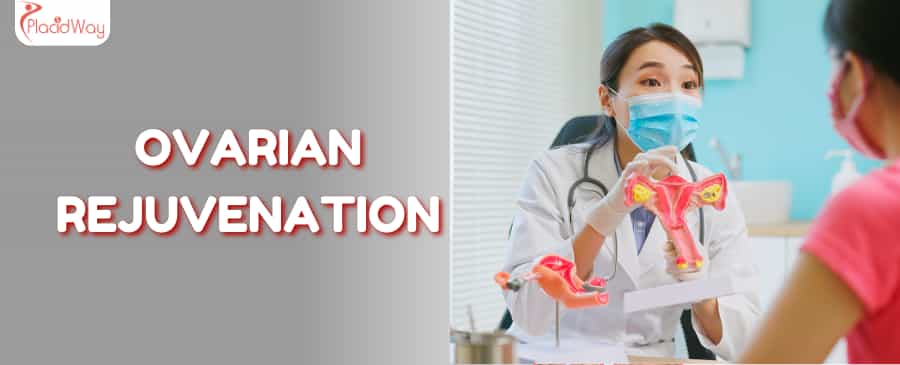
Renew Your Fertility Journey: Understanding Ovarian Rejuvenation
For many women, the journey to motherhood is filled with anticipation and joy. However, for an increasing number, it can become a path fraught with challenges, often stemming from issues like Diminished Ovarian Reserve (DOR) or Premature Ovarian Aging (POA). The emotional toll of being told your "biological clock is ticking" or that your egg supply is low can be devastating, leading many to search desperately for solutions beyond conventional IVF.
If you've been researching "how to improve egg quality," "low AMH treatment," or "fertility treatment for older women," you've likely encountered the concept of Ovarian Rejuvenation. This innovative procedure offers a beacon of hope for women seeking to enhance their natural fertility, potentially stimulate new egg development, or improve the quality of existing eggs. Imagine a garden where the soil is becoming depleted, making it harder for flowers to bloom. Ovarian rejuvenation is like adding nutrient-rich compost to revitalize that soil, encouraging new growth or strengthening the existing plants. This groundbreaking approach is especially relevant for women experiencing irregular periods, difficulty conceiving, or diagnosed with conditions that impact ovarian health.
As the medical landscape evolves, Ovarian Rejuvenation has emerged as a promising option, particularly for those who have faced previous unsuccessful fertility treatments or are looking for alternatives to traditional IVF with donor eggs. This comprehensive guide will delve deep into what Ovarian Rejuvenation entails, who can benefit, what to expect, and why a growing number of patients are considering this life-changing procedure abroad.
What are the signs that my ovaries might need rejuvenation, and what causes diminished ovarian reserve?
Recognizing the signs that your ovarian health might be declining is the first step towards seeking appropriate treatment. Many women might initially notice:
- Irregular Menstrual Cycles: Shorter, longer, or missed periods can indicate hormonal imbalances or reduced ovarian function.
- Difficulty Conceiving: Despite regular, unprotected intercourse, pregnancy does not occur, often leading to diagnoses like "unexplained infertility" or "low AMH" (Anti-Müllerian Hormone).
- Symptoms of Early Menopause: Hot flashes, night sweats, vaginal dryness, mood swings, or decreased libido can appear much earlier than expected, signaling premature ovarian aging.
- Elevated FSH Levels: Follicle-Stimulating Hormone (FSH) levels that are consistently high (especially on day 3 of your cycle) are a classic indicator of diminished ovarian reserve.
So, what drives this decline? Diminished Ovarian Reserve (DOR) and Premature Ovarian Insufficiency (POI) can be caused by a confluence of factors:
- Age: The most significant factor. As women age, both the quantity and quality of their eggs naturally decline.
- Genetics: A family history of early menopause can increase your risk.
- Autoimmune Conditions: Disorders like lupus or thyroid disease can sometimes target ovarian tissue.
- Endometriosis: This condition can create ovarian cysts (endometriomas) that damage ovarian tissue.
- Previous Ovarian Surgery: Procedures for ovarian cysts, fibroids, or endometriosis can inadvertently reduce ovarian tissue.
- Chemotherapy or Radiation Therapy: Cancer treatments are highly toxic to egg cells.
- Lifestyle Factors: Smoking, excessive alcohol consumption, and exposure to environmental toxins can accelerate ovarian aging.
Understanding these signs and causes is crucial for women searching for "improve egg quality for IVF" or "PCOS fertility solutions" as Ovarian Rejuvenation aims to address the underlying issues of ovarian function.
Exploring Ovarian Rejuvenation: What types of procedures are available?
Ovarian rejuvenation is a relatively new field, and the techniques are constantly evolving. Currently, the most prominent and widely adopted method involves Platelet-Rich Plasma (PRP) therapy. Other experimental methods include stem cell applications.
Platelet-Rich Plasma (PRP) Ovarian Rejuvenation
This procedure utilizes your body's own healing capabilities. Here's how it generally works:
- Blood Draw: A small amount of blood is drawn from your arm, similar to a standard blood test.
- Centrifugation: The blood is then processed in a centrifuge to separate the Platelet-Rich Plasma, which is a concentrated source of growth factors and cytokines essential for tissue repair and regeneration.
- Injection: Under ultrasound guidance and mild sedation, the PRP is carefully injected into the ovaries. The aim is to stimulate dormant primordial follicles, encourage the growth of new blood vessels, and improve the overall environment of the ovaries.
The growth factors in PRP are believed to kickstart a regenerative process, potentially leading to the maturation of more follicles, improved egg quality, and sometimes, a return to more regular hormonal function. Patients often search for "PRP for fertility success stories" when considering this option.
Stem Cell Ovarian Rejuvenation (Experimental)
While still largely in the research and experimental phase, some clinics are exploring the use of stem cells (often mesenchymal stem cells from bone marrow or adipose tissue) for ovarian rejuvenation. The theory is that these pluripotent cells can differentiate into ovarian cells or secrete factors that support ovarian function and regeneration. This is a more complex and less standardized procedure than PRP.
Both methods aim to "awaken" the ovaries, but PRP is currently the most accessible and established procedure within the realm of ovarian rejuvenation.
Am I a good candidate for ovarian rejuvenation, and what are the eligibility criteria?
Ovarian rejuvenation is not a one-size-fits-all solution, and careful assessment is crucial. Generally, candidates who may benefit most include:
- Women with Diminished Ovarian Reserve (DOR): This is often indicated by low AMH levels and/or high FSH levels, suggesting a reduced quantity of eggs. Patients often search for "natural ways to increase AMH" or "treatment for high FSH."
- Women with Premature Ovarian Insufficiency (POI) or Early Menopause: Those who have entered menopause before the age of 40 or 45, or are showing signs of it, may be candidates, provided there are still some dormant follicles present.
- Women with Recurrent IVF Failures: If previous IVF cycles have failed primarily due to poor egg quality or insufficient ovarian response.
- Women Over 35 Seeking to Improve Fertility: While age is a factor, women in their late 30s and early 40s who wish to enhance their chances of natural conception or IVF success might consider it.
- Women Under 50: The procedure is generally not recommended for women significantly past menopause or those over 50, as the likelihood of dormant follicles being present is very low.
- Good General Health: Candidates should be in good overall health, free from active infections or severe medical conditions that could complicate the procedure.
A thorough consultation with a fertility specialist, including hormone testing (AMH, FSH, Estradiol), ovarian ultrasound to assess antral follicle count (AFC), and sometimes genetic screening, is essential to determine if you are an appropriate candidate and to set realistic expectations.
What is the typical recovery time, and what are the potential risks and side effects?
One of the appealing aspects of ovarian rejuvenation, particularly PRP, is its minimally invasive nature and relatively swift recovery. The procedure itself is typically performed on an outpatient basis.
Recovery Time and Expectations:
- Immediate Post-Procedure: You may experience mild pelvic cramping or discomfort, similar to menstrual cramps, for a few hours. Some light spotting is also possible.
- First 24-48 Hours: Most patients are advised to rest and avoid strenuous activities. You can typically resume normal daily routines, including light work, within one to two days.
- Long-Term: There is no significant "downtime" associated with ovarian rejuvenation. Most patients feel well enough to travel shortly after the procedure if they have come from abroad.
It’s important to understand that while physical recovery is quick, the biological effects of the rejuvenation process are not immediate. It can take several weeks or even months (typically 3-6 months) to observe changes in hormone levels (like AMH or FSH) or ovarian response. Regular follow-up with your fertility specialist is crucial to monitor progress.
Potential Risks and Side Effects:
Because PRP uses your own blood products, the risk of allergic reaction or disease transmission is virtually eliminated. The procedure is generally considered safe, with minimal risks:
- Mild Discomfort/Pain: Some patients report mild pelvic pain or pressure during and immediately after the injection.
- Bruising/Spotting: Minor bruising at the injection site and light vaginal spotting are common and resolve quickly.
- Infection: As with any invasive procedure, there's a very small risk of infection, though sterile techniques are strictly followed to minimize this.
- Injury to Pelvic Organs: While extremely rare when performed by experienced specialists under ultrasound guidance, there's a theoretical risk of injury to nearby organs during the injection.
- No Effect: It's important to set realistic expectations. While many patients show positive responses, there is no guarantee of success, and some may not experience any significant change in ovarian function or fertility outcomes.
Discussing these risks and managing expectations with your doctor is key when considering "ovarian rejuvenation side effects" or "PRP fertility risks."
How much does ovarian rejuvenation cost globally, and how do prices compare?
For many patients, especially those considering "fertility treatment abroad cost," the price of ovarian rejuvenation is a significant factor. The cost can vary widely depending on the country, the clinic's reputation, the specific technique used (e.g., PRP vs. experimental stem cells), and what's included in the package (consultations, follow-ups, medications). Here's a general comparison:
| Country | Estimated Cost Range (USD) | Notes |
|---|---|---|
| USA | $5,000 - $10,000+ | Higher costs, cutting-edge technology, limited insurance coverage. |
| UK | $4,000 - $8,000+ | Comparable to Western Europe, high standards, often private clinics. |
| Greece | $3,000 - $6,000 | Pioneers in PRP ovarian rejuvenation, high success rates, competitive pricing. |
| Mexico | $3,000 - $5,500 | Popular for US patients, affordable, good quality care in major cities. |
| Ukraine | $2,500 - $5,000 | Very competitive prices, a growing hub for fertility treatments, experienced specialists. |
| Spain | $3,500 - $6,500 | High-quality medical care, well-regulated clinics, popular for European patients. |
It's crucial to obtain a detailed quote from clinics, ensuring it covers all aspects of the procedure, including initial consultations, the procedure itself, follow-up tests, and any required medications. Factor in travel and accommodation costs when budgeting for "ovarian rejuvenation travel."
Why consider ovarian rejuvenation abroad?
The decision to travel for medical treatment, known as medical tourism, is increasingly common for procedures like ovarian rejuvenation. Here's why patients choose to go abroad:
- Significant Cost Savings: As highlighted in the cost comparison, the price difference for ovarian rejuvenation between Western countries and popular medical tourism destinations can be substantial, making treatment more accessible. For many, this isn't just a saving, but the difference between affording treatment or not.
- Access to Advanced Techniques and Specialists: Some countries, like Greece, have been at the forefront of ovarian rejuvenation research and practice. This means clinics there may have more experience, refined protocols, and specialized equipment that might not be as readily available in your home country.
- Shorter Waiting Times: In some national healthcare systems, fertility treatments can involve long waiting lists. Traveling abroad often means you can start your treatment much sooner, which can be critical when dealing with age-related fertility decline.
- Privacy and Anonymity: For some, undergoing fertility treatment in a different country offers a level of privacy and anonymity that they appreciate, away from their local community.
- Integrated Travel Experience: Combining treatment with a relaxing trip can reduce stress. Many clinics offer comprehensive packages that include accommodation and transfers, turning a medical necessity into a more positive experience.
For those searching "best fertility clinics abroad" or "affordable fertility treatment overseas," the benefits of medical tourism for ovarian rejuvenation are clear.
Which countries offer the best value for ovarian rejuvenation?
When seeking "low-cost ovarian rejuvenation" or "quality fertility treatment abroad," several countries consistently stand out:
- Greece: Often cited as a pioneer in PRP ovarian rejuvenation, Greece offers a combination of highly experienced fertility specialists, state-of-the-art clinics, and competitive pricing. Athens, in particular, is a hub for these advanced treatments.
- Mexico: A popular choice for patients from the United States and Canada due to its proximity and accessible travel. Mexican clinics in cities like Cancun, Tijuana, and Mexico City provide high-quality care with advanced technology at a fraction of US costs.
- Ukraine: Emerging as a strong contender in the European medical tourism market, Ukraine offers very affordable prices for fertility treatments, including ovarian rejuvenation, without compromising on medical standards or specialist expertise.
- Spain: With its robust healthcare system, Spain boasts numerous internationally accredited fertility clinics, particularly in cities like Barcelona and Valencia. It offers excellent care, often in English, with prices more favorable than Northern Europe or the USA.
- Turkey: Istanbul has a growing reputation for medical tourism, with modern hospitals and clinics offering a range of fertility treatments, including ovarian rejuvenation, at competitive prices.
These countries not only provide financial advantages but also maintain high standards of medical care, making them attractive destinations for patients committed to their fertility journey.
What to expect when traveling for this procedure?
Preparing to travel for a medical procedure can feel daunting, but with proper planning, it can be a smooth experience:
- Initial Consultations (Remote): Most reputable clinics abroad offer virtual consultations via video call. This is where you'll discuss your medical history, current fertility status, undergo preliminary assessments, and determine your eligibility.
- Personalized Treatment Plan: Based on your consultation, the clinic will outline a tailored treatment plan, including the specific type of ovarian rejuvenation, estimated costs, and required duration of stay.
- Travel Arrangements: Once you decide to proceed, you'll arrange flights and accommodation. Many medical tourism facilitators (like PlacidWay) or clinics themselves can assist with these logistics, including airport transfers and local transportation.
- Arrival and Pre-Procedure Appointments: Upon arrival, you'll typically have an in-person consultation, further diagnostic tests (blood work, ultrasound), and pre-procedure instructions.
- The Procedure: Ovarian rejuvenation itself is usually a short, outpatient procedure performed under sedation. You'll spend a few hours at the clinic for the procedure and initial recovery.
- Post-Procedure Recovery and Follow-up: As the recovery is minimal, you'll usually be able to return to your accommodation the same day. Most clinics recommend staying for a few extra days to ensure a comfortable recovery before flying home. Follow-up instructions, including monitoring hormone levels, will be provided for when you return home.
- Ongoing Communication: Expect your chosen clinic to maintain communication after you leave, tracking your progress and offering support.
This process is designed to be as seamless as possible, allowing you to focus on your health and treatment outcomes.
How to ensure safety and quality when getting ovarian rejuvenation abroad?
The concern for safety and quality is paramount when considering medical treatment in a foreign country. Here are crucial steps to take:
- Research Clinic Accreditations: Look for clinics that hold international accreditations such as Joint Commission International (JCI), which signifies adherence to rigorous patient safety and quality-of-care standards. Local accreditations from their respective national health bodies are also important.
- Verify Doctor Credentials and Experience: Ensure the fertility specialists are board-certified, have extensive experience specifically in ovarian rejuvenation, and are members of relevant international professional organizations (e.g., ESHRE, ASRM). Ask about their success rates and the number of procedures they perform.
- Read Patient Reviews and Testimonials: Look for genuine reviews on independent platforms. Pay attention to both positive and negative feedback regarding patient care, communication, and outcomes.
- Request Comprehensive Information: Ask for detailed information about the procedure, the technology used, the substances injected (e.g., source of PRP), emergency protocols, and post-procedure care.
- Utilize Reputable Medical Tourism Facilitators: Companies like PlacidWay specialize in connecting patients with vetted, high-quality international clinics. They can help with everything from selecting a clinic to coordinating travel and providing support throughout the journey, adding an extra layer of assurance.
- Clear Communication: Ensure there are no language barriers. Many international clinics have English-speaking staff or offer translation services. Clear communication is vital for understanding your treatment and expressing your concerns.
- Visit the Clinic (If Possible): If feasible, an in-person visit before committing can provide valuable insight into the clinic's environment, staff, and facilities.
By taking these steps, you can significantly mitigate risks and increase your confidence in receiving safe and effective care for your "ovarian rejuvenation abroad reviews" and "medical tourism for fertility" searches.
What are common patient success stories from abroad for ovarian rejuvenation?
While individual results vary, the growing body of anecdotal evidence and published studies highlights the transformative potential of ovarian rejuvenation, particularly for those who have exhausted other options. Common "ovarian rejuvenation success stories" and outcomes reported by patients who undergo the procedure abroad include:
- Return of Menstrual Cycles: For women experiencing POI or early menopause, a common and highly valued outcome is the return of regular menstrual periods, signaling improved ovarian hormonal activity.
- Improved Hormone Levels: Many patients see positive shifts in their hormone profiles, such as an increase in AMH (Anti-Müllerian Hormone), indicating an improved ovarian reserve, and a decrease in FSH (Follicle-Stimulating Hormone), suggesting better ovarian response.
- Enhanced Egg Quality: Even if the number of eggs doesn't drastically increase, an improvement in egg quality can lead to better embryo development and higher chances of successful implantation during IVF. Patients often seek "how to improve egg quality naturally" hoping for similar results.
- Successful IVF Cycles: For those who previously had poor responses to IVF or relied on donor eggs, ovarian rejuvenation can enable them to use their own eggs, leading to successful pregnancies.
- Natural Pregnancies: Perhaps the most celebrated success stories are those of women who, after being told natural conception was highly unlikely, achieve pregnancy spontaneously following ovarian rejuvenation.
- Post-Menopausal Pregnancies: In some rare and highly publicized cases, women who had entered menopause have successfully conceived with their own eggs after ovarian rejuvenation, offering hope beyond traditional fertility timelines.
These stories, found in "ovarian rejuvenation patient reviews" and forums, offer immense hope and demonstrate why so many women are willing to travel globally for this innovative fertility treatment.
Take the Next Step with PlacidWay
Ready to explore treatment options abroad? Discover top clinics, compare prices, and get a free quote tailored to your needs with PlacidWay.
Fertility Treatment Abroad, Best Fertility Clinics



.png)
.png)















Share this listing