
Reclaiming Your Health: Comprehensive Lyme Disease Treatment Abroad
Lyme disease, also known as Borreliosis, is a complex illness transmitted through the bite of infected ticks. For many, it presents as a straightforward case with an early diagnosis and successful antibiotic treatment. However, for a significant number of individuals, Lyme disease can become a long-term battle, causing debilitating symptoms that affect every aspect of their lives. When conventional treatments fall short or when specialized diagnostics and therapies are needed, exploring treatment options abroad can open doors to new hope and renewed health.
This comprehensive guide is designed to help you understand Lyme disease, explore the various treatment approaches, and discover why medical tourism might be the right path for your healing journey. We'll delve into everything from recognizing symptoms and understanding causes to comparing global treatment costs and finding reputable clinics offering advanced care for Borreliosis.
What are the tell-tale symptoms of Lyme disease (Borreliosis)?
Lyme disease symptoms can be incredibly varied and often mimic other conditions, making diagnosis challenging. They typically progress in stages:
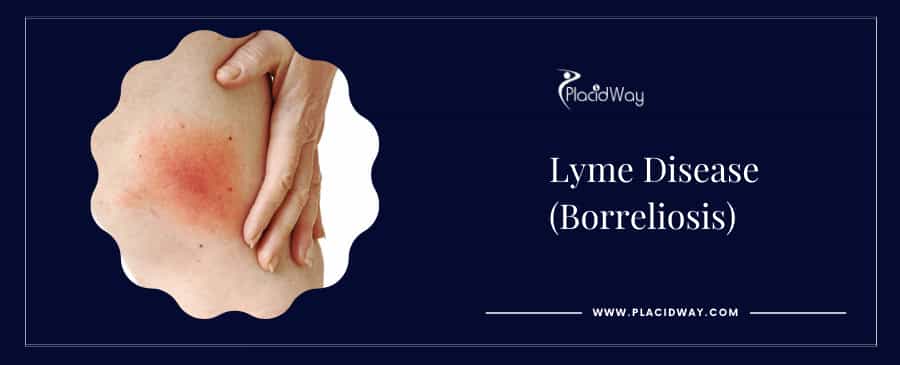
- Early Localized Stage (1-4 weeks post-bite): The most recognizable symptom is the erythema migrans (EM) rash, often described as a bull's-eye, though it can appear as a solid red patch. This rash is usually not itchy or painful. Other symptoms include flu-like illness: fever, chills, headache, fatigue, muscle and joint aches, and swollen lymph nodes.
- Early Disseminated Stage (weeks to months post-bite): If untreated, the bacteria can spread, leading to new symptoms. These may include multiple EM rashes, Bell's palsy (facial drooping), severe headaches and neck stiffness (meningitis), shooting pains, numbness or tingling in the hands or feet, and heart palpitations or dizziness due to Lyme carditis.
- Late Disseminated Stage (months to years post-bite): This stage can involve severe and chronic issues. Common manifestations include Lyme arthritis (swelling and pain in large joints, especially the knee), chronic neurological problems (nerve pain, numbness, tingling, cognitive difficulties like "brain fog," memory impairment), and fatigue that can be profound and debilitating.
Understanding these symptoms is crucial, especially for those searching for "chronic Lyme symptoms" or "late-stage Borreliosis effects" online.
What causes Lyme disease and who is most at risk?
Lyme disease is caused by several species of Borrelia bacteria, with Borrelia burgdorferi being the most common in North America and Borrelia afzelii and Borrelia garinii prevalent in Europe and Asia. These bacteria are transmitted to humans through the bite of infected ticks, primarily the black-legged tick (also known as the deer tick, Ixodes scapularis) in the eastern U.S. and the western black-legged tick (Ixodes pacificus) on the Pacific coast. In Europe, the castor bean tick (Ixodes ricinus) is the main vector.
Risk factors include:
- Outdoor Activities: Spending time in wooded, brushy, or grassy areas where ticks thrive (hiking, camping, gardening, hunting).
- Geographic Location: Living or traveling in endemic areas (e.g., Northeastern and Upper Midwestern U.S., Central Europe).
- Lack of Protective Measures: Not using insect repellent, wearing short sleeves/shorts, or not checking for ticks after outdoor exposure.
- Unaware Tick Removal: Not removing attached ticks promptly and correctly.
The longer an infected tick is attached, the higher the risk of transmission, typically requiring attachment for 36-48 hours.
What types of treatments are available for Lyme disease?
Treatments for Lyme disease depend heavily on the stage of the infection and the severity of symptoms. For patients searching "Lyme disease treatment options" or "Borreliosis therapy," here's a breakdown:
- Early-Stage Treatment: A short course (14-28 days) of oral antibiotics like doxycycline, amoxicillin, or cefuroxime axetil is highly effective in eradicating the infection and preventing progression.
- Late-Stage or Disseminated Treatment: For advanced cases affecting the joints, heart, or nervous system, longer courses of oral or intravenous (IV) antibiotics may be prescribed. IV ceftriaxone is a common choice for severe neurological or cardiac involvement.
- Chronic Lyme Disease (CLD) / Post-Treatment Lyme Disease Syndrome (PTLDS): This is where treatment becomes more complex and often contentious. While some medical guidelines suggest PTLDS symptoms are not due to persistent infection, many patients and specialized clinics believe otherwise. Treatments for persistent symptoms, often sought abroad, may include:
- Extended Antibiotic Protocols: Longer courses or combinations of antibiotics.
- Intravenous (IV) Therapies: Beyond just antibiotics, this can include nutrient IVs, ozone therapy, or other supportive infusions.
- Integrative and Holistic Approaches: Addressing co-infections (e.g., Babesiosis, Bartonellosis, Anaplasmosis, Ehrlichiosis), immune system dysfunction, detoxification, gut health restoration, and targeted nutritional support.
- Adjunctive Therapies: Hyperbaric oxygen therapy, herbal medicines, sauna therapy, and other complementary treatments aimed at symptom relief and promoting healing.
The key for those with chronic symptoms is often a multi-faceted approach, which specialized international clinics are often well-equipped to provide.
Am I eligible for specialized Lyme disease treatment abroad?
When considering "who qualifies for Lyme treatment abroad" or "criteria for overseas Lyme care," here's what clinics typically look for:
- Confirmed Diagnosis: While some clinics may accept patients with strong clinical evidence, a laboratory-confirmed diagnosis of Lyme disease (e.g., positive ELISA and Western Blot tests, or more advanced diagnostics like PCR or specialized culture tests) is often preferred.
- Chronic or Persistent Symptoms: Individuals who have completed standard antibiotic treatment but continue to suffer from debilitating symptoms (e.g., chronic fatigue, joint pain, neurological issues, brain fog).
- Presence of Co-infections: Many Lyme patients also have co-infections (e.g., Babesia, Bartonella, Ehrlichia), which require specific and often more complex treatment protocols.
- Failed Previous Treatments: Patients who have not responded adequately to standard or initial extended treatments.
- Overall Health Status: A comprehensive medical history and current health assessment will be reviewed to ensure the patient is suitable for the proposed treatments, especially if they involve intensive IV therapies or detox protocols.
- Willingness to Commit: Specialized treatments abroad often require a significant time commitment (weeks to months) and active participation in the treatment plan, including dietary changes and lifestyle adjustments.
Most international clinics will require detailed medical records, including all prior test results and treatment history, to assess eligibility and create a personalized treatment plan.
What should I expect during recovery from Lyme disease treatment?
Recovery from Lyme disease is not a linear process and can be highly individual. For those seeking "Lyme disease recovery timeline" or "post-treatment symptoms Borreliosis," here’s what to anticipate:
- Initial Response: Many patients on antibiotics will see a rapid improvement in early-stage symptoms. However, some may experience a temporary worsening of symptoms known as a Jarisch-Herxheimer reaction. This occurs when bacteria die off rapidly, releasing toxins, and typically resolves within a few days.
- Gradual Improvement for Chronic Cases: For chronic Lyme patients undergoing intensive treatments, recovery can be slower. Symptoms like fatigue, pain, and cognitive issues may gradually lessen over weeks or months. It’s often a journey of small improvements.
- Follow-up Care: Regular follow-ups with your treating physician are crucial to monitor progress, adjust medications, and manage lingering symptoms. This may include blood tests to track inflammatory markers or pathogen load.
- Supportive Therapies: Recovery often involves more than just medical treatment. Physical therapy, occupational therapy, cognitive rehabilitation, and psychological support can be vital for restoring function and managing the emotional toll of the illness.
- Lifestyle Adjustments: Many patients find that maintaining a healthy diet, managing stress, prioritizing sleep, and engaging in gentle exercise significantly supports their recovery.
It’s important to manage expectations and understand that complete symptom resolution may take time, and some individuals may require ongoing supportive care.
What are the potential risks and side effects of Lyme disease treatment?
Like any medical treatment, therapies for Lyme disease carry potential risks and side effects. Patients asking "are Lyme treatments safe?" or "what are antibiotic side effects for Borreliosis?" should be aware of the following:
- Antibiotic Side Effects:
- Gastrointestinal Issues: Nausea, vomiting, diarrhea, abdominal pain are common.
- Photosensitivity: Doxycycline can make skin more sensitive to the sun.
- Yeast Infections: Antibiotics can disrupt the body's natural flora, leading to yeast infections.
- Clostridioides difficile infection (C. diff): A more severe form of diarrhea caused by antibiotic disruption of gut bacteria.
- Allergic Reactions: Ranging from rashes to severe anaphylaxis.
- Drug-Drug Interactions: Antibiotics can interact with other medications.
- IV Treatment Risks: For those receiving intravenous antibiotics or other infusions, risks include infection at the IV site, phlebitis (vein inflammation), and more systemic allergic reactions.
- Jarisch-Herxheimer Reaction: As mentioned, this temporary worsening of symptoms can be uncomfortable but is generally manageable.
- Risks of Unproven/Alternative Therapies: Some integrative treatments, especially those not backed by robust scientific evidence, may carry unknown risks, interact with conventional treatments, or lack efficacy. It's crucial to choose clinics that practice evidence-informed integrative medicine.
- Long-term Antibiotic Use: While often necessary for chronic cases, extended antibiotic courses can lead to antibiotic resistance and significant disruption of the gut microbiome.
Always discuss potential risks with your doctor and ensure the clinic you choose abroad prioritizes patient safety and monitors for adverse effects.
How do Lyme disease treatment costs compare worldwide?
The cost of Lyme disease treatment is a major factor for many, especially those with chronic symptoms who require long-term or specialized care. Patients often search for "affordable Lyme treatment" or "Lyme disease cost abroad." Here’s a general comparison:
| Country | Estimated Cost Range (USD) | Notes |
|---|---|---|
| USA | $5,000 - $50,000+ | Highly variable. Initial antibiotic courses are relatively low, but specialized diagnostics and prolonged treatments for chronic Lyme can be very expensive, often with limited insurance coverage for non-standard protocols. |
| Germany | $8,000 - $35,000+ | Renowned for advanced diagnostics and integrative treatment centers (e.g., hyperthermia, ozone therapy, specialized IVs). Offers high-quality care, often at a fraction of US prices for similar comprehensive approaches. |
| Mexico | $7,000 - $30,000+ | Becoming a popular destination for holistic and alternative Lyme treatments, often combining conventional medicine with complementary therapies. More accessible for North American patients. |
| Turkey | $6,000 - $25,000+ | An emerging medical tourism hub, offering advanced medical facilities, highly trained specialists, and cost-effective treatment packages for various conditions, including chronic Lyme, appealing to patients from Europe and beyond. |
These ranges are estimates and can vary based on the clinic's reputation, the complexity and duration of treatment, specific diagnostics required, and included services (accommodation, translation, etc.).
Why consider traveling abroad for Lyme disease treatment?
For individuals struggling with persistent or chronic Lyme disease, seeking care internationally can offer several compelling advantages:
- Access to Advanced Diagnostics: Some countries and clinics offer more specialized or sensitive diagnostic tests for Borrelia and co-infections that may not be routinely available or covered by insurance in a patient's home country.
- Innovative and Integrative Protocols: Many international clinics specialize in comprehensive, holistic, and integrative approaches to chronic Lyme, combining conventional antibiotics with advanced supportive therapies (e.g., hyperthermia, ozone therapy, heavy metal detoxification, immune modulation, comprehensive nutritional plans) that may not be widely accepted or offered elsewhere.
- Cost-Effectiveness: As seen in the cost comparison, the overall expense for a complete treatment plan, especially for chronic conditions, can be significantly lower in certain medical tourism destinations compared to the US or Canada, even when factoring in travel and accommodation.
- Shorter Wait Times: In some healthcare systems, wait times for specialist appointments or specific therapies can be long. Traveling abroad can often provide quicker access to necessary treatment.
- Expertise and Second Opinions: Patients may seek out world-renowned specialists in Lyme disease who offer a different perspective or approach to their complex cases.
- Privacy and Recuperation: For some, the opportunity to receive treatment away from home, in a new environment, can offer a sense of privacy and a more focused healing journey.
Ultimately, the decision to travel for treatment is a personal one, driven by the desire for comprehensive care and relief from debilitating symptoms.
Which countries are best known for effective Lyme disease treatment for international patients?
When searching for "top Lyme disease clinics abroad" or "best countries for Borreliosis treatment," a few destinations consistently stand out:
- Germany: Often considered a global leader in complex Lyme diagnostics and integrative medicine. German clinics are known for advanced testing for Borrelia and co-infections, as well as innovative treatments like hyperthermia, comprehensive IV therapies, and biological medicine approaches. Patients seeking "Lyme disease treatment Germany" often find comprehensive care.
- Mexico: A popular choice, especially for North American patients, offering a blend of conventional and alternative therapies. Mexican clinics often provide holistic protocols, including detoxification, immune support, and sometimes experimental treatments, usually at a more affordable price point.
- Turkey: An increasingly prominent medical tourism destination with modern hospitals and clinics offering high-quality care at competitive prices. While specific Lyme centers might be less publicized than in Germany, Turkey's growing medical infrastructure means access to skilled doctors and advanced facilities for a range of complex conditions, including Borreliosis.
- Switzerland & Austria: These countries also have a reputation for high-quality, specialized clinics offering sophisticated diagnostics and integrative approaches, particularly for chronic and complex illnesses like Lyme disease, though often at a higher cost.
- Eastern European Countries (e.g., Poland, Czech Republic): These regions are gaining recognition for offering quality medical care, including some specialized Lyme clinics, at significantly lower costs, making them an attractive option for budget-conscious patients.
Each destination offers unique strengths, and the best choice depends on individual patient needs, budget, and desired treatment philosophy.
How can I ensure safety and quality when choosing a Lyme disease clinic abroad?
Ensuring the safety and quality of your treatment abroad is paramount. When searching for "safe Lyme treatment overseas" or "vetting international Borreliosis clinics," consider these steps:
- Accreditation: Look for international accreditations such as Joint Commission International (JCI), which signifies adherence to strict quality and patient safety standards. Local government health ministry approvals are also important.
- Doctor Qualifications: Verify the qualifications, board certifications, and experience of the treating physicians. Look for specialists with specific expertise in infectious diseases, neurology, rheumatology, or integrative medicine relevant to Lyme disease.
- Patient Testimonials and Reviews: Seek out independent patient reviews and testimonials. While individual experiences vary, a pattern of positive feedback regarding care, communication, and outcomes is a good sign.
- Transparency: A reputable clinic will be transparent about their diagnostic methods, treatment protocols, success rates, and associated costs. Beware of clinics that make unrealistic promises or push unproven "miracle cures."
- Communication: Ensure clear communication channels are available before, during, and after your treatment. Language barriers can be a significant issue, so inquire about translation services.
- Medical Tourism Facilitators: Companies like PlacidWay specialize in connecting patients with vetted international medical providers. They can help with clinic selection, obtaining quotes, travel logistics, and ensuring quality assurance, offering an added layer of security and support.
- Second Opinions: Don't hesitate to get a second opinion on your proposed treatment plan, even if you are already at the clinic.
Thorough research and due diligence are your best tools for a safe and effective treatment experience.
What are patient success stories from abroad for Lyme disease?
While individual results vary greatly, numerous patients have shared their positive experiences and "Lyme disease abroad success stories" after seeking treatment internationally. These narratives often emphasize several common themes:
- Breakthroughs in Diagnosis: Patients frequently report that international clinics utilized more extensive or specialized diagnostic tests (e.g., specific PCR tests, detailed immune panels, co-infection screening) that were not available or widely used in their home countries, leading to a clearer understanding of their condition.
- Comprehensive Treatment Approaches: Many find relief through integrated protocols that address not just the Borrelia infection but also co-infections, immune dysfunction, heavy metal toxicity, and gut health. This holistic approach often leads to more sustained improvements compared to single-therapy treatments.
- Restored Quality of Life: Individuals who suffered from severe chronic fatigue, debilitating pain, or neurological symptoms for years have often reported significant reductions in these symptoms, allowing them to return to work, hobbies, and family life.
- Hope and Validation: For many chronic Lyme patients who felt dismissed or misunderstood by their local medical systems, finding a clinic abroad that validated their experience and offered a dedicated treatment plan was a profound relief and a crucial step towards healing.
- Personalized Care: Patients often praise the personalized attention and tailored treatment plans they receive in international clinics, contrasting it with what they felt was a "one-size-fits-all" approach at home.
These stories serve as a testament to the potential benefits of medical tourism for complex conditions like Lyme disease, offering hope and practical solutions for those seeking effective paths to recovery.
Take the Next Step with PlacidWay
Ready to explore treatment options abroad? Discover top clinics, compare prices, and get a free quote tailored to your needs with PlacidWay.
Alternative Chronic Health Therapies | Best Medical Centers Abroad

-Package-in-Riyadh,-Saudi-Arabia-at-King-Faisal-Specialist-Hospital-Thumbnail.jpg)








.png)
-(1).png)
.jpg)
.png)












Share this listing