
Unlocking New Hope: Understanding Hematopoietic Stem Cell Transplants Abroad
Facing a serious diagnosis like leukemia, lymphoma, or a severe blood disorder can be overwhelming. For many, a Hematopoietic Stem Cell (HSC) Transplant, often referred to simply as a blood stem cell transplant or a bone marrow transplant, offers a beacon of hope. This powerful medical procedure replaces diseased or damaged blood-forming stem cells with healthy ones, giving your body the ability to produce new, healthy blood cells.
But what exactly does this mean for you or a loved one? How does it work? And with increasing global healthcare options, is exploring treatment abroad a viable path? We understand the search for answers can be daunting, especially when dealing with complex medical conditions. Patients frequently ask, "what is a stem cell transplant used for?" or "can stem cells cure cancer?" This guide aims to demystify the process, explain who benefits, detail the journey from diagnosis to recovery, and explore why many are now considering world-class medical facilities beyond their home borders for this life-changing therapy.
A hematopoietic stem cell transplant isn't just a procedure; it's a profound journey towards renewed health. It’s used to treat a range of conditions where the body's own bone marrow is not functioning correctly or has been damaged by intensive treatments like chemotherapy or radiation. While the decision to undergo such a transplant is significant, understanding the process, potential outcomes, and global options can empower you to make informed choices for your future. Let's delve deeper into this incredible medical advancement.
What is a Hematopoietic Stem Cell Transplant and How Does it Work?
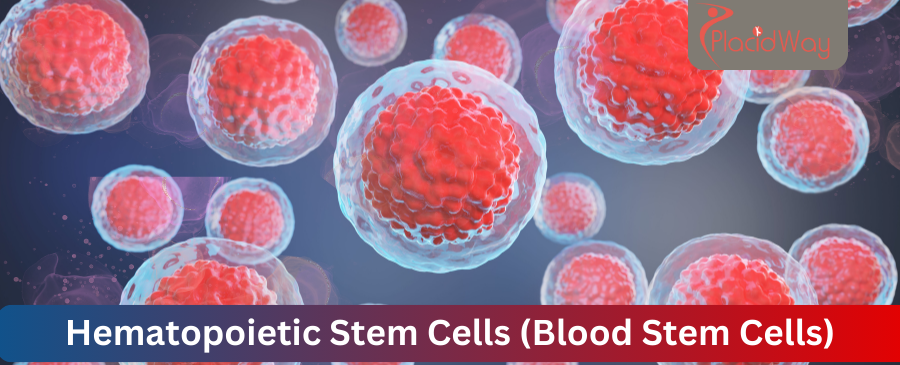
At its core, a hematopoietic stem cell transplant (HSCT) is a procedure to replace damaged or diseased blood stem cells with healthy ones. These powerful stem cells, found primarily in bone marrow, umbilical cord blood, and peripheral blood, are unique because they can develop into all types of blood cells: red blood cells (carrying oxygen), white blood cells (fighting infection), and platelets (aiding clotting).
The Process Generally Involves Three Key Stages:
- Conditioning: Patients receive high doses of chemotherapy, sometimes combined with radiation, to destroy existing diseased cells and suppress the immune system, making space for the new stem cells.
- Infusion: Healthy stem cells, collected from a donor or the patient themselves, are infused intravenously, much like a blood transfusion. These cells then travel to the bone marrow, where they begin to multiply and produce new, healthy blood cells – a process called "engraftment."
- Recovery: This is a critical period where the patient's new immune system develops. It can take weeks or months and requires close monitoring.
Types of Stem Cell Transplants:
- Autologous Transplant: The patient's own healthy stem cells are collected and stored before high-dose therapy, then reinfused. This is often used for certain cancers like multiple myeloma or lymphoma.
- Allogeneic Transplant: Stem cells are sourced from a donor, who can be a related family member, an unrelated volunteer, or umbilical cord blood. Donor cells must be a good match to the patient's human leukocyte antigens (HLAs) to minimize rejection. This is common for leukemia, aplastic anemia, and immune deficiencies.
Understanding these fundamental steps is crucial for anyone considering or preparing for an HSCT. It's a complex, intensive treatment, but one that has brought about remarkable recoveries for countless individuals.
What Conditions Can Be Treated with Blood Stem Cell Transplants?
Hematopoietic stem cell transplants are not a one-size-fits-all solution but a targeted therapy for specific severe medical conditions. Patients often search for "what diseases are treated with stem cells?" or "can stem cells cure sickle cell disease?" The answer is that HSCT holds the potential for remission or cure for a wide range of life-threatening diseases, broadly categorized into:
Cancers of the Blood and Lymphatic System:
- Leukemia: Cancers of the white blood cells (e.g., Acute Myeloid Leukemia (AML), Acute Lymphoblastic Leukemia (ALL), Chronic Myeloid Leukemia (CML)). Symptoms include fatigue, infections, easy bruising/bleeding, and weight loss.
- Lymphoma: Cancers affecting the lymphatic system (e.g., Hodgkin lymphoma, Non-Hodgkin lymphoma). Symptoms include swollen lymph nodes, fever, night sweats, and unexplained weight loss.
- Multiple Myeloma: A cancer of plasma cells in the bone marrow. Symptoms often include bone pain, fatigue, kidney problems, and frequent infections.
- Myelodysplastic Syndromes (MDS): A group of disorders where the bone marrow fails to produce healthy blood cells, often progressing to leukemia. Symptoms are similar to anemia.
Non-Cancerous Blood Disorders:
- Aplastic Anemia: A condition where the bone marrow stops producing enough new blood cells. Patients experience fatigue, infections, and bleeding.
- Sickle Cell Anemia and Thalassemia: Inherited blood disorders causing abnormal hemoglobin production. Symptoms include chronic pain, fatigue, and organ damage. For many, a "stem cell treatment for sickle cell" is a real cure.
Immune System and Metabolic Disorders:
- Severe Combined Immunodeficiency (SCID): A group of rare, life-threatening genetic disorders that cause severe impairment of the immune system.
- Wiskott-Aldrich Syndrome, Chronic Granulomatous Disease, and other rare genetic disorders: Where a faulty immune system or enzyme deficiency requires replacement with healthy cells.
Understanding the specific condition and its symptoms is the first step in determining if an HSCT is the right course of treatment. The decision is always made in consultation with a team of specialists.
What Causes the Need for a Stem Cell Transplant?
The underlying "cause" for needing a stem cell transplant isn't a single factor but rather the progression or severity of a primary disease. For instance, you might ask, "why do people need bone marrow transplants?" The reasons are varied but generally fall into these categories:
- Aggressive Cancers: Many blood cancers, like acute leukemia, grow rapidly and resist conventional chemotherapy or radiation alone. An HSCT allows doctors to use much higher doses of these therapies to eliminate cancerous cells, knowing that healthy stem cells will be reintroduced to restore blood production.
- Bone Marrow Failure: Conditions like severe aplastic anemia lead to the bone marrow ceasing to produce sufficient blood cells. This failure can be due to autoimmune attacks, exposure to certain chemicals, or unknown reasons. Replacing the faulty marrow is the only way to restore function.
- Genetic Blood Disorders: Inherited conditions like sickle cell anemia, thalassemia, and Fanconi anemia are caused by genetic mutations that lead to defective blood cell production. A transplant replaces the faulty genetic material with healthy donor cells, correcting the underlying defect. Patients often search for "how stem cells cure genetic diseases."
- Autoimmune Diseases: In some severe autoimmune diseases (e.g., systemic sclerosis, multiple sclerosis), the immune system mistakenly attacks healthy body tissues. While less common, HSCT is being explored as a way to "reset" the immune system after high-dose chemotherapy has eradicated the self-attacking cells.
- Damage from Previous Treatments: Sometimes, intense chemotherapy or radiation for other cancers can inadvertently damage the bone marrow. An autologous transplant can help restore blood cell production after such damage.
Essentially, the need for an HSCT arises when the body's natural blood-producing system is compromised beyond repair by disease or treatment, and a powerful intervention is required to restart it with healthy components.
Am I a Candidate for a Hematopoietic Stem Cell Transplant?
One of the most pressing questions for patients and their families is, "who needs a blood stem cell transplant?" or "am I eligible for stem cell treatment?" The decision for an HSCT is highly individualized and involves a comprehensive evaluation by a multidisciplinary team of specialists. Factors considered include:
- Disease Status: The specific diagnosis, its stage, how it has responded to previous treatments, and its prognosis without a transplant are crucial. For some cancers, a transplant is considered when the disease is in remission but has a high risk of relapse.
- Overall Health and Organ Function: Patients must be healthy enough to endure the intensive conditioning regimen and the demanding recovery process. This involves extensive testing of heart, lung, kidney, and liver function. Co-existing conditions (comorbidities) can significantly impact eligibility.
- Age: While there is no strict upper age limit, younger patients generally tolerate the procedure better. However, advances in care mean more older patients are now considered, provided they are otherwise fit.
- Donor Availability (for Allogeneic Transplants): Finding a matched donor is paramount. Compatibility is determined by Human Leukocyte Antigen (HLA) typing. Ideal donors are usually siblings, but unrelated donors can be found through national and international registries. Cord blood units are another option.
- Psychological and Social Support: The transplant journey is long and challenging. Strong emotional support, access to caregiving, and financial stability are important considerations.
Your transplant team will carefully weigh the potential benefits against the significant risks, ensuring that an HSCT offers the best chance for a successful outcome. Don't hesitate to ask your doctor, "what are the criteria for a stem cell transplant?" to understand your specific situation.
What Can I Expect During the Blood Stem Cell Transplant Recovery Period?
The recovery period after a hematopoietic stem cell transplant is often described as a marathon, not a sprint. Patients frequently ask, "how long does stem cell transplant recovery take?" or "what are the stages of recovery after bone marrow transplant?" It's a phased process that demands patience and meticulous care.
Immediate Post-Transplant (First Few Weeks in Hospital):
- Engraftment: The infused stem cells begin to settle in the bone marrow and produce new blood cells. This is a critical period, and patients are highly susceptible to infection due to a severely weakened immune system.
- Side Effects: Due to the conditioning chemotherapy, patients may experience nausea, vomiting, mouth sores (mucositis), hair loss, fatigue, and loss of appetite.
- Supportive Care: Patients receive blood transfusions, antibiotics, antifungals, and antiviral medications to prevent and treat infections. Pain management is also crucial.
Early Recovery (First 100 Days Post-Transplant):
- Hospital Discharge: Once engraftment is stable and side effects are manageable, patients can often return home, but frequent outpatient visits are required.
- Immune System Rebuilding: The new immune system is still very fragile. Continued precautions against infection are vital.
- Graft-versus-Host Disease (GVHD - Allogeneic): A common complication where donor immune cells attack the recipient's tissues. It can affect the skin, liver, gut, and other organs and requires careful management.
Long-Term Recovery (Months to Years):
- Gradual Return to Normalcy: Energy levels slowly improve, and the immune system becomes stronger. However, fatigue can persist for a long time.
- Regular Follow-ups: Ongoing monitoring for late complications, GVHD, and overall health is essential.
- Psychological Impact: Many patients experience emotional challenges, including anxiety, depression, and PTSD, which can be addressed with support groups and counseling.
While challenging, the recovery process is a journey towards renewed health, guided by a dedicated medical team. "Bone marrow transplant recovery stories" often highlight the resilience and hope that define this period.
What Are the Risks and Side Effects of Stem Cell Transplantation?
While a hematopoietic stem cell transplant offers life-saving potential, it is a high-risk procedure. Patients and their families often ask, "what are the side effects of stem cell transplant?" or "is stem cell transplant painful?" Understanding these risks is crucial for informed decision-making.
Common and Serious Complications:
- Infection: Due to the severely suppressed immune system, infections (bacterial, viral, fungal) are a major concern, particularly during the engraftment period.
- Graft-versus-Host Disease (GVHD): Exclusive to allogeneic transplants, GVHD occurs when the donor's immune cells recognize the recipient's body as "foreign" and attack it. It can range from mild to life-threatening, affecting the skin, liver, gastrointestinal tract, and other organs.
- Mucositis: Inflammation and sores in the mouth and digestive tract, often very painful, making eating and drinking difficult.
- Organ Damage: High-dose chemotherapy and radiation can potentially damage organs like the heart, lungs, kidneys, and liver, leading to long-term complications.
- Infertility: The conditioning regimen often results in permanent infertility for both men and women. Fertility preservation options may be discussed before treatment.
- Secondary Cancers: A small but increased risk of developing other cancers years after the transplant.
- Cataracts: Clouding of the eye's lens can develop as a late effect.
- Fatigue and Weakness: Prolonged fatigue is common and can last for many months, impacting quality of life.
- Psychological Effects: Anxiety, depression, and post-traumatic stress disorder (PTSD) are common emotional challenges.
The medical team takes extensive measures to prevent and manage these complications, but they remain significant considerations in the transplant journey.
How Much Does a Stem Cell Transplant Cost Worldwide?
For many patients, especially those without comprehensive insurance coverage or facing long wait times, the question "how much does a stem cell transplant cost?" is paramount. The cost of an HSCT is substantial and varies dramatically depending on numerous factors, including:
- Country and Healthcare System: Costs are significantly higher in countries like the US compared to many medical tourism destinations.
- Type of Transplant: Allogeneic transplants are typically more expensive than autologous ones due to donor search, additional testing, and higher risk of complications like GVHD.
- Hospital and Clinic Reputation: Leading transplant centers with extensive experience and state-of-the-art facilities may charge more.
- Duration of Stay and Complications: Longer hospital stays, intensive care needs, or management of severe complications (e.g., GVHD, infections) significantly increase the total cost.
- Medications and Follow-up Care: Post-transplant medications, especially immunosuppressants for allogeneic transplants, can be costly.
Estimated Worldwide Cost Comparison for Allogeneic Hematopoietic Stem Cell Transplant (Indicative)
| Country | Estimated Cost Range (USD) | Key Factors |
|---|---|---|
| United States | $500,000 - $1,000,000+ | High healthcare costs, comprehensive services, advanced technology. |
| United Kingdom | $300,000 - $600,000+ | NHS covers citizens; private care still very expensive. |
| Germany | $250,000 - $500,000+ | High quality, reputable centers, well-regulated. |
| India | $40,000 - $90,000+ | Significant cost savings, experienced specialists, advanced facilities. |
| Turkey | $50,000 - $100,000+ | Competitive pricing, modern hospitals, strategic location. |
| Thailand | $60,000 - $120,000+ | Excellent patient care, international standards, tourism infrastructure. |
| Mexico | $70,000 - $130,000+ | Proximity to the US, competitive costs, growing medical tourism sector. |
These figures are estimates and can vary widely. It is crucial to get a detailed quote directly from clinics, including all anticipated costs (pre-transplant evaluation, transplant, hospital stay, medications, follow-up, potential complications).
Why Consider Traveling Abroad for a Stem Cell Transplant?
With the high costs and sometimes lengthy wait times associated with HSCTs in many Western countries, "medical tourism for stem cell transplant" has become a serious consideration for many. Why do patients choose to travel?
- Significant Cost Savings: As seen in the table above, the cost of a high-quality HSCT can be a fraction of the price in countries like India, Turkey, or Thailand compared to the US or Western Europe, often even including travel and accommodation.
- Access to Advanced Treatment and Technology: Many international hospitals boast state-of-the-art facilities and leading specialists who are at the forefront of transplant medicine. They often have access to the latest drugs and techniques.
- Reduced Wait Times: In some countries, patients face long waiting lists for complex procedures. Traveling abroad can mean faster access to life-saving treatment, which can be critical for aggressive diseases.
- Privacy and Anonymity: Some patients prefer the discretion and privacy offered by receiving treatment away from their home country.
- Comprehensive Packages: Many medical tourism providers and hospitals offer all-inclusive packages that cover treatment, accommodation, travel logistics, and even interpreter services, simplifying the patient journey.
The decision to go abroad is deeply personal and requires careful research, but for many, it provides a realistic pathway to vital treatment that might otherwise be out of reach.
Which Countries Offer the Best Value and Quality for Stem Cell Transplants?
When considering medical tourism for an HSCT, patients often ask, "what are the best countries for stem cell therapy?" or "where can I get an affordable bone marrow transplant?" Several countries have emerged as global leaders in offering high-quality, cost-effective stem cell transplantation services:
- India: Renowned for its JCI-accredited hospitals, highly skilled doctors (many trained in the West), and significantly lower costs. Major cities like Delhi, Mumbai, and Chennai have world-class transplant centers.
- Turkey: Positioned at the crossroads of Europe and Asia, Turkey offers modern hospitals equipped with the latest technology, English-speaking medical staff, and competitive prices, especially in Istanbul and Ankara.
- Thailand: Known for its exceptional hospitality and service, Thailand also boasts excellent medical facilities, particularly in Bangkok, offering high-standard care at a fraction of Western prices.
- Mexico: A popular choice for North American patients due to its geographical proximity. Clinics in cities like Tijuana and Monterrey provide advanced care with often substantial cost savings.
- Germany: While at a higher price point than Asian or South American options, Germany is globally recognized for its rigorous medical standards, cutting-edge research, and highly specialized transplant centers. It offers excellent value within Europe for those seeking top-tier quality.
- South Korea: A rising star in medical tourism, offering advanced technology and highly skilled medical professionals, though costs might be higher than other Asian destinations.
Choosing the "best" country depends on individual needs, budget, and the specific type of transplant required. Thorough research into specific clinics and their success rates is always recommended.
What Should I Know Before Traveling Abroad for Stem Cell Treatment?
Embarking on a medical journey abroad for something as complex as an HSCT requires meticulous planning and awareness. Patients frequently inquire, "how to prepare for stem cell transplant abroad?" or "what to expect when traveling for medical treatment?" Here are crucial considerations:
- Thorough Research and Vetting:
- Accreditation: Look for international accreditations like JCI (Joint Commission International) or local government endorsements.
- Specialist Expertise: Ensure the transplant team has extensive experience specifically with your type of condition and transplant. Ask for their success rates.
- Facilities: Verify that the hospital has a dedicated transplant unit, sterile environments, and comprehensive supportive care (ICU, blood bank, pathology).
- Comprehensive Cost Breakdown: Get a detailed, itemized quote that includes pre-transplant tests, the procedure itself, hospital stay, medications, potential complications, and follow-up care. Clarify what's included and what's extra.
- Logistics and Accommodation: HSCT involves a lengthy stay (often 1-3 months minimum). Plan for accommodation for yourself and your caregiver, transportation, and visa requirements.
- Communication: Ensure there are English-speaking staff and/or reliable medical interpreters available throughout your stay.
- Follow-up Care: Discuss a clear plan for post-transplant follow-up and long-term care, both abroad and upon your return home. How will medical records be transferred?
- Legal and Ethical Considerations: Understand the legal framework and patient rights in the chosen country.
- Insurance: Check if your travel insurance or existing health insurance will cover any aspects of medical tourism or complications arising abroad.
- Support Services: Many medical tourism facilitators (like PlacidWay) can assist with travel, accommodation, interpreter services, and clinic selection, greatly easing the burden.
By carefully planning and asking the right questions, you can navigate the complexities of international medical care with greater confidence and peace of mind.
How to Ensure Safety and Quality Abroad for Stem Cell Treatment?
The quest for quality and safety is paramount, especially for a procedure as critical as an HSCT. Patients often ask, "how safe is stem cell treatment abroad?" or "what are the risks of medical tourism?" Ensuring a high standard of care involves several key steps:
- International Accreditation: Look for hospitals with internationally recognized accreditations such as Joint Commission International (JCI). JCI accreditation signifies that a hospital meets stringent global standards for patient safety and quality of care.
- Physician Credentials and Experience: Verify that the transplant specialists are board-certified and have extensive experience specifically in HSCT. Many reputable international doctors have received training in leading Western institutions.
- Transparency in Outcomes: Request data on success rates, complication rates, and survival statistics for the specific type of transplant you need. Reputable centers should be willing to share this information.
- Advanced Technology and Infrastructure: Ensure the facility has modern equipment, state-of-the-art operating rooms, sterile environments, dedicated transplant wards, and comprehensive support services like intensive care units and advanced diagnostics.
- Patient Testimonials and Reviews: While anecdotal, patient stories can offer insights into the overall experience and quality of care. Look for verified reviews and ask medical tourism facilitators for testimonials.
- Communication and Language Support: Clear communication with your medical team is vital. Confirm the availability of English-speaking doctors, nurses, and interpreters.
- Ethical Standards: Ensure the clinic adheres to international ethical guidelines for medical practice and patient rights.
- Pre- and Post-Care Plans: A good facility will have a clear plan for your pre-transplant evaluation and crucial post-transplant follow-up, which is essential for long-term success.
By diligently researching and partnering with trusted medical tourism experts, you can significantly mitigate risks and enhance your chances of a successful and safe treatment journey abroad.
Take the Next Step with PlacidWay
Ready to explore treatment options abroad? Discover top clinics, compare prices, and get a free quote tailored to your needs with PlacidWay.
Stem Cell Therapy Abroad


.png)





Share this listing