
Reclaim Your Vision: Exploring Corneal Epithelial Stem Cell Transplantation
Imagine a world where blurred vision, chronic eye pain, and constant irritation are a thing of the past. For individuals suffering from severe damage to the eye's surface, particularly the cornea, this dream can become a reality through advanced medical procedures like Corneal Epithelial Stem Cell Transplantation. This innovative therapy, often referred to as Limbal Stem Cell Transplantation (LSCT) or Cultivated Limbal Epithelial Stem Cell Transplantation (C-LESCT), offers hope for restoring sight and comfort by repairing the vital outer layer of the eye.
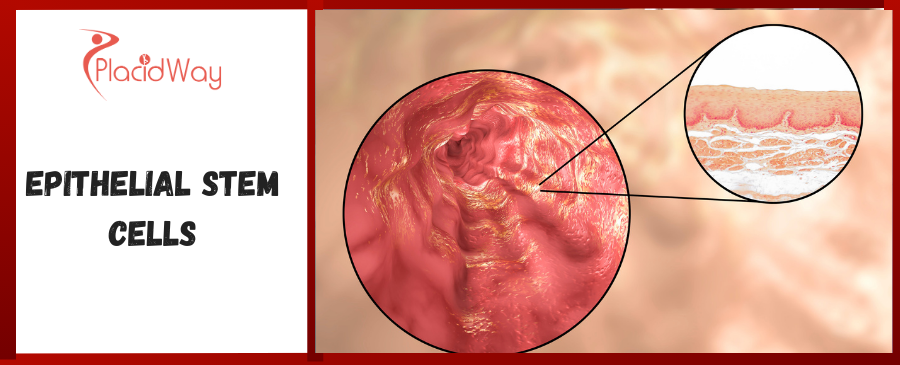
Epithelial stem cells, specifically those found in the limbus (the border between the cornea and sclera), are crucial for maintaining a healthy and clear cornea. When these cells are damaged or depleted, the cornea loses its ability to repair itself, leading to conditions like limbal stem cell deficiency (LSCD). This can result in persistent eye pain, redness, severe vision loss, and a compromised ocular surface. Patients often search for "corneal stem cell therapy," "limbal stem cell deficiency treatment," or "epithelial stem cell eye treatment" to find solutions for their deteriorating vision.
This comprehensive guide will delve into what corneal epithelial stem cell transplantation entails, exploring the symptoms and causes of LSCD, the procedure itself, recovery expectations, and why many patients are choosing to pursue this life-changing treatment through medical tourism. Our aim is to provide clear, empathetic, and detailed information to help you understand if this treatment is right for you and how you can access world-class care, even across borders, to achieve vision restoration.
What are the symptoms of limbal stem cell deficiency (LSCD)?
Recognizing the symptoms of limbal stem cell deficiency (LSCD) is the first step toward seeking appropriate treatment. Patients often experience a range of distressing ocular issues that progressively worsen. If you're searching for "what causes cloudy cornea" or "why is my eye constantly red," LSCD could be a contributing factor. Key symptoms include:
- Chronic Eye Pain and Discomfort: A persistent foreign body sensation, burning, or aching in the affected eye.
- Persistent Ocular Redness: The white part of the eye (sclera) and the conjunctiva often appear inflamed and red, which doesn't resolve with standard eye drops.
- Blurred or Decreased Vision: The cornea, which should be clear, becomes hazy or opaque, severely impacting visual acuity. Patients may describe their vision as "milky" or "foggy."
- Photophobia (Light Sensitivity): Bright lights cause significant discomfort and pain, making it difficult to function in normal environments.
- Recurrent Epithelial Defects: The surface of the cornea (epithelium) repeatedly breaks down, leading to painful sores or erosions that heal poorly.
- Conjunctivalization of the Cornea: Instead of clear corneal tissue, conjunctival tissue (the pink tissue from the white of the eye) grows onto the cornea, often with goblet cells that produce mucus.
- Corneal Neovascularization: Blood vessels invade the clear cornea, which should be avascular. This can further obscure vision and cause inflammation.
- Corneal Opacification and Scarring: Over time, the cornea develops permanent cloudiness and scar tissue, irreversibly damaging vision if untreated.
These symptoms can be debilitating, affecting daily life and severely limiting vision. Early diagnosis is crucial for effective treatment.
What causes limbal stem cell deficiency and who is at risk?
Understanding the causes of LSCD helps in both prevention and treatment planning. Many patients ask, "can limbal stem cells be restored?" The answer depends heavily on the cause and severity. LSCD can be broadly categorized as acquired or congenital:
Acquired Causes (Most Common):
- Chemical and Thermal Burns: These are the leading causes of severe LSCD. Exposure to strong acids (e.g., battery acid) or alkalis (e.g., cleaning products) can rapidly destroy limbal stem cells.
- Chronic Contact Lens Abuse: Prolonged or improper use of contact lenses can lead to chronic irritation and hypoxia, damaging the limbal stem cells over time.
- Extensive Ocular Surgeries: Multiple or complex eye surgeries, especially those involving the limbus, can inadvertently deplete stem cell reserves.
- Chronic Ocular Surface Inflammation: Conditions like severe dry eye, allergic conjunctivitis, or infections that cause prolonged inflammation can harm limbal stem cells.
- Ocular Cicatricial Pemphigoid (OCP): An autoimmune disease that causes chronic inflammation and scarring of the conjunctiva and cornea.
- Stevens-Johnson Syndrome (SJS) and Toxic Epidermal Necrolysis (TEN): Severe, life-threatening skin and mucous membrane reactions often triggered by medication, which can cause extensive ocular surface damage.
- Radiation Exposure: Therapeutic radiation to the eye or surrounding areas can damage limbal stem cells.
Congenital/Genetic Causes:
- Aniridia: A rare genetic condition characterized by the complete or partial absence of the iris, often associated with varying degrees of LSCD.
- Multiple Endocrine Neoplasia type 2B (MEN2B): A rare genetic disorder that can include corneal nerve hypertrophy and LSCD.
Risk factors include exposure to corrosive substances, a history of severe eye trauma, and underlying autoimmune or genetic conditions affecting the ocular surface. Anyone experiencing these conditions or exposures should seek immediate medical attention to prevent or mitigate LSCD.
What types of epithelial stem cell treatments are available for the eye?
When searching for "epithelial stem cell treatment for eyes," you'll primarily encounter variations of Limbal Stem Cell Transplantation (LSCT). The goal is to replenish the limbal stem cells that are missing or damaged. The main types include:
- Autologous Limbal Stem Cell Transplantation (Auto-LSCT):
- What it is: Stem cells are taken from the patient's healthy contralateral (other) eye. This is the preferred method because there is no risk of immune rejection, meaning no need for long-term immunosuppressive drugs.
- Procedure: A small biopsy of limbal tissue is carefully removed from the healthy eye. This tissue, containing the stem cells, is then transplanted directly onto the damaged eye.
- Cultivated Autologous Limbal Epithelial Stem Cell Transplantation (C-ALESCT): If the amount of healthy tissue available from the donor eye is minimal, the cells can be cultivated (grown) in a laboratory to expand their numbers before transplantation. This allows for a smaller biopsy from the healthy eye, reducing donor site morbidity.
- Allogeneic Limbal Stem Cell Transplantation (Allo-LSCT):
- What it is: Stem cells are taken from a donor, usually a deceased donor eye (cadaveric) or sometimes a living related donor. This option is considered when both of the patient's eyes are affected by LSCD, making autologous transplantation impossible.
- Procedure: Limbal tissue from the donor eye is transplanted to the patient's eye. Because the cells are from a different individual, there is a risk of immune rejection, necessitating lifelong systemic immunosuppressive therapy.
- Cultivated Allogeneic Limbal Epithelial Stem Cell Transplantation (C-ALESCT from donor): Similar to the autologous version, donor cells can be cultivated to expand their numbers, which can be particularly useful in cases where donor tissue is limited.
These procedures aim to restore the population of functional limbal stem cells, allowing the cornea to regenerate a healthy, clear epithelial surface, thus improving vision and alleviating symptoms. While other stem cell therapies are being explored for various ocular conditions, for corneal surface repair due to LSCD, LSCT is the established and most effective approach.
Am I eligible for corneal epithelial stem cell transplantation?
Determining eligibility for corneal epithelial stem cell transplantation is a critical step and requires a thorough evaluation by an ophthalmologist specializing in corneal diseases. If you're searching for "is stem cell treatment for eyes safe" or "who can get limbal stem cell transplant," here's what typically qualifies a candidate:
Primary Eligibility Criteria:
- Confirmed Diagnosis of LSCD: This is paramount. Diagnostic tests, including slit-lamp examination, vital dye staining, impression cytology, and possibly anterior segment OCT, will confirm the presence and severity of limbal stem cell deficiency.
- Stable Ocular Surface Environment: Any underlying inflammation, dry eye, or active infection must be adequately controlled before transplantation. The success of the graft depends on a healthy environment.
- Sufficiency of Contralateral Eye (for Autologous LSCT): For autologous procedures, the patient must have a healthy limbus in their other eye that can safely donate a small amount of tissue without compromising its own health.
- Overall Good Health: Patients should be in good general health, able to undergo surgery and, if necessary, tolerate immunosuppressive medication (for allogeneic transplants).
- Absence of Other Severe Ocular Conditions: While LSCD is the primary target, other severe, uncorrectable damage to the retina or optic nerve might make the procedure less beneficial, as vision would still be significantly impaired.
- Patient Compliance: The patient must be willing and able to adhere to a strict post-operative regimen, including frequent eye drop administration and follow-up appointments.
Contraindications (Reasons the procedure might not be suitable):
- Active ocular infection or severe uncontrolled inflammation.
- Unrealistic patient expectations regarding vision recovery.
- Severe, irreversible damage to other parts of the visual pathway (e.g., optic nerve atrophy).
- Inability to comply with post-operative care or immunosuppression (if applicable).
A comprehensive consultation with your corneal specialist will assess these factors and determine the best course of action, ensuring "healing corneal damage with stem cells" is a viable and beneficial option for you.
What is the recovery time and what can I expect after the procedure?
Understanding the recovery process is vital for managing expectations after limbal stem cell transplantation. Patients often ask, "how long does corneal stem cell recovery take?" The journey to restored vision is gradual, requiring patience and diligent adherence to post-operative instructions.
Immediate Post-Operative Period (First few weeks):
- Eye Patch and Shield: Your eye will likely be patched and shielded immediately after surgery to protect it.
- Eye Drops: You will be prescribed a regimen of anti-inflammatory (steroid) and antibiotic eye drops to prevent infection and control inflammation. For allogeneic transplants, immunosuppressive oral medications will also begin.
- Discomfort: Mild pain, sensitivity to light, and foreign body sensation are common. Pain medication can manage discomfort.
- Blurred Vision: Vision will be significantly blurred initially due to swelling and the healing process.
- Donor Eye (for Autologous): If you had an autologous transplant, the donor eye may also experience some discomfort, but typically heals faster.
Mid-Term Recovery (1-6 months):
- Gradual Vision Improvement: As the new epithelial stem cells begin to function and the corneal surface stabilizes, vision will slowly start to improve. This can take several months.
- Reduced Inflammation: Redness and irritation will gradually subside.
- Continued Eye Drops: Steroid eye drops will typically be tapered over several months. Immunosuppression for allogeneic grafts is lifelong.
- Follow-up Appointments: Regular visits to your ophthalmologist are crucial to monitor healing, adjust medications, and address any complications.
Long-Term Recovery (6 months and beyond):
- Stable Vision: The final visual outcome often takes 6-12 months to achieve. Some patients may require additional procedures, like a penetrating keratoplasty (corneal transplant), once the ocular surface is stable.
- Lifelong Care: Even after full recovery, continued follow-up and protection of the eyes are important, especially for those on immunosuppressants.
It's important to have realistic expectations. While LSCT can dramatically improve vision and comfort, it may not restore 20/20 vision, especially if there was pre-existing damage to other parts of the eye. However, the goal is often to create a stable, healthy ocular surface that significantly enhances quality of life and potentially enables further vision-enhancing procedures.
What are the potential risks and side effects of epithelial stem cell eye surgery?
While corneal regeneration therapy with stem cells offers tremendous hope, it's essential to be aware of the potential risks and side effects. Discussions around "is stem cell treatment for eyes safe" should always include a balanced view of potential complications:
General Surgical Risks:
- Infection: Any eye surgery carries a risk of bacterial or fungal infection, which can be severe.
- Bleeding: Though rare, bleeding during or after surgery can occur.
- Increased Eye Pressure (Glaucoma): This can be a side effect of steroid eye drops used post-operatively or, less commonly, a direct complication of surgery.
- Cataract Formation: Steroid use can accelerate cataract development, particularly in older patients.
- Irregular Astigmatism: Healing can sometimes lead to an uneven corneal surface, causing blurry vision that may require glasses or further treatment.
Specific Risks of LSCT:
- Graft Rejection (for Allogeneic Transplants): The immune system may identify donor cells as foreign and attack them, leading to graft failure. This is why lifelong immunosuppression is necessary for allogeneic procedures.
- Recurrence of LSCD: In some cases, especially if underlying causes (like chronic inflammation) are not fully controlled, the deficiency can recur.
- Donor Site Complications (for Autologous Transplants): While rare, the healthy donor eye can experience minor irritation, temporary blurring, or, in very rare instances, a slight reduction in limbal stem cell function, though this is usually managed by taking a very small biopsy.
- Failure of Graft to Take: The transplanted cells may not successfully engraft or proliferate, leading to treatment failure.
Side Effects of Immunosuppression (for Allogeneic Transplants):
- Systemic immunosuppressive drugs have side effects, including increased risk of infection, kidney issues, hypertension, diabetes, and certain cancers. Careful monitoring by a physician is essential.
Your surgical team will discuss these risks in detail and take all necessary precautions to minimize them. The decision to proceed with surgery always involves weighing these potential complications against the significant benefits of vision restoration.
How much does corneal epithelial stem cell transplantation cost worldwide?
When patients consider "limbal stem cell transplant cost" or "foreign countries for eye stem cell therapy," the significant price variation is often a key motivator for medical tourism. The cost of corneal epithelial stem cell transplantation is influenced by several factors, including the country's healthcare system, the complexity of the procedure (autologous vs. allogeneic, cultivated vs. direct), the surgeon's expertise, hospital fees, and the inclusion of pre- and post-operative care.
Here's an estimated cost comparison for LSCT (prices are approximate and can vary widely):
| Country | Estimated Cost Range (USD) | Notes |
|---|---|---|
| United States | $35,000 - $80,000+ | Highest costs, advanced technology, leading specialists. Often includes initial consultations and follow-ups. |
| Canada | $30,000 - $70,000+ | Similar to US, but sometimes lower due to public healthcare system influences on pricing, but waiting lists can be long. |
| United Kingdom | $25,000 - $60,000+ | High quality, but can be expensive and wait times in NHS can lead to private options. |
| Germany | $20,000 - $55,000 | Renowned for medical expertise, high standards, competitive pricing for medical tourists. |
| South Korea | $18,000 - $45,000 | Leading-edge technology, excellent medical infrastructure, growing medical tourism destination. |
| Turkey | $15,000 - $35,000 | Very competitive prices, modern facilities, experienced surgeons, popular for medical tourism. |
| India | $12,000 - $30,000 | Highly affordable, world-class hospitals, renowned ophthalmologists. A top choice for medical value. |
| Thailand | $15,000 - $35,000 | High-quality care, excellent patient experience, combined with tourism appeal. |
| Mexico | $14,000 - $32,000 | Convenient for North American patients, good quality facilities in border cities and major hubs. |
These figures often include the surgical fee, anesthesia, hospital stay, and initial follow-up. However, they may not cover pre-operative diagnostic tests, travel, accommodation, or potential complications. Always request a detailed, all-inclusive quote from any clinic you consider.
Why should I consider corneal stem cell therapy abroad for vision restoration?
The decision to "travel for eye surgery" for something as specialized as corneal stem cell therapy is a significant one. Many patients are increasingly looking beyond their borders due to compelling advantages offered by medical tourism:
- Significant Cost Savings: As seen in the cost comparison, procedures can be dramatically more affordable in countries like India, Turkey, or Mexico compared to the US or Western Europe, even when factoring in travel expenses. This makes life-changing treatment accessible to more people.
- Access to Specialized Expertise and Technology: Some countries have centers of excellence or individual surgeons who are pioneers in limbal stem cell research and transplantation. Patients can access cutting-edge techniques or highly experienced specialists who may not be available in their home country.
- Shorter Waiting Lists: In countries with universal healthcare, specialized procedures often come with long waiting lists. Traveling abroad can mean receiving treatment much sooner, which can be critical for progressive conditions.
- High-Quality Care and Facilities: Many international hospitals catering to medical tourists are accredited by international bodies (like JCI) and boast state-of-the-art equipment, modern infrastructure, and highly trained medical staff.
- Privacy and Discretion: Some individuals prefer to undergo significant medical procedures away from their home country for privacy reasons.
- Combining Treatment with Tourism: For many, the opportunity to recover in a pleasant, often exotic, environment adds an appealing dimension to their medical journey.
For complex procedures like LSCT, where specialized knowledge and experience are paramount, seeking out the "best hospitals for stem cell eye treatment" globally can lead to superior outcomes and a more holistic patient experience.
Which countries offer the best value and quality for limbal stem cell transplants?
When seeking "best hospitals for stem cell eye treatment" abroad, certain countries consistently stand out for their combination of high-quality care, experienced specialists, and favorable pricing. These destinations have invested heavily in their medical tourism infrastructure and expertise:
- India: Renowned globally for its highly skilled ophthalmologists and advanced eye care centers. Cities like Chennai, Hyderabad, and Delhi house hospitals equipped with cutting-edge technology offering world-class LSCT at a fraction of Western costs. Quality is exceptionally high, and English is widely spoken in medical settings.
- Turkey: An emerging hub for medical tourism, Turkey offers modern hospitals, often JCI-accredited, with a strong focus on specialties like ophthalmology. Cities like Istanbul and Ankara provide excellent value, combining competitive pricing with experienced surgeons and a strategic geographic location.
- Thailand: Known for its luxurious private hospitals, excellent patient care, and English-speaking staff, Thailand offers a welcoming environment for medical tourists. Major hospitals in Bangkok provide high-quality limbal stem cell procedures with a strong emphasis on patient comfort and recovery, often bundled with attractive tourism packages.
- South Korea: A leader in medical technology and research, South Korea boasts some of the most advanced hospitals in Asia. Its commitment to innovation and precision makes it a strong choice for complex procedures like LSCT, though costs can be slightly higher than in Southeast Asian counterparts.
- Germany: For those prioritizing European standards of care and direct access to leading research, Germany remains a top choice. Its medical system is globally respected, and many university hospitals are at the forefront of stem cell research and application. Prices are higher than in Asia but often less than in the US.
- Mexico: Especially convenient for North American patients, Mexico offers excellent facilities in cities like Tijuana, Monterrey, and Guadalajara. Many surgeons are US-trained, and clinics provide high-quality care at competitive prices, making "travel for eye surgery" a practical option.
When selecting a destination, always look for internationally accredited hospitals (e.g., JCI accreditation), inquire about the surgeon's specific experience with LSCT, and request patient testimonials or success stories from abroad.
What should I expect when traveling for an epithelial stem cell procedure abroad?
Embarking on a medical journey for an epithelial stem cell procedure abroad requires careful planning and preparation. Here’s what you can generally expect:
- Initial Consultation and Medical Review: You'll start by sharing your medical records, diagnostic reports, and current condition with the international clinic or a medical tourism facilitator like PlacidWay. The medical team will review your case to confirm eligibility and recommend a treatment plan.
- Treatment Planning and Quote: Once eligible, you'll receive a detailed treatment plan, including the specific type of LSCT, estimated duration of stay, and an all-inclusive cost quote. This will help you understand "how to ensure safety and quality abroad" by clearly outlining services.
- Travel and Logistics Coordination: This is where a facilitator becomes invaluable. They can assist with:
- Visa Requirements: Guiding you through the visa application process for medical travel.
- Flights and Accommodation: Booking flights and recommending or arranging comfortable, suitable accommodation close to the hospital.
- Airport Transfers: Arranging pickup and drop-off services.
- Translation Services: Ensuring you have a translator if needed, although many international hospitals have English-speaking staff.
- Pre-Operative Assessments Abroad: Upon arrival, you'll undergo thorough in-person diagnostic tests and consultations with your surgeon and medical team to finalize the treatment plan and ensure you are fit for surgery.
- The Procedure and Hospital Stay: You will undergo the LSCT procedure, followed by a hospital stay as recommended by your surgeon, typically a few days to a week.
- Post-Operative Recovery and Follow-ups: You'll remain in the destination country for a period, typically 2-4 weeks, for initial recovery and crucial follow-up appointments. The medical team will monitor your progress, manage medications, and provide detailed instructions for continued care upon returning home.
- Returning Home: Your medical tourism facilitator will assist with final arrangements for your departure. You'll return with a clear understanding of your long-term recovery plan, medication schedule, and any necessary follow-up care with your local ophthalmologist.
By engaging with experienced medical tourism platforms, you can navigate these complexities with confidence, focusing on your recovery and the journey to improved vision.
Take the Next Step with PlacidWay
Ready to explore treatment options abroad? Discover top clinics, compare prices, and get a free quote tailored to your needs with PlacidWay.
Stem Cell Therapy Abroad



.png)




Share this listing