


The Frontier of Regenerative Medicine: Stem Cell Therapy for Chronic Conditions
Welcome to a new era of healthcare where the focus shifts from merely managing symptoms to actively repairing the body from within. Stem cell therapy represents one of the most exciting and rapidly evolving fields in modern medical research, offering hope to millions living with debilitating chronic conditions. At Vega Medical Services, we are dedicated to exploring how these "master cells" can be harnessed to treat complex issues ranging from joint degeneration to neurological disorders. This guide explores the biological mechanisms, current research, and the future potential of regenerative medicine.
Video Chapters & Quick Navigation
At [00:00], Vega Medical Services introduces the core philosophy of their research: leveraging the body’s natural healing abilities. While traditional medicine often relies on pharmacological interventions or invasive surgeries, stem cell therapy seeks to provide the "raw materials" necessary for tissue regeneration.
The Biological Foundation: What Are Stem Cells?
As highlighted at [00:23], stem cells are unique because of their remarkable versatility. Most cells in the human body are specialized for specific functions—skin cells protect, red blood cells carry oxygen, and muscle cells contract. Stem cells, however, are undifferentiated. They act as a blank slate with two essential properties: self-renewal (the ability to divide and create more stem cells) and differentiation (the ability to transform into specialized cell types).
Types of Stem Cells in Research
There are several categories of stem cells used in medical studies, each with its own set of advantages and ethical considerations:
- Mesenchymal Stem Cells (MSCs): Found in bone marrow, fat tissue, and umbilical cord blood. These are highly effective at creating bone, cartilage, and fat cells, making them ideal for treating orthopedic issues.
- Hematopoietic Stem Cells: Primarily found in bone marrow, these are responsible for creating all types of blood cells and have been used for decades in treating leukemia and other blood disorders.
- Induced Pluripotent Stem Cells (iPSCs): These are adult cells that have been genetically reprogrammed back to an embryonic-like state, allowing them to transform into almost any cell type without the ethical concerns surrounding embryonic tissue.
Stem Cell Therapy for Osteoarthritis: A Non-Surgical Alternative
Osteoarthritis is a degenerative joint disease characterized by the breakdown of articular cartilage. As discussed at [00:41], this breakdown leads to bone-on-bone friction, resulting in chronic pain, stiffness, and decreased mobility. For many patients, the standard of care has been limited to physical therapy, corticosteroid injections, or eventual total joint replacement.
Stem cell therapy offers a revolutionary middle ground. When stem cells are injected into an affected joint, they perform several critical functions. First, they release anti-inflammatory cytokines that reduce swelling and pain. Second, they have the potential to differentiate into chondrocytes (cartilage cells), potentially thickening the protective layer within the joint. This multi-faceted approach aims to improve the quality of life for those suffering from chronic joint issues.
| Feature | Standard Joint Treatment | Stem Cell Therapy |
|---|---|---|
| Approach | Symptom Management/Replacement | Biological Regeneration |
| Recovery Time | Weeks to Months (Surgery) | Days to Weeks (Minimally Invasive) |
| Mechanism | Prosthetic Implant/Steroids | Cellular Repair/Anti-inflammation |
Stem Cells and the Nervous System: Repairing the Unrepairable
Perhaps the most challenging area of medicine is the repair of the central nervous system. Unlike skin or bone, neurons do not regenerate easily. However, at [01:06], the video explains that stem cell therapy is being explored for conditions such as Multiple Sclerosis (MS), Alzheimer's, and traumatic spinal cord injuries.
How It Works in Neurology
The goal of stem cell treatment for neurological disorders is neuroprotection and neuroregeneration. By potentially replacing or repairing damaged neurons, stem cells may slow down disease progression. In the case of MS, stem cells are being used to "reset" the immune system to stop it from attacking the myelin sheath that protects nerves. For Alzheimer's research, the focus is on whether stem cells can reduce the neuroinflammation and amyloid plaques that contribute to cognitive decline.
While still in clinical trial phases for many of these applications, the initial data is promising. Patients with spinal cord injuries have shown incremental improvements in sensation and motor control following experimental stem cell protocols, marking a significant departure from the previous "permanent" nature of such injuries.
The Science of Healing: How Regeneration Occurs
It is important to understand that stem cells don't just "turn into" new tissue in a vacuum. The healing process involves a complex biological dialogue known as paracrine signaling. When stem cells are introduced to a site of injury, they secrete a variety of growth factors and signaling molecules that tell the surrounding resident cells to start the repair process. This effectively "wakes up" the body's latent healing mechanisms.
Furthermore, stem cells act as powerful immunomodulators. Chronic conditions like osteoarthritis and MS are characterized by runaway inflammation. Stem cells can sense the inflammatory environment and respond by secreting substances that dampen the immune response, allowing the body to heal without being hampered by constant irritation.
The Importance of Managing Expectations
At [01:34], the speaker emphasizes that while the promise is immense, the field is still in its early stages. Science moves carefully for a reason. Researchers must determine the optimal dosage, the best delivery method (intravenous vs. localized injection), and the long-term viability of the injected cells.
Current Challenges in Stem Cell Research
- Standardization: Ensuring that every patient receives the same high-quality cell count and potency.
- Regulatory Hurdles: Navigating the complex landscape of the FDA and international health bodies to move from experimental to "gold standard" status.
- Long-term Tracking: Monitoring patients for years post-treatment to ensure that the regeneration is stable and safe.
Safety Protocols and Patient Education
Safety is the paramount concern at Vega Medical Services. Before undergoing any regenerative procedure, patients must undergo a rigorous screening process. This includes detailed imaging (MRI or CT scans), blood work, and a full medical history. Because many stem cell treatments use "autologous" cells—meaning they come from the patient's own body—the risk of rejection is significantly minimized compared to traditional organ transplants.
Patients are encouraged to ask questions about the source of the cells, the laboratory conditions where they are processed, and the specific clinical evidence supporting their particular condition. Transparency in medical research is the only way to build lasting trust between providers and the community.
Understanding the Investment in Regenerative Health
One of the primary barriers to entry for many patients is the cost. Because many stem cell therapies are still considered elective or experimental, they are often not covered by traditional insurance providers. However, when compared to the lifetime cost of chronic pain medication, multiple failed surgeries, and long-term disability, many find that regenerative medicine is a wise long-term investment in their health.
As technology improves and the "lab-to-clinic" pipeline becomes more efficient, costs are expected to decrease. Organizations are also working on patient assistance programs and more accessible treatment protocols to ensure that these life-changing therapies aren't just for the elite.
Looking Ahead: 3D Bioprinting and Beyond
The future of stem cell therapy at Vega Medical Services and across the globe is incredibly bright. We are moving toward a world of personalized medicine where a patient’s own cells can be used to "3D bioprint" a new piece of cartilage or a specialized neural graft. The convergence of bioengineering and cellular biology is creating solutions that were once considered pure science fiction.
Whether you are a patient looking for relief from joint pain or a family member researching options for a loved one with a neurological condition, staying informed is your greatest tool. The rapid pace of discovery means that new breakthroughs are happening every month. By partnering with reputable clinics and following the latest peer-reviewed research, you can be part of the regenerative revolution.
Ready to Explore Stem Cell Therapy?
PlacidWay Medical Tourism connects you with world-class specialists in regenerative medicine. Discover advanced stem cell treatments that can help restore your mobility and improve your quality of life.
GET A FREE QUOTE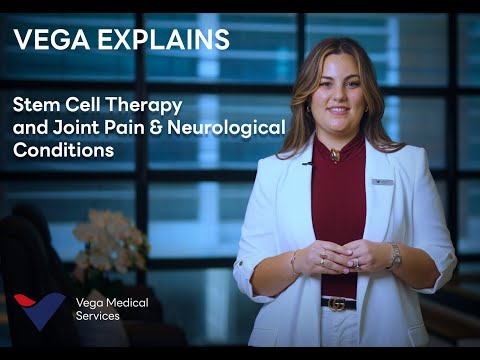








.png)
.png)
.png)
.png)






-(11).png)
-(9).png)








Share this listing