
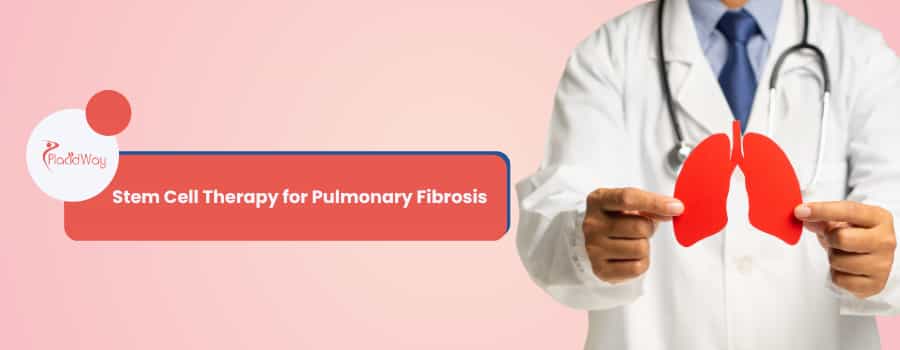
Can Stem Cell Therapy Help You Breathe Easier with Pulmonary Fibrosis?
Receiving a diagnosis of pulmonary fibrosis (PF) or idiopathic pulmonary fibrosis (IPF) can be overwhelming. This condition, which involves scarring of the lung tissue, progressively makes breathing more difficult. While traditional treatments aim to slow the disease, they don't work for everyone and cannot reverse the damage that's already done. This has led many to search for new, promising options.
Stem cell therapy has emerged as a major area of hope in regenerative medicine. It's a minimally invasive treatment that uses the body's own master repair cells to tackle the disease in a new way. Unlike conventional drugs, stem cell therapy aims to directly address the underlying inflammation and scarring that define pulmonary fibrosis. The primary goal isn't just to slow the disease, but to potentially improve lung function and help you reclaim your quality of life.
Because many of these advanced treatments are still in clinical trials in countries like the United States, Canada, and the UK, many patients are turning to medical tourism. Traveling abroad gives them access to specialized, high-quality clinics that offer these therapies right now. It's a path that combines access to innovative care with significant cost savings, and PlacidWay is here to help guide you through every step of that journey.
What is Pulmonary Fibrosis and How Does It Affect You?
Imagine your lungs as two soft, stretchy sponges. When you breathe in, they expand easily to fill with air. In pulmonary fibrosis, this spongy tissue is replaced by stiff, fibrous scar tissue. This makes the lungs less flexible and unable to expand properly. This stiffness also thickens the walls of the air sacs, making it difficult for oxygen to move from your lungs into your blood.
The main symptoms are caused by this lack of oxygen and lung stiffness. You might experience:
- Shortness of breath (dyspnea), especially during physical activity.
- A dry, hacking cough that doesn't go away.
- Fatigue and weakness.
- General aching in muscles and joints.
- In some cases, "clubbing," which is the widening and rounding of the tips of your fingers or toes.
What is Stem Cell Therapy and How Does It Target Pulmonary Fibrosis?
Stem cells are the body's raw materials—cells from which all other specialized cells are generated. But for pulmonary fibrosis, their true power lies in their "paracrine effect." This means they don't necessarily turn into new lung cells. Instead, they act like tiny, intelligent pharmacies that travel to the site of injury (your lungs) and release powerful signaling proteins.
These signals perform three crucial jobs:
- They are powerfully anti-inflammatory: They help calm the chronic inflammation that drives the scarring process.
- They are anti-fibrotic: They release signals that can slow down or interrupt the process that creates more scar tissue.
- They promote repair: They encourage your own body's existing cells to heal and function better.
By targeting the disease in this way, stem cell therapy aims to slow the progression of PF, reduce symptoms, and improve your overall lung function.
What Types of Stem Cells Are Used for Lung Treatment?
Not all stem cells are the same. The "gold standard" for treating inflammatory and fibrotic conditions like PF are Mesenchymal Stem Cells (MSCs). These are adult stem cells, which means they are not embryonic and carry no ethical concerns.
MSCs are typically sourced in two ways for therapy:
- Autologous: These cells come from your own body, usually collected from your bone marrow or adipose (fat) tissue.
- Allogeneic: These cells come from a healthy, screened donor. The most common and potent source is umbilical cord tissue, which is collected after a healthy birth.
Many leading clinics prefer using umbilical cord-derived MSCs. These cells are very young, robust, and highly anti-inflammatory. They are also "immune-privileged," meaning they don't cause an immune reaction in the patient, so no matching is required.
Who is a Good Candidate for This Therapy?
Stem cell therapy is not a first-line treatment or a "miracle cure." It is an advanced therapy intended to manage the disease. Your medical team will review your case, but a good candidate generally fits this profile:
- A confirmed diagnosis of Pulmonary Fibrosis or Idiopathic Pulmonary Fibrosis (IPF).
- Is in the mild-to-moderate stage of the disease.
- May have found that conventional drugs (like nintedanib or pirfenidone) are not working well or cause severe side effects.
- Is healthy enough to travel and does not have other severe, uncontrolled health conditions (like active cancer or severe heart failure).
- Has realistic expectations about the treatment's goals: to slow progression, reduce symptoms, and improve quality of life.
Why Do People Travel Abroad for Stem Cell Therapy for Pulmonary Fibrosis?
This is one of the most common questions patients ask. The reason is simple: access and cost.
In the United States, for example, the FDA classifies most stem cell therapies as experimental drugs. This means they are only available through restrictive clinical trials, which can be very difficult to join. Many patients don't have the time to wait years for these treatments to become standard.
In other countries, regulators have created paths for clinics to offer these therapies safely to patients right now. This "medical tourism" route allows you to:
- Access Treatment Now: You don't have to wait on a clinical trial list.
- Save on Costs: The price of treatment, even including travel, is often a fraction of what it would cost in the U.S.
- Find Specialized Care: You can access clinics that focus exclusively on regenerative medicine and have treated hundreds of patients with lung conditions.
What are the Best Countries for Stem Cell Therapy?
Several countries have become hubs for high-quality regenerative medicine. The best choice for you depends on your budget, travel preferences, and specific treatment needs.
- Mexico: Very popular for North American patients due to its proximity. Top clinics in cities like Tijuana and Cancun offer advanced treatments at competitive prices.
- Panama: Known for its progressive stance on stem cell therapy and home to world-renowned clinics specializing in umbilical cord MSCs.
- Thailand: A global leader in medical tourism, Thailand offers state-of-the-art hospitals, excellent patient care, and extensive experience in regenerative medicine.
- Germany: Known for its high medical standards and advanced technologies, Germany is a top choice for patients seeking rigorous oversight and cutting-edge care.
How Much Does Stem Cell Therapy for Pulmonary Fibrosis Cost Worldwide?
Cost is a major factor, and the savings from medical tourism can be dramatic. It's important to remember that you are not just paying for a single injection; you are paying for a comprehensive protocol that may include multiple treatment sessions, diagnostic tests, and physician consultations.
Here is a general cost comparison for a typical stem cell therapy protocol for pulmonary fibrosis:
| Country | Average Cost Range (USD) | Notes |
|---|---|---|
| United States | $15,000 - $30,000+ | Typically only available in limited clinical trials. |
| Mexico | $8,000 - $15,000 | Popular, accessible destination with experienced clinics. |
| Panama | $10,000 - $20,000 | Known for high-quality umbilical cord MSCs. |
| Thailand | $9,000 - $18,000 | World-class hospitals and medical tourism infrastructure. |
| Germany | $10,000 - $20,000 | Strict medical standards and advanced cell processing. |
Note: Prices are estimates and can vary based on the specific clinic, the number of stem cells used, and the number of treatment sessions required.
How Do I Choose a Safe and Reputable Stem Cell Clinic Abroad?
This is the most important step in your medical tourism journey. A low price is worthless if the clinic is not safe. Here is a checklist to use when vetting a clinic:
- Accreditation: Does the clinic or hospital have any international accreditations (like JCI) or certifications from its local ministry of health?
- Doctor's Credentials: Who are the doctors? Are they licensed? What is their experience with regenerative medicine and pulmonary conditions?
- Cell Sourcing and Quality: Ask for a "Certificate of Analysis." Where do the stem cells come from? How are they tested for viability (life) and sterility (being free of contamination)?
- Transparency: A good clinic will never promise a "cure." They should provide clear, realistic information about potential benefits and risks.
- Patient Reviews: Look for reviews or testimonials from real patients who have been treated for similar conditions.
PlacidWay helps by pre-screening clinics based on these very criteria, taking the guesswork out of your search.
What Happens During the Stem Cell Treatment Process?
Many patients are relieved to learn how straightforward the treatment process is. While protocols vary by clinic, it generally follows these steps:
- Consultation & Screening: You will first send your medical records for review. Once you are approved and arrive at the clinic, you'll have a physical consultation and blood tests.
- The Treatment: The most common delivery method is a simple intravenous (IV) infusion. You will relax in a comfortable room while the stem cells are slowly dripped into your bloodstream, much like getting vitamins or hydration. This process is painless and can take 30-60 minutes. Some clinics may also add sessions where you inhale stem cells through a nebulizer to deliver them directly to the lung lining.
- Observation: After the infusion, you will be monitored for a short period (usually 30-60 minutes) to ensure you have no immediate reactions.
- Follow-up: Most patients receive their treatment and are free to return to their hotel the same day. The entire trip usually lasts 3-7 days to accommodate consultations and one or more treatment sessions.
What are the Potential Benefits and Risks?
It is vital to have realistic expectations. Stem cell therapy is not a cure for pulmonary fibrosis. The goal is management and improvement. Potential benefits reported by patients include:
- Slowing or halting the progression of the lung scarring.
- Reduced coughing and less shortness of breath.
- Improved energy levels and stamina.
- Better performance on lung function tests (like the 6-minute walk test).
- An overall improvement in quality of life.
The risks associated with IV infusion of high-quality, tested MSCs are very low. The most common side effects are mild and short-lived, such as a temporary low-grade fever, headache, or fatigue on the day of the infusion. Serious complications like allergic reactions or infection are rare when treatment is done at a reputable, sterile clinic.
What is the Recovery Like After Treatment?
This is one of the biggest advantages of stem cell therapy. Because it is minimally invasive, there is no long recovery period. You can typically walk out of the clinic after your session and enjoy a light meal or rest at your hotel.
It is important to know that the results are not instant. The stem cells need time to travel to the lungs, reduce inflammation, and signal repair. Most patients begin to notice changes—whether it's better breathing, more energy, or just "feeling better"—in the 3 to 6 months following their treatment.
How Does PlacidWay Help Plan Your Medical Trip?
Planning a medical trip while managing a health condition can feel impossible. PlacidWay acts as your trusted partner and advocate. We don't provide medical advice, but we provide everything else you need to make a safe and informed decision.
Our service includes:
- Access to Vetted Clinics: We've already done the hard work of vetting clinics around the world for quality, safety, and patient experience.
- Personalized Quotes: We'll work with our partner clinics to get you free, no-obligation treatment quotes based on your specific medical records.
- Comparing Options: We present your options in a clear, easy-to-understand way so you can compare what's included in each package.
- Travel Coordination: We can assist with all the logistics, from clinic appointments to recommendations for hotels and transportation.
- Patient Support: Our team is here to answer your questions and support you from your first inquiry until you return home.
Ready to Explore New Options for Pulmonary Fibrosis?
Your journey to breathing easier could be just a click away. Explore top-rated international clinics, compare personalized treatment plans, and get a free, no-obligation quote for stem cell therapy with PlacidWay. Let us help you plan a seamless and hopeful medical travel experience. Start exploring your options today!
Stem Cell Therapy Abroad



.png)
.png)
.png)
.png)


.png)

.png)
.png)








Share this listing