

A New Era of Chronic Kidney Disease Treatment in Japan
For patients facing the daunting prospect of lifelong dialysis, Osaka has emerged as a global hub for medical innovation. At Cell Grand Clinic, we specialize in a sophisticated, non-dialysis approach using Japan Stem Cell Therapy for Kidney Disease. This regenerative method focuses on repairing the underlying damage to kidney tissues rather than simply managing symptoms. By utilizing autologous adipose-derived stem cells, our clinic offers a path toward restoring kidney function and improving the quality of life for those suffering from various stages of renal decline.
Considering stem cell therapy for chronic kidney disease in Osaka? Request a free quote from Cell Grand Clinic and ask whether your case may be suitable for review.
Contact Cell Grand Clinic for a Free Quote
Understanding Chronic Kidney Disease (CKD)
Chronic Kidney Disease (CKD) is a condition in which kidney function gradually declines over time. The kidneys play a vital role in filtering waste products from the blood and maintaining the balance of fluids and electrolytes in the body. As CKD progresses, these essential functions are impaired, and in advanced cases, dialysis or kidney transplantation may become necessary. Early detection is difficult because in the early stages of CKD, most patients experience little to no noticeable symptoms, often discovering the condition incidentally during routine checkups.
Symptoms and Stages of CKD
As kidney function continues to decline, several physical symptoms may appear, including persistent fatigue, changes in urination frequency, edema (swelling), loss of appetite, and dizziness caused by anemia. Regenerative Kidney Therapy Japan is most effective when matched to the specific stage of the disease, which is classified by the Glomerular Filtration Rate (GFR):
- Stage 1: Normal or mildly reduced function (GFR ? 90)
- Stage 2: Mild reduction (GFR 60–89)
- Stage 3: Moderate reduction (GFR 30–59)
- Stage 4: Severe reduction (GFR 15–29)
- Stage 5: End-stage renal disease (GFR < 15)
Key Takeaways:
- Expertise: Provided by Cell Grand Clinic, a leader in Japanese regenerative medicine.
- Compliance: Fully compliant with Japan’s Act on the Safety of Regenerative Medicine.
- Technology: Uses fresh, high-purity autologous stem cells (95%+ viability).
- Alternative: Offers a potential Non Dialysis Kidney Treatment Japan for eligible patients.
- Location: Strategically located in Shinsaibashi, Osaka, for international accessibility.
Did You Know?
Japan is a world leader in regenerative medicine regulations. The Japanese Ministry of Health has some of the strictest yet most supportive frameworks for stem cell therapy, ensuring that clinics like Cell Grand Clinic operate with unparalleled safety and transparency.
Why Does CKD Eventually Require Dialysis?
Dialysis becomes necessary in CKD when kidney function deteriorates to the point where waste products and excess fluids can no longer be adequately removed from the body. Damage to microscopic structures—such as the glomeruli and renal tubules—occurs due to inflammation and fibrosis. When filtration capacity fails, waste products accumulate, leading to uremia (nausea, fatigue, and even coma). While life-sustaining, dialysis places a heavy physical and financial burden on patients, which is why there is growing interest in using stem cells to avoid this outcome.
New Treatment Approaches: Regenerative Medicine
Regenerative medicine is an advanced medical approach aimed at repairing or regenerating damaged tissues and organs. In the context of CKD, this approach primarily utilizes stem cells, which possess the ability to self-renew and differentiate. When administered, they can promote tissue repair and support the regeneration of injured structures within the kidneys.
Mechanisms of Functional Recovery
| Mechanism | Action | Benefit |
|---|---|---|
| Anti-inflammatory | Reduces chronic renal inflammation. | Prevents further tissue damage. |
| Fibrosis Suppression | Inhibits the hardening of kidney tissue. | Maintains filtration capacity. |
| Angiogenesis | Formation of new blood vessels. | Improves vital blood flow to kidneys. |
Additional Effects of Stem Cell Therapy
- Promotion of tissue regeneration and formation of healthier cells.
- Immunomodulatory effects to regulate abnormal immune responses.
- Potential to delay or prevent the initiation of dialysis by several years.
- Improved glomerular filtration and renal tubule repair.
- Fundamental restoration rather than symptomatic relief.
How Effectively Can Regenerative Medicine Prevent Dialysis?
The success of regenerative medicine depends heavily on the timing of treatment. Ideally, intervention should occur before kidney function is completely lost. Clinical reports show that in moderate to severe CKD, stem cell therapy has led to measurable improvements and delayed dialysis. However, for Stage 5 end-stage failure, effects may be limited, making early intervention the key to maximizing benefits.
Comparing Regenerative vs. Conventional Treatments
Traditional Chronic Kidney Disease Treatment Japan focuses on medication (controlling blood pressure/sugar) and dietary restrictions (limiting protein/salt). While these slow progression, they cannot restore lost function. Regenerative medicine, however, seeks to repair and regenerate kidney structure at a fundamental level using the patient’s own cells.
Patient Benefits and Quality of Life
- Medical Freedom: Avoidance or significant delay of dialysis sessions.
- Cost Efficiency: Potential for lower long-term medical expenses and fewer medications.
- Lifestyle: Improved independence and the ability to return to work and travel.
- Physical Health: Reduced frequency of hospital visits and reduced symptoms of fatigue.
Why Choose Cell Grand Clinic in Osaka?
A Certified Leader in Regenerative Kidney Therapy Japan
Cell Grand Clinic, located in Shinsaibashi, Osaka, operates in full compliance with Japan’s Act on the Safety of Regenerative Medicine. Our clinic has had one of the largest numbers of Class II and Class III regenerative medicine treatment plans accepted by the Japanese Ministry of Health, Labour and Welfare (Plan Numbers: PB5240089 et al. / PC5250007 et al.). We offer personalized plans including autologous stem cell therapy, PRP, exosomes, and fibroblast therapy.
Our Superior Cell Quality Standards
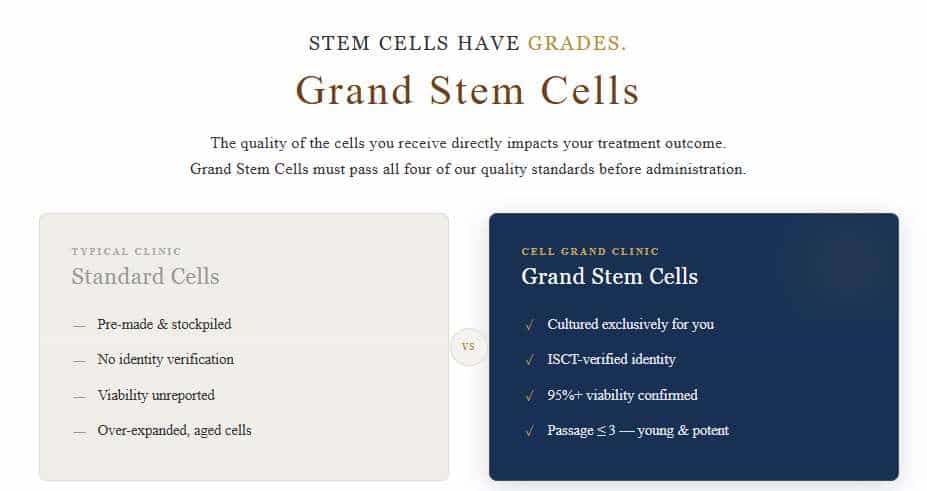
At Cell Grand Clinic, we believe that stem cells are living medicine. Their quality directly affects treatment outcomes. We adhere to three strict standards:
- Fresh: Cell viability of 95% or higher.
- Pure: Cell purity of 99%.
- Young: Cells limited to third-passage culture to ensure potency.
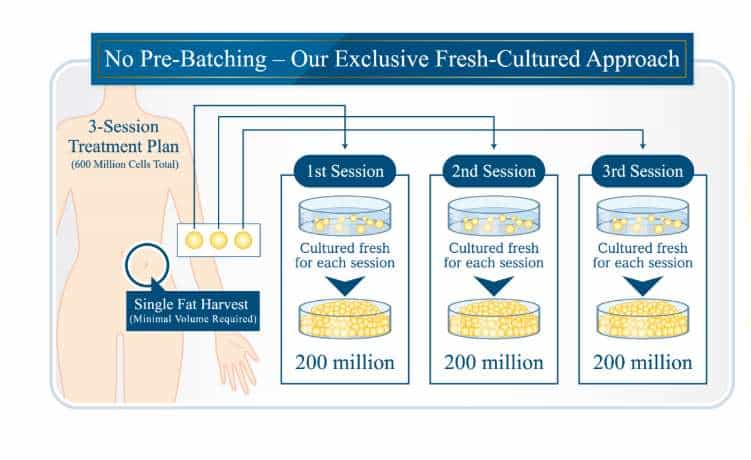
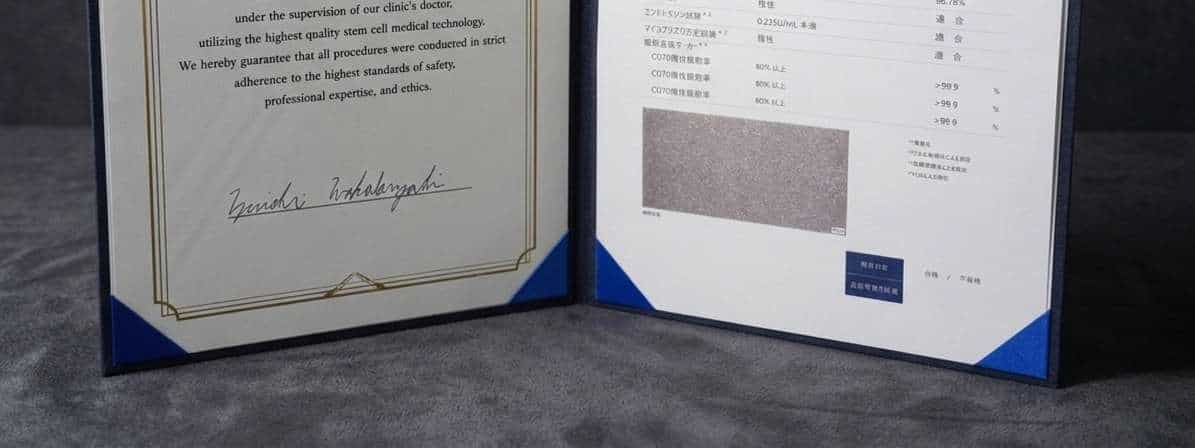
We never use pre-prepared or stored cells; every culture is tailored to the individual patient and timed to the scheduled administration. A Cell Quality Assurance Certificate is issued for every treatment to ensure full transparency.
Treatment Process: From Consultation to Completion
- Initial Consultation: Specialists assess kidney function and suitability for treatment.
- Stem Cell Harvesting: Cells are collected from the patient's adipose tissue under local anesthesia.
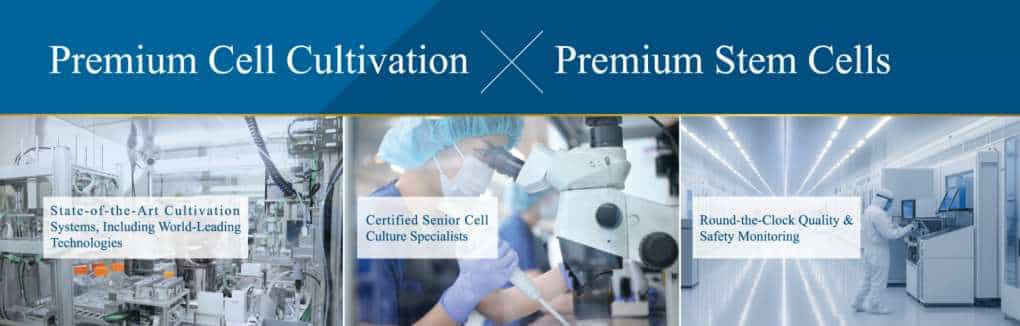
- Cell Culture: Cells are grown in a certified facility under strict safety standards.
- Administration: Cultured cells are administered intravenously over 1–2 hours.
- Monitoring: Regular follow-ups to track kidney function and overall health improvements.
Safety, Costs, and Insurance Coverage
Important Considerations for Patients
- Safety: Since autologous (own) cells are used, the risk of rejection or allergic reaction is minimal.
- Side Effects: Usually mild and temporary, such as fatigue or minor bruising at the site.
- Cost: This is a self-pay treatment not covered by public insurance. Costs vary by protocol.
- Financing: Many clinics offer installment plans or medical financing options.
Ask what your CKD treatment plan includes, the total self-pay cost, and how long you may need to stay in Osaka. Get a personalized quote through PlacidWay.
Contact Cell Grand Clinic for a Free Quote
Risks, Side Effects, and Limitations of Stem Cell Therapy for CKD
Stem cell therapy for chronic kidney disease remains an investigational regenerative approach rather than an established replacement for standard nephrology care. Cell Grand Clinic's current CKD information describes the treatment as being used alongside standard care, not instead of it, and notes that outcomes can vary between patients.
-
Stem cell therapy has not been established as a cure for CKD.
-
Treatment should not be used to stop or replace medically indicated dialysis.
-
Potential risks may include pain, bruising, infection, or scarring at the fat-collection site.
-
Stem cell infusion may cause temporary fever, fatigue, or other short-term reactions.
-
Allergic reactions and, rarely, thromboembolic events may occur with intravenous administration.
-
Individual risks depend on the patient's kidney function, medical history, medications, and treatment protocol.
-
Patients should ask how treatment response will be monitored through kidney-function tests and other appropriate clinical assessments.
-
Patients should discuss the treatment with their nephrologist before changing established CKD care.
Treatment Timeline, Recovery, and International Stay in Osaka
For international patients, Cell Grand Clinic describes a two-visit treatment process separated by approximately seven weeks of individualized cell cultivation. The first visit involves consultation, screening, and fat-tissue collection, while the second visit is for administration of the cultured cells.
-
Visit 1: Consultation, blood testing, eligibility assessment, and adipose-tissue collection.
-
First-visit duration: The clinic recommends planning approximately 3 days in Osaka.
-
Cell cultivation: The patient's cells are cultured and quality-checked for approximately 7 weeks while the patient returns home.
-
Visit 2: Administration of the cultured cells, with the infusion itself taking approximately 60–90 minutes.
-
Second-visit duration: The clinic recommends approximately 3 days in Osaka.
-
Patients should confirm the exact schedule with the physician before booking flights.
-
Recovery requirements can vary depending on the harvesting procedure, infusion, and individual health status.
Aftercare and Follow-Up After Returning Home
Cell Grand Clinic currently lists follow-up at 1, 3, and 6 months after treatment, with follow-up consultations conducted directly with Dr. Yuichi Wakabayashi by email or video. For international patients with CKD, ongoing monitoring should also remain coordinated with their nephrologist at home.
-
Follow-up at approximately 1 month, 3 months, and 6 months.
-
Follow-up communication can be conducted by email or video.
-
Kidney function should continue to be monitored through appropriate laboratory testing.
-
Patients should provide their home physician with relevant treatment records when appropriate.
-
Any new or worsening symptoms after treatment should be reported promptly to an appropriate medical professional.
-
Patients should continue prescribed CKD medications and nephrology care unless their treating physician advises otherwise.
-
International patients should obtain clear instructions for ongoing monitoring before leaving Japan.
Evidence, Regulation, and Medical Review
Stem cell therapy for CKD is still an evolving area of regenerative medicine, and the strength of evidence varies by kidney disease cause, cell type, treatment protocol, and clinical study. Cell Grand Clinic's current CKD material specifically discusses clinical evidence while acknowledging limitations and describes its kidney-related approach within its MHLW-notified diabetes and arteriosclerosis regenerative medicine plans.
-
Patients should distinguish regulatory notification from proof of clinical effectiveness.
-
Cell Grand Clinic currently lists 15 MHLW-notified regenerative medicine treatment plans.
-
Japan's regenerative medicine framework requires applicable treatment plans to undergo review by certified regenerative medicine committees and notification to the Ministry of Health, Labour and Welfare (MHLW).
-
Cell Grand Clinic's current CKD material states that kidney-related treatment is provided within its notified diabetes and arteriosclerosis programs rather than presenting CKD as a separate approved standard therapy.
-
The clinic's physician reviews medical records and suitability before proposing an individualized protocol.
-
Patients should ask which specific MHLW-notified plan applies to their proposed treatment.
-
Patients should review the available clinical evidence for their particular CKD cause and disease stage.
-
A medical consultation should clarify expected benefits, limitations, alternatives, and monitoring requirements before treatment.
Stem Cell Gallery at Cell Grand Clinic

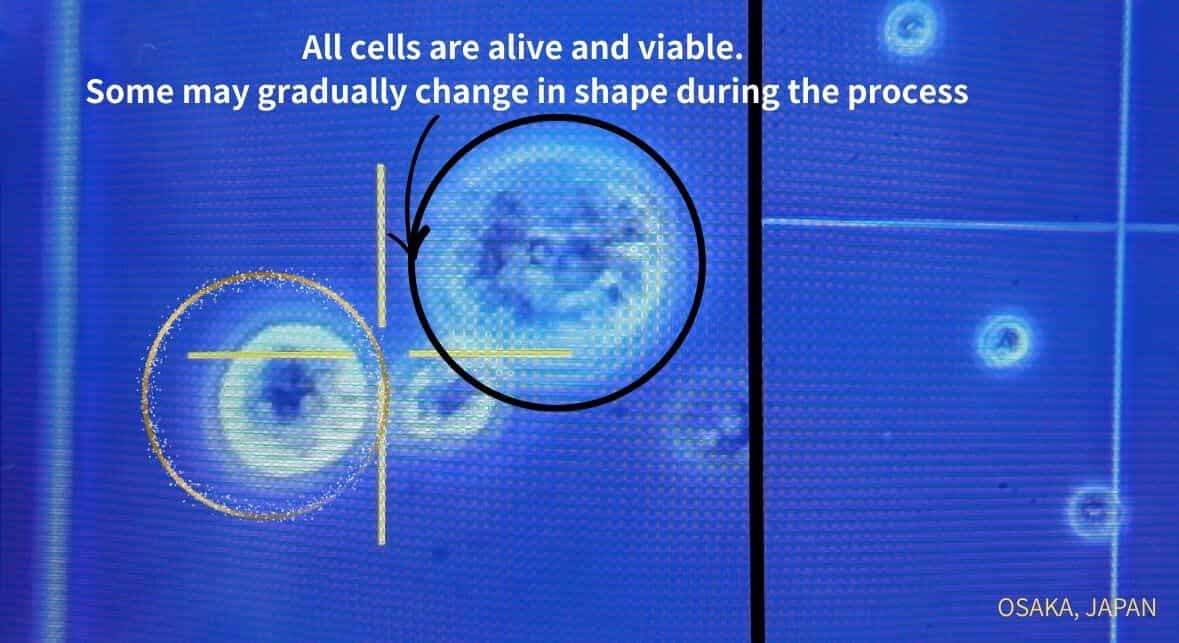
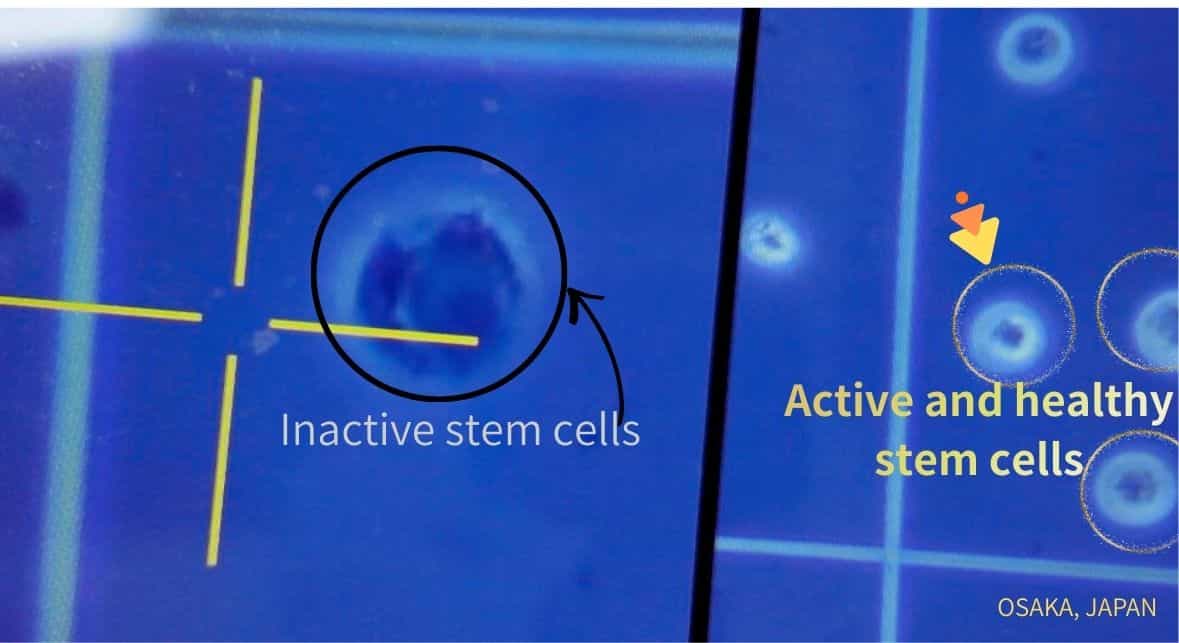
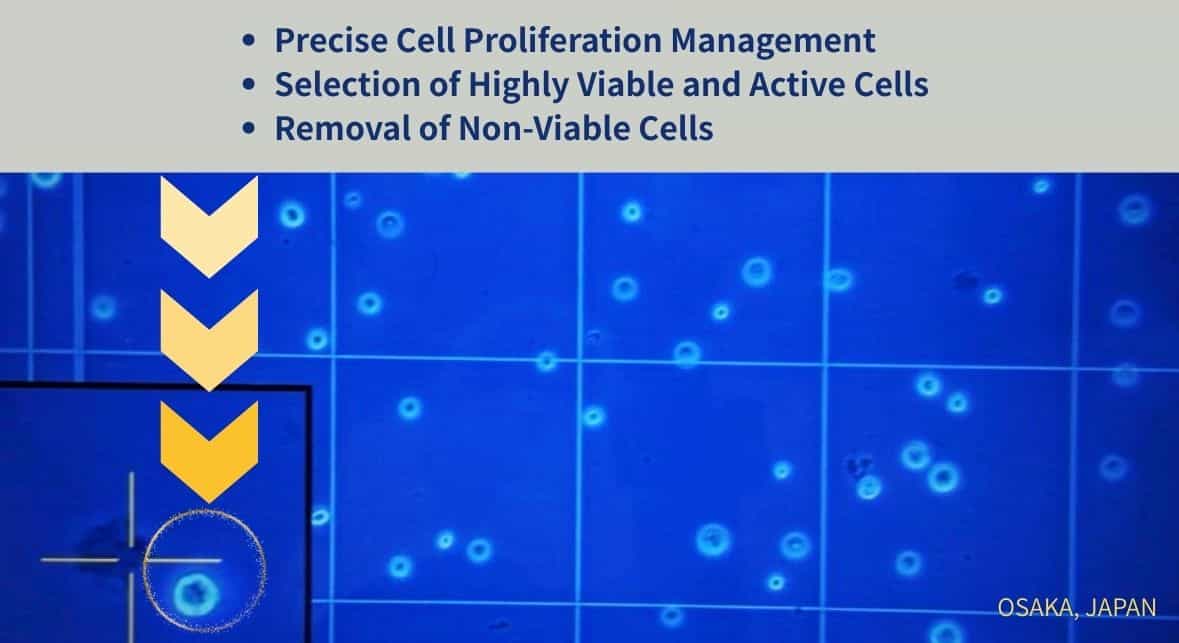
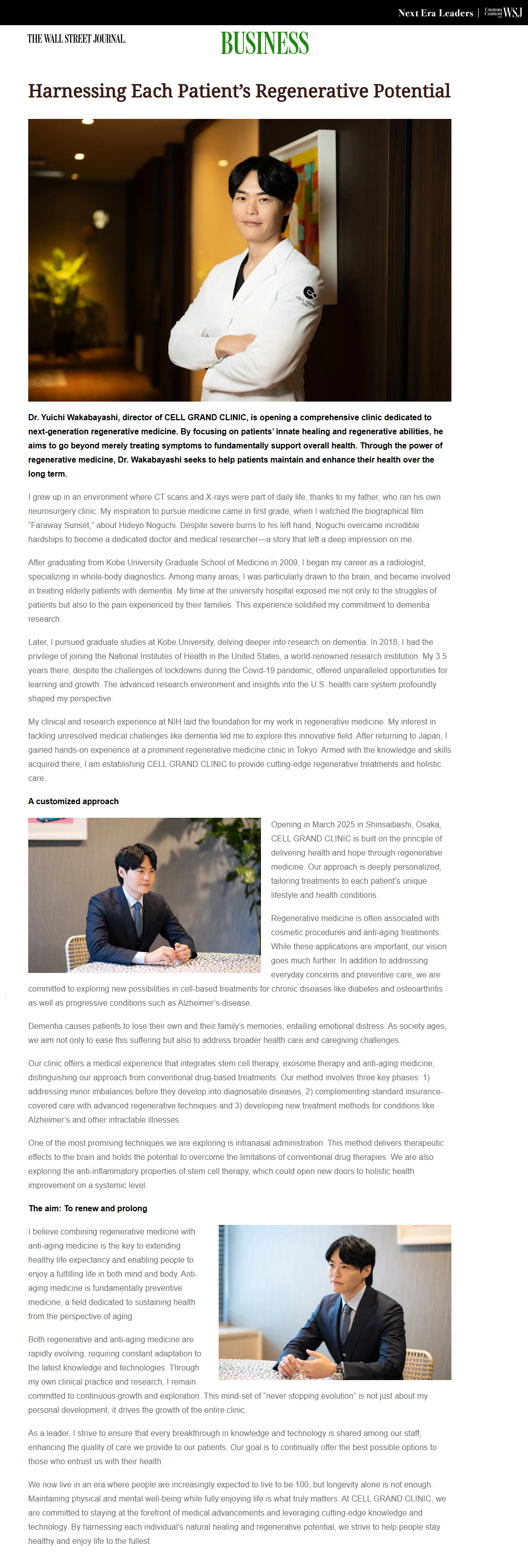
Cell Grand Clinic has earned international recognition for its leadership in regenerative medicine and commitment to advancing patient-centered care. The clinic's founder, Dr. Yuichi Wakabayashi, was featured in the Business section of The Wall Street Journal, highlighting his pioneering work and innovative vision in the field of regenerative medicine.
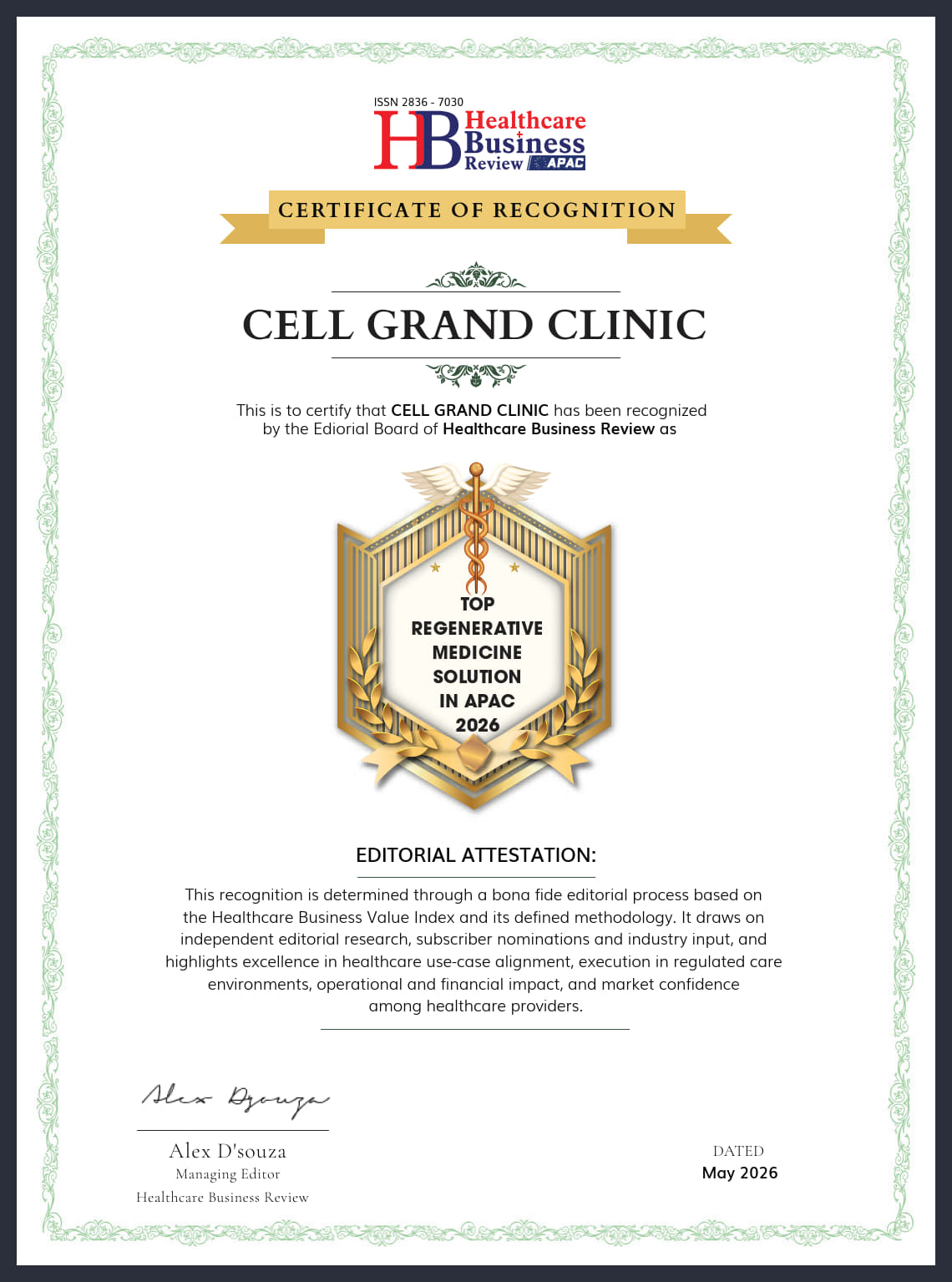
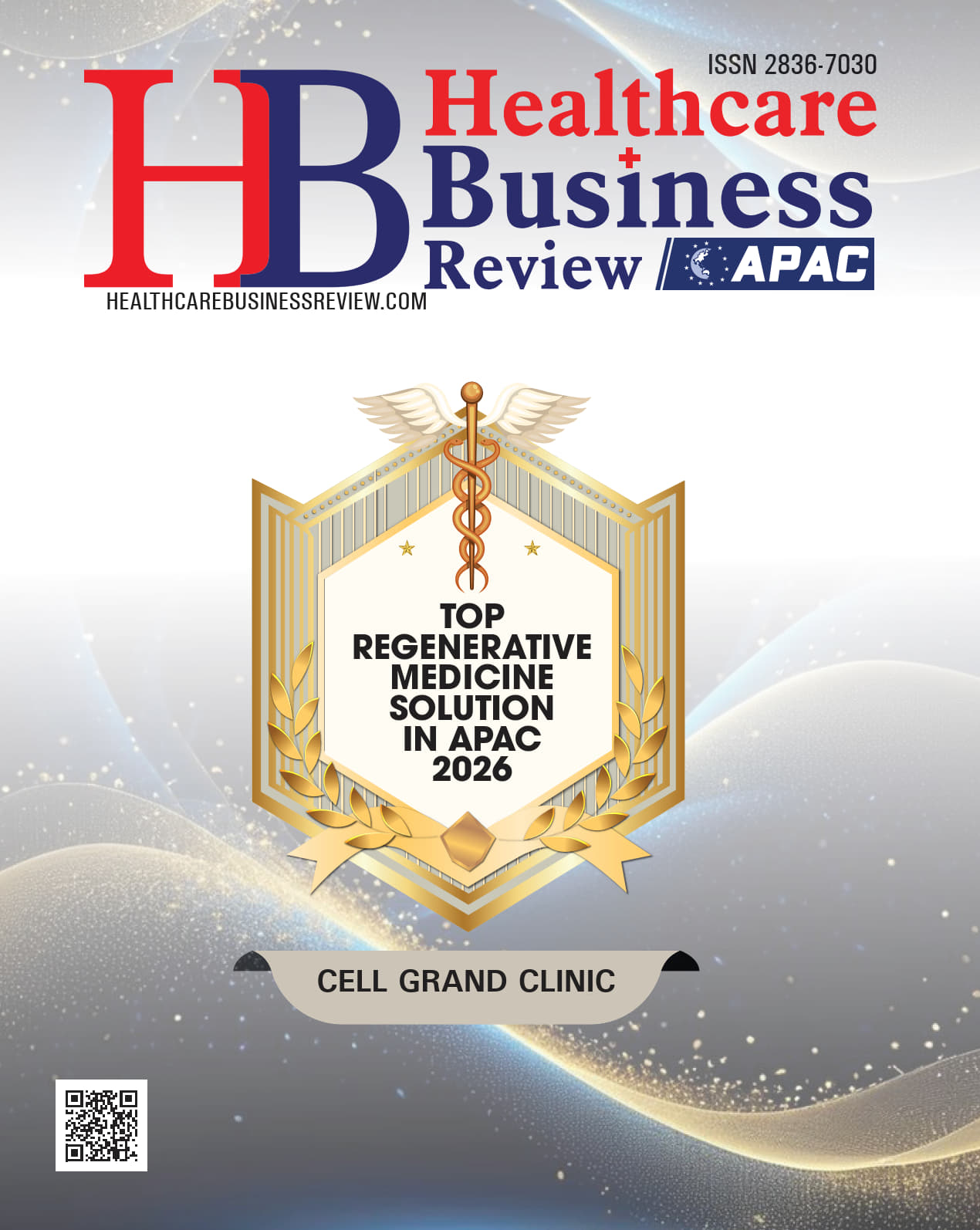
Further demonstrating its dedication to clinical excellence, the clinic's leadership holds the prestigious American Board of Regenerative Medicine Certificate, reinforcing its reputation as an Advanced Stem Cell Clinic in Japan. Adding to these achievements, Cell Grand Clinic was recognized by Healthcare Business Review APAC as a Top Regenerative Medicine Solution in APAC for 2026, reflecting its growing influence and excellence in delivering cutting-edge regenerative healthcare solutions.
Recognized by Healthcare Business Review APAC as a Top Regenerative Medicine Solution in APAC (2026).
The Wall Street Journal Feature Dr. Yuichi Wakabayashi
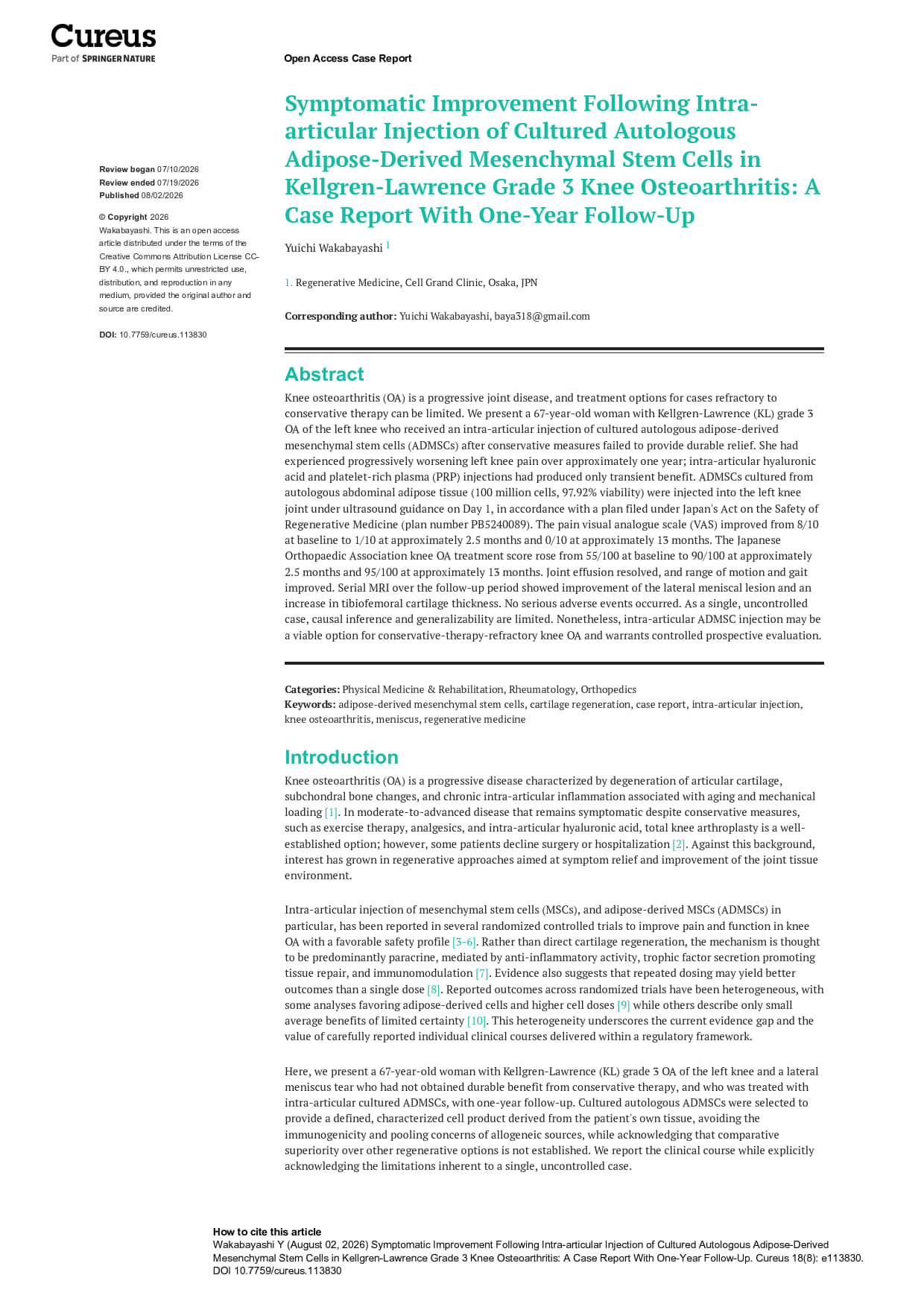
Peer-Reviewed Publication
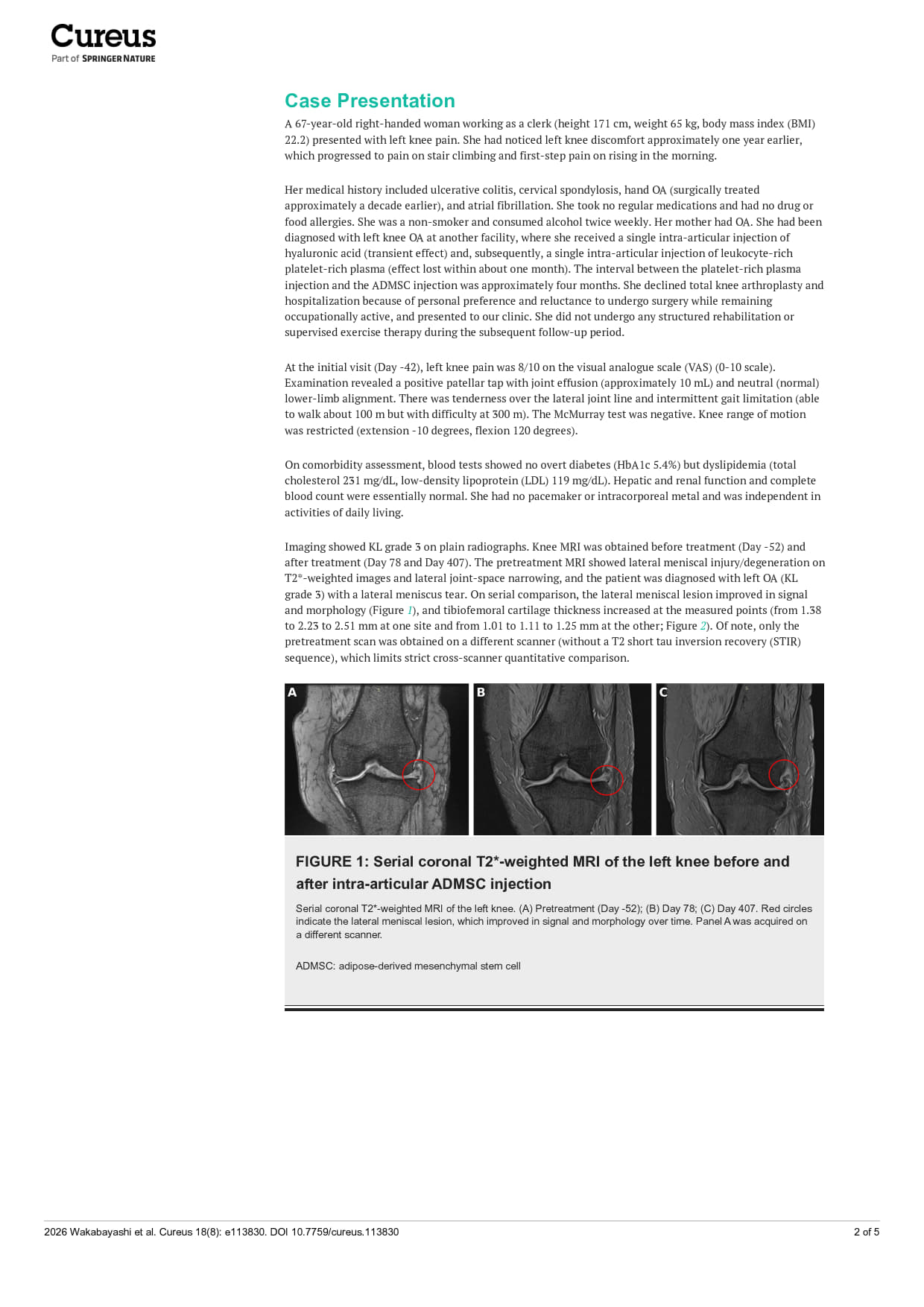
Reflecting this commitment to transparency, Dr. Wakabayashi’s one-year outcome report on adipose-derived stem cell therapy for knee osteoarthritis was published in the peer-reviewed medical journal Cureus in 2026 (DOI: 10.7759/cureus.113830), adding independently verifiable clinical documentation to the clinic’s growing body of research.
Symptomatic Improvement Following Intra-articular Injection of Cultured Autologous Adipose-Derived Mesenchymal Stem Cells in Kellgren-Lawrence Grade 3 Knee Osteoarthritis: A Case Report With One-Year Follow-Up
 Page 1
 Page 2
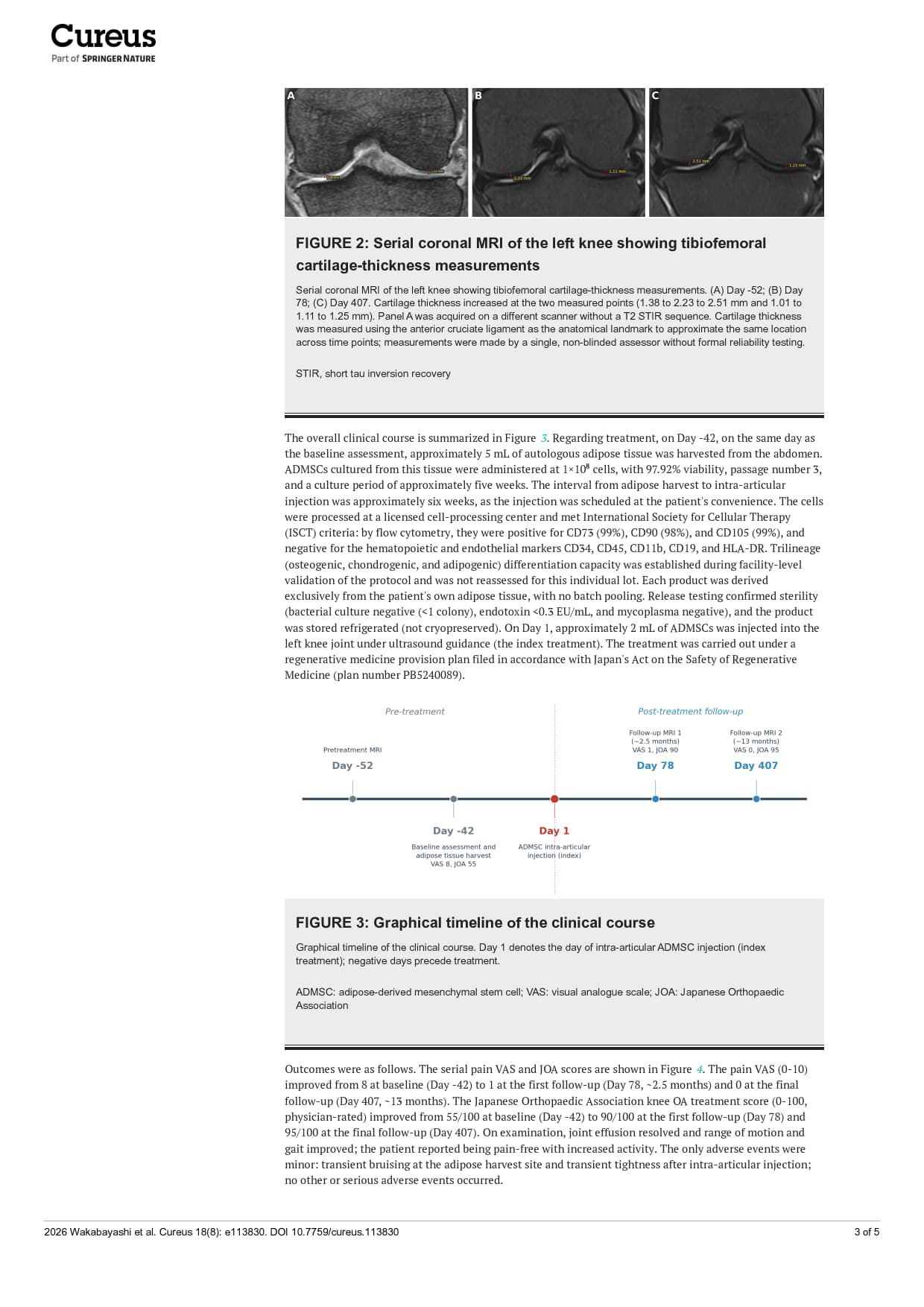 Page 3
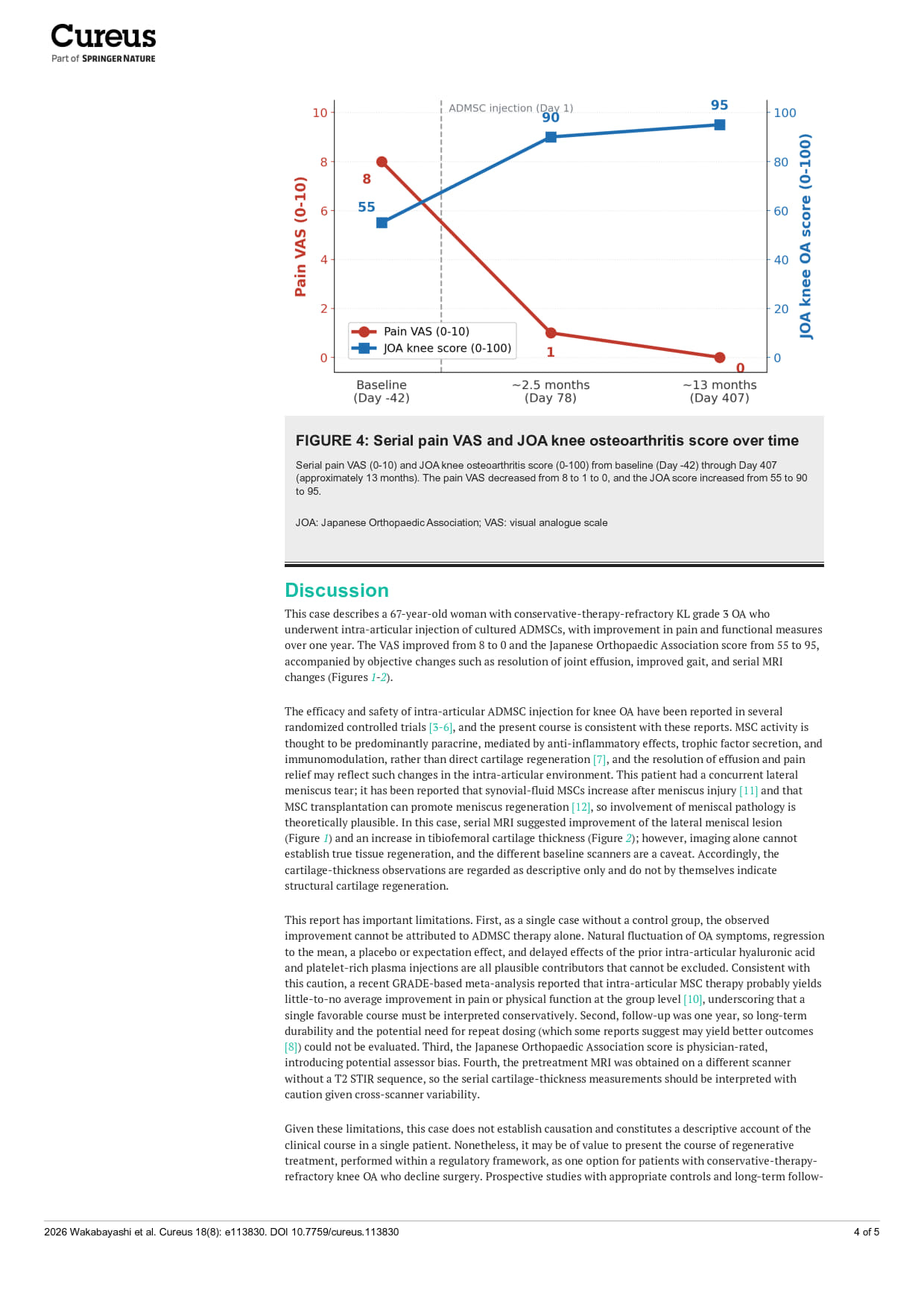 Page 4
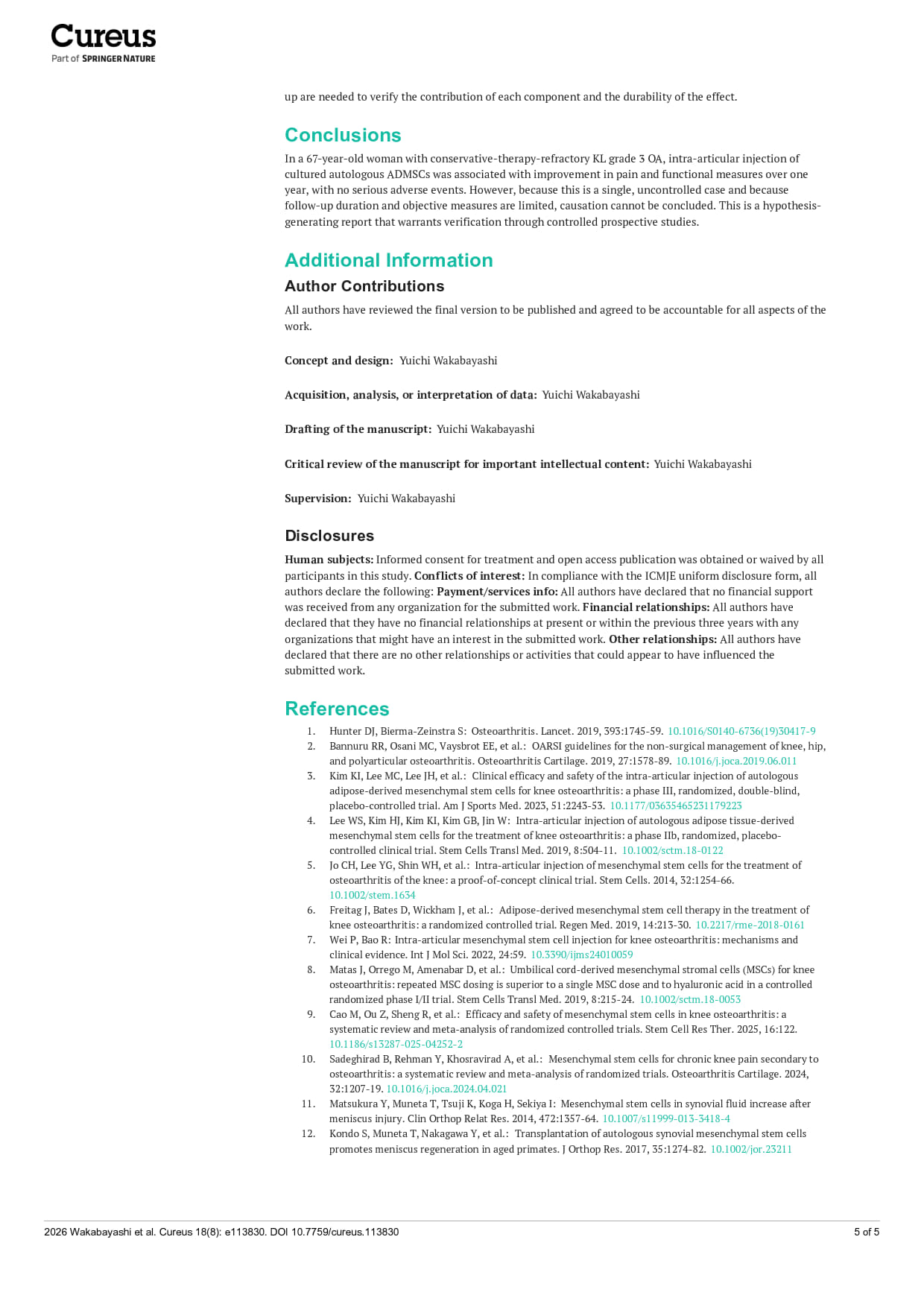 Page 5
Author: Yuichi Wakabayashi
Affiliation: Regenerative Medicine, Cell Grand Clinic, Osaka, Japan
Journal: Cureus
Year: 2026
Volume/Issue: 18(8)
Article: e113830
DOI: 10.7759/cureus.113830
Frequently Asked Questions (FAQs)
How much does stem cell therapy for chronic kidney disease cost at Cell Grand Clinic in Osaka?
Cell Grand Clinic currently lists autologous stem cell therapy starting from approximately $19,800 USD per session, although the final cost depends on the patient's condition, treatment protocol, cell dose, and number of infusions. A specific CKD treatment quote should be confirmed after medical review because the published price is not necessarily a fixed price for every kidney disease case.
Who may be eligible for stem cell therapy for CKD in Osaka, Japan?
Potential candidates are evaluated individually based on their kidney condition, overall health, medical history, medications, and previous treatments. Patients should provide relevant kidney-function tests, diagnosis information, imaging, and treatment records for medical review. Eligibility should be determined by the treating physician rather than by CKD diagnosis alone.
Can stem cell therapy at Cell Grand Clinic replace dialysis?
Stem cell therapy should not be considered a replacement for dialysis. There is currently no established evidence that stem cell therapy can reliably restore sufficient kidney function to eliminate the need for medically indicated dialysis. Cell Grand Clinic's own kidney-disease information states that stem cells have not been shown to cure chronic kidney disease. Patients receiving dialysis should not stop or reduce dialysis unless this has been specifically recommended by their nephrologist based on objective kidney-function measurements.
What type of stem cells does Cell Grand Clinic use for chronic kidney disease?
Cell Grand Clinic primarily describes the use of autologous adipose-derived mesenchymal stem cells (MSCs). These cells are obtained from the patient's own adipose tissue and processed before administration. The clinic's current profile describes its regenerative programs as using autologous adipose-derived stem cells, with cell processing performed through a GMP-compliant facility.
The exact cell type, dose, route of administration, and treatment protocol proposed for a CKD patient should be confirmed during the individual medical consultation.
How long does CKD stem cell treatment take, and how long should I stay in Osaka?
The exact treatment schedule for CKD depends on the protocol recommended after medical assessment. Cell Grand Clinic describes some autologous stem cell procedures as outpatient treatments, with the infusion itself taking approximately 1–2 hours, although harvesting and cell-processing requirements can require additional time or a different schedule.
What are the risks and side effects of stem cell therapy for chronic kidney disease?
Risks depend on the type of cells, harvesting procedure, route of administration, dose, and the patient's health. For autologous adipose-derived treatment, risks can include complications from fat harvesting or administration as well as treatment-specific reactions. Cell Grand Clinic's general information describes minor effects such as temporary fatigue or bruising in some procedures, but these should not be assumed to represent every CKD treatment.
What follow-up is provided after an international patient returns home?
Cell Grand Clinic's published treatment information includes monthly follow-up for several of its stem cell programs, although the exact follow-up schedule for CKD should be confirmed with the clinic.
International patients should request a clear post-treatment plan covering kidney-function monitoring, recommended laboratory tests, communication with the treating physician, and coordination with their nephrologist at home. Follow-up should be based on objective measures such as kidney function rather than symptoms alone.
Is Cell Grand Clinic regulated for regenerative medicine in Japan?
Japan regulates regenerative medicine under the Act on the Safety of Regenerative Medicine, which requires regenerative medicine providers to submit treatment plans for review according to the applicable risk classification. Cell Grand Clinic states that it has 15 MHLW-notified regenerative medicine treatment plans, covering Type II and Type III treatments.
However, the existence of MHLW-notified plans should not automatically be interpreted as approval that stem cell therapy is proven effective for CKD. Patients should specifically ask which regulatory notification applies to the proposed kidney-disease treatment and verify the current status of that particular treatment plan before proceeding.
A Message of Hope for CKD Patients
Being diagnosed with CKD can be overwhelming, but advances in Non Dialysis Kidney Treatment Japan offer a promising new path. By harnessing your body’s own regenerative potential, you can regain control of your health and future.
Take the first step toward a non-dialysis future by booking a consultation with Regenerative Specialists in Osaka through PlacidWay Medical Tourism. Benefit from:
Regenerative medicine may represent a new beginning for your health. Don't wait—consult a specialist today.
Contact Cell Grand Clinic for a Free Quote










.png)



.png)
-(2).png)
-(5).png)
.png)

-(10).png)

.png)
.jpg)








Share this listing