
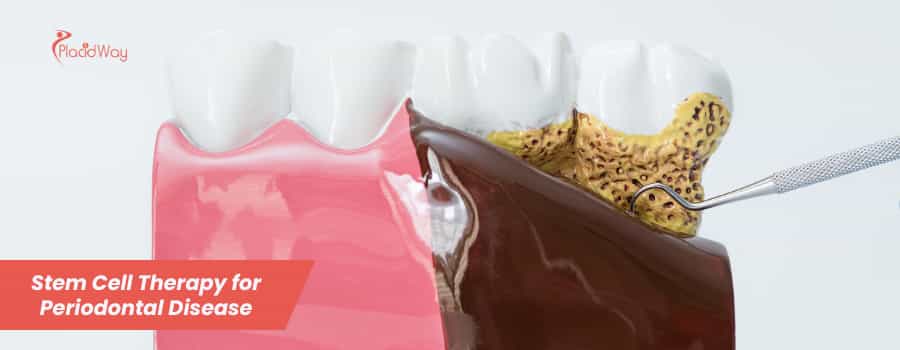
Stem cell therapy for periodontal disease is an advanced treatment that uses stem cells to regenerate gum and bone tissue lost to infection. It aims to repair damage, save teeth, and restore oral health, offering a potential long-term solution beyond traditional treatments.
Regrow Your Gums? Stem Cell Therapy for Periodontal Disease Explained
Periodontal (gum) disease is a silent epidemic, affecting millions of people worldwide. It starts simply—as gingivitis—but can progress to a serious infection that destroys the gum tissue and bone that hold your teeth in place. For decades, treatment focused on managing the infection and performing surgical grafts, which can be painful and don't always provide a perfect long-term solution. They manage the problem, but they don't truly reverse the damage.
Now, the field of regenerative medicine offers a groundbreaking new approach. Stem cell therapy for periodontal disease is at the forefront of this revolution. This advanced treatment harnesses your body's own healing power to do something that was once thought impossible: regenerate the lost gum, bone, and ligament tissue, effectively rebuilding the foundation of your smile.
This isn't science fiction. It's a real, clinical procedure that is changing lives. And thanks to medical tourism, this cutting-edge treatment is more accessible and affordable than ever. If you've been told your only options are dentures or extensive, painful surgeries, this guide is for you. We'll explore what stem cell therapy is, how it works, and how you can access it safely and affordably through trusted international clinics.
What is periodontal disease and why do I need stem cells?
Periodontal disease is a chronic infection that destroys gum tissue and the bone supporting your teeth, leading to tooth loss. Stem cell therapy is needed when this damage is too extensive for the body to heal on its own, offering a way to regenerate these lost tissues.
Periodontal disease is caused by bacteria in plaque that builds up on your teeth. In its early stage, gingivitis, it just causes inflamed, red gums that might bleed when you brush. If left untreated, it progresses to periodontitis. This is when the infection goes below the gum line and starts to destroy the structures supporting your teeth.
Your body's immune system, trying to fight the bacteria, creates chronic inflammation that eats away at the bone and the periodontal ligament (the fibers that connect your tooth to the bone). This creates "pockets" between your gums and teeth that fill with more bacteria. Traditional treatments like scaling and root planing (deep cleaning) clear out the bacteria but can't rebuild the bone you've lost. This is where stem cells come in. They are needed to regenerate, not just repair, the complex tissues that were destroyed.
How does stem cell therapy actually regrow gum tissue?
Stem cells are unique "blank" cells that can transform into specialized cells. When applied to the diseased area, they receive signals to become new gum, bone, and ligament cells. They also release powerful anti-inflammatory and growth factors, creating a healing environment.
Think of stem cells as a highly skilled, all-in-one construction crew for your body. When you have a deep periodontal pocket, you've lost multiple tissue types: the gum (gingiva), the bone (alveolar bone), and the ligament (PDL). A simple graft can only replace one of these.
Mesenchymal Stem Cells (MSCs), the type used for this therapy, are multipotent. This means they can "be told" what to become. When a specialist places them into the cleaned-out periodontal defect, the surrounding tissue environment sends signals, instructing the stem cells to:
- Become new bone cells (osteoblasts) to rebuild the lost bone.
- Become new ligament cells (fibroblasts) to re-attach the tooth to the new bone.
- Become new cementum cells (cementoblasts) to cover the tooth's root.
Equally important, these stem cells release powerful growth factors and anti-inflammatory signals. This calms the chronic inflammation that caused the problem in the first place, allowing true, organized healing to begin.
What are the different types of stem cells used for gum disease?
The most common types are autologous (from your own body) or allogeneic (from a donor). These are often harvested from your own fat (adipose tissue), bone marrow, or even healthy dental pulp. Each type has specific advantages for regenerating oral tissues.
The "best" source of stem cells is a topic of ongoing research, but several types have shown excellent results in dental regeneration. The main category used is Mesenchymal Stem Cells (MSCs). Where they come from is the main difference:
- Autologous (From You): This is the most common and safest method, as there is zero risk of rejection.
- Adipose-Derived Stem Cells (ADSCs): Harvested from a small sample of your own fat (like a mini-liposuction). This is a very popular source because it's abundant and easy to access.
- Bone Marrow-Derived Stem Cells (BMSCs): Considered a "gold standard" for bone regeneration, but collection from the hip bone can be more invasive.
- Dental Pulp Stem Cells (DPSCs): Found inside healthy teeth (like extracted wisdom teeth). These are highly specialized for dental tissues but are only an option if you have such a tooth available.
- Gingival Mesenchymal Stem Cells (GMSCs): Taken from a tiny, healthy piece of your own gum tissue.
- Allogeneic (From a Donor): These cells come from a healthy, screened donor (e.g., from umbilical cord tissue). They are processed in a lab to remove any immune markers, making them safe for general use. This avoids the need for a separate harvesting procedure.
Your dental specialist will recommend the best source based on your specific case, the extent of your tissue loss, and the protocols available at their clinic.
Am I a good candidate for stem cell gum regeneration?
Ideal candidates are generally in good health but have moderate to severe bone or gum loss from periodontitis that hasn't responded well to traditional treatments. You must have the underlying infection controlled and be a non-smoker (or willing to quit).
This therapy is not for everyone, and a thorough evaluation is required. You are likely a good candidate if you:
- Have confirmed moderate to severe periodontitis with X-ray-visible bone loss.
- Are in good general health. Conditions like uncontrolled diabetes or autoimmune disorders can interfere with healing.
- Have the active bacterial infection under control. The procedure is done in a "clean" environment. You will likely undergo a deep cleaning *before* the stem cell placement.
- Are a non-smoker, or are firmly committed to quitting. Smoking severely restricts blood flow to the gums and can cause the entire procedure to fail.
- Have realistic expectations and are committed to excellent long-term oral hygiene to protect your new tissue.
What is the procedure like? Is it painful?
The procedure is typically minimally invasive and performed under local anesthesia, so it's not painful. It involves a deep cleaning of the area, followed by the application of the stem cell preparation (often in a gel or membrane) directly into the gum pockets.
Patients are often pleasantly surprised to learn the procedure is much less uncomfortable than traditional grafting surgery. It's typically done in one visit and follows these steps:
- Harvesting (if autologous): If using your own fat or blood, this is the first step. For ADSCs, a tiny amount of fat is taken from the abdomen. For Platelet-Rich Fibrin (PRF), a simple blood draw is done. This is often prepared while you wait.
- Anesthesia: Your dentist will completely numb the area of your gum that needs treatment. You will be awake but feel no pain.
- Cleaning the Site: The periodontist will gently open the gum pocket to get direct access to the root and bone defect. The area is meticulously cleaned of all bacteria and diseased tissue.
- Applying the Stem Cells: The stem cell concentrate (which may be mixed with a growth-factor gel or placed in a special membrane) is carefully applied directly into the bone defect and along the tooth root.
- Closing: The gum is closed back over the site with a few small stitches to protect the area while it begins to heal.
You will feel no pain during the procedure. Afterward, you can expect some mild soreness and swelling, similar to a standard dental filling or cleaning, which is easily managed with over-the-counter pain medication.
Why travel abroad for stem cell dental treatment?
The main reasons are significant cost savings and access to specialized, advanced treatments that may not be widely available or approved in your home country. You can often get faster access to top-tier specialists who perform these innovative procedures regularly.
This is a key question. For patients in North America and Western Europe, medical tourism for this specific procedure is popular for two powerful reasons:
- Cost Savings: The price difference is dramatic. In countries like the US, where this is still considered highly specialized or experimental, the cost can be prohibitively expensive. In countries like Mexico, Turkey, or Thailand, the exact same procedure with the same high-quality materials can be 60-80% less.
- Access and Availability: Regulatory bodies like the FDA in the US are very slow to approve regenerative therapies. This means that while the treatment is proven safe and effective in thousands of studies, it may not be an "approved" standard procedure in your home country. In contrast, many other countries have safely integrated these therapies into their dental practice, giving their specialists years of hands-on experience.
By traveling, you get access to specialists who perform these regenerative procedures daily, rather than as an occasional, high-cost exception. You get experienced care at a price that makes it possible.
How much does stem cell therapy for periodontal disease cost worldwide?
Costs vary dramatically. While a single treatment can cost $5,000 - $10,000+ in the US, you might find comprehensive packages in countries like Mexico, Turkey, or Thailand for $1,500 - $4,000. This often includes the full procedure, not just the stem cell application.
The cost of stem cell therapy for gum disease depends on the source of the stem cells (autologous is often more expensive due to the harvesting step), the number of teeth being treated, and, most importantly, the country where you receive care. The table below provides a general estimate for treating a single quadrant (section) of the mouth.
| Country | Estimated Cost (per area/quadrant) |
|---|---|
| United States | $5,000 - $10,000+ |
| Mexico | $1,500 - $3,500 |
| Turkey | $1,200 - $3,000 |
| Thailand | $2,000 - $4,000 |
| Colombia | $1,500 - $3,500 |
Disclaimer: These are estimates and not guaranteed prices. Your final cost will depend on your specific dental needs, the complexity of your case, and the final treatment plan from the clinic.
What are the best countries for stem cell dental procedures?
Top destinations include Mexico (especially for North Americans), Turkey, Spain, and Thailand. These countries have JCI-accredited dental hospitals, advanced labs, English-speaking staff, and a proven track record of successful dental tourism.
Several countries have carved out a reputation for excellence in advanced dentistry and regenerative medicine:
- Mexico: Particularly in cities like Tijuana and Cancun, Mexico offers highly skilled, US-trained dentists at a fraction of the cost. Its proximity to the US makes it a top choice for North American patients.
- Turkey: Istanbul and Antalya are global hubs for medical tourism. Turkish clinics are known for their ultra-modern facilities, all-inclusive packages, and vast experience in cosmetic and regenerative dentistry.
- Thailand: Renowned for its world-class, JCI-accredited hospitals and exceptional patient service, Bangkok is a top destination for complex medical procedures, including advanced dental care.
- Spain: A leader within Europe, cities like Barcelona and Madrid offer high-tech dental clinics that adhere to strict EU regulations, combining quality with competitive pricing.
Is stem cell therapy for gum disease safe and approved?
When performed by qualified specialists using your own stem cells (autologous), the procedure is considered very safe with a low risk of rejection or side effects. However, regulatory approval varies; it's an established practice in some countries but may be "experimental" in others.
This is a critical two-part question.
Is it safe? Yes. When using your own (autologous) stem cells, there is virtually no risk of rejection or allergic reaction. The procedure is minimally invasive, and the main risks are the same as any minor dental surgery: slight soreness, swelling, or a very small risk of infection, all of which are easily managed.
Is it approved? This depends on your country. In the US, it is not yet an FDA-approved "standard of care," which is why it's hard to find and not covered by insurance. In many other countries, it is fully regulated and offered as an advanced, but standard, clinical procedure. This regulatory difference is a primary driver of medical tourism for this therapy.
What is the recovery and long-term success like?
Recovery is typically quick, often easier than traditional gum grafting. You can expect mild soreness for a few days, managed with over-the-counter pain relief. Long-term success, meaning sustained tissue regeneration and tooth stability, is high, but depends on excellent oral hygiene.
Recovery is impressively fast. Most patients report only minor discomfort for 2-3 days and are back to their normal routines almost immediately. You'll be given a soft-bristled brush, a special mouth rinse, and advised to eat a soft diet for a few days. The real healing, the regeneration of bone, happens over the next 3-6 months, but it's not something you feel.
Long-term success is excellent, with studies showing significant, measurable regrowth of bone and gum attachment. However, stem cell therapy is not a "cure" for gum disease. It rebuilds what was lost. It is up to you and your dentist to prevent the disease from returning. This means:
- Impeccable brushing and flossing.
- Regular dental cleanings every 3-4 months.
- Quitting smoking permanently.
How do I choose a safe and qualified overseas clinic?
Look for internationally recognized accreditations (like JCI or ISO), check doctor credentials and their specific experience with stem cells. Read verified patient reviews, and request virtual consultations to discuss your case directly.
Traveling for care can be intimidating, but you can ensure a safe experience by doing your homework. Vetting a clinic is the most important step.
- Accreditation: Look for clinics that are internationally accredited. Certifications from JCI (Joint Commission International) or ISO are gold standards.
- Specialist Credentials: Don't just look at the clinic; look at the doctor. Are they a board-certified periodontist? Have they published research on regenerative dentistry? Ask for their specific experience with stem cell therapy.
- Verified Patient Reviews: Look for reviews from patients who have had your specific procedure. Platforms like PlacidWay verify these reviews to ensure they are from real patients.
- Request a Virtual Consultation: A reputable clinic will be happy to review your X-rays and have a video call with you to discuss a preliminary treatment plan. This allows you to "meet" the team and ask questions.
How can PlacidWay make my dental tourism journey easy?
PlacidWay acts as your trusted partner, connecting you with a curated network of pre-vetted, high-quality international dental clinics. We help you compare free quotes, understand treatment packages, and arrange logistics, ensuring a safe and seamless experience.
PlacidWay was created to solve the biggest challenges of medical tourism: trust, transparency, and logistics. We are not a clinic; we are your advocate and your partner. We take the guesswork and risk out of the process.
Here's how we help:
- Vetted Network: We've already done the hard work of vetting clinics. We only partner with facilities that meet our high standards for accreditation, technology, specialist experience, and patient care.
- Transparent Quotes: You can submit your case and receive multiple, no-obligation quotes from top clinics. We help you compare them "apples-to-apples" so you understand exactly what's included.
- End-to-End Support: We assist with everything from coordinating your virtual consultation to understanding your treatment plan and travel logistics. We are your single point of contact, dedicated to making your journey smooth and successful.
Ready to Rebuild Your Smile with Stem Cells?
Don't let periodontal disease decide the future of your smile. Your journey to gum regeneration is just a click away. Explore top-rated international dental clinics, compare prices, and get a free, personalized quote for your stem cell therapy with PlacidWay. Let us help you plan a seamless and rejuvenating dental travel experience. Start your transformation today!
Stem Cell Therapy Abroad




.jpg)
.jpg)
.jpg)
.jpg)








Share this listing