
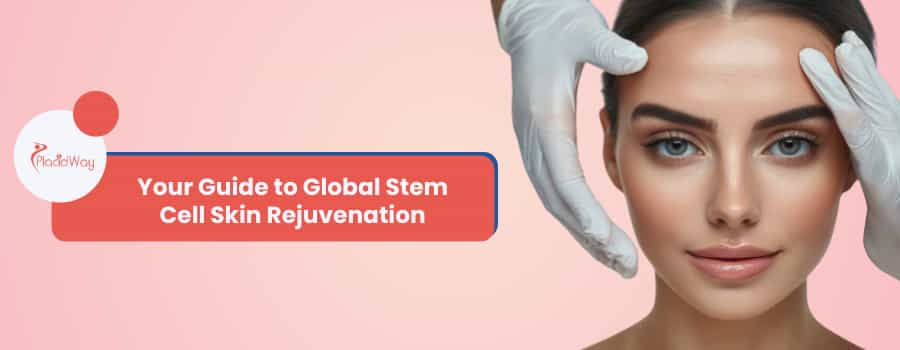
Unlock Timeless Beauty: Your Guide to Global Stem Cell Skin Rejuvenation
As we age, our skin's ability to heal and produce essential proteins like collagen and elastin slows down, leading to wrinkles, fine lines, and sagging. Traditional anti-aging methods, such as fillers or surgical lifts, can offer temporary solutions, but they don't address the fundamental, cellular root of the aging process. This is where Stem Cell Therapy for Skin Rejuvenation offers a revolutionary approach, working from the inside out to naturally restore your skin's vitality.
Stem cell procedures utilize powerful, unspecialized cells—often extracted from your own fat tissue (Adipose-Derived Stem Cells or ADSCs)—and reinject them into areas of concern, such as the face, neck, or hands. Once placed, these cells act as natural repair mechanisms, releasing growth factors and signaling molecules that kickstart your body's innate regenerative processes. The result is not just a cosmetic fix, but a biological renewal of the skin’s structure, leading to smoother texture, improved firmness, and a radiant, more youthful appearance.
For many patients, seeking this advanced treatment abroad through medical tourism offers an unparalleled combination of world-class medical expertise and significant cost savings. Countries recognized for advanced regenerative medicine provide high-quality care that meets international standards, making a Stem Cell Therapy trip an accessible and appealing choice for comprehensive anti-aging.
How does Stem Cell Therapy actively rejuvenate the skin?
The magic of Stem Cell Therapy for Skin Rejuvenation lies in its paracrine effect. When the harvested mesenchymal stem cells (MSCs) are injected, they don't necessarily become new skin cells themselves, but rather act as "medicinal signaling cells." They recognize the surrounding aged or damaged environment and begin secreting a potent cocktail of cytokines and growth factors.
This cellular communication stimulates the existing cells in the skin—specifically, fibroblasts—to ramp up their production of the extracellular matrix components, which are the building blocks of young skin. Think of it like turning on a dormant repair crew in your skin. This leads to increased dermal thickness, enhanced blood flow, and a visible reduction in the depth of wrinkles over several months, providing results that are often more sustained than temporary fillers.
What are the different types of Stem Cell Therapy used for anti-aging skin treatments?
The most common and safest form for skin rejuvenation is the Autologous Stem Cell Therapy, often using Adipose-Derived Stem Cells (ADSCs). This procedure involves a small liposuction to harvest fat tissue, from which the stem cells are isolated, concentrated, and then re-injected into the target area. Since the cells come from your own body, the risk of rejection or immune reaction is virtually eliminated.
Another approach, depending on the regulatory environment of the medical tourism destination, involves Allogeneic Mesenchymal Stem Cells (MSCs), usually sourced from screened, ethically derived umbilical cord tissue. These cells are often used for systemic infusions or higher concentration local injections. For skin, the application method varies, ranging from direct injection (often combined with fat grafting for volume restoration) to topical application after microneedling or laser treatment to enhance absorption and recovery.
Who is an eligible candidate for Stem Cell Skin Rejuvenation?
Eligibility primarily hinges on a patient's overall health, rather than age alone. Candidates typically show moderate to severe signs of skin aging and seek a natural, long-term solution. A comprehensive medical history review, including blood tests and, sometimes, imaging, is mandatory before treatment.
Key factors determining eligibility include:
- General Health: Being in good overall health with no active infections or uncontrolled chronic diseases (like severe, unstable diabetes).
- Cancer History: A history of certain cancers may disqualify a patient, as a precaution against stimulating any remaining malignant cells.
- Autologous Source: For ADSC-based therapy, candidates must have enough accessible body fat for harvesting.
What results can I expect and how long do they typically last?
Unlike instant fillers, the changes from Stem Cell Therapy are gradual and progressive, mirroring the body's natural healing process. The most noticeable improvements include a significant enhancement in skin texture, firmness, reduction of fine lines, and increased radiance. Patients report a healthier, more "plump" skin quality.
The longevity of the results is one of the biggest appeals of this treatment. Since the therapy focuses on generating new, healthy tissue, the effects can be durable. Maintaining a healthy lifestyle—including diligent sun protection, avoiding smoking, and proper nutrition—is crucial to maximizing the duration of the regenerative benefits. Some clinics may recommend booster treatments after several years to maintain the optimal effect.
Is Stem Cell Therapy for skin rejuvenation safe, and what are the possible side effects?
When performed in a reputable, highly regulated clinic, Stem Cell Therapy is considered very safe. The use of your own cells minimizes immunological risks. The primary side effects are directly related to the procedure's two main steps: the cell harvesting (mini-liposuction or bone marrow aspiration) and the injection into the skin.
Patients undergoing ADSC therapy might experience mild discomfort or bruising in the area where the fat was taken, similar to a minor fat removal procedure. The face injection sites may show temporary swelling, redness, or tenderness. These reactions are part of the body's natural response to the procedure and are manageable with simple care instructions provided by the clinic. Serious complications are extremely rare, emphasizing the importance of choosing a certified medical facility, especially when traveling abroad.
Why choose Medical Tourism for Stem Cell Skin Rejuvenation?
The decision to seek Stem Cell Therapy abroad is driven by a compelling combination of factors. In many countries like Mexico, Turkey, and South Korea, operating costs for clinics are significantly lower, and medical liability insurance is less expensive. This translates directly to lower patient prices, sometimes saving between 50% and 70% compared to equivalent treatments in the US or Western Europe.
Furthermore, some international hubs are at the forefront of regenerative medicine research, offering access to cutting-edge techniques that may not yet be widely available or approved elsewhere. Patients can leverage global competition to find clinics with deep specialization, state-of-the-art laboratory facilities, and doctors with extensive experience in the latest anti-aging protocols.
How much does Stem Cell Therapy for Skin Rejuvenation cost worldwide?
Pricing for stem cell treatments depends heavily on the source of the cells (autologous vs. allogeneic), the number of cells needed, the administration method (local injection, IV infusion, or both), and the facility's reputation. The table below illustrates typical price ranges for Stem Cell Anti-Aging/Wellness (IV Infusion or local injection) procedures.
Global Cost Comparison for Stem Cell Anti-Aging Therapy (Estimated USD)
| Country | Estimated Price Range (USD) | Key Factor |
|---|---|---|
| United States | $8,000 - $20,000+ | High operational costs, strict regulations. |
| Mexico | $4,000 - $10,000 | High affordability, established medical tourism. |
| Turkey | $3,500 - $8,000 | Highly competitive pricing, high-end facilities. |
| South Korea | $5,000 - $12,000 | Advanced technology, strong cosmetic focus. |
How do I choose a safe and reputable clinic for Stem Cell Therapy abroad?
The single most important step in medical tourism is due diligence. Look for clinics that provide transparent details about their cell processing lab—it should be a certified facility that meets Good Manufacturing Practice (GMP) standards. Ask specifically about the stem cell source (autologous, umbilical cord, etc.) and their cell counting procedure; a reputable clinic will always confirm the cell dose you receive.
Crucially, investigate the physician's credentials. They should specialize in regenerative or aesthetic medicine, not just general practice. Use a trusted medical tourism facilitator like PlacidWay, who can provide pre-vetted options, handle logistics, and ensure communication lines are open with the medical staff before you commit to travel.
What is the typical recovery time after Stem Cell Skin Rejuvenation?
Stem Cell Therapy for Skin Rejuvenation is a minimally invasive procedure, particularly when compared to a traditional facelift. While the treatment itself usually takes only a few hours, the body needs a short time to manage the localized response. Patients are typically advised to avoid intense exercise and excessive sun exposure for the first week to allow the transplanted cells to settle and begin their regenerative work efficiently.
Since the downtime is short, patients traveling for the procedure can often enjoy the destination city almost immediately, provided they stick to gentle activities. This quick turnaround is one of the reasons it is such a popular choice for medical tourists looking for high-impact results with low interruption to their travel plans.
How long do I need to stay in the destination country for the treatment?
The specific length of stay depends on the protocol used. For a basic autologous treatment, where cells are harvested and reinjected on the same day (or over two days), a minimum of 3-4 days is recommended. This allows for one day pre-op, the treatment day, and one or two days post-op for observation and final consultation.
If your treatment plan involves culturing the cells in a laboratory to achieve a higher cell count (which takes longer, but increases potency), your stay might be extended to 7-10 days, or you may require two separate trips. Always clarify the required timeline with your chosen clinic well in advance of booking travel.
Are the stem cells used in clinics abroad regulated and safe?
While regulations vary between countries, many popular destinations for regenerative medicine have robust oversight. For instance, countries like South Korea and Japan are known for having highly advanced and strict national frameworks for regenerative medicine. Mexico and Turkey also host clinics that voluntarily pursue international accreditation to demonstrate quality.
Your primary focus should be on verifying the clinic's certifications and the quality of their lab. An accredited facility will be transparent about its cell isolation and expansion processes. Look for clinics that prioritize patient education and openly discuss the specific regulatory environment in which they operate.
Can I combine my Stem Cell Therapy with a relaxing vacation?
Traveling for anti-aging procedures provides a perfect opportunity for a "heal and holiday" experience. Destinations like the coastal cities of Mexico or the cultural centers of Turkey offer stunning backdrops for recovery. This chance to de-stress is, in fact, complementary to the treatment, as relaxation aids the body's overall healing and regenerative capabilities.
Remember to plan your most strenuous sightseeing or activities for the days *before* the procedure, or stick to relaxing pursuits like spa visits (excluding facial massages), light walks, and museum visits immediately after the treatment. Always consult your doctor about specific post-procedure travel restrictions.
Take the Next Step with PlacidWay: Start Your Anti-Aging Journey
Ready to discover a more radiant, youthful you through the power of Stem Cell Therapy? Don't let distance or high costs stand in the way of achieving your anti-aging goals. PlacidWay connects you with a curated network of globally accredited clinics specializing in regenerative skin treatments. We simplify your medical travel, providing transparent pricing, verifying clinic credentials, and assisting with all your logistics.


.png)









Share this listing