
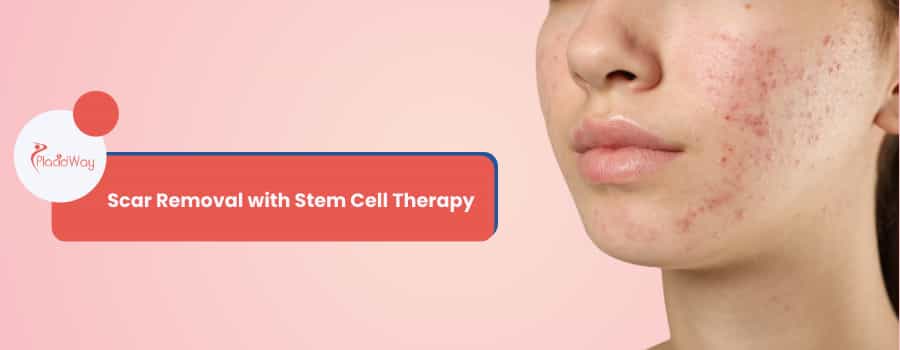
Scar Removal with Stem Cell Therapy & Medical Tourism
A scar is more than just a visible reminder of an injury; it’s a sign that the body rushed the healing process, creating disorganized collagen fibers (fibrosis) instead of healthy, normal skin. For many years, the options for scar revision—from acne scars to surgical scars—were limited to surface treatments like laser resurfacing or surgical excision. But the landscape of dermatology and reconstructive medicine is rapidly changing thanks to regenerative treatments like Stem Cell Therapy for Scars.
This cutting-edge approach addresses the core biological issue: the formation of abnormal tissue. By introducing potent stem cells, doctors can encourage your skin to restart the healing process, guiding it towards regeneration rather than scarring. Since this advanced therapy can be expensive and often experimental in Western countries, a growing number of patients are choosing medical tourism. Traveling abroad for this specialized treatment offers significant cost savings without sacrificing quality, making smooth, revitalized skin accessible to a wider audience.
In this guide, we'll dive deep into how this powerful regenerative treatment works, what types of scars it targets, and, crucially, how you can navigate the world of medical tourism to find a safe, effective, and affordable Stem Cell Therapy solution.
What is Stem Cell Therapy for Scars and How Does it Work?
Stem cells are essentially the body’s raw materials—unspecialized cells capable of self-renewal and differentiation into specialized cells. For scar treatment, physicians typically use Mesenchymal Stem Cells (MSCs), most often sourced from the patient's own fat tissue (Adipose-Derived Stem Cells or ADSCs) or bone marrow.
When injected into a scar, these MSCs don't just fill space; they act as tiny master conductors for healing. They communicate with the surrounding cells through signaling molecules (a process called paracrine effect). This communication performs several critical functions to remodel the scar:
- Anti-Inflammatory Action: They suppress the excessive inflammation that often leads to raised, red, and painful scars.
- Collagen Modulation: They help break down the disorganized, thick collagen that makes up the scar and encourage the production of new, properly aligned collagen fibers, leading to a flatter, softer, and more natural texture.
- Angiogenesis: They promote the growth of new, healthy blood vessels, improving the oxygen and nutrient supply to the damaged area, which is vital for true regeneration.
The result is a gradual, biological remodeling process where the appearance and texture of the scar tissue can significantly improve over several months.
What Types of Scars Can Stem Cell Therapy Effectively Treat?
Stem cell therapy's regenerative capabilities make it versatile for treating a wide spectrum of scar types, offering hope where traditional methods have failed. Its ability to modulate collagen is key to its success across different presentations.
The therapy is commonly used for:
- Atrophic Scars (Acne/Chickenpox): These are sunken or pitted scars (like icepick, boxcar, or rolling scars) caused by the loss of underlying tissue. Stem cells help regenerate the dermal layer, adding volume and smoothing the texture.
- Hypertrophic Scars: These are thick, raised, and often red scars that remain confined to the original injury site (common after surgery or burns). Stem cells inhibit excessive collagen production and encourage organization.
- Keloids: These aggressive scars grow beyond the original wound boundary. While more challenging, stem cells are used to reduce the inflammatory signals that drive this excessive growth.
- Burn Scars and Contractures: The treatment can improve the elasticity, flexibility, and mobility of stiff, tight burn scar tissue.
Who is an Ideal Candidate for Stem Cell Scar Revision?
Determining eligibility requires a thorough consultation with a specialist, often involving a detailed medical history and scar assessment. The most important factors relate to both the patient's general health and the specifics of the scar:
Key Eligibility Factors:
- Stable Health: Candidates should be in good overall health, free from active infections, blood disorders, or poorly managed chronic illnesses.
- Scar Maturity: While newer scars can be treated, older, stabilized scars often show remarkable improvement because the regenerative process effectively "re-opens" the healing window.
- Autologous Source: Since the most common method uses the patient's own fat (autologous ADSCs), the patient must have enough accessible fat tissue for a minor harvesting procedure.
Contraindications usually include pregnancy, certain cancers, or systemic inflammatory conditions that may interfere with the cells' function or the healing process.
What is the Step-by-Step Stem Cell Scar Treatment Procedure?
The treatment is minimally invasive and performed under local anesthesia. It’s an outpatient procedure, meaning you usually go home the same day. Here is a simplified overview of the journey:
- Harvesting (Source Collection): A small amount of adipose (fat) tissue is collected, usually from the abdomen or flank, via a mini-liposuction technique. This is a simple, low-risk step.
- Processing (Lab Work): The harvested fat is immediately taken to a sterile, specialized laboratory (often a GMP facility) where the Mesenchymal Stem Cells (MSCs) are isolated, concentrated, and activated. This results in the final therapeutic product: the Stromal Vascular Fraction (SVF) or isolated ADSCs.
- Administration (Injection): The highly concentrated solution of living stem cells is carefully injected directly into the scar tissue and surrounding dermal layers using very fine needles. The precise application ensures the regenerative factors are delivered exactly where they are needed.
The entire process typically takes between 3 to 6 hours, depending on the volume of cells needed and the complexity of the scar area.
Why Choose Medical Tourism for Scar Stem Cell Treatment?
The primary driver for medical travel in regenerative medicine is cost. Because stem cell procedures are often deemed "experimental" or "elective" by insurers in countries like the U.S. and Canada, patients face substantial out-of-pocket expenses. International clinics, particularly in Latin America and Asia, offer the same high-quality technology and expertise but at a fraction of the price due to lower operational and labor costs.
Furthermore, some leading clinics abroad specialize exclusively in regenerative medicine, allowing them to gain exceptional experience and refine protocols for specific conditions, including various scar types. This specialization means you often receive focused care from highly experienced regenerative medicine experts, not just general practitioners.
How Much Does Stem Cell Therapy for Scars Cost Worldwide?
Cost is highly variable, but medical tourism destinations consistently provide major savings. The price typically covers the cell harvesting, laboratory processing, and the final injection. Below is an approximate comparison of costs for regenerative treatments, with scar revision usually falling in the lower-to-mid range depending on complexity:
| Country/Region | Approximate Stem Cell Cost (USD) | Typical Savings (vs. USA/W. Europe) |
|---|---|---|
| United States/Western Europe | $15,000 – $25,000+ | N/A (Base cost) |
| Mexico / Colombia | $4,000 – $12,000 | 50% – 70% |
| Turkey / Thailand | $3,000 – $10,000 | 60% – 80% |
| India / Malaysia | $2,500 – $8,000 | 65% – 85% |
*Costs are estimates for localized regenerative treatments and may vary based on cell source, number of sessions, and complexity of the scar.
Is Stem Cell Therapy Safe in International Clinics?
The safety concern is understandable, but many leading international clinics operate with standards equal to or exceeding those in Western nations. The key is due diligence. Look for clinics that prioritize transparency and third-party validation.
Red Flags to Avoid and Key Safety Indicators to Look For:
- Accreditation: Look for the Joint Commission International (JCI) or other national health board certifications. This shows a commitment to global standards.
- Lab Quality: The cells must be processed in a dedicated, sterile lab that adheres to GMP (Good Manufacturing Practice) standards. Ask the clinic for details on their lab protocols.
- Autologous Cells: Using your own cells (autologous) significantly reduces the risk of rejection or disease transmission compared to allogeneic (donor) cells.
What is the Typical Medical Travel and Recovery Timeline?
One of the benefits of medical tourism is the ability to recover in a pleasant, low-stress environment. The regenerative process takes time, but the immediate downtime is minimal.
Timeline Breakdown:
| Phase | Duration | Activity |
|---|---|---|
| Pre-Treatment Stay | 1-2 Days | Consultation, blood work, final screening. |
| Procedure Day | 4-6 Hours | Cell harvest, processing, and injection. |
| Local Recovery | 2-4 Days | Rest, minimal activity, follow-up check. |
| Regeneration Phase | 3-6 Months | Gradual, observable improvement in scar texture and appearance. |
How Long Do the Results of Stem Cell Scar Treatment Last?
Stem cell therapy doesn't mask the scar; it biologically remodels the tissue. Once the MSCs have finished their work, the new, healthier collagen and skin structure they guided remain in place. While no medical treatment guarantees absolute permanence (as skin continues to age), the structural improvements achieved are typically durable and substantial.
Patients are encouraged to maintain a healthy lifestyle, protect the area from sun exposure, and follow all post-treatment care instructions to maximize the longevity and quality of the results.
What are the Potential Risks and Side Effects of the Therapy?
Because the treatment uses the patient's own cells (autologous), the risk of allergic reaction, immune rejection, or disease transmission is virtually eliminated. The potential adverse effects are usually related to the minor surgical steps involved:
- Harvest Site (Mini-Liposuction): Temporary bruising, swelling, and mild pain. This site heals quickly, often within a week.
- Injection Site (Scar): Temporary redness, swelling, and tenderness around the scar. Rarely, minor infection or bleeding can occur, as with any injection.
- Risk of Non-Response: As with any regenerative medicine, results can vary, and some patients may not see the desired level of improvement, though this is rare in well-selected cases.
How Do I Find the Best International Stem Cell Clinic?
The rise of medical tourism means patients have options, but selection criteria are crucial to ensure quality and safety. Don't rely on price alone.
Your Due Diligence Checklist:
- Physician Expertise: Is the doctor specialized in regenerative medicine, plastic surgery, or dermatology, and how long have they been performing scar revisions with stem cells?
- Cell Source & Handling: Where do they source the cells (autologous is preferred), and what protocols do they follow for isolation and concentration? Ask about cell viability counts.
- Package Clarity: Does the quoted price include all necessary pre-op testing, the harvest procedure, lab processing, injection, and any follow-up appointments? Hidden costs can negate savings.
How Can PlacidWay Facilitate My Stem Cell Scar Journey?
Navigating international healthcare can be daunting. PlacidWay removes the uncertainty by pre-qualifying top-tier regenerative medicine centers in popular destinations like Mexico, Turkey, and Thailand. We ensure that every clinic meets strict criteria for safety, technology, and physician expertise.
Our platform allows you to compare comprehensive treatment packages side-by-side, read verified patient reviews for scar-specific treatments, and coordinate all aspects of your trip—ensuring you focus solely on your healing and regenerative results.
Final Thoughts on Choosing Regeneration Over Revision
The shift from traditional treatments that merely manage scar appearance to regenerative medicine that actively remodels the skin is transformative. Combining this innovative therapy with the accessibility and affordability provided by medical tourism makes scar revision a real possibility for countless individuals worldwide. By focusing on accredited centers and clear protocols, your journey to smoother skin can be safe, effective, and cost-efficient.
Take the Next Step with PlacidWay
Ready to start your journey toward smoother, regenerated skin at an affordable cost? Your path to finding the world’s most advanced Stem Cell Therapy for Scars is just a click away. Explore top-rated international clinics, compare transparent prices, and get a free, personalized quote for your scar revision treatment with PlacidWay.
Let us handle the logistics so you can focus on the regeneration. Start your consultation today!





.png)
.png)




-(10).png)








Share this listing