
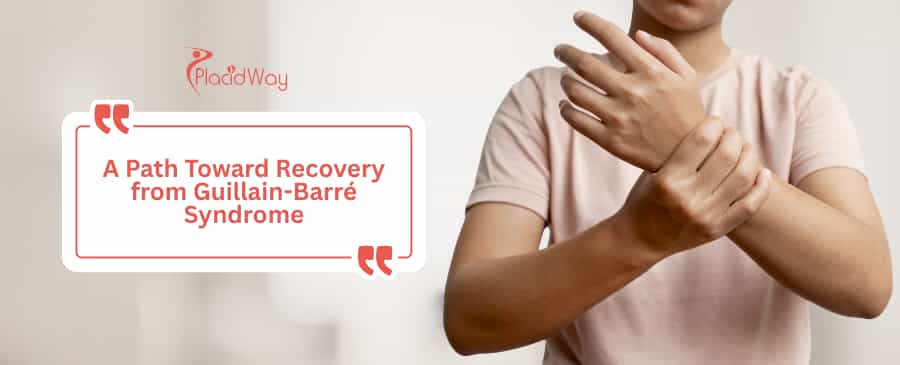
Hearing that you or a loved one has been diagnosed with a rare neurological condition can be an incredibly terrifying experience. Guillain-Barre Syndrome (GBS) often strikes without warning, turning life upside down in a matter of days. In simple terms, GBS is a temporary but serious autoimmune disorder where the body's immune system mistakenly attacks its own peripheral nerves. This leads to profound muscle weakness, tingling, and in severe cases, temporary paralysis.
The good news? Most people recover fully. To answer the main question simply: Guillain-Barre Syndrome is a treatable condition, and with immediate blood-filtering therapies followed by extensive physical therapy, patients can regain their strength and independence.
However, the road to recovery is often long and incredibly expensive. The cost of hospital stays, intravenous treatments, and months of specialized neuro-rehabilitation can drain finances, especially in countries like the US or the UK. This is where the growing field of medical tourism steps in. Thousands of families are now looking abroad for affordable Guillain-Barre Syndrome treatment. By traveling to world-class international hospitals, patients can access elite neurologists, cutting-edge robotic rehabilitation therapies, and highly trained physical therapists at a fraction of the cost, making the journey to recovery both physically and financially manageable.
What is Guillain-Barre Syndrome and what causes it?
"Guillain-Barre Syndrome is primarily caused by a confused immune response triggered by an infection," explain top global neurologists. Normally, your immune system acts as a highly trained military, defending your body against invading viruses and bacteria. However, in GBS, this system experiences a case of "friendly fire." It begins to attack the myelin sheath—the protective insulation wrapping around your nerves.
Think of your nerves as electrical wires that carry messages from your brain to your muscles. When the insulation is damaged, the electrical signals short-circuit or slow down drastically. Your brain tells your legs to move, but the message never arrives.
While the exact reason why this happens remains a medical mystery, doctors know what triggers it. In about two-thirds of cases, GBS occurs days or weeks after an illness. Common triggers include:
- Campylobacter jejuni (a common bacteria causing food poisoning).
- The influenza (flu) virus or Epstein-Barr virus.
- Zika virus or Cytomegalovirus.
- In very rare instances, minor surgeries or vaccinations.
What are the early signs and symptoms of Guillain-Barre Syndrome?
"The hallmark symptom of Guillain-Barre Syndrome is ascending weakness," which means it typically starts in the lower extremities and moves its way up the body. Recognizing these signs early is critical because the condition can escalate from mild tingling to severe paralysis within a matter of hours or days.
Patients often describe the very first sign as a strange, unexplainable tingling or "pins and needles" feeling in their toes, feet, or ankles. Shortly after, they may find it difficult to walk steadily or climb stairs because their legs feel incredibly heavy and weak. As the syndrome progresses upward, patients experience a variety of alarming symptoms:
- Severe, aching, cramp-like pain that worsens at night.
- Difficulty with eye movements, facial movements, speaking, chewing, or swallowing.
- Rapid heart rate and dangerous fluctuations in blood pressure.
- Difficulty breathing (if the weakness reaches the respiratory muscles).
Because respiratory failure can happen quickly, anyone experiencing these spreading symptoms must seek emergency medical care immediately. Do not wait for a scheduled doctor's appointment.
How is Guillain-Barre Syndrome diagnosed?
"Diagnosing Guillain-Barre Syndrome requires a specialist's careful evaluation," because its early symptoms can mimic other neurological disorders, such as botulism, heavy metal poisoning, or spinal cord compression. A neurologist will first check your reflexes; a notable lack of deep tendon reflexes (like the knee-jerk reaction) is a strong indicator of GBS.
To confirm the diagnosis definitively, doctors rely on two main medical tests. The first is a Lumbar Puncture, commonly known as a spinal tap. A doctor will carefully insert a needle into the lower back to withdraw a small amount of cerebrospinal fluid. In patients with GBS, this fluid typically contains higher-than-normal levels of protein, but without an elevated white blood cell count.
The second vital diagnostic tool is an Electromyography (EMG) and Nerve Conduction Study. During this test, tiny electrodes are taped to the skin above the nerves. Small electrical shocks are sent through the nerves to measure how fast and how well they carry signals. In GBS patients, these signals are remarkably sluggish, proving that the myelin sheath has been damaged.
What are the types of treatments available for Guillain-Barre Syndrome?
"There is no known cure for GBS, but specific procedures significantly speed up recovery and reduce the severity of the illness." Because the immune system is actively attacking the nerves, the immediate medical goal is to stop this autoimmune attack. There are two main types of procedures used worldwide to treat GBS in its acute phase:
1. Plasma Exchange (Plasmapheresis): You can think of this procedure like an oil change for your body. The patient's blood is routed into a machine that separates the red and white blood cells from the liquid portion of the blood, called plasma. Because the harmful antibodies attacking the nerves are floating in the plasma, discarding this plasma and returning the healthy blood cells back into the body forces the body to generate new, healthy plasma. This quickly halts the attack.
2. Intravenous Immunoglobulin (IVIG): This is often the preferred treatment because it is easier to administer. IVIG involves injecting the patient with healthy antibodies collected from thousands of blood donors. These healthy antibodies essentially overwhelm and distract the patient's damaging antibodies, stopping them from attacking the nerves.
Once the patient is stabilized, the second, and arguably longest, phase of treatment begins: Neuro-Rehabilitation. This involves intense physical therapy, speech therapy, and occupational therapy. Recovering patients must literally retrain their muscles how to move, which makes high-quality rehab centers absolutely crucial.
Why do patients travel abroad for Guillain-Barre Syndrome treatment?
"Medical tourism offers a lifeline for patients overwhelmed by the financial and logistical burdens of GBS recovery." In countries like the United States, a single course of IVIG therapy can cost tens of thousands of dollars, and that does not include the lengthy hospital stay or the months of physical therapy that follow. For underinsured patients, this financial strain is devastating.
Conversely, patients in countries with public healthcare systems, like Canada or the UK, may face frustratingly long wait times to get into specialized neuro-rehabilitation facilities. In GBS recovery, timing is everything. Delaying intensive physical therapy can result in long-term muscle atrophy and prolonged disability.
By traveling abroad, patients bypass these hurdles completely. International clinics in medical tourism hubs operate like well-oiled machines, providing immediate access to multidisciplinary teams of neurologists, physical therapists, and dietitians. Furthermore, many overseas clinics invest heavily in cutting-edge technology, such as exoskeleton suits and robotic gait training, which might not be accessible or affordable in a patient's home country.
What is the cost of Guillain-Barre Syndrome treatment worldwide?
"Comparing the global costs of GBS therapies reveals why medical tourism is rapidly expanding." The total cost of GBS care heavily depends on the severity of the case, the amount of IVIG required, and the length of the rehabilitation stay. However, the international price disparities are staggering.
Below is a comparative estimate of GBS treatment—including a typical 5-day course of IVIG and one month of in-patient intensive neuro-rehabilitation—across popular medical tourism destinations versus the US and UK.
| Country | Estimated Cost (IVIG + 1 Month Rehab) | Quality of Care & Facilities |
|---|---|---|
| United States | $80,000 - $150,000+ | Excellent, but exceptionally expensive |
| United Kingdom | $50,000 - $80,000 (Private) | High quality, long waitlists in public sector |
| Mexico | $25,000 - $45,000 | High-tech US border clinics, JCI accredited |
| Turkey | $18,000 - $35,000 | World-class robotic rehab, luxury amenities |
| India | $12,000 - $25,000 | Highly skilled neurologists, very cost-effective |
| Thailand | $20,000 - $40,000 | Premium hospitality, specialized holistic rehab |
Note: Costs are estimates and vary based on patient condition, specific hospital rates, and currency fluctuations.
Which countries are best for Guillain-Barre Syndrome rehabilitation?
"Choosing the right destination for neuro-rehabilitation is key to a successful recovery." When researching medical tourism for Guillain-Barre Syndrome, patients must look for destinations that combine neurological expertise with state-of-the-art physical therapy centers.
Turkey has rapidly become a global leader in medical tourism. Cities like Istanbul house JCI-accredited mega-hospitals with dedicated neuro-rehabilitation wings. They utilize robotic therapies, hydrotherapy, and virtual reality to speed up muscle recovery, all while offering five-star accommodations for patients and their families.
Mexico is highly favored by North American patients. Cities just over the US border or resort destinations like Cancun offer top-tier medical care without the need for a grueling long-haul flight. Meanwhile, India is unparalleled for complex medical care at the lowest possible cost, boasting neurologists with extensive global training. Thailand blends excellent medical infrastructure with a deeply compassionate culture of care, making the arduous process of rehabilitation much more pleasant.
Is it safe to travel with or after Guillain-Barre Syndrome?
"Safety during travel depends entirely on which phase of Guillain-Barre Syndrome the patient is in." It is vital to understand that during the acute phase of GBS—when symptoms are rapidly spreading and the risk of respiratory failure is high—traveling on a commercial airplane is highly dangerous. If a patient must be moved during this phase, it requires a fully equipped air ambulance.
However, the medical tourism journey for GBS usually begins after the patient has stabilized. Once the disease has plateaued and the patient's breathing and heart rate are secure, traveling for long-term rehabilitation becomes a viable and safe option.
For patients with lingering mobility issues, medical tourism facilitators arrange specialized travel logistics. This can include wheelchair-accessible transport, fast-tracking through airport security, and arranging a medical escort (a nurse or doctor) to accompany the patient on the flight to monitor their vitals and ensure they are comfortable and safe from complications like Deep Vein Thrombosis (DVT).
How long should I stay abroad for GBS treatment and physical therapy?
"Recovery from nerve damage cannot be rushed, requiring patients to plan for an extended stay abroad." Unlike a simple dental procedure or cosmetic surgery where you might return home in a week, Guillain-Barre Syndrome requires a significant time commitment to see real results.
If a patient is traveling specifically to receive affordable IVIG or Plasmapheresis, the acute hospital stay might only be 1 to 2 weeks. However, the real work happens in the rehabilitation clinic. Medical tourists usually commit to a 1 to 3-month residential rehab program. During this time, they engage in 3 to 5 hours of intensive, multidisciplinary therapy every single day.
Staying at an international facility allows patients to focus 100% of their energy on healing. Without the distractions of home life, and with round-the-clock access to medical professionals and specialized equipment, patients often experience faster functional recovery during these extended stays.
Will my local doctor coordinate with clinics abroad for GBS care?
"Continuity of care is the backbone of safe and effective medical tourism." One of the biggest fears patients have when traveling for healthcare is returning home and feeling abandoned by the medical system. Fortunately, modern international hospitals are heavily integrated into the global healthcare network.
Before you ever book a flight, your chosen clinic abroad will request your medical records, EMG results, and lumbar puncture reports. Their lead neurologists will review these documents and arrange a video consultation with you and, if willing, your local neurologist. This ensures the overseas team knows exactly what they are dealing with.
Upon completing your rehabilitation abroad, the international clinic provides comprehensive discharge summaries, translated into English. These detailed reports explain precisely what therapies were administered, your progress metrics, and instructions for your local physical therapist to continue your care smoothly.
How long does it take to recover from Guillain-Barre Syndrome?
"The timeline for GBS recovery requires immense patience, as nerves heal at a very slow pace." Nerves generally regenerate at a rate of about 1 millimeter per day, or 1 inch per month. Because of this biological speed limit, bouncing back from GBS is a marathon, not a sprint.
The condition usually follows a distinct timeline. The initial progressive phase lasts 1 to 4 weeks, where symptoms worsen. This is followed by a plateau phase, lasting days or weeks, where symptoms remain stable. Finally, the recovery phase begins.
For most patients, significant improvements are seen within the first few months of intensive rehabilitation. Statistics offer great hope: approximately 80% of adults diagnosed with GBS will be walking independently at the 6-month mark. However, some patients may experience lingering fatigue, numbness, or minor weakness for years, highlighting why a robust, high-quality initial rehab phase is so critical to long-term success.
Who is eligible for advanced GBS therapies like Plasmapheresis abroad?
"Eligibility for medical tourism hinges on the patient's immediate medical stability and clearance to travel safely." Because Guillain-Barre Syndrome can cause life-threatening respiratory failure, medical tourism is generally not suitable for a patient who was diagnosed yesterday and is currently struggling to breathe.
However, a patient becomes highly eligible for international care once they are breathing independently, have stable blood pressure, and are cleared by their local doctor to travel. Often, patients from developing nations or those without insurance travel via specialized transport to nearby medical hubs specifically to receive affordable IVIG or Plasma Exchange.
The most common and ideal candidates for international GBS programs are patients who have survived the acute hospital phase and are now staring down a 6-month waitlist for physical therapy in their home country. By choosing to travel, they take control of their healing timeline, gaining immediate access to the intensive neuro-rehabilitation needed to reclaim their lives.
Take the Next Step with PlacidWay
Ready to take control of your Guillain-Barre Syndrome recovery with affordable, world-class care? Your journey to regaining your strength and independence is just a click away. Explore top-rated international neurology and rehabilitation clinics, compare prices, and get a free, personalized quote for your treatment with PlacidWay. Let us help you plan a seamless, safe, and healing medical travel experience. Start your path to recovery today!
Alternative Chronic Health Therapies | Best Medical Centers Abroad













Share this listing