
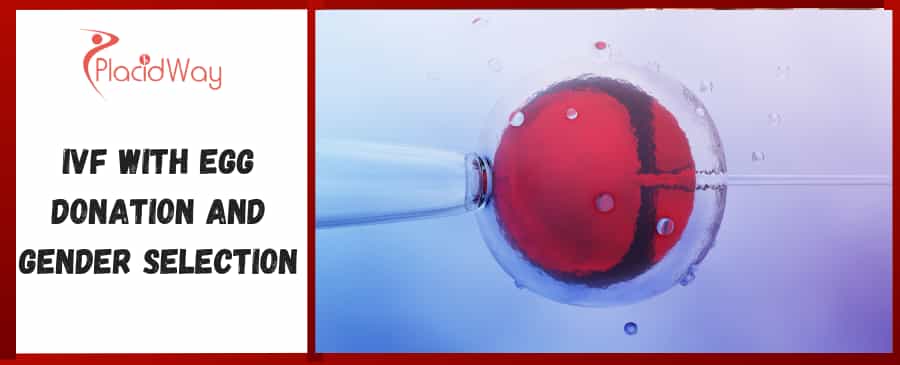
Building Your Family: IVF with Egg Donation and Gender Selection Abroad
The journey to parenthood can sometimes present unexpected challenges. For many couples and individuals, the dream of having a child is deeply held, but infertility, genetic concerns, or the desire for family balancing can make this path complex. If you've been searching for advanced fertility solutions, perhaps you've come across terms like "IVF with donor eggs," "gender selection abroad," or "family balancing options." You're not alone.
IVF with egg donation and gender selection is a highly specialized and effective fertility treatment offering hope to those who might have exhausted other options. This powerful combination allows prospective parents to overcome barriers such as advanced maternal age, diminished ovarian reserve, or the risk of passing on genetic disorders. Furthermore, the inclusion of gender selection—often for family balancing purposes—provides an additional layer of choice for many.
While this life-changing procedure is available in many countries, a growing number of patients are looking beyond their borders. "Fertility tourism" for IVF with egg donation and gender selection is becoming increasingly popular, driven by factors like significantly lower costs, shorter waiting times, access to advanced technologies, and more liberal regulations in certain countries. This guide aims to demystify the process, explain who can benefit, what to expect, and why exploring international options through platforms like PlacidWay could be your ideal path to welcoming a new addition to your family.
Who Can Benefit from IVF with Egg Donation and Gender Selection?
This advanced fertility treatment is designed for a specific group of individuals and couples who face particular challenges on their path to parenthood. Understanding if you fall into this category is the first step in exploring this option. You might be considering IVF with egg donation and gender selection if you:
- Are of Advanced Maternal Age: Women typically over 40 may experience a decline in egg quality and quantity, making conception with their own eggs difficult. Donor eggs offer a significantly higher chance of success.
- Have Premature Ovarian Failure (POF) or Diminished Ovarian Reserve (DOR): Conditions where the ovaries stop functioning normally before age 40, or have a reduced number of viable eggs.
- Have Experienced Repeated IVF Failures: If multiple cycles of IVF using your own eggs have been unsuccessful, donor eggs can provide a new avenue for success.
- Carry Genetic Conditions: To avoid passing on serious inheritable diseases to your child, donor eggs from a screened donor can be a viable solution. Gender selection, through PGT-M (preimplantation genetic testing for monogenic/single gene defects), can also screen for sex-linked genetic conditions.
- Are Single Parents by Choice or Same-Sex Couples: Those who need both egg donation and sperm (either donor or partner) to form an embryo.
- Desire Family Balancing: For families who already have children of one gender and wish to have a child of the opposite gender for personal reasons, gender selection is an option.
- Have Other Unexplained Infertility Factors: When the cause of infertility remains unknown after extensive testing, donor eggs can sometimes overcome underlying issues not fully identified.
- Advanced Maternal Age: As women age, particularly after 35, the quality and quantity of their eggs decline. This can lead to difficulties in conception, increased risk of miscarriage, and chromosomal abnormalities in embryos.
- Premature Ovarian Insufficiency (POI) / Premature Ovarian Failure (POF): A condition where a woman's ovaries stop working normally before the age of 40, ceasing egg production and hormone release.
- Genetic Disorders: If a woman carries a genetic disorder that she wishes to avoid passing on to her child, using donor eggs from a screened donor can mitigate this risk.
- Ovarian Damage: Past surgeries, chemotherapy, or radiation can damage the ovaries, impairing their ability to produce viable eggs.
- Poor Egg Quality: Even if a woman produces eggs, their quality might be insufficient for successful fertilization, embryo development, or implantation.
- Recurrent IVF Failure: For women who have undergone multiple IVF cycles with their own eggs without success, poor egg quality is often a contributing factor.
- Absence of Ovaries: Due to congenital conditions or surgical removal (oophorectomy).
- Donor Selection & Screening: The first critical step is choosing an egg donor. Clinics maintain extensive databases of screened donors, often including detailed profiles about their physical characteristics, medical history, education, and family background. Donors undergo rigorous medical and psychological evaluations to ensure their health and suitability.
- Egg Retrieval: Once a donor is selected and prepared through hormonal stimulation, her eggs are retrieved in a minor surgical procedure, typically under sedation.
- Fertilization (IVF): The retrieved donor eggs are then fertilized in the laboratory with sperm from the intended father or a sperm donor. This usually involves Intracytoplasmic Sperm Injection (ICSI), where a single sperm is injected into each egg to maximize fertilization rates.
- Embryo Development: The fertilized eggs (now embryos) are cultured in the lab for 3-5 days, allowing them to develop into blastocysts.
- Preimplantation Genetic Testing (PGT) - Gender Selection: At the blastocyst stage, a few cells are carefully biopsied from each embryo. This biopsy is sent for genetic analysis (PGT-A, formerly PGS). PGT-A screens embryos for chromosomal abnormalities (e.g., Down syndrome) and also accurately determines the gender of each embryo.
- Embryo Selection & Transfer: Based on the PGT results, the healthiest embryo(s) of the desired gender are selected for transfer. The recipient mother's (or gestational carrier's) uterus is prepared with hormones, and the chosen embryo(s) are gently transferred into the uterus in a simple, outpatient procedure.
- Pregnancy Test: Approximately 9-14 days after the embryo transfer, a blood test confirms pregnancy.
- Preimplantation Genetic Testing for Aneuploidy (PGT-A): This is the most common and accurate method for gender selection. During an IVF cycle, after embryos have developed for several days, a small biopsy is taken from each embryo. This biopsy is then analyzed to count the number of chromosomes. Healthy embryos have 46 chromosomes (23 pairs), including the sex chromosomes (XX for female, XY for male). PGT-A not only identifies chromosomally normal embryos, increasing implantation rates and reducing miscarriage risk, but also precisely determines the embryo's sex. This allows clinicians to transfer an embryo of the desired gender.
- Preimplantation Genetic Testing for Monogenic/Single Gene Defects (PGT-M): While primarily used to screen for specific genetic diseases (like cystic fibrosis or Huntington's disease), if a genetic condition is sex-linked, PGT-M can indirectly lead to sex selection by identifying embryos free of the disease, which might correlate with a specific gender. However, it's not a direct method for elective gender selection for family balancing.
- Preimplantation Genetic Testing for Chromosomal Structural Rearrangements (PGT-SR): Used when one parent carries a chromosomal rearrangement, such as a translocation, to identify embryos that have the correct amount of chromosomal material. This is not for elective gender selection.
- Medical Necessity: Primarily, if you face medical challenges such as advanced maternal age, ovarian failure, or poor egg quality that prevent successful conception with your own eggs, donor egg IVF becomes a medically sound choice.
- Genetic Risk Mitigation: If there's a significant risk of passing on a severe genetic disorder, using donor eggs (and potentially PGT-M) provides a pathway to a healthy child, free from that specific genetic burden.
- Family Balancing: For families who already have children and wish to have a child of a specific gender to complete their family, gender selection via PGT-A offers a highly accurate method. Ethical considerations around elective gender selection vary by country and personal belief, but medically, PGT-A is very effective.
- Emotional & Financial Readiness: This treatment is a significant emotional and financial investment. It's crucial to be emotionally prepared for the process, including potential outcomes, and have a clear understanding of the costs involved.
- Legal & Ethical Compliance: Ensure you are comfortable with the legal and ethical framework of the country where you pursue treatment, especially regarding donor anonymity and gender selection policies.
- Immediately After Embryo Transfer: You'll typically rest for a short period (15-30 minutes) at the clinic. Some clinics recommend light activity for the rest of the day, while others suggest bed rest. Your doctor will provide specific instructions.
- Physical Sensations: You might experience mild cramping, bloating, or light spotting (implantation bleeding) in the days following the transfer. This is usually normal and a sign of the uterus adjusting or implantation occurring.
- Activity Restrictions: Most doctors advise avoiding strenuous exercise, heavy lifting, baths (showers are fine), and sexual intercourse for a week or two after the transfer to minimize uterine contractions and reduce infection risk.
- Medication: You will likely continue progesterone support (and possibly estrogen) for several weeks to support the uterine lining and early pregnancy.
- The "Two-Week Wait": This is arguably the most challenging part – the emotional waiting period between embryo transfer and the pregnancy test. It's a time of anxiety and anticipation. It's crucial to practice self-care, avoid stress, and engage in relaxing activities.
- Pregnancy Test: Approximately 9-14 days after transfer, a blood test (beta-hCG) will confirm if you are pregnant. If positive, you will continue medication and be monitored by your local OB/GYN or fertility specialist.
- Ovarian Hyperstimulation Syndrome (OHSS): Although rare with modern protocols, this can occur when the ovaries overreact to fertility medications, leading to swelling, pain, and in severe cases, fluid buildup.
- Discomfort from Retrieval: Mild cramping, bloating, and soreness are common post-retrieval.
- Infection or Bleeding: Minimal risks associated with the egg retrieval procedure, as with any surgical intervention.
- Multiple Pregnancy: Transferring more than one embryo significantly increases the chance of twins or triplets, which carries higher risks for both mother and babies (preterm birth, low birth weight, complications). Most clinics now advocate for single embryo transfer to minimize this.
- Ectopic Pregnancy: Though rare, an embryo can implant outside the uterus, most commonly in the fallopian tube.
- Emotional Stress: The IVF journey, particularly with donor eggs and the two-week wait, can be emotionally taxing, involving anxiety, hope, and sometimes disappointment.
- Side Effects of Hormonal Medication: The recipient will take hormones to prepare her uterus, which can cause bloating, breast tenderness, and mood swings.
- Significant Cost Savings: As seen in the table above, the cost of IVF with egg donation and gender selection can be dramatically lower in popular medical tourism destinations. This makes treatment accessible to many who might otherwise be priced out in their home countries.
- Reduced Waiting Times: In some countries, particularly for donor eggs, waiting lists can be extensive. Abroad, you often find immediate availability of donors, allowing you to start treatment much sooner.
- Access to a Diverse Donor Pool: International clinics often have large and diverse egg donor databases, offering more choice in terms of ethnicity, characteristics, and background, which can be important for many intended parents.
- Advanced Technology and Expertise: Many international fertility clinics are at the forefront of reproductive technology, boasting state-of-the-art labs and highly experienced specialists who perform a high volume of complex procedures.
- Less Restrictive Regulations: Some countries have more permissive laws regarding donor anonymity, gender selection for family balancing, or the treatment of single individuals and same-sex couples, offering more options than their home countries.
- Privacy and Discretion: For some, undergoing such a personal journey away from home provides a greater sense of privacy and the opportunity to combine treatment with a restorative vacation.
- Spain: Renowned for its excellent medical standards, anonymous egg donation, and high success rates. Spain has robust regulations ensuring donor safety and comprehensive screening.
- Greece: A popular choice for its beautiful scenery, warm climate, and progressive fertility laws allowing for anonymous donation, single women, and same-sex couples. Costs are generally competitive.
- Mexico: Offers very attractive pricing, a large pool of diverse donors, and generally less restrictive laws. Many clinics cater specifically to North American patients.
- Czech Republic: Known for strict donor anonymity laws, high-quality care, and significantly lower costs compared to Western Europe and North America.
- Cyprus (North & South): Both sides of the island are popular for fertility treatments. North Cyprus often offers slightly lower costs and more flexible regulations regarding donor characteristics and gender selection, while South Cyprus adheres to EU standards.
- Thailand: A growing hub for medical tourism, offering advanced fertility treatments, a diverse donor pool, and excellent patient care, often combined with a vacation experience.
- Clinic Accreditation & Reputation: Research clinics thoroughly. Look for international accreditations (e.g., JCI) and read patient reviews. PlacidWay can help connect you with reputable, vetted clinics.
- Doctor Qualifications & Experience: Ensure the fertility specialists have extensive experience with IVF, egg donation, and PGT. Inquire about their success rates.
- Legal Framework: Understand the local laws regarding donor anonymity, parental rights, and gender selection. These vary significantly by country.
- Donor Matching Process: Ask about the donor selection process, the information you'll receive about donors, and how matches are made to your preferences.
- Communication: Ensure there are clear communication channels, with staff fluent in your language or excellent translation services available.
- Travel Logistics: Plan flights, accommodation, local transportation, and visa requirements. Consider the duration of your stay and potential need for follow-up visits.
- Local Support: Explore if the clinic offers assistance with accommodation, airport transfers, or local guides.
- Medication Supply: Understand how you will obtain necessary medications, both locally and for continuation upon return home.
- Contingency Planning: Have a plan for unexpected situations, such as medical emergencies or travel delays.
- Emotional Support: Ensure you have a support system, whether it's your partner, family, or a therapist, to help navigate the emotional ups and downs.
- The quality of care: Many patients praise the personalized attention and compassionate approach received at international clinics, often feeling more supported than in their home countries.
- Cost-effectiveness: A recurring theme is the ability to access high-quality treatment at a fraction of the cost, making parenthood a financial reality.
- High success rates: Clinics abroad often report impressive success rates, particularly with donor egg IVF, due to stringent donor screening, advanced lab techniques, and experienced medical teams. While success rates depend on many factors unique to each patient, statistics for donor egg cycles are generally higher than cycles using a patient's own eggs.
- Efficiency and speed: Many patients appreciate the lack of waiting lists for donor eggs and the streamlined process that allows them to start treatment quickly.
- The holistic experience: Combining medical treatment with the opportunity to explore a new country, even for a short while, often contributes to a more positive and less stressful overall experience.
If any of these situations resonate with you, exploring IVF with egg donation and gender selection could be a hopeful next step.
What Are the Underlying Reasons for Considering Egg Donation and IVF?
The decision to pursue egg donation for IVF is often driven by medical circumstances related to a woman's reproductive health. These "causes" are not symptoms of the treatment itself, but rather the conditions that necessitate it. Patients often search for "why do I need donor eggs" or "causes of infertility requiring IVF."
These factors underscore the medical necessity that leads many to consider the compassionate option of egg donation to achieve their family-building goals.
How Does IVF with Egg Donation and Gender Selection Work?
This comprehensive process involves several distinct, yet interconnected, stages. It’s a sophisticated blend of medical science and meticulous planning. Patients often look for "IVF process explained" or "how does donor egg IVF work step by step."
This careful sequence of events ensures the highest possible chance of a healthy pregnancy with the desired outcomes.
What Are the Different Approaches to Gender Selection in IVF?
When patients inquire about "how to choose baby gender" or "sex selection methods IVF," they are typically referring to Preimplantation Genetic Testing (PGT). There are a few key types of PGT, but PGT-A is the one used for gender selection:
Sperm sorting (MicroSort®) is another technique that attempted to separate X and Y chromosome-carrying sperm, but it is less effective and not widely available or as accurate as PGT-A, especially in the context of IVF with egg donation.
Is IVF with Egg Donation and Gender Selection Right for Me?
Deciding on such a significant medical journey requires careful consideration. Patients often ask "am I a candidate for donor egg IVF" or "is gender selection ethical for me." Here's a deeper look into suitability:
A thorough consultation with a fertility specialist is essential to determine if this specific combination of treatments aligns with your medical profile, family goals, and personal values.
What is the Recovery Timeline and What Should I Expect Post-Procedure?
For the recipient mother, the recovery process post-embryo transfer is generally straightforward and involves minimal physical discomfort. Patients often search for "IVF recovery timeline" or "what to do after embryo transfer."
For the egg donor, recovery from egg retrieval is typically 1-2 days of mild discomfort (cramping, bloating) which can be managed with over-the-counter pain relievers. Full recovery usually occurs within a week.
Understanding the Risks and Potential Side Effects of IVF with Donor Eggs
While IVF with egg donation and gender selection is generally safe, it's a medical procedure with potential risks, both for the donor and the recipient. Patients commonly search for "IVF risks donor eggs" or "side effects of embryo transfer."
Risks for the Egg Donor:
Risks for the Recipient (Intended Mother):
Reputable clinics, especially those catering to international patients, conduct extensive screenings of both donors and recipients and adhere to strict safety protocols to minimize these risks.
How Much Does IVF with Egg Donation and Gender Selection Cost Worldwide?
One of the primary drivers for medical tourism in fertility treatments is the substantial cost difference. Patients often search for "IVF donor egg cost abroad" or "gender selection cost comparison." Here's a general overview, noting that prices can fluctuate based on specific clinic, included services, and donor type (anonymous vs. known, fresh vs. frozen eggs).
Estimated Cost Comparison Table (IVF with Egg Donation & Gender Selection - all-inclusive package)
| Country | Estimated Cost Range (USD) | Typical Inclusions |
|---|---|---|
| USA | $35,000 - $60,000+ | Donor compensation, IVF cycle, PGT-A for gender selection, medications (often extra). |
| Canada | $30,000 - $50,000+ | Similar to USA, less choice in donors due to stricter regulations. |
| Spain | $10,000 - $20,000 | Donor fees, IVF cycle, PGT-A, some medications, initial consultation. |
| Greece | $9,000 - $18,000 | Donor fees, IVF cycle, PGT-A, usually includes initial meds for recipient. |
| Mexico | $8,000 - $16,000 | Donor fees, IVF cycle, PGT-A, some medication, local coordination. |
| Czech Republic | $7,000 - $14,000 | Donor fees (anonymous), IVF cycle, PGT-A, initial meds. |
| Cyprus (North & South) | $6,000 - $12,000 | Donor fees, IVF cycle, PGT-A, may include accommodation packages. |
Note: These are estimated ranges and can vary. Always request a detailed quote from clinics, ensuring all aspects (medications, consultations, PGT-A, cryopreservation, follow-ups) are included. Travel and accommodation costs are separate.
Why Travel Abroad for IVF with Egg Donation and Gender Selection?
The decision to seek fertility treatment outside your home country, or "fertility tourism," is driven by a compelling set of advantages:
Considering these benefits, it's clear why so many choose to embark on their family-building journey internationally.
Which Countries Are Leading Destinations for Fertility Tourism?
When searching for "best countries for donor egg IVF" or "top fertility tourism destinations," certain countries consistently emerge due to their combination of quality, cost, and progressive legal frameworks:
Each destination has its unique strengths, and the "best" country depends on your individual needs, legal preferences, and budget.
What Should I Consider When Planning My Fertility Journey Abroad?
Embarking on an international medical journey requires thorough preparation. Patients often ask "how to plan IVF abroad" or "what to expect traveling for fertility treatment." Here are crucial aspects to consider:
Working with a medical tourism facilitator like PlacidWay can streamline many of these considerations, offering peace of mind and expert guidance.
Can I Hear from Others: Patient Stories and Success Rates Abroad?
Hearing from others who have walked a similar path can be incredibly reassuring and informative. Patients frequently search for "donor egg IVF success stories abroad" or "gender selection reviews international."
Reputable clinics often share patient testimonials, sometimes with detailed accounts and photos, highlighting the positive experiences of individuals and couples who traveled for IVF with egg donation and gender selection. These stories often emphasize:
When reviewing success rates, ensure they are clearly defined (e.g., per embryo transfer, per cycle started, live birth rates) and transparently reported, preferably with verification from independent bodies where applicable. PlacidWay can assist in providing access to verified patient reviews and success rate data from partner clinics.
Take the Next Step with PlacidWay
Ready to explore treatment options abroad? Discover top clinics, compare prices, and get a free quote tailored to your needs with PlacidWay.
Fertility Treatment Abroad, Best Fertility Clinics




.png)
.png)
.png)



-(1).png)

.png)
.png)








Share this listing