
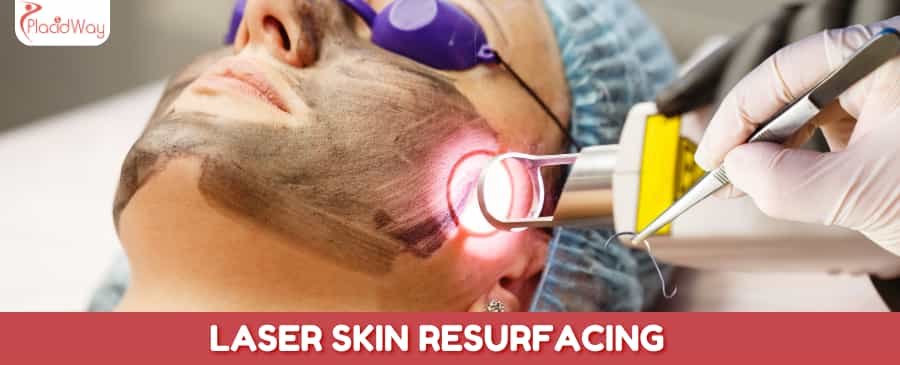
Unveil Smoother, Younger-Looking Skin: Your Guide to Laser Skin Resurfacing Abroad
Are you looking in the mirror and seeing signs of sun damage, stubborn wrinkles, or reminders of past acne in the form of scars? You're not alone. Many people worldwide are searching for effective solutions to revitalize their skin, aiming for a clearer, smoother, and more youthful complexion. One of the most powerful tools in aesthetic dermatology today is Laser Skin Resurfacing – a procedure renowned for its ability to dramatically transform skin texture and tone.
Often referred to as "laser facial rejuvenation" or "laser peel," this advanced treatment uses focused light beams to precisely remove damaged outer layers of skin, stimulating the growth of new collagen fibers. The result? A smoother, tighter, and more even skin surface. Whether you're troubled by fine lines, deeper wrinkles, age spots, sun damage, or the pitting left by acne scars, laser skin resurfacing offers a path to significant improvement.
For those considering "wrinkle removal laser" or "acne scar laser treatment," understanding the options, recovery, and potential costs is key. The good news is that high-quality, advanced laser treatments are not only available in your home country but are also increasingly sought after through medical tourism. Patients are discovering exceptional care and value abroad, combining their journey to revitalized skin with the experience of international travel. This guide will walk you through everything you need to know about laser skin resurfacing, from what it treats to what to expect when seeking this transformative procedure globally.
What skin concerns can Laser Skin Resurfacing address?
Laser skin resurfacing is a versatile treatment capable of addressing a wide array of dermatological and cosmetic concerns. Patients often seek this procedure when they notice:
- Fine Lines and Wrinkles: Particularly around the eyes, mouth, and forehead, which are tell-tale signs of aging.
- Sun Damage: Including "age spots," sun spots, freckles, and general uneven pigmentation or dullness caused by prolonged UV exposure.
- Acne Scars: Especially pitted or "ice pick" scars, boxcar scars, and rolling scars, which can be significantly smoothed.
- Uneven Skin Tone and Texture: Improving overall skin clarity, reducing redness, and making the skin feel softer and look more uniform.
- Enlarged Oil Glands (Sebaceous Hyperplasia): Certain lasers can help reduce their appearance.
- Warts or Birthmarks: In some cases, specific types of lasers can be used.
What causes skin damage that leads to needing Resurfacing?
Our skin is constantly exposed to various elements that can contribute to its deterioration over time. Understanding these causes helps in prevention and treatment planning:
- Sun Exposure (Photoaging): This is the number one culprit. UV radiation breaks down collagen and elastin, leading to wrinkles, fine lines, dark spots, and a leathery texture. Years of unprotected sun exposure accumulate damage.
- Aging: As we age, our bodies naturally produce less collagen and elastin, the proteins responsible for skin's firmness and elasticity. Skin also becomes thinner and loses its natural plumpness.
- Acne: Severe or recurrent acne can lead to inflammation that damages skin tissue, resulting in various types of scars (atrophic, hypertrophic).
- Genetics: Your genetic predisposition can influence how quickly your skin shows signs of aging or how it reacts to sun exposure.
- Lifestyle Factors:
- Smoking: Nicotine constricts blood vessels, reducing blood flow and oxygen to the skin, accelerating aging and impairing healing.
- Poor Nutrition: A diet lacking essential vitamins and antioxidants can affect skin health.
- Environmental Pollutants: Exposure to toxins can generate free radicals that damage skin cells.
What are the different types of Laser Skin Resurfacing available?
Laser resurfacing technologies have advanced significantly, offering various options tailored to different skin concerns and desired downtime. The two main categories are:
- Ablative Lasers:
- How they work: These lasers remove the outermost layers of damaged skin, much like peeling off a thin layer. They also heat the underlying skin, stimulating collagen production.
- Types:
- CO2 Laser: Considered the gold standard for treating deep wrinkles, severe sun damage, and significant acne scars. It delivers very dramatic results but comes with longer downtime (2-4 weeks or more) and more significant post-procedure redness.
- Erbium (Er:YAG) Laser: A gentler ablative option than CO2, excellent for fine lines, superficial wrinkles, mild scarring, and overall skin texture. It has a shorter recovery period (1-2 weeks) and less intense side effects compared to CO2.
- Key Features: Best for more pronounced concerns, significant results in fewer sessions, longer recovery.
- Non-Ablative Lasers:
- How they work: These lasers work by heating the underlying skin tissue without removing the outer layer. This stimulates collagen production over time, resulting in gradual improvements.
- Types:
- Fractional Non-Ablative Lasers: These deliver microscopic laser columns to the skin, treating only a fraction of the skin at a time. This allows for faster healing as surrounding healthy tissue remains intact. Examples include Fraxel.
- Pulsed-Dye Lasers (PDL): Specifically target blood vessels and pigment, ideal for redness, rosacea, spider veins, and some pigmented lesions.
- Key Features: Less downtime ("lunchtime procedures"), more gradual results, often require multiple sessions, suitable for milder concerns.
When searching for "ablative vs non-ablative laser," consider the severity of your concerns and how much downtime you can commit to. Your doctor will help determine the best type for your skin.
Am I a good candidate for Laser Skin Resurfacing?
Determining "who can get laser resurfacing" is crucial for safety and optimal results. Ideal candidates typically share these characteristics:
- Good General Health: Free from active infections or serious medical conditions that could impair healing.
- Realistic Expectations: Understanding that while results can be dramatic, they are not always perfect, and maintenance may be required.
- Specific Skin Concerns: Looking to improve wrinkles, fine lines, acne scars, sun damage, or uneven skin tone/texture.
- Lighter Skin Tones (for some lasers): Individuals with fair to medium skin tones often achieve the best results with ablative lasers. Darker skin tones (Fitzpatrick IV-VI) are at higher risk of post-inflammatory hyperpigmentation (darkening of the skin) or hypopigmentation (lightening of the skin) with ablative lasers, making non-ablative or fractional non-ablative options often safer and more effective for them.
- Non-Smoker: Or willing to quit before and after the procedure, as smoking impairs healing.
Contraindications or reasons you might not be a candidate include:
- Active acne or breakouts.
- Having taken isotretinoin (Accutane) within the last 6-12 months.
- Certain autoimmune diseases or a compromised immune system.
- Tendency to form keloid scars.
- Pregnancy or breastfeeding.
- Unrealistic expectations.
What is the typical recovery time and what can I expect?
The "laser resurfacing downtime" varies significantly based on the type of laser used and the intensity of the treatment. Here's a general overview:
- Ablative Laser Resurfacing (CO2, Erbium):
- Initial Phase (Day 1-7): Expect significant redness, swelling, oozing, and crusting. Your skin will feel like a severe sunburn. You'll need to keep the treated area moist with ointments.
- Healing Phase (Week 2-4): The crusting will subside, and new skin will emerge, looking very pink or red. Swelling will decrease. You can start applying makeup around week 2-3 to camouflage the redness.
- Longer Term (Months): Redness can persist for several weeks or even months but will gradually fade. Full results emerge as collagen continues to remodel.
- Downtime: Expect to take 1-2 weeks off work and social activities.
- Non-Ablative & Fractional Non-Ablative Laser Resurfacing:
- Initial Phase (Day 1-3): Mild to moderate redness, swelling, and a sensation similar to sunburn. Your skin might feel rough, like sandpaper, as microscopic crusts form and shed.
- Healing Phase (Day 4-7): Redness and swelling subside. Flaking or peeling might occur as the treated skin sheds.
- Downtime: Most people can return to normal activities within 1-3 days, though minor redness might persist for a week.
Regardless of the laser type, "post-laser skin care" is paramount. This includes strict sun protection, gentle cleansing, moisturizing, and avoiding harsh products. Following your doctor's specific instructions will greatly influence your healing process and final outcome.
What are the potential risks and side effects of Laser Skin Resurfacing?
While generally safe when performed by experienced professionals, laser skin resurfacing, like any medical procedure, carries potential risks and side effects:
- Common Side Effects (Temporary):
- Redness (Erythema): Persistent redness is normal and can last for weeks or months, especially with ablative lasers.
- Swelling (Edema): Especially around the eyes, which typically subsides within a few days to a week.
- Itching or Stinging: Can occur during the healing process.
- Acne Flares (Milia): Tiny white bumps may appear temporarily.
- Less Common / More Serious Risks:
- Infection: Bacterial, viral (e.g., herpes simplex flare-up), or fungal infections are possible, especially if proper post-care isn't followed.
- Changes in Skin Pigmentation:
- Hyperpigmentation: Darkening of the skin, more common in individuals with darker skin tones, often triggered by sun exposure after treatment.
- Hypopigmentation: Lightening of the skin, which can be permanent, though rare.
- Scarring: Although rare, abnormal scarring can occur, especially if the treated area is picked or improperly cared for.
- Ectropion: Rarely, especially with aggressive lower eyelid treatment, the eyelid can turn outwards.
Choosing a highly qualified and experienced provider significantly minimizes these risks. They will conduct a thorough assessment and ensure you understand all potential outcomes.
How much does Laser Skin Resurfacing cost worldwide?
The "cost of CO2 laser resurfacing" or other laser treatments is a major factor for many patients. Prices can fluctuate widely based on geographic location, the type of laser used, the size of the treated area, the number of sessions required, and the experience of the practitioner.
Worldwide Laser Skin Resurfacing Cost Comparison (Estimated Ranges in USD)
| Country | Non-Ablative (e.g., Fractional) per session | Ablative (e.g., CO2, Erbium) Full Face |
|---|---|---|
| United States | $600 - $1,500 | $2,500 - $5,000+ |
| United Kingdom | $500 - $1,200 | $2,000 - $4,500+ |
| Canada | $550 - $1,300 | $2,200 - $4,800+ |
| Mexico | $300 - $800 | $1,000 - $2,500 |
| Turkey | $250 - $700 | $800 - $2,200 |
| Thailand | $200 - $650 | $700 - $2,000 |
| India | $150 - $500 | $600 - $1,800 |
These figures are estimates and can vary. The lower costs abroad make "affordable laser treatment" a reality for many, often without compromising on quality.
Why consider Laser Skin Resurfacing abroad?
Medical tourism for aesthetic procedures like laser skin resurfacing has become a popular option for several compelling reasons:
- Significant Cost Savings: As seen in the table above, the primary driver is often the substantial reduction in price compared to Western countries, making treatments more accessible.
- Access to Advanced Technology and Expertise: Many international clinics invest heavily in cutting-edge laser technologies and boast highly skilled, internationally trained specialists.
- Shorter Wait Times: In some countries, wait times for cosmetic procedures can be long. Abroad, you can often schedule your treatment much sooner.
- Privacy and Anonymity: Some prefer to recover away from their usual social circles.
- Combine Treatment with a Vacation: The opportunity to recover in a serene, beautiful environment and explore a new culture is a significant draw.
- High Standards of Care: Many medical tourism destinations have internationally accredited hospitals and clinics that adhere to rigorous quality and safety standards.
Which countries offer the best value for Laser Skin Resurfacing?
When seeking high-quality, cost-effective laser skin resurfacing, several countries consistently stand out:
- Turkey: Known for its modern clinics, European-trained doctors, and competitive pricing. Istanbul, in particular, is a hub for medical aesthetics.
- Mexico: Especially popular for North American patients due to its proximity. Cities like Tijuana, Cancun, and Guadalajara offer high-quality care at a fraction of US prices.
- Thailand: A long-established medical tourism destination, offering excellent hospitality, highly skilled surgeons, and state-of-the-art facilities, especially in Bangkok.
- South Korea: Renowned as a global leader in aesthetic medicine and technology, offering advanced techniques and highly specialized clinics, particularly in Seoul.
- India: Provides highly affordable options with a strong medical infrastructure and experienced doctors, particularly in major cities.
These countries often have a strong infrastructure to support medical tourists, including English-speaking staff, international patient departments, and assistance with logistics.
What should I expect when traveling abroad for the procedure?
Undertaking a "medical tourism checklist" for laser skin resurfacing requires careful planning:
- Research and Consultation: Begin by researching reputable clinics and doctors. Most offer virtual consultations to discuss your needs, review your medical history, and provide a treatment plan and quote.
- Travel Arrangements: Book flights and accommodation. Consider booking a longer stay than just the procedure itself to allow for adequate initial recovery. Many clinics offer package deals that include accommodation and transport.
- Medical Travel Insurance: Ensure you have comprehensive medical travel insurance that covers potential complications related to your procedure.
- Communication: Confirm if the clinic provides translators if needed.
- Pre-Procedure: You'll have an in-person consultation and pre-op assessments upon arrival. Be honest about your medical history and expectations.
- The Procedure: The laser treatment itself usually takes 30 minutes to 2 hours, depending on the area and type of laser.
- Post-Procedure Recovery: This is critical. You'll likely need to stay in the vicinity of the clinic for at least 7-14 days (or longer for ablative lasers) for follow-up appointments and to ensure proper healing before flying home. Swelling and redness can make air travel uncomfortable, so plan accordingly.
- Aftercare Instructions: Get detailed written instructions for home care, including ointments, medications, and sun protection.
How can I ensure safety and quality when getting Laser Skin Resurfacing abroad?
Ensuring a safe and successful experience abroad involves due diligence:
- Accreditation: Look for clinics accredited by international bodies like the Joint Commission International (JCI). This signifies adherence to global standards of patient safety and quality of care.
- Surgeon Qualifications and Experience: Verify the doctor's credentials, board certifications, and specific experience with laser skin resurfacing. Ask to see before-and-after photos of their work.
- Technology: Ensure the clinic uses modern, well-maintained laser equipment.
- Patient Reviews and Testimonials: Read reviews on independent platforms and, if possible, connect with former patients.
- Transparent Communication: The clinic should provide a clear, detailed treatment plan, discuss all potential risks, and outline pricing with no hidden fees.
- Aftercare and Follow-up: Confirm what post-procedure support is offered, both while you're abroad and once you return home.
- Language Support: Ensure there are clear communication channels, including English-speaking staff or readily available translators.
What are patient success stories from abroad for Laser Skin Resurfacing?
Thousands of patients every year choose to undergo laser skin resurfacing abroad and return home with remarkable results and positive experiences. Their stories often highlight:
- Transformative Results: Patients frequently express delight at the significant reduction in deep wrinkles, fading of sunspots and hyperpigmentation, and the smoothing of pitted acne scars. Many describe feeling years younger and more confident.
- Exceptional Care: Testimonials often praise the personalized attention, advanced facilities, and the professionalism of the medical staff encountered in international clinics. The ability to consult directly with highly specialized doctors, sometimes with less bureaucracy than at home, is a recurring theme.
- Value for Money: The cost savings are a consistent highlight, allowing patients to access high-quality treatments that might have been financially out of reach in their home countries. Many feel they received premium care at an accessible price.
- Positive Travel Experience: The added benefit of exploring a new culture and recovering in a different environment often contributes to an overall positive and less stressful experience compared to staying home.
These success stories underscore the viability and growing popularity of medical tourism for procedures like laser skin resurfacing, empowering individuals to achieve their aesthetic goals efficiently and effectively.
Take the Next Step with PlacidWay
Ready to explore treatment options abroad? Discover top clinics, compare prices, and get a free quote tailored to your needs with PlacidWay.
Cosmetic Surgery Abroad, Plastic Surgery Abroad


-Package-in-Riyadh,-Saudi-Arabia-at-King-Faisal-Specialist-Hospital-Thumbnail.jpg)

.png)
.png)
.png)
.jpg)
.jpg)








Share this listing