
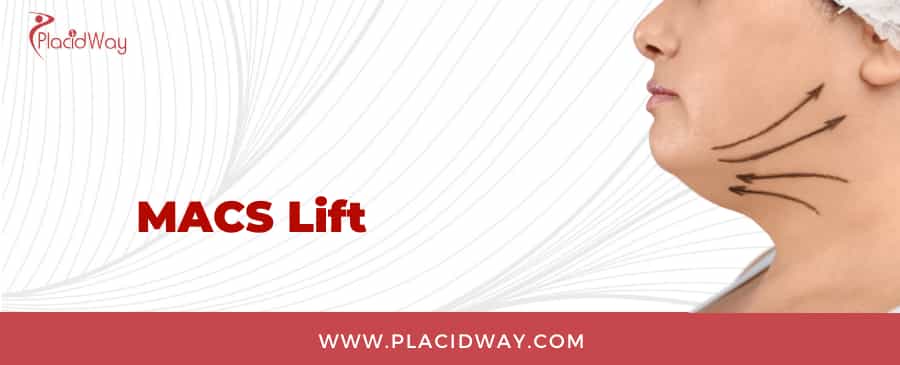
Rediscover Your Youthful Look: Exploring the MACS Lift Facelift
As we navigate life, our faces tell a story – a story often marked by laugh lines, sun exposure, and the gentle pull of gravity. For many, these signs of aging can feel like they're telling a different story than how they feel inside. If you're starting to notice a softening along your jawline, the emergence of jowls, or deepening folds around your mouth, but aren't ready for a full traditional facelift, you're not alone. Many people search for a "natural facelift" or "less invasive facelift options" that offer a refreshed appearance without extensive downtime or an "overdone" look.
This is where the MACS Lift (Minimal Access Cranial Suspension Lift) shines. It's a sophisticated, targeted procedure designed to lift and redefine the lower two-thirds of the face, restoring a more youthful and vibrant contour. Think of it as a subtle but significant "reset button" for your facial aesthetics. Unlike more extensive facelifts, the MACS Lift involves smaller incisions and a specific technique that focuses on vertical lifting, resulting in a very natural outcome with less bruising and a quicker return to your daily life.
For those exploring options for facial rejuvenation, particularly those interested in combining quality care with potential cost savings, considering a MACS Lift abroad has become an increasingly popular choice. Esteemed clinics around the world offer this advanced procedure, allowing you to not only invest in your appearance but also experience a new culture. This guide will delve deep into what a MACS Lift entails, who it's for, what to expect, and why it might be the ideal solution for your anti-aging journey, especially when looking at medical tourism options.
What are the tell-tale signs of facial aging that a MACS Lift can address?
Understanding the specific signs of aging that a MACS Lift can improve is key to determining if it's the right procedure for you. While aging is a natural process, certain changes can make us feel less confident. These include:
- Sagging Cheeks and Mid-Face: Over time, the fat pads in our cheeks descend, leading to a flattened or hollowed appearance in the mid-face and contributing to the overall impression of an aged face.
- Developing Jowls: This is one of the most common complaints. Jowls are the loose, sagging skin and fat that accumulate along the jawline, blurring the sharp definition that characterizes youth. Patients often search for "jowls treatment" or "jawline definition."
- Deepening Nasolabial Folds: These are the lines that run from the sides of the nose down to the corners of the mouth. While natural, they can become much more pronounced with age, creating a tired or stern expression.
- Loose Neck Skin (Mild to Moderate): While not a full neck lift, a MACS Lift can offer some improvement to the upper neck area by pulling skin upwards, though severe neck laxity may require a different approach.
- Marionette Lines: These lines extend downwards from the corners of the mouth, often giving a sad or downturned appearance.
If these descriptions resonate with your concerns, a MACS Lift could be an excellent solution for a refreshed, natural-looking improvement.
What causes facial sagging and wrinkles, leading to the need for a facelift?
The aging process is complex, and facial changes are a multifaceted result of several intertwined factors:
- Loss of Collagen and Elastin: These essential proteins provide structure and elasticity to our skin. As we age, their production slows down, leading to skin that is less firm and more prone to sagging and wrinkling. Think of collagen as the scaffolding and elastin as the springs – both weaken over time.
- Gravity: The constant downward pull of gravity takes its toll, particularly on facial tissues that have lost their youthful firmness.
- Sun Exposure: Ultraviolet (UV) radiation from the sun is a major culprit in premature aging, breaking down collagen and elastin fibers, leading to fine lines, wrinkles, and skin laxity.
- Genetics: Our genes play a significant role in how and when we age. Some individuals are genetically predisposed to showing signs of aging earlier or more prominently than others.
- Loss of Facial Volume: With age, we lose fat and bone density in the face, leading to a deflated or hollowed appearance that exacerbates sagging.
- Lifestyle Factors: Smoking, excessive alcohol consumption, poor nutrition, chronic stress, and lack of sleep can all accelerate the aging process, impacting skin health and elasticity.
- Repetitive Facial Expressions: While a sign of a life well-lived, repeated muscle movements (like smiling or frowning) eventually lead to etched lines and wrinkles.
While we can't stop time, understanding these causes helps us appreciate how a MACS Lift can effectively counteract the visible effects of aging by tightening underlying structures and repositioning tissues.
What exactly is a MACS Lift and how does it compare to a traditional facelift?
The MACS Lift, or Minimal Access Cranial Suspension Lift, is an advanced technique developed to offer significant rejuvenation with less invasiveness than a full facelift. Here’s a closer look:
The MACS Lift Technique:
The procedure typically involves a shorter incision, usually placed discreetly along the hairline just above the ear and extending down around the earlobe. Through this minimal access, the surgeon uses special sutures to lift and suspend the underlying facial tissues (SMAS layer) in a vertical direction. This vertical lift is crucial, as it directly counteracts the downward pull of gravity, providing a natural-looking elevation rather than a pulled-back appearance.
MACS Lift vs. Traditional Facelift:
| Feature | MACS Lift (Mini Facelift) | Traditional Facelift |
|---|---|---|
| Incision Length | Shorter, around the ear. | Longer, extending into the hairline and behind the ear. |
| Tissue Dissection | Minimal skin and tissue undermining. | More extensive skin and tissue undermining. |
| Lifting Direction | Primarily vertical. | Vertical and horizontal. |
| Target Areas | Mid-face, jowls, upper neck. | Mid-face, jowls, neck, and sometimes forehead. |
| Anesthesia | Often local with sedation. | Usually general anesthesia. |
| Recovery Time | Shorter (1-2 weeks). | Longer (2-4 weeks). |
| Ideal Candidate | Mild to moderate facial sagging. | Moderate to significant facial and neck sagging. |
The MACS Lift is an excellent option for those seeking a refreshed look without the extensive recovery associated with a full facelift, making it a popular choice for patients looking for a "mini facelift with natural results."
Am I a good candidate for a MACS Lift? Who is it best suited for?
Determining if a MACS Lift is right for you involves a thorough consultation with a qualified surgeon. However, general guidelines for an ideal candidate include:
- Age: Most candidates are between 40 and 65 years old. Younger patients might not have enough sagging to warrant surgery, while older patients with significant laxity might benefit more from a traditional facelift.
- Degree of Sagging: You should have mild to moderate sagging in the mid-face, jowls, and upper neck. If you have extensive loose skin or very deep neck bands, a MACS Lift may not provide sufficient correction.
- Skin Elasticity: Good skin elasticity is crucial for optimal results. It allows the skin to redrape smoothly over the newly tightened underlying structures.
- Overall Health: You should be in good general health, without any medical conditions that could impair healing or increase surgical risks. Smokers are typically advised to quit several weeks before surgery.
- Realistic Expectations: Understanding what the procedure can and cannot achieve is vital. A MACS Lift aims for a refreshed, natural look, not a drastic change.
- Non-Smoker: Smoking significantly compromises circulation and healing, increasing complications.
Ultimately, a personalized assessment by a board-certified plastic surgeon is the best way to confirm your eligibility and discuss the most suitable approach for your specific concerns and goals.
What should I expect during MACS Lift recovery and how long does it take?
One of the significant advantages of a MACS Lift over a traditional facelift is its shorter and generally more comfortable recovery period. Here’s a typical recovery timeline:
- Immediately After Surgery: You will likely have bandages and possibly drains (though less common with MACS Lift). Swelling, bruising, and some discomfort are normal. Pain medication will be prescribed.
- First Few Days (Day 1-3): Rest is paramount. Keep your head elevated to minimize swelling. You'll likely experience tightness and numbness. Bruising will be most noticeable during this time.
- First Week (Day 4-7): Drains (if used) are usually removed. Sutures around the ear may be removed or will dissolve. Swelling and bruising will start to diminish significantly. Most patients feel comfortable enough to do light activities around the house.
- Two Weeks Post-Op: Most visible bruising and significant swelling should have subsided, allowing many patients to return to work and social activities, often with makeup. Strenuous exercise should still be avoided.
- 1-3 Months: Residual swelling, which may only be noticeable to you, continues to resolve. Numbness in some areas will gradually improve. You'll start to see the final contours of your rejuvenated face emerge.
- 6 Months to 1 Year: Full healing is complete, and the final results are apparent. Scars will continue to fade and become even less noticeable.
It's crucial to follow your surgeon's post-operative instructions diligently, including caring for incisions, avoiding strenuous activities, and attending follow-up appointments. This will ensure the best possible outcome and a smooth recovery for your "MACS Lift recovery time."
What are the potential risks and side effects of a MACS Lift?
Like any surgical procedure, a MACS Lift carries potential risks and side effects, though they are generally less extensive than those associated with a traditional facelift. It's important to discuss these thoroughly with your surgeon:
- Swelling and Bruising: These are the most common and expected side effects, typically resolving within 1-3 weeks.
- Pain and Discomfort: Manageable with prescribed pain medication in the initial recovery phase.
- Numbness: Temporary numbness in certain areas of the face is common due to nerve disruption during surgery. It usually resolves over several weeks or months.
- Hematoma: A collection of blood under the skin, which may require surgical drainage. This is a rare but possible complication.
- Infection: Though rare, any surgical incision carries a risk of infection. This is typically treated with antibiotics.
- Scarring: While incisions are designed to be discreet (in the hairline and around the ear), all surgery leaves scars. They usually fade significantly over time.
- Nerve Injury: Very rarely, temporary or permanent injury to facial nerves can occur, leading to weakness or asymmetry in facial movement. This is exceedingly uncommon with MACS Lift due to the limited dissection.
- Asymmetry: Slight differences between the two sides of the face can occur, though skilled surgeons strive for symmetry.
- Unfavorable Results: While rare with an experienced surgeon, dissatisfaction with the cosmetic outcome is a possibility, though the MACS Lift is known for natural results.
- Hair Loss: Temporary or, very rarely, permanent hair loss can occur along the incision lines in the hairline.
Choosing a board-certified, experienced surgeon is the best way to minimize these risks and ensure patient safety.
How much does a MACS Lift cost worldwide? A medical tourism comparison.
One of the primary drivers for considering a MACS Lift abroad is the potential for significant cost savings without compromising on quality. The price can vary widely based on the country, the surgeon's experience, the clinic's facilities, and whether other procedures are combined. Here's a general cost comparison:
| Country | Estimated MACS Lift Cost (USD) | Notes |
|---|---|---|
| USA | $10,000 - $20,000+ | Highest costs, but often includes very experienced surgeons and state-of-the-art facilities. |
| UK | £8,000 - £15,000 ($10,000 - $19,000) | Similar to US, with strong regulatory bodies. |
| Mexico | $6,000 - $10,000 | Very popular for US patients seeking value, with many skilled surgeons near the border or in major cities. |
| Turkey | $5,000 - $9,000 | A global hub for cosmetic surgery, offering highly competitive prices and experienced surgeons, especially in Istanbul. |
| Thailand | $6,000 - $10,000 | Known for excellent medical tourism infrastructure, high-quality hospitals, and attractive prices, often combined with a holiday. |
| Colombia | $5,500 - $9,500 | Emerging destination with skilled surgeons and modern facilities. |
*Prices are estimates and can vary significantly. They generally include surgeon's fees, anesthesia, and facility fees. Additional costs for travel, accommodation, and post-operative care may apply.
As you can see, the "MACS Lift cost abroad" can offer significant savings, making it an accessible option for many.
Why consider a MACS Lift abroad for your anti-aging goals?
Medical tourism for cosmetic procedures, especially for a MACS Lift, is flourishing for several compelling reasons:
- Significant Cost Savings: As seen in the table above, the primary motivator is often the ability to undergo a high-quality procedure at a fraction of the cost found in Western countries. This makes advanced aesthetic treatments more accessible.
- Access to World-Class Expertise: Many international clinics employ highly skilled, internationally trained surgeons who specialize in facial rejuvenation. These doctors often perform a high volume of these specific procedures, honing their expertise.
- Privacy and Discretion: Traveling abroad allows for a private recovery away from your local community. You can return home looking refreshed, leaving others to wonder if you just had a fantastic vacation.
- Reduced Waiting Times: In some countries, wait times for cosmetic surgery can be lengthy. Abroad, you often have more flexibility in scheduling your procedure.
- Combine with a Vacation: For many, medical tourism offers the unique opportunity to recover in a beautiful, relaxing setting, turning a medical trip into a rejuvenating holiday.
- Advanced Facilities: Many leading medical tourism destinations boast state-of-the-art hospitals and clinics equipped with the latest technology.
For those seeking "MACS Lift abroad," these benefits collectively create a powerful incentive to look beyond national borders.
Which countries offer the best value and quality for MACS Lift surgery?
When searching for "best country for MACS Lift," several destinations consistently emerge as leaders in medical tourism for facial aesthetic procedures:
- Turkey: Particularly Istanbul, is a global powerhouse for cosmetic surgery. It boasts a high concentration of internationally trained plastic surgeons, many of whom are members of global surgical societies. Prices are highly competitive, and clinics are modern, often offering all-inclusive packages.
- Mexico: A perennial favorite for North American patients due to its proximity and accessible travel. Cities like Tijuana, Cancun, and Guadalajara have established medical tourism sectors with reputable clinics and experienced surgeons, offering significant cost savings.
- Thailand: Known for its luxurious private hospitals, world-class medical infrastructure, and exceptional patient care. Bangkok and Phuket are popular choices, offering highly skilled surgeons and a discreet, relaxing recovery environment.
- South Korea: While often associated with more dramatic transformations, South Korea also excels in subtle, natural-looking facial procedures. It has some of the most advanced techniques and highly specialized surgeons, though costs can be slightly higher than other Asian destinations.
- Colombia: Emerging as a strong contender, particularly Cartagena and Medellin, offering high-quality care from skilled plastic surgeons at very competitive prices.
When selecting a country, research individual clinics and surgeons, focusing on board certifications, facility accreditations (e.g., JCI), and patient reviews to ensure both value and quality.
What should I expect when traveling internationally for a MACS Lift?
Embarking on a medical journey abroad requires careful planning. Here’s a general overview of what to expect:
- Initial Research and Consultation: Begin by researching potential clinics and surgeons. Most offer virtual consultations where you can discuss your goals, send photos, and receive an initial assessment and quote.
- Travel Arrangements: Once you've chosen a clinic, you'll need to book flights and accommodation. Many medical tourism agencies or clinics offer assistance with these logistics, including airport transfers. Plan to stay for at least 7-14 days post-surgery for adequate recovery and follow-up appointments.
- Pre-operative Appointments: Upon arrival, you’ll have in-person consultations, physical exams, and necessary medical tests to ensure you are fit for surgery. This is your chance to ask any remaining questions.
- The Procedure: The MACS Lift itself typically takes 2-3 hours.
- Post-operative Care: You'll likely spend a night or two in the clinic or hospital, followed by several days recovering in your accommodation. Follow-up appointments will monitor your healing, and sutures or drains will be removed.
- Return Home: Your surgeon will clear you for travel. It's advisable to have a companion if possible, or at least inform your airline about your recent surgery.
- Continued Recovery: While most visible signs of surgery subside by the time you return, full recovery continues for several months at home.
Many medical tourism facilitators, like PlacidWay, specialize in guiding patients through this entire process, ensuring a smooth and stress-free experience.
How can I ensure safety and quality when choosing a clinic for a MACS Lift abroad?
Ensuring safety and quality is paramount when opting for surgery abroad. Here are critical steps to take:
- Surgeon Qualifications: Verify that your surgeon is board-certified in plastic surgery in their home country and, ideally, holds international certifications or memberships in reputable professional organizations (e.g., ISAPS, ASPS equivalent). Inquire about their specific experience with MACS Lifts.
- Facility Accreditation: Choose clinics or hospitals that are internationally accredited, such as by the Joint Commission International (JCI). This signifies adherence to rigorous patient safety and quality-of-care standards.
- Patient Reviews and Testimonials: Look for independent patient reviews, before-and-after photos, and success stories. Be cautious of overly enthusiastic or generic testimonials.
- Clear Communication: Ensure that you can communicate effectively with the surgeon and medical staff. If there's a language barrier, confirm the availability of professional medical interpreters.
- Comprehensive Consultation: Conduct detailed virtual consultations. A good surgeon will thoroughly assess your case, discuss realistic outcomes, and explain potential risks. Avoid clinics that rush you or promise unrealistic results.
- All-Inclusive Packages: Understand what your quoted price includes. Does it cover anesthesia, facility fees, post-operative garments, and follow-up care? Are there any hidden costs?
- Emergency Protocols: Ask about emergency procedures and what happens if complications arise after you return home.
- Medical Travel Facilitator: Consider using a reputable medical travel facilitator like PlacidWay. They vet clinics and surgeons, assist with logistics, and provide an extra layer of support and assurance.
By taking these steps, you can significantly enhance your "MACS Lift safety" and quality experience abroad.
What are patient success stories and transformations from MACS Lifts abroad?
While specific patient names or detailed personal stories cannot be shared here for privacy reasons, the collective experience of individuals who have undergone MACS Lifts abroad consistently highlights several themes:
- Natural Rejuvenation: A common thread in MACS Lift success stories is the highly natural-looking results. Patients often describe looking "refreshed," "well-rested," or "a younger version of myself," rather than obviously having had surgery. The vertical lift prevents the "windswept" look sometimes associated with older facelift techniques.
- Renewed Confidence: The aesthetic improvements translate directly into increased self-esteem. Patients report feeling more comfortable and confident in social and professional settings, no longer feeling that their appearance belies their inner youthfulness.
- Significant Improvement in Key Areas: Many patients express satisfaction with the reduction of jowls, the restoration of a defined jawline, and the softening of nasolabial folds, which were their primary concerns.
- Smooth Recovery Experience: Compared to traditional facelifts, the shorter and less intense recovery period of a MACS Lift is frequently praised, allowing patients to get back to their lives (and enjoy their travel destination) sooner.
- Exceptional Value: The financial savings achieved by undergoing the procedure abroad, combined with the high quality of care, are often highlighted as a key benefit, making the overall experience highly rewarding.
These positive outcomes demonstrate why the MACS Lift continues to be a sought-after procedure for those looking to subtly yet effectively turn back the clock, both at home and through medical tourism.
Take the Next Step with PlacidWay
Ready to explore treatment options abroad? Discover top clinics, compare prices, and get a free quote tailored to your needs with PlacidWay.
Cosmetic Surgery Abroad, Plastic Surgery Abroad




.png)
.png)
.jpg)
.png)




.png)

.png)
-(9).png)








Share this listing