
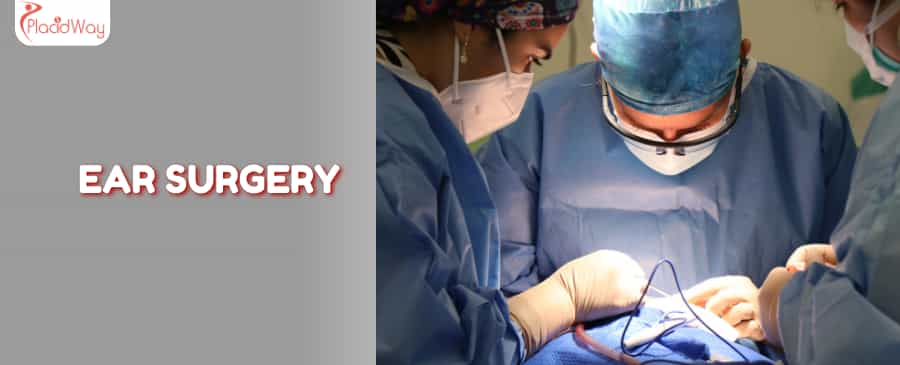
Reshaping Your Confidence: A Guide to Ear Surgery (Otoplasty)
Are you bothered by the appearance of your ears? Perhaps they protrude significantly, are asymmetrical, or have an unusual shape? If so, you're not alone. Many individuals, both children and adults, feel self-conscious about their ears, affecting their confidence and how they present themselves to the world. Ear surgery, medically known as Otoplasty, offers a transformative solution, helping to reshape and reposition the ears to create a more balanced and harmonious facial profile.
Otoplasty is a cosmetic procedure designed to correct a range of ear concerns, from "prominent ears" that stick out too far from the head to other deformities caused by injury or birth defects. The goal is to achieve a natural-looking result that brings the ears into better proportion with the rest of the face, often leading to a significant boost in self-esteem. This procedure is tailored to each individual's unique needs, ensuring a personalized approach to achieve the desired aesthetic outcome.
For many, the idea of undergoing ear surgery might seem daunting, especially when considering the costs and logistics. This is where medical tourism comes into play, opening up a world of possibilities for high-quality, affordable ear reshaping procedures abroad. By exploring international options, patients can access top-tier surgeons and state-of-the-art facilities, often at a fraction of the cost found in their home countries. This guide will delve into everything you need to know about Otoplasty, from the procedure itself to how medical tourism can make your dream of perfectly positioned ears a reality.
What is Otoplasty (Ear Surgery) and How Does it Work?
Otoplasty is a surgical procedure aimed at improving the shape, position, or proportion of the ear. It can correct ears that are too large, protrude too far from the head, or are asymmetrical. The surgery doesn't affect hearing; its sole purpose is aesthetic enhancement. For example, if you've always felt your ears "stick out" too much, otoplasty can gently pin them back closer to your head, creating a more subtle and balanced look.
During the procedure, the surgeon typically makes an incision behind the ear, where scars are less visible. They then reshape the cartilage, remove excess cartilage, or use sutures to fold and secure the cartilage in a new position. The goal is always to create a natural-looking result that complements your facial features. Think of it like a sculptor carefully molding clay; the surgeon artfully adjusts the ear's structure to achieve a more aesthetically pleasing form.
Who is a Good Candidate for Ear Reshaping Surgery?
Determining candidacy for otoplasty involves several factors, with age being a primary consideration. For children, it's often recommended that surgery be performed once the ears are fully developed, usually by age five or six. At this age, the cartilage is more pliable, making it easier to reshape, and children are better able to cooperate with the procedure and recovery instructions. Psychologically, early intervention can prevent self-esteem issues and bullying that may arise from prominent ears.
Adults are also excellent candidates for otoplasty, provided they are in good general health and have realistic expectations about the outcome. It's crucial for candidates to be non-smokers or willing to quit, as smoking can impair healing. During your consultation, the surgeon will assess your ear structure, discuss your aesthetic goals, and evaluate your overall health to determine if otoplasty is the right choice for you.
What are the Different Types of Otoplasty Procedures Available?
Otoplasty isn't a one-size-fits-all procedure; various techniques are employed based on the specific ear concern. Understanding these types can help you discuss your options with a surgeon:
- Ear Pinning (Setback Otoplasty): This is the most common type, performed to correct prominent ears that stick out too far from the head. The surgeon reshapes the ear cartilage, creating a more natural fold (antihelix) or reducing the conchal bowl (the deep central part of the ear) to bring the ears closer to the head. This technique typically involves incisions hidden behind the ear.
- Ear Reduction (Macrotia Correction): For individuals with unusually large ears, this procedure involves reducing the overall size of the ear to bring it into better proportion with the face. This can include reducing the earlobe, helix, or concha. The goal is to achieve a balanced and natural ear size without compromising the ear's intricate structure.
- Ear Augmentation: In cases where the ear is underdeveloped (microtia) or has insufficient cartilage, augmentation may be necessary. This involves using cartilage grafts (often from the ribs) to reconstruct or build up parts of the ear. This is a more complex procedure, often performed in multiple stages, and aims to create a more complete and functional ear structure.
- Earlobe Repair: This addresses issues like stretched or torn earlobes (often due to heavy earrings or trauma) or oversized earlobes. The surgeon carefully excises damaged tissue and sutures the earlobe back together, restoring its natural shape. This is often a simpler procedure than full ear reshaping.
- Correction of Lop or Cupped Ear: These are congenital deformities where the ear has a folded or "cupped" appearance. Surgical correction involves reshaping the cartilage to unfold and project the ear into a more typical position and shape.
Each type of otoplasty requires a skilled surgeon to tailor the approach to the patient's specific anatomy and desired outcome. A thorough consultation is essential to determine which technique, or combination of techniques, will best address your concerns.
How is Otoplasty Performed, and What Does the Procedure Involve?
The otoplasty procedure generally takes 1 to 3 hours, depending on the complexity. It can be performed under local anesthesia with sedation, allowing you to remain comfortable and relaxed, or under general anesthesia, meaning you'll be fully asleep. The choice of anesthesia often depends on the patient's age and the surgeon's preference. For children, general anesthesia is typically preferred.
The surgeon usually begins by making a small incision on the back of the ear, or occasionally within the folds of the inner ear. Through this incision, they access the cartilage. Depending on the planned correction, they might remove small amounts of cartilage, use permanent sutures to fold the cartilage into a new shape (often called "ear pinning"), or both. Once the desired shape and position are achieved, the incisions are closed with sutures, and a soft dressing or head bandage is applied to protect the ears and aid in healing. This bandage acts like a gentle cast, holding the newly shaped ear in place.
What Can I Expect During the Otoplasty Recovery Period?
Immediately after surgery, your head will be wrapped in a soft, bulky bandage to protect the newly shaped ears and aid in healing. You can expect some discomfort, swelling, and bruising, which can be managed with prescribed pain medication. It's crucial to keep your head elevated, even while sleeping, to help reduce swelling. Most patients return home the same day.
The initial bandage is usually removed after a few days, revealing your new ear shape. At this point, you'll likely be instructed to wear a lighter, elastic headband continuously for several weeks, especially at night, to support the ears and prevent them from being pulled forward. Children can typically return to school within a week, and adults to work, but strenuous activities and contact sports should be avoided for at least 4-6 weeks. The full results of the surgery will become apparent as the swelling subsides over several weeks to months, revealing a more refined and natural ear contour.
What Are the Benefits and Potential Risks of Ear Surgery?
The primary benefit of otoplasty is a significant improvement in self-confidence and self-esteem. Patients who have been self-conscious about their ears often report feeling more comfortable in social situations, being able to wear their hair in different styles, and generally feeling better about their appearance. The procedure creates a more harmonious and balanced facial aesthetic, bringing the ears into proportion with other features. Imagine no longer feeling the need to hide your ears, allowing you to embrace a new sense of freedom and confidence.
Like any surgical procedure, otoplasty carries potential risks, though complications are relatively rare when performed by a qualified surgeon. These can include:
- Infection: Though uncommon, infections can occur at the incision site.
- Asymmetry: While surgeons strive for symmetry, slight differences between the ears can sometimes remain or develop.
- Scarring: Though incisions are typically hidden, some visible scarring can occur.
- Changes in Sensation: Temporary or, rarely, permanent changes in earlobe sensation.
- Suture Complications: Sutures used to reshape cartilage can sometimes become visible or cause irritation.
- Overcorrection/Undercorrection: The ears may be pinned back too much or not enough.
Why Choose Medical Tourism for Your Otoplasty Procedure?
The decision to pursue medical treatment abroad, especially for cosmetic procedures like otoplasty, is often driven by several compelling advantages. The most significant factor for many is cost. Otoplasty can be quite expensive in Western countries, with prices often acting as a barrier for those seeking treatment. Medical tourism destinations provide the same, if not higher, quality of care at a considerably lower price point, making the procedure more accessible.
Beyond cost, medical tourism offers access to highly specialized surgeons who perform a high volume of specific procedures, leading to extensive expertise. In many popular medical tourism hubs, clinics boast state-of-the-art technology and prioritize patient experience. Furthermore, long waiting lists for cosmetic procedures common in some public healthcare systems are virtually non-existent abroad, allowing for quicker treatment. The added bonus? You can often combine your recovery with a relaxing vacation, experiencing a new culture while recuperating.
Which Countries Are Top Destinations for Affordable Ear Surgery?
Several countries have established themselves as leaders in medical tourism, particularly for cosmetic surgeries like otoplasty. These destinations combine affordability with high standards of medical care and excellent patient reviews:
- Turkey: Istanbul, in particular, is a global hub for cosmetic surgery. Turkish clinics offer highly competitive prices, modern facilities, and English-speaking staff. Surgeons are often internationally trained and have extensive experience in various otoplasty techniques.
- Mexico: Bordering the U.S., Mexico is a convenient option for North American patients. Cities like Tijuana and Cancun offer numerous accredited clinics with skilled surgeons providing quality care at a fraction of the cost.
- Thailand: Known for its exceptional hospitality and advanced medical infrastructure, Thailand is a popular choice, especially for patients from Australia and Asia. Bangkok is home to many world-class hospitals and cosmetic clinics.
- South Korea: While often associated with more complex facial surgeries, South Korea also offers excellent otoplasty procedures. It's renowned for its precise surgical techniques and aesthetically refined results, though prices might be slightly higher than in Turkey or Mexico.
These countries not only provide excellent medical facilities but also offer an enriching travel experience, making your medical journey a memorable one.
How Does the Cost of Otoplasty Compare Globally?
The cost of otoplasty can be a major factor in a patient's decision-making process. Prices fluctuate wildly from one country to another, reflecting differences in economic conditions, surgeon fees, facility charges, anesthesia costs, and the inclusion of post-operative care. Understanding these differences can highlight the financial benefits of medical tourism.
Here’s a general comparison of otoplasty costs across various regions. Please note these are approximate ranges and can vary based on the complexity of the procedure, the surgeon's experience, and the specific clinic:
| Country/Region | Estimated Otoplasty Cost (USD) | Notes |
|---|---|---|
| United States / Canada | $3,000 - $6,000+ | Higher operational costs, insurance rarely covers cosmetic procedures. |
| Western Europe (e.g., UK, Germany) | $2,500 - $5,000+ | Similar cost structure to North America, but can vary. |
| Turkey | $1,500 - $3,000 | Very competitive pricing with high-quality facilities and experienced surgeons. |
| Mexico | $1,800 - $3,500 | Affordable option, especially for North American patients seeking proximity. |
| Thailand | $2,000 - $4,000 | Known for excellent patient care and modern facilities, popular for Asian/Australian patients. |
| India | $1,200 - $2,500 | Among the most affordable, with growing medical tourism infrastructure. |
These figures clearly illustrate why patients opt for medical tourism; savings can be substantial, often covering travel and accommodation costs while still being significantly cheaper than local options.
How Do I Select the Best Clinic and Surgeon for Otoplasty Abroad?
Choosing the right clinic and surgeon is paramount for a successful otoplasty, especially when traveling abroad. This decision should not be rushed and requires careful consideration:
- Surgeon's Qualifications and Experience: Look for surgeons who are board-certified in plastic surgery and have extensive experience specifically with otoplasty. Ask about their training, how many otoplasties they perform annually, and request to see before-and-after photos of their previous patients.
- Clinic Accreditation and Facilities: Ensure the clinic or hospital is accredited by recognized international bodies (e.g., JCI) or local health authorities. This indicates adherence to high standards of patient safety and quality care. Check for modern equipment and hygienic conditions.
- Patient Reviews and Testimonials: Seek out real patient reviews and testimonials on independent platforms. Pay attention to feedback regarding the surgeon's demeanor, communication, and the overall patient experience, including post-operative support.
- Communication and Language Support: It's vital to have clear communication with your medical team. Ensure the clinic offers interpreters or that staff are proficient in your language, especially English, to avoid misunderstandings about your treatment plan or aftercare.
- Comprehensive Packages: Many clinics abroad offer all-inclusive packages that cover the surgery, anesthesia, hospital stay, post-operative care, and sometimes even airport transfers and accommodation. Understand exactly what is included in the price.
Working with a reputable medical tourism facilitator like PlacidWay can simplify this process, as they often pre-vet clinics and surgeons, providing you with trusted options and handling logistical arrangements.
What Essential Preparations Should I Make for Otoplasty Medical Travel?
Preparing for medical travel requires more than just booking flights. Careful planning ensures a smooth and stress-free experience:
- Documentation and Visa: Check visa requirements for your chosen destination. Ensure your passport is valid for at least six months beyond your planned return date. Keep copies of all medical and travel documents.
- Flights and Accommodation: Book flexible flights that allow for potential changes in your return date. Choose accommodation close to your clinic that offers comfort and quiet for recovery.
- Medical Records and Consultations: Share your complete medical history with your chosen surgeon abroad well in advance. Have virtual consultations to discuss your goals and understand the procedure thoroughly.
- Travel Insurance: Invest in comprehensive travel insurance that covers medical emergencies and potential complications, specifically for medical tourism. Standard travel insurance may not cover elective procedures abroad.
- Packing Essentials: Pack loose-fitting, button-down shirts or zip-up tops to avoid pulling clothing over your head during recovery. Bring a travel pillow (like a donut or U-shaped pillow) to comfortably support your head without putting pressure on your ears while sleeping. Don't forget any personal medications.
- Financial Planning: Confirm payment methods with the clinic and ensure you have access to funds for unforeseen expenses. Inform your bank of your travel plans to prevent card issues.
Consider traveling with a companion, especially if you anticipate needing extra support during your immediate recovery.
What Post-Operative Care is Crucial After Otoplasty Abroad?
Effective post-operative care is just as important as the surgery itself for optimal results and a smooth recovery. When undergoing otoplasty abroad, ensure you understand the post-op instructions clearly before returning home:
- Bandage and Headband Management: Strictly follow your surgeon's instructions regarding how long to wear the initial head bandage and the subsequent elastic headband. This support is vital for maintaining the new ear shape.
- Wound Care: Keep your incision sites clean and dry as instructed. Watch for any signs of infection like excessive redness, swelling, pus, or fever, and know who to contact immediately if these occur.
- Pain Management: Take prescribed pain medication as directed. Avoid aspirin or other blood-thinning medications unless specifically approved by your surgeon.
- Activity Restrictions: Avoid strenuous activities, heavy lifting, and any contact sports for several weeks. Be gentle with your ears and avoid sleeping on your side.
- Follow-up Appointments: Schedule and attend all necessary follow-up appointments with your surgeon before you travel back home. This allows the surgeon to monitor your healing progress and address any immediate concerns.
- Communication Protocol: Establish a clear communication protocol with your clinic for any questions or concerns that may arise after you return to your home country. Many clinics offer virtual follow-ups or dedicated patient coordinators.
Adhering to these guidelines will significantly contribute to a successful outcome and help preserve the beautiful results of your otoplasty.
Take the Next Step with PlacidWay
Ready to transform your appearance and boost your confidence with ear surgery? Your journey to beautifully contoured ears is just a click away. Explore top-rated international clinics, compare prices, and get a free, personalized quote for your Otoplasty with PlacidWay. Let us help you plan a seamless and rejuvenating medical travel experience. Start your transformation today!
Cosmetic Surgery Abroad, Plastic Surgery Abroad





.png)





.png)
.png)












Share this listing