
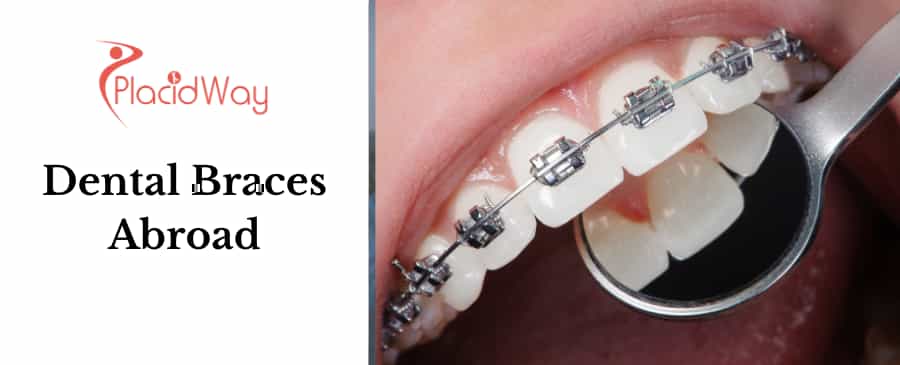
Transform Your Smile: Your Guide to Affordable Dental Braces Abroad
Dreaming of a straighter, healthier smile but worried about the cost of orthodontic treatment? You're not alone. Many individuals worldwide face challenges in accessing affordable dental care, leading them to explore options like dental braces abroad. This comprehensive guide will walk you through everything you need to know about getting your braces overseas, from identifying if you need them to understanding the process, costs, and how medical tourism can make your dream smile a reality.
Dental braces are orthodontic devices used to correct misaligned teeth and bite issues, improving both oral health and aesthetic appeal. Whether you're dealing with crooked teeth, gaps, or a problematic bite, braces can gently guide your teeth into their proper positions over time. For many, the prospect of affordable braces overseas opens up a world of possibilities, offering access to high-quality care at a fraction of the price found in their home countries. We'll delve into the common signs and causes that indicate a need for orthodontic treatment, explore the various types of braces available, and answer your most pressing questions about embarking on a medical tourism journey for orthodontics.
What are the common signs you might need dental braces?
Recognizing the signs you need braces is the first step towards a healthier, more confident smile. These signs aren't just aesthetic; they can impact your oral health significantly. Here are some common indicators:
- Crooked or Misaligned Teeth: The most obvious sign. Teeth that aren't straight can be harder to clean, leading to plaque buildup and cavities.
- Overcrowding: When there isn't enough space in your jaw for all your teeth, they can twist and overlap, making hygiene challenging and increasing the risk of gum disease.
- Gaps Between Teeth: Spaces, or diastemas, can be caused by missing teeth or an oversized jaw, affecting appearance and sometimes speech.
- Overbite: When your upper front teeth significantly overlap your lower front teeth. This can lead to wear on tooth enamel and jaw pain.
- Underbite: The opposite of an overbite, where your lower front teeth extend out beyond your upper front teeth. This often signals a jaw alignment issue.
- Crossbite: When some upper teeth bite inside the lower teeth. This can affect chewing and cause uneven wear.
- Open Bite: When your upper and lower front teeth don't meet when your mouth is closed, making it difficult to bite into certain foods.
- Difficulty Chewing or Biting: Misaligned teeth can make it hard to properly break down food, impacting digestion.
- Speech Issues: Certain alignment problems can affect the way you pronounce words, leading to lisps or other speech impediments.
- Jaw Pain or Discomfort: An improper bite can put undue stress on your jaw joints, leading to pain, headaches, or TMJ (temporomandibular joint) disorders.
What factors contribute to needing orthodontic treatment?
Understanding what causes misaligned teeth can help shed light on why orthodontic intervention becomes necessary. It's often a mix of inherited traits and environmental factors:
- Genetics: The most common factor. If your parents had crowded teeth, gaps, or specific bite issues, you're more likely to inherit them. Jaw size, tooth size, and facial structure are all genetically determined.
- Early or Late Loss of Baby Teeth: Baby teeth act as placeholders for adult teeth. If they are lost too early (due to decay or injury) or retained too long, it can disrupt the eruption path of permanent teeth, leading to misalignment.
- Oral Habits: Prolonged thumb sucking, pacifier use beyond age three, tongue thrusting, or mouth breathing can exert continuous pressure on teeth and jaw, leading to malocclusions.
- Dental Trauma or Injury: An accident or blow to the face can shift teeth out of alignment or damage developing permanent teeth.
- Poor Dental Hygiene and Nutrition: While not a direct cause of misalignment, poor hygiene can lead to cavities and gum disease, potentially requiring tooth extractions that disrupt overall alignment. Severe nutritional deficiencies in childhood can impact bone and tooth development.
- Missing Teeth: If a permanent tooth doesn't develop or is extracted, adjacent teeth may drift into the empty space, causing other teeth to become misaligned.
What types of dental braces are available for treatment?
The world of orthodontics has evolved significantly, offering several effective types of braces. Your orthodontist will recommend the best option based on your specific needs, lifestyle, and budget:
- Traditional Metal Braces: These are the most common type, made of high-grade stainless steel. They are highly effective for complex cases and generally the most affordable. Modern metal braces are smaller and more comfortable than older versions.
- Ceramic Braces: Similar in size and shape to metal braces, but they use clear or tooth-colored brackets, making them less noticeable. They are a popular choice for adults and teens concerned about aesthetics, though they can be slightly more fragile and may stain if not cared for properly.
- Lingual Braces: These are custom-made braces placed on the inside (lingual side) of your teeth, making them virtually invisible from the outside. They are an excellent option for those who want completely hidden treatment but can be more challenging to clean and may affect speech initially.
- Clear Aligners (e.g., Invisalign): A series of custom-made, removable, clear plastic trays that gradually shift your teeth. They are nearly invisible, allow for easy eating and cleaning (as they are removable), but require strict adherence to wearing them for 20-22 hours a day. They are often suitable for moderate to mild cases.
Who is an ideal candidate for dental braces?
The good news is that advancements in orthodontics mean that most people who need orthodontic treatment are eligible for braces. Are braces for adults? Absolutely! Age is no longer a significant barrier:
- Children and Teens: This is the most common age group for orthodontic treatment, as their jaws are still developing, making teeth easier to move.
- Adults: A growing number of adults are seeking braces to correct long-standing issues or address changes that occur later in life. As long as your teeth and gums are healthy, you're likely a good candidate.
- Good Oral Health: Regardless of age, healthy teeth and gums are crucial. Any cavities or gum disease must be treated before braces can be placed.
- Commitment to Treatment: Braces require regular appointments, diligent oral hygiene, and adherence to your orthodontist's instructions. A patient's commitment is key to successful outcomes.
What is the typical recovery time and what should I expect after getting braces?
Getting braces isn't a one-time event; it's a journey. While there isn't a "recovery time" in the traditional sense, there are distinct phases and adjustments:
- Initial Discomfort (1-2 weeks): After braces are first placed, your teeth and mouth will likely feel sore and sensitive. Over-the-counter pain relievers can help. Your cheeks and lips might also get irritated as they adjust to the brackets. Orthodontic wax can be a lifesaver.
- Adjustments: You'll have regular appointments (typically every 4-8 weeks) where your orthodontist tightens or adjusts your braces. Expect some soreness for a few days after each adjustment.
- Dietary Changes: You'll need to avoid hard, sticky, or chewy foods that can damage your braces or get stuck. Think soft foods, cut into small pieces.
- Oral Hygiene: Braces require meticulous cleaning. You'll need special brushes and techniques to ensure food particles don't get trapped, preventing cavities and gum disease.
- Retention Phase: Once your braces are removed, you'll need to wear a retainer – either fixed or removable – to keep your teeth in their new positions. This is crucial to prevent relapse.
What are the potential risks and side effects of dental braces?
While dental braces are a safe and effective treatment, it's important to be aware of potential side effects of braces:
- Discomfort and Soreness: This is normal, especially after initial placement and adjustments.
- Mouth Sores and Irritation: Brackets and wires can rub against your cheeks and tongue, causing temporary sores.
- Difficulty Cleaning Teeth: Braces create more surfaces for food and plaque to accumulate, increasing the risk of cavities and gum disease if oral hygiene isn't excellent.
- Decalcification (White Spots): If plaque isn't thoroughly removed, it can lead to white spots on your teeth around where the brackets were, indicating early enamel demineralization.
- Root Resorption: In rare cases, the ends of the tooth roots may shorten slightly during treatment. This is usually minor and doesn't affect tooth stability.
- Relapse: Without proper retainer wear after braces are removed, teeth can gradually shift back towards their original positions.
- Allergic Reactions: Very rarely, patients may have an allergic reaction to the metals or latex components used in braces.
How much do dental braces cost worldwide?
The cost of braces is a primary driver for people seeking treatment abroad. Prices can fluctuate wildly based on your location, the type of braces, the complexity of your case, and the duration of treatment. Below is a general cost comparison:
| Country | Average Cost (Metal Braces USD) | Average Cost (Clear Aligners USD) | Notes |
|---|---|---|---|
| USA | $3,000 - $7,000 | $4,000 - $8,000+ | High cost of living, insurance may cover some portion. |
| Canada | $4,000 - $8,000 | $5,000 - $9,000+ | Similar to US, provincial variations. |
| UK | £2,000 - £5,000 ($2,500 - $6,000) | £3,000 - £6,000 ($3,800 - $7,500) | NHS often has long waiting lists for adults. |
| Mexico | $1,500 - $3,500 | $2,500 - $4,500 | Very popular for US/Canadian patients. |
| Turkey | $1,800 - $3,800 | $2,800 - $5,000 | Growing medical tourism hub, modern facilities. |
| Colombia | $1,200 - $3,000 | $2,000 - $4,000 | High-quality care at competitive prices. |
| Thailand | $1,500 - $3,500 | $2,500 - $4,800 | Excellent for combined treatment and vacation. |
Note: These are estimated ranges and can vary based on the orthodontist's experience, clinic location, complexity of the case, and specific type of braces chosen. Consultation is required for an exact quote.
Why consider traveling abroad for dental braces?
The appeal of getting braces overseas is multifaceted, extending beyond just the price tag:
- Significant Cost Savings: As seen in the table above, the most compelling reason for dental tourism is the dramatic reduction in cost, often 50-70% less than in Western countries.
- Access to High-Quality Care: Many countries popular for medical tourism boast internationally accredited clinics with highly trained orthodontists who have received education in Western countries and use the latest technology.
- Shorter Wait Times: In some countries, getting an appointment for orthodontic treatment can involve long waiting lists. Abroad, you can often start treatment much sooner.
- Combine Treatment with Travel: Imagine getting your braces adjusted in a beautiful city like Istanbul or Medellin, turning a dental appointment into part of an enriching vacation.
- Advanced Technology: Many overseas clinics invest in cutting-edge diagnostic and treatment technologies to attract international patients.
Which countries are best known for affordable and quality dental braces?
When considering dental tourism destinations for braces, certain countries consistently stand out for their blend of affordability, quality, and patient-friendly services:
- Mexico: Especially popular for North Americans due to its proximity. Cities like Tijuana, Cancun, and Los Algodones (known as "Molar City") have numerous high-quality dental clinics.
- Turkey: A rising star in medical tourism, offering state-of-the-art clinics in cities like Istanbul and Antalya. Known for excellent service and luxurious facilities.
- Colombia: With a strong reputation for cosmetic dentistry, Colombian cities like Medellin and Bogota provide top-tier orthodontic care at very competitive prices.
- Thailand: A long-standing medical tourism destination, particularly Bangkok, which boasts world-class hospitals and dental clinics popular with patients from Australia, Europe, and Asia.
- Hungary: A European leader in dental tourism, particularly for patients from the UK and Western Europe. Budapest offers experienced orthodontists and high standards of care.
When choosing a destination, research the orthodontist's qualifications, clinic accreditations, and patient reviews. Look for facilities that prioritize hygiene and communication, especially if there's a language barrier.
What to expect when traveling for this procedure?
Traveling for braces requires careful planning, but the process is manageable, especially with the right support:
- Initial Consultation and Planning: Many clinics offer online consultations where you can send your dental records and photos to receive an initial assessment and treatment plan. This helps in understanding the estimated cost and duration.
- Travel Logistics: Book your flights and accommodation. For long-term treatment like braces, you'll need to consider how you'll manage multiple visits for adjustments (e.g., combining them with holidays).
- First Visit (Placement): Upon arrival, you'll have an in-person consultation, diagnostic imaging, and then the braces will be placed. This typically takes a few hours.
- Follow-up Visits (Adjustments): Braces require regular adjustments, typically every 4-8 weeks. You'll need to factor in these return trips or discuss with your orthodontist if a local orthodontist can handle routine adjustments while you receive comprehensive care abroad. For clear aligners, you might receive several sets at once, reducing the frequency of travel.
- Language and Culture: Most clinics catering to international patients will have English-speaking staff. It's still good to be aware of local customs.
How to ensure safety and quality abroad?
Ensuring a safe and high-quality experience is paramount when considering any medical procedure abroad:
- Check Clinic Accreditations: Look for international accreditations like JCI (Joint Commission International) or local national dental board approvals. This indicates adherence to international standards of care.
- Verify Orthodontist Qualifications: Research your orthodontist's education, experience, and specialization. Many international orthodontists train in the US or Europe.
- Read Patient Reviews and Testimonials: Look for consistent positive feedback, especially regarding communication, hygiene, and treatment outcomes.
- Review Sterilization Protocols: Ask about the clinic's sterilization procedures to ensure they meet international health standards.
- Use a Reputable Medical Tourism Facilitator: Companies like PlacidWay specialize in connecting patients with vetted, high-quality international clinics, providing an extra layer of assurance and support.
How can PlacidWay help you plan your dental braces journey abroad?
Navigating the world of medical tourism assistance can be overwhelming. This is where PlacidWay steps in, acting as your trusted partner to simplify the entire process:
- Vetted Clinic Network: We partner with only reputable, internationally accredited dental clinics and experienced orthodontists worldwide, ensuring you receive quality care.
- Transparent Pricing: We provide detailed, upfront cost comparisons from various clinics, helping you understand your options and make informed decisions without hidden fees.
- Personalized Quotes: Based on your specific needs and dental records, we help you get tailored quotes, including different types of braces.
- Travel Logistics Assistance: From flights and accommodation to local transfers and language support, we can help coordinate your entire trip, making it stress-free.
- Patient Support: Our dedicated team is available to answer your questions, address concerns, and guide you every step of the way, from initial inquiry to post-treatment follow-up.
- Objective Information: We provide unbiased information on destinations, procedures, and clinics, empowering you to choose the best fit for your smile journey.
With PlacidWay, achieving an affordable and quality dental braces abroad experience is within reach. Let us help you embark on your journey to a straighter, brighter smile.
Take the Next Step with PlacidWay
Ready to explore treatment options abroad? Discover top clinics, compare prices, and get a free quote tailored to your needs with PlacidWay.
Dental Tourism | Cosmetic Dentistry | Implants | Root Canals | Dentures | Bridges | Orthodontics | Dental Holidays Abroad





.png)
.png)




.png)

.png)













Share this listing