

Contents
Imagine staring at a dental treatment plan that costs as much as a small car, or waiting endlessly on a public health system list while your toothache gets worse. If you are reading this from the UK, the US, or Western Europe, you already know the struggle of finding affordable, timely dental care at home. The high out-of-pocket expenses and long wait times leave many feeling completely stuck, forcing them to look for alternatives beyond their borders. That is exactly why traveling abroad for restorative and cosmetic dentistry has become such a practical solution.
Dental treatment in Turkey offers a reliable way out, with procedures like dental implants often costing between $500 and $1,200 per tooth—a fraction of Western prices. However, finding a safe and reputable clinic is more important than just finding a low price. When researching facilities, it is crucial to verify that they are registered with the Turkish Dental Association (TDB) and accredited by the Turkish Ministry of Health. These local certifications ensure that the facility follows strict hygiene and clinical standards.
Quick Facts at a Glance
Many clinics bundle their services into comprehensive packages to make traveling easier for international patients. A standard dental package in Turkey usually includes the treatment itself, airport transfers, hotel accommodation, and dedicated translation services. Before committing, ask for a detailed breakdown of what is actually covered to avoid unexpected out-of-pocket expenses during your trip.
It is important to know if medications, specialized imaging, and post-operative check-ups are part of the deal. Compare the treatment packages below to find an option that matches both your medical requirements and travel preferences.

Price starting from $3,800
Special Package for Smile Makeover in Turkey by Tower Dental
Tower Dental Clinic
- Dentistry
Istanbul, Turkey

Price starting from $500
Dental Implant Package in Istanbul, Turkey by ClinicExpert
ClinicExpert - Multispecialty Hospital in Istanbul
- Dentistry
Istanbul, Turkey

Price starting from $6,169
All on 6 Dental Implants Istanbul Package by Trusted Experts at Novusklinik
Novusklinik Istanbul Turkey
- Dentistry
Istanbul, Turkey
The average cost of comprehensive dental treatment in Turkey ranges from $300 for basic procedures like crowns to $4,000 for full-mouth restorations. By comparison, these same treatments can cost three to four times more in the UK or the US. Understanding the total expense means looking beyond the base price and factoring in consultation fees, imaging, and post-operative care.
Many clinics provide transparent quotes, but it is always wise to confirm if materials and lab fees are included. Compare the pricing options below to see which estimate aligns best with your specific dental needs and budget.
Dentistry Centers Cost Comparison in Turkey
| Provider | Procedure | Price |
|---|---|---|
| Tower Dental Clinic | Dental Implants, Dentistry | $520 |
| ClinicExpert - Multispecialty Hospital in Istanbul | Dental Implants, Dentistry | $275 |
| Novusklinik Istanbul Turkey | All on 4 Dental Implants, Dentistry | $5654 |
Dentistry Cost Comparison in Turkey
| Country | Procedure | Price |
|---|---|---|
| Canada | Dental Implants, Dentistry | $3000 |
| United States | Dental Implants, Dentistry | $3500 |
Selecting the right facility requires careful research rather than just picking the one with the most attractive website. A reputable clinic should prominently display its registration with the Turkish Ministry of Health and ideally hold international accreditations like JCI. You should always feel comfortable asking about their sterilization protocols, the technology they use, and their infection control measures.
Do not hesitate to request proof of certification before committing to a treatment plan. Review the clinics listed below to evaluate their credentials, verify their licensing, and see which environment makes you feel most confident in your care.

ACIBADEM Bayındır Hospital
Istanbul,Ankara, Turkey

Tower Dental Clinic
Istanbul, Turkey
WestDent Clinic Turkey
Izmir, Turkey

Novusklinik Istanbul Turkey
Istanbul, Turkey
Watching videos of the clinic environment and listening to real patient experiences can provide valuable insight before you travel. These visual guides often highlight the modern technology used in Turkish dental facilities and give you a realistic sense of the standard of care. They also help demystify the medical journey, showing exactly what happens from the initial consultation to the final result.
Seeing the actual treatment rooms and hearing directly from dentists can ease a lot of pre-travel anxiety. Browse the videos below to get a clearer picture of what your dental trip might look like.
Reading firsthand accounts from previous patients is one of the most effective ways to gauge the true quality of a dental facility. Authentic reviews often reveal important details about bedside manner, communication clarity, and the reality of the recovery process abroad. Look for feedback from patients who underwent the exact same procedure you are considering to get the most relevant perspective.
Pay attention to how clinics handled complications or aftercare, as this shows their commitment to patient safety. Explore the patient reviews below to learn from others who have already completed their dental treatment in Turkey.

It is completely normal to have questions about traveling abroad for medical care. Below are some of the most frequently asked questions patients have when considering dental treatment in Turkey.
Why is dental treatment in Turkey more affordable?
The lower cost is primarily due to the lower cost of living, reduced operational expenses, and favorable exchange rates in Turkey compared to Western countries. It does not reflect a compromise in medical quality or the materials used.
Are Turkish dentists properly qualified?
Yes. Dentists in Turkey must complete five years of dental school and register with the Turkish Dental Association. Many specialists also undergo additional training internationally and hold memberships in global dental organizations.
What happens if I need aftercare once I return home?
Reputable clinics provide detailed aftercare instructions and often offer online consultations for follow-up. It is highly recommended to arrange a relationship with a local dentist in your home country who can assist with routine maintenance.
Do clinic staff and dentists speak English?
Most clinics that cater to international patients have English-speaking dentists and employ dedicated patient coordinators or translators to ensure clear communication throughout your treatment.
How do I verify a clinic's credentials in Turkey?
You should check if the clinic is registered with the Turkish Ministry of Health. You can also ask for the dentist's registration number with the Turkish Dental Association (TDB) to confirm their licensing.
How long do I need to stay in Turkey for dental implants?
Traditional implants typically require two visits. The first trip lasts about 3 to 5 days for the implant placement. After a healing period of 3 to 6 months, a second trip of 5 to 7 days is needed to place the final crowns.
What materials are used for crowns and implants in Turkey?
Top clinics use globally recognized brands and materials, such as titanium for implants and zirconia or E-max for crowns. Always ask your clinic to specify the brand of materials they intend to use.
Can I combine my dental treatment with a holiday?
Yes, many patients enjoy a vacation while in Turkey. However, depending on your procedure, you may experience swelling or need to stick to a soft-food diet, so it is best to schedule strenuous tourist activities before your surgery.
What payment methods are typically accepted?
Most international clinics accept major credit cards, bank transfers, and cash in major currencies like Euros, US Dollars, or British Pounds. Verify payment terms and potential card fees before traveling.
Is there a guarantee on the dental work?
Many clinics offer warranties on materials like implants or crowns, often ranging from 5 years to a lifetime. However, warranties usually cover material failure, not additional travel costs or neglect, so read the terms carefully.
Are There Any Unexpected Costs for Dental Treatment in Turkey for Europeans?
Are There Any Hidden Costs for Dental Treatment in Turkey For Europeans? Turkey has become a global hotspot for high-quality, affordable dental care, attracting thousands of international patients each year. The significant price difference compared to countries like the US, UK, and Australia is a major draw. However, the prospect of traveling abroad for dental work can come with concerns about transparency and unexpected expenses. The question on many people's minds is: are there any hidden costs for dental treatment in Turkey? The straightforward answer is that while reputable clinics strive for transparency, potential extra charges can exist if patients are not fully aware of what their treatment package includes. Understanding these potential costs is key to a smooth and stress-free dental tourism experience. This guide is designed to shed light on all the potential hidden costs you might encounter. We will break down what is typically included in the initial quote and what might be considered an 'extra'. From the initial consultation and diagnostic tests to the materials used and aftercare, being well-informed will empower you to ask the right questions and choose a clinic that offers true value and transparency. The goal is to ensure that the attractive price you are quoted is the price you actually pay, with no unwelcome surprises along the way. By the end of this article, you will have a clear understanding of how to navigate the financial aspects of getting your dental work done in Turkey, ensuring your journey to a new smile is as seamless as it is affordable. What is typically included in the advertised price for dental treatment in Turkey for Europeans? "Typically, the advertised price for dental treatment in Turkey for europeans, especially in 'all-inclusive' packages, covers the core dental procedure, the dentist's fees, and often accommodation and airport transfers." When you see a price for dental implants, veneers, or a full smile makeover in Turkey, it usually encompasses the main components of your treatment. For instance, a dental implant package will generally include the implant itself, the abutment, and the crown. Similarly, a veneer package will cover the cost of the veneers per tooth. Many clinics, especially those catering to international patients, bundle their services into packages to simplify the process. These packages often include a set number of nights in a partner hotel and VIP transfers between the airport, hotel, and the clinic. However, it's crucial to remember that the level of inclusivity can vary significantly from one clinic to another. A lower advertised price might not be as comprehensive as a slightly higher one. Always request a detailed breakdown of what is included in the quoted price. This should be a clear and itemized list that leaves no room for ambiguity. A reputable clinic will be more than happy to provide this information, as it builds trust and demonstrates their commitment to transparency. Are initial consultations and X-rays considered extra costs? "In most cases, initial consultations and standard X-rays (like panoramic X-rays) are included in the treatment package at reputable dental clinics in Turkey. However, more advanced scans may incur an additional fee." Most dental clinics in Turkey offer free initial consultations to attract international patients. These consultations can often be done remotely, where you send pictures of your teeth and any existing X-rays for a preliminary assessment. Once you arrive in Turkey, a more thorough in-person consultation will be conducted, which typically includes a panoramic X-ray to assess your overall dental health. For straightforward cases, these initial diagnostic services are usually part of the package. Where you might encounter an extra charge is if you require more detailed imaging, such as a 3D Cone Beam Computed Tomography (CBCT) scan. This type of scan provides a much more detailed view of your jawbone and is often necessary for complex implant placements. While some premium 'all-inclusive' packages may cover the cost of a CBCT scan, many clinics will charge for it separately. It is essential to clarify this with the clinic beforehand, especially if you suspect you might need a more complex procedure. What about the cost of anesthesia? Is it always included? "Local anesthesia is almost always included in the quoted price for dental procedures in Turkey. However, if you opt for or require sedation or general anesthesia, this will likely be an additional cost." For the vast majority of dental treatments, including fillings, crowns, and even standard implant placements, local anesthesia is sufficient to ensure a painless experience. The cost of local anesthesia is minimal and is factored into the overall price of the procedure. You should not expect to see a separate charge for this on your bill. However, for patients who have dental anxiety or are undergoing extensive procedures like a full mouth reconstruction, sedation or even general anesthesia might be an option. These services are provided by a qualified anesthesiologist and require more resources and monitoring, hence they come at an extra cost. If you think you might prefer sedation, you should inquire about the availability and the associated fees when you are getting your initial quote. This will prevent any surprises on the day of your treatment. Are there different prices for different materials for Europeans? "Yes, the type and brand of materials used for your dental treatment can significantly impact the final cost. The initial quote you receive may be for standard materials, with premium options available at an extra charge." This is one of the most common areas where "hidden" costs can appear. For example, when getting dental crowns or veneers, the price will vary depending on whether you choose porcelain-fused-to-metal (PFM), zirconia, or E-max. Zirconia and E-max are considered premium materials due to their superior aesthetics and durability, and they will be more expensive than PFM. Similarly, for dental implants, the brand of the implant plays a crucial role in the cost. A well-known, high-quality implant brand from Switzerland or Germany will cost more than a lesser-known brand. When you receive a quote, it's vital to ask which specific materials and brands are included. If the quote seems significantly lower than others, it might be because it's for standard, lower-cost materials. A transparent clinic will present you with all the options and explain the pros, cons, and price differences of each. This allows you to make an informed decision based on your budget and preferences. What if I need additional procedures like a bone graft or sinus lift? "Additional procedures such as bone grafts, sinus lifts, or tooth extractions are typically not included in the standard price for dental implants and will be charged separately." For a dental implant to be successful, there needs to be sufficient bone density in the jaw to support it. If you have been missing a tooth for a while, you may have experienced bone loss. In such cases, a bone graft is necessary to build up the bone. Similarly, if you are getting implants in the upper jaw, a sinus lift might be required to create enough space for the implant. These are surgical procedures that require additional time, materials, and expertise, and therefore, they are not part of the standard implant price. A good dental clinic will identify the need for these additional procedures during your initial assessment (ideally through a CBCT scan) and include them in your detailed treatment plan and quote from the beginning. However, if the need for a bone graft or sinus lift is only discovered after you have arrived in Turkey, it will be an unexpected but necessary additional cost. To avoid this, it's best to provide the clinic with as much information as possible, including recent X-rays, before you travel. Are temporary crowns or veneers included in the price? "In most comprehensive dental treatment packages in Turkey, the cost of temporary crowns or veneers is included. However, it's always wise to confirm this with your chosen clinic." When you are getting dental crowns or veneers, the process usually involves two stages. In the first stage, your teeth are prepared, and impressions are taken. These impressions are then sent to a dental lab to create your permanent restorations. This process can take a few days. In the meantime, you will be fitted with temporary crowns or veneers to protect your prepared teeth and maintain your appearance. The cost of these temporary restorations is usually factored into the overall price of your treatment. However, you should not take this for granted. Some clinics might offer a very low baseline price that excludes temporaries. It's a simple but important question to ask during your consultation. Ensuring that temporaries are included will prevent the inconvenience of having to pay extra for them or, in a worst-case scenario, having to go without them while you wait for your permanent restorations. What are the costs for aftercare and follow-up appointments? "Immediate aftercare and follow-up appointments within your treatment period in Turkey are generally included. However, long-term follow-up care in your home country will be your own responsibility and cost." Reputable dental clinics in Turkey will provide you with all the necessary aftercare instructions and any immediate follow-up appointments required before you head back home. This is part of ensuring a successful treatment outcome. You will also be given a supply of any necessary medications, such as painkillers or antibiotics, which are usually included in the package price. The "hidden" cost in this area relates to long-term care. Dental implants, for example, require regular check-ups and professional cleanings, just like natural teeth. These ongoing maintenance appointments will need to be done with a dentist in your home country, and you will be responsible for these costs. It's important to factor in the long-term maintenance costs when considering the overall affordability of getting dental treatment abroad. Do I have to pay for medication separately? "Most all-inclusive dental packages in Turkey include the cost of essential medications required immediately after your procedure, such as antibiotics and painkillers." When you undergo a dental procedure like an extraction, root canal, or implant placement, your dentist will likely prescribe antibiotics to prevent infection and painkillers to manage any discomfort. The cost of these initial medications is typically included in your treatment package. The clinic will usually provide you with the necessary supply to cover the first few days of your recovery. However, if you require any special medication due to a pre-existing condition or if you need a repeat prescription after you have finished the initial supply, you may have to pay for it separately. It's always a good idea to bring any regular medications you take from home and to clarify with the clinic what is included in terms of post-operative medication. Are there any hidden fees related to travel and accommodation in "all-inclusive" packages? "While 'all-inclusive' packages are designed to cover your accommodation and transfers, there can be hidden fees related to flight tickets, hotel upgrades, extra nights, or personal expenses." The term "all-inclusive" in the context of dental tourism in Turkey usually refers to the dental treatment, accommodation, and ground transfers. Your flight tickets are almost always your own responsibility. When it comes to accommodation, the package will typically include a specific number of nights in a standard room at a partner hotel. If you wish to upgrade to a better room, stay for extra nights, or have a companion stay with you, there will be additional charges. Furthermore, your personal expenses, such as food, sightseeing, and shopping, are not included in the package. It's important to budget for these separately. To avoid any misunderstandings, ask the clinic for the name of the hotel and what is included in the accommodation (e.g., breakfast). This will help you plan your budget more accurately. What happens if there are complications? Are correction procedures free? "Reputable dental clinics in Turkey provide a warranty or guarantee for their work. Minor adjustments are usually free, but the terms for correcting more significant complications can vary." This is a critical aspect to clarify before you commit to any treatment. A good clinic will stand by its work and offer a warranty, especially for procedures like implants and crowns. This warranty should cover any defects in the materials or workmanship. For example, if a crown cracks or an implant fails within the warranty period, the clinic should rectify the issue at no extra cost for the dental work itself. However, you will likely have to cover your own travel and accommodation expenses for the return trip. It's essential to get the warranty terms in writing. Understand what is covered, for how long, and what might void the warranty (e.g., poor oral hygiene or getting work done on the same tooth by another dentist). A transparent clinic will have a clear and fair warranty policy. How can I get a fully transparent and all-inclusive quote? "To get a fully transparent and all-inclusive quote, you must provide the clinic with detailed information about your dental health, including recent X-rays, and ask for an itemized breakdown of all potential costs." The key to avoiding hidden costs is proactive and clear communication. Don't just accept the initial price you are given. Engage with the clinic's patient coordinator and ask detailed questions. Here’s how you can ensure transparency: Provide comprehensive information: Share clear photos of your teeth and gums, and if possible, a recent panoramic X-ray. The more information the dentist has, the more accurate your initial treatment plan and quote will be. Request an itemized quote: Ask for a detailed written quote that lists every single component of your treatment, including the consultation, X-rays, the procedure itself, the materials to be used, anesthesia, temporary restorations, and aftercare. Discuss potential additional procedures: Ask the dentist if they foresee the need for any other treatments, like a bone graft or extractions, and what the costs for these would be. What specific questions should I ask my dental clinic to avoid hidden costs? "To avoid hidden costs, you should ask your dental clinic in Turkey a series of specific questions about what is included in the quote, the materials they use, their warranty policy, and any potential additional charges." Being prepared with a list of questions can save you a lot of money and stress. Here are some essential questions to ask: Is the price quoted a package deal? What exactly does it include? Are there any additional charges for consultations, X-rays, or 3D scans? What type and brand of materials will be used for my crowns/veneers/implants? Are there other options, and what are the price differences? Is the cost of local anesthesia, sedation, or general anesthesia included? Will I need any additional procedures like a bone graft or sinus lift? If so, what is the cost? Is the cost of temporary restorations included? What does the warranty cover, and for how long? Do I have to pay for travel and accommodation if a correction is needed? What are the payment terms? Are there any fees for using a credit card or for currency exchange? Are there any currency exchange or payment processing fees? "Yes, there can be additional fees related to currency exchange and payment processing when paying for your dental treatment in Turkey. It's important to clarify the accepted payment methods and any associated charges." Most dental clinics in Turkey will quote their prices in Euros, US Dollars, or British Pounds for international patients. When you pay, the final amount in your home currency will depend on the exchange rate at that time. If you are paying by credit card, your bank may charge a foreign transaction fee. Some clinics may also add a small percentage (typically 2-3%) for credit card payments to cover their own processing fees. To keep costs down, you might consider paying in cash, but be mindful of the risks of carrying large amounts of money. Another option is a bank transfer, but check for any fees from your bank. The best approach is to discuss all payment options with the clinic in advance and choose the one that is most cost-effective for you. Do I need to pay for a translator? "At most dental clinics in Turkey that cater to international patients, translation services are provided free of charge. The staff, including dentists and patient coordinators, are often fluent in English and other languages." Language barriers are a common concern for medical tourists. However, the top dental clinics in Turkey have invested heavily in creating a welcoming environment for international patients. This includes having multilingual staff. Your patient coordinator, who will be your main point of contact, will likely be fluent in your language. The dentists themselves often have excellent English skills, having trained or attended conferences internationally. It is highly unlikely that you would need to hire and pay for your own translator. However, it's always a good idea to confirm this with the clinic. A good clinic will ensure that you can communicate effectively and comfortably throughout your treatment journey. How do I ensure the quoted price is the final price? "To ensure the quoted price for your dental treatment in Turkey is the final price, you need to choose a reputable clinic, get a detailed and itemized treatment plan in writing, and have a clear understanding of the clinic's warranty and complication policies." Ultimately, the best way to avoid hidden costs is to do your due diligence. Here's a summary of the key steps: Research and choose a reputable clinic: Look for clinics with a long history of treating international patients, positive reviews, and international accreditations. Have a thorough remote consultation: Provide them with all the necessary information to create an accurate initial plan. Get everything in writing: Your treatment plan should be detailed and itemized. Your warranty policy should be clear and comprehensive. Ask questions: Don't be shy about asking all the questions we've outlined in this guide. A good clinic will welcome your questions. By taking these steps, you can be confident that the attractive price you are quoted for your dental treatment in Turkey will be the final price you pay, allowing you to focus on what truly matters: achieving a healthy and beautiful smile. Ready to explore your options for high-quality, affordable dental care in Turkey? PlacidWay can help you connect with trusted and pre-screened dental clinics. Explore our network of world-class dental providers and get a free, no-obligation quote for your personalized treatment plan. Your journey to a new smile starts here!
What Do All-Inclusive Dental Packages in Turkey Include?
All-inclusive dental packages in Turkey typically bundle your specific dental treatment, such as implants or veneers, with local transfers, hotel accommodation, and translation services. Treatment costs generally range from $3,000 to $8,000. Key Takeaways Packages usually combine clinical treatments with hotel stays and local transit. Prices depend heavily on case complexity and the international materials used. Verifying dentist credentials through official registries is a vital step before traveling. Patients must plan for local aftercare and maintenance upon returning home. International flights are rarely included and must be booked separately by the patient. What specific treatments do all-inclusive dental packages in Turkey cover? These packages typically cover major restorative and cosmetic procedures such as implants, veneers, and full mouth rehabilitations. They bundle the clinical work with logistical support for international patients. Most international patients travel for comprehensive restorative work rather than routine checkups. This usually includes placing multiple titanium posts, fitting custom ceramic crowns, or completing extensive cosmetic adjustments using porcelain veneers. The clinical portion generally encompasses the initial remote consultation, on-site panoramic X-rays or 3D scans, the main surgical or cosmetic procedure, and necessary follow-up checks before the patient departs. Basic procedures like simple fillings or routine cleanings are rarely the primary reason individuals seek these bundles due to the associated travel costs. Instead, complex clinical cases that require specialized laboratory equipment and significant chair time are the primary focus. Some comprehensive bundles may also incorporate necessary preparatory work, such as dental extractions or sinus lifts, though these additions often alter the final financial estimate. It is crucial to understand that not all individuals are suitable candidates for every advertised treatment. A thorough remote assessment utilizing recent dental records is usually the first step to determine what a bundle might realistically cover. Final treatment plans and their associated clinical steps are always subject to an in-person physical examination upon arrival. How much does the average dental packages cost in Turkey compared to other regions? The estimated dental packages cost in Turkey generally ranges from $3,000 to $8,000 depending on the procedure. This is often significantly lower than estimates in North America or Western Europe. Cost variations are driven by several clinical and logistical factors, including the brand of materials used, the complexity of the patient case, and the specific city where the facility is located. Bundles utilizing internationally recognized implant systems naturally cost more than those using regional alternatives. Patients should always request an itemized financial breakdown to understand exactly what clinical materials and logistical services are included. Treatment Type Estimated Cost in Turkey Estimated Cost in US/UK Single Dental Implant (with Crown) $700 - $1,200 $3,500 - $5,000 Full Veneer Set (20 Teeth) $3,500 - $5,500 $15,000 - $25,000 Full Mouth Restoration (Implants) $6,000 - $12,000 $25,000 - $40,000 While the upfront financial estimate is often attractive, patients must budget for additional travel expenses. These typically include international flights, meals consumed outside the hotel, comprehensive travel insurance, and potential costs for local aftercare once they return home. Unforeseen clinical complications could also lead to extended hotel stays, adding to the overall financial commitment. It is highly advisable to avoid choosing a facility based solely on the lowest advertised price. Unusually cheap bundles might compromise on material quality or the experience level of the attending professionals. Verifying standard pricing across multiple reputable facilities helps ensure a realistic and safe budget for your journey. Did You Know? Dental treatment plans can change after an in-person physical examination, meaning initial cost estimates provided online may be adjusted once you arrive at the clinic and undergo detailed 3D imaging. What accommodation and logistics are typically provided in these packages? Most comprehensive bundles include a set number of nights in a partner hotel and local transfers between the airport, hotel, and clinical facility. International flights are almost never included in the quoted estimate. The accommodation provided usually ranges from comfortable business hotels to luxury lodging located reasonably close to the dental facility. The duration of the stay is tailored strictly to the expected clinical recovery time and the number of mandatory facility visits required. Patients are typically responsible for their own daily meals unless a basic breakfast is covered by the standard hotel policy. Local transportation is a standard staple of these bundles designed to reduce stress for international visitors. A designated driver usually picks up the patient from the airport upon arrival and manages all necessary transit to and from scheduled dental appointments. This eliminates the need to navigate unfamiliar public transportation networks or negotiate with local taxis while recovering from surgical treatment. Dedicated patient coordinators often assist with daily logistics and scheduling throughout the clinical stay. They help ensure patients arrive on time for their mandatory check-ups and can sometimes assist with minor local translation requests. However, patients should always confirm the exact scope of these logistical services in writing before finalizing their travel plans. How do I verify the credentials of a dental clinic in Turkey? Verifying a dental clinic in Turkey involves checking the professional registration of the dentists and the accreditation status of the facility. Always look for transparent documentation of their qualifications. Verify that the treating dentist holds a valid registration with the Turkish Dental Association and relevant health ministries. Request specific details about the specialist handling complex surgeries, ensuring they hold appropriate postgraduate qualifications. Inquire about the facility adherence to international sterilization and patient safety protocols. Ask for documented details on the brands and materials used, ensuring they are globally recognized and cleared for use. Review the facility policy on post-treatment complications and what clinical support they offer if issues arise after you return home. Avoid relying solely on promotional social media imagery; seek verifiable patient histories and official credentials. What are the potential risks and complications of dental treatments abroad? Traveling for dental work carries inherent medical risks such as infection, implant failure, or dissatisfaction with cosmetic results. Treating these unexpected complications back home can be clinically complex. Surgical procedures always involve a baseline risk of infection, unexpected bleeding, or adverse reactions to local anesthesia, regardless of where they are performed globally. In a travel context, flying shortly after oral surgery can exacerbate certain clinical issues, such as sinus pressure or localized swelling. Following all post-operative travel guidelines provided by the treating professional is strictly necessary to mitigate these risks. If an implant fails to integrate or a veneer chips after the patient has returned to their home country, addressing the issue requires either a return flight or finding a local professional willing to take over the case. Many local practitioners hesitate to modify or repair work performed abroad due to strict liability concerns or unfamiliarity with the specific implant systems used. Communication barriers can sometimes lead to clinical misunderstandings regarding aesthetic expectations or vital medical instructions. Ensuring that the chosen facility provides fluent translation services and clear, written post-treatment guidelines is essential. Patients must advocate for themselves and ensure they fully understand all risks before consenting to extensive work. Important Consideration Always request your complete dental records, including pre-operative and post-operative X-rays, before leaving the facility. You will likely need these records for your local dentist back home. How does medical tourism in Turkey ensure patient safety and care quality? Medical tourism in Turkey is regulated by local health authorities, which require facilities treating international patients to hold specific health tourism authorization certificates. Facilities operating within the international sector must meet strict criteria set by the Turkish government regarding clinical hygiene, technical infrastructure, and staff qualifications. Regular administrative inspections are conducted to ensure these facilities maintain operational standards. However, regulatory enforcement can vary by region, making thorough patient due diligence highly critical before booking. Many reputable facilities pursue independent international accreditations to visually demonstrate their commitment to quality clinical care. These voluntary accreditations require strict adherence to global protocols for patient safety, rigorous infection control, and continuous medical education for all staff. Identifying facilities with these voluntary certifications adds an extra layer of reassurance for traveling patients. The rapid growth of the sector has led to significantly improved clinical infrastructure, including advanced imaging technology and modern surgical suites. Reputable facilities invest heavily in modern equipment such as advanced 3D scanners and computerized milling machines to enhance surgical precision and reduce overall treatment times for traveling international patients. What is the typical timeline for completing extensive dental work abroad? Treatment timelines vary significantly by procedure, but cosmetic work usually requires a single visit of five to seven days, while implant procedures often require two separate visits. For aesthetic treatments like custom dental veneers or ceramic crowns, the clinical process involves initial tooth preparation, laboratory fabrication, and the final permanent fitting. This sequence generally takes about one full week, allowing sufficient time for the specialized dental lab to create custom pieces and for the dentist to make necessary functional adjustments before the patient departs. Standard dental implants are typically a multi-stage clinical process. The first visit involves surgically placing the titanium posts into the jawbone, which generally requires a local stay of roughly three to five days for monitoring. The patient then returns to their home country for three to six months to allow the bone to properly heal and functionally integrate with the new implant. The second mandatory visit involves attaching the permanent abutments and placing the custom artificial crowns. This final restorative stage usually requires another five to eight-day local stay. While some facilities advertise immediate loading implants that condense this timeline, these are only suitable for highly specific clinical cases and carry different, often elevated, risk profiles. What kind of aftercare is required once I return home from my dental procedure? Proper post-operative aftercare involves maintaining rigorous oral hygiene, adhering to specific dietary restrictions during the healing phase, and scheduling routine check-ups locally. Follow all prescribed medication schedules carefully, including antibiotic courses and pain management protocols, exactly as directed. Stick strictly to soft food diets during the initial weeks after surgery to avoid placing undue mechanical stress on healing implants. Maintain excellent daily brushing and flossing routines to proactively prevent peri-implantitis or localized gum disease. Establish a working relationship with a local dentist for routine prophylactic cleanings and immediate attention if discomfort arises. Wear provided protective night guards if prescribed to shield new ceramic restorations from nocturnal grinding or clenching. Why Choose PlacidWay for exploring global dental treatment options? PlacidWay provides a comprehensive informational platform for patients to research and compare global healthcare providers. We focus on offering transparent data to help you make informed decisions. Access a vast global directory of internationally recognized healthcare facilities and specialized dental centers. Compare estimated clinical treatment costs and available supportive services across multiple global destinations. Review detailed facility profiles that clearly outline structural accreditations and listed staff qualifications. Connect directly with designated clinic coordinators to ask specific clinical questions and request customized preliminary estimates. Utilize free educational resources to better understand complex medical procedures and the realistic logistics of health tourism. Empower yourself with transparent, side-by-side informational comparisons without the pressure of committed bookings. Frequently Asked Questions Are consultation fees included in Turkish dental packages? Yes, initial consultations and preliminary imaging are usually included. Most comprehensive bundles package the preliminary panoramic X-ray and the initial doctor evaluation into the total advertised cost. However, complex 3D scans might incur separate fees depending on the facility policy. Do dental packages in Turkey cover flights? No, international airfare is almost never included in these bundles. Patients are strictly responsible for booking and financing their own flights to and from the destination. Local airport transfers, however, are a standard inclusion to assist with ground logistics. Can I bring a companion with my dental package? Yes, traveling companions are generally welcome to accompany you. The hotel rooms provided are typically double occupancy, allowing a companion to stay without incurring extra accommodation charges. Their daily meals and separate travel expenses are not covered. What happens if I need a bone graft before implants? Bone grafting is usually an additional clinical cost not covered in standard estimates. If pre-operative scans reveal insufficient bone density, a graft is medically required, which extends the overall treatment timeline and adds to the final financial bill. Are medications included in the overall package price? Basic post-operative medications are often provided upon clinical discharge. Antibiotics, standard painkillers, and specialized mouthwashes necessary for immediate surgical recovery are typically handed to the patient before they return to their hotel. How long are the hotel stays usually covered? Covered hotel stays generally range from five to eight nights. The exact duration depends entirely on the specific clinical requirements of the procedure being performed and the mandatory post-operative monitoring period required by the dentist. Is language translation provided during dental appointments? Yes, professional translation services are a standard logistical inclusion. Facilities catering to international patients employ dedicated patient coordinators who are fluent in English and other major languages to ensure clear medical communication. What payment methods are generally accepted by Turkish clinics? Facilities typically accept major international credit cards and physical cash. Visa, Mastercard, and cash payments in major global currencies like US Dollars, Euros, or British Pounds are commonly accepted, though patients should verify exchange rates. Do I need a visa for dental treatment in Turkey? Visa requirements depend entirely on your specific nationality and citizenship. Many North American and European citizens require a standard tourist e-Visa, which must be obtained online prior to boarding their international flight. What types of materials are used for crowns and veneers in Turkey? Reputable facilities typically use globally recognized dental materials. High-grade Zirconia, E-max ceramics, and medical-grade titanium are industry standards, but patients should always independently verify the specific international brands utilized by their chosen facility. Compare Dental Implant Options Explore reputable clinics, compare estimated costs, and gather transparent information to make an informed decision about your dental care abroad. Request Treatment Information References Medical Tourism Guidelines – Centers for Disease Control and Prevention (CDC) Patient Safety Fact Sheet – World Health Organization (WHO) Going Abroad for Treatment – National Health Service (NHS) Policy on Dental Tourism – American Dental Association (ADA) International Principles on Dental Care – FDI World Dental Federation Accreditation Standards for International Healthcare – International Society for Quality in Health Care (ISQua) Guidelines for Professional Conduct – Turkish Dental Association
What Are the Visa Requirements for a Dental Trip to Turkey?
For a dental trip to Turkey, most international patients only need a standard tourist e-Visa or are entirely visa-exempt for stays up to 90 days. Specialized medical visas are rarely required for routine dental care. Organizing a dental trip to Turkey requires more than just researching restorative procedures or scheduling appointments; understanding the local entry requirements is a crucial first step for any patient. As medical tourism in Turkey has expanded over the past decade, the country has modernized its entry processes, making it relatively straightforward for international visitors to arrive for care. However, navigating immigration policies can still cause unnecessary stress if you are unprepared. Whether you are planning a short visit for cosmetic veneers or a multi-stage journey for dental implants, knowing exactly what documents to present at the border helps ensure your focus remains on your health and recovery. From e-Visa applications to passport validity rules, this guide explores the practical entry requirements you need to consider before boarding your flight. Key Takeaways Most patients enter Turkey on a standard tourist e-Visa rather than a specific medical visa. Many European and South American citizens are entirely exempt from visa requirements for short stays. Your passport typically must remain valid for at least 150 days from your date of arrival. The official e-Visa application is entirely online and usually takes less than ten minutes to complete. Multi-stage dental procedures (like implants) may require careful tracking of the 90-out-of-180-days stay rule. Do I need a specific medical visa for dental treatment in Turkey? No, you generally do not need a specialized medical visa for routine dental care. A standard tourist entry is legally sufficient for the vast majority of international patients. Many patients mistakenly assume that because they are traveling for healthcare purposes, they must navigate a complex medical visa pathway. Fortunately, Turkish immigration policies generally classify short-term dental and aesthetic care under the broader umbrella of tourism. As long as your stay does not exceed the allowed duration—typically 90 days—you can undergo consultations and procedures legally on a standard tourist e-Visa or visa exemption. Specific medical visas are typically reserved for patients undergoing lengthy, complex hospitalizations or those sponsored by government health programs. For treatments like crowns, implants, or whitening, the tourist route is the standard and accepted practice at immigration checkpoints. How do I apply for a Turkish e-Visa for my dental trip? You can apply for your e-Visa exclusively through the official Turkish government portal. The digital process involves entering your passport details and paying a processing fee online. Securing a Turkish e-Visa is a fully digital process designed for convenience. You will need your passport, an email address, and a valid credit or debit card. Simply visit the official Electronic Visa Application System, input your nationality, and fill in the required personal information exactly as it appears on your travel document. It is important to avoid third-party agency websites that mimic the official government portal. These commercial sites often charge significantly higher administrative fees for the exact same service. Once approved, the document is typically emailed to you within a few hours, though it is best practice to apply at least a few days before your departure. Which countries are exempt from Turkish visa requirements? Citizens from dozens of countries, including the UK, Germany, France, and many South American nations, currently enjoy visa-free entry to Turkey for short-term visits. Turkey maintains visa-exemption agreements with numerous countries to encourage tourism and travel. If you hold a passport from a visa-exempt nation, you can simply board your flight and present your valid passport at Turkish immigration, bypassing the e-Visa process entirely. These exemptions typically allow stays of up to 90 days within a 180-day period. Because international agreements frequently update, it is highly recommended to check the official Turkish Ministry of Foreign Affairs website to confirm your country's current status shortly before you finalize your travel plans. Even if you are visa-exempt, your passport must still meet strict validity requirements. What documents are required at the Turkish border? You must present a valid passport, your printed or downloaded e-Visa (if applicable), and potentially proof of return travel or accommodation upon arrival. At the immigration desk, the primary document scrutinized is your passport. As a general rule, Turkey requires passports to be valid for at least 150 days (roughly five months) from the date you arrive. If your passport expires sooner, you may be denied boarding by your airline or refused entry at the border. While border officials primarily look at your passport and e-Visa, they reserve the right to ask for additional information. Carrying a printed confirmation of your hotel stay, your return flight ticket, and an appointment letter from your chosen dental clinic in Turkey can help quickly resolve any questions an immigration officer might have regarding the nature of your trip. How does multi-stage treatment affect my visa duration? Treatments requiring two separate visits—like dental implants—mean you must carefully track the "90 days out of 180 days" rule to ensure your second entry is legally permitted. Certain procedures, particularly bone grafting and implant placement, cannot be completed in a single visit. Patients typically undergo the initial surgery, return home for three to six months of healing, and then travel back to Turkey for the final crowns. If your e-Visa is valid for 180 days and allows multiple entries, you might be able to use the same visa for both trips. However, if your healing phase pushes your second visit outside the 180-day validity window of your original visa, you will simply need to apply for a new e-Visa before your second flight. Always calculate your planned days in the country to ensure you do not inadvertently overstay your welcome. Can I extend my stay if my dental recovery takes longer? If you need to remain in the country beyond your 90-day tourist allowance, you must formally apply for a short-term residence permit at a local migration office before your visa expires. It is exceedingly rare for routine or even complex dental treatments to require a continuous stay longer than three months. Most patients stay between five and fourteen days per visit. However, if unforeseen medical complications occur and your treating dentist advises against immediate air travel, you cannot simply overstay your visa without penalty. To remain legally, you must apply for a short-term residence permit (Ikamet) through the Provincial Directorate of Migration Management. Overstaying your visa without an official extension can result in heavy financial fines, deportation, or temporary bans from re-entering the country in the future. How do visa fees factor into the overall trip budget? Visa application fees are generally minimal, ranging from free to roughly $50 USD depending on nationality, making them a very small portion of your overall travel budget. When calculating the overall dental trip cost in Turkey, patients often focus heavily on the clinical quotes, flights, and hotel accommodations. While visa costs are a mandatory expense for many nationalities, they are typically quite low. The official Turkish e-Visa fee varies by country, but rarely exceeds fifty US dollars. It is important to allocate this small amount in your initial planning phase. Furthermore, remember that paying third-party facilitators to process your e-Visa can artificially inflate this cost. Stick to the government portal to keep your administrative expenses as low as possible. Should I mention my dental procedure at border control? Yes, being honest about your intentions is always the best policy. Stating that you are visiting for tourism and a dental consultation is entirely legal and acceptable on a tourist visa. Some travelers feel anxious about admitting they are traveling for healthcare, fearing it might complicate their entry. However, transparency is crucial. Border officers are well aware of the country's status as a global hub for health travel. If asked about the purpose of your trip, calmly explain that you are there for a holiday and some dental work. Having your appointment confirmation readily available on your phone or printed out can serve as helpful supporting documentation. Attempting to hide the true purpose of your visit can lead to unnecessary suspicion and delays if border agents discover medical documentation in your luggage. What should I know about traveling internationally with dental medications? Any prescribed antibiotics or pain relief medications must be kept in their original packaging, clearly labeled with your name, to ensure smooth transit through customs. Following oral surgery, your international provider will likely prescribe pain medication, anti-inflammatories, or antibiotics to manage your recovery. When you travel back to your home country, customs officials may inspect these medications. To avoid confiscation or delays, always keep pharmaceutical products in their original, clearly marked pharmacy boxes. Additionally, it is wise to ask your treating dentist for a brief, signed letter stating what medications were prescribed and why. This not only satisfies customs inquiries but also provides essential information for your local healthcare provider should you need follow-up care or experience unexpected complications upon returning home. Why Choose PlacidWay for Medical Tourism in Turkey? Navigating international healthcare options can feel overwhelming. PlacidWay serves as a centralized platform to help patients research and connect with care providers globally. Here are a few ways the platform assists individuals planning a trip: Extensive Facility Network: Provides access to a wide directory of dental centers and specialized clinics across major Turkish cities. Direct Communication: Facilitates initial contact, allowing patients to ask specific questions directly to the clinical teams abroad. Educational Resources: Offers informative articles and guides to help patients understand various procedures and international travel considerations. Comparison Tools: Helps individuals compare different facility profiles, amenities, and available treatments in one place. Transparent Information: Focuses on presenting facility-provided details clearly, allowing patients to make their own informed healthcare decisions. Frequently Asked Questions Can US citizens get a visa on arrival in Turkey? While visa-on-arrival was previously available for US citizens, Turkey has transitioned primarily to the e-Visa system. US citizens are strongly advised to obtain their e-Visa online before traveling to avoid delays or entry denial at the border. Is my passport required to have blank pages for Turkish entry? Yes, Turkish immigration authorities generally require at least one fully blank passport page for entry and exit stamps, even if you hold an electronic visa. Do Canadian citizens need an e-Visa for Turkey? Yes, under current regulations, Canadian passport holders traveling for tourism or dental care must apply for and secure a Turkish e-Visa prior to their arrival. What happens if my e-Visa application is denied? If an e-Visa is denied online, you will need to apply for a traditional sticker visa through the nearest Turkish embassy or consulate. This process requires an in-person appointment and additional documentation. Can I travel to Turkey with a temporary or emergency passport for dental work? Turkey generally does not accept temporary, emergency, or diplomatic passports for the standard e-Visa process. You should travel using a standard, full-validity passport to ensure smooth entry. Do minors traveling for dental care need their own e-Visa? Yes, every individual traveler, including infants and minors, must have their own approved e-Visa or meet the visa-exemption criteria, regardless of age. How far in advance should I apply for my Turkish e-Visa? It is recommended to apply at least 48 hours before your departure, though you can apply up to three months in advance of your intended travel date. Will a previous trip to another country affect my Turkish visa application? Standard tourist visits to other countries rarely affect a Turkish e-Visa application. However, travelers with specific immigration violations or travel bans may face additional scrutiny. Do I need to show proof of accommodation at the Turkish border? Border officials have the right to ask for proof of accommodation. It is highly recommended to carry a printed copy of your hotel reservation or a letter from your clinic detailing your stay. Can I leave and re-enter Turkey during my dental healing period? This depends on whether your nationality is granted a single-entry or multiple-entry e-Visa. If you hold a multiple-entry visa, you can leave and return as long as your total stay does not exceed 90 days within a 180-day window. Ready to Explore Your Options? Take the next step in your healthcare journey by gathering more information. Compare international facilities, review treatment approaches, and connect with clinical teams to find the right fit for your needs. Request Treatment Information References Visa Information For Foreigners – Republic of Türkiye Ministry of Foreign Affairs Electronic Visa Application System – Republic of Türkiye Turkey Country Information – U.S. Department of State Foreign Travel Advice: Turkey – UK Government Medical Tourism Travel Health Information – Centers for Disease Control and Prevention (CDC) Travel and Health Guidelines – World Health Organization (WHO) International Health Tourism Regulations – Republic of Türkiye Ministry of Health Medical & Legal Disclaimer: The information provided in this article is for educational and informational purposes only and does not constitute official legal, immigration, or medical advice. Visa rules, entry requirements, and government policies can change rapidly and without notice. Always verify current entry requirements with the official diplomatic missions or government portals of your destination country prior to travel. Furthermore, undergoing medical or dental procedures abroad carries inherent risks, and outcomes can vary significantly based on individual health conditions. We strongly encourage you to consult with a qualified local healthcare professional to determine if traveling for dental care is medically appropriate for your specific situation. Ensure you have a plan for post-operative care and follow-up in your home country.
What Are The Qualifications and Experience of Turkish Dentists?
As Turkey solidifies its reputation as a premier destination for world-class dental care, a primary question for prospective patients is: what are the qualifications and experience of Turkish dentists? When traveling abroad for medical procedures, it's natural and wise to seek assurance about the expertise of the professionals who will be performing your treatment. The affordability of dental work in Turkey can sometimes lead to the misconception that the standards of care or the dentists' qualifications might be lower. However, the reality is quite the opposite. The Turkish dental education system is robust, highly regulated, and aligned with international standards, producing a generation of highly skilled and experienced practitioners. The journey to becoming a licensed dentist in Turkey is a long and demanding one, involving years of intensive academic study and hands-on clinical practice. Furthermore, the system for specialization is equally rigorous, requiring dentists to pass competitive national exams and dedicate several more years to advanced training in specific fields like oral surgery, prosthodontics, or orthodontics. This commitment to education is bolstered by a strong regulatory framework overseen by the Turkish Ministry of Health and the Turkish Dental Association (TDA). This guide will provide a comprehensive overview of the entire process, from university education to specialist training and ongoing professional development, giving you the confidence that you are in highly capable and expert hands when you choose a reputable dentist in Turkey. What is the standard educational path for a dentist in Turkey? "The standard educational path to become a dentist in Turkey is a comprehensive 5-year Master's degree program at a faculty of dentistry, which is an integrated program combining undergraduate and graduate level studies." The journey to becoming a dentist in Turkey begins with a highly competitive university entrance exam. Once admitted to a dental faculty, students embark on an intensive 5-year program. This is not equivalent to a simple bachelor's degree; it's a Master's level qualification (DDS or DMD) that integrates foundational sciences with advanced clinical skills. This single-tier system ensures that every graduate has a deep and thorough understanding of dental medicine from both a theoretical and a practical standpoint. Unlike some systems where a separate graduate degree is required after an undergraduate science degree, the Turkish model is a direct path. This allows for a focused and cohesive curriculum where students are immersed in dental sciences from day one. Upon successful completion of the five years and passing all requisite exams, graduates earn the title of "Di? Hekimi" (Dentist). How rigorous is the dental curriculum in Turkish universities? "The dental curriculum is extremely rigorous, with the first two years focused on preclinical theoretical sciences like anatomy and pharmacology, and the final three years dedicated to intensive, hands-on clinical training on actual patients." The 5-year program is strategically divided to build a strong foundation before moving to complex practical applications. The structure typically looks like this: Years 1-2 (Preclinical): Students delve into fundamental medical and dental sciences. This includes anatomy, physiology, biochemistry, pharmacology, pathology, and dental anatomy. This phase provides the essential scientific knowledge required to understand oral health and disease. Year 3 (Transition): This year serves as a bridge, where students begin practical work on phantom heads and models in simulation labs while continuing advanced theoretical coursework. They start to learn the manual dexterity and techniques for procedures like fillings and crowns. Years 4-5 (Clinical): These years are spent in university dental hospitals or affiliated clinics. Students work directly with patients under the close supervision of experienced professors and specialists. They rotate through all departments—prosthodontics, periodontics, endodontics, surgery, etc.—gaining comprehensive, real-world experience in diagnosing and treating a wide variety of dental issues. Are Turkish dental degrees recognized internationally? "Yes, dental degrees from Turkish universities are recognized in many countries worldwide, especially throughout Europe, as the curriculum is aligned with the Bologna Process, ensuring compatibility with European higher education standards." The Bologna Process is a series of agreements between European countries to ensure comparability in the standards and quality of higher-education qualifications. Turkey is a full member of this process. This means that its university system, including its dental faculties, is structured to be compatible with those across Europe. This alignment facilitates academic and professional mobility for graduates. While direct registration in another country always depends on that specific country's dental board regulations (and may require passing local licensing exams), the foundational degree from a reputable Turkish university is well-respected. Many Turkish dentists use this strong educational base to pursue further training or fellowships in the USA, UK, Germany, and other leading nations, further enhancing their global credentials. How do Turkish dentists specialize in fields like oral surgery or implantology? "To become a specialist, a general dentist must pass a highly competitive national examination called the DUS (Di?hekimli?i Uzmanl?k S?nav?) and then complete an additional 3 to 4 years of full-time hospital-based training in their chosen specialty." Graduating with a 5-year dental degree makes you a general dentist. To earn the title of "Specialist," such as an Oral and Maxillofacial Surgeon or a Prosthodontist, is a separate and even more demanding path. The DUS exam is the gateway to this advanced training. It's a challenging, centralized exam, and only the highest-scoring candidates gain entry into the limited number of specialty training positions available at university hospitals. This specialty training is not a part-time course; it is a full-time residency. For instance, an aspiring oral surgeon will spend four years working exclusively in a hospital's surgery department, performing complex procedures from wisdom tooth extractions to advanced dental implant placements and bone grafting, all under the mentorship of senior surgeons. This ensures that a certified specialist has an incredibly deep level of knowledge and practical experience in their specific field. What are the most common dental specialties in Turkey? "The officially recognized dental specialties in Turkey include Oral and Maxillofacial Surgery, Prosthodontics, Orthodontics, Periodontology, Endodontics, Pedodontics (Pediatric Dentistry), and Oral Diagnosis and Radiology." When you seek treatment at a high-quality Turkish clinic, you will often find a team of different specialists. This multidisciplinary approach ensures you receive care from a dentist with the most advanced training for your specific needs. Here’s what some of these specialists do: Oral and Maxillofacial Surgeon: The expert for all surgical procedures, including placing dental implants, performing bone grafts, sinus lifts, and complex extractions. Prosthodontist: The specialist in restorative dentistry. They are experts in designing and fitting crowns, bridges, veneers, and dentures, essentially "rebuilding" a smile. Periodontist: The specialist for gum health. They treat gum disease and may also place dental implants, focusing on the health of the supporting bone and gum tissues. Endodontist: The expert on the inside of the tooth, specializing in root canal treatments. Orthodontist: The specialist for aligning teeth and jaws using braces or clear aligners. Is it mandatory for dentists in Turkey to be licensed? "Yes, it is absolutely mandatory. To practice dentistry legally in Turkey, every dentist must be registered with the Turkish Ministry of Health and be a member of the Turkish Dental Association (TDA)." There is no legal way to practice dentistry in Turkey without being officially licensed and registered. This is a crucial patient protection measure. The process involves verifying the dentist's university diploma and ensuring they have no professional or legal impediments to practicing. This registration is a public record and provides a fundamental layer of assurance for patients. Any reputable clinic will be transparent about the registration of its dentists. You have the right to ask for a dentist's registration details, and a trustworthy provider will have no hesitation in sharing this information. This system ensures a baseline of verified qualifications for every practicing dentist in the country. What is the role of the Turkish Dental Association (TDA)? "The Turkish Dental Association (TDA) is the main professional and regulatory body for dentists in Turkey. It oversees ethical standards, promotes continuous education, and advocates for the profession and public oral health." The TDA plays a vital role in maintaining the high standards of dentistry in Turkey. Membership is compulsory for all practicing dentists. The association is responsible for several key functions: Ethical Guidelines: It sets and enforces the code of professional ethics that all dentists must follow. Continuing Education: The TDA organizes and promotes congresses, seminars, and courses to ensure dentists stay up-to-date with the latest advancements in dental technology and techniques. Public Health Initiatives: It works to improve the nation's oral health through public awareness campaigns. Professional Advocacy: It represents the interests of dentists and works with the Ministry of Health on regulations and policies. How much experience do dentists in popular Turkish clinics typically have? "Dentists in clinics that cater to international patients often have extensive experience, treating a high volume of cases that allows them to hone their skills rapidly, particularly in complex procedures like full mouth restorations and dental implants." Experience is not just measured in years, but in the number and complexity of cases handled. Because Turkey is a hub for dental tourism, top clinics perform a vast number of procedures like dental implant placements and smile makeovers every year. An oral surgeon in a busy Turkish clinic might place hundreds, if not thousands, of implants annually—a volume that a dentist in a smaller local practice elsewhere might not see in a decade. This high case volume leads to a deep level of practical expertise and efficiency. They become masters of their craft, comfortable with a wide range of clinical scenarios and adept at achieving predictable, high-quality results. This hands-on experience is one of the most significant, yet often overlooked, advantages of seeking treatment from a specialist in a major Turkish dental center. Do Turkish dentists have international training or certifications? "Yes, it is very common for leading Turkish dentists, especially specialists, to have pursued additional training, fellowships, or certifications from prestigious institutions in Germany, the USA, the UK, and other European countries." The best dentists are committed to lifelong learning. Many of Turkey's top dental professionals actively seek out international training to complement their domestic education. They attend global conferences, participate in workshops with world-renowned experts, and become members of international dental organizations like the International Team for Implantology (ITI) or the American Academy of Cosmetic Dentistry (AACD). This pursuit of international knowledge ensures they are proficient in the very latest global techniques and treatment philosophies. When choosing a dentist, you can often see these international certifications proudly displayed on their clinic's website or in their office. This is a strong indicator of a dentist who is dedicated to providing care at the highest possible global standard. What should I look for to verify a dentist's qualifications? "To verify a dentist's qualifications, you should ask for their university diploma, specialization certificate if applicable, their Turkish Dental Association (TDA) registration number, and look for memberships in reputable international dental organizations." A reputable clinic and a confident dentist will be fully transparent about their credentials. Don't be hesitant to ask for this information. Specifically, you can look for: University Diploma: Verifies their 5-year dental degree. Specialization Certificate: If they claim to be a specialist (e.g., Oral Surgeon), they must have a certificate from the university hospital where they completed their 3-4 year residency. TDA Membership: Confirmation of their license to practice in Turkey. International Certifications: Look for certificates from well-known implant companies (e.g., Straumann, Nobel Biocare) or international dental societies, which show advanced training. Ready to connect with highly qualified and experienced dentists in Turkey? PlacidWay provides access to a network of pre-vetted, accredited clinics with proven track records. Find the right specialist for your needs and get a free, no-obligation quote for your treatment plan. Your journey to a confident smile begins with a trusted expert!
what are the problems and complications associated with turkey teeth tourism for uk patients
The primary problems with Turkey teeth tourism for UK patients involve excessive tooth shaving for crowns, leading to nerve damage, severe infections, and bite misalignment. Lack of local UK aftercare further complicates the recovery process. The growing trend of traveling abroad for smile makeovers has sparked significant discussion among healthcare professionals. For many UK residents, the appeal of combining a holiday with affordable dental care is strong. However, obtaining Turkey teeth in Turkey often involves complex, irreversible procedures that carry distinct medical risks. While many international clinics offer high standards of care, the specific cosmetic trend popularized on social media frequently involves aggressive treatments that prioritize immediate aesthetic results over long-term oral health. Understanding the distinction between conservative cosmetic dentistry and aggressive tooth preparation is vital. Before researching a specific Turkey teeth clinic in Turkey, patients must recognize that replacing healthy enamel with artificial materials is a permanent medical decision. When evaluating the overall Turkey teeth cost in Turkey, individuals must factor in the potential physical complications, the lifespan of the restorations, and the logistical challenges of managing aftercare once back home. Navigating medical tourism in Turkey requires comprehensive awareness of these clinical realities. Key Takeaways The trend often involves filing down healthy teeth for full crowns rather than applying minimal veneers. Aggressive tooth reduction significantly increases the risk of permanent nerve damage and root canal infections. UK dentists may refuse to repair failing overseas dental work due to strict legal and indemnity insurance liabilities. Patients frequently face unexpected long-term financial burdens when crowns require replacement or remedial treatment. Continuity of care is broken when patients return to the UK, making emergency interventions difficult to secure. Why are UK dental professionals warning patients about the Turkey teeth trend? UK dentists warn against this trend primarily because it routinely involves the unnecessary destruction of healthy tooth enamel to place full crowns for purely cosmetic reasons. The British Dental Association and various UK health bodies have raised concerns about the volume of patients returning with severe dental complications. The core issue lies in the clinical approach taken by some high-volume cosmetic clinics. In traditional cosmetic dentistry, altering the shape or color of a healthy tooth is usually achieved through minor contouring or thin porcelain veneers. These methods preserve the structural integrity of the underlying tooth. In contrast, the viral smile makeover trend frequently utilizes full-coverage dental crowns instead of veneers. Preparing a tooth for a crown requires removing a substantial portion of its natural structure, essentially filing it down to a small peg. When this is done to an entire mouthful of healthy teeth, it crosses the line from conservative enhancement to aggressive structural alteration. Once enamel is ground away, it never grows back. Patients are committed to a lifetime of prosthetic maintenance. Dental professionals warn that placing twenty or more crowns on a healthy young adult virtually guarantees a future of complex restorative needs, potential tooth loss, and repeated financial investments over their lifetime. What are the main physical complications of aggressive tooth preparation? The most common complications include extreme temperature sensitivity, chronic pain, pulp necrosis, and the development of painful abscesses beneath the new crowns. Thermal injury during drilling: Rapidly filing down multiple teeth generates intense friction and heat, which can permanently traumatize the living tissue inside the tooth. Pulp exposure: Removing too much dentin can expose the inner pulp chamber, allowing bacteria to enter and causing immediate, severe pain. Nerve death: Traumatized teeth may slowly die over several months, a condition known as pulp necrosis, which often goes unnoticed until a massive infection flares up. Structural weakness: Teeth reduced to small pegs are inherently weaker and more prone to snapping off at the gum line under normal chewing forces. Gum inflammation: Crowns that are placed too deep under the gum tissue irritate the biological width, leading to chronic bleeding, swelling, and eventual bone loss. Important Consideration: Removing enamel permanently compromises the natural defensive barrier of your teeth, leaving the softer inner dentin vulnerable to decay if the artificial crown ever leaks or becomes unsealed. How does excessive tooth reduction cause permanent nerve damage? Filing a tooth down for a crown removes the protective outer layers, bringing the drill perilously close to the central nerve chamber and causing irreversible trauma. To understand this risk, it helps to look at dental anatomy. Every tooth has a hard outer layer of enamel, a softer middle layer called dentin, and a central hollow chamber containing the dental pulp. This pulp is a bundle of living nerves and blood vessels. When a dentist prepares a tooth for a full crown, they must shave away a minimum of one to two millimeters of tissue from every side of the tooth. In younger patients, the nerve chamber is naturally larger and closer to the surface. Aggressive filing greatly increases the likelihood of disturbing or exposing this sensitive tissue. Even if the nerve is not directly exposed, the sheer trauma of the vibration and heat from the dental drill can trigger an irreversible inflammatory response called pulpitis. Irreversible pulpitis causes agonizing throbbing pain that keeps patients awake at night. The only medical resolution for this condition is to drill through the newly placed artificial crown, extract the dead or dying nerve tissue, and perform a full root canal treatment. In severe cases where the root structure is compromised, the entire tooth may need to be extracted. What is the risk of infection after extensive dental work abroad? Extensive crown placement carries a high risk of bacterial leakage around poorly fitted margins, leading to deep root infections, painful facial swelling, and jawbone deterioration. Infection is one of the most critical risks when undergoing full mouth rehabilitations in a condensed timeframe. Precision is paramount when cementing crowns. The junction where the edge of the artificial crown meets the natural tooth root is called the margin. If this margin is not perfectly sealed, microscopic gaps remain. Saliva, which is heavily populated with bacteria, continuously washes over these margins. Bacteria easily infiltrate any gaps, initiating rapid decay in the underlying dentin. Because the tooth is encased in porcelain, this decay remains entirely hidden from view. By the time the patient feels pain, the bacteria have usually invaded the root canal system, creating a painful pocket of pus known as an apical abscess. Furthermore, rapid treatment schedules often do not allow enough time for gums to heal after initial impressions are taken. Cementing crowns over inflamed, bleeding gums compromises the strength of the dental adhesive and traps bacteria underneath the restorations. This poor tissue management sets the stage for chronic periodontal disease. Why might a UK dentist refuse to repair complications from overseas clinics? UK dentists frequently decline to treat failing overseas dental work because touching the restorations legally transfers the liability and responsibility for that previous work onto them. A major shock for returning patients is discovering how difficult it is to find a local professional willing to fix their complications. This reluctance is rarely driven by a lack of empathy; rather, it is dictated by the strict regulatory and legal framework governing dentistry in the United Kingdom. Professional indemnity insurance providers strictly advise UK dentists against intervening in complex, failing work performed by unknown practitioners abroad unless it is to provide basic, temporary pain relief. If a local dentist attempts to repair a poorly fitted bridge or a leaking crown and the treatment subsequently fails, the patient can legally hold the UK dentist accountable for the entire failure. Additionally, UK practitioners do not know exactly what materials were used, what kind of cement was applied, or the state of the tooth stump beneath the crown. Without the original clinical records and x-rays, attempting to reverse-engineer complex prosthetic work is clinically dangerous. Consequently, patients are often forced to seek out highly specialized, expensive private prosthodontists who charge premium fees to rebuild the mouth from scratch. What happens if your bite is misaligned after receiving full mouth crowns? Replacing all biting surfaces simultaneously can alter your natural bite mechanics, leading to severe jaw pain, chronic headaches, muscle spasms, and fractured dental restorations. Occlusal trauma: If the new crowns hit together unevenly before the rest of the teeth meet, the concentrated force can cause extreme pain in the underlying tooth roots. TMJ disorders: An altered bite forces the jaw joints out of their natural resting position, straining the temporomandibular joint and causing clicking, locking, and radiating facial pain. Porcelain fracture: Unbalanced biting forces place immense stress on the ceramic materials, frequently causing the expensive new crowns to chip or shatter completely. Speech impediments: Changing the shape and thickness of the front teeth often interferes with tongue placement, causing temporary or permanent lisps and speech difficulties. Muscular fatigue: The jaw muscles may constantly remain tense trying to find a comfortable resting position, resulting in debilitating daily headaches and neck tension. How do differing regulatory standards impact patient safety? Differences in international dental regulations mean that UK patients often have limited legal recourse, different standards of informed consent, and no unified complaints procedure if things go wrong. In the UK, the General Dental Council mandates strict standards for patient safety, ethical advertising, and informed consent. Dentists are required to present all viable treatment options, including the option of doing nothing, and must prioritize the preservation of natural tooth tissue. Cooling-off periods are usually enforced before irreversible cosmetic work is started. When traveling abroad, patients step outside this specific regulatory bubble. While the destination country will have its own medical authorities and highly skilled professionals, the commercial nature of rapid medical tourism sometimes bypasses comprehensive informed consent. Patients arriving on a tight five-day holiday schedule are rarely given a meaningful cooling-off period to consider the lifelong implications of filing down their teeth. Furthermore, if negligence does occur, navigating a foreign legal system from the UK is incredibly difficult. Cross-border medical malpractice lawsuits are complex, costly, and frequently unsuccessful. The lack of a clear, accessible regulatory safety net is a significant complication for patients experiencing post-operative distress. What are the hidden long term costs associated with this type of dental tourism? Dental crowns are not permanent and require replacement every ten to fifteen years, meaning a younger patient will face multiple expensive full mouth reconstructions over their lifetime. Factor Short-Term Reality Long-Term Reality Lifespan of Materials Crowns look flawless and function well initially. Materials degrade, gums recede, and margins become exposed over 10-15 years. Financial Impact Appears highly cost-effective compared to UK prices. Requires massive financial outlay later in life to replace all failing units simultaneously. Tooth Viability Teeth are successfully reshaped to hold prosthetics. With each replacement, more tooth structure is lost, eventually leading to extractions and implants. Patients often view the upfront payment as the final cost of their new smile. Medically, this is inaccurate. Every time a crown is replaced, the dentist must remove a little more of the underlying tooth to create a clean surface for the new cement. Eventually, there is not enough natural tooth left to support a crown. When a filed-down tooth finally fails, the only option left is extraction followed by a dental implant or a denture. A patient receiving twenty crowns at age twenty-five may realistically need to replace them three or four times by the age of sixty, resulting in a staggering cumulative financial burden that far exceeds the cost of having conservative treatment done locally in the first place. How should UK patients handle dental emergencies upon returning home? Patients experiencing severe pain, swelling, or uncontrolled bleeding should contact NHS 111 or visit a dental hospital immediately for stabilization and infection control. If acute complications arise after arriving back in the UK, prompt action is necessary. A spreading dental infection can rapidly become a systemic health issue. While local general dentists may be reluctant to attempt restorative repairs on foreign dental work, emergency services hold a duty of care to relieve severe pain and treat active sepsis. Patients should provide any available emergency clinician with as much information as possible. Before leaving the foreign clinic, it is vital to request copies of all pre-operative and post-operative x-rays, treatment plans, and a detailed list of the materials used. Having these records dramatically improves a local emergency dentist's ability to diagnose the problem without unnecessary guesswork. Once the acute emergency is stabilized—typically through prescribing antibiotics, draining an abscess, or providing temporary cementation—the patient will then need to secure a private restorative specialist to evaluate the long-term prognosis of the dental work and draft a comprehensive remedial treatment plan. Why Choose PlacidWay for Medical Tourism? PlacidWay serves as a global medical tourism platform designed to help patients access healthcare information worldwide. When considering international options, here is how PlacidWay assists patients: Broad Clinic Network: Provides access to a wide directory of dental centers and healthcare providers across multiple countries and specialties. Facility Information: Displays clinic profiles, available technologies, and the types of dental materials commonly used by specific facilities. Direct Communication: Allows patients to send inquiries and request initial treatment proposals directly from international dental teams. Provider Credentials: Highlights the educational background, professional memberships, and spoken languages of the medical staff where available. Procedure Education: Offers extensive articles and resources explaining the medical differences between various treatments, such as crowns versus veneers. Frequently Asked Questions Is it safe to fly immediately after major dental surgery in Turkey? Flying immediately after extensive dental procedures can increase discomfort due to cabin pressure changes affecting sensitive teeth and sinuses. Most dental professionals recommend waiting at least a few days before flying home to ensure no immediate complications arise. Can I use the NHS to fix botched dental work from abroad? The NHS generally only provides emergency care for severe infections or severe pain resulting from overseas dental work. Routine repairs, replacement of failing crowns, and cosmetic corrections must typically be paid for privately. How long do crowns typically last before needing replacement? Dental crowns typically last between ten and fifteen years depending on oral hygiene, biting forces, and the quality of the initial placement. They are not permanent and will eventually require replacement at the patient's expense. Do all Turkish clinics perform aggressive tooth filing? No. Many highly qualified clinics provide conservative, standard-of-care treatments like thin veneers. The severe filing associated with the Turkey teeth trend usually happens when clinics unnecessarily use full crowns for cosmetic purposes instead of veneers. What questions should I ask before booking dental treatment abroad? Patients should ask about the exact type of restoration being placed, the amount of natural tooth structure being removed, the dentist's credentials, the materials used, and the specific written policies for handling post-operative complications. Can gum disease develop from improperly fitted crowns? Yes. If crowns are bulky or do not fit flush against the natural gum line, they create ledges where plaque bacteria accumulate rapidly. This often leads to chronic gingivitis and progressive periodontal disease if left untreated. Are language barriers a real risk during dental tourism? Language barriers can prevent informed consent. If you cannot fully understand the risks, the alternatives, or the permanent nature of the procedure being explained, you cannot safely consent to irreversible medical treatment. How soon do complications usually appear after returning to the UK? Some issues like severe sensitivity or bite misalignment appear immediately within the first few days. Other complications, such as chronic root infections or bone loss around poorly fitted crowns, may take months or even years to become symptomatic. What is the difference between a veneer and a full crown? A veneer is a thin layer of porcelain attached only to the front surface of the tooth, requiring minimal filing. A full crown covers the entire tooth like a cap, requiring significant removal of healthy enamel and dentin on all sides. Will travel insurance cover complications from elective dental surgery? Standard travel insurance policies strictly exclude complications arising from elective medical or dental treatments. Patients usually need specialized medical tourism insurance to cover the costs of emergency remedial care or extended hotel stays. Explore Your Dental Treatment Options Safely Gather the facts, compare internationally qualified clinics, and make informed decisions about your oral healthcare journey. Request Treatment Information References British Dental Association (BDA) - Warnings on the Risks of Dental Tourism National Health Service (NHS) - Guide to Dental Treatments and Crowns General Dental Council (GDC) - Standards for the Dental Team and Patient Consent Oral Health Foundation - Information on Dental Crowns and Preparation British Dental Journal (BDJ) - The Rise of Dental Tourism and Associated Complications Journal of the American Dental Association (JADA) - Endodontic Complications of Full Coverage Restorations Medical Disclaimer: The information provided in this article is for educational and informational purposes only and does not constitute medical advice. Dental outcomes, risks, and suitability vary significantly based on individual oral health conditions. This content is not intended to be a substitute for professional diagnosis, treatment, or advice. Always seek the guidance of a qualified dentist or healthcare professional with any questions you may have regarding a medical condition or treatment plan. Never disregard professional medical advice or delay in seeking it because of something you have read here.
The success of your dental work relies heavily on the expertise of the dentist or oral surgeon performing the procedure. Look for professionals who specialize in the specific treatment you need, whether that is implantology, endodontics, or cosmetic dentistry. Verify their educational background, years of experience, and whether they are active members of the Turkish Dental Association.
A skilled specialist should be willing to discuss risks, expected outcomes, and alternative treatments openly. Compare the dental specialists below to find a qualified expert for your procedure.
Turkey has become a global hub for dental tourism, drawing thousands of patients each year from the UK, Europe, and North America. Cities like Istanbul, Antalya, and Izmir offer modern medical infrastructure combined with rich cultural history and beautiful landscapes. Most major European airports offer direct, affordable flights to these cities, making travel logistics relatively straightforward for international patients.
| Flight Time (from UK) | Approximately 4 hours |
| Visa Requirements | E-visa or visa-free entry for many Western countries |
| Local Currency | Turkish Lira (TRY), though Euros/USD are widely accepted in clinics |
| Best Time to Travel | Spring (April-May) and Autumn (September-October) |
When planning your trip, consider arriving a day or two before your first appointment to settle in and adjust to the local environment. Compare the destination details below to help organize a smooth and stress-free medical journey.
Navigating medical options in another country can feel overwhelming, but you do not have to do it alone. PlacidWay connects you with vetted clinics, transparent pricing, and comprehensive support to help you make an informed decision about your dental care. Take the time to evaluate your choices, ask the right questions, and prioritize your health and safety above all else.
If you need help understanding your options or gathering estimates, our team is ready to assist. Request a free quote today to explore safe and reputable dental treatment options in Turkey.
References
- Oral Health Fact Sheet – World Health Organization
- Medical Tourism Safety – Centers for Disease Control and Prevention
- Going Abroad for Medical Treatment – National Health Service (NHS)
- Global Oral Health Guidelines – FDI World Dental Federation
- Quality in Healthcare Standards – International Society for Quality in Health Care










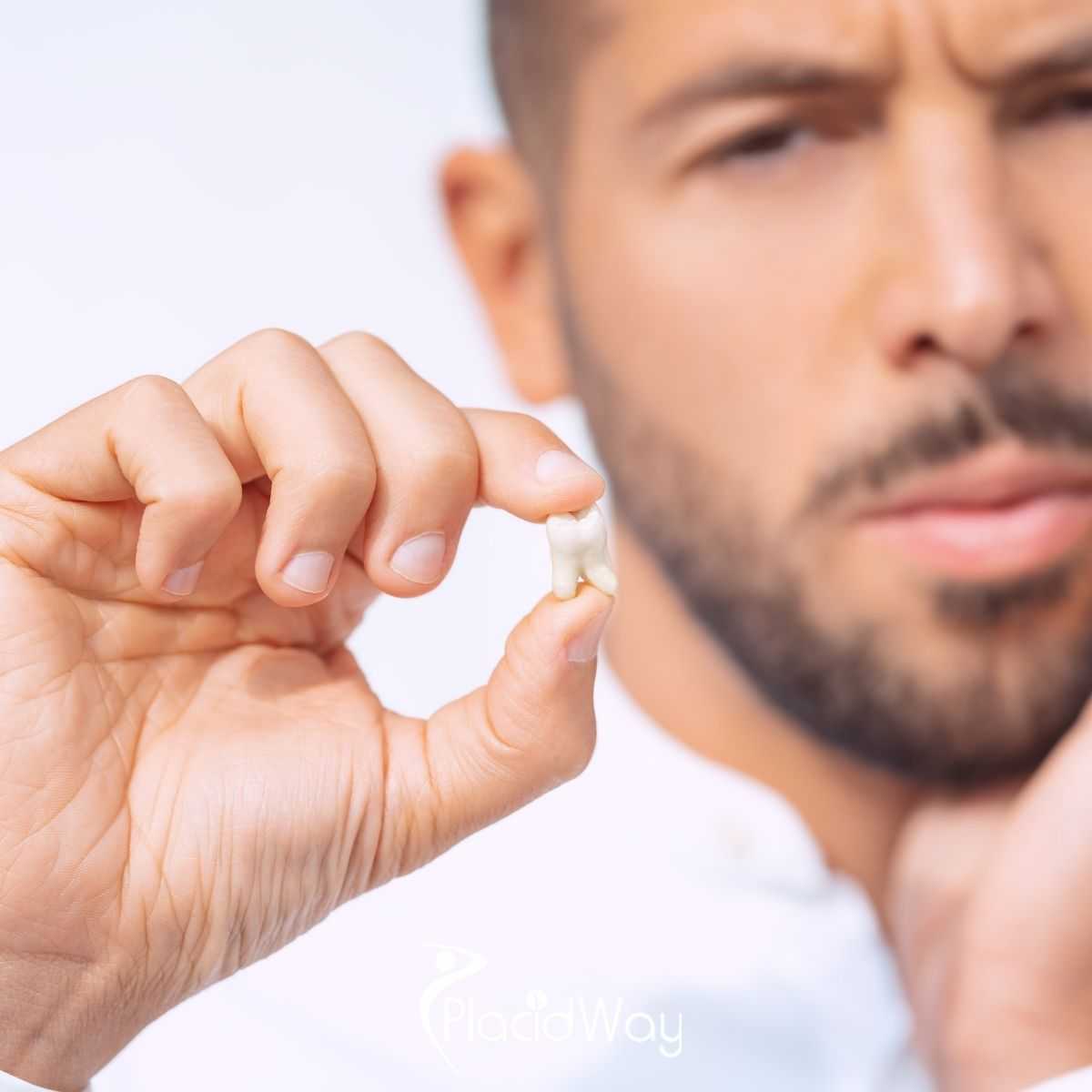









Share this listing