Dental Crowns in Istanbul

Publish date: Modified date: Medically reviewed by: Dr. Octavio Delacruz on Oct 06, 2026 Author: Rizal Aditya

Experience Price

$439 Price starting from
Dental Crowns in Istanbul

Contents

Imagine sitting in your local dentist's chair, holding an estimate for a single dental crown that looks more like a down payment on a car. For many patients in the US, the UK, and across Europe, getting essential restorative dental work has become an unaffordable luxury. The high out-of-pocket costs and months-long wait times back home are the main reasons thousands of people are turning to dental tourism. Getting dental crowns in Istanbul offers a practical, high-quality solution without draining your savings.

While a standard porcelain or zirconia crown might cost upwards of $1,500 in your home country, the exact same premium materials typically range from $150 to $300 per tooth in Turkey. However, choosing the right provider requires a bit of homework, as patient safety should always come before price. When researching facilities, look for clinics registered with the Turkish Dental Association (TDB) and those holding international certificates like ISO or JCI to ensure you receive world-class care.

What You Should Know

Average Cost
$150 to $300 per crown
Treatment Duration
5 to 7 days in Istanbul
Crown Materials
Zirconia, E-max, Porcelain-fused-to-metal
Key Accreditations
Turkish Dental Association (TDB), ISO, JCI
Pain Management
Local anesthesia standard; IV sedation available

Sorting out travel logistics in a bustling, unfamiliar city can quickly become overwhelming, which is why many patients opt for comprehensive dental packages. A standard medical tourism package usually wraps your treatment, hotel stays, airport transfers, and clinic shuttles into one clear, predictable price.

Choosing a bundled option means less stress navigating local transportation and more time focusing on your recovery. Review the dental packages below to see which combinations offer the most convenience, safety, and peace of mind for your trip to Istanbul.

`

Dental crowns in Istanbul typically range from $150 to $300 per tooth, depending on whether you choose porcelain, zirconia, or E-max materials. Back home in the US or the UK, that same crown could easily set you back $1,000 to $2,500. This stark contrast in pricing is largely due to lower operational costs in Turkey, not a drop in material quality.

When evaluating estimates, it is important to ask clinics if their quotes include consultation fees, panoramic X-rays, and temporary crowns. Compare the costs below to find an option that fits your budget and covers all necessary steps of your smile makeover.

Dental Crowns Centers Cost Comparison in Istanbul, Turkey

Provider Procedure Price
Tower Dental Clinic Dental Crowns, Dentistry $190
ClinicExpert - Multispecialty Hospital in Istanbul Dental Crowns, Dentistry $159
YEG Clinic - Best Dental Clinic Istanbul Dental Crowns, Dentistry $140
Novusklinik Istanbul Turkey Dental Crowns, Dentistry $197
Vera Hastanesi - Multispecialty Hospital in Istanbul Turkey Dental Crowns, Dentistry $200
TH Dental Clinic in Istanbul, Turkey Dental Crowns, Dentistry $140

Dental Crowns Cost Comparison in Turkey

Country Procedure Price
Australia Dental Crowns, Dentistry $1450
Canada Dental Crowns, Dentistry $1000
United Kingdom Dental Crowns, Dentistry $850
United States Dental Crowns, Dentistry $1750

Choosing the right clinic isn't just about glossy reception areas or beautiful city views. It is about verifying credentials and ensuring strict patient safety protocols before you book your flight. Look for facilities officially registered with the Turkish Dental Association and ask direct questions about their sterilization methods.

A reputable clinic will also be fully transparent about the dental laboratories they partner with to craft your crowns. Compare the clinics below by checking their international accreditations and specialized dental technology to find the best and safest fit for your needs.

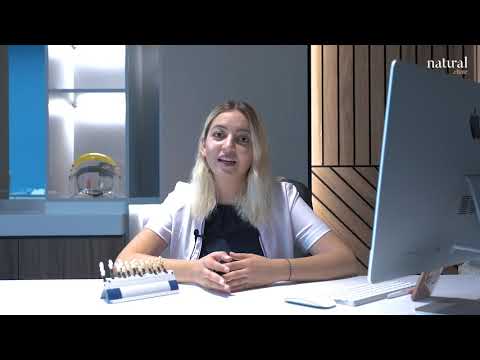
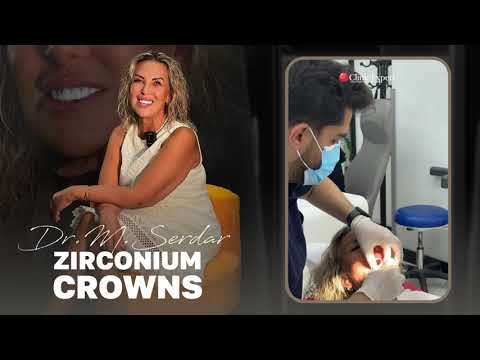
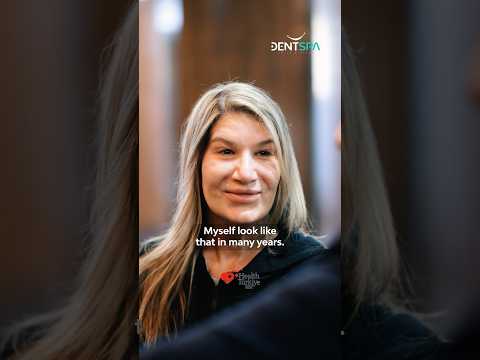
Sometimes, simply reading about a medical procedure isn't enough to calm your pre-travel nerves. Watching real patient journeys and seeing clinic walk-throughs can give you a much better sense of what to actually expect upon your arrival in Turkey.

Video testimonials often highlight the realities of the treatment process, from the temporary crown phase to the final reveal. Check out the videos below to get a virtual tour of the facilities and hear firsthand experiences from people who have already completed their dental restorations.

Nothing speaks louder than the honest experiences of patients who have sat in the exact dental chair before you. Reading authentic reviews helps you understand a clinic's bedside manner, how they handle pain management, and the overall long-term satisfaction with their dental crowns.

Look closely for feedback specifically mentioning follow-up care and clear communication from the dental staff. Browse the patient reviews below to weigh the pros and cons of different providers and make a confident, well-informed decision.

Traveling abroad for dental work naturally brings up questions about timelines, safety, and materials. Below are the most common questions patients ask when considering dental crowns in Istanbul to help you prepare for your journey.

How long do I need to stay in Istanbul for dental crowns?

You typically need to stay in Istanbul for 5 to 7 days. This allows enough time for the initial consultation, tooth preparation, laboratory fabrication of your custom crowns, and the final fitting and adjustments.

Are zirconia crowns better than porcelain?

Zirconia is highly durable and excellent for molars that endure heavy chewing forces, while E-max or porcelain crowns are often preferred for front teeth due to their superior translucency. Your dentist will recommend the best material based on your specific bite and aesthetic goals.

Is the crown procedure painful?

The procedure is performed under local anesthesia, so you should not feel pain during the tooth preparation. You may experience some mild sensitivity or soreness for a few days after the temporary crowns are placed, which is completely normal.

Do dentists in Istanbul speak English?

Yes, clinics that cater to international medical tourists employ bilingual dentists and dedicated patient coordinators who speak fluent English, ensuring clear communication regarding your treatment plan.

What happens if I have an issue after returning home?

Reputable clinics in Istanbul offer warranties on their crowns. If an issue arises, they will repair or replace the crown at no extra clinic cost, though you will generally be responsible for your return travel expenses.

How do I know if the materials used are genuine?

Top-tier clinics provide an authenticity certificate or warranty card upon completing your treatment. This document guarantees the brand and material grade used, such as genuine Ivoclar Vivadent E-max or high-grade zirconia.

Can I get a root canal and a crown during the same trip?

Yes, endodontic treatments like root canals can be performed before placing a crown. However, this may add an extra day or two to your required stay in Istanbul, so discuss it with the clinic beforehand.

Is it safe to travel to Istanbul for dental work?

Istanbul is a highly developed hub for medical tourism with strict regulations enforced by the Turkish Ministry of Health. As long as you choose a licensed, accredited clinic, the medical and travel safety standards are exceptionally high.

Will my temporary crowns hold up while I explore the city?

Yes, temporary crowns are designed to protect your teeth and allow you to function normally. However, you should avoid eating sticky, hard, or overly chewy foods while exploring Istanbul to prevent them from dislodging.

What is the Turkish Dental Association (TDB)?

The TDB is the official regulatory body for dentistry in Turkey. Ensuring your chosen dentist is registered with the TDB means they meet the country's strict professional, educational, and ethical standards.

How Long Does a Dental Crown last in Istanbul?

Dental crowns placed in Istanbul typically last between 10 and 15 years, though with excellent oral hygiene and regular dental check-ups, they can last up to 20 years or more. Longevity depends entirely on the material chosen, patient habits, and proper aftercare rather than the geographic location of the procedure. Many international patients consider dental crowns in Istanbul as a potential option to restore damaged, decayed, or aesthetically unpleasing teeth. When traveling abroad for restorative dental work, one of the most common questions revolves around the durability of the treatment. Patients want to know if the time and effort spent traveling will result in a restoration that stands the test of time. The location where your crown is placed does not inherently dictate its lifespan. A crown fabricated in Turkey is subject to the same biological and mechanical realities as a crown placed anywhere else in the world. Its durability relies on your oral health, the specific materials selected, the accuracy of the tooth preparation, and how well you care for your teeth once you return home. Key Takeaways Crowns generally last 10 to 15 years, but this can extend to 20+ years with proper maintenance. The material you choose (such as zirconia, porcelain, or metal) plays a major role in durability. Daily brushing, flossing, and regular professional cleanings are essential to prevent decay under the crown. Patients who grind their teeth (bruxism) may need a nightguard to protect their crowns from premature fracture. Local follow-up care in your home country is required for long-term maintenance and addressing any complications. 1. What factors determine the lifespan of a dental crown? The lifespan of your crown heavily depends on your daily oral hygiene, the materials used, your biting habits, and the skill of the restoring dentist. While a dental crown itself cannot decay, the natural tooth structure underneath it remains vulnerable to bacteria. If plaque accumulates at the margin where the crown meets the tooth, a cavity can form. This underlying decay is one of the leading reasons a crown fails and needs to be replaced. Maintaining a clean environment around the restoration is crucial for longevity. Mechanical stress also plays a significant role. Your jaw exerts immense pressure during chewing. If you have a habit of clenching your jaw, grinding your teeth at night, or using your teeth as tools to open packages, you place excessive force on the crown. Over time, this stress can cause porcelain to chip or the cement holding the crown in place to weaken. Finally, the initial preparation of the tooth matters. A dentist must carefully shape the natural tooth to provide a secure foundation. If the fit is not precise, bacteria can enter the microscopic gaps, or the crown may become loose over time. High-quality imaging and careful laboratory fabrication contribute to a well-fitting, long-lasting restoration. 2. Do different crown materials last longer than others? Yes, the material you select can significantly impact longevity, with metal alloys and solid zirconia generally offering the highest physical durability against biting forces. Monolithic Zirconia: This is carved from a single block of crystal. It is exceptionally strong and highly resistant to cracking or chipping. It is often recommended for back teeth (molars) that endure heavy chewing forces. Porcelain-Fused-to-Metal (PFM): These feature a strong metal core covered by a layer of tooth-colored porcelain. While the metal base is very durable, the outer porcelain layer can occasionally chip if subjected to hard impacts. E-max (Lithium Disilicate): Known for outstanding aesthetics and natural light transmission, E-max is often used for front teeth. While strong, it may not possess the same fracture resistance as solid metal or monolithic zirconia for heavy grinders. Gold or Metal Alloys: Though less popular today due to their color, metal crowns rarely chip or break and cause minimal wear to opposing teeth. They often boast the longest lifespan of all materials. Your dentist will help you choose the appropriate material based on which tooth is being restored, your bite alignment, and your cosmetic preferences. 3. How can I extend the life of my dental crowns? You can help maximize the lifespan of your crowns by maintaining meticulous oral hygiene, avoiding hard foods, and wearing a protective nightguard if you grind your teeth. Treat your crowned tooth with the same care as your natural teeth. Brush at least twice a day using a soft-bristled toothbrush and non-abrasive toothpaste. Flossing daily is particularly important to remove plaque from the crown margin—the area near the gumline where the crown meets your natural tooth. Some patients also find water flossers helpful for cleaning hard-to-reach areas around dental work. Dietary habits influence crown survival. While modern materials are strong, chewing on ice, hard candies, popcorn kernels, or non-food items like pens can cause ceramic materials to fracture. Additionally, highly acidic or sugary diets increase the risk of decay developing in the natural tooth structure beneath the crown. If you wake up with a sore jaw or suffer from bruxism (teeth grinding), discuss this with your dentist. A custom-fitted nightguard cushions the teeth during sleep, protecting both your natural enamel and your ceramic restorations from extreme pressure and premature wear. 4. What are the signs that a dental crown needs replacement? Common indicators that a crown requires replacement include visible chips or cracks, a loose feeling when chewing, persistent pain or sensitivity, and gum recession around the crown margin. If you feel your crown shifting or moving slightly when you bite down, the cement holding it in place may have washed out or failed. A loose crown requires prompt dental attention because bacteria can quickly enter the gap, leading to rapid decay of the underlying tooth. Never attempt to re-glue a crown yourself using household adhesives. Pain or sensitivity to hot, cold, or pressure often signals an issue. It might indicate that the nerve inside the tooth is inflamed, or that a cavity has formed under the restoration. In some cases, a minor bite adjustment is all that is needed, but persistent pain usually warrants an X-ray to check for deeper problems. Aesthetic changes can also prompt a replacement. Over many years, your gums may naturally recede, exposing the root of the tooth or the dark metal margin of a PFM crown. Even if the crown is functionally sound, some patients choose to replace it to restore a seamless, natural-looking smile. 5. Is the quality of dental crowns in Istanbul comparable to my home country? When placed by qualified dental professionals using recognized international materials, the quality of crowns in Turkey is often comparable to those provided in Europe or North America. The globalization of dental manufacturing means that clinics worldwide have access to the same materials and technologies. Many reputable clinics in Turkey utilize CAD/CAM milling machines, digital intraoral scanners, and high-grade zirconia or porcelain blocks sourced from well-known global brands (such as those based in Germany, Switzerland, or the US). However, quality is not uniform across all clinics. The outcome relies heavily on the individual dentist's training, the standards of the associated dental laboratory, and the specific materials selected for your treatment plan. Patients must perform due diligence to identify facilities that adhere to strict hygiene and quality control standards. 6. How much does a dental crown cost in Istanbul? While prices vary based on the material chosen and clinic location, the dental crown cost in Istanbul is typically lower than in many Western nations due to differences in local economic factors and operational overhead. Patients often travel abroad seeking more affordable restorative care, especially when multiple crowns or full-mouth restorations are required. The lower price point generally reflects the lower cost of living, reduced laboratory fees, and different currency valuations, rather than a necessary compromise in material quality. When evaluating costs, you must look beyond the price of the crown itself. Your total budget should account for preliminary exams, digital X-rays, potential root canals if the tooth is severely decayed, and temporary crowns. Furthermore, you need to factor in your travel expenses, including flights, accommodation, and food during your stay. 7. How should I prepare for dental crown treatment abroad? Proper preparation involves obtaining a preliminary evaluation from a local dentist, acquiring recent dental X-rays, and sharing your medical history with your chosen overseas provider before booking travel. Before making any travel arrangements, it is wise to have a comprehensive check-up with a dentist in your home country. They can provide panoramic X-rays and identify which teeth genuinely require crowns. You can then send these digital files to international clinics for preliminary remote consultations. This helps the overseas clinic estimate the timeframe and treatments required. Disclose your full medical history, including any medications you are taking, allergies, or underlying health conditions. Certain medical conditions, such as uncontrolled diabetes, can affect oral healing. Additionally, ask the clinic about their treatment timeline to ensure you book your trip for a sufficient number of days, allowing time for laboratory fabrication and final adjustments. 8. What happens if my crown breaks after returning home? If you experience complications such as a broken or loose crown after returning home, you will typically need to seek immediate assessment and repair from a local dentist. While adverse events are uncommon, dental emergencies can happen. A crown can fracture from a sudden impact, or it may decement (fall off). Flying back abroad for a minor repair or a recementation is rarely practical or cost-effective. Therefore, you must be prepared to pay out-of-pocket for local dental care if an issue arises. Before undergoing treatment overseas, ask the clinic for a detailed record of your procedure. Request information regarding the specific brand of materials used, the shade of the crown, and post-treatment X-rays. Having these records readily available will assist your local dentist if they need to intervene, adjust the bite, or completely replace the restoration in the future. 9. How do I choose a reliable dental crown clinic in Istanbul? Selecting a reputable dental crown clinic in Istanbul requires verifying the dentist's professional credentials, reviewing patient feedback, and asking detailed questions about the materials and laboratory processes they use. Navigating medical tourism in Istanbul requires careful research. Look for clinics that are transparent about their qualifications. Dentists should be registered with local dental associations, and clinics catering to international patients often carry certifications that indicate adherence to global hygiene and safety protocols. During your initial communication, evaluate how the clinic responds. A responsible provider will request X-rays and medical histories before making promises. They will explain the risks, alternatives, and limitations of the treatment. Be cautious of clinics that pressure you into immediate bookings without a thorough clinical discussion, or those that make unrealistic guarantees about the lifespan of the restoration. Why Choose PlacidWay for Medical Tourism? PlacidWay is an established platform that connects patients with healthcare facilities in various countries, helping you explore international options. The platform provides a centralized directory to research and compare clinics, treatments, and estimated costs before traveling. Patients can view available facility accreditations and provider credentials to aid in their independent research process. Users can request free, no-obligation information and quotes directly from medical providers through the website. PlacidWay offers educational resources and patient guides to help individuals understand the realities of seeking medical and dental care abroad. Frequently Asked Questions How many trips to Istanbul are needed for a dental crown? For most traditional dental crown procedures, patients typically need one trip lasting about five to seven days. This allows time for tooth preparation, laboratory fabrication of the crown, and the final fitting. Can I get a crown placed in a single day in Istanbul? Some clinics offer single-visit crowns using CAD/CAM technology. If you are a suitable candidate and the clinic has this equipment, the crown can sometimes be designed, milled, and placed in one day. Does getting a dental crown in Istanbul hurt? The tooth preparation process is typically performed under local anesthesia, so you should not feel pain during the procedure. Mild sensitivity or discomfort is common for a few days after the local anesthesia wears off. What is the most durable crown material offered in Istanbul? Metal alloys and monolithic zirconia are generally considered the most durable materials available. Zirconia is highly favored because it combines high physical strength with an aesthetic appearance. Will my new crown look exactly like my natural teeth? Dentists strive to match the color, shape, and translucency of your adjacent teeth, especially when using porcelain or zirconia. While they can look highly realistic, exact matching depends on the material used and the dental technician's skill. Can I eat normally immediately after getting a crown? You should wait until the local anesthesia has completely worn off to avoid accidentally biting your cheek or tongue. For the first few days, it is advisable to eat softer foods and avoid sticky or very hard items. Are temporary crowns provided during the waiting period? Yes, if your final crown takes a few days to be fabricated in a laboratory, the dentist will place a temporary acrylic or composite crown to protect the prepared tooth and maintain your appearance. Do clinics in Istanbul provide language translation services? Many clinics catering to international patients employ multilingual staff or provide dedicated patient coordinators who speak English, Arabic, Russian, or other languages to help facilitate communication. What is the recovery time for a dental crown procedure? The physical recovery is usually very short. Most patients can resume normal activities the same day. However, it may take a few weeks for the tooth and surrounding gums to fully settle and for any mild sensitivity to resolve. How soon can I fly after getting my dental crowns in Istanbul? You can generally fly the day after your final crown is permanently cemented. Flying with a temporary crown is also possible, though changes in cabin pressure occasionally cause minor, temporary tooth sensitivity. Compare Treatment Options Abroad Explore dental crown options, review clinic profiles, and request educational information to help you make an informed decision regarding international dental care. Request Treatment Information References Crowns – American Dental Association (ADA) Dental Crowns: Purpose, Procedure, Complications, Care – Cleveland Clinic Longevity of Ceramic Restorations in Dentistry – National Institutes of Health (NIH) / PubMed Medical Tourism: Travel for Medical Care – Centers for Disease Control and Prevention (CDC) Dental Exam: Why It's Done and What to Expect – Mayo Clinic Survival Rates of Zirconia Crowns – The Journal of the American Dental Association Medical Disclaimer: The information provided in this article is for educational and informational purposes only and does not constitute medical or dental advice. Individual suitability for dental crowns, associated risks, recovery times, and outcomes vary by patient and require a thorough clinical assessment by a qualified healthcare professional. Do not use this information to self-diagnose or substitute for professional medical consultation. Always consult with a licensed dentist or physician regarding your medical history and treatment options before deciding to undergo any dental procedure locally or abroad.

Your smile makeover is only as good as the dentist crafting it. You want a prosthodontist or a specialized cosmetic dentist who understands bite alignment just as thoroughly as dental aesthetics. Always verify their clinical experience with complex restorations.

Look for active memberships in international dental boards and ask to see before-and-after photos of cases similar to yours. Compare the specialized dentists below to find a professional perfectly aligned with your oral health goals.

Istanbul physically bridges Europe and Asia, making it an incredibly accessible and popular hub for medical tourists from the UK, Europe, and the US. Most international patients fly into either Istanbul Airport (IST) on the European side or Sabiha Gökçen International Airport (SAW) on the Asian side. Both airports offer hundreds of direct flights daily from major global cities.

The city perfectly blends world-class healthcare infrastructure with a rich cultural history. This means you can comfortably recover from your dental procedures while enjoying a scenic Bosphorus cruise or visiting historic sites like the Blue Mosque. While public transportation is vast, navigating it after treatment can be taxing. Fortunately, most reputable dental clinics provide private VIP transfers to ensure your safety and comfort between your hotel and appointments.

Flight Time from UKApproximately 4 hours (Direct)
Flight Time from US (East Coast)10 to 11 hours (Direct to IST)
Visa RequirementsVaries; e-Visa easily available online for many nationalities
CurrencyTurkish Lira (TRY), though Euro and USD are widely accepted in clinics
Best Time to TravelSpring (April-May) and Autumn (September-October) for mild weather
  • Always confirm if your dental package includes accommodation and airport transfers before booking flights.
  • Bring a companion if you plan on getting IV sedation, as you will need help returning to your hotel safely.
  • Pack comfortable walking shoes for sightseeing, but prioritize rest during your initial temporary crown phase.

Taking the leap to travel abroad for restorative dental work is a major decision, but you do not have to plan it alone. From matching you with fully vetted, accredited specialists to helping you navigate all-inclusive treatment packages, we are here to support your journey to a healthier, fully restored smile.

It is essential to weigh your choices carefully and consult with your local dentist if you have underlying oral health conditions. Compare your options for clinics, costs, and packages below. When you are ready to explore your personalized treatment plan, reach out for a secure, transparent cost estimate.

References

Dental Crowns in Istanbul thumbnail

About Experience

  • Translations: EN AR ES FR IT NL RO
  • Price Range: $439 - $2,800
  • Treatment: Dental Crowns, Dentistry
  • Location: Istanbul, Turkey
  • Clinics: ACIBADEM Bayındır Hospital, Dentway, Natural Clinic - Aesthetics, Dental & Hair Clinic in Istanbul, YEG Clinic - Best Dental Clinic Istanbul, ClinicExpert - Multispecialty Hospital in Istanbul, Dentaray Clinic: luxury Dental Clinic in Istanbul,
  • Doctors Dr. Gamze Etemoglu, Dr. Muge Yargici, Dr. Yasemin Buyukachan, Dr. Sena Kaya, Dr. Mustafa Sabri Sencan, Dr. Oguzhan Sunar,
  • Packages Dental Crowns Package in Istanbul, Turkey by Dentaray, Dental Crowns in Istanbul – Affordable Package by Novusklinik Turkey, Hollywood Smile / Smile Makeover - 24 Ivoclar Zirconium Crowns,
  • Overview Why get Crowns in Istanbul?

Trusted Medical Tourism Platform Since 2007

60+
Countries
2k+
Clinics
19.5k+
Reviews
2.5k+
Qualified Doctors
1.1M+
Patients Served Since 2007