


Turkey Dental Packages: A Guide to All-Inclusive Deals
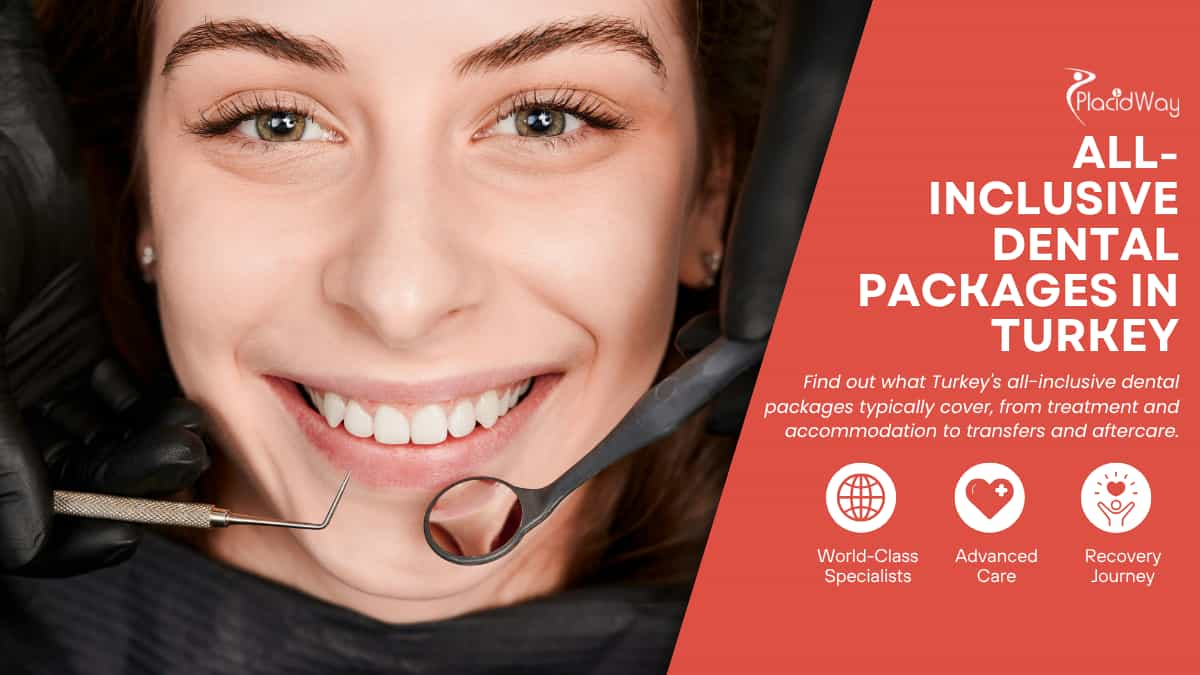
All-inclusive dental packages in Turkey typically bundle your specific dental treatment, such as implants or veneers, with local transfers, hotel accommodation, and translation services. Treatment costs generally range from $3,000 to $8,000.
Key Takeaways
- Packages usually combine clinical treatments with hotel stays and local transit.
- Prices depend heavily on case complexity and the international materials used.
- Verifying dentist credentials through official registries is a vital step before traveling.
- Patients must plan for local aftercare and maintenance upon returning home.
- International flights are rarely included and must be booked separately by the patient.
What specific treatments do all-inclusive dental packages in Turkey cover?
These packages typically cover major restorative and cosmetic procedures such as implants, veneers, and full mouth rehabilitations. They bundle the clinical work with logistical support for international patients.
Most international patients travel for comprehensive restorative work rather than routine checkups. This usually includes placing multiple titanium posts, fitting custom ceramic crowns, or completing extensive cosmetic adjustments using porcelain veneers. The clinical portion generally encompasses the initial remote consultation, on-site panoramic X-rays or 3D scans, the main surgical or cosmetic procedure, and necessary follow-up checks before the patient departs.
Basic procedures like simple fillings or routine cleanings are rarely the primary reason individuals seek these bundles due to the associated travel costs. Instead, complex clinical cases that require specialized laboratory equipment and significant chair time are the primary focus. Some comprehensive bundles may also incorporate necessary preparatory work, such as dental extractions or sinus lifts, though these additions often alter the final financial estimate.
It is crucial to understand that not all individuals are suitable candidates for every advertised treatment. A thorough remote assessment utilizing recent dental records is usually the first step to determine what a bundle might realistically cover. Final treatment plans and their associated clinical steps are always subject to an in-person physical examination upon arrival.
How much does the average dental packages cost in Turkey compared to other regions?
The estimated dental packages cost in Turkey generally ranges from $3,000 to $8,000 depending on the procedure. This is often significantly lower than estimates in North America or Western Europe.
Cost variations are driven by several clinical and logistical factors, including the brand of materials used, the complexity of the patient case, and the specific city where the facility is located. Bundles utilizing internationally recognized implant systems naturally cost more than those using regional alternatives. Patients should always request an itemized financial breakdown to understand exactly what clinical materials and logistical services are included.
| Treatment Type | Estimated Cost in Turkey | Estimated Cost in US/UK |
|---|---|---|
| Single Dental Implant (with Crown) | $700 - $1,200 | $3,500 - $5,000 |
| Full Veneer Set (20 Teeth) | $3,500 - $5,500 | $15,000 - $25,000 |
| Full Mouth Restoration (Implants) | $6,000 - $12,000 | $25,000 - $40,000 |
While the upfront financial estimate is often attractive, patients must budget for additional travel expenses. These typically include international flights, meals consumed outside the hotel, comprehensive travel insurance, and potential costs for local aftercare once they return home. Unforeseen clinical complications could also lead to extended hotel stays, adding to the overall financial commitment.
It is highly advisable to avoid choosing a facility based solely on the lowest advertised price. Unusually cheap bundles might compromise on material quality or the experience level of the attending professionals. Verifying standard pricing across multiple reputable facilities helps ensure a realistic and safe budget for your journey.
Did You Know?
Dental treatment plans can change after an in-person physical examination, meaning initial cost estimates provided online may be adjusted once you arrive at the clinic and undergo detailed 3D imaging.
What accommodation and logistics are typically provided in these packages?
Most comprehensive bundles include a set number of nights in a partner hotel and local transfers between the airport, hotel, and clinical facility. International flights are almost never included in the quoted estimate.
The accommodation provided usually ranges from comfortable business hotels to luxury lodging located reasonably close to the dental facility. The duration of the stay is tailored strictly to the expected clinical recovery time and the number of mandatory facility visits required. Patients are typically responsible for their own daily meals unless a basic breakfast is covered by the standard hotel policy.
Local transportation is a standard staple of these bundles designed to reduce stress for international visitors. A designated driver usually picks up the patient from the airport upon arrival and manages all necessary transit to and from scheduled dental appointments. This eliminates the need to navigate unfamiliar public transportation networks or negotiate with local taxis while recovering from surgical treatment.
Dedicated patient coordinators often assist with daily logistics and scheduling throughout the clinical stay. They help ensure patients arrive on time for their mandatory check-ups and can sometimes assist with minor local translation requests. However, patients should always confirm the exact scope of these logistical services in writing before finalizing their travel plans.
How do I verify the credentials of a dental clinic in Turkey?
Verifying a dental clinic in Turkey involves checking the professional registration of the dentists and the accreditation status of the facility. Always look for transparent documentation of their qualifications.
- Verify that the treating dentist holds a valid registration with the Turkish Dental Association and relevant health ministries.
- Request specific details about the specialist handling complex surgeries, ensuring they hold appropriate postgraduate qualifications.
- Inquire about the facility adherence to international sterilization and patient safety protocols.
- Ask for documented details on the brands and materials used, ensuring they are globally recognized and cleared for use.
- Review the facility policy on post-treatment complications and what clinical support they offer if issues arise after you return home.
- Avoid relying solely on promotional social media imagery; seek verifiable patient histories and official credentials.
What are the potential risks and complications of dental treatments abroad?
Traveling for dental work carries inherent medical risks such as infection, implant failure, or dissatisfaction with cosmetic results. Treating these unexpected complications back home can be clinically complex.
Surgical procedures always involve a baseline risk of infection, unexpected bleeding, or adverse reactions to local anesthesia, regardless of where they are performed globally. In a travel context, flying shortly after oral surgery can exacerbate certain clinical issues, such as sinus pressure or localized swelling. Following all post-operative travel guidelines provided by the treating professional is strictly necessary to mitigate these risks.
If an implant fails to integrate or a veneer chips after the patient has returned to their home country, addressing the issue requires either a return flight or finding a local professional willing to take over the case. Many local practitioners hesitate to modify or repair work performed abroad due to strict liability concerns or unfamiliarity with the specific implant systems used.
Communication barriers can sometimes lead to clinical misunderstandings regarding aesthetic expectations or vital medical instructions. Ensuring that the chosen facility provides fluent translation services and clear, written post-treatment guidelines is essential. Patients must advocate for themselves and ensure they fully understand all risks before consenting to extensive work.
Important Consideration
Always request your complete dental records, including pre-operative and post-operative X-rays, before leaving the facility. You will likely need these records for your local dentist back home.
How does medical tourism in Turkey ensure patient safety and care quality?
Medical tourism in Turkey is regulated by local health authorities, which require facilities treating international patients to hold specific health tourism authorization certificates.
Facilities operating within the international sector must meet strict criteria set by the Turkish government regarding clinical hygiene, technical infrastructure, and staff qualifications. Regular administrative inspections are conducted to ensure these facilities maintain operational standards. However, regulatory enforcement can vary by region, making thorough patient due diligence highly critical before booking.
Many reputable facilities pursue independent international accreditations to visually demonstrate their commitment to quality clinical care. These voluntary accreditations require strict adherence to global protocols for patient safety, rigorous infection control, and continuous medical education for all staff. Identifying facilities with these voluntary certifications adds an extra layer of reassurance for traveling patients.
The rapid growth of the sector has led to significantly improved clinical infrastructure, including advanced imaging technology and modern surgical suites. Reputable facilities invest heavily in modern equipment such as advanced 3D scanners and computerized milling machines to enhance surgical precision and reduce overall treatment times for traveling international patients.
What is the typical timeline for completing extensive dental work abroad?
Treatment timelines vary significantly by procedure, but cosmetic work usually requires a single visit of five to seven days, while implant procedures often require two separate visits.
For aesthetic treatments like custom dental veneers or ceramic crowns, the clinical process involves initial tooth preparation, laboratory fabrication, and the final permanent fitting. This sequence generally takes about one full week, allowing sufficient time for the specialized dental lab to create custom pieces and for the dentist to make necessary functional adjustments before the patient departs.
Standard dental implants are typically a multi-stage clinical process. The first visit involves surgically placing the titanium posts into the jawbone, which generally requires a local stay of roughly three to five days for monitoring. The patient then returns to their home country for three to six months to allow the bone to properly heal and functionally integrate with the new implant.
The second mandatory visit involves attaching the permanent abutments and placing the custom artificial crowns. This final restorative stage usually requires another five to eight-day local stay. While some facilities advertise immediate loading implants that condense this timeline, these are only suitable for highly specific clinical cases and carry different, often elevated, risk profiles.
What kind of aftercare is required once I return home from my dental procedure?
Proper post-operative aftercare involves maintaining rigorous oral hygiene, adhering to specific dietary restrictions during the healing phase, and scheduling routine check-ups locally.
- Follow all prescribed medication schedules carefully, including antibiotic courses and pain management protocols, exactly as directed.
- Stick strictly to soft food diets during the initial weeks after surgery to avoid placing undue mechanical stress on healing implants.
- Maintain excellent daily brushing and flossing routines to proactively prevent peri-implantitis or localized gum disease.
- Establish a working relationship with a local dentist for routine prophylactic cleanings and immediate attention if discomfort arises.
- Wear provided protective night guards if prescribed to shield new ceramic restorations from nocturnal grinding or clenching.
Why Choose PlacidWay for exploring global dental treatment options?
PlacidWay provides a comprehensive informational platform for patients to research and compare global healthcare providers. We focus on offering transparent data to help you make informed decisions.
- Access a vast global directory of internationally recognized healthcare facilities and specialized dental centers.
- Compare estimated clinical treatment costs and available supportive services across multiple global destinations.
- Review detailed facility profiles that clearly outline structural accreditations and listed staff qualifications.
- Connect directly with designated clinic coordinators to ask specific clinical questions and request customized preliminary estimates.
- Utilize free educational resources to better understand complex medical procedures and the realistic logistics of health tourism.
- Empower yourself with transparent, side-by-side informational comparisons without the pressure of committed bookings.
Frequently Asked Questions
Are consultation fees included in Turkish dental packages?
Yes, initial consultations and preliminary imaging are usually included. Most comprehensive bundles package the preliminary panoramic X-ray and the initial doctor evaluation into the total advertised cost. However, complex 3D scans might incur separate fees depending on the facility policy.
Do dental packages in Turkey cover flights?
No, international airfare is almost never included in these bundles. Patients are strictly responsible for booking and financing their own flights to and from the destination. Local airport transfers, however, are a standard inclusion to assist with ground logistics.
Can I bring a companion with my dental package?
Yes, traveling companions are generally welcome to accompany you. The hotel rooms provided are typically double occupancy, allowing a companion to stay without incurring extra accommodation charges. Their daily meals and separate travel expenses are not covered.
What happens if I need a bone graft before implants?
Bone grafting is usually an additional clinical cost not covered in standard estimates. If pre-operative scans reveal insufficient bone density, a graft is medically required, which extends the overall treatment timeline and adds to the final financial bill.
Are medications included in the overall package price?
Basic post-operative medications are often provided upon clinical discharge. Antibiotics, standard painkillers, and specialized mouthwashes necessary for immediate surgical recovery are typically handed to the patient before they return to their hotel.
How long are the hotel stays usually covered?
Covered hotel stays generally range from five to eight nights. The exact duration depends entirely on the specific clinical requirements of the procedure being performed and the mandatory post-operative monitoring period required by the dentist.
Is language translation provided during dental appointments?
Yes, professional translation services are a standard logistical inclusion. Facilities catering to international patients employ dedicated patient coordinators who are fluent in English and other major languages to ensure clear medical communication.
What payment methods are generally accepted by Turkish clinics?
Facilities typically accept major international credit cards and physical cash. Visa, Mastercard, and cash payments in major global currencies like US Dollars, Euros, or British Pounds are commonly accepted, though patients should verify exchange rates.
Do I need a visa for dental treatment in Turkey?
Visa requirements depend entirely on your specific nationality and citizenship. Many North American and European citizens require a standard tourist e-Visa, which must be obtained online prior to boarding their international flight.
What types of materials are used for crowns and veneers in Turkey?
Reputable facilities typically use globally recognized dental materials. High-grade Zirconia, E-max ceramics, and medical-grade titanium are industry standards, but patients should always independently verify the specific international brands utilized by their chosen facility.
Compare Dental Implant Options
Explore reputable clinics, compare estimated costs, and gather transparent information to make an informed decision about your dental care abroad.
Request Treatment InformationReferences
- Medical Tourism Guidelines – Centers for Disease Control and Prevention (CDC)
- Patient Safety Fact Sheet – World Health Organization (WHO)
- Going Abroad for Treatment – National Health Service (NHS)
- Policy on Dental Tourism – American Dental Association (ADA)
- International Principles on Dental Care – FDI World Dental Federation
- Accreditation Standards for International Healthcare – International Society for Quality in Health Care (ISQua)
- Guidelines for Professional Conduct – Turkish Dental Association

















Share this listing