
What treatment


20+ Key FAQs on Dentistry in Turkey
Questions About Dentistry in Turkey? Start Here
Trusted Medical Tourism Platform Since 2007
what are the problems and complications associated with turkey teeth tourism for uk patients
The primary problems with Turkey teeth tourism for UK patients involve excessive tooth shaving for crowns, leading to nerve damage, severe infections, and bite misalignment. Lack of local UK aftercare further complicates the recovery process. The growing trend of traveling abroad for smile makeovers has sparked significant discussion among healthcare professionals. For many UK residents, the appeal of combining a holiday with affordable dental care is strong. However, obtaining Turkey teeth in Turkey often involves complex, irreversible procedures that carry distinct medical risks. While many international clinics offer high standards of care, the specific cosmetic trend popularized on social media frequently involves aggressive treatments that prioritize immediate aesthetic results over long-term oral health. Understanding the distinction between conservative cosmetic dentistry and aggressive tooth preparation is vital. Before researching a specific Turkey teeth clinic in Turkey, patients must recognize that replacing healthy enamel with artificial materials is a permanent medical decision. When evaluating the overall Turkey teeth cost in Turkey, individuals must factor in the potential physical complications, the lifespan of the restorations, and the logistical challenges of managing aftercare once back home. Navigating medical tourism in Turkey requires comprehensive awareness of these clinical realities. Key Takeaways The trend often involves filing down healthy teeth for full crowns rather than applying minimal veneers. Aggressive tooth reduction significantly increases the risk of permanent nerve damage and root canal infections. UK dentists may refuse to repair failing overseas dental work due to strict legal and indemnity insurance liabilities. Patients frequently face unexpected long-term financial burdens when crowns require replacement or remedial treatment. Continuity of care is broken when patients return to the UK, making emergency interventions difficult to secure. Why are UK dental professionals warning patients about the Turkey teeth trend? UK dentists warn against this trend primarily because it routinely involves the unnecessary destruction of healthy tooth enamel to place full crowns for purely cosmetic reasons. The British Dental Association and various UK health bodies have raised concerns about the volume of patients returning with severe dental complications. The core issue lies in the clinical approach taken by some high-volume cosmetic clinics. In traditional cosmetic dentistry, altering the shape or color of a healthy tooth is usually achieved through minor contouring or thin porcelain veneers. These methods preserve the structural integrity of the underlying tooth. In contrast, the viral smile makeover trend frequently utilizes full-coverage dental crowns instead of veneers. Preparing a tooth for a crown requires removing a substantial portion of its natural structure, essentially filing it down to a small peg. When this is done to an entire mouthful of healthy teeth, it crosses the line from conservative enhancement to aggressive structural alteration. Once enamel is ground away, it never grows back. Patients are committed to a lifetime of prosthetic maintenance. Dental professionals warn that placing twenty or more crowns on a healthy young adult virtually guarantees a future of complex restorative needs, potential tooth loss, and repeated financial investments over their lifetime. What are the main physical complications of aggressive tooth preparation? The most common complications include extreme temperature sensitivity, chronic pain, pulp necrosis, and the development of painful abscesses beneath the new crowns. Thermal injury during drilling: Rapidly filing down multiple teeth generates intense friction and heat, which can permanently traumatize the living tissue inside the tooth. Pulp exposure: Removing too much dentin can expose the inner pulp chamber, allowing bacteria to enter and causing immediate, severe pain. Nerve death: Traumatized teeth may slowly die over several months, a condition known as pulp necrosis, which often goes unnoticed until a massive infection flares up. Structural weakness: Teeth reduced to small pegs are inherently weaker and more prone to snapping off at the gum line under normal chewing forces. Gum inflammation: Crowns that are placed too deep under the gum tissue irritate the biological width, leading to chronic bleeding, swelling, and eventual bone loss. Important Consideration: Removing enamel permanently compromises the natural defensive barrier of your teeth, leaving the softer inner dentin vulnerable to decay if the artificial crown ever leaks or becomes unsealed. How does excessive tooth reduction cause permanent nerve damage? Filing a tooth down for a crown removes the protective outer layers, bringing the drill perilously close to the central nerve chamber and causing irreversible trauma. To understand this risk, it helps to look at dental anatomy. Every tooth has a hard outer layer of enamel, a softer middle layer called dentin, and a central hollow chamber containing the dental pulp. This pulp is a bundle of living nerves and blood vessels. When a dentist prepares a tooth for a full crown, they must shave away a minimum of one to two millimeters of tissue from every side of the tooth. In younger patients, the nerve chamber is naturally larger and closer to the surface. Aggressive filing greatly increases the likelihood of disturbing or exposing this sensitive tissue. Even if the nerve is not directly exposed, the sheer trauma of the vibration and heat from the dental drill can trigger an irreversible inflammatory response called pulpitis. Irreversible pulpitis causes agonizing throbbing pain that keeps patients awake at night. The only medical resolution for this condition is to drill through the newly placed artificial crown, extract the dead or dying nerve tissue, and perform a full root canal treatment. In severe cases where the root structure is compromised, the entire tooth may need to be extracted. What is the risk of infection after extensive dental work abroad? Extensive crown placement carries a high risk of bacterial leakage around poorly fitted margins, leading to deep root infections, painful facial swelling, and jawbone deterioration. Infection is one of the most critical risks when undergoing full mouth rehabilitations in a condensed timeframe. Precision is paramount when cementing crowns. The junction where the edge of the artificial crown meets the natural tooth root is called the margin. If this margin is not perfectly sealed, microscopic gaps remain. Saliva, which is heavily populated with bacteria, continuously washes over these margins. Bacteria easily infiltrate any gaps, initiating rapid decay in the underlying dentin. Because the tooth is encased in porcelain, this decay remains entirely hidden from view. By the time the patient feels pain, the bacteria have usually invaded the root canal system, creating a painful pocket of pus known as an apical abscess. Furthermore, rapid treatment schedules often do not allow enough time for gums to heal after initial impressions are taken. Cementing crowns over inflamed, bleeding gums compromises the strength of the dental adhesive and traps bacteria underneath the restorations. This poor tissue management sets the stage for chronic periodontal disease. Why might a UK dentist refuse to repair complications from overseas clinics? UK dentists frequently decline to treat failing overseas dental work because touching the restorations legally transfers the liability and responsibility for that previous work onto them. A major shock for returning patients is discovering how difficult it is to find a local professional willing to fix their complications. This reluctance is rarely driven by a lack of empathy; rather, it is dictated by the strict regulatory and legal framework governing dentistry in the United Kingdom. Professional indemnity insurance providers strictly advise UK dentists against intervening in complex, failing work performed by unknown practitioners abroad unless it is to provide basic, temporary pain relief. If a local dentist attempts to repair a poorly fitted bridge or a leaking crown and the treatment subsequently fails, the patient can legally hold the UK dentist accountable for the entire failure. Additionally, UK practitioners do not know exactly what materials were used, what kind of cement was applied, or the state of the tooth stump beneath the crown. Without the original clinical records and x-rays, attempting to reverse-engineer complex prosthetic work is clinically dangerous. Consequently, patients are often forced to seek out highly specialized, expensive private prosthodontists who charge premium fees to rebuild the mouth from scratch. What happens if your bite is misaligned after receiving full mouth crowns? Replacing all biting surfaces simultaneously can alter your natural bite mechanics, leading to severe jaw pain, chronic headaches, muscle spasms, and fractured dental restorations. Occlusal trauma: If the new crowns hit together unevenly before the rest of the teeth meet, the concentrated force can cause extreme pain in the underlying tooth roots. TMJ disorders: An altered bite forces the jaw joints out of their natural resting position, straining the temporomandibular joint and causing clicking, locking, and radiating facial pain. Porcelain fracture: Unbalanced biting forces place immense stress on the ceramic materials, frequently causing the expensive new crowns to chip or shatter completely. Speech impediments: Changing the shape and thickness of the front teeth often interferes with tongue placement, causing temporary or permanent lisps and speech difficulties. Muscular fatigue: The jaw muscles may constantly remain tense trying to find a comfortable resting position, resulting in debilitating daily headaches and neck tension. How do differing regulatory standards impact patient safety? Differences in international dental regulations mean that UK patients often have limited legal recourse, different standards of informed consent, and no unified complaints procedure if things go wrong. In the UK, the General Dental Council mandates strict standards for patient safety, ethical advertising, and informed consent. Dentists are required to present all viable treatment options, including the option of doing nothing, and must prioritize the preservation of natural tooth tissue. Cooling-off periods are usually enforced before irreversible cosmetic work is started. When traveling abroad, patients step outside this specific regulatory bubble. While the destination country will have its own medical authorities and highly skilled professionals, the commercial nature of rapid medical tourism sometimes bypasses comprehensive informed consent. Patients arriving on a tight five-day holiday schedule are rarely given a meaningful cooling-off period to consider the lifelong implications of filing down their teeth. Furthermore, if negligence does occur, navigating a foreign legal system from the UK is incredibly difficult. Cross-border medical malpractice lawsuits are complex, costly, and frequently unsuccessful. The lack of a clear, accessible regulatory safety net is a significant complication for patients experiencing post-operative distress. What are the hidden long term costs associated with this type of dental tourism? Dental crowns are not permanent and require replacement every ten to fifteen years, meaning a younger patient will face multiple expensive full mouth reconstructions over their lifetime. Factor Short-Term Reality Long-Term Reality Lifespan of Materials Crowns look flawless and function well initially. Materials degrade, gums recede, and margins become exposed over 10-15 years. Financial Impact Appears highly cost-effective compared to UK prices. Requires massive financial outlay later in life to replace all failing units simultaneously. Tooth Viability Teeth are successfully reshaped to hold prosthetics. With each replacement, more tooth structure is lost, eventually leading to extractions and implants. Patients often view the upfront payment as the final cost of their new smile. Medically, this is inaccurate. Every time a crown is replaced, the dentist must remove a little more of the underlying tooth to create a clean surface for the new cement. Eventually, there is not enough natural tooth left to support a crown. When a filed-down tooth finally fails, the only option left is extraction followed by a dental implant or a denture. A patient receiving twenty crowns at age twenty-five may realistically need to replace them three or four times by the age of sixty, resulting in a staggering cumulative financial burden that far exceeds the cost of having conservative treatment done locally in the first place. How should UK patients handle dental emergencies upon returning home? Patients experiencing severe pain, swelling, or uncontrolled bleeding should contact NHS 111 or visit a dental hospital immediately for stabilization and infection control. If acute complications arise after arriving back in the UK, prompt action is necessary. A spreading dental infection can rapidly become a systemic health issue. While local general dentists may be reluctant to attempt restorative repairs on foreign dental work, emergency services hold a duty of care to relieve severe pain and treat active sepsis. Patients should provide any available emergency clinician with as much information as possible. Before leaving the foreign clinic, it is vital to request copies of all pre-operative and post-operative x-rays, treatment plans, and a detailed list of the materials used. Having these records dramatically improves a local emergency dentist's ability to diagnose the problem without unnecessary guesswork. Once the acute emergency is stabilized—typically through prescribing antibiotics, draining an abscess, or providing temporary cementation—the patient will then need to secure a private restorative specialist to evaluate the long-term prognosis of the dental work and draft a comprehensive remedial treatment plan. Why Choose PlacidWay for Medical Tourism? PlacidWay serves as a global medical tourism platform designed to help patients access healthcare information worldwide. When considering international options, here is how PlacidWay assists patients: Broad Clinic Network: Provides access to a wide directory of dental centers and healthcare providers across multiple countries and specialties. Facility Information: Displays clinic profiles, available technologies, and the types of dental materials commonly used by specific facilities. Direct Communication: Allows patients to send inquiries and request initial treatment proposals directly from international dental teams. Provider Credentials: Highlights the educational background, professional memberships, and spoken languages of the medical staff where available. Procedure Education: Offers extensive articles and resources explaining the medical differences between various treatments, such as crowns versus veneers. Frequently Asked Questions Is it safe to fly immediately after major dental surgery in Turkey? Flying immediately after extensive dental procedures can increase discomfort due to cabin pressure changes affecting sensitive teeth and sinuses. Most dental professionals recommend waiting at least a few days before flying home to ensure no immediate complications arise. Can I use the NHS to fix botched dental work from abroad? The NHS generally only provides emergency care for severe infections or severe pain resulting from overseas dental work. Routine repairs, replacement of failing crowns, and cosmetic corrections must typically be paid for privately. How long do crowns typically last before needing replacement? Dental crowns typically last between ten and fifteen years depending on oral hygiene, biting forces, and the quality of the initial placement. They are not permanent and will eventually require replacement at the patient's expense. Do all Turkish clinics perform aggressive tooth filing? No. Many highly qualified clinics provide conservative, standard-of-care treatments like thin veneers. The severe filing associated with the Turkey teeth trend usually happens when clinics unnecessarily use full crowns for cosmetic purposes instead of veneers. What questions should I ask before booking dental treatment abroad? Patients should ask about the exact type of restoration being placed, the amount of natural tooth structure being removed, the dentist's credentials, the materials used, and the specific written policies for handling post-operative complications. Can gum disease develop from improperly fitted crowns? Yes. If crowns are bulky or do not fit flush against the natural gum line, they create ledges where plaque bacteria accumulate rapidly. This often leads to chronic gingivitis and progressive periodontal disease if left untreated. Are language barriers a real risk during dental tourism? Language barriers can prevent informed consent. If you cannot fully understand the risks, the alternatives, or the permanent nature of the procedure being explained, you cannot safely consent to irreversible medical treatment. How soon do complications usually appear after returning to the UK? Some issues like severe sensitivity or bite misalignment appear immediately within the first few days. Other complications, such as chronic root infections or bone loss around poorly fitted crowns, may take months or even years to become symptomatic. What is the difference between a veneer and a full crown? A veneer is a thin layer of porcelain attached only to the front surface of the tooth, requiring minimal filing. A full crown covers the entire tooth like a cap, requiring significant removal of healthy enamel and dentin on all sides. Will travel insurance cover complications from elective dental surgery? Standard travel insurance policies strictly exclude complications arising from elective medical or dental treatments. Patients usually need specialized medical tourism insurance to cover the costs of emergency remedial care or extended hotel stays. Explore Your Dental Treatment Options Safely Gather the facts, compare internationally qualified clinics, and make informed decisions about your oral healthcare journey. Request Treatment Information References British Dental Association (BDA) - Warnings on the Risks of Dental Tourism National Health Service (NHS) - Guide to Dental Treatments and Crowns General Dental Council (GDC) - Standards for the Dental Team and Patient Consent Oral Health Foundation - Information on Dental Crowns and Preparation British Dental Journal (BDJ) - The Rise of Dental Tourism and Associated Complications Journal of the American Dental Association (JADA) - Endodontic Complications of Full Coverage Restorations Medical Disclaimer: The information provided in this article is for educational and informational purposes only and does not constitute medical advice. Dental outcomes, risks, and suitability vary significantly based on individual oral health conditions. This content is not intended to be a substitute for professional diagnosis, treatment, or advice. Always seek the guidance of a qualified dentist or healthcare professional with any questions you may have regarding a medical condition or treatment plan. Never disregard professional medical advice or delay in seeking it because of something you have read here....
Read more details

.png)
What is the Average Price for All on 4 Dental Implants in Istanbul Turkey
The estimated average price for All on 4 dental implants in Istanbul Turkey generally ranges from $2,500 to $4,500 per jaw. This usually covers the implants and a temporary prosthesis, though final costs vary based on materials and individual clinical needs. When considering extensive dental restoration, many patients explore international options to manage expenses. Searching for the All on 4 dental implants cost in Turkey reveals a wide range of estimates, heavily influenced by the specific materials used, the complexity of your dental health, and the facility you choose. While the financial aspect is a significant driver for medical tourism in Turkey, understanding the medical realities of the procedure is essential for making an informed decision about your health. Key Takeaways Cost Estimates: Treatment typically costs between $2,500 and $4,500 per jaw, though complex cases can exceed this range. Multi-Stage Process: The procedure usually requires at least two separate international trips spaced months apart. Medical Evaluation: Suitability depends heavily on bone density, general health, and lifestyle factors like smoking. Variable Inclusions: Package prices may exclude travel, accommodations, local follow-up care, and potential complication management. Local Support: Establishing a relationship with a dentist in your home country is vital for long-term maintenance and emergency care. What factors affect the overall cost of this procedure in Istanbul? The total expense is primarily influenced by the brand of the implants, the material chosen for the final dental bridge, and the individual clinical requirements of the patient. While baseline estimates provide a starting point, no two dental cases are identical. The most significant variable in pricing is the choice of materials. Implant posts are manufactured by various global companies, and premium, globally recognized brands with decades of clinical research behind them generally cost more than newer or regional brands. Similarly, the final prosthesis attached to the implants can be crafted from acrylic, porcelain, or solid zirconia. Zirconia is known for its durability and aesthetic appeal but often comes at a higher price point. Additionally, a patient's anatomical needs can alter the final bill. If a patient requires extractions of remaining damaged teeth or localized bone smoothing before implant placement, these steps may add to the cost. The experience and credentials of the oral surgeon and the prosthodontist overseeing the case also play a role in how a facility structures its pricing. What is typically included in a dental implant package in Turkey? Many treatment estimates bundle the core medical components, including clinical consultations, 3D imaging, surgical placement of four implants, and a temporary acrylic prosthesis. When looking at an All on 4 dental implants clinic in Turkey, patients often encounter bundled packages. These packages are designed to simplify the financial aspects for international patients. A standard surgical package generally covers the initial in-person consultation, necessary panoramic X-rays or CBCT (3D) scans, the local anesthesia, the four titanium implant posts, and the surgical abutments. Crucially, the initial package usually includes a temporary, fixed acrylic bridge. Because the implants need time to integrate with the jawbone (a process called osseointegration), the permanent teeth cannot be placed immediately. Some facilities may also include localized logistics, such as airport transfers and rides between your hotel and the clinic, though this varies widely. It is important to request a highly detailed, itemized breakdown to understand exactly what the quoted price covers. Are there additional or hidden expenses I should plan for? Yes, patients must account for the cost of two separate round-trip flights, multiple weeks of accommodation, the final permanent prosthesis, and ongoing local dental care upon returning home. Patients traveling abroad for extensive dentistry sometimes overlook the logistical and secondary medical costs. Because the All-on-4 process is done in phases, you will likely need to pay for international flights and hotels twice. The initial surgical visit usually requires a stay of 5 to 7 days, while the return trip for the permanent teeth may require a stay of 7 to 10 days to allow for proper fittings and adjustments. Potential Additional Expenses Description Travel & Accommodation Flights, hotels, and daily meals for two separate trips. The Final Prosthesis Often billed separately during the second trip, depending on materials. Local Aftercare X-rays, professional cleanings, and maintenance by your local dentist. Complication Management Costs to treat infections or implant failures if they occur once you return home. How does the All-on-4 procedure actually work? The technique involves placing four strategic titanium implants into the jaw, with the back two tilted at an angle to maximize contact with existing bone and support a full arch of teeth. The All-on-4 concept was developed to rehabilitate completely edentulous (toothless) arches without always requiring extensive bone grafting. During the surgical phase, a specialist places two implants straight down in the anterior (front) of the jaw, where bone density is usually highest. The two posterior (back) implants are placed at angles up to 45 degrees. This tilting technique avoids critical anatomical structures like the sinus cavity in the upper jaw and the nerve canal in the lower jaw, while utilizing the stronger anterior bone. Once the implants are secured, special abutments are attached. In most cases, if the implants achieve high initial stability, a temporary acrylic denture is screwed onto the abutments within 24 to 48 hours. This allows the patient to leave the clinic with fixed teeth, though they must adhere strictly to a soft-food diet while the bone heals and fuses to the titanium over the following several months. Who is generally considered a suitable candidate for this treatment? Ideal candidates are individuals missing most or all of their teeth in one or both jaws, who are in good general health, and have sufficient bone volume in the anterior jaw. Determining candidacy requires a thorough clinical and radiographic evaluation by a qualified dental professional. Patients who have suffered significant tooth loss due to decay, gum disease, or trauma may benefit from this approach. However, adequate bone density at the specific implant sites is a prerequisite. While the angled placement reduces the need for bone grafting, patients with severe, long-standing bone resorption may still require additional grafting procedures before implants can be placed safely. Systemic health is equally critical. Conditions that impair healing, such as uncontrolled diabetes, autoimmune disorders, or a history of radiation therapy to the head and neck, may contraindicate the procedure. Furthermore, active periodontal (gum) disease must be treated before surgery, and heavy smokers are often advised against the procedure, as smoking drastically increases the risk of implant failure. What potential risks and complications should patients consider? As with any invasive surgery, risks include infection, nerve damage, sinus complications, and the potential failure of the implant to integrate with the bone. While dental implants have a generally high historical success rate in suitable candidates, they are not risk-free, and outcomes vary by patient. Surgical complications can occur, such as unexpected bleeding, localized infection, or damage to surrounding structures like blood vessels or the inferior alveolar nerve (which can cause temporary or, rarely, permanent numbness in the lip or chin). Another significant risk is non-integration, where the bone fails to fuse with the titanium post. This can happen due to micromovement during the healing phase, poor bone quality, or post-operative infections (peri-implantitis). If an implant fails, it usually must be removed, the area allowed to heal, and the procedure potentially attempted again later. Patients traveling internationally must consider how they will handle these complications if they arise after returning home, as local emergency care will be billed out-of-pocket or through domestic insurance, which may not cover complications from overseas treatments. How long is the typical recovery process after implant surgery? Initial soft tissue healing takes about two weeks, while the underlying bone requires three to six months to fully fuse with the implants. The immediate post-operative period is often characterized by swelling, bruising, and minor bleeding around the surgical sites. This acute phase usually peaks around the third day and subsides over the following week to ten days. Pain is generally manageable with prescribed medications. During this time, strict adherence to post-operative hygiene instructions is necessary to prevent infection. The longer, more critical phase of recovery is osseointegration. For three to six months following surgery, the jawbone cells grow around and attach to the porous surface of the titanium implants. During this entire phase, patients must maintain a strictly soft diet. Chewing hard, crunchy, or tough foods can cause the implants to shift slightly, which severely disrupts the bone healing process and can lead to immediate implant failure. How many trips to Istanbul are usually required to complete the process? The standard protocol requires a minimum of two separate trips, spaced several months apart, to allow for adequate bone healing before the final teeth are placed. The phased nature of the All-on-4 treatment means it cannot be responsibly completed in a single short vacation. Trip One (Surgical Phase): This visit typically requires a stay of 5 to 7 days. It involves the clinical evaluation, extractions if necessary, surgical placement of the implants, and the fitting of the temporary acrylic bridge. The Healing Period: The patient returns home for 3 to 6 months to allow the implants to integrate securely into the jawbone. Trip Two (Restorative Phase): This visit often requires a slightly longer stay, around 7 to 10 days. The temporary bridge is removed, final impressions are taken, and the permanent, reinforced prosthesis is fabricated, tested for bite alignment, and securely attached. What should I do for aftercare and local follow-up once I return home? Consistent daily oral hygiene is mandatory, and you must establish a relationship with a local dentist for bi-annual professional cleanings and X-rays to monitor the implants. Treating dental implants like natural teeth in terms of hygiene is vital. While the artificial teeth will not decay, the gums and bone surrounding the implants are highly susceptible to bacterial infection (peri-implantitis). Patients should brush gently but thoroughly twice a day, and use specific tools like a water flosser or specialized interdental brushes to clean the crucial space between the gums and the prosthetic bridge. Before traveling for treatment, it is strongly advised to find a local dentist in your home country who is willing to provide long-term maintenance. Not all dentists are comfortable maintaining restorative work performed overseas. You will need a professional to take periodic X-rays to check bone levels, perform deep cleanings under the bridge, and adjust the bite if necessary over the years. Always request an "implant passport" from your overseas provider, which lists the exact brand, size, and model of your implants, so future dentists know what tools and parts to use. How can I verify the quality and safety of a clinic abroad? Focus on objective evidence such as international healthcare accreditations, the surgeon's verifiable board certifications, and comprehensive medical reviews rather than relying solely on social media marketing. Evaluating a medical facility from another country requires diligence. Look for clinics that hold recognized international accreditations, such as from the Joint Commission International (JCI), which signifies adherence to strict patient safety, hygiene, and sterilization protocols. Furthermore, research the specific dental professionals who will be performing your surgery. Verify their educational background, specialized training in implantology or maxillofacial surgery, and memberships in recognized international dental organizations. Be cautious of facilities that pressure you into quick decisions, offer estimates without reviewing your dental X-rays, or make absolute guarantees about medical outcomes. A reputable medical provider will always explain the potential risks, require a thorough health history, and be willing to consult with your local primary care physician or dentist if necessary. Why Choose PlacidWay for Medical Tourism in Turkey? Navigating international healthcare options can be complex. PlacidWay acts as an informational platform to help patients research and connect with providers globally. Here are a few ways the platform can assist you: Global Directory: Access a wide-ranging directory of medical and dental facilities operating internationally. Educational Resources: Utilize articles, guides, and comparative tools to better understand treatment protocols and typical cost structures. Provider Transparency: View facility profiles that list their respective accreditations, specializations, and available technologies. Direct Communication: Use the platform to send inquiries and request initial information directly from clinics for your own evaluation. Free Information Access: Patients can explore facility profiles, read FAQs, and request treatment information at no cost. Frequently Asked Questions Is it safe to get dental implants in Istanbul? Safety largely depends on the specific clinic’s adherence to international hygiene and surgical standards, as well as the patient's individual health. While many facilities maintain high standards, risks associated with surgery and travel always exist. Thoroughly researching providers is essential. Do I need bone grafting for an All-on-4 procedure? The All-on-4 technique is specifically designed to maximize existing bone by placing the posterior implants at an angle, which often eliminates the need for bone grafting. However, patients with severe bone loss may still require grafting to ensure a stable foundation. How long do these implants typically last? With proper oral hygiene and regular professional maintenance, the titanium implant posts can offer a long-term, sometimes lifelong, solution. The attached prosthetic bridge experiences daily wear and tear and may require repair or replacement after 10 to 15 years. Can I get my final permanent teeth during my first visit to Istanbul? Generally, no. Most protocols involve placing a temporary, lightweight acrylic bridge during the first visit. This allows the gums to heal and the implants to fuse with the jawbone. The final, heavier permanent bridge is typically attached during a second trip 3 to 6 months later. What materials are used for the final prosthesis? Final prostheses are commonly made from acrylic with a titanium framework, porcelain fused to metal, or solid zirconia. Zirconia is often favored for its exceptional durability and natural appearance, though it typically increases the overall cost. Will the implant procedure be painful? The surgery is performed under local anesthesia, and sometimes conscious sedation, meaning patients generally do not feel pain during the procedure. Post-operative discomfort, swelling, and bruising are common but can usually be managed with prescribed pain medications. Are financing options available for international patients in Turkey? While some local clinics offer financing for residents, international patients are typically required to pay directly via cash or credit card. Some patients secure personal medical loans or use third-party healthcare financing in their home countries before traveling. Can smoking affect the success of my dental implants? Yes. Smoking restricts blood flow to the gums, significantly increasing the risk of infection, delayed healing, and ultimately, implant failure. Most dental professionals strongly advise quitting smoking well before the procedure and during the entire recovery phase. What happens if I experience complications after flying home? If complications arise after returning home, you will need to seek care from a local dentist or oral surgeon. It is highly recommended to secure a local provider who is willing to monitor your foreign implants before you travel, and always request your complete medical records and implant passports from the overseas clinic. How soon can I fly after dental implant surgery? Most oral surgeons recommend waiting at least 48 to 72 hours before flying. Cabin pressure changes can cause discomfort in the sinuses and affect healing areas, particularly if the upper jaw was treated. Always follow your specific surgeon's travel clearance guidelines. Compare Treatment Options Internationally If you are researching dental restoration options and want to learn more about facilities, estimated costs, and medical travel considerations, explore educational resources and provider profiles. Request Treatment Information References Medical Tourism: Travel for Medical Care – Centers for Disease Control and Prevention (CDC) Dental Implants: What You Should Know – U.S. Food and Drug Administration (FDA) Dental Implant Surgery – Mayo Clinic Considerations for All-on-4 Treatment – American College of Prosthodontists Dental Treatments (Implants) – National Health Service (NHS) Oral Health Fact Sheet – World Health Organization (WHO) Medical Disclaimer: The information provided in this article is for educational and informational purposes only and does not constitute medical advice, diagnosis, or treatment recommendations. The costs, recovery times, and procedural details discussed are estimates and general guidelines; individual experiences will vary. Always consult with a qualified, appropriately licensed healthcare provider or dental specialist to determine if a specific medical procedure is safe and appropriate for your unique health condition before making any medical or travel decisions....
Read more details
how much does full mouth reconstruction in turkey cost for uk patients
For UK patients, a full mouth reconstruction in Turkey typically costs between £4,000 and £12,000. Prices vary based on complexity, materials, and procedures like implants or crowns, but generally offer significant savings compared to UK private fees. For many individuals struggling with extensive dental issues, restoring a functional and confident smile is a major priority. If you are exploring how much a full mouth reconstruction in Turkey costs for UK patients, you are likely looking for solutions to complex dental problems that may be prohibitively expensive to treat privately at home. This type of extensive dental overhaul is not a single procedure, but rather a customized combination of treatments designed to rebuild or replace all of the teeth in a patient's mouth. Understanding the process, estimating the financial commitment, and recognizing the medical realities of traveling for healthcare are vital first steps. This comprehensive guide will help you understand the estimated costs, the types of treatments involved, the safety considerations, and how to plan for extensive dental restoration abroad. Key Takeaways Estimated prices typically range from £4,000 to £12,000, depending heavily on individual clinical needs and the materials selected. The treatment usually requires at least two separate visits to Turkey, spaced several months apart, to allow for proper healing and bone integration. Not everyone is a suitable candidate; sufficient bone density and good overall health are generally required for successful implant placement. Planning for long-term aftercare in the UK is essential, as complications can arise and may not be covered by the NHS. Patients should carefully research clinics and understand that no medical procedure is entirely free of risks. What procedures are typically included in a full mouth reconstruction? A full mouth reconstruction involves a tailored combination of dental implants, crowns, bridges, and veneers. It may also require preliminary treatments like tooth extractions, bone grafting, or sinus lifts to prepare the mouth. Because every patient's oral health is unique, there is no standard template for a full reconstruction. A dentist will typically perform a comprehensive evaluation using 3D CBCT scans to assess bone density, nerve pathways, and the condition of any remaining teeth. Based on this assessment, a customized treatment plan is formulated. Common procedures often included in this extensive treatment plan are: Dental Implants: Titanium posts surgically placed into the jawbone to serve as artificial roots. Techniques like All-on-4 or All-on-6 are frequently used for full-arch restorations. Bone Grafting and Sinus Lifts: If a patient has suffered significant bone loss due to prolonged missing teeth or gum disease, synthetic or natural bone material may be added to provide a solid foundation for implants. Dental Crowns and Bridges: Custom-made prosthetic teeth that are attached to implants or existing healthy teeth to restore chewing function and appearance. Periodontal Treatment: Addressing active gum disease is crucial before any reconstructive work begins to ensure a healthy environment for new dental work. Why is the full mouth reconstruction cost in Turkey lower than in the UK? The full mouth reconstruction cost in Turkey is generally lower due to the country's lower cost of living, favorable exchange rates, and reduced operational overheads for medical facilities, not necessarily a compromise in material quality. When UK patients compare private dental quotes at home with estimates from abroad, the price difference can be stark. In the UK, high operational costs—including clinic rent, staff salaries, insurance, and administrative overheads—significantly drive up the price of private dental care. In contrast, Turkey has a lower overall cost of living and different economic dynamics. These factors allow dental clinics to offer procedures at a reduced financial cost to international patients. Additionally, the Turkish government has actively invested in healthcare infrastructure, creating a highly competitive environment among clinics, which can help keep prices favorable for patients traveling from abroad. Treatment Component Estimated Cost (Turkey) Purpose Single Dental Implant £300 - £700 Replaces a single tooth root All-on-4 (Per Arch) £2,500 - £4,500 Full arch supported by 4 implants Zirconia Crown (Per Tooth) £150 - £250 Durable, aesthetic tooth replacement Bone Grafting £150 - £300 Builds jawbone density for implants *Note: Prices are estimates only and vary widely based on individual clinic policies, patient needs, and currency fluctuations. Are there hidden costs UK patients should watch out for? Yes, patients must budget for multiple round-trip flights, accommodation, travel insurance, potential extractions, advanced bone grafting, and the cost of managing ongoing dental maintenance once back in the UK. While the core dental procedures may be less expensive, medical tourism involves logistical expenses that can add up. Because a full mouth reconstruction involving implants typically requires a healing period of three to six months between the surgical placement and the fitting of permanent crowns, patients usually need to make at least two, sometimes three, separate trips. You should also consider the financial implications of potential complications. If an implant fails to integrate or an infection occurs, you may need to pay for additional flights back to the clinic, or face high private dental fees in the UK to address the issue locally. Furthermore, long-term maintenance, such as professional cleanings and the eventual replacement of worn prosthetics, will incur ongoing costs in your home country. Important Consideration: Always ask clinics for an itemized treatment plan before traveling. Ensure you understand what is included, such as temporary dentures, medications, x-rays, and airport transfers, and what will be billed separately. Am I a suitable candidate for full mouth dental restoration? Suitability depends on having adequate jawbone density, healthy gum tissue, and good overall health. Conditions like uncontrolled diabetes, autoimmune diseases, and heavy smoking can significantly increase the risk of implant failure. Not everyone is an immediate candidate for extensive implant surgery. A thorough medical and dental history evaluation is required. For implants to anchor securely, there must be enough dense bone in the jaw. If bone loss has occurred, preliminary grafting procedures may be necessary, which extends the overall treatment timeline. Lifestyle factors play a major role in the success of dental surgeries. Heavy smoking restricts blood flow to the gums, hindering the healing process and greatly increasing the likelihood of complications or implant rejection. Patients are often advised to quit smoking well in advance of their surgery. Additionally, certain medications, such as bisphosphonates used for osteoporosis, can affect bone healing and must be discussed with a qualified healthcare professional prior to treatment. How long do I need to stay in Turkey for this treatment? Treatment usually requires at least two visits. The first visit for extractions and implant placement often takes 5 to 7 days. After a 3 to 6 month healing period at home, a second trip of 7 to 10 days is needed to fit the permanent teeth. A common misconception regarding dental tourism is that complex restorations can be completed in a single, short holiday. While some clinics offer "teeth in a day" protocols (loading a temporary bridge onto fresh implants), the actual biological process of osseointegration—where the bone fuses with the titanium implant—takes several months. During the first trip, damaged teeth are removed, implants are surgically placed, and temporary teeth are usually provided so you do not leave without a functional smile. You then return to the UK to heal. Once the implants are firmly integrated into the jawbone, you will travel back for your second visit. During this time, the temporary teeth are removed, impressions are taken, and your final, customized porcelain or zirconia crowns are crafted and permanently attached. What are the potential risks and complications of extensive dental work abroad? Risks include infection, implant failure, nerve damage, sinus issues, and bite misalignment. Traveling shortly after surgery can also increase discomfort, and resolving complications across borders can be logistically and financially challenging. Like any major surgery, a full mouth reconstruction carries inherent risks. Potential surgical complications include damage to surrounding teeth or blood vessels, nerve injury (which can cause temporary or permanent numbness in the lips or chin), and sinus perforation when placing implants in the upper jaw. When receiving treatment abroad, the distance between you and your treating dentist adds a layer of complexity. If you experience severe pain, prolonged bleeding, or signs of infection after returning to the UK, you will need immediate care. Relying solely on remote consultations can delay necessary physical interventions. Patients must weigh these risks carefully and recognize that surgical outcomes vary from person to person. How do I manage dental aftercare and follow-up once back in the UK? You must secure a local UK dentist willing to maintain your new teeth. Routine check-ups, professional cleanings, and immediate attention to any bite issues are critical for the long-term survival of dental implants. Aftercare is a vital component of any full mouth reconstruction. Implants and dental bridges require excellent oral hygiene to prevent peri-implantitis, a destructive inflammatory condition affecting the tissues surrounding an implant. Daily brushing, flossing (often with specialized tools like water flossers), and routine professional cleanings are non-negotiable. However, UK patients often face a specific hurdle: some local dentists may be reluctant to treat or adjust complex restorative work performed abroad. This reluctance can stem from liability concerns or a lack of compatible tools for specific implant brands used internationally. Before committing to treatment overseas, it is highly advisable to speak with a local UK dentist to ensure they are willing to provide ongoing maintenance and support for your specific implants. What materials are used by a full mouth reconstruction clinic in Turkey? A reputable full mouth reconstruction clinic in Turkey typically uses internationally recognized materials, including titanium for implant posts, and durable, aesthetic materials like zirconia, porcelain, or E-max for the crowns. The longevity and appearance of your reconstruction heavily depend on the materials selected. Titanium is the gold standard for dental implants due to its biocompatibility and ability to fuse effectively with human bone. Some clinics may also offer zirconia implants for patients with specific metal allergies, though titanium remains the most common and researched option. For the visible teeth (crowns and bridges), zirconia and porcelain are widely favored. Zirconia is exceptionally durable and resistant to chipping, making it highly suitable for replacing back teeth that endure heavy chewing forces. Porcelain and E-max materials offer a highly translucent, natural appearance, making them popular choices for the front teeth. Patients should discuss the pros and cons of each material with their dentist to determine the best fit for their aesthetic goals and functional needs. How does medical tourism in Turkey regulate dental safety standards? Dental practices are regulated by the Turkish Ministry of Health and the Turkish Dental Association. Clinics serving international patients often seek additional certifications and must adhere to national health and hygiene protocols. As medical tourism in Turkey has grown, so has the regulatory framework designed to monitor healthcare standards. The Turkish Ministry of Health oversees the licensing and operation of private clinics and hospitals, while dentists must be registered with the Turkish Dental Association to practice legally. These bodies set standards for hygiene, patient safety, and professional conduct. Many facilities that cater specifically to international patients go a step further by seeking voluntary international accreditations, which require them to meet stringent global standards for patient care and facility management. However, standards and quality can still vary from one clinic to another. Patients bear the responsibility of conducting thorough independent research, verifying credentials, and ensuring they feel comfortable with the clinical environment before proceeding. Why Choose PlacidWay for Medical Tourism? PlacidWay is an international medical resource helping patients navigate healthcare options around the world. Here is how the platform assists individuals exploring dental care abroad: Extensive Provider Network: PlacidWay provides access to a large directory of healthcare facilities and dental clinics in multiple countries, including Turkey. Information Gathering: The platform allows users to review clinic profiles, view provider credentials, and read about available treatments in one centralized location. Cost Comparisons: Patients can request and compare estimated pricing from various international clinics to help budget for their medical needs. Educational Resources: PlacidWay offers articles, guides, and resources to help patients understand the realities of cross-border healthcare. Multilingual Facilitation: The platform connects patients with clinics that are accustomed to treating international visitors and often employ multilingual staff. Frequently Asked Questions How long do dental implants last? Dental implants can last many years, often a lifetime, but their longevity depends heavily on individual oral hygiene, bone health, lifestyle factors like smoking, and routine professional dental cleanings. Is full mouth reconstruction painful? The surgical phases are typically performed under local anesthesia or sedation, meaning you should not feel pain during the procedure. However, post-operative swelling, bruising, and discomfort are common and are usually managed with prescribed medication. Can I get all my teeth done in one visit? Usually, a complete reconstruction requiring implants cannot be finished in a single short trip. Implants need several months to fuse with the jawbone before permanent crowns can be securely attached. Does the NHS cover any part of this treatment abroad? No, the NHS does not generally cover or reimburse the costs of routine or elective private dental care obtained outside the UK. What happens if an implant fails after I return to the UK? If complications arise, you may need to travel back to your treating clinic, or find a private specialist in the UK willing to take over your care. Many UK general dentists hesitate to treat foreign implants due to a lack of matching tools or liability concerns. How do I communicate with the Turkish dental team? Many clinics catering to international patients employ English-speaking dentists or provide dedicated patient coordinators and translators to help facilitate clear communication. Can I fly immediately after dental implant surgery? Dentists often advise waiting a few days before flying. Cabin pressure changes can exacerbate swelling or cause discomfort in newly operated areas, particularly if sinus lifts were performed. What is the difference between All-on-4 and a full mouth reconstruction? All-on-4 is a specific technique using four implants to support a full arch of teeth. Full mouth reconstruction is a broader term that may include All-on-4, but could also involve single implants, crowns, veneers, orthodontics, or periodontal treatments. Will my new teeth look natural? The appearance of your restorations depends on the materials chosen (such as porcelain or zirconia) and the skill of the dental technician. Results vary by patient, but modern materials generally allow for a highly natural look. Do I need a referral from my UK dentist? A formal referral is not legally required to seek treatment abroad. However, obtaining your dental records and x-rays from your UK dentist is highly recommended to help the international clinic assess your case accurately. Ready to Explore Your Dental Options? Connect with qualified clinics, compare estimated costs, and gather the information you need to make an informed decision about your dental care. Request Treatment Information References Dental Treatments Guide – National Health Service (NHS) Going Abroad for Dental Care – General Dental Council (GDC UK) Dental Implants Information – Oral Health Foundation Medical Tourism Guidelines – Centers for Disease Control and Prevention (CDC) Dental Regulations in Turkey – Turkish Dental Association (TDB) Dental Implant Surgery Risks and Process – Mayo Clinic Medical Disclaimer: The information provided in this article is for educational and informational purposes only and does not constitute medical or dental advice. Dental health outcomes, risks, and recovery times vary significantly based on individual health conditions and adherence to aftercare. Traveling abroad for medical procedures carries inherent risks. Always consult with a qualified, local healthcare professional or dentist before making any decisions regarding full mouth reconstruction or any other surgical treatment....
Read more detailsDiscover your treatment options with a free, no-obligation quote!
Get your quote now!
how much do dental implants cost without insurance
Without insurance, a single dental implant typically costs between $3,000 and $4,500. Full-mouth restorations like All-on-4 can range from $20,000 to $40,000 per arch. Prices vary based on location, materials, and preparatory procedures. Navigating the financial aspects of tooth replacement can be challenging, especially when you are paying entirely out of pocket. Understanding the true cost of dental implants without insurance is the first step toward restoring your smile and oral health. Because implants are often categorized as cosmetic or elective by traditional healthcare plans, many patients find themselves responsible for the total bill. This article breaks down the expenses you can expect, the factors that drive up costs, and alternative solutions—such as financing and medical tourism—that can make treatment more accessible. Key Takeaways The total out-of-pocket cost for a single implant usually falls between $3,000 and $4,500 domestically. A dental implant consists of three separate parts (post, abutment, and crown), each with its own fee. Preparatory procedures like extractions, 3D imaging, and bone grafting can add hundreds or thousands to the final bill. Many patients utilize Health Savings Accounts (HSAs), specialized medical financing, or dental discount plans to manage expenses. Exploring medical tourism for dental implants can often yield substantial cost savings, though it requires careful research and planning. What factors influence the out-of-pocket cost of a dental implant? The total price depends on the specific materials used, the complexity of your clinical case, the geographic location of the dental practice, and the expertise of the specialist performing the surgery. When you begin researching dental implants without insurance, you will quickly notice that clinics rarely advertise a single, flat fee. This variability exists because no two mouths are exactly alike. The type of material chosen plays a major role; standard titanium posts are generally more affordable than metal-free zirconia alternatives. Similarly, the material selected for the visible crown—such as basic porcelain fused to metal versus highly aesthetic layered zirconia—will impact the final invoice. Geographic location is another primary driver of cost. A specialized prosthodontist operating in a major metropolitan area with high commercial rent will naturally charge more than a general dentist in a rural community. Furthermore, the overall health of your jaw and gums dictates how much preparation is needed before the implant can even be placed. Complex cases requiring significant foundational work will always carry a higher price tag than straightforward, single-tooth replacements in a healthy jaw. What is the step-by-step cost breakdown for a single implant? A single tooth replacement involves multiple distinct components—the surgical post, the connecting abutment, and the final crown—each carrying its own separate fee when paying out of pocket. It is important to understand that an implant is not a single piece of hardware. When a clinic provides an estimate, you must verify whether the quote covers the entire procedure from start to finish. A complete single-tooth restoration generally breaks down into several phases of billing. Consultation and Imaging: Initial exams, X-rays, and 3D Cone Beam CT scans typically cost between $150 and $400. The Implant Post: The titanium or zirconia screw placed surgically into the jawbone usually costs $1,000 to $2,500. The Abutment: The connector piece that sits above the gumline typically adds $300 to $600 to the bill. The Final Crown: The custom-made artificial tooth that attaches to the abutment often ranges from $1,000 to $2,000, depending on the material. Important Consideration: Beware of "Too Good to Be True" Marketing Some clinics advertise implants for as low as $399 or $599. In almost all cases, this heavily discounted price only covers the surgical placement of the titanium post and excludes the essential abutment, the custom crown, and necessary imaging. Always request a comprehensive, itemized treatment plan before committing. How much do full-mouth dental implants cost without coverage? Full-arch solutions, such as All-on-4 or All-on-6 systems, typically cost between $20,000 and $40,000 per arch in the United States, depending on the prosthetic materials selected. If you are missing all or most of your teeth on the upper or lower jaw, replacing them individually is neither practical nor financially feasible. Instead, dentists often use full-arch rehabilitation systems. These techniques strategically place four to six implants in the jawbone to support a complete, permanent bridge of replacement teeth. Because this is a highly specialized surgical and restorative procedure, it requires significant financial investment when paying without insurance. The variation in full-mouth pricing largely comes down to the final bridge material. A traditional acrylic denture placed over implants is often at the lower end of the cost spectrum. Conversely, a custom-milled monolithic zirconia bridge—which offers superior durability, stain resistance, and a highly natural appearance—will push the cost toward the higher end of the scale. A complete set (both upper and lower arches) can easily exceed $50,000 to $80,000 domestically. Do preparatory procedures like bone grafting increase the final bill? Yes, if your jawbone lacks enough density to securely anchor an implant, a bone graft or sinus lift will be necessary, adding roughly $500 to $3,000 to your total expenses. When a tooth is lost, the underlying jawbone no longer receives the stimulation it needs from chewing, leading it to slowly deteriorate over time. If you have been missing a tooth for several years, there is a strong chance you will not have enough bone width or height to support a standard titanium post safely. In these instances, the surgeon must rebuild the foundation. A standard socket preservation or minor bone graft might cost between $400 and $800. However, if you require a complex sinus lift (a procedure to add bone to the upper jaw near the sinus cavity) or a block graft using your own bone, the costs can escalate quickly, often reaching $2,000 to $3,000. Additionally, these procedures require several months of healing before the actual implant surgery can begin, which extends the overall treatment timeline. Are there alternative financing options if I cannot afford implants upfront? Many patients manage the high costs by utilizing third-party medical financing companies, joining dental discount networks, tapping into Health Savings Accounts (HSAs), or seeking care at accredited university dental schools. If paying thousands of dollars in a single lump sum is not an option, there are multiple avenues to make the process more manageable. Specialized healthcare credit lines offer promotional periods with zero or low interest, allowing you to break the total cost down into affordable monthly payments over 12 to 24 months. Just be aware that if the balance is not paid off within the promotional period, standard interest rates can be quite high. Another popular option is joining a dental discount plan, which acts differently than insurance but can lower costs by 15% to 40% at participating network providers. Finally, if you live near a university with a recognized dental program, you may be able to receive treatment at a significantly reduced rate. At these institutions, highly supervised residents perform the procedures, though you must be prepared for longer wait times and lengthier appointments. How does medical tourism offer cost savings for dental implants? Traveling to destinations with lower costs of living and more affordable medical overhead can often reduce the out-of-pocket cost of dental implants by 50% to 70% compared to typical US or UK prices. Due to the substantial expense of domestic dental care, medical tourism for dental implants has become a rapidly growing industry. Patients routinely travel across borders to countries like Mexico, Costa Rica, Colombia, and Turkey to receive complex dental restorations. The price difference is not necessarily indicative of poorer quality; rather, it reflects the destination country's lower labor costs, reduced administrative overhead, and different malpractice insurance requirements. For example, a single implant that might cost $4,000 in the United States may be available for $1,000 to $1,500 in a popular medical tourism hub. When patients require full-mouth restorations, the savings can amount to tens of thousands of dollars. These significant cost differences often more than cover the associated travel, accommodation, and passport expenses, making international care an attractive option for budget-conscious patients. What should patients look for in a dental implant clinic abroad? When evaluating an international clinic, patients should prioritize verified specialist credentials, adherence to global sterilization standards, the use of recognized implant brands, and transparent pricing structures. Selecting a dental implant clinic abroad requires a higher level of diligence than booking a local appointment. It is crucial to verify that the dentist performing the surgery is a specialist—such as an oral surgeon, periodontist, or prosthodontist—rather than a general practitioner with limited surgical experience. Many top-tier international dentists complete portions of their training in the US or Europe and hold memberships in recognized global dental organizations. Implant Brands: Ensure the clinic uses internationally recognized brands (like Straumann, Nobel Biocare, or Zimmer). If you need an adjustment back home, your local dentist will need compatible tools to service the implant. Technology: Look for facilities equipped with in-house 3D CBCT scanners and CAD/CAM milling machines, which indicate a modern approach to treatment planning. Communication: The clinic staff should be fluent in your language to prevent critical misunderstandings regarding your medical history or post-operative care. Reviews and Results: Request to see before-and-after photos of actual patients and seek out independent reviews from previous medical tourists. What are the potential risks of traveling internationally for dental care? While traveling can save money, risks include logistical stress, varied regulatory standards, communication barriers, and complications arising after you have already flown back home. While millions of patients successfully navigate dental tourism each year, it is not without inherent risks. Standardizing care is difficult because regulatory bodies and safety protocols vary widely from one country to the next. If malpractice or a serious surgical error occurs, patients may find they have limited legal recourse in a foreign jurisdiction compared to what they would have domestically. Furthermore, flying shortly after major oral surgery can be uncomfortable and carries a slight risk of sinus complications or increased swelling due to cabin pressure changes. The most significant challenge, however, revolves around complications. If an implant becomes infected or fails to integrate several weeks after your procedure, returning to the international clinic for revision surgery can be expensive and logistically difficult, potentially erasing any initial cost savings. How do out-of-pocket costs compare between the US and popular destinations? While a single implant might cost $4,000 in the US or Canada, popular medical tourism hubs often provide the exact same procedure using globally recognized materials for $800 to $1,500. To put the savings into perspective, it helps to look at estimated cost comparisons. Keep in mind that these figures are broad estimates; actual costs vary based on individual clinical needs and the specific clinic chosen. Treatment Type Estimated US/UK Cost Estimated Cost Abroad Single Dental Implant (Complete) $3,000 - $4,500 $800 - $1,500 All-on-4 Full Arch $20,000 - $30,000 $8,000 - $12,000 Bone Grafting (Minor) $400 - $800 $150 - $400 Because dental implants usually require two separate trips—one for surgical placement and a second trip three to six months later to attach the permanent crowns—patients must factor the cost of flights, hotels, and local transportation into their total budget to determine if the overall savings remain worthwhile. Will I need to pay for local follow-up care after returning home? Yes, routine check-ups, professional cleanings, and occasional adjustments are vital for the long-term success of an implant, meaning you must budget for ongoing local maintenance. Getting dental implants is not a "set it and forget it" procedure. Even if you travel abroad to save on the heavy surgical costs, you will still need a local dentist to manage your long-term oral health. Implants require specialized professional cleanings to prevent peri-implantitis, a type of gum disease that can cause bone loss around the titanium post. Since you will not have insurance, these regular exams and cleanings will be an ongoing out-of-pocket expense. It is highly recommended that you establish a relationship with a local dentist before you travel abroad. Inform them of your plans and ensure they are willing to provide maintenance care once you return. Always request comprehensive dental records, X-rays, and the specific brand, size, and model number of your implants from your international clinic so your local provider knows exactly what they are working with during future visits. Why Choose PlacidWay for Medical Tourism? If you are considering traveling for dental care but feel overwhelmed by the options, utilizing a medical tourism platform can help streamline your research. PlacidWay helps connect patients with international healthcare providers. Here is how they assist in the process: Extensive Directory: PlacidWay provides access to a large directory of dental clinics across dozens of popular medical tourism destinations. Provider Transparency: The platform offers detailed clinic profiles, highlighting dentist credentials, facility accreditations, and spoken languages. Cost Comparisons: Patients can view estimated treatment costs from various global providers, making it easier to budget for procedures without insurance. Direct Communication: PlacidWay facilitates direct contact between the patient and the clinic, allowing you to ask specific questions about materials and timelines. Educational Resources: The platform offers articles and guides to help patients understand the logistics and considerations of pursuing healthcare abroad. Frequently Asked Questions Can I get a dental implant on the same day my tooth is extracted? In some cases, a dentist may place an immediate implant right after an extraction. However, this depends heavily on your bone density, the presence of infection, and your overall oral health. Many patients require several months of healing between extraction and implant placement. How long do dental implants typically last? With proper oral hygiene, routine dental visits, and a healthy lifestyle, the titanium implant post can often last for decades. The visible crown or prosthetic attached to it experiences daily wear and tear and may need replacement after 10 to 15 years. Is the dental implant surgery a painful procedure? The procedure is typically performed under local anesthesia, meaning you should not feel sharp pain during the surgery, though you may feel pressure. After the anesthesia wears off, most patients experience mild to moderate discomfort, swelling, and bruising, which can usually be managed with over-the-counter pain relievers. Am I a good candidate for dental implants if I have bone loss? Bone loss does not automatically disqualify you, but it often means you will need an additional procedure, such as a bone graft or sinus lift, to build a solid foundation. Your dentist will evaluate your jawbone using 3D imaging to determine if preparation is necessary. What is the difference between titanium and zirconia implants? Titanium is a highly durable metal that has been the industry standard for decades due to its excellent ability to fuse with human bone. Zirconia is a strong, metal-free ceramic alternative often chosen by patients with metal allergies or those seeking a highly aesthetic option for front teeth, though it can sometimes be more expensive. Does a dental discount plan work exactly like insurance? No. Dental discount plans require an annual membership fee in exchange for access to a network of participating dentists who offer services at reduced rates. Unlike insurance, there are no deductibles, claims forms, or annual maximum caps, but you must pay the discounted fee entirely out of pocket. Can I use my FSA or HSA to pay for dental implants? Yes, Flexible Spending Accounts (FSAs) and Health Savings Accounts (HSAs) can generally be used to pay for dental implants, as they are considered an eligible medical and dental expense. Using tax-advantaged accounts is a common strategy to offset high out-of-pocket costs. What happens if a dental implant fails to integrate? If an implant fails to fuse with the jawbone—a condition known as failed osseointegration—the dentist will typically remove the loose implant, clean the area, and allow it to heal. After a few months, and potentially following an additional bone graft, a new implant can usually be attempted. Are cheaper dental implants inherently lower in quality? Not always, as geographic location and overhead costs heavily influence pricing. However, excessively cheap domestic offers may use generic components or exclude the cost of the crown. It is crucial to ask your provider about the brand of materials they use and their overall experience level. How long is the total recovery period after implant surgery? While the initial surgical healing takes about one to two weeks, the internal process of osseointegration—where the bone grows around the implant—usually takes three to six months. Only after this integration is complete can the final permanent crown be securely attached. Explore Your Dental Implant Options Compare international clinics, review estimated costs, and find the right destination for your dental care needs without the pressure of insurance restrictions. Request Treatment Information References Dental Implants – American Dental Association (ADA) Missing Teeth Statistics – American College of Prosthodontists (ACP) Dental Implants: What You Should Know – U.S. Food and Drug Administration (FDA) Dental Implant Surgery Risks and Details – Mayo Clinic Survival Rates of Dental Implants – National Institutes of Health (NIH) / PubMed Medical Tourism Guidelines and Travel Safety – Centers for Disease Control and Prevention (CDC) Medical Disclaimer: The information provided in this article is for educational and informational purposes only and does not constitute medical or dental advice. While we strive to provide accurate and up-to-date information regarding treatment costs and options, individual circumstances, clinical eligibility, and outcomes will vary. Always consult with a qualified healthcare professional or licensed dentist before making decisions about dental implants or traveling for medical care. Treatment outcomes are never guaranteed, and medical tourism carries inherent risks that should be thoroughly evaluated with a medical professional....
Read more details
Why is Turkey a Popular Destination for Dental Tourism
Turkey is a popular destination for dental tourism because it offers a combination of affordable treatment estimates, modern clinics, and experienced dentists. Patients often travel for procedures like implants and veneers while enjoying a vacation. In recent years, the concept of traveling abroad for healthcare has expanded rapidly, and dental tourism in Turkey has emerged as a frequent choice for international patients. People from the United Kingdom, the United States, Europe, and the Middle East often look to Turkish cities like Istanbul, Antalya, and Izmir to address their oral health needs. The combination of established medical infrastructure and geographic accessibility makes the country highly visible in the global healthcare market. Understanding why patients choose this path requires looking beyond just the financial aspects. It involves evaluating the quality of care, the qualifications of the professionals involved, the logistics of travel, and the critical importance of patient safety. This guide explores the details of seeking dental care overseas, helping you make an informed, medically responsible decision about your oral health. Key Takeaways Cost estimates for dental procedures in Turkey are often significantly lower than in the US or UK, primarily due to differences in the local cost of living and operational expenses. Popular treatments include dental implants, veneers, crowns, and full-mouth restorations. The Turkish Ministry of Health heavily regulates facilities that cater to international patients. Thorough research is required to ensure a chosen clinic prioritizes hygiene, uses quality materials, and communicates effectively in your language. Patients must plan for local aftercare and realize that any complex procedure carries inherent risks that require follow-up. What types of dental procedures do patients travel to Turkey for? International patients typically travel to Turkey for major restorative and cosmetic procedures, such as dental implants, dental veneers, crowns, and full-mouth reconstructions. Because international travel involves flights and accommodation, patients rarely travel for routine care like basic fillings or standard cleanings. Instead, they seek out higher-value treatments where the difference in overall estimates justifies the journey. Dental implants are among the most common procedures. These artificial tooth roots provide a permanent base for replacement teeth and are often sought by patients experiencing significant tooth loss. Cosmetic dentistry is another major draw. Many individuals travel to receive veneers or crowns to alter the shape, size, or color of their teeth. Full-mouth restorations—often utilizing techniques like All-on-4 or All-on-6 implants—are also frequently requested. These complex interventions require careful planning, specialized imaging, and an experienced prosthodontist or oral surgeon. It is vital to understand that not every patient is a suitable candidate for these procedures. For example, successful implant placement requires adequate jawbone density and healthy gums. If bone loss has occurred, preparatory procedures like bone grafting or sinus lifts may be necessary, which can significantly alter the treatment timeline and recovery process. How much does dental work cost in Turkey? The financial layout for dental care in Turkey is generally much lower than in Western countries, with estimates often reflecting savings of 50% to 70% due to local economic factors. When evaluating the dental work cost in Turkey, patients find that the estimates are highly competitive. This price difference is not inherently indicative of lower quality care; rather, it reflects Turkey's lower cost of living, lower commercial rent, and lower laboratory costs compared to nations like the United States or the United Kingdom. However, prices vary widely depending on the clinic's location, the brand of materials used (e.g., standard titanium vs. premium branded implants), and the complexity of your specific case. Below is an estimated comparison of standard procedural costs. Please note that these are broad estimates. Final costs can only be determined after a thorough clinical examination by a qualified dentist. Procedure Estimated Cost in US/UK Estimated Cost in Turkey Single Dental Implant (Post + Crown) $3,000 - $5,000 $600 - $1,200 Porcelain Veneer (Per Tooth) $900 - $2,500 $150 - $350 Zirconia Crown (Per Tooth) $1,000 - $2,000 $200 - $400 All-on-4 System (Per Arch) $15,000 - $25,000 $3,500 - $6,000 Are dentists in Turkey qualified and regulated? Yes, dentists in Turkey must complete rigorous university education and maintain registration with the Turkish Dental Association and the Ministry of Health to practice legally. To become a dentist in Turkey, individuals must complete a five-year undergraduate degree at an accredited faculty of dentistry. Following graduation, many choose to pursue further specialization through a competitive national exam (DUS), which requires an additional three to four years of intensive clinical training in fields such as oral surgery, prosthodontics, or periodontology. The Turkish Dental Association (TDB) acts as the primary professional body, setting ethical standards and monitoring the ongoing education of its members. Furthermore, any facility treating international patients must hold a specific Health Tourism Authorization Certificate issued by the Ministry of Health. This certificate mandates strict adherence to hygiene, equipment quality, and patient communication standards. While the regulatory framework is robust, standards can still vary between individual practitioners. Patients are strongly encouraged to verify the specific credentials, specialty training, and clinical experience of the dentist who will be performing their procedure. Is it safe to get dental work in Turkey? Receiving dental care in Turkey is generally safe when performed by credentialed professionals in accredited facilities, but no medical procedure or international travel is entirely free of risk. Safety in dentistry relies heavily on strict infection control protocols, accurate diagnostics, and the skill of the practitioner. When selecting a dental clinic in Turkey, you will find that many prominent facilities adhere to international guidelines set forth by organizations like the World Health Organization (WHO) and the Centers for Disease Control and Prevention (CDC) for sterilization and hygiene. However, assessing safety also means understanding your own health status. Patients with underlying conditions such as uncontrolled diabetes, autoimmune disorders, or heart disease may face higher risks of infection or poor healing during oral surgery. A thorough medical history must be disclosed to your treating dentist before any procedures commence. Additionally, traveling long distances immediately before or after surgery adds elements of physical stress. Changes in cabin pressure during flights can exacerbate swelling and pain. Discussing your travel itinerary with your healthcare provider is a necessary step in ensuring a safe experience. What should I look for when choosing a dental clinic in Turkey? You should look for proper Ministry of Health accreditation, clear communication in your native language, verifiable dentist credentials, and a transparent approach to treatment planning. Official Accreditation: Ensure the clinic holds the mandatory Health Tourism Authorization Certificate from the Turkish government. Clear Communication: The clinic should provide fluent translation services or have English-speaking staff so you fully understand your diagnosis, treatment plan, and consent forms. Transparent Pricing: Avoid clinics that refuse to provide a detailed, itemized breakdown of estimated costs. Be cautious of extremely low estimates that seem out of line with market averages. Realistic Expectations: Reputable dentists will explain the risks and acknowledge that not every patient is a candidate for every procedure. Steer clear of clinics that guarantee 100% success or permanent results without evaluating your medical history. Technology and Materials: Ask about the brands of implants or materials used. Internationally recognized brands offer a better chance that your local dentist can source compatible tools for future maintenance. How long do I need to stay in Turkey for dental treatments? The required stay depends entirely on the procedure; simple restorations may take less than a week, while traditional implants often require two separate trips spaced months apart. For cosmetic procedures like veneers or crowns, the process generally involves an initial consultation, tooth preparation, and taking impressions. The laboratory then needs a few days to craft the custom restorations. Patients usually stay in Turkey for 5 to 7 days to allow time for the final fitting and any necessary bite adjustments. Dental implants are much more complex. A traditional implant procedure requires a biological process called osseointegration, where the titanium post fuses with the jawbone. This first phase usually requires a stay of 3 to 5 days. You will then return home with temporary teeth or a healing cap. After a healing period—typically 3 to 6 months—you must return to Turkey for a second trip lasting 5 to 7 days to have the permanent crowns attached. While some clinics offer "teeth in a day" or immediate loading implants, this technique is only suitable for specific clinical cases and carries different risk factors that must be evaluated by your specialist. What are the potential risks and complications of dental tourism? Risks include surgical complications like infection or nerve damage, challenges in managing post-operative emergencies after returning home, and communication barriers. Every medical and dental procedure carries inherent risks. Oral surgeries can lead to infections, prolonged bleeding, sinus issues, or, in rare cases, nerve damage that affects sensation in the lips or gums. Implants also carry the risk of failure if the bone fails to integrate with the post. When receiving dental work in Turkey, the physical distance between you and your treating dentist complicates these standard risks. If a crown becomes loose, an infection develops, or an implant fails a few weeks after you return home, traveling back to the original clinic may be logistically and financially difficult. Furthermore, if complications require immediate local intervention, your domestic dentist may not be familiar with the exact techniques or hardware systems used abroad. This underscores the importance of obtaining all your dental records, imaging, and material specifications before you leave the clinic to share with your local healthcare providers. How do I handle dental aftercare once I return home? Effective aftercare requires maintaining excellent oral hygiene and establishing a relationship with a local dentist willing to perform regular check-ups and maintenance on work done abroad. The success of any dental work, particularly implants and complex restorations, heavily depends on how well it is maintained. Once you are back home, you must adhere strictly to the hygiene regimen prescribed by your Turkish dentist. This usually involves specialized brushing techniques, flossing, and the use of antimicrobial mouthwashes. It is critical to schedule an appointment with a local dentist shortly after your return. They can monitor your healing process and take over routine cleanings. Be upfront with your local provider about your decision to seek treatment internationally, and provide them with all the clinical notes and x-rays you brought back. In the event of pain, severe swelling, or hardware failure, do not wait. Seek immediate professional medical or dental attention locally. Delaying care due to hesitation or trying to resolve the issue remotely with your overseas clinic can lead to worsening complications and potential tooth or bone loss. Can I combine my dental treatment with a vacation in Turkey? Yes, many patients enjoy tourism activities during their stay, but leisure must be carefully balanced with the physical requirements of rest, healing, and clinic appointments. Turkey’s rich history, beautiful coastlines, and vibrant culture make it an appealing destination. Cities like Istanbul offer historical sightseeing, while coastal regions like Antalya provide relaxing environments. The idea of combining a holiday with dental treatment is a major driver of the industry. However, the medical aspects of your trip must take precedence. Oral surgery can cause fatigue, swelling, and dietary restrictions. Activities like swimming in public pools, vigorous physical exertion, or extensive walking under the hot sun may be contraindicated immediately after procedures like bone grafting or implant placement to prevent infection or bleeding. If you intend to explore, it is generally recommended to schedule your more strenuous tourism activities before your dental procedures. Afterward, focus on quiet, relaxing activities that allow your body the energy it needs to heal properly. How does medical tourism in Turkey support international patients? The sector is supported by government initiatives, specialized healthcare facilities designed for foreigners, and patient coordinators who assist with communication and scheduling. The growth of medical tourism in Turkey is not accidental. The Turkish government has actively invested in the healthcare infrastructure to attract international patients. This includes supporting the establishment of large, modern facilities that often combine various medical disciplines, including advanced dentistry. To cater to the influx of global visitors, many clinics operate specialized international patient departments. These teams focus entirely on bridging the gap between foreign patients and medical staff. They handle the translation of medical documents, assist in explaining the nuances of treatment plans in English, German, or Arabic, and coordinate appointment times to align with travel schedules. This level of organized support helps alleviate much of the anxiety associated with seeking healthcare in a foreign country, though it remains the patient's responsibility to ask critical questions regarding their care, understand their treatment, and consent only to procedures they are comfortable with. Why Choose PlacidWay for Medical Tourism in Turkey? Navigating international healthcare options can be complex. PlacidWay acts as an informational resource to help patients research and compare various medical tourism options globally, including dental care in Turkey. Here are five factual ways PlacidWay can assist you: Global Directory: Provides access to a wide database of healthcare providers and dental clinics located in Turkey and around the world. Facility Information: Offers details regarding the accreditations, facility infrastructure, and services available at different international clinics. Comparison Tools: Allows patients to compare multiple dental facilities, geographic locations, and estimated treatment costs in one centralized platform. Educational Content: Supplies informational resources and articles to help patients understand various dental procedures and what to expect when traveling for care. Direct Communication: Facilitates an initial pathway for patients to contact clinics directly to request personalized cost estimates and ask specific medical questions. Frequently Asked Questions Do dental clinics in Turkey speak English? Many dental facilities in major Turkish cities employ English-speaking dentists and patient coordinators to facilitate clear communication with international patients. What materials are used for dental implants in Turkey? Clinics typically use internationally recognized materials such as titanium or zirconia for implants, though exact brands and materials vary by facility and patient need. Will I need multiple trips for dental implants in Turkey? Yes, traditional dental implants usually require at least two trips. The first trip is for placing the implant post, followed by a 3 to 6-month healing period before returning for the final crown. Are there hidden fees with Turkish dental clinics? While reputable clinics provide comprehensive estimates, unexpected costs can arise if additional treatments like bone grafting are discovered during your in-person evaluation. Always ask for a detailed breakdown. Can my local dentist refuse to treat me if I went abroad? Some local dentists may be hesitant to take over maintenance or repair work performed abroad due to liability concerns or unfamiliarity with the specific materials used. It is helpful to discuss your plans with a local dentist beforehand. What happens if I experience a complication after returning home? If complications arise at home, you should seek immediate evaluation from a local dentist or emergency oral health service. Traveling back to Turkey for acute emergencies is rarely practical. Is there an age limit for getting dental implants in Turkey? There is typically no strict upper age limit for implants, provided the patient is in good general health and has sufficient bone density. A thorough medical evaluation is required. How soon can I fly after oral surgery? Flying immediately after oral surgery can sometimes cause discomfort due to cabin pressure changes and increases the risk of bleeding. Most dentists recommend waiting 24 to 72 hours, depending on the procedure's complexity. Do I need a visa for dental tourism in Turkey? Visa requirements depend on your nationality. Many tourists can obtain an e-Visa online prior to travel, while some nationalities are exempt from short-term tourist visas. Can I use my local dental insurance in Turkey? Most standard domestic dental insurance plans do not cover elective treatment abroad. You will likely need to pay out-of-pocket, though you can check your specific policy for out-of-network international coverage. Compare Treatment Options Research your options and request information to help you make an informed decision about dental care abroad. Request Treatment Information References Medical Tourism Overview – Centers for Disease Control and Prevention (CDC) Dental Implants Overview – American Dental Association (ADA) Oral Health Fact Sheet – World Health Organization (WHO) Dental Implants – National Health Service (NHS) Public Health Information – Turkish Ministry of Health Going Abroad for Dental Treatment – National Health Service (NHS) Medical Disclaimer: The information provided in this article is for educational and informational purposes only and does not constitute medical advice. Treatment outcomes, recovery times, and eligibility vary by individual. Always consult with a qualified local healthcare professional before making any decisions regarding medical tourism or complex dental procedures....
Read more details
Which dentists in Istanbul rank in the top 10 for patient satisfaction and expertise
Identifying top dentists is subjective and depends on individual needs. Rather than seeking a definitive ranking, evaluate professionals in Istanbul based on their specialized expertise, verifiable credentials, and overall patient satisfaction. When exploring options for oral care, many individuals look for lists detailing which dentists rank highest. However, designating a specific group of practitioners as the undisputed best is highly subjective. A practitioner who excels in cosmetic smile design may not be the most appropriate choice for complex maxillofacial surgery. As a result, finding the right provider requires a personalized approach based on your specific clinical needs, medical history, and comfort level. The landscape of medical tourism in Turkey has expanded significantly, drawing international attention to cities like Istanbul. As patients travel across borders seeking care, understanding how to objectively assess a dentist's qualifications and track record becomes critical. Rather than relying on commercial rankings, prospective patients should focus on objective indicators of quality, safety protocols, and transparent communication. Key Takeaways No single definitive "top 10" list exists; rankings are subjective and often based on marketing rather than medical criteria. Evaluate a dentist’s expertise by checking their registration with the Turkish Dental Association and examining their post-graduate specialization. Patient satisfaction is multifaceted, encompassing clinical outcomes, pain management, and communication clarity. Always prioritize clinical safety, hygiene protocols, and clear aftercare instructions over cost savings. Consult with a local healthcare provider before committing to receiving complex dental treatments abroad. How can I verify the expertise of a dentist in Istanbul? You can verify expertise by checking the dentist's membership with the Turkish Dental Association (TDB) and inquiring about their specialized training and board certifications. In Turkey, all practicing dentists must be registered with the Turkish Dental Association (Türk Di?hekimleri Birli?i). This organization enforces ethical guidelines and baseline professional standards. While general registration indicates that a practitioner is legally permitted to practice, specialized procedures require additional education. For instance, placing implants requires different skills than performing root canals. When assessing a practitioner's expertise, look for specialized titles. An oral and maxillofacial surgeon or a prosthodontist undergoes several years of focused residency training after completing general dental school. Many clinics that cater to international patients highlight their staff's credentials, including international affiliations or training programs completed in Europe or North America. It is also beneficial to review the practitioner's history of continuing education. Dentistry is a rapidly evolving field, and professionals who actively participate in specialized courses regarding new materials, digital dentistry, and advanced surgical techniques often provide care that aligns with modern, evidence-based practices. What factors influence patient satisfaction in Turkish dental clinics? Patient satisfaction is primarily driven by clear communication, transparency regarding treatment risks, effective pain management, and the quality of the final clinical outcome. Satisfaction is a highly subjective measure, but it generally stems from the alignment between a patient's expectations and their actual experience. In the context of receiving dental treatment in Istanbul, communication is often the most critical factor. Patients report higher satisfaction when they fully understand their diagnosis, the proposed treatment steps, and the associated risks before any procedure begins. Another major component of satisfaction involves the physical environment and patient comfort. Clinics that maintain strict, visible hygiene protocols help alleviate patient anxiety. Furthermore, practitioners who employ modern pain management techniques—ranging from effective local anesthesia to offering sedation options for nervous patients—tend to receive more positive feedback. Finally, how a clinic handles post-operative care significantly impacts satisfaction. Reputable providers maintain contact with patients after the procedure to monitor healing, answer questions, and address any mild complications promptly, even after the patient has returned to their home country. Which specialized dental procedures are most commonly sought? International patients most frequently seek restorative and cosmetic procedures, including dental implants, full-mouth rehabilitations, ceramic veneers, and zirconia crowns. Many individuals travel for treatments that require a significant investment of time and resources in their home countries. Dental implants are among the most common procedures. This process involves surgically placing a titanium post into the jawbone, which requires careful assessment of bone density and overall oral health. In many cases, patients may also need bone grafting or sinus lifts prior to implant placement. Cosmetic dentistry, particularly the placement of veneers and crowns, is also widely sought. These procedures aim to alter the shape, color, and alignment of the teeth. While cosmetic procedures can enhance a patient's smile, they often require irreversible alteration of the natural tooth structure. Patients must be fully informed about the permanent nature of these treatments. Full-mouth rehabilitations combine multiple disciplines, often involving extractions, implants, and prosthetics to restore function to patients with severe dental deterioration. Because these are complex medical interventions, they carry higher risks and require meticulous planning, often utilizing 3D imaging and computer-aided design. How are clinics regulated for patient safety? Dental facilities in Turkey are regulated by the Ministry of Health, which sets mandatory hygiene and operational standards, while some clinics voluntarily pursue additional international accreditation. Patient safety is the cornerstone of any medical procedure. Every legal dental clinic in Istanbul must comply with regulations enforced by the Turkish Ministry of Health. These regulations cover facility cleanliness, the sterilization of instruments, the proper disposal of medical waste, and the maintenance of emergency medical equipment on site. Standard sterilization protocols require the use of autoclaves, which use high-pressure steam to eliminate bacteria and viruses from dental tools. Dental chairs and surrounding surfaces must be disinfected between each patient, and disposable barriers should be used wherever possible to prevent cross-contamination. To further demonstrate a commitment to safety, some clinics obtain accreditation from international bodies such as the Joint Commission International (JCI) or adhere to ISO standards. While these accreditations are not legally required, they indicate that a facility voluntarily subjects itself to rigorous, independent evaluations regarding patient safety and quality of care. Important Consideration: Regardless of a clinic's regulatory status, you have the right to ask about their specific sterilization processes and request to see where instruments are cleaned before agreeing to treatment. What should international patients look for during a consultation? A thorough consultation should include a detailed medical history review, 3D imaging, a clear discussion of risks and alternatives, and a written, itemized treatment plan. The consultation sets the foundation for your clinical care. A responsible practitioner will not guarantee an outcome or pressure you into an immediate decision. Instead, they will begin by thoroughly reviewing your medical history, asking about medications, allergies, and systemic conditions like diabetes or heart disease, which can significantly impact healing. Diagnostic imaging is critical. For complex procedures like implants, standard 2D X-rays are usually insufficient. A Cone Beam Computed Tomography (CBCT) scan is typically required to assess bone volume and identify the location of nerves and sinus cavities, minimizing the risk of surgical complications. Aspect Standard Evaluation Comprehensive Consultation Diagnostics Visual exam, basic 2D X-rays CBCT 3D scans, intraoral digital scanning Treatment Plan Verbal estimate Written, itemized plan with alternatives Risk Discussion Brief mention of potential pain Detailed explanation of potential complications and failure rates What influences the overall cost of dental care in this region? The dental treatment cost in Istanbul is primarily influenced by the brand of materials used, the complexity of the procedure, and the specialized expertise of the dental provider. Financial considerations are often a driving factor for patients seeking care abroad. Prices for dental procedures in Turkey are typically lower than in North America or Western Europe due to differences in the local cost of living, clinic overhead, and currency exchange rates. However, costs can vary widely from one clinic to another within Istanbul itself. The materials utilized play a significant role in determining estimates. For example, titanium implants manufactured by globally recognized brands based in Switzerland or the US generally cost more than locally produced alternatives. Similarly, restorations crafted from highly aesthetic materials like E-max or specialized zirconia will reflect a higher price point than standard porcelain-fused-to-metal crowns. The complexity of your specific case also dictates the final estimate. If a patient requires extensive bone grafting, sinus lifts, or the involvement of an anesthesiologist for sedation, these necessary clinical steps will add to the overall cost. Patients should always request an itemized estimate that clearly breaks down the fees for surgery, materials, and potential auxiliary procedures. What are the potential risks of receiving dental treatment abroad? Risks include surgical complications, infection, implant failure, communication errors, and the challenges of managing post-operative emergencies once you return home. No medical or dental procedure is entirely free of risk, and traveling for treatment introduces additional variables. Surgical complications can include nerve damage resulting in temporary or permanent numbness, sinus perforation during upper jaw implant placement, and post-operative infections. Furthermore, even with optimal surgical technique, implant failure can occur if the patient's body rejects the post or if proper osseointegration fails to take place. Combining surgery with travel carries specific physical stresses. Flying shortly after invasive dental surgery may exacerbate swelling and discomfort due to changes in cabin pressure. Most medical guidelines recommend waiting a specified number of days before air travel following extractions or bone grafts. Another significant risk is the logistical challenge of follow-up care. If a complication arises weeks or months after you have returned to your home country, seeking recourse or corrective treatment from the original provider can be physically difficult and financially burdensome. Patients must be prepared for the possibility that complications may require immediate, out-of-pocket care from a local dentist. How can patients handle aftercare once they return home? Proper aftercare requires adhering to post-operative instructions, recognizing signs of infection, and establishing a relationship with a local dentist for long-term maintenance. Successful dental outcomes depend heavily on what happens after you leave the clinic. Following major procedures, patients receive specific instructions regarding oral hygiene, dietary restrictions, and medication schedules. Adhering strictly to these guidelines is vital to prevent infection and promote healing. You must be able to recognize warning signs such as excessive bleeding, worsening pain, or persistent fever, which warrant immediate medical attention. Before leaving the facility in Istanbul, ensure you obtain a complete copy of your treatment records. If you receive implants, request an "implant passport" or specific documentation detailing the exact brand, size, and model of the implants placed. This information is crucial for any dentist who may need to perform maintenance or replace a crown in the future. It is strongly advised to consult with a local dentist in your home country before traveling. Having a provider willing to monitor your recovery, conduct routine cleanings, and handle potential emergencies provides an essential safety net for your long-term oral health. How does the language barrier affect dental care in Turkey? Language barriers can impact informed consent and the nuances of medical communication, making it essential to choose facilities equipped with bilingual staff or dedicated translators. Clear communication is a fundamental aspect of safe medical care. When discussing complex procedures, risks, and post-operative instructions, misunderstandings can lead to anxiety or clinical errors. The ability to ask questions and fully comprehend the answers is essential for obtaining true informed consent. Many facilities accustomed to international patients employ dentists who speak English fluently, or they provide dedicated patient coordinators who act as medical translators. These coordinators help bridge the gap between the patient and the clinical team during consultations, surgery prep, and aftercare discussions. If you are considering treatment, assess the communication level during your initial interactions. If responses to your questions are vague, rushed, or difficult to understand, it may be an indication that detailed medical conversations regarding your treatment plan could be similarly compromised. Why Choose PlacidWay for Medical Tourism Research? Navigating international healthcare requires access to clear, structured information. PlacidWay serves as a global medical resource platform designed to assist patients in gathering data about their healthcare options. Global Connections: Connects patients with a wide network of healthcare providers and dental clinics globally, including those in Istanbul. Informational Resources: Provides educational materials regarding various medical procedures and general healthcare practices abroad. Provider Comparisons: Allows users to evaluate multiple health centers in one place to better understand their options. Transparent Platform: Facilitates research and information gathering without attempting to diagnose medical conditions or prescribe specific treatments. Direct Initial Contact: Enables patients to request preliminary information directly from facilities to begin their decision-making process. Frequently Asked Questions Is it safe to travel to Istanbul for dental work? Traveling for dental care carries inherent risks, but many clinics in Istanbul operate under strict hygiene protocols regulated by the Turkish Ministry of Health. Safety depends largely on choosing a properly licensed facility and ensuring you are medically cleared for travel and treatment. How long do I need to stay in Istanbul for dental implants? The timeline varies based on your specific treatment plan. Traditional implants often require two separate visits spaced several months apart, with each visit requiring a stay of several days to a week. Your dentist will provide an estimated timeline based on your bone health and healing capacity. Can I verify a Turkish dentist's credentials online? Yes, you can typically verify a dentist's registration through the Turkish Dental Association (Türk Di?hekimleri Birli?i). Many professional clinics also list their dentists' education, specialized training, and board certifications on their official websites. What happens if I experience a complication after leaving Turkey? If a complication arises after you return home, you will likely need to seek immediate care from a local dentist. It is highly recommended to establish a relationship with a local provider before traveling abroad to ensure you have a professional ready to assist with post-operative emergencies. Do dentists in Istanbul use international material brands? Many clinics that treat international patients source their materials, such as titanium implants or ceramic veneers, from well-known global manufacturers based in Switzerland, Germany, or the United States. Always ask for documentation or an implant passport that identifies the specific brand used. How do I know if a clinic's reviews are genuine? Genuine reviews usually contain specific details about the patient's experience, treatment, and recovery rather than just vague praise. Look for reviews across multiple independent platforms and ask the clinic to connect you with former patients who are willing to share their experiences. Are dental consultations in Turkey usually free? Some clinics offer complimentary initial online consultations or review your local X-rays at no charge to provide a preliminary estimate. However, comprehensive in-person exams that include 3D imaging (CBCT scans) and specialist evaluations often incur a fee. What is the role of the Turkish Dental Association? The Turkish Dental Association (TDB) is the primary professional organization regulating dentistry in Turkey. It sets ethical guidelines, oversees continuing education, and ensures that registered practitioners adhere to national standards of dental care. Can my local dentist refuse to treat me if I go abroad? While dentists generally will not refuse emergency care, some may hesitate to perform maintenance on complex dental work, such as specific implant systems, if they are unfamiliar with the brand or lack the specialized tools required for that system. How do clinics handle patients with dental anxiety? Many facilities offer options for patients with dental anxiety, ranging from local anesthesia and oral sedatives to conscious sedation or general anesthesia. The availability of these options depends on the clinic's licensing, the presence of an anesthesiologist, and the patient's medical history. Compare Treatment Options Gather information on internationally available dental providers, evaluate credentials, and make an informed decision about your oral health journey. Request Treatment Information References Medical Tourism – American Dental Association (ADA) Infection Prevention & Control in Dental Settings – Centers for Disease Control and Prevention (CDC) Professional Standards and Regulations – Turkish Dental Association (Türk Di?hekimleri Birli?i) Dental Ethics and Patient Safety – FDI World Dental Federation Ambulatory Care Accreditation Standards – Joint Commission International (JCI) Patient Safety Fact Sheet – World Health Organization (WHO) International Health Tourism Regulations – USHA? (Turkish Ministry of Health) Disclaimer: The information provided in this article is for educational purposes only and does not constitute medical advice, diagnosis, or a guarantee of treatment outcomes. Patient satisfaction and medical safety are subjective and highly individualized. Always consult with a qualified, local healthcare professional before making decisions regarding international medical travel or complex dental procedures....
Read more details
how can uk patients avoid dental tourism scams in turkey
UK patients can avoid dental tourism scams in Turkey by verifying clinic registrations with the Turkish Ministry of Health, requesting detailed written treatment plans, and prioritizing verified medical credentials over flashy social media advertisements. Navigating healthcare abroad requires careful research and a healthy dose of skepticism. Seeking dental treatment in Turkey has become an increasingly popular alternative for UK residents facing long NHS wait times and high private dental fees. While there are many highly skilled and properly regulated dental professionals operating globally, the boom in international patients has also attracted unscrupulous operators focused more on profit than patient safety. Understanding how to separate ethical medical providers from predatory tourism traps is essential for protecting your oral health. A rushed or overly aggressive dental procedure can leave you with lifelong complications, chronic pain, and massive repair bills back home. This guide explores the critical steps you need to take to verify credentials, spot manipulative sales tactics, and ensure your treatment is medically sound. Key Takeaways for Patient Safety Always verify that the facility holds an International Health Tourism Authorization Certificate from the Turkish Ministry of Health. Beware of clinics rushing you into immediate bookings or applying high-pressure sales tactics via WhatsApp or email. Request a clear, written breakdown of all materials, procedures, and potential risks before placing any deposits. Plan for local UK aftercare, as NHS dentists typically only provide emergency relief for complications arising from foreign treatment. Look beyond social media influencers; prioritize objective patient reviews, verifiable credentials, and conservative treatment approaches. What are the most common red flags of a dental clinic scam? Common red flags include aggressive sales tactics, refusing to provide specific dentist credentials, quoting definitive treatments without seeing X-rays, and pushing unnecessary invasive procedures like full mouths of crowns instead of conservative veneers. A legitimate healthcare provider will prioritize your medical needs over closing a sale. If you feel pressured by a clinic’s representatives to book immediately to secure a "limited-time discount," step back. Medical decisions should never be subject to high-pressure sales tactics. Unscrupulous clinics often use aggressive marketing strategies, employing sales agents rather than medical professionals to coordinate your care. Another major warning sign is the promotion of overly aggressive treatments for purely cosmetic reasons. The widely publicized "Turkey Teeth" phenomenon often involves clinics unnecessarily filing down healthy natural teeth into small pegs to fit full crowns. In the UK, ethical dentistry focuses on preserving as much natural tooth structure as possible. If a clinic immediately suggests crowning all your teeth without discussing less invasive alternatives like orthodontics, whitening, or composite bonding, this is a massive red flag regarding their clinical ethics. How can UK patients verify a Turkish dentist’s credentials? You can verify credentials by asking for the specific names of your treating dentists, checking their registration with the Turkish Dental Association (TDB), and confirming the clinic holds official authorization from the Ministry of Health. Transparency is non-negotiable when it comes to medical qualifications. Before agreeing to any treatment, you must know exactly who will be working on your teeth. Some heavily marketed clinics act as brokerages, farming patients out to available general dentists rather than utilizing specialized experts. Ask for the full names and registration details of the dentists assigned to your case. For complex procedures like dental implants, bone grafting, or extensive cosmetic restorations, you should look for specialists such as oral surgeons, periodontists, or prosthodontists. You can often verify a dentist's standing through the Turkish Dental Association (Türk Di?hekimleri Birli?i). Furthermore, the clinic itself must be legally authorized to treat international patients. Always ask to see their International Health Tourism Authorization Certificate, which proves they have met baseline regulatory standards set by the government. Why is it dangerous to choose a clinic based only on social media? Relying solely on social media is highly risky because these platforms feature heavily edited images, paid influencer endorsements, and focus purely on immediate aesthetics rather than long-term clinical safety or functionality. Social media platforms like Instagram and TikTok have revolutionized how cosmetic dentistry is marketed, but they are not reliable indicators of clinical quality. A clinic with hundreds of thousands of followers might simply have a massive marketing budget. Before-and-after photos are routinely digitally altered, shot under perfect studio lighting, and taken immediately after the procedure before any potential complications (like gum inflammation or bite misalignment) have time to manifest. Furthermore, many clinics offer free or heavily discounted treatments to influencers in exchange for glowing reviews. These promotional posts rarely discuss the medical realities of the procedure, the pain involved, or the long-term maintenance required. Choosing a healthcare provider based on a viral video can lead to disastrous consequences. Real medical evaluation requires looking at peer-reviewed qualifications, independent patient feedback on non-sponsored platforms, and the clinical protocols the facility adheres to. What should a legitimate treatment plan include before traveling? A legitimate treatment plan must be based on current X-rays or scans and include a specific diagnosis, a detailed list of procedures, the exact materials and brands being used, a realistic timeline, and a comprehensive breakdown of all costs. Never accept a definitive medical diagnosis based solely on a selfie or a quick description over WhatsApp. While a clinic can give you a rough estimate based on photos, an ethical dentist cannot finalize a treatment plan for procedures like implants or root canals without seeing a panoramic X-ray or a 3D Cone Beam Computed Tomography (CBCT) scan. These imaging tools allow the dentist to assess bone density, nerve placement, and hidden infections. Your written treatment plan should serve as a clear medical contract. It should explicitly state the brands of any implants being used (internationally recognized brands like Straumann or Nobel Biocare are preferable, as UK dentists can source parts for them if needed later). It should also outline the timeline—highlighting that biological processes like bone integration for implants take several months and cannot be rushed into a single one-week holiday. Important Consideration: If a clinic dramatically alters your treatment plan upon your arrival (for example, suddenly telling you that you need 10 extractions and full implants instead of the agreed-upon veneers), you have the right to refuse treatment and walk away. Do not let the sunk cost of your flight pressure you into unwanted medical procedures. How does unrealistic pricing signal a potential scam? While the dental treatment cost in Turkey is generally lower than private UK fees, prices that seem astronomically cheap often indicate the use of counterfeit materials, unsterilized environments, or unqualified practitioners. The primary driver for medical travel is financial savings. Lower living costs, reduced overheads, and currency exchange rates genuinely allow international clinics to offer competitive pricing. However, quality dental materials, stringent sterilization protocols, and highly trained specialists cost money everywhere in the world. If a quote is drastically lower than the average pricing among reputable Turkish clinics, you must ask where they are cutting corners. Scam clinics often lure patients in with rock-bottom baseline prices, only to employ bait-and-switch tactics once the patient arrives. They may add hidden fees for anesthesia, temporary crowns, X-rays, or translation services. Worse, they might use counterfeit implant screws or low-grade porcelain that is prone to cracking. Always demand an all-inclusive, itemized quote and understand that prioritizing the absolute cheapest option drastically increases your risk of severe complications. What questions should you ask the clinic before booking? Essential questions focus on clinical safety, asking for specific practitioner qualifications, exact protocols for infection control, the brands of materials used, and the clinic's formal policy on handling post-operative complications. Treat your initial consultations as an interview process. A reputable clinic will be happy to answer detailed clinical questions and provide documentation. If a representative becomes defensive or evasive, look elsewhere. Consider asking the following: What are the specific qualifications and specializations of the dentist performing my procedure? How many times has this specific dentist performed this exact procedure? What type of sterilization equipment (e.g., Class B autoclaves) does the facility use? Will I receive a guarantee or passport for my implants detailing the batch number and brand? What is your exact protocol if I develop an infection or if an implant fails after I return to the UK? How do communication and language barriers affect patient safety? Inability to communicate effectively can lead to severe misunderstandings regarding medical consent, the permanence of irreversible treatments, and post-operative care instructions, directly compromising your safety. Informed consent is a cornerstone of medical ethics. You must fully understand the risks, benefits, and alternatives of a procedure before agreeing to it. If the dentist cannot speak fluent English and the clinic does not provide a professional medical interpreter, you cannot give informed consent. Relying on translation apps for complex medical discussions is completely inadequate and highly dangerous. Miscommunications can lead to disastrous outcomes. For example, a patient might believe they are getting minimally invasive veneers, only to discover their teeth have been filed down for crowns because they misunderstood the terminology used by the dentist. Clear communication is also vital during the procedure so you can express discomfort, and after the procedure to ensure you fully understand your medication schedule and aftercare restrictions. Why is understanding aftercare and UK follow-up crucial? Dental work requires ongoing maintenance. If complications occur back home, NHS dentists generally will not repair complex international work, leaving you responsible for finding and funding private specialists to fix the issues. One of the most overlooked aspects of dental tourism is aftercare. The British Dental Association (BDA) has repeatedly warned patients about the risks of traveling abroad for extensive treatments without a local follow-up plan. While a clinic abroad might offer a "guarantee," utilizing it requires buying another flight and booking time off work, which is often unfeasible if you are in severe pain. In the UK, dentists are legally responsible for any work they touch. Consequently, many UK private dentists are highly reluctant to adjust or repair failing foreign implants or crowns because they do not know the materials used or the techniques applied. If they touch it, they inherit the liability. The NHS will step in for acute emergencies—such as prescribing antibiotics for a severe infection or extracting a life-threatening tooth—but they will not repair cosmetic work, replace failing implants, or fix a misaligned bite caused by a foreign clinic. You must budget for the possibility of requiring expensive private remedial care in the UK. How can you safely choose a reputable dental clinic in Turkey? Safely choosing a facility involves conducting extensive independent research, seeking clinics with recognized medical accreditations (like ISO certifications), and ensuring the practice prioritizes conservative, medically necessary dentistry. When searching for a safe facility, separate medical providers from marketing agencies. Many websites posing as clinics are actually brokers who take a commission for placing you in whatever chair is empty. Try to communicate directly with the medical facility. Look for clinics that are deeply established in their local communities, treating domestic patients alongside international ones, rather than facilities set up exclusively to churn through tourists. Evaluate the clinic's approach to consultation. Reputable dentists will spend significant time discussing your medical history, any underlying conditions (like diabetes or osteoporosis, which affect healing), and the potential risks of the procedure. They will readily offer alternatives and will not hesitate to turn you away if a procedure is not medically appropriate for you. A clinic that says "yes" to everything you ask for without clinical pushback is a clinic prioritizing profit over health. How does proper regulation protect medical tourism in Turkey? The Turkish government actively regulates international healthcare by requiring facilities to hold an International Health Tourism Authorization Certificate, which mandates adherence to strict national standards for hygiene, staffing, and patient care. Turkey has heavily invested in becoming a global hub for medical travel, and as part of this initiative, the Ministry of Health has implemented regulatory frameworks. The most important of these is the International Health Tourism Authorization Certificate. To obtain this, a facility must pass inspections regarding their emergency protocols, the language proficiency of their staff, and their clinical hygiene standards. While regulation exists, enforcement can vary, and it remains the patient's responsibility to verify that their chosen clinic holds these active certifications. Government regulation provides a baseline of protection, but it does not guarantee clinical excellence or aesthetic success. Thorough patient vetting, asking the right questions, and understanding the medical realities of dental procedures remain your best defense against exploitation. Why Choose PlacidWay for Medical Tourism in Turkey? PlacidWay is an informational platform designed to help patients research international healthcare options globally. When exploring dental options, PlacidWay offers several educational benefits: Informational Profiles: Provides access to detailed profiles of international clinics, allowing patients to review their services and stated specializations. Pricing Context: Allows patients to compare estimated pricing structures globally, helping to identify quotes that fall outside standard industry averages. Accreditation Visibility: Highlights clinic accreditations, national registrations, and facility certifications where they are available and provided by the clinic. Educational Resources: Offers guides and resources to help patients formulate the right clinical questions before consulting with prospective providers. Direct Communication: Facilitates initial communication inquiries between patients and international medical facilities to begin the consultation process. Frequently Asked Questions Is it safe for UK citizens to get dental work in Turkey? Getting dental work abroad can be safe if you choose a heavily regulated, licensed clinic. However, there are inherent risks with any medical procedure, including complications from aggressive treatments, infection, and the challenges of accessing emergency aftercare once you return home. Thorough research and individualized medical consultations are essential. What is the 'Turkey Teeth' phenomenon I should avoid? The term 'Turkey Teeth' often refers to a trend where healthy natural teeth are aggressively filed down to small pegs to fit full crowns, rather than using conservative veneers. This invasive approach can lead to severe nerve damage, root canals, and a lifetime of expensive dental replacements. How can I check if a Turkish dental clinic is licensed? You can verify a clinic's legitimacy by asking for their International Health Tourism Authorization Certificate, issued by the Turkish Ministry of Health. You can also check the dentist's registration with the Turkish Dental Association (TDB) to ensure they hold the proper specialist qualifications. Will the NHS fix my teeth if things go wrong in Turkey? The NHS typically only provides emergency care, such as pain relief or treating severe infections, if complications arise from dental tourism. They will not replace failing implants, repair broken crowns, or fix aesthetic issues. You will likely need to pay out-of-pocket for private UK dental care to resolve these problems. Do Turkish dentists use the same materials as UK dentists? Reputable clinics globally use high-quality, internationally recognized materials (like Straumann or Nobel Biocare for implants). However, unscrupulous clinics may use counterfeit or budget materials to cut costs. Always request documentation of the exact brands and materials used in your treatment. Why do some Turkish clinics offer such fast treatment times? While some modern technology allows for same-day crowns, biological processes like bone healing for implants naturally take months. Clinics promising to complete complex full-mouth restorations in just a few days may be cutting dangerous corners, increasing the risk of failure and infection. Should I agree to a treatment plan without prior X-rays? No. A responsible dentist cannot provide a definitive treatment plan or confirm your eligibility for procedures like implants without seeing recent 3D CBCT scans or panoramic X-rays. Remote quotes given solely based on photographs are highly unreliable and often change upon your arrival. What happens if I experience pain after returning to the UK? If you experience severe pain, swelling, or bleeding, you should seek immediate emergency dental care in the UK. For non-emergency pain or bite issues, you will need to consult a private dentist. Be aware that some UK dentists may be hesitant to adjust unfamiliar work due to liability concerns. Are online reviews of Turkish dental clinics reliable? Not always. Many online reviews, especially on social media, can be manipulated, fabricated, or posted by paid influencers. Look for independent reviews on third-party medical forums, and prioritize clinics that can provide verifiable clinical credentials over those with highly curated Instagram feeds. What is the International Health Tourism Authorization Certificate? It is an official document issued by the Turkish Ministry of Health to hospitals and clinics that meet specific national criteria for treating foreign patients. Facilities holding this certificate are legally permitted to engage in medical tourism and are subject to regulatory inspections. Explore Your Dental Treatment Options Safely Research internationally accredited clinics, compare estimated costs, and gather the information you need to make an informed decision about your dental care abroad. Request Treatment Information References Dental Treatments – National Health Service (NHS) Medical Tourism Factsheet – National Travel Health Network and Centre (NaTHNaC) Dental Tourism Guidance – General Dental Council (GDC) UK Foreign Travel Advice: Turkey Health – UK Government (GOV.UK) Official Guidelines – Turkish Dental Association (Türk Di?hekimleri Birli?i) Health Tourism Regulations – Republic of Turkey Ministry of Health Medical Disclaimer: The information provided in this article is for educational and informational purposes only and does not constitute medical advice. Dental procedures carry inherent risks, and outcomes vary by individual. Always consult with a qualified, independent healthcare professional to discuss your specific medical history, eligibility, and the potential risks before traveling abroad for medical or dental treatment. Pricing and regulations are subject to change....
Read more detailsDiscover your treatment options with a free, no-obligation quote!
Get your quote now!
What is the Average Cost of Teeth Whitening in Istanbul Turkey
The average cost of teeth whitening in Istanbul Turkey typically ranges from $150 to $350. This estimate varies depending on the specific whitening method used, the materials selected, and the overall complexity of your individual dental needs. When considering ways to brighten your smile, exploring cosmetic dental options abroad has become increasingly popular. The combination of modern clinical facilities and competitive pricing has positioned Istanbul as a prominent destination for dental care. If you are researching medical tourism in Turkey, understanding the baseline costs, safety protocols, and realistic outcomes of cosmetic procedures is essential. This guide explores the financial, clinical, and practical aspects of pursuing professional teeth whitening in this vibrant city. Key Takeaways The estimated teeth whitening cost in Turkey ranges between $150 and $350, largely depending on whether you choose in-office laser treatments or professional take-home kits. Professional whitening relies on medical-grade hydrogen peroxide or carbamide peroxide, which must be applied under the supervision of a qualified dentist to protect gum health. Teeth whitening is not permanent; results typically last from six months to three years based on your diet, oral hygiene, and lifestyle habits. Not everyone is an ideal candidate. Existing restorations like crowns and veneers will not respond to whitening agents, and active dental disease must be treated prior to cosmetic work. Safety should always be prioritized over price; choosing a well-reviewed, accredited clinic is critical for minimizing risks such as severe sensitivity or tissue burns. What Factors Influence the Teeth Whitening Cost in Turkey? The cost is primarily influenced by the type of whitening technology utilized, the expertise of the dental professional, the clinic's geographical location within the city, and any necessary preliminary dental treatments. While the baseline price for cosmetic dental procedures in Istanbul is often lower than in many Western nations, the final bill can fluctuate based on several concrete variables. Understanding these factors can help you budget appropriately and avoid unexpected expenses during your dental visit. Whitening Method: In-office treatments utilizing specialized curing lights or lasers are generally more expensive due to chair time and equipment costs. Conversely, custom-made take-home trays with professional gel tend to be more cost-effective. Brand of Materials: Clinics that import internationally recognized, premium whitening systems often charge slightly more than those using local alternatives. The brand of the bleaching agent can impact both the price and the predictability of the result. Preliminary Treatments: For whitening to be safe and effective, your teeth must be free of plaque and tartar. A professional dental cleaning (scaling and polishing) is almost always required beforehand, which may add to the overall cost if not included in a package. Clinic Location and Reputation: A teeth whitening clinic in Turkey located in a premium district or one that caters heavily to international patients may have higher overhead costs, which are often reflected in their pricing structures. What Types of Teeth Whitening Procedures Are Available in Istanbul? Dental clinics in Istanbul typically offer both rapid in-office light-activated whitening and custom professional take-home kits prescribed by a dentist for more gradual results. Patients traveling for cosmetic dentistry generally have two main evidence-based options when it comes to lightening the shade of their natural teeth. The choice between them often depends on how much time you have in the city and your personal tolerance for tooth sensitivity. In-Office Professional Whitening: This method is performed entirely in the dental chair. The dentist applies a high-concentration hydrogen peroxide gel to the teeth after carefully protecting the gums with a rubber dam or a light-cured protective barrier. A specialized LED or laser light is often used to accelerate the chemical breakdown of the peroxide, allowing the oxygen molecules to penetrate the enamel more rapidly. This option is highly sought after by tourists because it provides immediate, visible results within a single visit. Professional Take-Home Kits: If you prefer a more gradual approach or want to maintain your results after an in-office session, dentists can take impressions of your teeth to create custom-fitted plastic trays. You are then provided with a lower-concentration carbamide peroxide gel to apply at home over the course of one to two weeks. Because the trays are custom-made to fit your exact dental anatomy, the gel stays in contact with the teeth and is less likely to leak onto and irritate the gums compared to over-the-counter kits. Whitening Method Estimated Cost in Istanbul Typical Duration Best Suited For In-Office Light/Laser $200 - $350 60 - 90 Minutes Immediate, fast results Professional Take-Home $150 - $250 1 - 2 Weeks Gradual changes, maintenance Combined Therapy $300 - $450 In-office + 1 week home Deep, stubborn stains Is Laser Whitening More Expensive Than Other Methods? Yes, laser or light-accelerated teeth whitening is usually the most expensive option because it requires specialized clinical equipment, higher concentrations of whitening gel, and continuous professional supervision. When comparing prices, you will likely notice that any treatment labeled as "laser whitening" sits at the higher end of the spectrum. The increased cost is a reflection of the clinical resources required to perform the procedure safely. High-concentration gels used in these sessions can cause significant tissue damage if not handled correctly, necessitating the careful application of protective barriers by a trained dental professional. Additionally, the capital cost of maintaining advanced dental lasers or specific LED curing lights is factored into the patient fee. Despite the higher upfront cost, many patients favor this method when combining their treatment with a short vacation, as it eliminates the need to spend a week or two consistently applying gels in their hotel room. What is Typically Included in a Whitening Package? A standard professional whitening package in Istanbul often includes a comprehensive clinical consultation, a professional dental cleaning, the core whitening sessions, and detailed aftercare instructions. When reviewing quotes from a dental provider, it is important to understand exactly what the estimated fee covers. Transparent clinics will itemize their services so you know if there are any hidden clinical costs. Initial Assessment: A dentist must examine your mouth to check for cavities, enamel thickness, and gum health to ensure you are a safe candidate for bleaching agents. Scaling and Polishing: Removing surface plaque and calculus is a necessary preparatory step. Whitening gel cannot effectively penetrate layers of tartar. The Bleaching Treatment: This includes the materials (gel, barriers) and the time spent in the dental chair. Desensitizing Agents: Many comprehensive packages include the application of fluoride or specialized desensitizing pastes post-treatment to help calm the nerves of the teeth. Expert Insight: Dental restorations—including porcelain crowns, veneers, bridges, and composite resin fillings—do not respond to whitening agents. If you have visible restorations, whitening your natural teeth may result in a mismatched, uneven smile. You may need to plan for the additional cost of replacing old restorations to match your newly whitened teeth. Am I a Good Candidate for Professional Teeth Whitening? Suitable candidates for teeth whitening generally possess healthy, unrestored enamel and healthy gums, without severe pre-existing tooth sensitivity or active periodontal disease. Not everyone who desires a brighter smile can safely undergo chemical bleaching. A thorough evaluation by a qualified dentist is the only way to determine your eligibility. Applying strong peroxide gels to teeth with untreated cavities or exposed roots can lead to excruciating pain and potential damage to the internal pulp of the tooth. Furthermore, the type of staining you have dictates the potential success of the treatment. Extrinsic stains (surface stains caused by coffee, tea, tobacco, and red wine) generally respond very well to professional whitening. However, intrinsic stains (discoloration that originates from inside the tooth, often caused by trauma, excess fluoride in childhood, or certain medications like tetracycline) are notoriously difficult to treat and may require alternative cosmetic solutions such as dental veneers. How Long Does the Whitening Procedure Actually Take? An in-office teeth whitening session typically takes between 45 to 90 minutes to complete, often broken down into three or four short applications of the bleaching gel. When you schedule an appointment for in-office whitening, the majority of the time is spent on preparation and careful application. The dentist or hygienist will first clean the teeth, document the baseline shade, and meticulously apply the protective barrier to your gums. This preparation phase is crucial for your safety and comfort. Once the mouth is prepared, the actual whitening gel is applied to the teeth. Most systems involve leaving the gel on the teeth for 15 to 20 minutes while under a curing light. This process is typically repeated two to three times during the same visit. Afterward, the gel and barriers are removed, the teeth are rinsed, and a final shade measurement is taken to compare with the initial color. What Are the Potential Risks and Side Effects? The most common side effects of professional teeth whitening are temporary tooth sensitivity to temperature variations and mild, localized irritation of the soft gum tissues. While generally considered safe when supervised by a dental professional, teeth whitening is a chemical process that carries inherent risks. The active ingredients work by opening the microscopic pores (dentinal tubules) in the tooth enamel to break down stain molecules. This temporary opening of the pores exposes the deeper layers of the tooth to temperature changes, leading to sensitivity. Tooth Sensitivity: Often described as sharp, fleeting zaps of discomfort, this side effect usually peaks within 24 to 48 hours after treatment and subsides naturally. Gum Irritation: If the bleaching gel comes into direct contact with the soft tissues of the mouth, it can cause chemical burns, resulting in white, sore patches on the gums. Professional application minimizes this risk. Enamel Degradation: Overuse of whitening products, often referred to as "bleachorexia," can permanently damage tooth enamel, making teeth translucent, brittle, and paradoxically more susceptible to staining. Important Consideration: If you choose to purchase take-home kits from a clinic in Istanbul, closely follow the dentist's instructions regarding application time. Leaving trays in longer than recommended does not yield brighter teeth; it only increases the likelihood of severe pain and tissue damage. How Long Will My Teeth Whitening Results Last? Teeth whitening results are not permanent and typically last anywhere from six months to three years, heavily depending on your daily diet, oral hygiene routines, and lifestyle habits. The longevity of your newly brightened smile is largely in your own hands. Because teeth are porous, they will inevitably begin to accumulate new stains over time. The rate at which this happens varies significantly from patient to patient. Individuals who frequently consume highly pigmented foods and beverages—such as dark berries, turmeric, coffee, and black tea—will notice their teeth darkening faster. Similarly, smoking or chewing tobacco introduces stubborn, dark tar and nicotine stains that rapidly reverse whitening effects. To prolong your results, dentists often recommend drinking dark liquids through a straw, rinsing with water after meals, and maintaining excellent daily brushing and flossing habits. How Do I Choose a Reliable Teeth Whitening Clinic in Turkey? To find a reputable clinic, you should verify the dentist's professional credentials, evaluate verified patient reviews, and ensure the facility adheres to international sterilization protocols. When participating in medical tourism in Turkey, thorough research is your best defense against subpar care. Do not base your decision solely on the lowest price tag or aggressive social media marketing. Cosmetic dentistry requires a high level of clinical skill and a strict adherence to hygiene standards to prevent cross-contamination and ensure safe treatment outcomes. Look for clinics that provide transparent communication in a language you fully understand. A trustworthy provider will be willing to conduct a pre-trip consultation (often via video call), openly discuss the limitations of treatment, and provide a clear, itemized breakdown of costs without pressure. Ensure that the facility is registered with the appropriate Turkish dental regulatory bodies and clearly displays the qualifications of its staff. Why Choose PlacidWay for Medical Tourism in Turkey? Navigating international healthcare options requires access to organized, factual information. PlacidWay acts as a medical tourism platform designed to help patients evaluate healthcare providers worldwide. Here is how PlacidWay assists patients researching treatments abroad: Global Network Access Provides patients with access to a broad directory of international healthcare facilities and registered dental professionals. Comprehensive Facility Profiles Offers detailed clinic pages that display available treatments, technology, and provider qualifications to aid in your research. Patient Education Maintains a library of resources to help patients understand various medical procedures and what to realistically expect. Direct Communication Facilitates initial contact points so you can communicate directly with international clinics to ask specific clinical questions. Focus on Transparency Encourages clinics to provide clear, upfront estimates so patients can compare costs and make informed, independent healthcare decisions. Frequently Asked Questions Does dental insurance cover teeth whitening in Turkey? Because teeth whitening is considered an elective cosmetic procedure, standard dental insurance plans rarely cover the cost, whether you receive the treatment in your home country or in Turkey. Patients should expect to pay for these cosmetic services out of pocket. Can I combine teeth whitening with other dental treatments in Istanbul? Yes, many patients choose to undergo teeth whitening as part of a broader smile makeover. However, whitening is typically performed before placing new restorations like crowns or veneers, ensuring the new artificial teeth can be color-matched to your newly brightened natural teeth. How long should I stay in Istanbul for a teeth whitening procedure? A standard in-office whitening treatment can usually be completed in a single visit lasting about an hour. However, it is advisable to stay for at least two to three days to allow for an initial consultation, the procedure itself, and a brief period to manage any unexpected immediate sensitivity. Is it safe to fly immediately after having my teeth whitened? There are generally no medical contraindications to flying after teeth whitening. However, cabin air can be dry, and if you are experiencing post-treatment tooth sensitivity, you may find breathing cold, dry air slightly uncomfortable during the flight. Do clinics in Istanbul use the same whitening brands as in the UK or US? Many established dental clinics in Istanbul utilize internationally recognized commercial whitening systems and professional-grade gels that are identical to those used in North America and Western Europe. What should I avoid eating after my teeth whitening session? For the first 48 hours following your treatment, dentists typically recommend a "white diet." You should avoid dark-colored foods and beverages such as coffee, red wine, tea, berries, tomato sauce, and soy sauce, as the enamel is temporarily more susceptible to absorbing new stains. Will teeth whitening work on my dental crowns or veneers? No, standard whitening gels only affect natural tooth enamel and dentin. They will not change the color of porcelain crowns, composite veneers, or dental fillings. If you whiten your natural teeth, your existing restorations may appear darker by comparison. How much pain should I expect during teeth whitening? The procedure itself is typically not painful, but some patients experience localized sensitivity or a sensation often described as "zingers" during or immediately after the application. Your dentist can adjust the gel concentration or apply desensitizing agents to help manage this. Are there age restrictions for teeth whitening in Turkey? Most professional dental clinics will not perform teeth whitening on individuals under the age of 18. This is because the pulp chamber (the nerve center of the tooth) is larger in younger patients, making them significantly more vulnerable to severe sensitivity and potential nerve irritation. What happens if I experience severe sensitivity after returning home? If you experience prolonged or severe sensitivity after returning from your trip, you should contact a local dentist for an evaluation. In the meantime, using a toothpaste specifically formulated for sensitive teeth and avoiding temperature-extreme foods can often provide temporary relief. Compare Treatment Options If you are exploring international dental care, request information to compare facilities, review provider credentials, and gather cost estimates for your individual needs. Request Treatment Information References Oral Health Topics: Whitening – American Dental Association (ADA) Tooth Whitening: What We Now Know – National Center for Biotechnology Information (NCBI) Home-based chemically-induced whitening of teeth in adults – Cochrane Library Teeth Whitening Guide – National Health Service (NHS) Tooth Whitening Safety and Advice – Oral Health Foundation Adverse Effects of Tooth Whitening – PubMed / NCBI Medical Tourism Patient Advice – Centers for Disease Control and Prevention (CDC) Medical Disclaimer: The information provided in this article is for educational and informational purposes only and does not constitute medical or dental advice. While we strive to provide accurate and up-to-date information, medical practices and costs vary by individual case and location. Never disregard professional medical advice or delay seeking it because of something you have read here. Always consult with a qualified, licensed dentist or healthcare provider to determine if a specific treatment, such as teeth whitening, is safe and appropriate for your individual dental health needs. Outcomes, risks, and recovery times vary significantly among patients. Traveling abroad for medical care involves additional risks; patients are strongly encouraged to thoroughly research prospective clinics, verify provider credentials, and plan for comprehensive local follow-up care upon returning home....
Read more details
comment choisir une clinique dentaire fiable a turkiye en francais
Pour choisir une clinique fiable pour des soins dentaires en Turquie, vérifiez les accréditations internationales (comme la JCI), l'inscription des praticiens à l'Association Dentaire Turque, la transparence absolue des devis et la gestion concrète du suivi post-opératoire. Prendre la décision de se rendre à l'étranger pour des raisons médicales demande une préparation rigoureuse. La recherche de soins transfrontaliers s'accompagne d'opportunités, mais également de défis uniques en matière de sécurité, de communication et de suivi. Identifier une clinique de soins dentaires en Turquie qui respecte les normes de santé internationales nécessite d'aller au-delà des simples brochures publicitaires et des témoignages en ligne. Le tourisme médical en Turquie s'est considérablement développé, offrant diverses options pour les patients internationaux. Toutefois, les standards de qualité, l'expertise des praticiens et les protocoles d'hygiène varient d'un établissement à l'autre. Une évaluation approfondie est indispensable pour minimiser les risques liés à l'intervention et assurer un accompagnement adéquat. Voici les critères essentiels et les questions fondamentales pour évaluer la fiabilité d'un établissement de santé dentaire. Points Clés à Retenir Les accréditations internationales (ex: JCI) et locales (Ministère de la Santé) sont des indicateurs de sécurité essentiels. La transparence sur le coût des soins dentaires en Turquie doit être totale, sans frais dissimulés. Une communication fluide dans votre langue maternelle est primordiale pour le consentement éclairé. Le suivi post-opératoire exige l'implication d'un professionnel de santé dans votre pays de résidence. La vérification des diplômes et de l'enregistrement professionnel du praticien ne doit jamais être négligée. Quelles accréditations rechercher pour des soins dentaires en Turquie ? Privilégiez les établissements possédant des accréditations internationales rigoureuses, telles que la Joint Commission International (JCI), ainsi que l'autorisation officielle d'exercer délivrée par le Ministère de la Santé turc. L'accréditation est une preuve objective qu'un établissement de santé se soumet à des évaluations externes régulières. La norme JCI est l'une des plus strictes au monde concernant la sécurité des patients, le contrôle des infections, la maintenance des équipements médicaux et la qualification du personnel. Un établissement accrédité démontre un engagement mesurable envers des standards élevés, réduisant ainsi les risques liés à l'hygiène et aux erreurs médicales. Au niveau national, tout établissement traitant des patients internationaux doit détenir une certification spécifique du Ministère de la Santé de la République de Turquie, souvent désignée comme le certificat d'autorisation de tourisme de santé. Cette licence confirme que l'infrastructure répond aux exigences légales minimales pour accueillir une patientèle étrangère. Demandez toujours à voir ces documents officiels ; les professionnels fiables les mettent généralement à disposition de manière transparente. Comment vérifier les qualifications d'un dentiste exerçant en Turquie ? Assurez-vous que le praticien est enregistré auprès de l'Association Dentaire Turque (Türk Di?hekimleri Birli?i) et vérifiez ses diplômes spécialisés si vous envisagez des interventions complexes comme la chirurgie implantaire. L'enregistrement auprès de l'Association Dentaire Turque (TDB) est obligatoire pour exercer légalement la dentisterie dans le pays. Cette organisation régule la profession et veille au respect du code de déontologie. Vous pouvez demander le numéro d'enregistrement du praticien pour confirmer son statut actif. Un professionnel de santé qualifié sera disposé à partager son parcours académique et ses affiliations professionnelles sans hésitation. Pour des traitements spécifiques, la spécialisation académique est un critère déterminant. Par exemple, la pose d'implants ou les greffes osseuses sont souvent réalisées par des chirurgiens maxillo-faciaux ou des parodontistes, dont le cursus nécessite plusieurs années d'études supplémentaires après le diplôme de dentiste généraliste. Renseignez-vous également sur leur formation continue, l'évolution rapide des technologies médicales exigeant une mise à jour constante des connaissances. Quels sont les risques potentiels liés au tourisme dentaire ? Les risques inhérents incluent les complications post-opératoires différées, les barrières de communication affectant le consentement éclairé, et la difficulté d'obtenir un suivi médical d'urgence une fois de retour dans son pays d'origine. Toute procédure médicale, même réalisée dans des conditions optimales, comporte des risques incompressibles. Les infections, le rejet d'implants, les saignements prolongés ou les lésions nerveuses peuvent survenir. Lors d'un traitement à l'étranger, ces risques habituels sont aggravés par le facteur temps. Les voyages limitent souvent la période de cicatrisation supervisée par le praticien traitant, ce qui peut masquer l'apparition précoce de complications. De plus, un risque de "surotraitement" existe lorsque les décisions médicales sont précipitées pour correspondre à un emploi du temps de voyage serré. La réalisation simultanée de multiples extractions ou préparations de couronnes expose l'organisme à un stress important. Une évaluation individuelle préalable est essentielle pour déterminer si le patient est médicalement apte à supporter une intervention intensive sur une courte période. Expertise Médicale : Partagez toujours votre historique médical complet, y compris vos allergies, maladies chroniques et médicaments en cours (notamment les anticoagulants ou les bisphosphonates). Ces éléments peuvent constituer des contre-indications majeures à la chirurgie et modifier radicalement votre admissibilité aux traitements. Comment évaluer la transparence d'un devis médical ? Un plan de traitement fiable détaille précisément chaque intervention, spécifie les marques et références des matériaux implantés, et inclut tous les honoraires professionnels sans laisser place aux frais imprévus. L'opacité financière est un signe d'alerte. Le coût des soins dentaires en Turquie varie en fonction de l'expertise du praticien, des technologies employées et de la complexité anatomique du patient. Un devis professionnel doit séparer clairement les coûts médicaux (consultations, imagerie 3D, chirurgie, prothèses) des éventuels services annexes. Les estimations forfaitaires vagues empêchent toute comparaison rigoureuse et cachent parfois l'utilisation de composants génériques. Exigez que le devis mentionne spécifiquement les marques des implants ou le type de céramique utilisé pour les couronnes. Les fabricants reconnus à l'échelle mondiale offrent une traçabilité et permettent à un professionnel dans votre pays de résidence de trouver facilement les pièces compatibles en cas de réparation future (par exemple, pour remplacer une vis d'implant desserrée). Une estimation reste indicative tant qu'un examen clinique complet n'a pas été réalisé sur place, mais elle ne doit pas varier de façon arbitraire. Quelle est l'importance de la barrière de la langue lors de la consultation ? Une communication médicale précise est fondamentale ; l'établissement doit garantir la présence d'un personnel soignant francophone ou d'un traducteur médical dédié pour assurer un consentement totalement éclairé. La relation soignant-patient repose sur la compréhension mutuelle. En dentisterie, vous devez être capable de décrire précisément vos symptômes, votre niveau de douleur et vos antécédents. En retour, le praticien doit vous expliquer les bénéfices attendus, les alternatives thérapeutiques, les risques potentiels et les consignes strictes d'hygiène post-opératoire. Une mauvaise traduction peut entraîner des malentendus aux conséquences cliniques sérieuses. Ne vous contentez pas d'un personnel d'accueil parlant français. Lors de la phase de consultation chirurgicale, les termes techniques nécessitent une maîtrise spécifique. Si le médecin ne parle pas votre langue, vérifiez que le traducteur mis à disposition possède une expérience avérée dans le domaine de la santé. Assurez-vous également que tous les documents de consentement que vous signez sont rédigés de manière compréhensible dans votre langue maternelle. Comment s'organiser pour le suivi post-opératoire de retour chez soi ? Le succès d'un traitement à long terme dépend du suivi : identifiez et consultez un praticien dans votre pays avant votre départ pour garantir la continuité des soins et le maintien des prothèses. Recherche préalable : Discutez de votre projet avec votre professionnel de santé habituel pour savoir s'il accepte de prendre en charge l'entretien (détartrages sous-gingivaux, contrôles radiologiques). Hésitation professionnelle : Sachez que de nombreux professionnels locaux refusent d'intervenir sur des travaux complexes réalisés à l'étranger pour des raisons de responsabilité médico-légale. Transmission du dossier : Récupérez systématiquement votre dossier complet avant de quitter la Turquie (radiographies, comptes rendus opératoires, passeports implantaires). Visites de contrôle : Prévoyez des visites régulières près de chez vous, généralement tous les six mois, pour évaluer l'intégration osseuse et la santé des gencives. Maintien de l'hygiène : Le respect rigoureux des protocoles de nettoyage à domicile est la principale défense contre les maladies péri-implantaires. Que faire en cas de complication médicale après le retour ? En cas de douleur intense, de gonflement ou de fièvre, consultez immédiatement un service d'urgence local, tout en informant l'équipe médicale turque pour coordonner les informations thérapeutiques. Les complications post-opératoires (comme l'infection locale, le saignement ou la mobilité d'un implant) peuvent survenir des semaines, voire des mois après l'intervention. La priorité absolue reste votre santé immédiate. Ne différez jamais la prise en charge d'une urgence médicale sous prétexte de contacter le prestataire étranger en premier lieu. Consultez les services d'urgence dentaire ou médicale de votre secteur géographique. Parallèlement, contactez l'établissement où vous avez reçu les soins. Une équipe médicale responsable doit proposer un canal de communication dédié aux patients internationaux post-traitement. Fournissez-leur les rapports des médecins locaux pour qu'ils puissent analyser la situation. Gardez à l'esprit que les éventuels frais médicaux d'urgence encourus dans votre pays ne seront généralement pas couverts par le prestataire étranger ; la souscription à une assurance spécialisée couvrant les complications liées aux soins transfrontaliers est fortement recommandée. Les matériaux utilisés sont-ils conformes aux normes de sécurité internationales ? Les centres médicaux de haut niveau utilisent des dispositifs certifiés (marquage CE ou approbation FDA), assurant une biocompatibilité et une fiabilité comparables aux standards nord-américains ou européens. La longévité d'une restauration dentaire dépend fortement de la qualité intrinsèque des matériaux (titane pour les racines artificielles, zircone ou vitrocéramique pour les couronnes). Les professionnels consciencieux refusent les composants contrefaits ou non homologués. Il est crucial d'interroger l'équipe soignante sur la provenance des dispositifs qu'ils utilisent. Le marché mondial de l'implantologie est dominé par quelques grandes marques qui appliquent des normes de contrôle strictes. Composant Critères de Qualité à Vérifier Documents à Demander Implants Biocompatibilité, alliage de titane pur ou grade supérieur, norme internationale. Passeport implantaire (avec numéro de lot et marque). Couronnes Absence de métaux toxiques, résistance à la fracture (zircone, E-max). Certificat du laboratoire de prothèse. Greffons osseux Origine synthétique, bovine ou allogénique stérilisée selon les normes. Traçabilité du matériau de greffe. Pourquoi faut-il faire preuve de prudence face aux offres trop bon marché ? Des tarifs exceptionnellement bas signalent fréquemment des compromis inacceptables sur la qualité des biomatériaux, les protocoles de stérilisation ou le niveau d'expertise du personnel intervenant. Si la motivation principale pour se déplacer à l'étranger est souvent économique, un prix démesurément bas doit alerter. L'équipement médical de pointe (scanners 3D, usinage assisté par ordinateur), la stérilisation rigoureuse selon les normes hospitalières et le temps passé par un chirurgien qualifié représentent des coûts fixes importants, quel que soit le pays. Une offre "tout compris" à prix cassé implique inévitablement des réductions budgétaires quelque part. Ces économies se font souvent au détriment de la sécurité du patient : examens radiologiques abrégés, utilisation de laboratoires prothétiques non certifiés, ou délégation d'actes chirurgicaux complexes à du personnel peu expérimenté. Les conséquences d'un traitement inadéquat entraînent des douleurs persistantes, des pertes osseuses et la nécessité de chirurgies réparatrices dans votre pays, dont le coût final surpassera largement l'économie initialement espérée. Pourquoi Choisir PlacidWay pour le Tourisme Médical ? L'organisation d'un parcours de soins international exige d'accéder à des données fiables pour évaluer vos options. PlacidWay propose une plateforme d'information destinée à accompagner les patients dans leurs recherches médicales à travers le monde. 1. Accès à l'Information : La plateforme centralise les profils d'établissements de santé internationaux, détaillant leurs infrastructures, leurs spécialités et les technologies qu'ils emploient. 2. Éducation des Patients : PlacidWay fournit des ressources informatives concernant les procédures, permettant aux patients de mieux comprendre les implications médicales avant de s'engager. 3. Comparaison Internationale : Les utilisateurs peuvent examiner et comparer les informations de plusieurs centres de soins dans différents pays pour identifier la structure correspondant à leurs besoins. 4. Présentation des Professionnels : Les fiches descriptives incluent généralement le parcours académique et les affiliations professionnelles des équipes médicales. 5. Transparence du Contact : Le service facilite la mise en relation directe entre les patients et les prestataires de santé pour permettre la demande d'estimations et la clarification des plans de soins. Questions Fréquemment Posées (FAQ) 1. Combien de temps dois-je prévoir sur place pour mon traitement ? La durée du séjour dépend entièrement de la complexité du traitement. Une simple pose de couronnes peut nécessiter 5 à 7 jours, tandis que des implants nécessitent souvent deux voyages distincts espacés de plusieurs mois pour permettre la guérison osseuse. 2. Faut-il un visa pour se rendre en Turquie pour des raisons médicales ? Les exigences en matière de visa dépendent de votre nationalité. De nombreux citoyens européens ou nord-américains peuvent entrer en Turquie sans visa ou avec un e-Visa facilement accessible en ligne pour des courts séjours. Vérifiez toujours les exigences officielles avant votre départ. 3. Puis-je voyager seul pour mon intervention dentaire ? Bien qu'il soit possible de voyager seul, il est souvent recommandé d'être accompagné, surtout si vous subissez une intervention chirurgicale sous sédation. Un accompagnateur peut vous aider lors de la phase de récupération immédiate. 4. Comment s'effectue généralement le paiement dans les établissements turcs ? La plupart des établissements acceptent les cartes de crédit internationales, les virements bancaires ou les paiements en espèces (euros, dollars ou livres turques). Clarifiez les méthodes acceptées et les éventuels frais de transaction avant de confirmer votre rendez-vous. 5. Les photos avant et après sur les réseaux sociaux sont-elles des preuves fiables ? Les photos peuvent donner une idée du style esthétique du dentiste, mais elles ne garantissent ni la qualité médicale ni l'absence de complications. Elles doivent être complétées par la vérification des diplômes, des accréditations et des avis de patients réels. 6. Quel est le délai d'attente habituel pour obtenir un premier rendez-vous ? Les délais varient considérablement. Certains grands établissements dédiés aux patients internationaux peuvent organiser une consultation en quelques semaines, tandis que des praticiens très demandés peuvent nécessiter plusieurs mois d'attente. 7. Puis-je être accompagné lors de mes consultations médicales ? Oui, la présence d'un accompagnateur est généralement autorisée et encouragée lors des consultations pour vous aider à poser des questions, comprendre les informations médicales et prendre des décisions éclairées. 8. Dois-je réaliser des radiographies panoramiques avant mon départ ? Il est fortement conseillé de transmettre une radiographie panoramique ou un scanner 3D récent avant votre voyage. Cela permet aux professionnels de santé d'évaluer votre admissibilité et de fournir une estimation plus précise du plan de soins. 9. Est-il sûr de prendre l'avion juste après une chirurgie dentaire complexe ? Prendre l'avion immédiatement après une chirurgie complexe, comme une greffe osseuse ou des extractions multiples, peut augmenter les risques de saignement ou de douleur dus aux changements de pression. Les professionnels recommandent généralement d'attendre quelques jours. 10. Me remettra-t-on un dossier médical complet à la fin de mon séjour ? Un établissement de qualité doit vous fournir un dossier complet comprenant les détails des traitements effectués, les radiographies post-opératoires, les références exactes des matériaux implantés (passeport implantaire) et les instructions de suivi. Comparez vos Options de Traitement Accédez à des informations détaillées sur les établissements et posez vos questions pour prendre une décision éclairée concernant votre parcours de santé international. Demander des Informations Avis Médical et Responsabilité : Le contenu de cet article est fourni à titre exclusivement informatif et éducatif. Il ne remplace en aucun cas une consultation, un diagnostic ou un plan de traitement établi par un professionnel de la santé qualifié. Les résultats médicaux, les temps de récupération et les risques varient selon le profil clinique de chaque patient. Ne retardez jamais la recherche d'un avis médical local en raison d'informations lues sur internet. Consultez systématiquement un spécialiste dans votre pays de résidence pour évaluer votre aptitude à voyager et à recevoir des soins médicaux à l'étranger. Références Fédération Dentaire Internationale (FDI) – Directives sur la sécurité des patients et les standards éthiques internationaux Joint Commission International (JCI) – Normes d'accréditation et de qualité pour les organisations de soins de santé Centers for Disease Control and Prevention (CDC) – Recommandations pour les voyageurs cherchant des soins médicaux à l'étranger Organisation Mondiale de la Santé (OMS) – Publications sur la qualité des soins et la sécurité des dispositifs médicaux Association Dentaire Turque (Türk Di?hekimleri Birli?i) – Réglementations professionnelles et enregistrement des praticiens en Turquie European Society of Endodontology (ESE) – Critères de qualité pour les traitements cliniques complexes...
Read more details
Why is Medical Tourism in Turkey for Dental Care Increasingly Popular
Medical tourism in Turkey for dental care is growing due to lower estimated treatment costs, access to modern dental technology, and experienced professionals. Many patients also value combining their procedure with travel to a scenic destination. Traveling abroad for healthcare is not a new concept, but the demand for oral health treatments in specific regions has surged. Many international patients are researching dental care in Turkey to understand the balance of estimated expenses, treatment options, and the logistics of receiving care far from home. Making an informed decision about cross-border healthcare requires looking past the glossy travel brochures. It involves understanding the materials used, the qualifications of the practitioners, the realities of recovery, and the necessity of aftercare. Below, we explore the factors driving this trend and the critical medical considerations every prospective patient should evaluate. Key Takeaways Turkey provides a wide variety of dental procedures, often utilizing internationally recognized materials like titanium and zirconia. Treatment estimates are frequently lower than those found in North America or Western Europe, primarily due to differing economic factors. Verifying clinic credentials, material certifications, and dentist qualifications is a critical step for patient safety. Patients must plan for adequate healing time and adhere to strict recovery guidelines rather than treating the trip purely as a vacation. Securing a local dentist at home for post-procedure follow-up and emergency care is essential before traveling. What types of procedures are driving medical tourism in Turkey? International patients frequently travel to Turkey for major restorative and cosmetic procedures, primarily dental implants, crowns, veneers, and full-mouth rehabilitations. Routine dental work like basic fillings or cleanings rarely justifies the cost and effort of international travel. Instead, individuals looking into medical tourism in Turkey usually require extensive, higher-cost procedures. Dental implants, which replace missing tooth roots with titanium posts, are among the most common treatments sought by visiting patients. Beyond implants, cosmetic options such as porcelain or composite veneers, zirconia crowns, and smile design protocols are highly requested. Some patients also travel for complex oral surgeries, such as bone grafting and sinus lifts, which are often necessary prerequisites for successful implant placement. How do costs compare between Turkey and Western countries? The dental care cost in Turkey is generally estimated to be lower than in the US, UK, or Canada, largely due to differences in the local cost of living and operational overhead. Economic variables, including exchange rates, lower clinic maintenance costs, and varying laboratory fees, allow Turkish facilities to offer services at different price points compared to Western countries. However, patients must be aware that lower upfront fees do not mean the process is cheap. Travel, accommodation, time off work, and potential follow-up care must all be factored into the overall budget. Prices will naturally vary depending on the specific city, the clinic's reputation, the complexity of the patient's oral health, and the brands of materials used. Patients should always request itemized estimates and clarify whether quotes cover only the medical procedure or include logistical support like airport transfers. Are Turkish clinics equipped with modern dental technology? Many facilities that cater specifically to international patients utilize digital dentistry tools, including 3D scanning, CAD/CAM milling machines, and panoramic X-rays. A well-equipped dental care clinic in Turkey often relies on modern diagnostic and manufacturing tools to streamline the treatment process. Technologies like Cone Beam Computed Tomography (CBCT) allow dentists to evaluate bone density accurately before placing an implant. Furthermore, intraoral scanners and computer-aided design (CAD) software help create precise digital impressions, replacing traditional messy molds. In-house laboratories are another feature some larger clinics offer. Having an on-site lab can sometimes reduce the time it takes to fabricate crowns or veneers. However, the presence of advanced technology does not guarantee clinical success; the skill of the dentist operating the equipment is equally vital. Is it safe to get dental treatment abroad? Receiving care abroad can be safe when utilizing accredited clinics and qualified professionals, but all medical and surgical procedures inherently carry risks that cannot be eliminated. Safety in medical tourism depends heavily on diligent patient research and realistic expectations. Any invasive procedure, whether performed at home or abroad, involves risks such as infection, nerve damage, adverse reactions to anesthesia, or implant failure. The risk profile may increase when combining surgery with long-distance travel, as changes in cabin pressure can affect recent oral surgeries. To mitigate risks, individuals must provide their full medical history to their treating dentist, including all medications and underlying health conditions like diabetes, which can impair healing. A thorough individual assessment by a qualified healthcare professional is necessary to determine if you are a suitable candidate for the proposed treatment. How can patients verify a dentist's qualifications in Turkey? Patients should verify that their chosen provider is registered with the Turkish Dental Association and ask about their specific training, experience, and international affiliations. Evaluating credentials is one of the most critical steps in medical travel. The Turkish Ministry of Health regulates medical facilities, and dentists must be members of the Turkish Dental Association (TDB) to practice legally. Many practitioners who focus on international patients also hold memberships in global organizations or have completed specialized training abroad. When reviewing options, do not rely solely on online reviews or social media before-and-after photos, as these can be misleading. Request information about the dentist's formal education, the number of similar procedures they perform annually, and their protocols for managing complications. Transparency is a good indicator of a professional establishment. How long does a dental tourism trip typically take? The required time varies widely; while crowns or veneers may take a week, implant procedures usually require at least two separate trips spaced several months apart. Procedure Type Estimated Initial Stay Number of Trips Usually Required Veneers / Crowns 5 to 8 days Typically 1 Dental Implants (Placement) 3 to 7 days 2 (Initial placement + Healing + Crown placement) Bone Grafting 3 to 5 days May add a 3rd trip depending on complexity Biological healing cannot be rushed. For traditional implants, the titanium post must fuse with the jawbone—a process called osseointegration—which takes roughly 3 to 6 months. Only after successful integration can the patient return to have the permanent crowns fitted. Attempting to compress complex treatments into a single short visit can compromise the long-term success of the procedure. Can patients combine a vacation with dental surgery? While often advertised as a holiday, combining surgery with tourism requires caution; patients must prioritize their recovery and avoid strenuous vacation activities. Turkey is rich in history and natural beauty, making it an attractive destination. However, recovering from oral surgery often involves swelling, dietary restrictions (sticking to soft foods), and a strict medication schedule. Dentists typically advise against activities like swimming in pools or the sea, sunbathing, or heavy physical exertion immediately following surgery to prevent infection and excessive bleeding. If you wish to sightsee, it is usually safer and more comfortable to do so before your medical appointments begin. Once the treatment starts, your primary focus must shift entirely to healing and attending any necessary follow-up checks at the clinic. What materials are used for implants and crowns? Established clinics use internationally recognized materials, such as titanium for implant posts and zirconia or porcelain for crowns and veneers. The longevity of dental work is highly dependent on the quality of the materials used. Many clinics offer various brands of implants, often imported from Switzerland, Germany, the US, or South Korea. The choice of material affects the overall cost. For instance, high-grade zirconia is often preferred for crowns due to its durability and natural appearance, though it typically costs more than standard porcelain-fused-to-metal options. Important Consideration: Always request a "material passport" or an official certificate with the lot number and brand of your implants. This documentation is crucial for your local dentist to have on file for future maintenance or in case repairs are needed down the line. What happens if complications occur after returning home? Before traveling, patients must secure a local dentist willing to take over their aftercare, as returning abroad for minor adjustments or urgent emergencies is often impractical. Post-treatment complications can range from minor issues, like a chipped veneer or an uneven bite, to severe problems such as peri-implantitis (infection around the implant). Because you cannot easily fly back to Turkey for a quick adjustment, local continuity of care is vital. Some domestic dentists may hesitate to treat complications arising from foreign dental work due to unfamiliarity with the specific implant systems used or liability concerns. Therefore, having a candid conversation with your home dentist before you travel, and ensuring you bring back comprehensive medical records and X-rays in English, will help safeguard your oral health post-treatment. Why Choose PlacidWay for Medical Tourism in Turkey? Navigating international healthcare options can be complex. PlacidWay provides resources to help individuals research and evaluate cross-border medical options. When considering oral care abroad, utilizing an informational platform can assist your planning process in several ways: Compare Multiple Facilities: Access directories to compare different clinics, treatment estimates, and facility amenities in one place. Educational Resources: Read articles and guides about procedure types, typical recovery times, and general medical travel considerations. Direct Communication: Submit inquiries directly to clinics to ask specific questions about their technology, materials, and dentist qualifications. Multilingual Support Access: Connect with healthcare facilities that offer specialized departments for English-speaking international patients. No Immediate Commitment: Request information and gather treatment proposals without the pressure of upfront booking fees, allowing you time to consult with your local doctor. Frequently Asked Questions Do dentists in Turkey speak English? Many dentists and support staff at clinics that cater to international patients speak English. Facilities often provide translation services for other languages to ensure clear communication regarding your treatment plan and medical history. Will I need a visa to travel to Turkey for dental treatment? Visa requirements depend on your nationality. Many tourists can enter Turkey visa-free for a short period or obtain an e-Visa online. You should check the official Turkish Ministry of Foreign Affairs website for the most current rules before booking travel. Can I get a full mouth restoration in a single trip? Typically, full mouth restorations involving dental implants cannot be completed in one trip. The process usually requires an initial visit for extraction and implant placement, followed by a healing period of several months, and a second trip for the final crowns. What happens if I experience pain after returning home? Some discomfort is normal after oral surgery, but severe or worsening pain could indicate an infection or complication. It is crucial to have a local dentist in your home country who is aware of your treatment and can assist you in an emergency. Are dental estimates in Turkey all-inclusive? Estimates vary by clinic. Some provide packages that include airport transfers, hotel stays, and the procedure, while others only quote the medical fees. Always ask for a detailed, itemized breakdown of what is and is not included before committing. How do I know if I am a candidate for dental implants? Candidacy depends on your overall health, gum condition, and jawbone density. A professional assessment, usually involving 3D imaging or panoramic X-rays, is necessary to determine if you can safely receive implants. Is bone grafting available in Turkish dental clinics? Yes, bone grafting is commonly performed in Turkey for patients who lack sufficient jawbone density to support implants. This additional procedure will increase both the overall cost and the required healing time. What is the typical healing time for a dental implant? The jawbone typically needs 3 to 6 months to fuse with a titanium implant through a process called osseointegration. Only after successful healing can the permanent crown or bridge be attached. Can smoking affect my dental procedure in Turkey? Yes, smoking significantly increases the risk of implant failure, poor wound healing, and infection. Most dentists strongly advise patients to quit smoking several weeks before and after oral surgery. How soon can I fly after oral surgery? Your dentist will advise you based on the complexity of your procedure. While minor work may allow you to fly within a day or two, complex surgeries like sinus lifts or multiple extractions may require you to wait several days to avoid complications from cabin pressure changes. Explore Your Dental Care Options Compare clinics, evaluate materials, and request information to make an informed decision about your oral health journey. Request Treatment Information References Medical Tourism – Centers for Disease Control and Prevention (CDC) Patient Safety – World Health Organization (WHO) Dental Implants – American Dental Association (ADA) Dental Implants and Treatments – National Health Service (NHS) Official Practitioner Regulations – Turkish Dental Association (TDB) Dental Implant Surgery Risks and Recovery – Mayo Clinic Medical Disclaimer: The information provided in this article is for educational and informational purposes only and does not constitute medical advice, diagnosis, or treatment planning. Dental procedures, including implants and veneers, involve inherent risks, varying recovery times, and potential contraindications. Outcomes are never guaranteed and vary significantly by individual. Always consult with a qualified, licensed healthcare professional or dentist to determine if a specific procedure or medical travel is safe and appropriate for your personal health condition. Do not disregard professional medical advice or delay in seeking it because of something you have read here. Prices and timelines mentioned are estimates and subject to change....
Read more details
How much is average cost for Maxillofacial Surgery in Izmir Turkey
The average cost for maxillofacial surgery in Izmir, Turkey, typically ranges from $2,500 to $6,500. This estimate varies significantly based on procedural complexity, such as single versus double jaw surgery, and individual patient requirements. For patients facing complex dental and skeletal issues, pursuing maxillofacial surgery in Izmir Turkey has become an increasingly considered option. Corrective jaw surgery, clinically known as orthognathic surgery, is a major medical procedure designed to correct irregularities of the jaw bones and realign the jaws and teeth. Because this treatment is highly complex and often requires a hospital stay, patients often look internationally to manage expenses. If you are exploring the maxillofacial surgery cost in Izmir Turkey, it helps to understand exactly what the procedure entails, how the medical journey works, and the realities of recovering far from home. A central part of participating in medical tourism in Izmir Turkey involves thorough research, careful medical planning, and coordination with your local dental professionals. Key Takeaways Maxillofacial procedures correct severe functional issues like chewing difficulties, sleep apnea, and congenital jaw misalignments. Cost estimates for the surgery in Izmir typically range from $2,500 to $6,500, varying by case complexity. Treatment usually requires extended collaboration with a local orthodontist before and after the surgical intervention. Patients must plan for a minimum two-to-three-week stay in Turkey to accommodate initial healing and medical clearance for flying. Comprehensive recovery involves a strict liquid and soft-food diet spanning several weeks. What does a maxillofacial procedure typically treat? Maxillofacial surgery treats complex conditions of the face, jaw, and mouth, including severely misaligned jaws, facial trauma, obstructive sleep apnea, and congenital skeletal defects. Unlike standard dental procedures, maxillofacial surgery deals with the foundational bone structure of the face. Orthognathic surgery is the most common procedure in this field. It involves moving the upper jaw (maxilla), the lower jaw (mandible), or both into a functional, healthy alignment. This is often necessary when orthodontics alone cannot correct a severe underbite, overbite, or crossbite because the underlying bone structure is out of proportion. Beyond bite correction, these procedures are frequently used to address chronic temporomandibular joint (TMJ) pain and dysfunction. For patients with severe obstructive sleep apnea, advancing the jawbones forward can physically open the airway, providing significant relief when other therapies fail. The surgery may also repair facial trauma from accidents or address congenital conditions such as cleft lip and palate anomalies. How is the surgery usually performed? Surgeons typically perform jaw surgery under general anesthesia entirely inside the mouth to avoid visible facial scarring, cutting and repositioning the bone with specialized instruments. The operation takes place in a hospital setting and can last anywhere from two to five hours, depending on whether one or both jaws are being operated on. By making incisions inside the mouth, the surgeon accesses the jawbones without cutting the facial skin. Once the bone is exposed, the surgeon makes strategic cuts (osteotomies) to free the jaw sections so they can be moved into their new, pre-planned positions. Once the jaw is correctly aligned, it is secured in place using small biocompatible titanium plates and screws. These tiny fixtures integrate with the bone over time and usually do not need to be removed. In some complex cases where bone needs to be extended, the surgeon may use bone grafts harvested from your hip, leg, or ribs, though artificial bone substitutes are also commonly utilized today. Am I a suitable candidate for jaw surgery? You may be a suitable candidate if your jaw bones have finished growing, you have significant functional bite or breathing issues, and you are in good overall general health. Determining candidacy requires a comprehensive evaluation by an oral and maxillofacial surgeon alongside an orthodontist. Generally, surgery is reserved for adults and older teenagers whose facial growth is complete. For females, bone growth typically stops around ages 14 to 16, while for males, it can continue until ages 17 to 21. Operating on bones that are still growing can lead to a relapse of the misalignment. Suitability also depends heavily on medical history. Patients with uncontrolled diabetes, severe bleeding disorders, or compromised immune systems may face higher risks of infection and poor healing. Furthermore, candidates must be prepared for a long commitment; the process often involves wearing braces for over a year before the surgery even takes place, followed by several months of post-operative orthodontic refinement. Important Medical Consideration Active smoking severely impacts bone healing and increases the risk of infection and graft failure. Surgeons universally require patients to cease smoking completely for several weeks before and after maxillofacial procedures. What are the common risks and complications? Like all major operations, jaw surgery carries inherent risks, including infection, excessive bleeding, delayed bone healing, and temporary or permanent nerve numbness. Understanding the risks is a crucial part of informed consent. One of the most frequently discussed complications is altered sensation or numbness in the lips, chin, tongue, and cheeks. Because the surgical sites are in close proximity to major facial nerves (such as the inferior alveolar nerve), the stretching and swelling associated with the procedure often cause temporary numbness. While sensation typically returns over weeks or months, a small percentage of patients may experience permanent changes in sensation. Other risks include infection at the surgical sites, reaction to general anesthesia, and the possibility that the jaw may relapse slightly into its original position over time. In rare cases, the jawbone may heal slowly or improperly, necessitating a secondary procedure. Choosing an appropriately qualified and experienced surgical team helps mitigate these risks, but no medical procedure is completely risk-free. What factors affect the maxillofacial surgery cost? Your final expenses will depend on whether you need single or double jaw surgery, the length of your hospital stay, required bone grafts, and advanced preoperative imaging. When assessing the financial aspects of care, the estimated $2,500 to $6,500 range is broad because no two surgical plans are identical. Operating on a single jaw (such as a mandibular advancement) requires less surgical time and fewer materials than a bimaxillary (double jaw) procedure, which naturally alters the cost. Additionally, hospital fees, anesthesia costs, and the type of hardware used (like specialized titanium plates) contribute to the final bill. Patients must also budget for initial comprehensive 3D imaging (CBCT scans), pre-surgical blood tests, and the prescribed medications needed during recovery. It is vital to request a fully itemized treatment plan from your chosen medical team to understand exactly what is and is not included in the quoted price. How should I prepare for major facial surgery abroad? Preparation involves sharing comprehensive medical records with the international surgical team, completing local pre-operative orthodontic work, and carefully planning your travel logistics. Coordinate with your local orthodontist: Jaw surgery usually requires 12-18 months of orthodontics prior to surgery. Your local provider must be willing to collaborate with your international surgeon to prepare your arches correctly. Gather imaging and records: Ensure you have high-quality, recent X-rays, 3D CBCT scans, and dental molds to send to the facility ahead of time for surgical planning. Arrange time off work: Recovery from major facial surgery is demanding. Plan for at least 3 to 6 weeks away from physically taxing work or extensive public speaking. Prepare your home environment: Before traveling, stock your home pantry with liquid and soft foods (broths, protein shakes, meal replacements) so they are ready when you return. Organize travel insurance: Obtain comprehensive medical travel insurance that covers potential complications, travel delays, and international medical support. How long do I need to stay in Izmir for recovery? Most patients are advised to remain in the city for two to three weeks to allow for initial soft tissue healing, swelling reduction, and vital post-operative surgical reviews. Following the procedure, you will likely spend one to three nights in the hospital for close monitoring, administration of intravenous antibiotics, and pain management. After discharge, you will move to your hotel or local accommodation. During the first week, swelling usually peaks around days three to four, and you may feel fatigued as your body begins the intense healing process. The subsequent week or two involves multiple follow-up appointments at the facility to ensure the incisions are healing, the bite is stable, and there are no signs of infection. Attempting to fly home too early can be dangerous; cabin pressure changes can cause severe pain in the sinuses and surgical sites. You must receive specific medical clearance from your operating surgeon before boarding a flight. What is the expected recovery timeline once I return home? Initial bone healing takes about six weeks, but complete soft tissue recovery, nerve regeneration, and orthodontic finalization can require six to twelve months. When you return home, your primary focus will be on nutrition and oral hygiene. Because chewing solid food is strictly prohibited in the early stages, you will adhere to a non-chew, full-liquid diet. Managing calorie intake through nutrient-dense shakes and blended soups is essential to support the body's healing mechanism. Around the six-week mark, if imaging shows sufficient bone consolidation, your surgeon or local dentist may clear you to progress to very soft foods like scrambled eggs or well-cooked pasta. Strict oral hygiene is critical to prevent infection, but brushing can be difficult due to limited mouth opening and swelling. Patients use prescribed antimicrobial mouthwashes and baby toothbrushes. Swelling will gradually subside over the first few months, though subtle changes in the facial tissues can continue to resolve for up to a year. Expert Insight Emotional fluctuations are very common during the first few weeks of recovery. The combination of facial swelling, a difficult liquid diet, and temporary numbness can be mentally taxing. Having a strong support system at home is just as important as your surgical preparation. How do I manage follow-up care and aftercare? Proper aftercare requires having a local dental professional or orthodontist who can monitor your bite, adjust hardware, and handle any delayed complications. Choosing to undergo treatment at a maxillofacial surgery clinic in Izmir Turkey means you will eventually leave your surgical team behind. Therefore, continuity of care is paramount. Before leaving Turkey, you should receive a detailed surgical report, post-operative X-rays, and specific written instructions for your local orthodontist. Your local orthodontist will usually resume active tooth movement (adjusting braces or aligners) about four to eight weeks post-surgery to finalize your bite. Should any late complications arise—such as a localized infection around a surgical plate or unexpected bite shifting—you need a local oral surgeon or dentist who is fully briefed on your case and willing to provide immediate clinical support. Why Choose PlacidWay for Medical Tourism? Navigating international healthcare options requires reliable information. PlacidWay serves as an educational platform helping patients explore medical travel thoughtfully. Comprehensive Comparisons: The platform allows you to view and compare different international medical facilities and treatment approaches in one centralized location. Facility Transparency: Patients can access detailed profiles outlining facility credentials, technological capabilities, and specialized medical departments. Direct Inquiries: PlacidWay facilitates direct communication with international healthcare coordinators so you can ask specific questions about treatment protocols and costs. Multilingual Support Tools: The platform provides resources that help bridge communication gaps between international patients and medical providers abroad. Educational Focus: It offers extensive informational guides to help patients understand procedures, general recovery expectations, and what to consider before traveling. Frequently Asked Questions Does maxillofacial surgery leave visible scars? In most orthognathic and jaw surgeries, surgeons make incisions entirely inside the mouth, meaning there are typically no visible facial scars. However, specific trauma repairs or joint surgeries might require small external incisions, which are strategically placed to minimize visibility. Will I need braces before jaw surgery? Yes, the majority of patients require orthodontics (braces or clear aligners) for 12 to 18 months before surgery to align the teeth properly over the jawbones. Post-surgical orthodontics are also usually necessary to fine-tune the bite. Is it safe to fly after facial surgery? Flying immediately after surgery is generally not recommended due to swelling, potential sinus involvement, and cabin pressure changes. Surgeons usually advise waiting 10 to 14 days and require a clearance evaluation before air travel. Can I eat normally after jaw surgery? No, you will not be able to eat solid foods immediately. Patients typically follow a strict liquid diet for the first few weeks, gradually progressing to puréed and then soft foods over a period of six to eight weeks as the bones heal. Do medical teams in Izmir speak English? Many facilities that cater to international patients employ English-speaking medical staff and patient coordinators. Translation services are often integrated into the care plan for international patients to ensure clear communication. What is the difference between oral and maxillofacial surgery? Oral surgery primarily focuses on conditions of the mouth and teeth, such as complex extractions. Maxillofacial surgery encompasses a broader scope, treating the complex anatomical structures of the jaw, face, and facial skeleton. How soon can I return to work? Patients with desk jobs or remote work can typically return within two to three weeks, depending on their energy levels and swelling. Jobs requiring strenuous physical activity or extensive speaking may require four to six weeks of leave. Will jaw surgery change my facial appearance? Yes, repositioning the jaws naturally alters the lower contours of your face. While the primary goal is often functional improvement (such as chewing and breathing), patients typically experience changes in their facial profile and symmetry. Are 3D planning technologies used for these procedures? Modern clinics widely utilize 3D Cone Beam Computed Tomography (CBCT) and virtual surgical planning software. This technology helps surgeons map out the precise bone movements and create custom surgical guides before the operation. Can I get a cost estimate before traveling? Yes, many international healthcare coordinators and clinics offer initial virtual consultations. By providing your local medical records, X-rays, and 3D scans, you can often receive a detailed preliminary treatment plan and cost estimate. Explore Your Treatment Options Discover more about medical facilities, compare comprehensive treatment plans, and gather the information you need to make an informed decision regarding your care. Request Treatment Information References Jaw Surgery Patient Information – American Association of Oral and Maxillofacial Surgeons (AAOMS) Jaw Surgery: Risks, Preparation, and Results – Mayo Clinic Orthodontic Treatment and Surgery – National Health Service (NHS) Clinical Standards in Orthognathic Surgery – Journal of Oral and Maxillofacial Surgery Medical Tourism: Travel Health Guidelines – Centers for Disease Control and Prevention (CDC) Patient Safety Guidelines and Health Protocols – World Health Organization (WHO) Medical Disclaimer: The content provided in this article is for informational and educational purposes only and is not intended as medical advice, diagnosis, or treatment recommendation. Individual outcomes, risks, and recovery times for maxillofacial procedures vary based on a patient's medical history, condition severity, and surgical approach. Always seek the advice of a qualified healthcare provider, such as a licensed oral and maxillofacial surgeon, with any questions you may have regarding a medical condition or treatment plan. Costs mentioned are estimates and subject to change; they should not be considered guaranteed pricing....
Read more details
Top Tipps fur Deutsche Gunstige Zahnimplantate in der Turkei finden
Für Deutsche, die günstige Zahnimplantate im Ausland suchen, ist eine fundierte Vorbereitung entscheidend. Der Schlüssel liegt darin, zertifizierte Behandler zu identifizieren, internationale Materialstandards zu verlangen und die Eignung sowie die Nachsorge vorab mit einem Arzt abzuklären. Die Suche nach einer bezahlbaren und gleichzeitig hochwertigen zahnmedizinischen Versorgung führt viele Patienten über die heimischen Grenzen hinaus. Wenn Patienten aus Deutschland nach Optionen suchen, rücken Zahnimplantate in der Türkei häufig in den Fokus. Die Kombination aus zugänglichen Behandlungspreisen und modernen Kliniken hat eine wachsende Nachfrage erzeugt. Dennoch handelt es sich um einen medizinischen Eingriff, der Sorgfalt, eine detaillierte Planung und realistische Erwartungen erfordert. Wichtige Erkenntnisse Preise für zahnmedizinische Eingriffe können im Ausland variieren und fallen oft geringer aus als in Deutschland. Die Auswahl erfahrener Fachärzte und der Einsatz anerkannter Implantatmarken sind grundlegend für eine sichere Behandlung. Zahnimplantationen sind chirurgische Eingriffe und bergen allgemeine medizinische Risiken, die vorab abgewogen werden müssen. Der Behandlungsablauf erfordert typischerweise mehrere Reisen und eine organisierte Nachsorge im Heimatland. Vorerkrankungen, die Knochendichte und der Lebensstil beeinflussen maßgeblich, ob ein Patient für Implantate geeignet ist. Warum entscheiden sich so viele Deutsche für eine Zahnbehandlung in der Türkei? Das Interesse basiert primär auf den Unterschieden in den Behandlungskosten im Vergleich zum deutschen Gesundheitssystem. Zudem hat sich in den letzten Jahren eine auf internationale Patienten ausgerichtete Infrastruktur entwickelt. Zahnmedizinischer Ersatz, insbesondere wenn Knochenaufbau oder mehrere Implantate erforderlich sind, ist oft mit erheblichen finanziellen Eigenanteilen verbunden. Die Zahnimplantate Kosten in der Türkei fallen häufig aufgrund unterschiedlicher Lebenshaltungskosten, abweichender Lohnstrukturen für medizinisches Personal und anderer Betriebskosten geringer aus. Diese wirtschaftlichen Faktoren ermöglichen es vielen Kliniken, Behandlungen zu einem reduzierten Tarif anzubieten, ohne notwendigerweise auf moderne medizinische Geräte verzichten zu müssen. Darüber hinaus spielt die geografische Nähe eine Rolle. Die Flugdauer von den meisten deutschen Flughäfen beträgt oft nur etwa drei Stunden, was die Reise für zahnmedizinische Beratungen und Eingriffe relativ zugänglich macht. Viele Einrichtungen haben sich auf die Bedürfnisse deutschsprachiger Patienten eingestellt und bieten unterstützende Dienstleistungen in der Kommunikation an, um medizinische Befunde und Behandlungspläne verständlich zu vermitteln. Welche Qualitätsstandards gelten in einer geeigneten Einrichtung? Seriöse Behandlungszentren orientieren sich an internationalen Protokollen der Hygiene und Patientensicherheit. Es ist ratsam, nach Zertifizierungen und der Verwendung weltweit anerkannter Implantatmaterialien zu fragen. Die Wahl der richtigen Zahnimplantat Klinik in der Türkei ist ein essenzieller Schritt. Da zahnmedizinische Standards international variieren können, suchen viele informierte Patienten nach Einrichtungen, die sich freiwillig externen Qualitätskontrollen unterziehen, beispielsweise durch internationale Zertifizierungsstellen. Ein hoher Hygienestandard, moderne Sterilisationsverfahren und der Einsatz zeitgemäßer Diagnostik, wie der digitalen Volumentomographie (DVT), sind wichtige Indikatoren für eine professionelle Arbeitsweise. Ebenso wichtig ist das verwendete Material. Die Langlebigkeit eines Implantats hängt maßgeblich von dessen biokompatiblen Eigenschaften ab. Anerkannte Einrichtungen verwenden oftmals Produkte von Herstellern, die CE-gekennzeichnet sind oder Zulassungen großer Gesundheitsbehörden besitzen. Ein transparenter Behandlungsplan dokumentiert stets den Namen und die Spezifikationen der verwendeten Implantatmarke. Material Eigenschaften Typische Anwendung Titan Hohe Festigkeit, hervorragende Gewebeverträglichkeit, lange klinische Erprobung. Standardmaterial für die meisten Implantationen im Ober- und Unterkiefer. Zirkondioxid (Keramik) Metallfrei, zahnähnliche Farbe, gute Biokompatibilität. Bei Patienten mit Metallunverträglichkeiten oder in besonders sichtbaren ästhetischen Zonen. Wie wichtig ist die Struktur des Medizintourismus vor Ort? Eine etablierte Struktur hilft ausländischen Patienten, den Prozess von der Erstberatung bis zur Heimreise besser zu koordinieren. Dolmetscherdienste und erfahrene Koordinatoren erleichtern das Verständnis komplexer medizinischer Informationen. Der Medizintourismus in der Türkei hat sich professionalisiert. Um Sprachbarrieren abzubauen, die bei der Vermittlung von Risiken und Einverständniserklärungen kritisch sein können, stellen viele Behandlungszentren deutsch- oder englischsprachige Betreuer zur Verfügung. Diese Funktion ist nicht nur für die Logistik relevant, sondern entscheidend für die Patientensicherheit, da medizinische Vorgeschichten präzise übersetzt werden müssen. Patienten sollten jedoch darauf achten, medizinische Entscheidungen strikt von touristischen Aspekten zu trennen. Die Priorität einer Reise aus medizinischen Gründen sollte stets die Gesundheit und eine ausreichende Erholungszeit sein, anstatt die Behandlungszeit für anstrengende Urlaubsaktivitäten zu nutzen. Chirurgen raten in der Regel zur körperlichen Schonung nach dem Eingriff. Welche medizinischen Risiken und Komplikationen können auftreten? Das Setzen von Zahnimplantaten ist ein operativer Eingriff. Wie bei jeder Operation bestehen Risiken wie Infektionen, Blutungen, Nervenverletzungen oder der Nicht-Einheilung des Implantats. Trotz fortschrittlicher Techniken kann ein chirurgischer Eingriff im Kieferbereich Komplikationen nach sich ziehen. Zu den direkten Operationsrisiken zählen Schwellungen, Hämatome sowie im Unterkiefer das Risiko einer Reizung oder Verletzung des Gesichtsnervs, was zu vorübergehenden oder in seltenen Fällen dauerhaften Taubheitsgefühlen führen kann. Eine genaue 3D-Röntgendiagnostik kann helfen, diese Risiken zu minimieren, schließt sie jedoch nicht vollständig aus. Ein weiteres relevantes Risiko ist die sogenannte Periimplantitis, eine Entzündung des Gewebes rund um das Implantat, die unbehandelt zum Knochenabbau und letztlich zum Verlust des Implantats führen kann. Die Wahrscheinlichkeit einer erfolgreichen Osseointegration (das Verwachsen des Implantats mit dem Knochen) kann durch Faktoren wie starkes Rauchen, unzureichende Mundhygiene oder bestimmte systemische Erkrankungen negativ beeinflusst werden. Wer ist ein geeigneter Kandidat für diesen Eingriff? Nicht jeder Patient ist anatomisch oder gesundheitlich sofort für ein Implantat bereit. Eine ausreichende Knochensubstanz, gesundes Zahnfleisch und die Abwesenheit schwerer Allgemeinerkrankungen sind grundlegende Voraussetzungen. Die Eignung für eine Implantation muss stets individuell von einem Fachzahnarzt oder Kieferchirurgen beurteilt werden. Ein ausreichendes Knochenvolumen ist erforderlich, um dem Implantatkörper den nötigen Halt zu geben. Hat sich der Knochen durch längere Zahnlosigkeit bereits abgebaut, kann ein vorheriger oder gleichzeitiger Knochenaufbau (z.B. ein Sinuslift) erforderlich sein, was die Behandlungszeit und den Heilungsprozess verlängert. Zudem müssen Patienten ihre vollständige medizinische Historie offenlegen. Patienten mit unkontrolliertem Diabetes mellitus, schweren Herz-Kreislauf-Erkrankungen, Autoimmunerkrankungen oder Personen, die bestimmte Medikamente (wie Bisphosphonate) einnehmen, bedürfen einer speziellen Risikobewertung. In einigen Fällen kann von einer Implantation abgeraten werden, um die Gesundheit des Patienten nicht zu gefährden. Welche Faktoren beeinflussen die endgültigen Behandlungskosten? Die Kostenschätzungen basieren auf der Anzahl der Implantate, der Notwendigkeit knochenaufbauender Maßnahmen, der gewählten Materialmarke und der Art des Zahnersatzes. Reise- und Unterbringungskosten müssen addiert werden. Wenn Patienten Kostenvoranschläge vergleichen, ist es wichtig, auf die Details zu achten. Ein Basispreis umfasst oftmals nur die künstliche Zahnwurzel (das eigentliche Implantat). Der Abutment (Verbindungsstück) und die sichtbare Krone sind möglicherweise separat aufgeführt. Seriöse Kostenvoranschläge sollten alle voraussichtlichen medizinischen Posten transparent ausweisen, einschließlich Anästhesie, Röntgenbildern und Medikamenten. Zudem dürfen Patienten die logistischen Ausgaben nicht unterschätzen. Da ein Implantationsprozess in der Regel zwei Aufenthalte erfordert (einen für die Chirurgie, einen für die Prothetik nach der Einheilung), fallen mehrfach Kosten für Flüge, Transfers und Hotelübernachtungen an. Diese Reisekosten müssen in das Gesamtbudget einfließen, um beurteilen zu können, ob die Behandlung im Ausland tatsächlich wirtschaftlich sinnvoll ist. Wie läuft der typische Heilungsprozess ab? Nach dem Einsetzen des Implantats benötigt der Kieferknochen typischerweise drei bis sechs Monate zur Einheilung. Erst nach dieser Stabilisierungsphase wird die endgültige Krone oder Brücke befestigt. Die Phase der Osseointegration ist entscheidend für die langfristige Stabilität. Während dieser Zeit wird das Implantat im Knochen belassen, oft unbelastet unter dem Zahnfleisch oder mit einem leichten Provisorium geschützt. Eine vorzeitige Belastung durch Kauen fester Nahrung kann den Einheilungsprozess stören und zum Verlust des Implantats führen. Patienten müssen nach der Operation mit einer vorübergehenden Weichteilschwellung und leichten bis mäßigen Schmerzen rechnen, die in der Regel mit verschriebenen Schmerzmitteln gut kontrollierbar sind. Eine strenge Mundhygiene und weiche Kost in den ersten Wochen nach dem Eingriff unterstützen die Heilung und senken das Infektionsrisiko erheblich. Wie organisiere ich die zahnmedizinische Nachsorge in Deutschland? Eine lokale Nachsorge ist unerlässlich. Patienten sollten vor einer Behandlung im Ausland einen Zahnarzt in Deutschland finden, der bereit ist, regelmäßige Kontrollen, Prophylaxe und mögliche Anpassungen durchzuführen. Nach der Rückkehr nach Deutschland ist die Behandlung nicht abgeschlossen. Zahnimplantate erfordern wie natürliche Zähne eine professionelle Reinigung und regelmäßige zahnärztliche Inspektionen. Es ist ratsam, bereits im Vorfeld der Reise mit dem heimischen Hauszahnarzt zu besprechen, ob dieser die Nachbetreuung für im Ausland gefertigten Zahnersatz übernimmt. Es ist von immenser Wichtigkeit, dass Patienten nach Abschluss der Behandlung einen detaillierten Implantatpass ausgehändigt bekommen. Dieser Ausweis dokumentiert die exakte Modellnummer und den Hersteller des Implantats. Sollte Jahre später eine Schraube gelockert sein oder eine Krone ersetzt werden müssen, benötigt der deutsche Zahnarzt diese Informationen zwingend, um die passenden Instrumente und Ersatzteile zu bestellen. Was passiert bei Notfällen oder Komplikationen nach der Heimreise? Bei akuten Schmerzen, Infektionen oder Blutungen nach der Rückkehr nach Deutschland muss unverzüglich ein lokaler Zahnarzt aufgesucht werden. Die Kosten für solche Notfallbehandlungen werden häufig nicht von der ausländischen Klinik übernommen. Medizinische Komplikationen können nach jedem Eingriff auftreten, auch Wochen nach der Rückkehr in die Heimat. Wenn sich das Gewebe entzündet oder das Implantat Anzeichen einer Lockerung zeigt, ist schnelles Handeln erforderlich. Die räumliche Distanz zur behandelnden Klinik im Ausland macht es unmöglich, dort kurzfristig vorstellig zu werden. Patienten müssen sich darüber im Klaren sein, dass gesetzliche Krankenkassen in Deutschland die Kosten für die Behebung von Komplikationen, die auf eine Auslandsbehandlung außerhalb der EU zurückzuführen sind, möglicherweise nicht oder nur teilweise übernehmen. Es empfiehlt sich daher, die rechtlichen und finanziellen Rahmenbedingungen für Komplikationsfälle vorab gründlich zu prüfen und gegebenenfalls private Zusatzversicherungen zu konsultieren. Warum PlacidWay für den Medizintourismus in der Türkei wählen? Wenn Patienten Behandlungen über Landesgrenzen hinweg in Erwägung ziehen, kann die Vielzahl an Informationen überwältigend sein. PlacidWay ist eine Informationsplattform, die darauf abzielt, Patienten den Zugang zu weltweiten Gesundheitsdienstleistern zu erleichtern. Internationales Netzwerk: PlacidWay bietet Patienten die Möglichkeit, Profile und Informationen von Gesundheitseinrichtungen aus zahlreichen Ländern an einem Ort einzusehen. Bildungsorientierte Ressourcen: Die Plattform stellt Artikel, Beschreibungen und medizinische Basisinformationen zur Verfügung, damit Patienten Verfahren besser verstehen können. Kostenvergleich: Nutzer können Kostenschätzungen unterschiedlicher Kliniken anfordern und gegenüberstellen, um sich einen Überblick über Preisspannen zu verschaffen. Direkte Kommunikation: Das System ermöglicht es Patienten, Informationsanfragen direkt an medizinische Zentren zu stellen, um persönliche Fragen zu klären. Fokus auf Informiertheit: Anstatt Behandlungen zu drängen, ermutigt die Plattform Patienten, sich umfassend zu informieren und medizinischen Rat einzuholen, bevor sie Entscheidungen treffen. Häufig gestellte Fragen (FAQs) Kann ich den gesamten Eingriff in einem einzigen Urlaub abschließen? In der Regel sind zwei getrennte Reisen erforderlich. Beim ersten Besuch wird das Implantat gesetzt. Danach folgt eine Einheilphase von mehreren Monaten, bevor bei einer zweiten Reise der endgültige Zahnersatz befestigt wird. Eine Sofortbelastung ist nur in sehr spezifischen medizinischen Ausnahmefällen möglich und birgt höhere Risiken. Übernimmt die deutsche gesetzliche Krankenkasse Kosten für Behandlungen in der Türkei? Da die Türkei nicht zur EU oder dem Europäischen Wirtschaftsraum (EWR) gehört, zahlen deutsche gesetzliche Krankenkassen den üblichen Festzuschuss oft nicht direkt. Patienten sollten dies unbedingt vorab mit ihrer Krankenkasse oder privaten Zusatzversicherung klären, da Ausnahmeregelungen selten sind. Sind Titanimplantate besser als Zirkonimplantate? Titan gilt seit Jahrzehnten als Standard aufgrund seiner hohen Stabilität und hervorragenden Einheilungsraten. Zirkon (Keramik) wird oft bei Patienten mit Metallallergien oder für besonders ästhetische Bereiche gewählt. Beide Materialien können in geeigneten Patienten gute Ergebnisse erzielen, wenn sie fachgerecht verarbeitet werden. Was ist ein Sinuslift und brauche ich ihn? Ein Sinuslift ist ein Knochenaufbau im Oberkiefer, bei dem der Boden der Kieferhöhle angehoben wird, um Platz für ein Implantat zu schaffen. Ob dies notwendig ist, kann nur durch eine Röntgen- oder DVT-Aufnahme durch einen Zahnarzt festgestellt werden, wenn das vorhandene Knochenangebot nicht ausreicht. Wie verständige ich mich in einer türkischen Zahnklinik? Viele Einrichtungen, die internationale Patienten behandeln, beschäftigen mehrsprachiges Personal oder bieten interne Übersetzer für Deutsch oder Englisch an, um eine klare Kommunikation medizinischer Details zu ermöglichen. Es ist legitim, bei der Terminvereinbarung nach diesen Kapazitäten zu fragen. Kann ich nach dem Setzen des Implantats sofort fliegen? Es wird oft empfohlen, nach einem chirurgischen Eingriff einige Tage zu warten, bevor man fliegt. Druckveränderungen in der Kabine können Schwellungen oder leichte Blutungen begünstigen. Der behandelnde Arzt wird individuelle Reisefreigaben erteilen basierend auf dem Heilungsverlauf. Gibt es eine Altersgrenze für Zahnimplantate? Nach unten gibt es eine Grenze, da das Kieferwachstum abgeschlossen sein muss (meist um das 18. bis 21. Lebensjahr). Nach oben hin gibt es keine strikte Grenze, solange der allgemeine Gesundheitszustand und die Knochenqualität einen Eingriff zulassen. Auch Senioren können erfolgreich implantiert werden. Wie lange halten Zahnimplantate im Durchschnitt? Bei hervorragender Mundhygiene, regelmäßigen zahnärztlichen Kontrollen und einem gesunden Lebensstil können Implantate viele Jahre oder sogar Jahrzehnte funktionstüchtig bleiben. Individuelle Faktoren wie Parodontitis, Rauchen oder systemische Erkrankungen können diese Dauer jedoch deutlich verkürzen. Ist eine Vollnarkose für das Setzen von Implantaten zwingend erforderlich? Nein, in den meisten Fällen reicht eine lokale Betäubung völlig aus, um den Eingriff schmerzfrei durchzuführen. Bei großer Zahnarztangst oder komplexen Eingriffen kann eine Sedierung (Dämmerschlaf) oder Vollnarkose nach medizinischer Absprache in Betracht gezogen werden. Was ist ein Implantatpass und warum ist er wichtig? Ein Implantatpass ist ein Dokument, das die genaue Marke, Größe und Position des verwendeten Implantats verzeichnet. Dies ist entscheidend für Zahnärzte in Deutschland, falls später Ersatzteile benötigt werden oder Kontrollen anstehen, da Implantatsysteme verschiedener Hersteller nicht miteinander kompatibel sind. Informieren Sie sich über Ihre Behandlungsmöglichkeiten Möchten Sie mehr über zahnmedizinische Versorgungsmöglichkeiten im Ausland erfahren? Vergleichen Sie Optionen und fordern Sie weitere Informationen an, um eine fundierte Entscheidung für Ihre Gesundheit zu treffen. Informationen anfordern Referenzen Zahnimplantate: Einsatz, Nutzen und Risiken – Gesundheitsinformation.de (IQWiG) Patienteninformationen zu Implantaten – Bundeszahnärztekammer (BZÄK) Long-term survival and success rates of dental implants – PubMed / NCBI Global Oral Health Principles – FDI World Dental Federation Patienteninformationen der Deutschen Gesellschaft für Implantologie (DGI) Infection Prevention and Control in Dental Settings – CDC Medical Tourism Considerations – World Health Organization (WHO) Medizinischer Haftungsausschluss: Die in diesem Artikel bereitgestellten Informationen dienen ausschließlich Aufklärungs- und Informationszwecken und ersetzen keine professionelle medizinische Beratung, Diagnose oder Behandlung. Die Eignung, Risiken und Ergebnisse zahnmedizinischer Eingriffe variieren individuell. Konsultieren Sie immer einen qualifizierten Zahnarzt oder Kieferchirurgen bezüglich Ihrer spezifischen gesundheitlichen Bedingungen und bevor Sie Entscheidungen über medizinische Behandlungen im In- oder Ausland treffen....
Read more details
Where do celebrities get their teeth done in turkey
Celebrities generally get their teeth done at luxury private dental clinics in major Turkish cities like Istanbul, Antalya, and Izmir. These facilities often specialize in custom dental veneers, crowns, and complete cosmetic smile makeovers. Key Takeaways Major hubs like Istanbul and Antalya host highly specialized centers for cosmetic dentistry and smile design. The popular "celebrity smile" is usually achieved through porcelain veneers, though some cases rely on full crowns. Cost savings can be significant, but selecting an accredited, hygienic facility is crucial for patient safety. Aggressive tooth filing poses permanent risks; conservative treatments should always be prioritized. Securing a local dentist at home for long-term maintenance and emergency care is an essential part of the process. Social media and reality television have brought intense attention to the aesthetic transformations of public figures, particularly their bright, perfectly aligned smiles. Many people search for the locations behind these transformations, curious about how they can achieve similar results. While privacy laws prevent reputable clinics from disclosing specific celebrity patient files without consent, the broader trend points heavily toward major international hubs. When researching dental veneers in Turkey, you will find a highly developed medical infrastructure designed to cater to international visitors. Cities like Istanbul, Antalya, and Izmir are home to modern facilities equipped with digital dentistry tools, on-site laboratories, and English-speaking medical teams. However, pursuing cosmetic treatments abroad involves significant medical decisions. Understanding the differences between treatments, the realities of costs, and the importance of long-term care is vital before making any travel plans. What exactly is the "Turkey Teeth" trend? The term "Turkey Teeth" often describes a highly uniform, ultra-white smile. While frequently referred to as veneers, many of these dramatic transformations actually involve dental crowns, which require extensive and irreversible filing of natural teeth. In cosmetic dentistry, precision and terminology matter greatly. A traditional dental veneer is a thin shell of porcelain or composite resin that adheres to the front surface of a tooth. To place a veneer, a dentist typically removes a very small amount of enamel—usually about half a millimeter. This is considered a minimally invasive procedure that preserves the majority of your natural tooth structure while significantly improving its appearance. Conversely, the viral trend seen on many influencers often involves full coverage dental crowns. To place a crown, the dentist must shave the natural tooth down to small pegs. While crowns are medically necessary to save damaged or heavily decayed teeth, using them purely for cosmetic reasons on healthy teeth is highly controversial. Aggressive tooth preparation increases the risk of nerve damage, which can lead to severe pain, the need for root canal therapy, or even eventual tooth extraction. If you are exploring your options, it is critical to consult with a conservative dental professional who prioritizes saving healthy enamel. Always ask your prospective provider exactly what type of restoration they recommend and how much natural tooth structure will be removed. Why do so many public figures travel for cosmetic dentistry? Public figures often choose international facilities because they offer comprehensive, rapid treatment packages using modern digital dentistry, combined with significant cost advantages compared to private clinics in North America or Western Europe. The growth of medical tourism in Turkey is supported by significant investments in healthcare infrastructure. High-end clinics in major cities often operate with specialized teams, including prosthodontists, oral surgeons, and master ceramicists all working under one roof. This allows for highly coordinated care and rapid turnaround times. For a public figure with a tight schedule, the ability to complete a full smile makeover in a single five-to-seven-day trip is a major draw. Furthermore, the competitive nature of the industry in these regions means that many clinics invest heavily in patient experience. This includes private transportation, luxury accommodation tie-ins, and VIP service. While these amenities are attractive, they should never distract from the primary focus: the medical qualifications of the treating dentist and the clinical standards of the facility. What procedures are included in a celebrity smile makeover? A comprehensive smile makeover is a customized treatment plan that may combine porcelain veneers, teeth whitening, laser gum contouring, and sometimes dental implants to achieve optimal facial harmony and aesthetics. A true cosmetic makeover is rarely a one-size-fits-all procedure. An experienced prosthodontist will evaluate your facial structure, lip line, gum health, and natural tooth color before proposing a treatment plan. For patients with generally healthy, well-aligned teeth who simply want a brighter or more uniform appearance, porcelain veneers are usually the treatment of choice. However, other procedures are often necessary to set the stage for veneers. For example, if a patient has an uneven gum line or a "gummy smile," the dentist may perform laser gum contouring to expose more tooth structure and create symmetry. If there are missing teeth, dental implants might be placed to restore function before the final aesthetic restorations are designed. The goal is always to create a functional, healthy foundation before focusing on the visual results. How much does dental veneers cost in Turkey? Pricing typically ranges from $150 to $400 per tooth depending on the material used, the clinic's location, and the expertise of the dentist, offering notable savings compared to US or UK prices. Cost is a primary driver for patients seeking dental care abroad. While prices in the United States can range from $1,000 to $2,500 per veneer, international clinics often provide the same materials (like E-max or Zirconia) at a fraction of the cost. These lower prices are largely due to differences in the cost of living, lower laboratory fabrication costs, and favorable exchange rates, rather than a reduction in material quality. Treatment Type (Per Tooth) Estimated US/UK Cost Estimated International Cost Composite Veneers $300 - $800 $100 - $200 Porcelain (E-max) Veneers $1,000 - $2,500 $200 - $400 Zirconia Crowns $1,200 - $3,000 $150 - $350 Important Consideration: These figures are broad estimates. Your final quote will depend on the complexity of your case, any preparatory work required (such as root canals or extractions), and the specific clinic. Patients must also factor in the cost of flights, accommodation, and potential future repairs when calculating the true financial impact of their treatment. What should I look for when choosing a dental veneers clinic in Turkey? Prioritize clinics that demonstrate clear medical credentials, utilize strict cross-infection controls, employ registered specialists, and maintain transparent communication about potential risks and aftercare. Selecting the right healthcare provider is the most important step in your medical journey. Because you are traveling abroad, relying solely on social media before-and-after photos is insufficient and potentially dangerous. Look for clinics that are accredited by international health organizations or hold quality management certifications, such as ISO credentials. You should carefully review the credentials of the dentist who will actually perform the procedure. Look for specialists in prosthodontics or cosmetic dentistry who are registered with their national dental association. Ask direct questions about their sterilization protocols, the specific brands of materials they use, and whether they have an in-house laboratory, which can significantly improve the fit and customization of your veneers. Are there risks associated with getting a full set of veneers or crowns? Yes. All cosmetic dentistry carries inherent risks, including tooth sensitivity, bite misalignment, nerve damage resulting from over-preparation, and the need for future replacements. It is vital to understand that dental restorations are not permanent. While high-quality porcelain can last 10 to 15 years, it will eventually need to be replaced. Each time a veneer or crown is replaced, a small amount of additional tooth structure is often lost. If a dentist aggressively files down healthy teeth to place crowns for purely cosmetic reasons, they drastically increase the likelihood of the tooth nerve dying. If the nerve dies, the patient will require root canal treatment, and in severe cases, the tooth may fail entirely and need extraction. Furthermore, poorly fitted restorations can trap plaque, leading to severe gum disease, chronic bad breath, and bone loss. This is why thorough consultations, conservative treatment plans, and avoiding rushed procedures are paramount to your safety. How long does the dental treatment process typically take? A standard full smile makeover involving custom porcelain restorations usually requires a stay of 5 to 7 days, allowing for clinical preparation, laboratory fabrication, and final adjustments. The timeline for cosmetic dental work involves several precise steps. On your first day, the dentist will conduct a comprehensive exam, take X-rays or 3D scans, and prepare your teeth by removing a small amount of enamel. They will then take digital or physical impressions of your teeth and fit you with temporary acrylic restorations to protect your teeth while you wait. The impressions are sent to the dental laboratory, where technicians spend several days crafting your permanent veneers or crowns. Around the fourth or fifth day, you will return to the clinic to have the temporaries removed and the permanent restorations test-fitted. The dentist will check the aesthetics, color match, and most importantly, your bite. Once both you and the dentist are satisfied, the restorations are permanently bonded in place. A final check-up is usually scheduled a day or two later before you are cleared to fly home. What kind of aftercare is required once I return home? Long-term success depends on excellent daily oral hygiene, wearing a custom night guard to prevent grinding damage, and scheduling routine cleanings and check-ups with a local dentist. Getting your teeth done is not a one-and-done process; it requires lifelong maintenance. Porcelain is highly stain-resistant, but the underlying natural tooth and gum tissue remain vulnerable to decay and disease. You must brush twice daily with a non-abrasive toothpaste and floss meticulously to prevent plaque buildup around the margins where the veneer meets the tooth. Many dentists strongly recommend wearing a custom-fitted occlusal guard (night guard) while sleeping. Clenching or grinding your teeth at night can place immense pressure on porcelain restorations, causing them to chip, crack, or dislodge. Additionally, you should establish a relationship with a local dentist in your home country who is comfortable maintaining cosmetic work done abroad, ensuring you have immediate support if complications arise. Am I a suitable candidate for cosmetic dental veneers? Ideal candidates have healthy gums, sufficient natural tooth enamel, good overall oral health, and realistic expectations regarding the procedure's outcomes and maintenance requirements. Not everyone is a good candidate for cosmetic veneers. If you suffer from active gum disease (periodontitis), severe tooth decay, or structural weakness in your teeth, these issues must be resolved before any cosmetic work can begin. Placing veneers over unhealthy teeth will only mask the problem and lead to severe complications later. Furthermore, individuals who severely grind their teeth (bruxism) may not be suitable candidates, as the force can easily fracture porcelain. Before booking travel, it is highly recommended to schedule a consultation with a local dentist in your home country to assess your baseline oral health. They can provide an objective opinion on whether veneers are a medically sound choice for your specific dental anatomy. Why Choose PlacidWay for Medical Tourism? Navigating international healthcare options can be complex. PlacidWay serves as a resource for patients looking to research and compare global medical providers. When exploring options for dental care abroad, PlacidWay offers several educational and connective tools: Provider Directories: Access comprehensive listings of international dental clinics and specialists. Credential Visibility: Review detailed clinic profiles that often include dentist qualifications and facility certifications. Direct Communication: Use the platform to facilitate preliminary inquiries and online consultations with prospective clinics. Patient Perspectives: Read testimonials and reviews from previous patients who have traveled for similar procedures. Educational Resources: Access articles and guides detailing various dental procedures, estimated costs, and general medical tourism information. Frequently Asked Questions Is it safe to get dental work done abroad? Getting dental work abroad can be safe if you carefully select a fully accredited clinic with experienced, licensed prosthodontists. However, it carries inherent risks, such as difficulties in managing complications once you return home and varying standards of regulation. Do veneers ruin your natural teeth? Traditional porcelain veneers require the removal of a thin layer of natural enamel, which is an irreversible process. If done correctly by a conservative dentist, it does not ruin the tooth, but aggressive preparation can cause permanent damage. How long do porcelain veneers usually last? With proper oral hygiene and regular dental check-ups, porcelain veneers typically last between 10 and 15 years. They will eventually need to be replaced due to normal wear, gum recession, or accidental damage. Can I get my teeth done in a single trip to Turkey? Yes, many cosmetic dental procedures, including full sets of veneers, can be completed in a single trip lasting about 5 to 7 days. This allows time for initial consultation, lab fabrication, fitting, and adjustments. Does insurance cover cosmetic dentistry abroad? Most dental insurance plans do not cover elective cosmetic procedures like veneers, regardless of whether they are performed locally or abroad. You should expect to pay for cosmetic treatments out of pocket. What is the difference between veneers and crowns? A veneer is a thin shell placed only on the front surface of the tooth, requiring minimal enamel removal. A crown covers the entire tooth like a cap, requiring significant filing down of the natural tooth structure. Will I experience pain during the veneer procedure? The procedure is usually performed under local anesthesia, so you should not feel pain while the dentist works. Mild sensitivity and gum soreness are common for a few days following the placement of the final restorations. How soon can I fly after getting dental treatment? For minimally invasive procedures like veneers, patients can typically fly within a day or two of their final fitting. Always follow the specific travel clearance guidelines provided by your treating dentist. What happens if a veneer chips after I return home? If a restoration chips or fails, you will need to see a local dentist for repair or replacement. Some local dentists may be hesitant to work on foreign restorations, so it is important to secure a local provider before traveling. Are the materials used in Turkey the same as in my home country? High-quality clinics globally use materials from the same major international dental brands, such as E-max or Zirconia. However, material quality varies by clinic, so patients should always ask about the specific brands and materials being used. Compare Treatment Options Take time to research accredited facilities, compare estimates, and gather the information you need to make an informed medical decision. Request Treatment Information References Veneers – American Dental Association (ADA) Dental Tourism Risks – British Dental Association (BDA) Patient Safety in Dentistry – FDI World Dental Federation Cosmetic Dentistry – National Health Service (NHS) Longevity of Porcelain Veneers – Journal of Prosthetic Dentistry Medical Tourism Q&A – World Health Organization (WHO) Medical Disclaimer: The information provided in this article is for educational purposes only and does not constitute medical advice, diagnosis, or treatment planning. Cosmetic dentistry involves medical risks, and outcomes vary by individual. Always consult with a qualified, licensed dental professional to evaluate your personal health needs before deciding on any dental procedure or medical travel....
Read more details
Which Country in Europe is Best for Dental Treatment?
Hungary is widely considered the best country in Europe for dental treatment due to its strict medical regulations, highly trained dentists, and advanced clinics. Other popular, regulated destinations include Croatia, Poland, and Spain. Deciding to travel across borders for medical care is a major step. Every year, thousands of patients explore dental treatment in Europe looking to balance quality care with reasonable pricing. Because each patient has a unique medical background and specific restorative needs, there is no single destination that works perfectly for everyone. Instead, the "best" choice heavily depends on the procedures you require, the distance you are comfortable traveling, and your personal budget. Across the continent, you will find nations that have spent decades building robust healthcare infrastructures specifically to support international visitors. From the historic streets of Budapest to the coastal cities of Croatia, European destinations frequently offer rigorous safety standards aligned with broader European Union regulations. By comparing the medical frameworks, specialty focuses, and travel logistics of these top destinations, you can make a more informed decision regarding your oral health journey. Key Takeaways Hungary remains a leading hub for dentistry, known for established university programs and strict professional oversight. Croatia and Poland offer competitive alternatives with a strong emphasis on implantology and restorative technology. Spain provides excellent care in a popular holiday setting, though often at a slightly higher price point than Eastern Europe. Treatment duration varies widely; implants usually require multiple trips, while crowns may be finished in a few days. Local aftercare is vital, meaning you should consult your home dentist before traveling abroad. Why is Hungary frequently ranked as the top destination for dental care? Hungary is often ranked first because it has a long-standing tradition of dental excellence, supported by rigorous university training programs and strict oversight by the Hungarian Medical Chamber. For decades, Hungary—and specifically its capital, Budapest—has been a primary hub for patients seeking restorative oral care. The country has heavily invested in its medical infrastructure, resulting in facilities that frequently utilize modern diagnostic tools such as 3D CBCT scanners and computer-aided design systems. Dentists practicing here undergo extensive university education followed by specialized training, ensuring a high standard of clinical knowledge. Furthermore, because the country handles such a high volume of international visitors, local medical teams are highly accustomed to overcoming language barriers. Many practices employ dedicated patient coordinators who speak fluent English, German, or French. This experience often translates into a more comfortable communication process when discussing complex treatment plans, risks, and post-operative instructions. How does Croatia compare for restorative dental procedures? Croatia is a highly competitive alternative that combines strict EU medical standards with a strong focus on advanced implantology and aesthetic restorations, particularly in cities like Zagreb and Split. Croatia has steadily gained recognition among international patients. Providers in the region are known for adopting modern techniques and frequently participating in ongoing education across Europe. Cities such as Zagreb and coastal towns like Split offer access to modern facilities that follow strict European Union sterilization and safety protocols. Many patients favor Croatia because it provides a calming environment, which can be beneficial for those experiencing dental anxiety. While the clinical standards remain comparable to those in Western Europe, the operational costs in Croatia are generally lower. This allows facilities to invest in high-quality materials, such as reputable titanium implants or zirconia crowns, without passing excessive costs onto the patient. What makes Poland a reliable choice for international dental patients? Poland offers excellent connectivity for European travelers alongside highly trained specialists who frequently utilize globally recognized materials and technology in major cities like Warsaw and Krakow. Poland's integration into the broader European healthcare community means its practitioners adhere to stringent regulations. Polish dental universities are highly regarded, and many dentists pursue additional specializations in oral surgery and periodontology. Cities like Krakow, Warsaw, and Gdansk are well-connected by short-haul flights, making them convenient for patients traveling from the UK or Scandinavia. When seeking care in Poland, you will often find transparent pricing and detailed, staged treatment plans. Polish practices frequently emphasize comprehensive diagnostics, ensuring that underlying issues like bone density or gum disease are addressed before proceeding with complex surgeries like full-mouth rehabilitations. Is Spain a viable option for high-quality dentistry? Yes, Spain is an excellent choice known for high-end medical facilities and skilled practitioners, though it typically operates at a slightly higher price point than Eastern European destinations. If you prefer a Mediterranean climate and are willing to allocate a slightly higher budget, Spain presents a compelling option. The nation boasts a highly developed private healthcare sector. Major hubs like Madrid, Barcelona, and Alicante host specialized centers that handle intricate cases, from zygomatic implants to advanced cosmetic dentistry. Spain is particularly appealing for those who want to recover in a warm, relaxed environment. While the financial savings may not be as dramatic as in Hungary or Poland, the overall cost often remains more accessible than comparable private care in the United States or the United Kingdom. As with all locations, suitability depends heavily on an individualized medical assessment. How much does dental treatment cost in Europe on average? Costs vary significantly based on location and procedure, but patients frequently find estimates for complex work like implants or veneers to be notably lower in Central and Eastern Europe compared to Western nations. Pricing is rarely uniform. The final cost of any procedure depends on the specific materials chosen (for example, standard porcelain versus high-translucency zirconia), the complexity of your anatomical needs, and whether prerequisite treatments like bone grafting are required. Because every mouth is different, no clinic can provide an exact total without first reviewing your panoramic x-rays or CT scans. To provide context on typical ranges you might encounter during your research, below is a comparative table of estimated costs. Remember that these figures are broad generalizations; individual quotes may be higher or lower depending on your unique clinical situation. Procedure Hungary (Est.) Croatia (Est.) Spain (Est.) Single Dental Implant (w/ Crown) $800 - $1,400 $900 - $1,500 $1,200 - $2,000 Porcelain Veneer (per tooth) $300 - $500 $350 - $600 $450 - $800 Zirconia Crown $350 - $600 $350 - $600 $450 - $700 Important Consideration: When budgeting, you must factor in the cost of flights, hotel accommodations, local transportation, and potential future visits. Complex implant therapies usually require at least two distinct trips spaced three to six months apart. Are European dental clinics well-regulated for patient safety? Yes, a reputable dental clinic in Europe is subject to strict national healthcare laws and, if within the EU, must align with broad directives concerning hygiene, materials safety, and patient rights. Safety is often a primary concern for those crossing borders. In European Union member states, dentistry is a highly regulated profession. Dentists must complete comprehensive university degree programs and maintain registration with their national medical or dental chambers. Facilities are routinely inspected for compliance with sterilization protocols and radiation safety for x-ray equipment. Furthermore, many facilities that cater to international visitors choose to pursue additional voluntary accreditations, such as ISO 9001 certification. While no medical procedure is ever entirely free of risk, these regulatory frameworks help promote a safer clinical environment. You are encouraged to ask potential providers about their specific infection control measures and the origins of their clinical materials before committing to treatment. What should patients look for when choosing a medical tourism in Europe destination? When selecting a destination, prioritize clear communication, transparent treatment plans, verify the qualifications of the treating dentist, and ensure logistical accessibility from your home country. Finding the right fit involves more than just looking at pricing. Communication is arguably the most critical factor; you must feel fully comfortable discussing your medical history, asking questions, and understanding your post-operative instructions. If language barriers exist, evaluate whether the practice provides reliable translation services. Additionally, review the practical aspects of travel. Consider the flight duration, the frequency of available flights, and the proximity of the practice to the airport or hotel. A destination that requires three connecting flights and a long train ride may add unnecessary physical stress, especially immediately after undergoing oral surgery. Can you combine complex dental procedures with a European holiday? While minor treatments allow for sightseeing, patients undergoing complex surgeries like bone grafts or multiple implants should prioritize rest and limit strenuous holiday activities to aid in proper recovery. The idea of a "dental vacation" is popular, but it requires realistic expectations. If your visit involves simple procedures like teeth whitening, minor fillings, or non-invasive cosmetic work, you will likely have ample energy to explore historical sites or relax on a beach. Many people successfully combine these lighter treatments with a few days of leisure. However, invasive surgeries demand a different approach. Procedures involving multiple extractions or placing hardware into the jawbone often result in temporary swelling, mild discomfort, and dietary restrictions. Pushing yourself to walk miles around a city or participating in physically demanding tours can elevate your blood pressure, potentially increasing the risk of bleeding or delayed healing. Always consult your treating professional about appropriate activity levels during your stay. What are the potential risks of traveling across Europe for dentistry? Risks include developing infections or complications after returning home, the logistical challenge of traveling for repairs, and potential difficulties in transferring medical records between international and local providers. Post-Operative Complications: Like any medical intervention, dentistry carries inherent risks such as infection, nerve irritation, or implant failure. If these occur while you are back home, you must seek local care immediately. Follow-up Challenges: Some local dentists may be reluctant to modify or repair complex work (like adjusting an implant crown) that was placed by another practitioner in a different country. Unforeseen Travel Costs: If a complication requires you to return to the original European facility for a revision, the sudden expense of last-minute flights and hotels can diminish any initial savings. Medical History Gaps: Failing to provide the foreign team with a complete medical history—including current medications and underlying conditions—can lead to contraindications or severe adverse reactions. What kind of aftercare is required after receiving dental care abroad? Proper aftercare requires maintaining strict oral hygiene, attending routine cleanings with a local dentist in your home country, and adhering to dietary guidelines provided by your treating specialist. A successful outcome relies heavily on how well you care for your teeth once you return home. Prosthetics, implants, and veneers do not exempt you from standard oral hygiene; in fact, they often require more meticulous brushing and flossing. Plaque buildup can lead to gum disease, which is a leading cause of implant failure. Before you travel, it is highly recommended to establish a relationship with a local provider who is willing to take over your routine maintenance. Inform them of your plans and ensure they are comfortable performing standard x-rays and cleanings on the specific implant brands or materials you will be receiving. Having your European records translated and sent to your local practitioner helps create a cohesive continuity of care. Why Choose PlacidWay for Medical Tourism in Europe? Navigating the various options for international healthcare requires careful research. PlacidWay acts as an informational platform designed to help patients explore global medical opportunities. When considering your choices, PlacidWay offers: Broad Global Network: Access informative profiles for medical centers and practitioners located across multiple European countries. Direct Connection: The platform facilitates direct communication between patients and international healthcare providers for personalized inquiries. Comparison Tools: Patients can review varying estimated costs, facility details, and listed credentials side-by-side. Educational Resources: PlacidWay provides articles, guides, and patient perspectives regarding the logistics of seeking care abroad. Transparent Information: The platform strives to present clear data regarding clinic specialties and spoken languages, helping you find a provider that fits your requirements. Frequently Asked Questions Do European dentists use international implant brands? Yes, reputable European dental clinics typically use globally recognized implant brands manufactured in countries like Switzerland, Germany, and the United States. You can usually request specific materials to match what your local dentist uses. How long is a typical stay for major dental work? Stay duration varies widely by procedure. Simple treatments like crowns may require three to five days, while dental implants often require two separate trips spaced several months apart, with each visit lasting five to ten days. Will my local dentist provide follow-up care? Many local dentists will provide routine cleanings and check-ups after you receive care abroad. However, some may hesitate to adjust or repair complex work like implants placed elsewhere. It helps to discuss your travel plans with your local dentist beforehand. Is it safe to fly immediately after oral surgery? Flying immediately after oral surgery can sometimes cause discomfort due to cabin pressure changes and may increase the risk of swelling or minor bleeding. Most dental professionals recommend waiting 24 to 72 hours before flying, depending on the surgery's complexity. Do I need a specific visa for dental travel? Visa requirements depend on your nationality and your chosen destination. Many patients visiting from the US, UK, or Canada can enter EU and Schengen Area countries for up to 90 days on a standard tourist visa, which generally covers dental treatments. How can I verify a foreign dentist's credentials? You can verify credentials by checking the national dental or medical chamber of the respective country. Many European nations maintain public registries of licensed practitioners, allowing you to confirm their education, specialization, and current standing. What happens if I experience complications back home? If a severe complication like an infection occurs after returning home, you should seek immediate care from a local professional or emergency room. For minor adjustments, you may need to consult a local provider, which could incur additional out-of-pocket expenses. Are clinics abroad equipped with modern technology? Clinics that cater to international patients frequently invest in modern diagnostic and treatment technology, including 3D CBCT scanners, intraoral scanners, and computer-aided design (CAD/CAM) systems for creating precise crowns and prosthetics. Can all my treatment be completed in one trip? Some procedures, such as placing a single crown or receiving veneers, can often be completed in one trip. However, therapies requiring bone healing, like traditional implants or bone grafting, generally require multiple visits spaced over several months. Do clinics usually provide treatment records in English? Facilities accustomed to hosting international travelers typically provide treatment plans, invoices, and dental records in English. Having these documents translated is vital for sharing your medical history with your local dentist back home. Ready to Explore Your Options? Connect with established providers, compare treatment alternatives, and gather the information you need to make an informed decision regarding your dental care. Compare Treatment Options Medical Disclaimer: The information provided in this article is for educational and informational purposes only and does not constitute medical advice. Treatment outcomes, risks, eligibility, and recovery times vary significantly among individuals. Always consult with a qualified, licensed healthcare professional for an individualized assessment before making any medical decisions or traveling for healthcare. References Travelers' Health: Medical Tourism – Centers for Disease Control and Prevention (CDC) Going Abroad for Medical Treatment – National Health Service (NHS) EU Manual of Dental Practice – Council of European Dentists (CED) Quality in Dentistry – FDI World Dental Federation Cross-Border Healthcare Overview – European Commission Patient Safety Guidelines – World Health Organization (WHO)...
Read more details
pourquoi les implants dentaires en turquie sont ils si abordables?
Les implants dentaires en Turquie sont plus abordables principalement grâce à un coût de la vie inférieur, des taux de change souvent favorables pour les patients internationaux, et des coûts opérationnels réduits pour les cliniques, le tout sans nécessairement réduire la qualité des matériaux utilisés. La décision de voyager à l'étranger pour des soins médicaux soulève toujours de nombreuses interrogations. Comprendre les raisons économiques derrière ce phénomène permet aux patients de prendre des décisions plus éclairées. De nombreuses personnes se demandent légitimement si le coût des implants dentaires en Turquie cache des compromis sur la sécurité ou la qualité. En réalité, le système de santé privé turc a investi massivement pour attirer une patientèle mondiale, créant ainsi une dynamique où les prix restent compétitifs grâce à des facteurs macroéconomiques plutôt qu'à une baisse de la qualité médicale. Points Clés à Retenir Les différences de prix s'expliquent par les coûts d'exploitation locaux (salaires, loyers, assurances) bien inférieurs à ceux des pays occidentaux. Les cliniques réputées importent généralement des marques d'implants mondialement reconnues et certifiées. Une restauration dentaire complète nécessite généralement plusieurs voyages espacés de quelques mois pour permettre la cicatrisation osseuse. Les patients doivent intégrer les frais de voyage, d'hébergement et les éventuels soins de suivi locaux dans leur budget global. Le choix d'un professionnel qualifié reste prioritaire sur la recherche du tarif le plus bas pour minimiser les risques de complications. Quels facteurs économiques expliquent le faible coût des soins ? La différence de prix reflète les disparités économiques globales : les frais généraux tels que les salaires du personnel, le loyer des locaux professionnels et les taxes sont nettement inférieurs en Turquie. Contrairement à l'Europe occidentale ou à l'Amérique du Nord, où les coûts de gestion d'un cabinet dentaire sont extrêmement élevés, une clinique située en Turquie bénéficie d'un environnement économique différent. Les honoraires des chirurgiens-dentistes, les salaires des assistants, et même les assurances responsabilité civile médicale pèsent beaucoup moins lourd dans la balance financière de l'établissement. De plus, les politiques gouvernementales locales soutiennent activement le tourisme médical en Turquie. Certaines cliniques peuvent bénéficier d'allégements fiscaux ou de subventions lorsqu'elles traitent des patients internationaux. Enfin, le taux de change entre la lire turque et les devises étrangères (comme l'euro, le dollar ou la livre sterling) confère un pouvoir d'achat considérablement accru aux patients voyageant depuis l'étranger, ce qui rend l'intervention financièrement accessible. Un prix bas signifie-t-il une qualité inférieure pour les implants ? Le prix abordable ne dicte pas systématiquement une qualité médiocre ; de nombreuses cliniques utilisent exactement les mêmes implants en titane haut de gamme que vos dentistes locaux. Il est naturel de craindre que des tarifs réduits impliquent l'utilisation de matériaux de substitution. Pourtant, le marché dentaire mondial est très standardisé. Une clinique d'implants dentaires en Turquie ciblant une clientèle internationale commande souvent son matériel auprès des grands fabricants suisses, américains ou allemands. La racine artificielle insérée dans l'os de la mâchoire reste donc la même. Cependant, la qualité globale du soin dépend fortement de l'expertise humaine. La pose d'un implant est une intervention chirurgicale délicate qui exige une planification précise. Les résultats peuvent varier considérablement d'une clinique à l'autre. Il reste indispensable de faire preuve de discernement et de ne pas se concentrer uniquement sur le tarif de l'appel, mais plutôt de vérifier l'expérience clinique du chirurgien et les normes d'hygiène de l'établissement. Considération Médicale : La réussite à long terme d'un implant dépend en grande partie du processus d'ostéo-intégration (la fusion entre le titane et l'os humain). Cette phase biologique ne peut être ni précipitée ni garantie, quel que soit le pays où vous êtes traité. Combien de voyages sont nécessaires pour la pose d'implants complets ? Pour une procédure standard et sûre, il faut généralement prévoir deux à trois voyages distincts, espacés de plusieurs mois. Bien que certaines publicités mettent en avant des "dents en un jour", ces protocoles immédiats ne conviennent pas à tout le monde et comportent des critères d'éligibilité stricts. Pour la majorité des patients, le parcours thérapeutique classique se déroule en plusieurs étapes physiques distinctes : Premier voyage (Chirurgie) : Extraction éventuelle, pose de la vis en titane dans l'os de la mâchoire, et parfois réalisation d'une greffe osseuse. Ce séjour dure généralement de 3 à 7 jours. Période de cicatrisation : Le patient retourne chez lui. Il faut compter en moyenne de 3 à 6 mois pour que l'implant s'intègre solidement à l'os. Deuxième voyage (Restauration) : Le dentiste ouvre légèrement la gencive, pose le pilier intermédiaire, prend les empreintes finales et fixe la couronne définitive. Ce séjour peut durer une à deux semaines selon le laboratoire de prothèse. Quels sont les risques médicaux liés aux soins dentaires à l'étranger ? Les risques incluent l'infection, les lésions nerveuses, le rejet de l'implant et les complications sinusales, auxquels s'ajoutent les défis liés au voyage post-opératoire. L'implantologie est une chirurgie invasive. Les complications, bien que relativement rares lorsque le protocole est respecté, peuvent survenir. Vous pourriez faire face à une inflammation prolongée, à un saignement excessif ou, dans de très rares cas, à une atteinte du nerf alvéolaire inférieur provoquant des engourdissements. Le risque d'échec de l'implant augmente considérablement chez les patients fumeurs ou chez ceux souffrant de maladies chroniques comme un diabète non équilibré. De plus, prendre l'avion peu de temps après une chirurgie buccale peut causer des douleurs supplémentaires ou des saignements en raison des changements de pression atmosphérique dans la cabine. Un suivi rigoureux est essentiel. Les organismes de santé internationaux recommandent d'avoir toujours accès à un dossier médical complet (radiographies, références exactes des implants posés) pour faciliter toute intervention ultérieure. Que se passe-t-il si je développe des complications une fois rentré chez moi ? En cas de problème après votre retour, vous devrez consulter un dentiste local ; cependant, certains professionnels peuvent hésiter à intervenir sur un travail commencé à l'étranger. C'est l'un des aspects les plus critiques du tourisme médical. Si une couronne se descellement, si une infection survient ou si la douleur persiste plusieurs semaines après votre retour, un suivi immédiat est nécessaire. Voyager à nouveau peut s'avérer physiquement douloureux, impraticable ou financièrement prohibitif dans l'urgence. Vous devrez donc vous tourner vers un spécialiste près de chez vous. Il est important de savoir que certains dentistes peuvent refuser d'assumer la responsabilité légale d'un plan de traitement qu'ils n'ont pas initié, surtout s'ils ne disposent pas des outils spécifiques à la marque de l'implant utilisé. Avant de partir, il est judicieux de discuter de votre projet avec votre dentiste habituel pour savoir s'il accepterait de réaliser le suivi post-opératoire et l'entretien annuel. Y a-t-il des coûts cachés à prévoir en plus du traitement ? Oui, le budget global doit inclure les vols, les hôtels, la nourriture, les congés sans solde, et parfois des procédures dentaires inattendues découvertes lors de l'examen sur place. Les devis établis à distance sont toujours des estimations. Une radiographie panoramique ou un scanner 3D effectué une fois sur place peut révéler une densité osseuse insuffisante. Dans ce cas, des actes chirurgicaux supplémentaires, comme une greffe osseuse ou un comblement sinusal (sinus lift), deviendront médicalement indispensables, augmentant ainsi le coût et parfois le temps de guérison. De surcroît, le coût logistique ne doit pas être sous-estimé. Si la procédure nécessite deux voyages, vous paierez deux fois vos billets d'avion et vos nuits d'hôtel. Il faut aussi anticiper les dépenses liées aux soins de suivi dans votre pays de résidence. Une planification financière rigoureuse est nécessaire pour éviter que l'expérience ne devienne source de stress. Comment vérifier les qualifications d'un dentiste à l'étranger ? Vous pouvez vérifier si le praticien est enregistré auprès de l'Association Dentaire Turque et examiner ses affiliations à des organismes internationaux d'implantologie. La sécurité du patient passe avant tout par la compétence de l'équipe médicale. La profession dentaire en Turquie est réglementée, et les chirurgiens-dentistes doivent être membres de l'Association Dentaire Turque (TDB) pour exercer légalement. Pour les procédures chirurgicales complexes, il peut être bénéfique de rechercher des dentistes possédant une spécialisation en parodontologie ou en chirurgie maxillo-faciale. Certains professionnels poursuivent également des certifications auprès d'organisations mondiales comme le Congrès International des Implantologues Oraux (ICOI). N'hésitez pas à demander un entretien vidéo préalable, à poser des questions sur les protocoles de stérilisation et à demander les références exactes des matériaux qui seront utilisés dans votre bouche. Quelles marques d'implants trouve-t-on couramment ? La plupart des cliniques internationales proposent un éventail de marques reconnues telles que Straumann, Nobel Biocare, Osstem ou Hiossen, offrant différentes tranches de prix. Le choix de la marque peut grandement influencer la facture finale. Les marques "premium", souvent d'origine suisse ou suédoise, disposent de décennies de données de recherche indépendantes prouvant leur longévité et leur comportement au sein de l'os humain. D'autres marques, produites en Corée du Sud ou ailleurs, proposent souvent des options très viables à des tarifs plus doux. L'essentiel est de s'assurer que le système d'implant choisi bénéficie d'une distribution mondiale. Ainsi, si une vis de fixation se desserre dans cinq ans dans votre pays d'origine, votre dentiste local pourra facilement commander la pièce de rechange adéquate. Est-il sûr de voyager pour le tourisme médical dentaire ? Le voyage médical comporte des risques inhérents liés à l'éloignement de son domicile, nécessitant une préparation minutieuse, une santé stable et des attentes réalistes. Le concept de tourisme médical combine des actes chirurgicaux avec un voyage international, ce qui ajoute une couche de complexité. L'environnement physique, le stress du voyage, les changements alimentaires et la fatigue peuvent influencer le système immunitaire. Bien que des milliers de patients réalisent ces voyages chaque année avec succès, le niveau de sécurité dépend des précautions prises. Il est fortement recommandé de planifier des jours de repos après l'intervention avant de reprendre un vol. Le corps a besoin de calme pour entamer le processus de guérison. Assurez-vous également d'avoir souscrit une assurance voyage adaptée, car les assurances santé classiques ou publiques ne couvrent généralement pas les complications survenant à la suite de soins programmés à l'étranger. Tout le monde est-il un bon candidat pour cette procédure à l'étranger ? Non, les patients souffrant de maladies graves non stabilisées, d'une perte osseuse sévère, ou de phobies dentaires extrêmes devraient généralement privilégier un traitement proche de chez eux. L'évaluation de l'éligibilité est avant tout médicale. Un patient idéal est généralement en bonne santé globale, avec des gencives exemptes de maladie parodontale et une masse osseuse adéquate. La prise de certains médicaments (comme les bisphosphonates ou les anticoagulants lourds) nécessite des protocoles particuliers qui peuvent être difficiles à gérer à distance. De plus, l'aspect psychologique ne doit pas être négligé. Se faire opérer dans un pays étranger, dans une langue qui n'est pas la sienne, requiert une certaine résilience. Si vous êtes très anxieux à l'idée des soins dentaires ou si vous anticipez un grand besoin de soutien moral et de consultations répétées pour vous rassurer, le modèle du voyage médical n'est peut-être pas la solution la plus adaptée à vos besoins. Pourquoi Choisir PlacidWay pour le Tourisme Médical ? PlacidWay est une ressource informative conçue pour aider les patients à explorer leurs options de soins de santé à l'échelle mondiale. Vaste Réseau Mondial Accédez à un annuaire complet de cliniques et d'établissements de santé situés dans de multiples pays, vous permettant d'avoir une vue d'ensemble des possibilités. Comparaison des Options La plateforme vous fournit les outils informatifs nécessaires pour comparer différentes approches, profils de cliniques et estimations tarifaires en un seul endroit. Transparence Informative Obtenez des détails sur les profils des cliniques, leurs accréditations déclarées et les types de traitements qu'elles proposent. Mise en Relation Directe PlacidWay facilite le premier contact entre vous et les prestataires de soins de santé, simplifiant la prise d'informations médicales à distance. Recherche Indépendante La plateforme permet aux patients de mener leurs propres recherches de manière autonome, favorisant une prise de décision éduquée. Foire Aux Questions (FAQ) Quel est le prix moyen d'un implant dentaire en Turquie ? Le prix est généralement estimé à une fraction du coût pratiqué en Europe ou en Amérique du Nord. Cependant, ce montant varie considérablement selon la marque de l'implant, la complexité du cas et la localisation de la clinique. La barrière de la langue est-elle un problème dans les cliniques turques ? De nombreuses cliniques accueillant des patients internationaux disposent de personnel parlant couramment l'anglais, le français ou d'autres langues, ou font appel à des traducteurs pour faciliter la communication médicale. Les cliniques offrent-elles des garanties sur les implants ? Certains fabricants d'implants proposent des garanties sur le matériel lui-même, mais le succès médical dépend de la cicatrisation individuelle. Lisez toujours attentivement les conditions de ces offres commerciales. Combien de temps dure l'intervention chirurgicale ? La pose d'un implant unique prend souvent entre 1 et 2 heures. Ce temps estimé peut s'allonger si des procédures supplémentaires, comme une greffe osseuse ou des extractions, sont nécessaires. Est-ce douloureux de se faire poser des implants à l'étranger ? L'intervention se déroule généralement sous anesthésie locale. La plupart des patients ressentent un certain inconfort et un gonflement dans les jours qui suivent, qui peuvent souvent être gérés avec des analgésiques prescrits. Les implants All-on-4 sont-ils moins chers en Turquie ? Oui, le concept All-on-4 suit la même logique économique que les implants simples. Les patients constatent souvent des tarifs globaux plus bas, bien que la procédure reste complexe et nécessite une évaluation rigoureuse. Puis-je prendre l'avion juste après l'opération ? Il est généralement conseillé d'attendre quelques jours avant de prendre l'avion, afin de surveiller la cicatrisation initiale et de limiter les risques de saignements liés aux variations de pression en cabine. Ai-je besoin d'un visa pour des soins dentaires en Turquie ? Les exigences de visa dépendent de votre pays de citoyenneté. De nombreux ressortissants européens et nord-américains peuvent entrer en Turquie sans visa ou avec un visa électronique (e-Visa) facilement accessible en ligne. Quel type d'anesthésie est utilisé ? L'anesthésie locale est la plus courante pour la pose d'implants. Certaines cliniques peuvent proposer une sédation consciente pour les patients particulièrement anxieux ou pour les interventions très longues. Comment entretenir mes implants après mon retour ? Un brossage régulier, l'utilisation de fil dentaire, et des visites de contrôle au moins annuelles chez votre dentiste local sont essentiels pour prévenir les infections autour de l'implant (péri-implantite) et assurer la longévité de la prothèse. Comparez les Options de Traitement Demandez des informations détaillées, comparez les cliniques et commencez vos recherches pour des soins dentaires à l'étranger. Demander des Informations Références Politiques de Santé Dentaire Mondiale – FDI World Dental Federation Taux de survie des implants dentaires et complications – National Center for Biotechnology Information (NCBI) Risques liés au tourisme médical – Centers for Disease Control and Prevention (CDC) Directives cliniques sur les implants dentaires – American Dental Association (ADA) Rapport sur la santé bucco-dentaire – World Health Organization (WHO) Normes de sécurité et d'accréditation des soins de santé – The International Society for Quality in Health Care (ISQua) Avis de non-responsabilité médicale : Cet article est fourni à des fins purement éducatives et informatives. Il ne remplace en aucun cas un avis médical professionnel, un diagnostic ou un traitement. Les résultats, les risques, les coûts et le temps de récupération varient considérablement selon l'état de santé de chaque patient et la complexité des soins. Consultez toujours un professionnel de la santé dentaire qualifié avant de prendre une décision concernant un traitement chirurgical ou un voyage médical....
Read more details
How Long Do You Have to Stay in Turkey For Dental Implants?
Getting dental implants in Turkey typically requires two trips. The first surgical visit usually takes 3 to 7 days. After a 3 to 6-month healing period, you will return for a second visit of 5 to 7 days to attach your permanent crowns. Many patients traveling for restorative dentistry wonder exactly how much time they need to take off from work. Because the process involves biological healing, getting dental implants in Turkey is rarely a simple weekend trip. Understanding the treatment timeline helps you plan your travel, budget for accommodations, and manage expectations regarding your recovery. Key Takeaways Standard implant treatment requires two separate visits spaced several months apart. The initial surgical trip usually requires a stay of 3 to 7 days. You must wait 3 to 6 months for the jawbone to fuse with the implants. The second trip for permanent crown placement takes about 5 to 7 days. Needing preliminary procedures, like bone grafting, can extend the overall timeline. Why do dental implants usually require two separate visits to Turkey? Traditional dental implants involve a two-stage process because the titanium implant must biologically fuse with your jawbone before it can securely support a permanent crown. This process of fusing is known in dentistry as osseointegration. When the titanium post is surgically placed into your jaw, your body needs time to grow new bone cells around it. If a permanent, heavy crown is placed on the implant too early, the pressure from chewing can cause the implant to shift and fail. Because osseointegration takes several months, dentists require you to go home and heal before completing the treatment. The first visit handles the surgical placement, while the second visit focuses entirely on the restorative phase—taking impressions, creating custom prosthetics, and fitting your new teeth. Breaking the treatment into two stages prioritizes long-term stability and patient safety. Can I complete my dental implant treatment in a single trip? Some patients may qualify for immediate-load implants, often called teeth-in-a-day, which can provide a temporary fixed smile during a single 7 to 10-day trip. Techniques such as the All-on-4 method can sometimes allow for immediate loading. In these cases, the surgeon extracts failing teeth, places the implants, and attaches a full arch of temporary teeth within a few days. However, this is not suitable for everyone. Eligibility depends heavily on having sufficient bone density and excellent overall oral health. It is important to note that even with immediate-load procedures, the initial teeth attached are usually temporary acrylic prosthetics designed to put less stress on the healing bone. While you might leave with a functioning smile in one trip, many dentists still recommend returning months later to have permanent, more durable zirconia or porcelain bridges fitted once the bone has fully healed. Important Consideration: Never pressure a dental professional into performing single-trip implants if they advise against it. Attempting to rush biological healing increases the risk of implant failure, infection, and long-term complications. What exactly happens during the first trip for implant surgery? During your initial 3 to 7-day stay, the dentist performs a comprehensive evaluation, extracts any necessary teeth, and surgically places the titanium implants into your jaw. Your first trip is primarily surgical. While the exact schedule varies by clinic, a typical timeline for the first visit looks like this: Day 1: Initial consultation, 3D panoramic X-rays, treatment planning, and taking impressions for temporary teeth if needed. Day 2: The surgical procedure. The dentist administers local anesthesia (or sedation), extracts teeth if required, and embeds the implant posts into the jawbone. Day 3: Rest and initial recovery at your accommodation. Day 4 or 5: A follow-up visit to the clinic to check the surgical sites, review healing, and ensure there are no signs of early infection before you fly home. What happens when I return to Turkey for the second visit? On your second trip, which usually lasts 5 to 7 days, the dentist will expose the healed implants, take new impressions, and craft and fit your custom permanent crowns. By the time you return, your implants should be firmly integrated into your jaw. This second visit is highly focused on the cosmetic and functional aspects of your new teeth. The process typically involves: Opening the gum slightly to access the implant (if it was covered during healing) and placing a healing abutment. Taking precise digital or physical impressions of your healed gums and the implant positions. Waiting a few days while the dental laboratory custom-mills your crowns or bridges based on the impressions. A final fitting appointment to securely attach the permanent teeth, check your bite, and make any minor adjustments for comfort. How long do I need to wait between the first and second trips? The waiting period between your surgical visit and your restorative visit typically ranges from 3 to 6 months to allow the bone to properly heal around the implant. The exact duration depends on several factors, including your body’s natural healing speed and the location of the implants. Implants placed in the lower jaw often heal slightly faster (around 3 to 4 months) because the bone there tends to be denser. Implants placed in the upper jaw generally take longer (often 4 to 6 months) due to softer bone density. Medical conditions such as diabetes, autoimmune disorders, or habits like smoking can slow down the osseointegration process. Your dentist will evaluate your medical history and give you an estimated timeframe for when it should be safe to schedule your return trip. Will bone grafting or a sinus lift extend my time in Turkey? If you require a significant bone graft or sinus lift, you may need an additional healing period of 4 to 9 months before the implants can even be placed, potentially requiring a third trip. If you have suffered from extensive tooth loss or periodontal disease, your jawbone may have deteriorated. Implants require a certain volume of bone for a secure anchor. If the bone is too thin, the surgeon will need to perform a bone graft. For minor grafting, the dentist can often place the bone material during the same appointment as the implant placement. However, if you need a major graft or a complex sinus lift, that procedure must be done first. You would then need to travel home, wait several months for the graft to solidify, return to have the implants placed, and then return a final time for the crowns. This scenario significantly alters your travel timeline. Is it safe to fly shortly after having dental implants placed? Most dentists recommend waiting at least 24 to 48 hours after implant surgery before flying to monitor for early bleeding and reduce altitude-related discomfort. Changes in cabin pressure during air travel can occasionally exacerbate swelling or cause mild throbbing in the surgical sites. Additionally, if an immediate post-operative complication like excessive bleeding occurs, it is far safer to be near your surgical team than on an international flight. This is why a 3 to 7-day stay is standard. It provides a safety buffer. Before you leave, your dentist will conduct a final examination to ensure the healing process is beginning normally and clear you for air travel. How much does a dental implant cost in Turkey on average? The dental implants cost in Turkey typically ranges from $500 to $1,500 per tooth, depending on the implant brand, the complexity of the case, and the clinic's location. Many patients factor travel time against financial savings. The overall cost will vary based on the specific materials used (such as standard titanium vs. premium global brands like Straumann or Nobel Biocare) and whether you need supplementary procedures like extractions or bone grafting. When calculating your budget, you must remember that the standard treatment requires two trips. Therefore, you need to account for flights, hotels, and local transportation twice. Even with these travel expenses, many international patients find that the overall expense remains lower than private dental care in their home countries, provided no severe complications arise. What should I look for when choosing a dental clinic in Turkey? When researching a dental clinic in Turkey, look for facilities with verifiable international accreditations, experienced oral surgeons, and transparent communication regarding treatment plans and risks. Because you are managing treatment across multiple trips, communication is critical. You want a facility that provides clear, written treatment plans detailing the expected timeline, the materials being used, and the estimated costs for both stages of the procedure. Thoroughly check the credentials of the dentist performing the surgery. Look for specialists such as oral surgeons or periodontists who have specific, verified training in implantology rather than general dentists who only perform the procedure occasionally. What aftercare is necessary once I leave Turkey? After returning home, you will need to maintain strict oral hygiene and schedule follow-up X-rays with a local dentist to monitor the health of the healing implants. Your responsibility for the treatment does not end when you board the plane. Proper aftercare is vital to prevent infection and ensure successful osseointegration. You will be advised on specific cleaning routines, potentially provided with an antibacterial mouthwash, and instructed to eat soft foods during the initial recovery. It is strongly recommended to establish a relationship with a local dentist in your home country before you travel. You will need someone available for regular cleanings and to address any unexpected issues, such as a loose temporary crown or unusual swelling, while you are waiting for your second trip. Why Choose PlacidWay for Medical Tourism in Turkey? When planning medical tourism in Turkey, gathering accurate information is an important first step. PlacidWay serves as a global medical tourism platform to help patients research international healthcare options. Extensive Directory: PlacidWay provides access to a large database of international clinics and dental professionals. Educational Resources: The platform offers articles and guides to help patients understand procedure timelines and medical terminology. Direct Communication: Patients can use the platform to send inquiries directly to clinics to ask about specific procedures and request estimates. Provider Profiles: You can review facility credentials, doctor qualifications, and available technologies before making contact. Global Comparison: The platform allows users to compare different facilities across multiple countries to find an option that suits their medical needs. Frequently Asked Questions Are temporary teeth provided during the healing phase? Yes, dentists typically provide a temporary crown or denture during the 3 to 6-month healing phase. This ensures you do not have to go without teeth while waiting for the permanent crowns, though you may need to stick to a softer diet. How long does the actual implant surgery take? The surgical placement of a single dental implant usually takes between 45 to 90 minutes. However, if you are having multiple implants placed or require additional procedures like extractions, you may be in the chair for several hours. Do I need a visa for multiple trips to Turkey? Visa requirements depend on your nationality. Many visitors can obtain an e-Visa that allows multiple entries within a 180-day period. Always check current entry regulations with the official Turkish Ministry of Foreign Affairs before planning your trips. What happens if an implant fails after I return home? If you experience severe pain, mobility, or infection after returning home, you should immediately consult a local dentist. While implant failure is relatively uncommon, you may need local intervention. Some overseas clinics have policies regarding remedial work, but you would have to travel back to receive it. Are implant brands used in Turkey available internationally? Reputable clinics typically use global implant brands that are recognized worldwide. It is helpful to request your implant records and component passports so that your local dentist can order matching tools or parts if adjustments are needed in the future. Can I combine my dental visits with a vacation? Many people choose to sightsee during their trip. However, you should plan physically demanding activities before your surgery. After the procedure, rest is recommended, and you may experience temporary swelling or mild discomfort that could limit your vacation plans. Will language be a barrier during my dental appointments? Facilities catering to international patients usually have English-speaking dentists and dedicated patient coordinators or translators on staff to ensure clear communication regarding your treatment plan and consent. What is the typical recovery time after the first stage? Initial surgical recovery usually takes about 5 to 7 days, during which swelling and bruising should subside. However, the internal bone healing process (osseointegration) will continue silently for several months. Do clinics in Turkey offer warranties on implants? Some clinics provide warranties for the implant posts. However, it is vital to read the terms carefully, as these often require you to return to the specific clinic for repairs and may be voided if you do not maintain proper oral hygiene or attend regular checkups. How long do dental implants typically last? With excellent oral hygiene, regular dental check-ups, and a healthy lifestyle, the titanium implant post can often last for many years, sometimes a lifetime. The attached crowns or bridges may eventually need replacement due to normal wear and tear. Compare Treatment Options Research clinics, explore timelines, and gather the information you need to make an informed decision about dental implants abroad. Request Treatment Information Medical Disclaimer: The information provided in this article is for educational and informational purposes only and does not constitute medical advice. Dental implant procedures carry inherent risks, and individual outcomes, healing times, and eligibility vary. Always consult with a qualified, independent healthcare provider to determine if dental implants or medical travel are appropriate for your specific health situation. References Dental Implant Surgery – Mayo Clinic Implants – American Dental Association (MouthHealthy) Dental Implants – Cleveland Clinic Dental Treatments – National Health Service (NHS) Dental Implants Overview – International Congress of Oral Implantologists Medical Tourism Travel Advice – Centers for Disease Control and Prevention (CDC) National Institute of Dental and Craniofacial Research (NIDCR)...
Read more details
what should dutch patients know about traveling to turkey for dental treatment?
Dutch patients considering dental treatment in Turkey should carefully research provider credentials, understand that complex procedures typically require multiple trips, and arrange for necessary local follow-up care in the Netherlands before traveling. Every year, a growing number of individuals from the Netherlands look beyond their borders for healthcare solutions. High out-of-pocket expenses for adult dental care and long waiting lists for certain specialized treatments have made cross-border care an increasingly common consideration. If you are exploring this option, understanding the realities of treatment abroad is essential for your safety and peace of mind. Navigating healthcare in a foreign country requires thorough preparation. From understanding how the local regulatory systems work to managing your recovery once you fly back to Amsterdam, Rotterdam, or Utrecht, there is much to consider. This guide provides factual, medically responsible information to help Dutch patients make informed decisions about traveling for dental care. Key Takeaways Thoroughly verify the qualifications of any provider and ensure they are registered with the Turkish Dental Association. Implants usually require two separate trips spaced several months apart to allow for proper bone healing. Basic Dutch health insurance (basisverzekering) rarely covers international adult dental care, though some supplementary plans might offer partial reimbursement. Always request a detailed, written treatment plan and cost estimate before booking flights or accommodation. Establish a plan for long-term maintenance and emergency aftercare with a local dentist in the Netherlands. 1. Why are Dutch patients choosing to travel for dental care? Many Dutch residents seek care abroad primarily to manage high out-of-pocket expenses for extensive procedures that are not covered by standard health insurance. In the Netherlands, the mandatory basic health insurance (basisverzekering) generally only covers dental care for children under 18 and specific specialized surgical procedures for adults. Routine care, crowns, bridges, and standard implants require patients to pay out of pocket or rely on supplementary dental insurance (aanvullende tandartsverzekering), which often comes with strict annual limits. When faced with a treatment plan requiring multiple implants or full-mouth restoration, the total cost can be significant. This financial pressure is a leading reason why patients begin researching medical tourism in Turkey. Additionally, some patients appreciate the ability to schedule extensive treatments within a condensed timeframe, rather than spreading appointments out over several months as is sometimes required in local practices. However, choosing to travel for care involves weighing these potential benefits against the logistical challenges of international travel, language barriers, and the complexities of managing long-term aftercare away from the treating dentist. 2. What are the common procedures for Dutch patients? The most frequently sought treatments involve complex restorations such as dental implants, crowns, and veneers, which carry higher out-of-pocket costs at home. Patients typically do not travel for routine check-ups, cleanings, or single fillings, as the travel costs would outweigh any differences in treatment fees. Instead, travel is usually considered for major restorative work. Common procedures include: Dental Implants: Used to replace missing roots and support artificial teeth. This involves placing a titanium or zirconia post into the jawbone. Dental Crowns: Caps placed over damaged teeth to restore their shape, size, and strength. Materials often include zirconia or porcelain-fused-to-metal. Veneers: Thin shells placed on the front surface of teeth, commonly used for cosmetic adjustments to shape or color. All-on-4 / All-on-6 Systems: A full arch of false teeth supported by four or six strategically placed implants, typically used for patients with significant tooth loss. Suitability for these procedures varies from person to person. For example, successful implant placement requires adequate jawbone density and healthy gums. A thorough medical evaluation is necessary to determine if you are a safe candidate for these treatments. 3. How does dental treatment cost in Turkey compare to the Netherlands? The dental treatment cost in Turkey is frequently lower due to differences in the local cost of living and operational overhead, though total expenses must factor in travel and accommodation. When comparing estimates, it is crucial to understand that price differences are generally driven by broader economic factors rather than a difference in the quality of the materials themselves. Clinical overhead, laboratory fees, and staffing costs differ significantly between Western Europe and Eurasia. While the actual clinical fees may be lower, patients must carefully calculate the total cost of the trip. Flights, hotels, food, local transport, and potential time off work can add up. Furthermore, if a procedure requires two trips (which is standard for implants), the travel costs double. Aspect of Cost Considerations for Dutch Patients Clinical Estimates Often quoted as a package, but ensure it includes consultations, X-rays, and temporary teeth. Travel & Lodging Varies by season. Factor in the cost of a companion if you need assistance post-surgery. Hidden Fees Ask if medications, specialized bone grafts, or airport transfers are included in the initial quote. Important Consideration: Never choose a medical treatment based solely on price. Extremely low estimates may indicate the use of unbranded materials or rushed clinical protocols. Always prioritize your health and safety. 4. Are the dental standards and regulations comparable? Yes, reputable clinics operate under strict national regulations, but as a traveling patient, you must take active steps to verify provider credentials and hygiene standards. Dentistry is a highly regulated profession globally. In the Netherlands, practitioners are regulated by the BIG-register and adhere to KNMT guidelines. Similarly, any legal dental clinic in Turkey operates under the oversight of the Turkish Ministry of Health and practitioners must be registered with the Turkish Dental Association (TDB). Despite these regulatory frameworks, the standard of care can vary between individual clinics, just as it does in any country. Many facilities catering to international patients invest in modern diagnostic equipment, such as 3D CBCT scanners, and adhere to international sterilization protocols. To protect your safety, request the names and registration numbers of the specific dentists who will be performing your procedure. Check their educational background, specializations, and experience with complex restorative work. A recognized specialist in oral surgery or prosthodontics will have completed additional years of targeted training beyond their general dental degree. 5. How should I prepare before leaving the Netherlands? Proper preparation involves obtaining your medical records, securing a preliminary treatment plan, and having an open discussion with your local Dutch dentist. Your preparation should start well before you book any flights. The most critical step is understanding your current oral health status. It is highly recommended to visit your local tandarts (dentist) for an independent evaluation. Ask them for a panoramic X-ray (OPG) and a copy of your dental records. Send these diagnostic images to the clinics you are considering abroad. This allows them to provide a preliminary treatment plan and cost estimate. However, understand that this plan may change once the foreign dentist conducts an in-person physical examination. Additionally, compile a full list of your medical conditions, allergies, and current medications. Certain health issues, such as uncontrolled diabetes, autoimmune disorders, or medications like blood thinners, can significantly impact your eligibility for oral surgery and your healing process. 6. What happens during the initial consultation at a dental clinic in Turkey? The initial consultation involves comprehensive physical and radiological examinations to finalize your treatment plan and confirm that you are safely eligible for the proposed procedures. When you arrive at the clinic, the first appointment is critical. The dental team will typically perform a detailed physical examination of your teeth, gums, and bite. They will almost certainly take new, localized 3D scans (CBCT) to evaluate the volume and density of your jawbone, especially if implants are planned. Based on these findings, the dentist will discuss the finalized treatment plan with you. This conversation should cover: The exact procedures to be performed. The types and brands of materials being used. The expected timelines and necessary recovery periods. Potential risks, complications, and alternative options. You should feel completely comfortable asking questions during this time. Do not consent to treatment if you feel rushed or if the provider fails to clearly explain the risks associated with the surgery. 7. How long should I plan to stay in the country? Your required length of stay depends entirely on the complexity of the treatment, with simple restorative work taking about a week, while implants require multiple visits spanning several months. A common misconception is that all dental work can be completed in a single, short holiday. While certain treatments are relatively quick, biological healing processes cannot be safely accelerated. For crowns or veneers, a typical stay is around 5 to 7 days. This allows time for the initial preparation of the teeth, the creation of the prosthetics in the dental laboratory, the final fitting, and a follow-up appointment to check your bite. Dental implants normally require a phased approach. The first trip (typically 3 to 5 days) involves the surgical insertion of the titanium posts into the jawbone. Afterward, you must return home and wait anywhere from three to six months for osseointegration—the process where the bone heals and fuses to the implant. Only after this healing phase is complete can you make a second trip to have the permanent crowns attached. 8. What does the recovery and aftercare process involve? Recovery involves following strict dietary guidelines, maintaining careful oral hygiene, and managing normal post-operative symptoms like swelling and mild discomfort. Post-operative care is vital for the success of any dental procedure. After oral surgery, you will likely experience some swelling, bruising, and discomfort. Your provider will prescribe or recommend appropriate pain relief and, if necessary, antibiotics to prevent infection. During the initial healing phase, you will need to adhere to a soft food diet to avoid putting undue stress on temporary crowns or newly placed implants. Smoking heavily impedes the body's ability to heal and drastically increases the risk of implant failure; patients are strongly advised to cease smoking well before and after surgery. You will also receive specific instructions on how to clean your mouth without disrupting surgical sites or sutures. Adhering strictly to these guidelines during the days you spend in the hotel, and on your flight back to the Netherlands, is crucial to avoiding early complications. 9. How do I handle potential complications once back home? You must secure a local Dutch dentist willing to take over your routine maintenance and emergency care, as complications can arise months or even years after returning home. No medical procedure is entirely free of risk. Potential complications from dental work include infections, nerve damage, issues with your bite, or even late implant failure (peri-implantitis). When you travel abroad for care, managing these complications becomes more complex. It is a documented challenge in medical tourism that some local dentists may be hesitant to intervene if a complication arises from work performed in another country, often due to unfamiliarity with the specific implant brands used or concerns regarding liability. Therefore, it is highly advisable to discuss your plans with a local dentist in the Netherlands beforehand and confirm that they are willing to provide your long-term maintenance and cleanings. Before leaving the foreign clinic, ensure you have received a comprehensive post-treatment file in English. This file should contain post-operative X-rays, detailed notes on the procedures performed, and the exact specifications (brand, size, model) of any implants or materials used. 10. Does Dutch health insurance cover dental work abroad? Basic Dutch insurance rarely covers adult dental care anywhere, while supplementary policies may offer limited reimbursement for treatments abroad if you obtain explicit prior authorization. Understanding your insurance policy is critical. Under the Dutch Zorgverzekeringswet (Health Insurance Act), adult dental care is largely excluded from the standard package. If a procedure is not covered in the Netherlands, it will not be covered abroad. If you have an aanvullende tandartsverzekering (supplementary dental insurance), you might be entitled to partial reimbursement. However, insurers often have strict conditions regarding international care. You will generally need to submit a detailed treatment plan and cost estimate to your insurer for approval before any treatment begins. Keep in mind that insurers will typically only reimburse up to the maximum standard rates set by the Dutch Healthcare Authority (NZa). Furthermore, any travel, accommodation, or translation costs are entirely the patient's responsibility and are not reimbursed. Why Choose PlacidWay for Medical Tourism in Turkey? Organizing healthcare in a different country involves managing many variables. PlacidWay acts as a comprehensive resource for patients researching international treatment options. Here is how PlacidWay assists patients: Extensive Provider Directory: PlacidWay offers access to a large, organized directory of medical and dental facilities around the globe. Direct Communication: The platform allows patients to easily send inquiries and receive information directly from international clinics. Educational Resources: Patients can access informative articles, guides, and cost-estimate tools to better understand their options. Treatment Comparison: The system enables individuals to compare profiles, services, and general pricing structures across multiple destinations. Multilingual Support Tools: PlacidWay provides initial assistance in bridging communication gaps when exploring facilities abroad. Frequently Asked Questions Can I communicate in English or Dutch at Turkish clinics? Many clinics catering to international patients have English-speaking staff and dentists. Some facilities that frequently treat patients from the Netherlands also provide Dutch translators, though you should confirm this prior to booking. Will my Dutch supplementary dental insurance pay for this? It depends entirely on your specific policy (aanvullende tandartsverzekering). Some insurers reimburse a portion of international treatments if you receive prior approval, while others strictly limit coverage to providers within the Netherlands or the EU. Is a visa required for Dutch citizens traveling to Turkey for medical reasons? Currently, Dutch citizens traveling to Turkey for short stays (under 90 days within a 180-day period) generally do not need a visa for tourism or medical visits. However, immigration rules can change, so always verify with the official Turkish consulate before your trip. How soon can I fly back to Amsterdam after oral surgery? Your dentist will provide specific clearance based on your procedure. For minor work, patients often fly the next day. For major surgery, such as bone grafting or multiple implants, you may need to wait 48 to 72 hours to minimize the risk of bleeding and discomfort from cabin pressure changes. What happens if I need emergency care after returning to the Netherlands? If you experience a severe complication such as an acute infection or excessive bleeding, you should seek immediate care at a local Dutch hospital or emergency dental service. Inform them of the exact procedures performed abroad. Are the materials used in Turkey the same as those in Europe? Reputable clinics often use globally recognized brands for implants, crowns, and veneers that are identical to those used in the Netherlands. You can request the brand names and material specifications in your treatment plan. How do I transfer my dental records from my Dutch dentist? You have the legal right to request your medical files, including recent panoramic X-rays (OPGs) and treatment histories, from your Dutch dentist. You can usually receive these digitally and securely email them to the clinic abroad. Can I get all my dental implants done in one single trip? Usually, standard dental implants require two trips. The first trip is for the surgical placement of the implant post. After a healing period of three to six months for the bone to fuse with the implant, a second trip is required to place the permanent crowns. Is it safe to combine a beach holiday with major dental surgery? While light sightseeing before your procedure is fine, engaging in strenuous activities, swimming in public pools, or sunbathing immediately after oral surgery can increase the risk of infection, swelling, and bleeding. Always follow your provider's post-operative instructions. What should I look for when researching medical tourism in Turkey? Look for facilities registered with the Turkish Ministry of Health, verify the dentist's registration with the Turkish Dental Association, request a clear breakdown of estimated costs, and confirm what type of aftercare support they provide for international patients. Compare Treatment Options Gather information, request estimates, and explore detailed provider profiles to help you make an informed decision about your dental care. Request Treatment Information References Royal Dutch Dental Association (KNMT) - Guidelines for Dental Care Turkish Dental Association (TDB) - Professional Standards National Health Care Institute (Zorginstituut Nederland) - Coverage Information Centers for Disease Control and Prevention (CDC) - Medical Tourism Safety FDI World Dental Federation - Patient Resources World Health Organization (WHO) - Oral Health Fact Sheet Medical Disclaimer: The information provided in this article is for educational and informational purposes only and does not constitute professional medical advice, diagnosis, or treatment. Always seek the advice of a qualified healthcare provider or your local dentist with any questions you may have regarding a medical condition or treatment plan. Outcomes, risks, and recovery times vary significantly among individuals....
Read more details
what is the best time for uk patients to visit turkey for dental treatments?
For UK patients, the best times to visit Turkey for dental treatments are spring (April to May) and autumn (September to October). These months offer mild weather for recovery, affordable flights, and fewer tourist crowds. If you are considering traveling abroad for dental care, choosing the right time of year can significantly impact your overall experience. For many UK residents, exploring dental treatments in Turkey has become a notable option due to the combination of care availability and the opportunity to recover in a different environment. However, timing your trip involves more than just checking your calendar; it requires balancing flight costs, weather conditions, clinic availability, and the specific healing timelines of your procedure. Because oral procedures often require periods of rest, avoiding extreme weather and peak tourist chaos is usually preferable. Whether you are planning a short visit for crowns or a multi-stage journey for implants, understanding the seasonal nuances of the region can help you plan a more comfortable and manageable trip. Key Takeaways Spring and autumn provide the most comfortable temperatures for post-procedure recovery. Avoiding peak summer (July to August) can help bypass extreme heat, which may sometimes exacerbate post-surgical swelling. Winter months often offer the lowest travel and accommodation expenses, though the weather will be cooler and occasionally rainy. Complex procedures requiring two phases (like implants) make seasonal planning crucial to accommodate the months-long healing period. You should always consult with your local UK dentist to assess your suitability for travel before planning any dental care abroad. 1. Why are Spring and Autumn Considered Ideal for Dental Travel? Spring (April to May) and autumn (September to October) are widely considered the best times to travel because the weather is pleasantly mild, and the major tourist areas are less congested. During these shoulder seasons, temperatures in popular destinations like Istanbul, Antalya, and Izmir typically range between 18°C and 25°C. This mild climate is highly beneficial for patients recovering from oral procedures. When the weather is temperate, you are less likely to experience the discomfort associated with extreme heat, making it easier to walk outside, attend follow-up appointments, and rest comfortably. In addition to the physical comfort, traveling during these months often means a more relaxed environment. The massive influx of summer holidaymakers has either not yet arrived or has recently departed. This can translate to quieter hotels, easier transportation, and potentially a more peaceful recovery period. From a logistical standpoint, flights from the UK are frequent during spring and autumn, but they generally lack the premium price tags seen in July and August. This balance of good weather, manageable crowds, and reasonable travel logistics makes these months highly desirable for patients. 2. How Does the Turkish Summer Affect Post-Treatment Recovery? The intense heat of July and August can make recovery more challenging, as high temperatures may increase the risk of swelling and make resting outdoors uncomfortable. Summer in the Mediterranean and Aegean regions can be exceptionally hot, with daytime temperatures often exceeding 35°C. While this is perfect for a traditional beach holiday, it may not be ideal if you have just undergone an invasive oral procedure. Heat causes blood vessels to dilate, which can sometimes exacerbate post-operative swelling and throbbing. Furthermore, after certain procedures, your dentist will likely advise you to avoid direct sun exposure, strenuous activity, and swimming. This means that visiting during the peak of summer might restrict you to spending most of your time in an air-conditioned hotel room. The high season also brings peak prices for flights and accommodation from the UK, which can unnecessarily inflate your overall trip budget. Expert Insight: If you must travel during the summer due to work or school schedules, prioritize booking accommodations with robust air conditioning and plan your clinic visits for the early morning to avoid the midday heat. 3. Is Winter a Good Time to Travel for Dental Care? Winter (November to March) can be an excellent time to visit if you are focused on minimizing travel costs and do not mind cooler, occasionally rainy weather. For those prioritizing budget, winter travel often yields the cheapest flights from London, Manchester, or Birmingham. Hotels in popular cities also drop their rates significantly during the off-season. Because you will be spending a fair amount of time indoors at the clinic or resting in your accommodation anyway, the lack of beach-friendly weather might not be a deterrent. When evaluating dental treatments cost in Turkey, remember that while the medical fees usually remain static year-round, the associated travel expenses fluctuate heavily. Winter allows you to keep those peripheral costs as low as possible. However, it is important to check flight schedules. Some budget airlines reduce the frequency of direct flights from the UK to coastal airports like Antalya or Dalaman during the winter, though direct flights to Istanbul generally operate consistently year-round. 4. How Should UK Patients Plan Trips for Multi-Stage Dental Work? Treatments like dental implants usually require two separate trips spaced 3 to 6 months apart, meaning you must consider the weather and travel conditions for both visits. Complex restorations are rarely completed in a single week. For example, if you are receiving implants, the first visit involves the surgical placement of the titanium post. The bone then needs time to heal and fuse with the implant—a process called osseointegration—which typically takes three to six months. You then return for the second phase to have the permanent crowns fitted. This healing timeline heavily influences travel planning. If you schedule your first phase in the mild spring (e.g., April), your second visit will likely fall in the late summer or early autumn (August to October). Alternatively, starting your treatment in the cost-effective winter (e.g., January) means your return trip will land nicely in the pleasant spring months (April to June). When organizing these multiple trips, it is vital to coordinate closely with your chosen facility to ensure your second visit does not clash with major holidays when clinic hours might be reduced. 5. What Should I Consider Regarding Flights from the UK to Turkey? Flight availability and prices vary drastically by season, so patients must factor in flight schedules when deciding the optimal month for their treatment. Summer Peak: Flights in July and August are plentiful but can be very expensive, especially during UK school holidays. Shoulder Seasons: May, June, September, and October offer a sweet spot of frequent direct flights and moderate pricing. Winter Reductions: Direct flights to coastal regions may be reduced or require layovers in Istanbul during winter. Flight Duration: A direct flight from the UK to Istanbul or Antalya takes approximately 4 hours, which is manageable for most patients post-treatment. Always consult your dentist about flying after your specific procedure. Changes in cabin pressure can sometimes cause discomfort in the sinuses or surgical sites, so allowing a few days of ground recovery before flying home is often recommended. 6. How Do Public Holidays and Ramadan Affect Clinic Schedules? Major public holidays and religious festivals can impact clinic operating hours and local transportation, making it important to check the local calendar before booking. When choosing a dental treatments clinic in Turkey, you must factor in dates when businesses might be closed. The dates of Ramadan shift earlier each year according to the lunar calendar. While clinics generally operate normally during the month of Ramadan, the multi-day holiday that marks its end (Eid al-Fitr, or ?eker Bayram?) often sees businesses close and domestic travel surge. Similarly, the Feast of the Sacrifice (Eid al-Adha, or Kurban Bayram?) is a major holiday during which clinics may close for several days. National holidays, such as Republic Day on October 29th, might also result in temporary closures or limited staffing. Your treatment coordinator should advise you on these dates, but checking independently before booking non-refundable flights is always a smart move. 7. How Many Days Should I Stay for Standard Procedures? The length of your stay depends entirely on the complexity of your care, generally ranging from 5 to 7 days for veneers or crowns, to up to 10 days for surgical procedures. Time management is a significant part of choosing when to go. If your job allows you limited time off, you need to ensure your chosen week provides enough time for initial consultations, the procedure itself, necessary lab work, and a final check-up before you fly back to the UK. Custom restorations like crowns and veneers require dental laboratories to manufacture the prosthetics. This process usually requires a few days between your preparation appointment and your fitting appointment. During this downtime, being there in the pleasant spring or autumn weather makes waiting much more enjoyable than being stuck indoors during a heatwave or winter storm. Important Consideration: Never book your return flight for the exact same day your final fitting is scheduled. Unexpected delays in lab work or the need for minor adjustments mean you should always leave at least a 24-hour buffer before flying home. 8. Does Seasonal Tourism Impact the Quality of Medical Care? The medical standards at reputable clinics do not change with the seasons, but the volume of international patients may affect how far in advance you need to book. Medical tourism in Turkey operates throughout the entire year. High-quality clinics maintain their standards of care, sterilization protocols, and staffing regardless of whether it is January or July. However, because many international patients prefer to travel during the spring and autumn for the reasons mentioned above, these months can be particularly busy for popular providers. If you plan to visit during these peak medical travel windows, securing your consultation and appointment dates several months in advance is crucial. Waiting until the last minute might mean your preferred dates are unavailable, or you are left with less-than-ideal flight times from the UK. 9. What Post-Care Considerations Should Influence My Travel Dates? You should plan your travel dates around your ability to access local UK follow-up care and allowing yourself ample time to rest once you return home. A critical aspect of traveling abroad for healthcare is ensuring continuity of care once you return home. When selecting your travel dates, consider your schedule back in the UK. Returning to a stressful work environment the morning after a red-eye flight is rarely conducive to good healing. Moreover, it is essential that you have a local UK dentist who is willing to take over your routine check-ups and assist if any minor complications arise after you return. Some patients find it helpful to schedule a check-up with their local provider a few weeks after they return, so coordinate your travel dates to accommodate these local appointments. Why Choose PlacidWay for Medical Tourism in Turkey? PlacidWay is an international medical tourism platform dedicated to helping patients access global healthcare options by providing information and connections to international providers. Extensive Global Network: PlacidWay connects patients with healthcare facilities across various international destinations, allowing you to explore numerous options. Access to Pricing Information: The platform allows users to view estimated pricing and request specific cost details to help understand potential expenses. Platform for Comparison: Patients can use the platform to compare different clinics, treatment approaches, and facility profiles all in one place. Educational Resources: PlacidWay provides articles, guides, and information to help patients understand the realities of seeking medical care abroad. Direct Inquiries: Patients can request information directly from international facilities without pressure or obligation to book immediately. Frequently Asked Questions Do UK citizens need a visa for short dental trips to Turkey? Currently, UK citizens traveling to Turkey for tourism or medical purposes for up to 90 days within a 180-day period do not typically require a visa. However, travel regulations can change, so you should always verify the latest entry requirements on the official UK government travel advice website before booking your trip. Can extreme heat in Turkish summers affect my dental recovery? Yes, high temperatures can sometimes increase the risk of swelling and discomfort following oral surgery. Staying in air-conditioned environments and avoiding direct sun exposure during peak summer months can help manage this risk, which is why many patients prefer traveling in the cooler spring or autumn. Are dental clinics in Istanbul and Antalya open year-round? Most major dental clinics in popular Turkish destinations operate year-round to accommodate international patients. However, their schedules may be reduced during significant national holidays or religious festivals, so it is essential to confirm appointment availability before arranging your travel. How far in advance should I book my dental trip to Turkey? It is generally advisable to start planning and booking your trip at least two to three months in advance. This allows sufficient time to secure favorable flight rates, arrange a comprehensive remote consultation, and ensure your preferred clinic has availability for the duration of your required treatment. Will my UK dental insurance cover treatments done in Turkey? Most standard UK dental insurance policies and the NHS do not cover elective or routine dental care performed abroad. You should review your specific insurance policy documents or speak directly with your provider to understand any exceptions, though you should expect to pay for international care out-of-pocket. Is it safe to fly back to the UK immediately after oral surgery? Flying immediately after significant oral surgery is generally discouraged due to the risks of pressure changes affecting sinuses, increased swelling, and potential bleeding. Most dentists recommend waiting a few days after procedures like extractions or implant placements before taking a flight back to the UK. Do treatment prices fluctuate based on the tourist season? The medical fees for dental treatments usually remain relatively stable throughout the year and do not fluctuate with tourist seasons. However, your overall trip expenses—including flights, hotels, and local transport—will vary significantly depending on whether you travel during peak summer or the off-peak winter. What happens if I need a follow-up appointment back in the UK? Before traveling, you should discuss follow-up care with both your Turkish provider and your local UK dentist. If minor adjustments or complication management are needed upon your return, having a supportive local dentist who is aware of your overseas treatment is crucial for your ongoing oral health. Can I swim in the sea or a pool after having dental implants in Turkey? Submerging your head in pools or the sea is typically not recommended immediately following oral surgery, as bacteria in the water can increase the risk of infection at the surgical site. Your dentist will provide specific timelines based on your procedure, but you should plan to avoid swimming for at least the initial healing phase. Are English-speaking staff available during the off-season? Facilities that regularly host international patients typically maintain their international departments, including English-speaking coordinators and translators, throughout the entire year. Whether you visit in July or January, specialized international clinics prioritize clear communication for their overseas patients. Compare Treatment Options Gather information, explore potential providers, and request detailed treatment details to help you make an informed decision about your care abroad. Request Treatment Information References What should I think about before having dental treatment abroad? – National Health Service (NHS) Foreign travel advice: Turkey – GOV.UK Going abroad for dental care – General Dental Council (GDC) Dental Tourism – British Dental Association (BDA) Medical Tourism – Centers for Disease Control and Prevention (CDC) Global Oral Health Information – FDI World Dental Federation Medical Disclaimer The information provided in this article is for educational and informational purposes only and does not constitute medical advice. Treatment suitability, timelines, and recovery processes vary significantly depending on individual health conditions and the specific procedures performed. Always consult with a qualified local dentist or medical professional in the UK before deciding to travel abroad for any healthcare treatments. Neither this website nor its affiliates prescribe treatments, guarantee outcomes, or endorse specific international clinics....
Read more details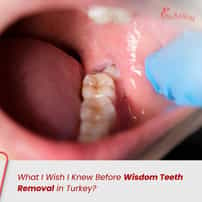
What I Wish I Knew Before Wisdom Teeth Removal in Turkey?
Before getting wisdom teeth removal in Turkey, know that costs are generally lower, but you must account for a 3-to-5-day recovery before flying. Complex extractions may require oral surgeons, and you'll need local follow-up care back home. Many people travel abroad for dental care, drawn by the prospect of combining a necessary procedure with a change of scenery. However, oral surgery requires careful logistical planning. Removing third molars is a real surgical procedure that carries a specific recovery timeline and distinct post-operative risks. Understanding exactly what to expect from the timeline, the travel constraints, and the follow-up requirements can help you make a safe, informed decision. Key Takeaways Flying immediately after extraction is heavily discouraged due to cabin pressure changes and peak swelling. Not all extractions are straightforward; deeply impacted teeth require a specialist in oral and maxillofacial surgery. Cost estimates often include X-rays and consultations, but you must factor in accommodation and airfare. Proper aftercare and managing complications like dry socket usually require a trusted local dentist once you return home. Combining surgery with a vacation is tricky because post-operative guidelines forbid vigorous activity and swimming. Is flying right after wisdom teeth removal safe? Aviation medical guidelines advise against flying immediately after dental surgery, usually recommending a wait of 48 to 72 hours. Changes in cabin pressure can trigger sinus pain or renewed bleeding at the extraction sites. One of the most frequently overlooked aspects of traveling for dental surgery is the journey back. After an extraction, your body forms a delicate blood clot in the socket, which is essential for healing. The controlled cabin pressure on a commercial flight is different from pressure at sea level. This fluctuation can theoretically disrupt the newly formed clot or cause significant discomfort, particularly if the upper wisdom teeth—which sit very close to the sinus cavities—were removed. Furthermore, swelling peaks around the second or third day post-surgery. Navigating an airport, managing luggage, and sitting in an airplane seat while experiencing peak swelling and taking pain medication is far from ideal. Giving your body a buffer window allows you to rest safely in your hotel and have a follow-up check with your dentist before heading to the airport. Some airlines have specific health requirements regarding recent surgeries, so you should check their medical guidelines. Plan your trip so that you have adequate time to rest locally before attempting a long-haul flight. What is the estimated wisdom teeth removal cost in Turkey compared to home? The wisdom teeth removal cost in Turkey is often lower than in the US or UK, but the exact price fluctuates based on the tooth's position, the type of anesthesia used, and the clinic's location. When evaluating costs, you need to understand that the price quoted for a simple, fully erupted wisdom tooth extraction will be much lower than the price for a surgical extraction of an impacted tooth. Impacted teeth require bone removal and sectioning of the tooth, which takes more time, greater surgical skill, and advanced imaging. A typical dental quotation abroad might include the consultation, a panoramic X-ray, local anesthesia, and the extraction itself. However, if you require IV sedation or a 3D Cone Beam Computed Tomography (CBCT) scan, these will likely add to the total estimate. It is highly recommended to request a detailed breakdown of costs before you travel. While the clinical fees may seem very attractive, your real cost includes flights, accommodation, local transport, and food. You should calculate the total travel expense to determine if the trip makes financial sense compared to paying out-of-pocket at a local oral surgeon near your home. Do I really need to stay in Turkey for the entire recovery period? You do not need to stay until you are fully healed, but a minimum stay of three to five days post-surgery is often recommended by dentists to monitor early healing and remove stitches if necessary. Complete bone healing after a tooth extraction can take several months, while the soft tissue gum healing typically takes a few weeks. You obviously won't be staying abroad for that entire duration. The critical window is the first 48 to 72 hours. During these first few days, you are at the highest risk for acute complications such as heavy bleeding, severe swelling, or infection. Staying close to the clinic allows the dental team to intervene quickly if an issue arises. Many clinics schedule a final check-up a few days after the procedure to ensure the extraction sites look clean and that there are no signs of early infection. If your dentist uses non-dissolvable sutures, you will need to stick around until they can be safely removed, usually 5 to 7 days post-operation. If you leave earlier, you will need to arrange for a local professional at home to remove the stitches. How are impacted wisdom teeth treated differently? Impacted wisdom teeth remain trapped beneath the gum line or jawbone, requiring a surgical approach that involves making an incision, potentially removing bone, and sectioning the tooth for safe removal. If a wisdom tooth has grown in fully and straight, a general dentist can usually pull it much like any other tooth. But impacted wisdom teeth are a different story. They can grow at an angle, push against the neighboring molars, or remain entirely hidden inside the jawbone. Removing an impacted tooth requires specialized techniques. The surgeon will numb the area, incise the gum tissue, and often use a drill to remove a small amount of bone obstructing access to the tooth roots. Sometimes, the tooth must be cut into smaller pieces to avoid damaging surrounding nerves and bone during extraction. Because of this complexity, impacted extractions carry a higher risk of post-operative swelling, bruising, and a slightly elevated risk of temporary nerve irritation. You should verify that your chosen clinic has a qualified oral and maxillofacial surgeon on staff to handle complex impactions safely. What kind of anesthesia or sedation is typically used in Turkish dental clinics? Most clinics rely on profound local anesthesia to numb the area completely. For anxious patients or complex cases, oral sedatives or intravenous (IV) sedation may be offered, though general anesthesia is rare for simple extractions. The standard protocol for dental extractions involves local anesthetic injections. You will be awake, but you should feel no sharp pain during the procedure—only pressure as the tooth is manipulated. For many patients, this is entirely manageable, especially if only one or two teeth are being removed. If you suffer from severe dental anxiety or if you are having all four heavily impacted teeth removed at once, you might want deeper sedation. IV sedation puts you in a deeply relaxed, twilight state where you may retain little memory of the surgery. Not every clinic is licensed or equipped to provide IV sedation, as it requires an anesthesiologist or specially trained personnel to monitor your vital signs. You should explicitly discuss your anesthesia preferences during your initial remote consultation. If you opt for IV sedation, you will need someone to escort you back to your accommodation, as you will be groggy and unable to navigate public transport alone. How can I verify the credentials of a wisdom teeth removal clinic in Turkey? You can check if a wisdom teeth removal clinic in Turkey is registered with the Turkish Ministry of Health, look for international accreditations, and ask for the specific credentials of the treating oral surgeon. Ensuring patient safety means doing your homework before you book a flight. In Turkey, legitimate medical and dental facilities must be authorized by the Ministry of Health. Clinics catering to international patients often hold Health Tourism Authorization certificates. It is perfectly acceptable—and encouraged—to ask for the name of the dentist or surgeon who will perform your procedure. Once you have their name, you can inquire about their educational background, how many years of experience they have in oral surgery, and whether they are members of recognized professional dental associations, such as the Turkish Dental Association (TDB) or international equivalent bodies. A trustworthy clinic will be transparent about their staff's qualifications and will willingly answer questions regarding their sterilization protocols and emergency preparedness. Avoid facilities that apply high-pressure sales tactics or refuse to disclose the treating provider's details prior to your arrival. What happens if I develop a dry socket or complication after returning home? If you develop a complication like dry socket once you return home, you will need to seek care from a local dentist. The overseas clinic cannot provide physical treatment once you leave the country. A dry socket (alveolar osteitis) occurs when the blood clot at the extraction site fails to develop or dislodges before the wound has healed. It exposes the underlying bone and nerves, resulting in intense, throbbing pain that radiates to the ear or neck. This condition usually arises three to five days after surgery. While your clinic abroad can offer advice over the phone or via messaging apps, they cannot pack the socket with medicated dressing or physically examine the site. You must establish a plan for localized care. Many local dentists will happily treat a dry socket or a post-operative infection, but this will result in additional out-of-pocket expenses that you had not originally budgeted for. To minimize your risks, follow all post-operative instructions meticulously: avoid using straws, do not smoke, chew on the opposite side of your mouth, and maintain excellent, gentle oral hygiene to prevent disrupting the fragile surgical site. Will my initial consultation and panoramic X-rays happen on the same day? Yes, international patients usually undergo their consultation, physical examination, and necessary imaging on the same day, sometimes just hours before the scheduled surgery, to maximize efficiency. When you participate in cross-border care, time is of the essence. Clinics structure their schedules to accommodate travel windows. Upon your first visit to the clinic, you will typically fill out medical history forms, discuss any current medications, and undergo a visual examination of your mouth. Next, they will take a fresh panoramic X-ray or a 3D CBCT scan. Even if you emailed X-rays from your home dentist months ago, the surgical team requires current, high-resolution imaging to confirm the exact position of the tooth roots relative to your sinus cavities and major facial nerves. Once the imaging is reviewed, the dentist will walk you through the treatment plan and surgical risks. If you are deemed a suitable candidate and consent to the procedure, the extraction is often performed shortly afterward. This streamlined process requires you to mentally prepare for clinical decisions to happen quickly. Are dissolvable stitches standard, or will I need them removed? Many oral surgeons prefer resorbable (dissolvable) stitches that break down naturally over one to two weeks, which is highly convenient for international patients who need to fly home quickly. Sutures are often necessary to hold the gum tissue in place, control bleeding, and prevent food debris from entering the extraction socket. The type of suture used can dictate your travel schedule. Dissolvable stitches fall out on their own as the tissue heals, meaning you do not necessarily need a follow-up appointment strictly for their removal. However, depending on the tissue tension and the specific technique used, some surgeons may opt for traditional silk or non-resorbable stitches. These are sturdy and reliable but must be manually cut and removed by a dental professional, typically between 5 to 7 days post-surgery. Before you finalize your itinerary, ask your coordinator what type of sutures the surgeon typically uses. If non-resorbable stitches are placed, you must either extend your trip or make a definitive appointment with a local dentist to have them removed shortly after returning home. Is it practical to combine this procedure with a vacation? While medical tourism in Turkey offers access to beautiful destinations, a wisdom tooth extraction limits vacation activities. Post-operative care requires rest, soft foods, and avoiding swimming or strenuous physical exertion. Many individuals envision enjoying the historical sites of Istanbul or the beaches of Antalya alongside their dental care. However, oral surgery recovery can clash with holiday plans. In the days following your procedure, you might experience localized facial swelling, mild bruising, and general fatigue. You will likely be managing discomfort with prescribed medications that can make you drowsy. Your diet will be restricted to soft, cool foods—meaning you might miss out on partaking in a wide variety of traditional Turkish cuisine. Furthermore, dentists strongly advise against swimming in pools or the ocean, using saunas, or engaging in heavy physical activity, as elevated blood pressure can cause the extraction sites to bleed. If you want to experience the country as a tourist, it is highly recommended to do your sightseeing and physical activities *before* your surgery date. Once the extraction is complete, plan to spend the remainder of your trip resting comfortably in your hotel room. Why Choose PlacidWay for Medical Tourism in Turkey? Navigating international healthcare options can feel overwhelming. PlacidWay serves as an educational resource to help patients research their options abroad. Global Directory: Connects patients with a wide network of international dental and medical facilities. Information Access: Provides clinic profiles, allowing you to gather preliminary information on treatments and facility credentials. Comparison Tools: Enables users to compare different clinics and general cost estimates in various destinations. User-Friendly Platform: Designed to help patients submit inquiries and request information directly from healthcare providers. Educational Focus: Offers articles and guides to help you understand the realities of cross-border medical care. Frequently Asked Questions How long does the actual extraction procedure take in Turkey? The length of the procedure depends entirely on the complexity of the extraction. A fully erupted tooth might be removed in 20 to 30 minutes, whereas severely impacted teeth can require an hour or more of surgical time. Can I get all four wisdom teeth removed at once in Turkey? Yes, many patients choose to have all four removed during a single appointment to consolidate recovery time. However, your dentist or oral surgeon will determine if this is medically appropriate based on your health and the teeth's positioning. Are English-speaking dentists common in Turkish cities? In major medical tourism hubs like Istanbul, Antalya, and Izmir, finding clinical staff and patient coordinators who speak English is very common. It is always wise to confirm language support before booking your consultation. What medications are typically prescribed after extraction in Turkey? Dentists typically prescribe a short course of painkillers to manage discomfort and, if they determine there is a risk of infection, an appropriate antibiotic. Patients usually fill these prescriptions at a local Turkish pharmacy (eczane) before returning to their hotel. How soon can I eat solid food after the surgery? You should stick to a soft-food or liquid diet for the first few days to avoid irritating the surgical sites. Gradually reintroduce solid foods as your healing progresses, usually after 4 to 7 days, avoiding hard, crunchy, or spicy items. Does medical tourism in Turkey cover dental emergencies? Most international travel insurance policies do not cover complications arising from elective procedures. You should inquire whether your chosen clinic provides specific complication coverage or look into specialized medical tourism insurance policies. Can I drink Turkish coffee or tea immediately after the procedure? No, consuming hot beverages immediately after surgery can increase bleeding and dissolve the blood clot, leading to dry socket. You should stick to cool or room-temperature liquids for the first 24 to 48 hours. Do I need a referral from my local dentist to book an extraction abroad? A formal referral is rarely required, but having recent dental records or a panoramic X-ray from your local dentist can help the overseas clinic provide a more accurate preliminary assessment. Is CBCT (3D imaging) usually included in the initial assessment? Many modern clinics utilize panoramic X-rays as a baseline, but they may recommend a CBCT scan if your wisdom teeth are close to the inferior alveolar nerve. This specialized imaging often carries an additional fee. What are the typical age requirements for elective wisdom teeth removal? There is no strict age limit, but patients typically range from their late teens to late twenties. Older adults can safely undergo the procedure, though recovery may take slightly longer due to denser jawbone. Compare Treatment Options Gather information, review clinic options, and request details for your dental care needs without any obligation. Request Treatment Information References Wisdom tooth extraction - Mayo Clinic Wisdom tooth removal: Recovery - National Health Service (NHS) Wisdom Teeth - American Dental Association (MouthHealthy) Air Travel Guidelines - Centers for Disease Control and Prevention (CDC) Medical Tourism - Centers for Disease Control and Prevention (CDC) Dry Socket Overview - Cleveland Clinic Management of Wisdom Teeth - American Association of Oral and Maxillofacial Surgeons Medical Disclaimer: The information provided in this article is for educational and informational purposes only and does not constitute medical or dental advice. Individual suitability, risks, and recovery times vary. Always consult with a qualified healthcare professional or licensed dentist before making decisions regarding surgical procedures or traveling abroad for medical care. We do not endorse any specific clinic, facility, or medical provider....
Read more details
What Are The Reviews for Dental Tourism in Turkey?
Patient reviews for dental tourism in Turkey are mixed. Positive feedback highlights cost savings and modern facilities. Negative reviews frequently warn of aggressive overtreatment, rushed procedures, and challenges finding local aftercare. Every year, thousands of patients travel abroad seeking affordable oral care. If you are considering dental tourism in Turkey, you have likely encountered a vast array of online testimonials ranging from life-changing success stories to serious cautionary tales. Understanding the nuance behind these patient reviews is critical for protecting your health, your finances, and your smile. Reading through patient experiences can provide valuable insight into what happens before, during, and long after the procedure. However, separating genuine patient feedback from heavily marketed promotional content requires a critical eye. This guide breaks down the most common themes found in patient reviews, helping you understand the real benefits and medical risks involved. Key Takeaways Positive reviews primarily praise significant financial savings and access to visually impressive, modern clinical facilities. Negative reviews repeatedly highlight the dangers of aggressive overtreatment, particularly the unnecessary filing down of healthy teeth for crowns. Continuity of care is a major concern; many patients report struggling to find local dentists willing to fix complications arising from overseas work. Authentic reviews are difficult to verify; patients must look beyond clinic websites and consult independent dental forums. Rushed treatment timelines are frequently cited as a root cause for implant failure and poorly fitting restorations. What do positive reviews usually say about dental treatments in Turkey? Positive patient testimonials frequently highlight substantial financial savings, rapid treatment timelines, and facilities equipped with highly modern dental technology. Patients who report high satisfaction often emphasize the immediate cosmetic improvements to their smile. Many reviews express pleasant surprise at the quality of the clinical environment, noting that facilities in major international hubs often feature 3D imaging, digital impression scanners, and on-site laboratories. This centralized technology often allows for faster turnaround times compared to standard domestic clinics. Furthermore, positive reviews frequently focus on the hospitality aspect. Patients often appreciate the high level of customer service, dedicated patient coordinators, and the organized nature of their appointments. For individuals who have spent years feeling insecure about their teeth or who have been priced out of complex care in their home countries, the initial result can feel highly rewarding. However, it is important to view these positive reviews in context. Many glowing testimonials are written within days or weeks of returning home. While the teeth may look cosmetically appealing in the short term, the true biological success of procedures like implants and crowns can only be accurately assessed months or years later. What are the most common complaints found in negative patient reviews? Negative reviews typically focus on rushed procedures, unexpected hidden fees, and aggressive treatment plans that severely compromise otherwise healthy teeth. When complications arise, patient reviews reveal a very different side of international care. A prevalent complaint is the feeling of being rushed. Complex dental rehabilitation, such as full-mouth implant restorations, biologically requires months of healing. Reviews from dissatisfied patients often describe clinics trying to compress complex surgeries into a single week-long holiday, which significantly increases the risk of infection and implant failure. Another common issue found in negative feedback involves informed consent. Patients frequently report that they agreed to a specific treatment plan online, only to have the plan radically altered once they were in the chair. This often involves extracting teeth that could have been saved or placing full crowns on teeth that only required minor cosmetic adjustments. Additionally, some reviews detail the psychological distress of dealing with intense post-operative pain after returning home, coupled with clinics that suddenly become unresponsive to emails and calls once the final payment has been made. How do reviews describe the controversial "Turkey Teeth" trend? Many reviews and dental professionals warn against the "Turkey Teeth" trend, where healthy teeth are aggressively filed down into small pegs to fit full crowns instead of using less invasive veneers. The term has become a viral talking point in patient reviews and social media warnings. Many patients travel abroad believing they are getting porcelain veneers—a conservative treatment where only a microscopic layer of front enamel is removed. Instead, reviews show that many budget clinics perform full crown preparations, aggressively grinding down 60% to 70% of healthy tooth structure. Medical professionals reading these reviews are often alarmed. Removing that much healthy enamel frequently traumatizes the tooth nerve. Consequently, a significant number of these reviews update their stories months later, reporting severe nerve pain, the sudden need for multiple root canals, and painful dental abscesses. Patients who fall victim to this overtreatment face a lifetime of complex maintenance. Crowns typically need to be replaced every 10 to 15 years. Reviews from younger patients who underwent this procedure highlight the heavy long-term financial and biological burden they now face, as teeth can only be re-crowned a limited number of times before extraction becomes the only option. How do international patients rate the hygiene and safety standards? Most legitimate reviews report that facilities in major cities appear exceptionally clean, though actual infection control protocols can vary drastically between individual providers. Visually, many patients state in their reviews that the clinics look comparable to, or even more luxurious than, those in their home countries. They often describe pristine waiting rooms, staff in full personal protective equipment (PPE), and modern sterilization packaging used for instruments. However, safety extends far beyond visual cleanliness. Some critical reviews point out lapses in deeper medical protocols. For instance, patients have noted instances where cross-contamination protocols seemed rushed between high volumes of patients. Others have raised concerns about the lack of thorough pre-operative medical history checks before administering local anesthesia or performing invasive oral surgery. When reviewing safety claims, it is important to remember that medical tourism in foreign destinations operates under different regulatory frameworks. While top-tier facilities may hold international accreditations (such as JCI), smaller, heavily marketed budget clinics may not adhere to the same rigorous oversight, making independent verification crucial. Important Consideration: Always inquire if a clinic uses an autoclave for instrument sterilization and if they have emergency medical protocols in place for adverse reactions to anesthesia. Do reviews indicate that language barriers affect the treatment process? Patient feedback often mentions that while primary dentists may speak English, supporting staff sometimes do not, which can lead to communication gaps regarding treatment details and consent. Communication is a pillar of safe healthcare. Many positive reviews praise the presence of dedicated translation staff or bilingual dentists who explain the procedures clearly. In these cases, patients feel comfortable and well-informed about the steps being taken. Conversely, negative reviews frequently cite the language barrier as a major source of anxiety. Patients have reported feeling confused about what documents they were signing, misunderstanding post-operative care instructions, or being unable to communicate effectively when experiencing pain during a procedure. If the treating dentist does not speak the patient's native language and relies solely on a translator, crucial medical nuances can be lost. Thorough reviews often advise prospective patients to have comprehensive, written treatment plans provided in their native language before traveling. This ensures that expectations regarding materials, costs, and surgical steps are legally clear and fully understood. What do patients say about aftercare and managing complications back home? One of the most significant concerns in patient reviews is the severe difficulty of obtaining aftercare, as many local dentists hesitate to treat complications arising from overseas dental work. This is arguably the most critical YMYL (Your Money or Your Life) issue highlighted in reviews. Dental work is not a one-time product; it requires ongoing biological maintenance. Reviews frequently detail the panic patients experience when a crown falls out, an implant becomes infected, or severe pain develops weeks after returning home. When these patients visit their local dentists, they are often turned away. Domestic dentists are understandably cautious about assuming liability for unfamiliar work. They may not have the specialized tools required for specific foreign implant brands, and without comprehensive clinical notes from the treating clinic, intervening safely can be medically risky. Many reviews serve as warnings: patients who thought they secured a bargain ended up spending thousands of dollars in their home country to correct failing work. Some patients note that the foreign clinic offered to fix the issue for free, but only if the patient paid for another set of last-minute international flights and hotel stays, negating any initial savings. Are online reviews for a dental clinic in Turkey always reliable? You cannot rely solely on online ratings, as some clinic websites aggressively filter out negative feedback or utilize fabricated five-star reviews to boost their search rankings. The dental tourism market is highly competitive, and marketing tactics can be aggressive. Savvy patients note in forums that a perfect 5.0 rating across thousands of reviews is often a red flag. In medicine, no surgical procedure has a 100% success rate, and authentic clinical profiles will inevitably show a mix of experiences. To find reliable reviews, independent research is mandatory. Relying only on the provider's Instagram page or website testimonials will only show you their best-case scenarios. Medical experts suggest seeking out independent patient communities, unedited video diaries on platforms like YouTube, and specialized medical tourism forums where patients document their healing process over several months. When reading reviews for a dental clinic in Turkey, look for specificity. Authentic reviews usually contain specific details about the consultation, the name of the attending dentist, the physical sensations during recovery, and realistic descriptions of minor inconveniences. Trait Likely Authentic Review Potentially Fake/Promotional Review Timing Posted months after treatment, detailing the healing process. Posted the day of the procedure, focusing only on clinic aesthetics. Details Mentions specific pain, realistic recovery, and minor issues. Uses overly promotional language ("perfect," "flawless," "best ever"). Focus Discusses the medical procedure, doctor interaction, and bite alignment. Focuses heavily on the VIP transfers, hotels, and tourist activities. How does the dental tourism cost in Turkey factor into long-term patient satisfaction? While low cost drives initial satisfaction, patients who later require corrective work frequently report that their long-term expenses far exceed their original savings. The primary motivation for traveling abroad is undoubtedly financial. The dental tourism cost in Turkey is often quoted at 50% to 70% less than equivalent treatments in the US, UK, or Canada. Reviews from patients who had straightforward, successful treatments naturally rate their experience highly, feeling they received excellent value for their money. However, long-term satisfaction drops dramatically if the dental work fails. Medical literature and patient anecdotes highlight that repairing botched dentistry is vastly more expensive than doing it correctly the first time. Extracting failed implants, treating deep bone infections, and creating complex secondary restorations can cost tens of thousands of dollars. Patients who maintain high satisfaction over the years are usually those who prioritized the dentist's credentials over the cheapest possible price tag. They often chose clinics that charged slightly more but used globally recognized implant brands (like Straumann or Nobel Biocare) and provided clear, transparent documentation. What should I look for when reading reviews about medical tourism in Turkey? When evaluating reviews, look for detailed accounts of the consultation process, the specific materials used, and the clinic’s response if the patient experienced any post-treatment complications. Look for treatment timelines: Did the clinic respect biological healing times? If a review casually mentions getting a tooth pulled and an implant loaded with a permanent crown on the same day without noting specific medical justifications, consider that a warning sign. Assess the initial consultation: Authentic positive reviews often mention how thoroughly the dentist explained the risks. If a review notes that the clinic pressured them into immediate surgery upon arrival, it indicates poor medical ethics. Focus on the follow-up: The best measure of a clinic's integrity is how they handle problems. Search specifically for reviews where things did not go perfectly, and note whether the clinic provided prompt, medically sound support or if they ignored the patient. Identify the material mentions: Reviews that casually mention the exact brands of materials used often come from patients who were properly educated by their providers, indicating a higher level of transparency. Watch for uniformity: If you read twenty reviews that all use the exact same phrasing or focus extensively on the free hotel rather than the medical care, you are likely reading manipulated content. Why Choose PlacidWay for Medical Tourism in Turkey? Navigating the complex landscape of international healthcare requires careful research. PlacidWay acts as an educational resource and directory for patients exploring their global medical options. When considering medical tourism in Turkey, utilizing an established platform can help streamline your research phase. Educational Directory: PlacidWay provides a comprehensive directory that allows patients to explore various international healthcare facilities and their listed specialties. Facility Comparisons: The platform enables users to compare different clinics side-by-side, reviewing their stated accreditations and facility capabilities. Provider Profiles: Patients can access detailed information regarding the educational backgrounds and professional affiliations of listed international dentists. Direct Communication: PlacidWay facilitates initial contact between patients and clinics, allowing for direct discussions regarding treatment options and preliminary estimates. Focus on Information: The platform emphasizes providing resources that help patients make their own informed healthcare decisions without pressuring them into immediate bookings. Frequently Asked Questions About Dental Tourism in Turkey Is it safe to get dental work done in Turkey? Dental work abroad can be safe if you select a thoroughly vetted, accredited facility. However, safety largely depends on the individual provider's adherence to international infection control standards and the patient's specific medical suitability for the procedures. Individual risk assessment by a qualified professional is always required. Why are dental procedures often cheaper in Turkey? Prices are typically lower due to differences in the national cost of living, lower operational overhead, and varying local labor costs, rather than a mandatory difference in the quality of global material brands used. However, extremely low-budget clinics may cut costs by using generic materials. Can I sue an international dentist if something goes wrong? Pursuing medical malpractice claims across international borders is highly complex, expensive, and rarely successful. Patients typically have very limited legal recourse if they experience complications from overseas treatment, highlighting the need for extensive upfront research. How long do dental implants from abroad typically last? The lifespan of a dental implant varies by patient. While they can last many years, success depends on biological factors, bone density, oral hygiene, and whether the provider used reputable, globally recognized implant brands. They are never guaranteed to last a lifetime. Will my local dentist fix complications from overseas dental work? Many domestic dentists decline to treat complications arising from international dental work due to liability concerns, lack of treatment records, and unfamiliarity with the specific materials or implant systems used. You may need to seek out a specialized restorative dentist. What is the difference between crowns and veneers in international clinics? Veneers require minimal removal of the front tooth enamel, while crowns require aggressive filing of the entire tooth down to a small peg. Many budget clinics inappropriately offer crowns when veneers would be the medically preferred, conservative option. How many trips does it take to get dental implants abroad? Safe dental implant placement typically requires at least two separate trips, spaced three to six months apart, allowing the titanium post to fuse securely with the jawbone before the final crown is attached. Clinics offering single-trip implants carry a higher risk of failure. Are the dental materials used overseas the same as in my home country? Reputable, high-end clinics often use the exact same global brands for implants and ceramics as domestic dentists. However, budget-focused clinics may use cheaper, unverified generic materials to keep costs artificially low. Always ask for material documentation. How do I verify a foreign dentist's professional credentials? You can verify credentials by checking with the national dental association of the destination country, asking for registration numbers, and looking for affiliations with recognized international dental boards or specialized medical tourism accreditation bodies. Will my regular health or dental insurance cover complications from overseas? Standard domestic health and dental insurance policies almost universally exclude coverage for complications that arise from elective medical tourism procedures performed outside your home country. You are typically responsible for all corrective costs. Explore Your Global Dental Options Take the time to gather detailed information, compare internationally recognized facilities, and consult with professionals before making a decision. Request Treatment Information References ADA Policy Statement on Dental Tourism – American Dental Association Treatment Abroad: Dental Treatment – National Health Service (NHS UK) Medical Tourism Travel Health Guidelines – Centers for Disease Control and Prevention (CDC) Dental Tourism and Patient Safety – FDI World Dental Federation Dental Tourism: What Patients Need to Know – British Dental Association (BDA) Accreditation Standards in Medical Tourism – International Society for Quality in Health Care (ISQua) Medical Disclaimer: The information provided in this article is for educational and informational purposes only and does not constitute medical advice, diagnosis, or endorsement of any specific treatment, clinic, or destination. Dental procedures carry inherent risks, including infection, nerve damage, and implant failure. Suitability, recovery, and outcomes vary significantly by individual. Always seek the advice of a qualified, licensed healthcare professional in your home country regarding any medical condition or proposed treatment plan before traveling abroad for medical care....
Read more detailsTable of Contents
- what are the problems and complications associated with turkey teeth tourism for uk patients
- What is the Average Price for All on 4 Dental Implants in Istanbul Turkey
- how much does full mouth reconstruction in turkey cost for uk patients
- how much do dental implants cost without insurance
- Why is Turkey a Popular Destination for Dental Tourism
- Which dentists in Istanbul rank in the top 10 for patient satisfaction and expertise
Unlock the Best Dentistry Packages Just for You
Discover the ultimate Dentistry packages designed to meet your health and wellness goals. Choose the perfect fit for your journey.

Price starting from $4,600
All on 6 Dental Implants Package in Istanbul, Turkey by YEG Clinic
YEG Clinic - Best Dental Clinic Istanbul
- Dentistry
Istanbul, Turkey
.png)
Price starting from $1,000
Budget-Friendly Cosmetic Dentistry Package in Turkey by OGN Dental Studio
OGN Dental Studio - Dental Center Antalya Turkey
- Dentistry
Antalya, Turkey
.png)
Price starting from $1,000
Cheap Cosmetic Dentistry Package by Private Olimpos Demirtas Oral and Dental Health Center
Private Olimpos Demirtas Oral and Dental Health Center in Turkey
- Dentistry
Bursa, Turkey
.png)
Price starting from $1,000
Cosmetic Dentistry in Turkey by Phinova Clinics - Dental Clinic Izmir
Phinova Clinics - Dental Clinic Izmir
- Dentistry
Izmir, Turkey
Dentistry Solutions Near You: Explore Top Medical Centers
Discover how Dentistry is transforming lives at leading medical centers in , Turkey. Dive into center profile, specialties, doctors, reviews, etc. and explore the best options tailored to your needs in this region.
DentSpa - Best Dental Clinic in Istanbul
Istanbul, Turkey

ACIBADEM Bayındır Hospital
Istanbul,Ankara, Turkey
ClinicExpert - Multispecialty Hospital in Istanbul
Istanbul, Turkey
Phinova Clinics - Dental Clinic Izmir
Izmir, Turkey
Transformative Dentistry Experiences: Dive into Procedure Insights
Discover the power of Dentistry through compelling patient experiences. Uncover detailed insights into procedures, recovery journeys, and life-changing results.
.png)
.png)
.png)
.png)
Explore Dentistry: Stories, Testimonials, and Procedures
Watch in-depth videos covering everything from Dentistry success stories to detailed procedure explanations. Learn what to expect and hear from real patients.

Complete Guide to Affordable Dental Veneers in Istanbul, Turkey
Dentistry
YEG Clinic - Best Dental Clinic Istanbul
Turkey
Michele Morrone Chooses Dental Treatment and Body Checkup in Istanbul, Turkey by Natural Clinic
Dentistry
Natural Clinic - Aesthetics, Dental & Hair Clinic in Istanbul
Turkey
Complete Guide to a Smile Makeover in Istanbul, Turkey
Dentistry
YEG Clinic - Best Dental Clinic Istanbul
Turkey
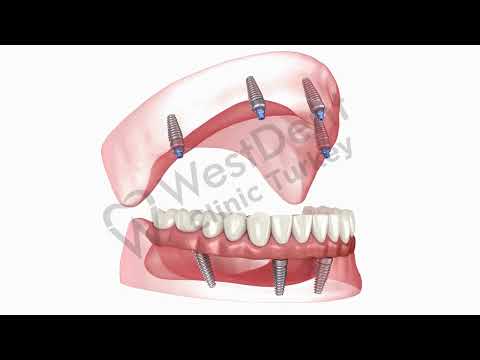
Full-Mouth Restoration on Four Implants per Jaw: WestDent Animation
Dentistry
WestDent Clinic Turkey
Turkey
Learn More with These Dentistry Articles
Take a look at these interesting articles, stories and research that will help you learn more about Dentistry.
.jpg)
Evaluating Oral Surgery in Turkey: A Complete Guide to Costs, Clinic Safety, and Patient Qualifications
PlacidWay Turkey Medical Tourism
- Dentistry
Turkey
.jpg)
How Much Does Dental Implants Cost in Istanbul, Turkey?
PlacidWay Europe Medical Tourism
- Dentistry
Turkey
.jpg)
How to Safely Plan Your Smile Makeover in Istanbul, Turkey: Costs, Credentials, and What to Expect
PlacidWay Turkey Medical Tourism
- Dentistry
Turkey
.jpg)
Is Getting Dental Crowns in Istanbul, Turkey Safe and Worth the Cost? Your Complete Patient Guide
PlacidWay Medical Tourism
- Dentistry
Turkey







