
Average Price of All on 4 Dental Implants in Istanbul, Turkey
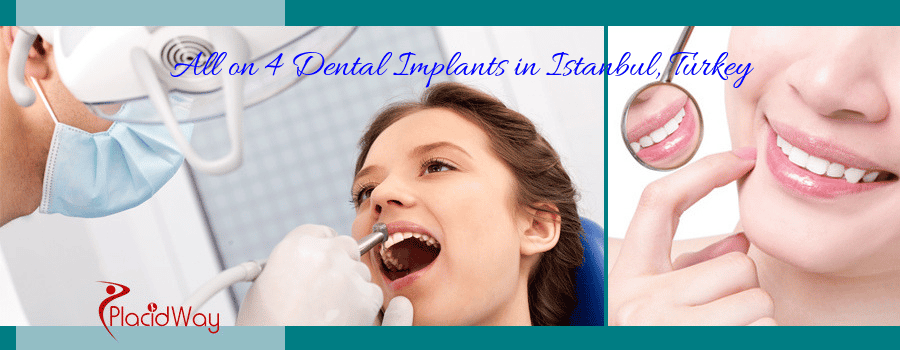
When considering extensive dental restoration, many patients explore international options to manage expenses. Searching for the All on 4 dental implants cost in Turkey reveals a wide range of estimates, heavily influenced by the specific materials used, the complexity of your dental health, and the facility you choose. While the financial aspect is a significant driver for medical tourism in Turkey, understanding the medical realities of the procedure is essential for making an informed decision about your health.
Key Takeaways
- Cost Estimates: Treatment typically costs between $2,500 and $4,500 per jaw, though complex cases can exceed this range.
- Multi-Stage Process: The procedure usually requires at least two separate international trips spaced months apart.
- Medical Evaluation: Suitability depends heavily on bone density, general health, and lifestyle factors like smoking.
- Variable Inclusions: Package prices may exclude travel, accommodations, local follow-up care, and potential complication management.
- Local Support: Establishing a relationship with a dentist in your home country is vital for long-term maintenance and emergency care.
What factors affect the overall cost of this procedure in Istanbul?
While baseline estimates provide a starting point, no two dental cases are identical. The most significant variable in pricing is the choice of materials. Implant posts are manufactured by various global companies, and premium, globally recognized brands with decades of clinical research behind them generally cost more than newer or regional brands. Similarly, the final prosthesis attached to the implants can be crafted from acrylic, porcelain, or solid zirconia. Zirconia is known for its durability and aesthetic appeal but often comes at a higher price point.
Additionally, a patient's anatomical needs can alter the final bill. If a patient requires extractions of remaining damaged teeth or localized bone smoothing before implant placement, these steps may add to the cost. The experience and credentials of the oral surgeon and the prosthodontist overseeing the case also play a role in how a facility structures its pricing.
What is typically included in a dental implant package in Turkey?
When looking at an All on 4 dental implants clinic in Turkey, patients often encounter bundled packages. These packages are designed to simplify the financial aspects for international patients. A standard surgical package generally covers the initial in-person consultation, necessary panoramic X-rays or CBCT (3D) scans, the local anesthesia, the four titanium implant posts, and the surgical abutments.
Crucially, the initial package usually includes a temporary, fixed acrylic bridge. Because the implants need time to integrate with the jawbone (a process called osseointegration), the permanent teeth cannot be placed immediately. Some facilities may also include localized logistics, such as airport transfers and rides between your hotel and the clinic, though this varies widely. It is important to request a highly detailed, itemized breakdown to understand exactly what the quoted price covers.
Are there additional or hidden expenses I should plan for?
Patients traveling abroad for extensive dentistry sometimes overlook the logistical and secondary medical costs. Because the All-on-4 process is done in phases, you will likely need to pay for international flights and hotels twice. The initial surgical visit usually requires a stay of 5 to 7 days, while the return trip for the permanent teeth may require a stay of 7 to 10 days to allow for proper fittings and adjustments.
| Potential Additional Expenses | Description |
|---|---|
| Travel & Accommodation | Flights, hotels, and daily meals for two separate trips. |
| The Final Prosthesis | Often billed separately during the second trip, depending on materials. |
| Local Aftercare | X-rays, professional cleanings, and maintenance by your local dentist. |
| Complication Management | Costs to treat infections or implant failures if they occur once you return home. |
How does the All-on-4 procedure actually work?
The All-on-4 concept was developed to rehabilitate completely edentulous (toothless) arches without always requiring extensive bone grafting. During the surgical phase, a specialist places two implants straight down in the anterior (front) of the jaw, where bone density is usually highest. The two posterior (back) implants are placed at angles up to 45 degrees. This tilting technique avoids critical anatomical structures like the sinus cavity in the upper jaw and the nerve canal in the lower jaw, while utilizing the stronger anterior bone.
Once the implants are secured, special abutments are attached. In most cases, if the implants achieve high initial stability, a temporary acrylic denture is screwed onto the abutments within 24 to 48 hours. This allows the patient to leave the clinic with fixed teeth, though they must adhere strictly to a soft-food diet while the bone heals and fuses to the titanium over the following several months.
Who is generally considered a suitable candidate for this treatment?
Determining candidacy requires a thorough clinical and radiographic evaluation by a qualified dental professional. Patients who have suffered significant tooth loss due to decay, gum disease, or trauma may benefit from this approach. However, adequate bone density at the specific implant sites is a prerequisite. While the angled placement reduces the need for bone grafting, patients with severe, long-standing bone resorption may still require additional grafting procedures before implants can be placed safely.
Systemic health is equally critical. Conditions that impair healing, such as uncontrolled diabetes, autoimmune disorders, or a history of radiation therapy to the head and neck, may contraindicate the procedure. Furthermore, active periodontal (gum) disease must be treated before surgery, and heavy smokers are often advised against the procedure, as smoking drastically increases the risk of implant failure.
What potential risks and complications should patients consider?
While dental implants have a generally high historical success rate in suitable candidates, they are not risk-free, and outcomes vary by patient. Surgical complications can occur, such as unexpected bleeding, localized infection, or damage to surrounding structures like blood vessels or the inferior alveolar nerve (which can cause temporary or, rarely, permanent numbness in the lip or chin).
Another significant risk is non-integration, where the bone fails to fuse with the titanium post. This can happen due to micromovement during the healing phase, poor bone quality, or post-operative infections (peri-implantitis). If an implant fails, it usually must be removed, the area allowed to heal, and the procedure potentially attempted again later. Patients traveling internationally must consider how they will handle these complications if they arise after returning home, as local emergency care will be billed out-of-pocket or through domestic insurance, which may not cover complications from overseas treatments.
How long is the typical recovery process after implant surgery?
The immediate post-operative period is often characterized by swelling, bruising, and minor bleeding around the surgical sites. This acute phase usually peaks around the third day and subsides over the following week to ten days. Pain is generally manageable with prescribed medications. During this time, strict adherence to post-operative hygiene instructions is necessary to prevent infection.
The longer, more critical phase of recovery is osseointegration. For three to six months following surgery, the jawbone cells grow around and attach to the porous surface of the titanium implants. During this entire phase, patients must maintain a strictly soft diet. Chewing hard, crunchy, or tough foods can cause the implants to shift slightly, which severely disrupts the bone healing process and can lead to immediate implant failure.
How many trips to Istanbul are usually required to complete the process?
The phased nature of the All-on-4 treatment means it cannot be responsibly completed in a single short vacation.
- Trip One (Surgical Phase): This visit typically requires a stay of 5 to 7 days. It involves the clinical evaluation, extractions if necessary, surgical placement of the implants, and the fitting of the temporary acrylic bridge.
- The Healing Period: The patient returns home for 3 to 6 months to allow the implants to integrate securely into the jawbone.
- Trip Two (Restorative Phase): This visit often requires a slightly longer stay, around 7 to 10 days. The temporary bridge is removed, final impressions are taken, and the permanent, reinforced prosthesis is fabricated, tested for bite alignment, and securely attached.
What should I do for aftercare and local follow-up once I return home?
Treating dental implants like natural teeth in terms of hygiene is vital. While the artificial teeth will not decay, the gums and bone surrounding the implants are highly susceptible to bacterial infection (peri-implantitis). Patients should brush gently but thoroughly twice a day, and use specific tools like a water flosser or specialized interdental brushes to clean the crucial space between the gums and the prosthetic bridge.
Before traveling for treatment, it is strongly advised to find a local dentist in your home country who is willing to provide long-term maintenance. Not all dentists are comfortable maintaining restorative work performed overseas. You will need a professional to take periodic X-rays to check bone levels, perform deep cleanings under the bridge, and adjust the bite if necessary over the years. Always request an "implant passport" from your overseas provider, which lists the exact brand, size, and model of your implants, so future dentists know what tools and parts to use.
How can I verify the quality and safety of a clinic abroad?
Evaluating a medical facility from another country requires diligence. Look for clinics that hold recognized international accreditations, such as from the Joint Commission International (JCI), which signifies adherence to strict patient safety, hygiene, and sterilization protocols. Furthermore, research the specific dental professionals who will be performing your surgery. Verify their educational background, specialized training in implantology or maxillofacial surgery, and memberships in recognized international dental organizations.
Be cautious of facilities that pressure you into quick decisions, offer estimates without reviewing your dental X-rays, or make absolute guarantees about medical outcomes. A reputable medical provider will always explain the potential risks, require a thorough health history, and be willing to consult with your local primary care physician or dentist if necessary.
Why Choose PlacidWay for Medical Tourism in Turkey?
Navigating international healthcare options can be complex. PlacidWay acts as an informational platform to help patients research and connect with providers globally. Here are a few ways the platform can assist you:
- Global Directory: Access a wide-ranging directory of medical and dental facilities operating internationally.
- Educational Resources: Utilize articles, guides, and comparative tools to better understand treatment protocols and typical cost structures.
- Provider Transparency: View facility profiles that list their respective accreditations, specializations, and available technologies.
- Direct Communication: Use the platform to send inquiries and request initial information directly from clinics for your own evaluation.
- Free Information Access: Patients can explore facility profiles, read FAQs, and request treatment information at no cost.
Frequently Asked Questions
Is it safe to get dental implants in Istanbul?
Safety largely depends on the specific clinic’s adherence to international hygiene and surgical standards, as well as the patient's individual health. While many facilities maintain high standards, risks associated with surgery and travel always exist. Thoroughly researching providers is essential.
Do I need bone grafting for an All-on-4 procedure?
The All-on-4 technique is specifically designed to maximize existing bone by placing the posterior implants at an angle, which often eliminates the need for bone grafting. However, patients with severe bone loss may still require grafting to ensure a stable foundation.
How long do these implants typically last?
With proper oral hygiene and regular professional maintenance, the titanium implant posts can offer a long-term, sometimes lifelong, solution. The attached prosthetic bridge experiences daily wear and tear and may require repair or replacement after 10 to 15 years.
Can I get my final permanent teeth during my first visit to Istanbul?
Generally, no. Most protocols involve placing a temporary, lightweight acrylic bridge during the first visit. This allows the gums to heal and the implants to fuse with the jawbone. The final, heavier permanent bridge is typically attached during a second trip 3 to 6 months later.
What materials are used for the final prosthesis?
Final prostheses are commonly made from acrylic with a titanium framework, porcelain fused to metal, or solid zirconia. Zirconia is often favored for its exceptional durability and natural appearance, though it typically increases the overall cost.
Will the implant procedure be painful?
The surgery is performed under local anesthesia, and sometimes conscious sedation, meaning patients generally do not feel pain during the procedure. Post-operative discomfort, swelling, and bruising are common but can usually be managed with prescribed pain medications.
Are financing options available for international patients in Turkey?
While some local clinics offer financing for residents, international patients are typically required to pay directly via cash or credit card. Some patients secure personal medical loans or use third-party healthcare financing in their home countries before traveling.
Can smoking affect the success of my dental implants?
Yes. Smoking restricts blood flow to the gums, significantly increasing the risk of infection, delayed healing, and ultimately, implant failure. Most dental professionals strongly advise quitting smoking well before the procedure and during the entire recovery phase.
What happens if I experience complications after flying home?
If complications arise after returning home, you will need to seek care from a local dentist or oral surgeon. It is highly recommended to secure a local provider who is willing to monitor your foreign implants before you travel, and always request your complete medical records and implant passports from the overseas clinic.
How soon can I fly after dental implant surgery?
Most oral surgeons recommend waiting at least 48 to 72 hours before flying. Cabin pressure changes can cause discomfort in the sinuses and affect healing areas, particularly if the upper jaw was treated. Always follow your specific surgeon's travel clearance guidelines.
Compare Treatment Options Internationally
If you are researching dental restoration options and want to learn more about facilities, estimated costs, and medical travel considerations, explore educational resources and provider profiles.
Request Treatment InformationReferences
- Medical Tourism: Travel for Medical Care – Centers for Disease Control and Prevention (CDC)
- Dental Implants: What You Should Know – U.S. Food and Drug Administration (FDA)
- Dental Implant Surgery – Mayo Clinic
- Considerations for All-on-4 Treatment – American College of Prosthodontists
- Dental Treatments (Implants) – National Health Service (NHS)
- Oral Health Fact Sheet – World Health Organization (WHO)
























Share this listing