
Planning Your Trip: The Timeline for Dental Implants in Turkey
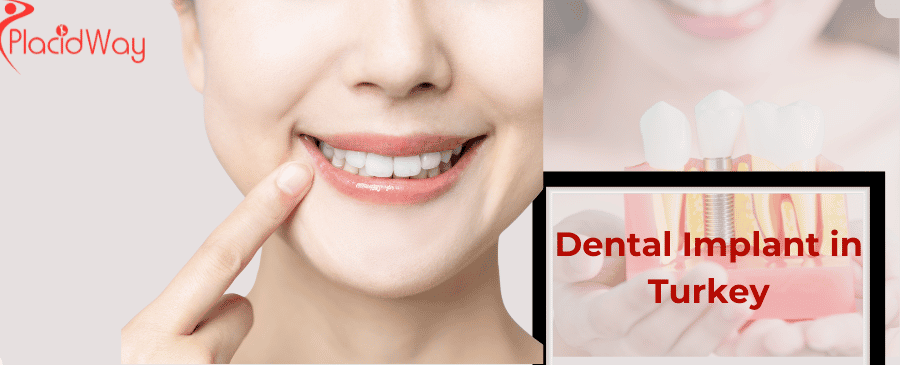
Many patients traveling for restorative dentistry wonder exactly how much time they need to take off from work. Because the process involves biological healing, getting dental implants in Turkey is rarely a simple weekend trip. Understanding the treatment timeline helps you plan your travel, budget for accommodations, and manage expectations regarding your recovery.
Key Takeaways
- Standard implant treatment requires two separate visits spaced several months apart.
- The initial surgical trip usually requires a stay of 3 to 7 days.
- You must wait 3 to 6 months for the jawbone to fuse with the implants.
- The second trip for permanent crown placement takes about 5 to 7 days.
- Needing preliminary procedures, like bone grafting, can extend the overall timeline.
Why do dental implants usually require two separate visits to Turkey?
This process of fusing is known in dentistry as osseointegration. When the titanium post is surgically placed into your jaw, your body needs time to grow new bone cells around it. If a permanent, heavy crown is placed on the implant too early, the pressure from chewing can cause the implant to shift and fail.
Because osseointegration takes several months, dentists require you to go home and heal before completing the treatment. The first visit handles the surgical placement, while the second visit focuses entirely on the restorative phase—taking impressions, creating custom prosthetics, and fitting your new teeth. Breaking the treatment into two stages prioritizes long-term stability and patient safety.
Can I complete my dental implant treatment in a single trip?
Techniques such as the All-on-4 method can sometimes allow for immediate loading. In these cases, the surgeon extracts failing teeth, places the implants, and attaches a full arch of temporary teeth within a few days. However, this is not suitable for everyone. Eligibility depends heavily on having sufficient bone density and excellent overall oral health.
It is important to note that even with immediate-load procedures, the initial teeth attached are usually temporary acrylic prosthetics designed to put less stress on the healing bone. While you might leave with a functioning smile in one trip, many dentists still recommend returning months later to have permanent, more durable zirconia or porcelain bridges fitted once the bone has fully healed.
What exactly happens during the first trip for implant surgery?
Your first trip is primarily surgical. While the exact schedule varies by clinic, a typical timeline for the first visit looks like this:
- Day 1: Initial consultation, 3D panoramic X-rays, treatment planning, and taking impressions for temporary teeth if needed.
- Day 2: The surgical procedure. The dentist administers local anesthesia (or sedation), extracts teeth if required, and embeds the implant posts into the jawbone.
- Day 3: Rest and initial recovery at your accommodation.
- Day 4 or 5: A follow-up visit to the clinic to check the surgical sites, review healing, and ensure there are no signs of early infection before you fly home.
What happens when I return to Turkey for the second visit?
By the time you return, your implants should be firmly integrated into your jaw. This second visit is highly focused on the cosmetic and functional aspects of your new teeth. The process typically involves:
- Opening the gum slightly to access the implant (if it was covered during healing) and placing a healing abutment.
- Taking precise digital or physical impressions of your healed gums and the implant positions.
- Waiting a few days while the dental laboratory custom-mills your crowns or bridges based on the impressions.
- A final fitting appointment to securely attach the permanent teeth, check your bite, and make any minor adjustments for comfort.
How long do I need to wait between the first and second trips?
The exact duration depends on several factors, including your body’s natural healing speed and the location of the implants. Implants placed in the lower jaw often heal slightly faster (around 3 to 4 months) because the bone there tends to be denser. Implants placed in the upper jaw generally take longer (often 4 to 6 months) due to softer bone density.
Medical conditions such as diabetes, autoimmune disorders, or habits like smoking can slow down the osseointegration process. Your dentist will evaluate your medical history and give you an estimated timeframe for when it should be safe to schedule your return trip.
Will bone grafting or a sinus lift extend my time in Turkey?
If you have suffered from extensive tooth loss or periodontal disease, your jawbone may have deteriorated. Implants require a certain volume of bone for a secure anchor. If the bone is too thin, the surgeon will need to perform a bone graft.
For minor grafting, the dentist can often place the bone material during the same appointment as the implant placement. However, if you need a major graft or a complex sinus lift, that procedure must be done first. You would then need to travel home, wait several months for the graft to solidify, return to have the implants placed, and then return a final time for the crowns. This scenario significantly alters your travel timeline.
Is it safe to fly shortly after having dental implants placed?
Changes in cabin pressure during air travel can occasionally exacerbate swelling or cause mild throbbing in the surgical sites. Additionally, if an immediate post-operative complication like excessive bleeding occurs, it is far safer to be near your surgical team than on an international flight.
This is why a 3 to 7-day stay is standard. It provides a safety buffer. Before you leave, your dentist will conduct a final examination to ensure the healing process is beginning normally and clear you for air travel.
How much does a dental implant cost in Turkey on average?
Many patients factor travel time against financial savings. The overall cost will vary based on the specific materials used (such as standard titanium vs. premium global brands like Straumann or Nobel Biocare) and whether you need supplementary procedures like extractions or bone grafting.
When calculating your budget, you must remember that the standard treatment requires two trips. Therefore, you need to account for flights, hotels, and local transportation twice. Even with these travel expenses, many international patients find that the overall expense remains lower than private dental care in their home countries, provided no severe complications arise.
What should I look for when choosing a dental clinic in Turkey?
Because you are managing treatment across multiple trips, communication is critical. You want a facility that provides clear, written treatment plans detailing the expected timeline, the materials being used, and the estimated costs for both stages of the procedure.
Thoroughly check the credentials of the dentist performing the surgery. Look for specialists such as oral surgeons or periodontists who have specific, verified training in implantology rather than general dentists who only perform the procedure occasionally.
What aftercare is necessary once I leave Turkey?
Your responsibility for the treatment does not end when you board the plane. Proper aftercare is vital to prevent infection and ensure successful osseointegration. You will be advised on specific cleaning routines, potentially provided with an antibacterial mouthwash, and instructed to eat soft foods during the initial recovery.
It is strongly recommended to establish a relationship with a local dentist in your home country before you travel. You will need someone available for regular cleanings and to address any unexpected issues, such as a loose temporary crown or unusual swelling, while you are waiting for your second trip.
Why Choose PlacidWay for Medical Tourism in Turkey?
When planning medical tourism in Turkey, gathering accurate information is an important first step. PlacidWay serves as a global medical tourism platform to help patients research international healthcare options.
- Extensive Directory: PlacidWay provides access to a large database of international clinics and dental professionals.
- Educational Resources: The platform offers articles and guides to help patients understand procedure timelines and medical terminology.
- Direct Communication: Patients can use the platform to send inquiries directly to clinics to ask about specific procedures and request estimates.
- Provider Profiles: You can review facility credentials, doctor qualifications, and available technologies before making contact.
- Global Comparison: The platform allows users to compare different facilities across multiple countries to find an option that suits their medical needs.
Frequently Asked Questions
Are temporary teeth provided during the healing phase?
Yes, dentists typically provide a temporary crown or denture during the 3 to 6-month healing phase. This ensures you do not have to go without teeth while waiting for the permanent crowns, though you may need to stick to a softer diet.
How long does the actual implant surgery take?
The surgical placement of a single dental implant usually takes between 45 to 90 minutes. However, if you are having multiple implants placed or require additional procedures like extractions, you may be in the chair for several hours.
Do I need a visa for multiple trips to Turkey?
Visa requirements depend on your nationality. Many visitors can obtain an e-Visa that allows multiple entries within a 180-day period. Always check current entry regulations with the official Turkish Ministry of Foreign Affairs before planning your trips.
What happens if an implant fails after I return home?
If you experience severe pain, mobility, or infection after returning home, you should immediately consult a local dentist. While implant failure is relatively uncommon, you may need local intervention. Some overseas clinics have policies regarding remedial work, but you would have to travel back to receive it.
Are implant brands used in Turkey available internationally?
Reputable clinics typically use global implant brands that are recognized worldwide. It is helpful to request your implant records and component passports so that your local dentist can order matching tools or parts if adjustments are needed in the future.
Can I combine my dental visits with a vacation?
Many people choose to sightsee during their trip. However, you should plan physically demanding activities before your surgery. After the procedure, rest is recommended, and you may experience temporary swelling or mild discomfort that could limit your vacation plans.
Will language be a barrier during my dental appointments?
Facilities catering to international patients usually have English-speaking dentists and dedicated patient coordinators or translators on staff to ensure clear communication regarding your treatment plan and consent.
What is the typical recovery time after the first stage?
Initial surgical recovery usually takes about 5 to 7 days, during which swelling and bruising should subside. However, the internal bone healing process (osseointegration) will continue silently for several months.
Do clinics in Turkey offer warranties on implants?
Some clinics provide warranties for the implant posts. However, it is vital to read the terms carefully, as these often require you to return to the specific clinic for repairs and may be voided if you do not maintain proper oral hygiene or attend regular checkups.
How long do dental implants typically last?
With excellent oral hygiene, regular dental check-ups, and a healthy lifestyle, the titanium implant post can often last for many years, sometimes a lifetime. The attached crowns or bridges may eventually need replacement due to normal wear and tear.
Compare Treatment Options
Research clinics, explore timelines, and gather the information you need to make an informed decision about dental implants abroad.
Request Treatment InformationReferences
- Dental Implant Surgery – Mayo Clinic
- Implants – American Dental Association (MouthHealthy)
- Dental Implants – Cleveland Clinic
- Dental Treatments – National Health Service (NHS)
- Dental Implants Overview – International Congress of Oral Implantologists
- Medical Tourism Travel Advice – Centers for Disease Control and Prevention (CDC)
- National Institute of Dental and Craniofacial Research (NIDCR)





















Share this listing