
Explore Dental Tourism Turkey Reviews 2025 | Real Patient Costs & Clinics
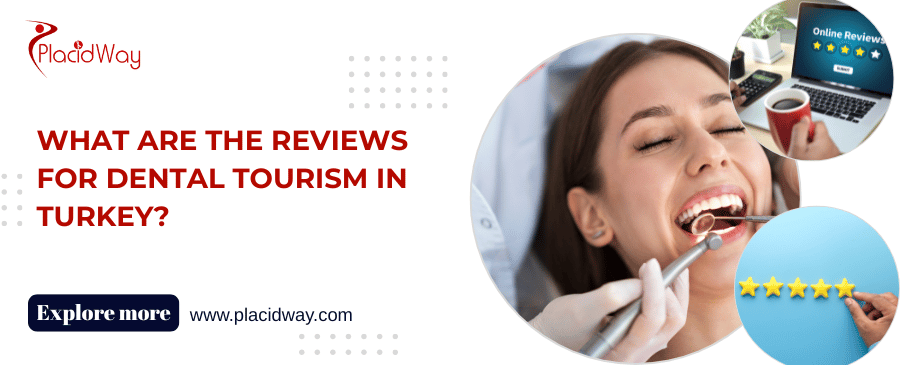
Every year, thousands of patients travel abroad seeking affordable oral care. If you are considering dental tourism in Turkey, you have likely encountered a vast array of online testimonials ranging from life-changing success stories to serious cautionary tales. Understanding the nuance behind these patient reviews is critical for protecting your health, your finances, and your smile.
Reading through patient experiences can provide valuable insight into what happens before, during, and long after the procedure. However, separating genuine patient feedback from heavily marketed promotional content requires a critical eye. This guide breaks down the most common themes found in patient reviews, helping you understand the real benefits and medical risks involved.
Key Takeaways
- Positive reviews primarily praise significant financial savings and access to visually impressive, modern clinical facilities.
- Negative reviews repeatedly highlight the dangers of aggressive overtreatment, particularly the unnecessary filing down of healthy teeth for crowns.
- Continuity of care is a major concern; many patients report struggling to find local dentists willing to fix complications arising from overseas work.
- Authentic reviews are difficult to verify; patients must look beyond clinic websites and consult independent dental forums.
- Rushed treatment timelines are frequently cited as a root cause for implant failure and poorly fitting restorations.
What do positive reviews usually say about dental treatments in Turkey?
Patients who report high satisfaction often emphasize the immediate cosmetic improvements to their smile. Many reviews express pleasant surprise at the quality of the clinical environment, noting that facilities in major international hubs often feature 3D imaging, digital impression scanners, and on-site laboratories. This centralized technology often allows for faster turnaround times compared to standard domestic clinics.
Furthermore, positive reviews frequently focus on the hospitality aspect. Patients often appreciate the high level of customer service, dedicated patient coordinators, and the organized nature of their appointments. For individuals who have spent years feeling insecure about their teeth or who have been priced out of complex care in their home countries, the initial result can feel highly rewarding.
However, it is important to view these positive reviews in context. Many glowing testimonials are written within days or weeks of returning home. While the teeth may look cosmetically appealing in the short term, the true biological success of procedures like implants and crowns can only be accurately assessed months or years later.
What are the most common complaints found in negative patient reviews?
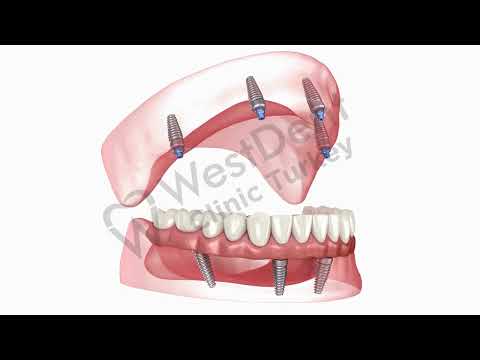
When complications arise, patient reviews reveal a very different side of international care. A prevalent complaint is the feeling of being rushed. Complex dental rehabilitation, such as full-mouth implant restorations, biologically requires months of healing. Reviews from dissatisfied patients often describe clinics trying to compress complex surgeries into a single week-long holiday, which significantly increases the risk of infection and implant failure.
Another common issue found in negative feedback involves informed consent. Patients frequently report that they agreed to a specific treatment plan online, only to have the plan radically altered once they were in the chair. This often involves extracting teeth that could have been saved or placing full crowns on teeth that only required minor cosmetic adjustments.
Additionally, some reviews detail the psychological distress of dealing with intense post-operative pain after returning home, coupled with clinics that suddenly become unresponsive to emails and calls once the final payment has been made.
How do reviews describe the controversial "Turkey Teeth" trend?
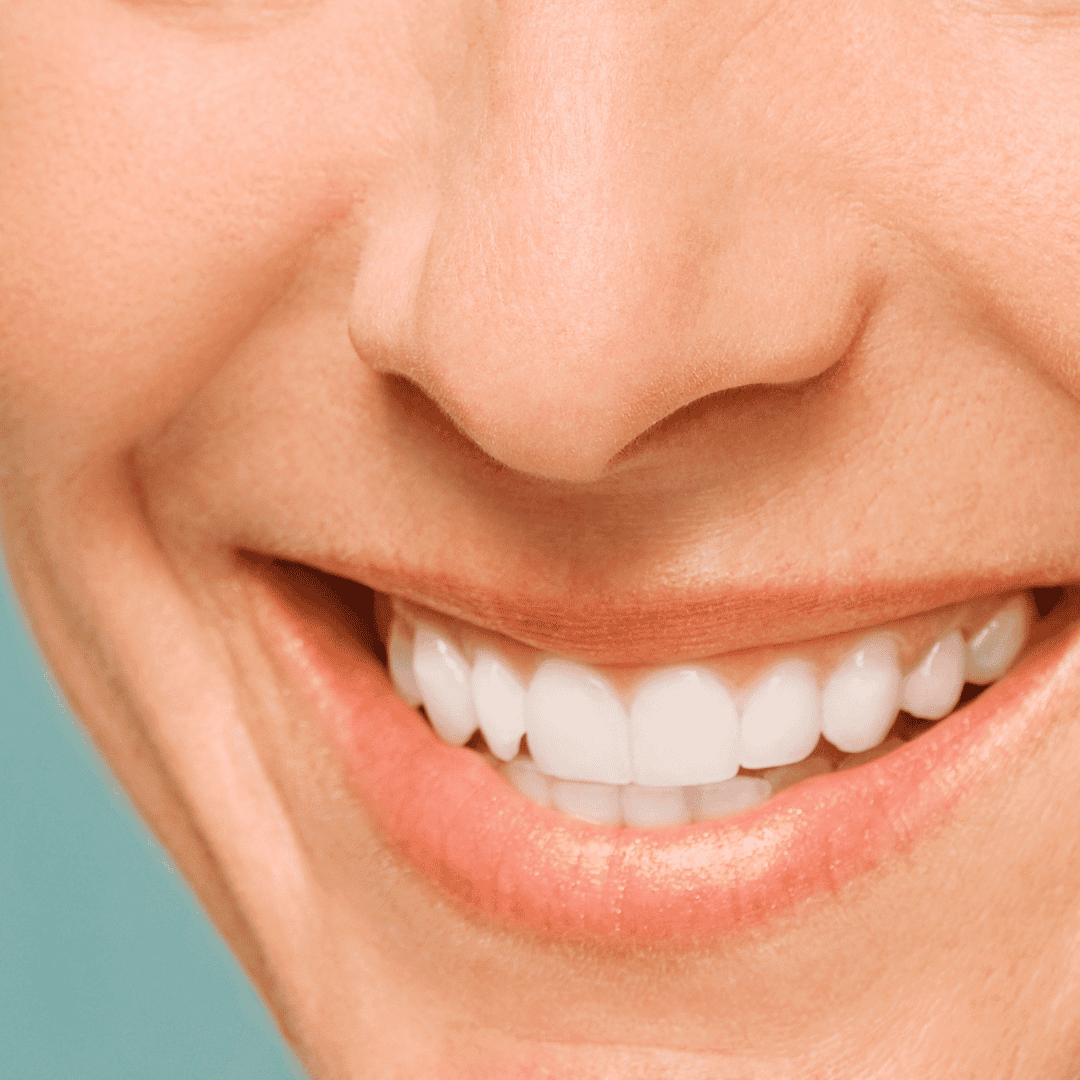
The term has become a viral talking point in patient reviews and social media warnings. Many patients travel abroad believing they are getting porcelain veneers—a conservative treatment where only a microscopic layer of front enamel is removed. Instead, reviews show that many budget clinics perform full crown preparations, aggressively grinding down 60% to 70% of healthy tooth structure.
Medical professionals reading these reviews are often alarmed. Removing that much healthy enamel frequently traumatizes the tooth nerve. Consequently, a significant number of these reviews update their stories months later, reporting severe nerve pain, the sudden need for multiple root canals, and painful dental abscesses.
Patients who fall victim to this overtreatment face a lifetime of complex maintenance. Crowns typically need to be replaced every 10 to 15 years. Reviews from younger patients who underwent this procedure highlight the heavy long-term financial and biological burden they now face, as teeth can only be re-crowned a limited number of times before extraction becomes the only option.
How do international patients rate the hygiene and safety standards?
Visually, many patients state in their reviews that the clinics look comparable to, or even more luxurious than, those in their home countries. They often describe pristine waiting rooms, staff in full personal protective equipment (PPE), and modern sterilization packaging used for instruments.
However, safety extends far beyond visual cleanliness. Some critical reviews point out lapses in deeper medical protocols. For instance, patients have noted instances where cross-contamination protocols seemed rushed between high volumes of patients. Others have raised concerns about the lack of thorough pre-operative medical history checks before administering local anesthesia or performing invasive oral surgery.
When reviewing safety claims, it is important to remember that medical tourism in foreign destinations operates under different regulatory frameworks. While top-tier facilities may hold international accreditations (such as JCI), smaller, heavily marketed budget clinics may not adhere to the same rigorous oversight, making independent verification crucial.
Do reviews indicate that language barriers affect the treatment process?
Communication is a pillar of safe healthcare. Many positive reviews praise the presence of dedicated translation staff or bilingual dentists who explain the procedures clearly. In these cases, patients feel comfortable and well-informed about the steps being taken.
Conversely, negative reviews frequently cite the language barrier as a major source of anxiety. Patients have reported feeling confused about what documents they were signing, misunderstanding post-operative care instructions, or being unable to communicate effectively when experiencing pain during a procedure. If the treating dentist does not speak the patient's native language and relies solely on a translator, crucial medical nuances can be lost.
Thorough reviews often advise prospective patients to have comprehensive, written treatment plans provided in their native language before traveling. This ensures that expectations regarding materials, costs, and surgical steps are legally clear and fully understood.
What do patients say about aftercare and managing complications back home?
This is arguably the most critical YMYL (Your Money or Your Life) issue highlighted in reviews. Dental work is not a one-time product; it requires ongoing biological maintenance. Reviews frequently detail the panic patients experience when a crown falls out, an implant becomes infected, or severe pain develops weeks after returning home.
When these patients visit their local dentists, they are often turned away. Domestic dentists are understandably cautious about assuming liability for unfamiliar work. They may not have the specialized tools required for specific foreign implant brands, and without comprehensive clinical notes from the treating clinic, intervening safely can be medically risky.
Many reviews serve as warnings: patients who thought they secured a bargain ended up spending thousands of dollars in their home country to correct failing work. Some patients note that the foreign clinic offered to fix the issue for free, but only if the patient paid for another set of last-minute international flights and hotel stays, negating any initial savings.
Are online reviews for a dental clinic in Turkey always reliable?
The dental tourism market is highly competitive, and marketing tactics can be aggressive. Savvy patients note in forums that a perfect 5.0 rating across thousands of reviews is often a red flag. In medicine, no surgical procedure has a 100% success rate, and authentic clinical profiles will inevitably show a mix of experiences.
To find reliable reviews, independent research is mandatory. Relying only on the provider's Instagram page or website testimonials will only show you their best-case scenarios. Medical experts suggest seeking out independent patient communities, unedited video diaries on platforms like YouTube, and specialized medical tourism forums where patients document their healing process over several months.
When reading reviews for a dental clinic in Turkey, look for specificity. Authentic reviews usually contain specific details about the consultation, the name of the attending dentist, the physical sensations during recovery, and realistic descriptions of minor inconveniences.
| Trait | Likely Authentic Review | Potentially Fake/Promotional Review |
|---|---|---|
| Timing | Posted months after treatment, detailing the healing process. | Posted the day of the procedure, focusing only on clinic aesthetics. |
| Details | Mentions specific pain, realistic recovery, and minor issues. | Uses overly promotional language ("perfect," "flawless," "best ever"). |
| Focus | Discusses the medical procedure, doctor interaction, and bite alignment. | Focuses heavily on the VIP transfers, hotels, and tourist activities. |
How does the dental tourism cost in Turkey factor into long-term patient satisfaction?
The primary motivation for traveling abroad is undoubtedly financial. The dental tourism cost in Turkey is often quoted at 50% to 70% less than equivalent treatments in the US, UK, or Canada. Reviews from patients who had straightforward, successful treatments naturally rate their experience highly, feeling they received excellent value for their money.
However, long-term satisfaction drops dramatically if the dental work fails. Medical literature and patient anecdotes highlight that repairing botched dentistry is vastly more expensive than doing it correctly the first time. Extracting failed implants, treating deep bone infections, and creating complex secondary restorations can cost tens of thousands of dollars.
Patients who maintain high satisfaction over the years are usually those who prioritized the dentist's credentials over the cheapest possible price tag. They often chose clinics that charged slightly more but used globally recognized implant brands (like Straumann or Nobel Biocare) and provided clear, transparent documentation.
What should I look for when reading reviews about medical tourism in Turkey?
- Look for treatment timelines: Did the clinic respect biological healing times? If a review casually mentions getting a tooth pulled and an implant loaded with a permanent crown on the same day without noting specific medical justifications, consider that a warning sign.
- Assess the initial consultation: Authentic positive reviews often mention how thoroughly the dentist explained the risks. If a review notes that the clinic pressured them into immediate surgery upon arrival, it indicates poor medical ethics.
- Focus on the follow-up: The best measure of a clinic's integrity is how they handle problems. Search specifically for reviews where things did not go perfectly, and note whether the clinic provided prompt, medically sound support or if they ignored the patient.
- Identify the material mentions: Reviews that casually mention the exact brands of materials used often come from patients who were properly educated by their providers, indicating a higher level of transparency.
- Watch for uniformity: If you read twenty reviews that all use the exact same phrasing or focus extensively on the free hotel rather than the medical care, you are likely reading manipulated content.
Why Choose PlacidWay for Medical Tourism in Turkey?
Navigating the complex landscape of international healthcare requires careful research. PlacidWay acts as an educational resource and directory for patients exploring their global medical options. When considering medical tourism in Turkey, utilizing an established platform can help streamline your research phase.
- Educational Directory: PlacidWay provides a comprehensive directory that allows patients to explore various international healthcare facilities and their listed specialties.
- Facility Comparisons: The platform enables users to compare different clinics side-by-side, reviewing their stated accreditations and facility capabilities.
- Provider Profiles: Patients can access detailed information regarding the educational backgrounds and professional affiliations of listed international dentists.
- Direct Communication: PlacidWay facilitates initial contact between patients and clinics, allowing for direct discussions regarding treatment options and preliminary estimates.
- Focus on Information: The platform emphasizes providing resources that help patients make their own informed healthcare decisions without pressuring them into immediate bookings.
Frequently Asked Questions About Dental Tourism in Turkey
Is it safe to get dental work done in Turkey?
Dental work abroad can be safe if you select a thoroughly vetted, accredited facility. However, safety largely depends on the individual provider's adherence to international infection control standards and the patient's specific medical suitability for the procedures. Individual risk assessment by a qualified professional is always required.
Why are dental procedures often cheaper in Turkey?
Prices are typically lower due to differences in the national cost of living, lower operational overhead, and varying local labor costs, rather than a mandatory difference in the quality of global material brands used. However, extremely low-budget clinics may cut costs by using generic materials.
Can I sue an international dentist if something goes wrong?
Pursuing medical malpractice claims across international borders is highly complex, expensive, and rarely successful. Patients typically have very limited legal recourse if they experience complications from overseas treatment, highlighting the need for extensive upfront research.
How long do dental implants from abroad typically last?
The lifespan of a dental implant varies by patient. While they can last many years, success depends on biological factors, bone density, oral hygiene, and whether the provider used reputable, globally recognized implant brands. They are never guaranteed to last a lifetime.
Will my local dentist fix complications from overseas dental work?
Many domestic dentists decline to treat complications arising from international dental work due to liability concerns, lack of treatment records, and unfamiliarity with the specific materials or implant systems used. You may need to seek out a specialized restorative dentist.
What is the difference between crowns and veneers in international clinics?
Veneers require minimal removal of the front tooth enamel, while crowns require aggressive filing of the entire tooth down to a small peg. Many budget clinics inappropriately offer crowns when veneers would be the medically preferred, conservative option.
How many trips does it take to get dental implants abroad?
Safe dental implant placement typically requires at least two separate trips, spaced three to six months apart, allowing the titanium post to fuse securely with the jawbone before the final crown is attached. Clinics offering single-trip implants carry a higher risk of failure.
Are the dental materials used overseas the same as in my home country?
Reputable, high-end clinics often use the exact same global brands for implants and ceramics as domestic dentists. However, budget-focused clinics may use cheaper, unverified generic materials to keep costs artificially low. Always ask for material documentation.
How do I verify a foreign dentist's professional credentials?
You can verify credentials by checking with the national dental association of the destination country, asking for registration numbers, and looking for affiliations with recognized international dental boards or specialized medical tourism accreditation bodies.
Will my regular health or dental insurance cover complications from overseas?
Standard domestic health and dental insurance policies almost universally exclude coverage for complications that arise from elective medical tourism procedures performed outside your home country. You are typically responsible for all corrective costs.
Explore Your Global Dental Options
Take the time to gather detailed information, compare internationally recognized facilities, and consult with professionals before making a decision.
Request Treatment InformationReferences
- ADA Policy Statement on Dental Tourism – American Dental Association
- Treatment Abroad: Dental Treatment – National Health Service (NHS UK)
- Medical Tourism Travel Health Guidelines – Centers for Disease Control and Prevention (CDC)
- Dental Tourism and Patient Safety – FDI World Dental Federation
- Dental Tourism: What Patients Need to Know – British Dental Association (BDA)
- Accreditation Standards in Medical Tourism – International Society for Quality in Health Care (ISQua)

















Share this listing