
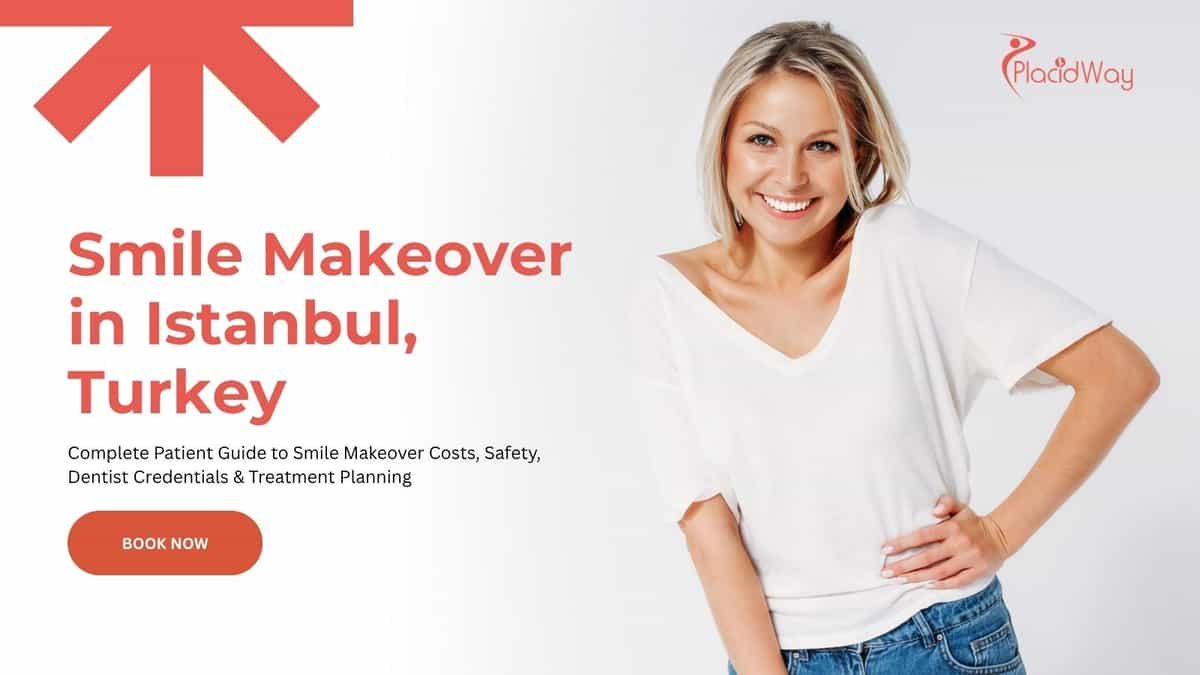
If you are considering traveling for major dental care, you likely have questions about treatment safety, clinical standards, and overall expenses. A smile makeover in Istanbul, Turkey, offers comprehensive restorative procedures at lower costs than many Western countries, but protecting your dental health requires very careful planning. This patient guide helps you navigate expected costs, understand the medical procedures involved, and identifies exactly which local Ministry of Health certificates you must verify when evaluating clinics.
Quick Answer Summary
- Estimated Cost: Typically ranges from $3,500 to $8,500 USD, depending on the number of implants, crowns, or veneers required.
- Safety Overview: Generally safe when performed by board-registered prosthodontists in facilities licensed by the Turkish Ministry of Health.
- Ideal Candidate: Adults with good jawbone density, healthy gums, and multiple cosmetic or functional dental issues requiring a combined treatment approach.
- Recovery Time: Initial healing takes 7 to 14 days, while full implant osseointegration can take 3 to 6 months.
- Main Reason for Travel: Patients choose this destination to access complex, multi-stage dental restorations at a lower cost while benefiting from highly experienced dental specialists.
- Important Caution: Always verify that your chosen dentist is registered with the Turkish Dental Association (TDB) and avoid clinics that pressure you into unnecessary enamel shaving.
Why Patients Consider a Smile Makeover in Istanbul, Turkey
Traveling for extensive dental work can feel daunting when you do not know what to expect. Many international patients look into a smile makeover in Istanbul, Turkey, because they need multiple complex procedures that are financially out of reach at home. The combination of advanced dental technology and structured patient care programs makes this city a frequent choice for medical tourists.
Your decision to travel should be based on a clear understanding of clinical standards, not just price. Turkish clinics often provide coordinated care that includes diagnostics, surgery, and prosthetic fitting within a short timeframe. However, you must carefully evaluate the medical credentials of the providers handling your care.
Patients typically travel from the United Kingdom, the United States, Canada, and Germany to undergo these treatments. The primary motivations for choosing this destination include:
- Access to comprehensive dental care at lower out-of-pocket prices.
- Availability of specialized prosthodontists and oral surgeons in one facility.
- Shorter wait times for major restorative procedures compared to national health systems.
- Clinics equipped with in-house 3D CAD/CAM technology for faster crown fabrication.
- Structured medical tourism packages that assist with local logistics and translation.
Core Procedures Included in a Comprehensive Dental Restoration
A smile makeover is not a single procedure. It is a customized treatment plan that combines several dental therapies to restore both the function and appearance of your teeth. Depending on your oral health diagnosis, your dentist may recommend a mix of prosthetics, surgery, and cosmetic adjustments.
Understanding the biology and mechanics behind these procedures helps you set realistic expectations. Each treatment interacts differently with your natural tooth structure, gums, and jawbone.
Dental Veneers and Enamel Reduction
Veneers are thin, custom-made shells bonded to the front surface of your teeth to correct discoloration, minor misalignment, or chips. To ensure a flush fit, the dentist usually needs to remove a small layer of healthy enamel. This biological alteration is irreversible. High-quality porcelain or E-max veneers offer durability and mimic the natural light-reflecting properties of real teeth.
Dental Implants and Jawbone Integration
When teeth are missing or severely damaged, dental implants provide a structural foundation. A titanium post is surgically placed into your jawbone. Over several months, a biological process called osseointegration occurs, where the bone tissue fuses directly to the titanium. Once healed, an abutment and custom crown are attached to restore full chewing function.
Zirconia Crowns for Structural Support
If a tooth is significantly decayed or weakened, a crown is used to cap the entire visible portion of the tooth. Zirconia is a highly durable, biocompatible ceramic material frequently used in Istanbul clinics. It provides strong bite resistance for molars while maintaining a natural white appearance.
Analyzing Recent Patient Demographics and Clinical Outcomes
Understanding who travels for dental care can provide context for your own journey. Recent data from 2024 highlights specific demographics and clinical trends among patients seeking cross-border dental treatments. The majority of these patients are adults looking to address accumulated dental deterioration, tooth loss, or long-standing cosmetic concerns.
According to 2024 healthcare travel analyses, the largest segment of inbound dental patients falls between the ages of 35 and 54. These individuals often require a mix of functional restorations, such as implants, alongside cosmetic improvements. Below is a breakdown of the typical age distribution of international patients visiting dental clinics abroad.
Beyond demographics, clinical success rates are a primary concern for patients investing in extensive reconstructive work. Dental implants, which form the foundation of many full-mouth restorations, rely on successful osseointegration. Recent peer-reviewed studies published in 2024 continue to monitor the long-term survival rates of titanium dental implants placed during major reconstructive surgeries.
The clinical data indicates that when implants are placed by qualified specialists in healthy patients, the integration success remains highly predictable over a decade, though slight bone recession can occur naturally over time.
Evaluating the Cost of a Smile Makeover in Istanbul, Turkey
Financial transparency is one of the most critical aspects of planning medical travel. The cost of a smile makeover in Istanbul, Turkey, varies widely based on the complexity of your anatomical needs, the materials used, and the clinical expertise of your prosthodontist.
Most clinics offer tiered pricing based on material quality. For instance, composite resin veneers are significantly cheaper than E-max porcelain veneers, but they do not last as long and are more prone to staining. Similarly, the brand of dental implants used—such as Straumann or Nobel Biocare versus local brands—will heavily influence your final bill.
It is crucial to request an itemized, written quote before traveling. Ask your clinic to separate the medical costs from the travel package inclusions. Hidden costs can sometimes arise if you need unexpected bone grafting, sinus lifts, or temporary prosthetics during the healing phase.
| Procedure / Component | Estimated Cost in USD (Per Unit) |
|---|---|
| Porcelain Veneer (E-max) | $200 - $400 |
| Zirconia Crown | $150 - $350 |
| Dental Implant (Standard Brand) | $400 - $700 |
| Dental Implant (Premium Brand) | $800 - $1,200 |
| Bone Grafting (If required) | $150 - $300 |
| Full Mouth Package (Veneers/Crowns) | $3,500 - $6,500 total |
International Cost Comparison for Dental Restorations
To understand why this specific treatment destination is popular, it helps to look at the broader financial landscape. Dental care in the United States, the UK, and Canada is subject to high overhead costs, expensive laboratory fees, and high local labor rates. In contrast, Turkey benefits from a lower cost of living and favorable exchange rates, which translates to reduced operational costs for clinics.
However, cheaper does not always mean better. When comparing prices, ensure you are comparing equivalent treatments. A quote from a US clinic for a premium implant brand should only be compared to a Turkish quote utilizing that exact same premium brand.
| Country | Estimated Cost: Full Mouth Restoration (USD) |
|---|---|
| United States | $25,000 - $45,000 |
| United Kingdom | $20,000 - $35,000 |
| Canada | $22,000 - $40,000 |
| Istanbul, Turkey | $3,500 - $8,500 |
Choosing Hospitals and Clinics for Your Dental Work
Your safety heavily depends on the medical facility you choose. Not all dental centers in Istanbul are equipped to handle complex oral surgeries or severe complications. You must actively vet the facility before making a deposit.
In Turkey, the local government regulates healthcare facilities strictly, provided you choose licensed providers. The primary certification to look for is the Health Tourism Authorization Certificate (Sa?l?k Turizmi Yetki Belgesi), issued by the Turkish Ministry of Health. Clinics must hold this specific license to legally treat international patients.
When reviewing a clinic, ask for their Ministry of Health license number. Additionally, check if the clinic has an on-site laboratory. Clinics with in-house labs often have tighter quality control over the fabrication of crowns and veneers, and they can make rapid adjustments to your prosthetics without sending them out to a third party.
How to Select the Right Dentist and Verify Credentials
A beautiful clinic means very little if the person performing your procedure lacks the appropriate specialization. A comprehensive smile makeover often requires the skills of multiple specialists. An oral surgeon typically places implants, while a prosthodontist designs and fits the crowns and veneers.
In Turkey, dentists must be registered with the Turkish Dental Association (Türk Di?hekimleri Birli?i, or TDB). You have the right to ask for your doctor’s TDB registration number. Furthermore, inquire about their specific board certifications. A general dentist is not the same as a registered prosthodontist (Prostodonti Uzman?).
When speaking with your potential doctor, assess their communication style. They should thoroughly explain the biological risks, ask for your dental X-rays or 3D scans before quoting a final price, and listen to your concerns without rushing you into a booking.
What to Expect During Your Dental Trip to Istanbul
Planning a medical trip requires understanding the logistical and clinical timeline. Most smile makeovers require a stay of at least 5 to 7 days in Istanbul. If your treatment plan includes dental implants that require bone grafting, you will likely need to make two separate trips spaced several months apart.
During your first visit, the clinic will typically conduct a comprehensive 3D volumetric tomography (CBCT scan) to assess your bone density and nerve pathways. This imaging is crucial for safely planning implant placement and avoiding nerve damage.
Once the treatment plan is finalized, tooth preparation or implant surgery begins. You will be fitted with temporary teeth while the permanent prosthetics are manufactured. After a few days, you will return to the clinic for the final fitting, bite adjustment, and polishing. It is vital to remain in the city for at least two days after the final fitting to ensure there are no bite alignment issues.
Pros and Cons of a Smile Makeover in Istanbul, Turkey
Every medical decision involves balancing benefits against potential drawbacks. Evaluating these factors objectively can help you determine if traveling for dental care aligns with your personal risk tolerance and health needs.
The primary advantage is access to multi-specialty care and advanced materials at a lower cost. However, the geographic distance can complicate aftercare if issues arise weeks or months later.
Potential Advantages
- Significant cost savings on complex procedures.
- Access to modern 3D diagnostic technology.
- Highly experienced specialists handling large case volumes.
- Fast turnaround times for lab work and prosthetics.
Potential Drawbacks
- Long travel distances for multiple treatment phases.
- Difficulty accessing emergency revisions once back home.
- Communication barriers if no dedicated translator is present.
- Risk of overtreatment if visiting an unethical clinic.
Important Safety Considerations and Biological Risks
Any medical procedure that alters human tissue carries inherent risks. A smile makeover is not merely cosmetic; it involves modifying live bone, enamel, and gum tissue. Understanding these biological risks allows you to recognize warning signs early.
Infection is a risk with any oral surgery, particularly dental implants. If bacteria enter the surgical site, it can lead to peri-implantitis, an inflammatory condition that can cause bone loss and implant failure. Strict adherence to postoperative hygiene and prescribed antibiotics is mandatory.
Aggressive enamel reduction for veneers or crowns can expose the dentin layer of your tooth. This may cause severe nerve sensitivity or require root canal therapy if the tooth pulp becomes inflamed. Always ensure your dentist practices conservative tooth preparation. If you experience intense, throbbing pain or swelling that worsens after a few days, you must seek immediate medical attention.
Recovery Timeline After Major Dental Work
Your recovery depends entirely on the extent of the procedures performed. Soft tissue healing from extractions or implants happens relatively quickly, but internal bone healing requires patience.
During the initial recovery phase, managing swelling and diet is your primary responsibility. Your doctor will provide specific guidelines on what you can consume. Adhering to this timeline is critical for the long-term success of your restorations.
| Timeframe | Clinical Process | Patient Sensation | Action Required |
|---|---|---|---|
| Days 1 to 3 | Acute inflammation and blood clot formation. | Swelling, tenderness, and minor bleeding. | Apply cold compresses. Eat only soft, cool foods. |
| Days 4 to 7 | Soft tissue closure over surgical sites. | Decreasing swelling. Mild sensitivity to temperatures. | Maintain gentle oral hygiene. Avoid hard chewing. |
| Weeks 2 to 4 | Gum tissue maturation around new crowns/veneers. | Bite begins to feel natural. Sensitivity fades. | Gradually reintroduce normal foods. Floss carefully. |
| Months 3 to 6 | Complete osseointegration of any titanium implants. | Implants feel as stable as natural teeth. | Attend follow-up X-rays. Maintain routine cleanings. |
Frequently Asked Questions About Smile Makeovers in Turkey
Patients often have specific concerns regarding travel logistics, pain management, and long-term results. Below are detailed answers to common questions about undergoing extensive dental work abroad.
Is a smile makeover in Istanbul, Turkey safe?
Yes, it is generally safe when performed by qualified, TDB-registered specialists in a Ministry of Health-approved clinic. The main risks arise when patients choose unverified, heavily discounted clinics that use substandard materials or rush the surgical process.
How long do I need to stay in the country?
For veneers or crowns, you typically need to stay for 5 to 7 days. If your treatment requires dental implants with bone grafting, you will need a 3 to 5-day initial trip, followed by a 3 to 6-month healing period at home, and a second 7-day trip to fit the final crowns.
What happens if I have complications after returning home?
This is a critical consideration. Reputable clinics offer revision policies, but you must travel back to receive free or discounted corrections. For acute emergencies, such as severe infection, you must visit a local emergency dentist in your home country, which will be out-of-pocket.
Do Turkish clinics use the same implant brands as the US and UK?
Yes, established clinics utilize globally recognized implant brands such as Straumann, Nobel Biocare, and Osstem. Ensure you ask the clinic exactly which brand they plan to use and request the official product passport after surgery.
Will the dentist shave all my teeth down to pegs?
A responsible dentist will only remove the absolute minimum enamel necessary for the specific prosthetic. Aggressive shaving (peg teeth) is typically only required for full crowns, not standard veneers. You should clarify the exact preparation method before consenting.
Are the dental treatments painful?
The procedures are performed under local anesthesia, meaning you will not feel pain during the surgery. Post-operative discomfort, swelling, and sensitivity are normal and are typically managed with prescribed pain relievers and anti-inflammatory medications.
How long will my new smile last?
Porcelain veneers and crowns typically last 10 to 15 years with excellent oral hygiene. Dental implants can last a lifetime, but the crowns attached to them may eventually need replacement due to normal wear and tear.
Can I get a quote based on photographs alone?
Photographs can provide a preliminary estimate for cosmetic work. However, any accurate quote for implants or major structural work requires recent panoramic X-rays or a CBCT scan to evaluate your underlying bone health.
How do I verify a Turkish dentist’s credentials?
You can ask for their Turkish Dental Association (TDB) registration number. Additionally, check their educational background to ensure they hold specialty degrees in prosthodontics or oral maxillofacial surgery, depending on your needs.
What is a Health Tourism Authorization Certificate?
It is a mandatory license issued by the Turkish Ministry of Health. It legally permits a clinic to treat foreign patients and indicates that the facility meets specific medical infrastructure and safety standards required by the government.
Need Help Navigating Your Dental Options?
PlacidWay can help you compare vetted providers, understand transparent treatment costs, and request specific medical information directly from licensed clinics.
Request Clinic InformationDisclaimer
Disclaimer: This information is for educational purposes only and does not replace professional medical advice. Always consult a qualified healthcare provider before making medical decisions.
References
- Ministry of Health Regulations and Health Tourism Directives – Republic of Turkey Ministry of Health
- Professional Dental Registration and Patient Rights – Turkish Dental Association (TDB)
- Long-term Clinical Outcomes and Survival Rates of Titanium Dental Implants (2024 Study) – National Institutes of Health (NIH)
- Understanding Restorative Dental Treatments and Risks – UK National Health Service (NHS)
- Travelers' Health and Safety Guidelines for Turkey – Centers for Disease Control and Prevention (CDC)
- International Patient Demographics and Healthcare Travel Data (2024) – USHA? (International Health Services, Turkey)
- Biological Implications of Tooth Preparation for Ceramic Veneers (2024 Clinical Review) – National Institutes of Health (NIH)






















Share this listing