
Targeting Cancer Precisely: Your Guide to Conformal Radiation Therapy
Receiving a cancer diagnosis can be an overwhelming experience, filled with questions about treatment options, effectiveness, and potential side effects. In the face of such a challenge, finding a therapy that offers both precision and peace of mind is paramount. Conformal Radiation Therapy (CRT) emerges as a beacon of hope, representing a significant leap forward in cancer treatment by focusing radiation exactly where it's needed most.
Imagine a skilled artist carefully outlining an object before painting, ensuring every brushstroke stays within the lines. CRT works in a similar, incredibly precise way. Unlike older radiation techniques that cast a broad net, CRT utilizes advanced 3D imaging to create a detailed map of your tumor. This map then guides radiation beams, shaping them to "conform" exactly to the tumor's unique shape and size. The result? A highly targeted attack on cancer cells while sparing healthy, surrounding tissues from unnecessary exposure.
This innovative approach is a crucial ally in the fight against a wide array of cancers, including those affecting the prostate, lung, brain, head and neck, breast, and gastrointestinal system. Patients often consider CRT when their tumors are located near vital organs, where minimizing collateral damage is critical for preserving function and reducing long-term complications. Common symptoms that might lead to a cancer diagnosis – such as persistent pain, unexplained lumps, changes in bodily functions, or unusual fatigue – often prompt diagnostic imaging that reveals a tumor suitable for this precise treatment.
Understanding Conformal Radiation Therapy means recognizing its commitment to both effectiveness and patient well-being. It’s about delivering a powerful blow to cancer while striving to maintain your quality of life. For many, exploring this advanced treatment option opens doors not only to recovery but also to considering world-class medical facilities abroad, where access to cutting-edge technology and specialized care can be more readily available and often more affordable. This guide aims to demystify CRT, providing you with the knowledge to make informed decisions about your health journey, wherever it may lead.
What Conditions Does Conformal Radiation Therapy Treat?
Conformal Radiation Therapy is a versatile treatment modality applicable to many types of solid tumors throughout the body. Its strength lies in its ability to deliver a potent dose of radiation to the cancerous area, regardless of its intricate shape or proximity to critical structures. Some of the most common conditions where CRT is effectively utilized include:
- Prostate Cancer: CRT is a cornerstone in treating prostate cancer, allowing for high doses to the prostate while reducing exposure to the bladder and rectum, thus lowering the risk of urinary and bowel side effects.
- Lung Cancer: For early-stage non-small cell lung cancer or as part of a multi-modality approach for more advanced stages, CRT precisely targets lung tumors, crucial given the lung's constant movement and proximity to the heart.
- Brain Tumors: Both primary and metastatic brain tumors benefit from CRT's precision, which helps protect delicate brain tissue and cognitive function.
- Head and Neck Cancers: These complex cancers, often near critical structures like the spinal cord, eyes, and salivary glands, require the pinpoint accuracy CRT offers to preserve function and minimize long-term impact on speaking, swallowing, and vision.
- Breast Cancer: Used after lumpectomy, CRT targets the remaining breast tissue or lymph nodes to reduce recurrence risk, shaping the radiation to spare lung and heart tissue.
- Gastrointestinal Cancers: Cancers of the esophagus, stomach, rectum, and pancreas can be treated with CRT, carefully targeting the tumor while protecting abdominal organs.
- Pelvic Cancers: Beyond prostate and rectal, gynecological cancers like cervical and uterine cancer also benefit from CRT, reducing exposure to the bladder and bowel.
Essentially, any tumor that can be clearly identified through advanced imaging and requires a high, localized dose of radiation with minimal impact on surrounding healthy tissue is a potential candidate for Conformal Radiation Therapy.
What Are the Common Symptoms Requiring Radiation Treatment?
While Conformal Radiation Therapy is a treatment, not a diagnostic tool, understanding the symptoms that often lead to a cancer diagnosis and subsequent radiation therapy can be empowering. These symptoms are diverse and depend heavily on the type and location of the cancer, but generally reflect the tumor's growth and its impact on nearby tissues or organs. Common signs and symptoms that may prompt medical investigation and potentially lead to a CRT recommendation include:
- Persistent Pain: Localized pain that doesn't go away, especially in the bones, head (for brain tumors), or abdomen, can signal a growing tumor.
- Unexplained Lumps or Swelling: A new lump, particularly in the breast, neck, groin, or underarm, or swelling in an area, is a common red flag.
- Changes in Bowel or Bladder Habits: Persistent constipation, diarrhea, blood in stool, or frequent/painful urination can indicate colorectal or prostate cancer.
- Difficulty Swallowing or Persistent Hoarseness: These can be signs of head and neck, esophageal, or lung cancers.
- Unexplained Weight Loss: Losing a significant amount of weight without trying can be a symptom of many cancers.
- Persistent Fatigue: Unrelenting tiredness that doesn't improve with rest, often a general symptom of advanced cancer.
- Unusual Bleeding or Discharge: Including blood in urine, stool, abnormal vaginal bleeding, or persistent cough with blood.
- Skin Changes: A mole that changes in size, shape, or color, or a sore that doesn't heal.
It's crucial to remember that these symptoms can also be caused by non-cancerous conditions. However, if you experience any of these persistently, seeking medical advice is vital for an accurate diagnosis and timely treatment, including potentially Conformal Radiation Therapy.
What Are the Causes and Risk Factors for Cancers Treated by Conformal Radiation Therapy?
Cancers treated by Conformal Radiation Therapy, like most cancers, arise from a complex interplay of genetic, lifestyle, and environmental factors. While no single cause guarantees cancer development, understanding these risk factors can help in prevention and early detection. Here’s a general overview:
- Lifestyle Factors:
- Smoking and Tobacco Use: A leading cause of lung, head and neck, bladder, and esophageal cancers.
- Alcohol Consumption: Increases risk for head and neck, esophageal, liver, and breast cancers.
- Poor Diet and Obesity: Linked to colorectal, breast, pancreatic, and other cancers.
- Lack of Physical Activity: Contributes to obesity-related cancers.
- Environmental Factors:
- Exposure to Carcinogens: Such as asbestos, radon, benzene, and certain industrial chemicals.
- Radiation Exposure: Excessive exposure to UV radiation (sunlight) for skin cancer, or high doses of medical radiation.
- Air Pollution: Contributes to lung cancer risk.
- Genetic and Hereditary Factors:
- Family History: Certain cancers (e.g., breast, ovarian, prostate, colorectal) have a higher risk if close family members have had them.
- Inherited Genetic Mutations: Genes like BRCA1/BRCA2 for breast/ovarian cancer, or Lynch syndrome for colorectal cancer, significantly increase risk.
- Infections:
- Viruses: HPV (cervical, head and neck), Hepatitis B/C (liver), EBV (nasopharyngeal, lymphoma).
- Bacteria: H. pylori (stomach cancer).
- Age: The risk of most cancers increases with age as cellular damage accumulates over time.
- Chronic Inflammation: Long-term inflammation from conditions like inflammatory bowel disease can increase cancer risk.
It’s important to discuss your personal risk factors with your doctor, as this can guide screening recommendations and preventative strategies. While some factors are unchangeable, many lifestyle choices can significantly reduce your cancer risk.
How Does Conformal Radiation Therapy (3D CRT) Work?
Conformal Radiation Therapy, often referred to as 3D CRT, is a prime example of how technology has transformed cancer care. Its fundamental principle is precision, much like a tailor crafting a suit to fit every curve of the body. Here’s a breakdown of how it works:
- Imaging and Simulation: The process begins with detailed diagnostic imaging, typically a CT scan, but sometimes combined with MRI or PET scans. During this "simulation" phase, you'll be positioned in a way that can be precisely replicated for each treatment session, often using custom immobilization devices (like molds or masks) to ensure you remain still. This imaging creates a highly accurate 3D model of your body, clearly showing the tumor and all surrounding organs and critical structures.
- Treatment Planning: Radiation oncologists and medical physicists then use sophisticated computer software to "contour" or outline the exact boundaries of the tumor (the target volume) and nearby healthy tissues (organs at risk) on the 3D images. They then design multiple radiation beams, meticulously calculating their angles, shapes, and intensities. The goal is to maximize the dose to the tumor while minimizing it to healthy tissues. The beams are shaped using a device called a multi-leaf collimator (MLC), which consists of many tiny, independently movable "leaves" that can block or allow radiation, creating a custom shape for each beam.
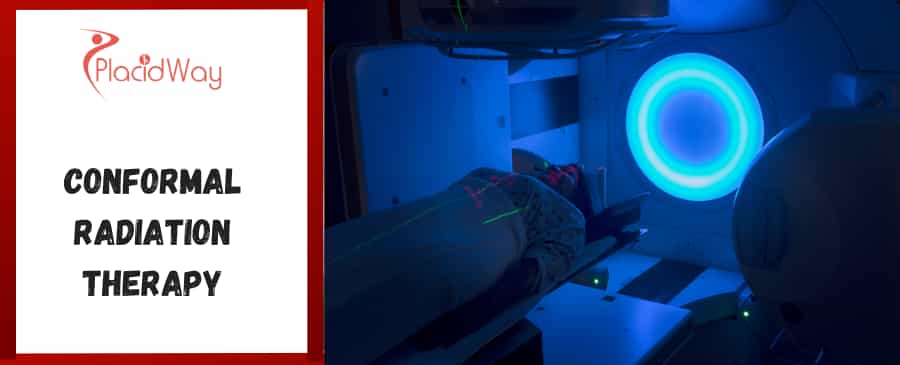
- Treatment Delivery: During treatment sessions, you'll lie on a treatment couch, positioned exactly as you were during simulation. A linear accelerator (linac) machine rotates around you, delivering the shaped radiation beams from various angles. Each beam conforms to a specific part of the tumor, and when combined, they deliver a high, uniform dose to the entire tumor volume. This process is entirely painless; you won't feel the radiation.
- Verification and Monitoring: Before each session, imaging (like X-rays or CT scans) is often performed directly on the treatment machine to verify your position and the tumor's location, ensuring absolute accuracy. The radiation therapy team continuously monitors you from an adjacent room.
By conforming the radiation dose to the tumor, 3D CRT allows doctors to deliver higher, more effective doses to the cancer cells, increasing the chances of eradicating the tumor while significantly reducing the risk of side effects by protecting healthy tissues. It's a testament to personalized medicine, tailoring the treatment specifically to your unique anatomy and tumor.
Who is an Ideal Candidate for Conformal Radiation Therapy?
Deciding on the most appropriate cancer treatment involves a thorough evaluation by a multidisciplinary team of specialists. An ideal candidate for Conformal Radiation Therapy generally possesses certain characteristics that make this precise treatment option particularly beneficial:
- Presence of a Solid Tumor: CRT is primarily used for solid tumors, as opposed to blood cancers like leukemia.
- Well-Defined Tumor: The tumor must be clearly visible and delineable on imaging scans (CT, MRI, PET) so that the radiation beams can be accurately shaped to its exact boundaries. If a tumor's edges are fuzzy or spread out too diffusely, other forms of radiation or systemic treatments might be more suitable.
- Tumor Location: Cancers located near critical healthy organs or sensitive structures (e.g., brain, spinal cord, heart, lungs, eyes, optic nerves, kidneys, bladder, rectum) are often excellent candidates for CRT. The precision helps minimize damage to these vital areas. For example, a prostate tumor close to the rectum is ideal for CRT to reduce rectal toxicity.
- Early to Moderately Advanced Stage: While CRT can be used in various stages, it's often highly effective for localized or locally advanced cancers where the goal is cure. It can also be used for palliation (symptom relief) in more advanced cases.
- Good General Health: Patients should be generally fit enough to undergo the treatment course, which typically involves daily sessions over several weeks.
- No Contraindications: Certain prior treatments or conditions might make CRT less suitable, but these are rare and discussed with your medical team.
Ultimately, the decision for CRT is highly individualized, based on the type, stage, and location of the cancer, your overall health, other concurrent treatments (like chemotherapy), and your personal preferences. A comprehensive consultation with a radiation oncologist is essential to determine if Conformal Radiation Therapy is the best option for your specific situation.
What is the Recovery Time and What Can I Expect After Treatment?
One of the advantages of Conformal Radiation Therapy's precision is that recovery is generally more manageable compared to older, less targeted radiation techniques. While you won't experience immediate "recovery" in the surgical sense, your body will be working to heal and clear out damaged cells. Here's what you can typically expect:
During and Immediately After Treatment:
- Daily Life: Most patients continue their daily activities throughout the treatment course. Each session is quick and painless, typically lasting 15-30 minutes.
- Fatigue: This is the most common side effect, often accumulating over the weeks of treatment. It can range from mild tiredness to profound exhaustion. It usually begins a few weeks into treatment and can linger for several weeks or even months afterward.
- Localized Skin Reactions: The skin in the treated area may become red, dry, itchy, or sensitive, similar to a sunburn. This usually appears a few weeks into treatment and heals gradually after treatment completion.
- Site-Specific Side Effects: These depend on the area being treated:
- Head/Neck: Sore throat, difficulty swallowing, dry mouth, taste changes.
- Chest: Esophageal irritation, cough, shortness of breath.
- Abdomen/Pelvis: Nausea, diarrhea, urinary frequency/urgency.
Post-Treatment Recovery:
- Gradual Improvement: Side effects typically peak toward the end of treatment and then slowly subside over the next few weeks to months. Fatigue is often the last symptom to fully resolve.
- Follow-Up Care: Regular follow-up appointments with your oncologist are crucial. These visits monitor your recovery, assess treatment effectiveness, and manage any lingering side effects. Imaging scans may be done to check the tumor's response.
- Long-Term Effects: While CRT significantly reduces long-term side effects compared to conventional radiation, some can occur depending on the treated area. These are rare and discussed with your care team (e.g., changes in organ function, secondary cancers years later).
- Self-Care: Resting when tired, maintaining a nutritious diet, staying hydrated, and gently caring for your skin can significantly aid recovery. Your medical team will provide specific instructions and support.
It's important to communicate any symptoms or concerns with your healthcare team throughout and after your CRT treatment. They can offer strategies and medications to manage side effects, ensuring your recovery is as comfortable as possible.
What Are the Risks and Potential Side Effects of Conformal Radiation Therapy?
While Conformal Radiation Therapy aims to minimize harm to healthy tissues, it's still a powerful cancer treatment, and side effects can occur. These vary based on the treated area, the total radiation dose, and individual patient sensitivity. They are typically categorized as acute (occurring during or shortly after treatment) or late (developing months or years later).
Common Acute Side Effects (During or within weeks of treatment):
- Fatigue: As mentioned, this is nearly universal, ranging from mild to severe, and often accumulates over the treatment period. It's the body's response to healing and the energy expended to repair cellular damage.
- Skin Reactions: In the treated area, skin can become red, itchy, dry, peel, or blister, much like a severe sunburn. This is typically temporary.
- Hair Loss: Only in the treated area, and often temporary unless high doses are used for brain tumors.
- Site-Specific Side Effects:
- Head & Neck: Sore throat (pharyngitis/esophagitis), difficulty swallowing (dysphagia), dry mouth (xerostomia), taste changes, earache, jaw stiffness.
- Chest: Cough, shortness of breath, esophageal irritation, chest discomfort.
- Abdomen: Nausea, vomiting, indigestion, loss of appetite.
- Pelvis (e.g., prostate, gynecological, rectal): Diarrhea, abdominal cramps, increased urinary frequency/urgency, bladder discomfort.
Potential Late Side Effects (Months to years after treatment):
These are less common with CRT due to its precision but can occur:
- Fibrosis: Scarring or hardening of tissues in the treated area, which can affect organ function (e.g., lung fibrosis, stiffness in joints).
- Secondary Cancers: A very rare risk, typically occurring decades after radiation, where radiation could induce a new cancer in the treated field.
- Organ Dysfunction:
- Cardiac: For chest radiation, a very small risk of heart problems.
- Pulmonary: Chronic lung inflammation or scarring.
- Neurological: For brain radiation, potential for cognitive changes or nerve damage.
- Bowel/Bladder: Chronic irritation, bleeding, or reduced capacity.
Your radiation oncology team will carefully weigh the potential benefits against these risks, using detailed treatment planning to minimize side effects. They will also educate you on how to manage any side effects that arise, often prescribing medications or recommending supportive care.
How Much Does Conformal Radiation Therapy Cost Worldwide?
The cost of Conformal Radiation Therapy can be a major consideration for many patients, especially when insurance coverage is limited or non-existent. The global landscape of medical costs presents a wide range of prices for the same high-quality treatment, influenced by factors such as a country's healthcare system, cost of living, clinic overheads, technology used, and the duration/complexity of the treatment course. This disparity often drives patients to explore medical tourism options.
Here's a general cost comparison for Conformal Radiation Therapy (CRT) in various countries. Please note these are estimates and can vary widely based on the specific clinic, oncologist fees, pre-treatment imaging, post-treatment follow-up, and the number of fractions (treatment sessions) required for your specific cancer:
| Country | Estimated Cost Range (USD) | Notes on Cost Factors |
|---|---|---|
| United States | $30,000 - $100,000+ | Highest costs, advanced technology, highly trained specialists, complex insurance system. |
| United Kingdom | $25,000 - $70,000+ | Similar to Western Europe, high-quality care, often shorter wait times in private sector. |
| Germany | $20,000 - $60,000+ | Excellent medical infrastructure, high standards, costs vary by clinic and region. |
| India | $5,000 - $15,000+ | Highly competitive pricing, world-class facilities and doctors, long waiting lists for some procedures. |
| Mexico | $8,000 - $20,000+ | Affordable, good quality for many treatments, popular for US patients seeking value. |
| Turkey | $7,000 - $18,000+ | Emerging medical tourism hub, modern hospitals, experienced specialists, cultural appeal. |
| Thailand | $6,000 - $16,000+ | Known for excellent patient care and hospitality, advanced medical technology, attractive for medical tourists. |
When considering costs, always ask for an inclusive package quote that covers all aspects of your treatment, from initial consultations and imaging to the full course of radiation, follow-up, and any necessary medications. This comprehensive view helps avoid unexpected expenses.
Why Should I Consider Conformal Radiation Therapy Abroad?
For many facing a cancer diagnosis, the option of seeking treatment abroad, especially for a specialized procedure like Conformal Radiation Therapy, becomes a compelling consideration. The reasons are multifaceted and often deeply personal:
- Significant Cost Savings: As seen in the cost comparison, the financial burden of cancer treatment can be overwhelming in some countries. Undergoing CRT abroad, particularly in regions like India, Mexico, Turkey, or Thailand, can offer substantial savings without compromising on quality. These savings can make life-saving treatment accessible to those who might otherwise struggle to afford it.
- Access to Advanced Technology and Expertise: While CRT is a standard in developed nations, not all local clinics, even within affluent countries, might offer the very latest in radiation technology or have highly specialized oncologists for rare cancers. Leading medical tourism destinations often invest heavily in state-of-the-art equipment and recruit internationally trained specialists to attract global patients.
- Shorter Waiting Times: In countries with universal healthcare systems or high patient volumes, waiting lists for specialized treatments can be long. Traveling abroad can mean faster access to diagnosis and immediate initiation of treatment, which can be critical for cancer care.
- Privacy and Discretion: Some patients prefer to undergo significant medical treatments away from their home country for greater privacy, allowing them to focus on their healing without local scrutiny or constant questions from acquaintances.
- Personalized Care and Patient Experience: Many international hospitals catering to medical tourists pride themselves on providing a high level of personalized care, with dedicated patient coordinators, luxurious amenities, and a focus on making the entire experience as comfortable as possible for the patient and their accompanying family.
- Combining Treatment with Travel: For some, the opportunity to combine treatment with a visit to a new country can offer a unique psychological benefit, making the journey feel less clinical and more like a transformative experience, aiding in mental well-being.
The decision to travel for medical care is a significant one, but for Conformal Radiation Therapy, the benefits of affordability, accessibility, and specialized care often make it a highly attractive option for patients worldwide.
How Can I Ensure Safety and Quality for Radiation Therapy Abroad?
Choosing to undergo medical treatment abroad, especially for something as critical as cancer radiation therapy, requires careful planning and due diligence to ensure you receive safe, high-quality care. Here are key steps to consider:
- Seek International Accreditation: Look for hospitals that have international accreditations, such as those from the Joint Commission International (JCI). JCI accreditation signifies that a hospital meets rigorous international standards for patient safety and quality of care. Many top medical tourism destinations boast numerous JCI-accredited facilities.
- Verify Physician Credentials and Experience: Research the specific radiation oncologists who would be treating you. Check their qualifications, board certifications, experience with Conformal Radiation Therapy, and their affiliations with international professional bodies. Many doctors in leading medical tourism hubs are internationally trained (e.g., in the US, UK, Europe).
- Review Technology and Equipment: Confirm that the clinic uses modern, state-of-the-art radiation therapy equipment (e.g., linear accelerators capable of 3D CRT). Outdated equipment can compromise treatment effectiveness and safety.
- Ask for Comprehensive Treatment Plans: Request a detailed treatment plan, including the proposed number of fractions, total radiation dose, type of imaging used for planning and verification, and expected side effects. Compare this with what your local doctors might have suggested.
- Read Patient Reviews and Testimonials: Look for feedback from other international patients who have undergone similar treatments at the facility. Reputable medical tourism facilitators can often provide verified patient stories.
- Utilize a Reputable Medical Tourism Facilitator: Companies like PlacidWay specialize in connecting patients with trusted international healthcare providers. They can help with vetting clinics, comparing quotes, arranging travel and accommodation, and providing on-the-ground support, significantly reducing the stress and uncertainty of organizing treatment abroad.
- Ensure Clear Communication: Confirm that there will be clear communication with your medical team, including access to interpreters if needed, and that all your questions are answered thoroughly.
- Plan for Follow-up Care: Discuss how post-treatment follow-up will be managed, both during your stay and upon your return home. Ensure your local doctor is willing to coordinate with the international team.
By taking these steps, you can confidently navigate the medical tourism landscape and ensure you receive excellent, safe care for your Conformal Radiation Therapy.
Take the Next Step with PlacidWay
Ready to explore treatment options abroad? Discover top clinics, compare prices, and get a free quote tailored to your needs with PlacidWay.
Cancer Treatment Abroad, Breast Cancer, Lung Cancer



















Share this listing