
Precision Cancer Treatment: Understanding Intensity Modulated Radiation Therapy (IMRT) Abroad
Facing a cancer diagnosis can be an overwhelming experience, filled with questions about the best treatment paths. For many, Intensity Modulated Radiation Therapy (IMRT) emerges as a beacon of hope. This cutting-edge radiation technique represents a significant leap forward in cancer care, offering unparalleled precision in targeting cancerous cells while protecting vital organs and healthy tissues nearby.
IMRT is a sophisticated form of external beam radiation therapy, renowned for its ability to deliver varying radiation doses to specific areas of a tumor. Unlike conventional radiation, which delivers a uniform dose across the treatment field, IMRT precisely sculpts radiation beams to match the tumor's unique shape. This "intensity modulation" allows clinicians to deliver higher, more effective doses to the tumor while significantly reducing the radiation exposure to surrounding healthy structures. This precision often translates into fewer and less severe side effects, improving a patient's quality of life during and after treatment.
Commonly searched terms like "what is IMRT for cancer," "IMRT radiation therapy explained," and "is IMRT effective" highlight the global interest in this advanced treatment. It's particularly effective for complex tumors located near sensitive areas, such as those found in prostate cancer, head and neck cancer, lung cancer, brain tumors, and gynecological cancers. As patients increasingly seek out the best possible care, many are looking beyond their borders to access state-of-the-art IMRT facilities, experienced specialists, and more affordable treatment options.
This guide will deeply explore IMRT, addressing common patient concerns, diving into its benefits, risks, and what to expect. We'll also specifically focus on the growing trend of medical tourism for IMRT, helping you understand why and how patients are successfully pursuing this life-saving treatment in international destinations.
What Cancers Can Intensity Modulated Radiation Therapy (IMRT) Effectively Treat?
IMRT's advanced precision makes it suitable for a wide range of cancers, particularly those with irregular shapes or located close to critical organs. Its ability to "sculpt" radiation doses means it can effectively treat tumors that might otherwise be difficult to reach or where damage to nearby healthy tissue is a major concern. Some of the most common cancers treated with IMRT include:
- Prostate Cancer: Often targeted with IMRT to spare the bladder and rectum, reducing urinary and bowel side effects.
- Head and Neck Cancers: Including throat, larynx, and oral cancers, where IMRT can protect salivary glands, jaw, and swallowing muscles, preserving vital functions.
- Brain Tumors: Both primary and metastatic, where IMRT minimizes radiation to healthy brain tissue and critical structures like the optic nerves.
- Lung Cancer: Especially when tumors are near the heart or spinal cord, IMRT helps reduce damage to these sensitive areas.
- Gastrointestinal Cancers: Such as rectal or pancreatic cancer, where nearby organs can be spared.
- Gynecological Cancers: Including cervical or uterine cancer, IMRT can protect the bladder and bowel.
- Pediatric Cancers: Its precision is crucial for reducing long-term side effects in developing bodies.
The decision to use IMRT is always individualized, based on the specific cancer type, stage, location, and the patient's overall health.
What Are the Common Symptoms That Might Lead to an IMRT Recommendation?
IMRT itself doesn't have symptoms; rather, it treats cancers that present with various signs and symptoms. Recognizing these early warning signs and consulting a doctor is crucial for timely diagnosis and treatment planning. Here are some symptoms associated with common cancers treated by IMRT:
- Prostate Cancer Symptoms:
- Frequent urge to urinate, especially at night.
- Difficulty starting or stopping urination.
- Weak or interrupted flow of urine.
- Painful urination or ejaculation.
- Blood in urine or semen (less common).
- Persistent pain in the back, hips, or pelvis (in advanced stages).
- Head and Neck Cancer Symptoms:
- A sore that does not heal, or a persistent lump in the mouth or neck.
- Persistent sore throat or hoarseness.
- Difficulty swallowing or chewing.
- Unexplained weight loss.
- Ear pain.
- Change in voice.
- Lung Cancer Symptoms:
- Persistent cough that worsens or doesn't go away.
- Chest pain, especially with deep breaths, coughing, or laughter.
- Shortness of breath.
- Wheezing.
- Hoarseness.
- Unexplained weight loss.
- New onset of back or shoulder pain.
These symptoms can also be caused by less serious conditions, but it's always important to seek medical advice if they persist.
What Factors and Causes Contribute to the Cancers Treated by IMRT?
Cancers arise from a complex interplay of genetic, environmental, and lifestyle factors. While IMRT treats the cancer, understanding its causes can help in prevention and early detection. Here are common causes and risk factors for cancers often treated with IMRT:
- Prostate Cancer:
- Age: Risk increases significantly after age 50.
- Family History: Having a father or brother with prostate cancer, especially at a young age, increases risk.
- Race: More common in African American men.
- Diet: A diet high in red meat and dairy, low in fruits and vegetables, may increase risk.
- Head and Neck Cancers:
- Tobacco Use: Smoking cigarettes, cigars, pipes, and using smokeless tobacco are major risk factors.
- Alcohol Consumption: Heavy and regular alcohol use significantly increases risk, especially when combined with tobacco.
- Human Papillomavirus (HPV): Certain strains of HPV, particularly HPV-16, are linked to a growing number of oropharyngeal cancers.
- Sun Exposure: Can cause lip cancer.
- Poor Oral Hygiene: Increases risk for oral cavity cancers.
- Lung Cancer:
- Smoking: The leading cause, accounting for about 80-90% of lung cancers. Includes direct smoking and secondhand smoke.
- Exposure to Radon: A radioactive gas found in homes and buildings.
- Asbestos Exposure: Industrial exposure to asbestos fibers.
- Air Pollution: Long-term exposure to particulate matter in the air.
- Family History: Genetic predisposition can play a role.
Many risk factors are modifiable, emphasizing the importance of lifestyle choices in cancer prevention.
How Does IMRT Compare to Other Radiation Therapies Available?
Radiation therapy has evolved significantly, offering various approaches to target cancer. IMRT stands out due to its unique capabilities:
- 3D Conformal Radiation Therapy (3D-CRT): This older technique uses computer imaging to create 3D maps of the tumor and surrounding organs. Radiation beams are shaped to conform to the tumor's general shape from a few angles. While more precise than 2D radiation, 3D-CRT delivers a uniform dose across the treatment field, potentially affecting more healthy tissue.
- Intensity Modulated Radiation Therapy (IMRT): IMRT is an advanced form of 3D-CRT. It not only shapes the beams but also modulates their intensity (strength). This means different parts of the tumor can receive different doses, and the beam can be "turned down" in areas close to healthy organs. This allows for higher, more effective doses to the tumor while minimizing side effects. It's like having a precision paintbrush instead of a roller.
- Volumetric Modulated Arc Therapy (VMAT): Often considered a type of IMRT, VMAT delivers radiation in a single, continuous rotation around the patient. This allows for faster treatment delivery and even greater customization of the radiation dose distribution, making it highly efficient.
- Stereotactic Body Radiation Therapy (SBRT) / Stereotactic Radiosurgery (SRS): These techniques deliver very high doses of radiation in a few (1-5) sessions to small, well-defined tumors. They offer extreme precision but are generally used for smaller tumors that are not too close to critical structures, and the treatment typically finishes much faster than traditional IMRT.
- Proton Therapy: Instead of photons (used in IMRT), proton therapy uses protons, which deposit most of their energy at a specific depth and then stop (the Bragg peak). This means there's virtually no "exit dose" beyond the tumor, theoretically offering even greater protection to healthy tissue. However, proton therapy is very expensive, not always superior to IMRT, and not available for all cancer types or in all locations.
IMRT often strikes a balance, offering excellent precision and reduced side effects for a broad range of complex tumors, making it a cornerstone of modern radiation oncology.
Who is an Ideal Candidate for Intensity Modulated Radiation Therapy (IMRT)?
Determining eligibility for IMRT involves a thorough evaluation by a radiation oncologist. Ideal candidates often share several characteristics:
- Tumors with Complex Shapes: Cancers that are not perfectly round or oval, or that wrap around other structures, are ideal for IMRT's shaping capabilities.
- Tumors Near Sensitive Organs: If the tumor is close to critical structures like the spinal cord, bladder, rectum, optic nerves, or salivary glands, IMRT's ability to "dial down" radiation in those areas is invaluable. This is a common concern for "IMRT for prostate cancer" or "IMRT for head and neck cancer."
- Need for High Radiation Doses: Some cancers require a higher dose of radiation to be effective. IMRT allows these high doses to be delivered to the tumor without significantly increasing the risk to surrounding healthy tissues.
- Recurrent Cancers: In some cases, IMRT may be used to treat cancers that have returned after previous radiation therapy, where extreme precision is needed to avoid exceeding the tolerance of previously irradiated tissues.
- Overall Health: Patients should be healthy enough to undergo the daily treatment sessions for several weeks.
A detailed consultation, including medical history, physical examination, and imaging scans (CT, MRI, PET), will help the oncology team determine if IMRT is the most appropriate and beneficial treatment option for your specific condition.
What Can I Expect During and After My IMRT Treatment Sessions?
Understanding the treatment process can help alleviate anxiety. IMRT treatment typically involves several phases:
Before Treatment: Planning and Simulation
This is a critical step, often lasting 1-2 hours. You will undergo:
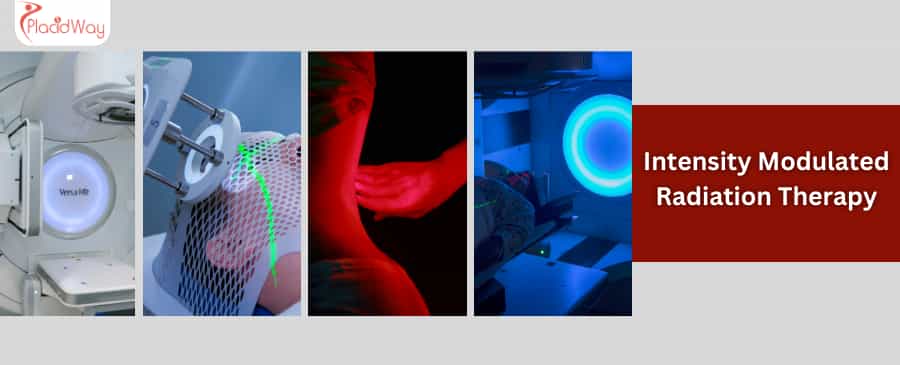
- CT Simulation: A special CT scan will be performed to precisely map your tumor and surrounding healthy organs. You'll be positioned exactly as you will be during daily treatments, often using immobilization devices (like a custom mold or mask) to ensure consistency.
- Marking: Small, permanent ink dots (tattoos) or temporary marks will be placed on your skin to help align you correctly each day.
- Treatment Planning: A team of radiation oncologists, dosimetrists, and medical physicists will use advanced software to design a personalized treatment plan, determining the exact angles, intensity, and duration of radiation beams. This process can take several days to a week.
During Treatment: Daily Sessions
IMRT is typically delivered on an outpatient basis, 5 days a week for several weeks (the exact number depends on the cancer type and stage, often 4-8 weeks). Each session usually lasts 15-30 minutes:
- Positioning: You'll lie on a treatment table, positioned precisely using the marks from your simulation. The immobilization device will keep you still.
- Machine Delivery: The linear accelerator machine will move around you, delivering radiation from various angles. You won't feel anything during the treatment, but you might hear buzzing sounds.
- Monitoring: Technicians will monitor you from an adjacent room via cameras and intercom, ensuring your comfort and safety.
While the machine is active, you'll need to hold very still. The actual radiation delivery time is often just a few minutes within the total session.
After Treatment: Recovery and Follow-up
IMRT is non-invasive, so there's no immediate recovery time like surgery. You can usually go home or back to your normal activities directly after each session. However, you might experience side effects that develop gradually over the course of treatment and after it concludes. Regular follow-up appointments with your oncology team will be scheduled to monitor your recovery, manage any side effects, and assess treatment effectiveness.
What Are the Potential Risks and Side Effects of IMRT?
While IMRT is designed to minimize side effects by sparing healthy tissue, some are still possible, as radiation affects rapidly dividing cells (both cancerous and healthy). Side effects are generally localized to the treated area and tend to be temporary:
Common General Side Effects:
- Fatigue: A common side effect of most cancer treatments, often peaking towards the end of therapy and subsiding weeks to months after.
- Skin Changes: In the treated area, skin may become red, dry, itchy, sensitive, or peel, similar to a sunburn. This is typically managed with creams and gentle care.
- Hair Loss: Only in the treated area, and usually temporary.
Specific Side Effects (Dependent on Treatment Area):
- Head and Neck:
- Sore throat, difficulty swallowing (dysphagia).
- Dry mouth (xerostomia) due to salivary gland damage.
- Taste changes.
- Voice changes (hoarseness).
- Prostate:
- Urinary frequency, urgency, or burning.
- Rectal irritation, diarrhea, or discomfort.
- Erectile dysfunction (potential long-term risk).
- Pelvic Area (e.g., Gynecological Cancers):
- Diarrhea, abdominal cramps.
- Bladder irritation (frequent urination, burning).
- Vaginal dryness or narrowing.
- Lung/Chest:
- Cough, shortness of breath.
- Sore throat or difficulty swallowing (if esophagus is in the field).
Most acute side effects resolve within weeks to a few months after treatment. Long-term side effects are less common but can occur, emphasizing the importance of ongoing follow-up with your care team. Your medical team will provide strategies for managing these side effects.
Why Should I Consider Traveling Abroad for IMRT Treatment?
The decision to seek medical treatment abroad, especially for a serious condition like cancer, is significant. However, for many patients, it offers compelling advantages:
- Cost Savings: This is often the primary driver for medical tourists. The cost of IMRT can be significantly lower in countries like India, Thailand, or Mexico compared to the U.S. or Western Europe, even when factoring in travel and accommodation.
- Access to Advanced Technology: Some countries, particularly those with robust medical tourism infrastructures, invest heavily in the latest IMRT machines and techniques, sometimes offering technology not yet widely available in a patient's home country or with shorter wait times.
- Reduced Wait Times: In countries with universal healthcare or high demand, wait lists for specialized cancer treatments can be long. Traveling abroad can provide immediate access to care.
- World-Class Expertise and Facilities: Many international hospitals boast JCI (Joint Commission International) accreditation, highly trained radiation oncologists, and state-of-the-art facilities comparable to or exceeding those in developed nations.
- Personalized Care and Attention: International healthcare providers often cater specifically to medical tourists, offering comprehensive packages that include translation services, accommodation assistance, and dedicated patient coordinators, ensuring a smoother, less stressful experience.
- Privacy and Anonymity: For some, undergoing treatment away from home offers a greater sense of privacy during a vulnerable time.
For patients searching for "IMRT cost abroad" or "best places for IMRT overseas," the potential for combining high-quality treatment with affordability makes medical tourism an attractive option.
Which Countries Offer High-Quality IMRT Treatment and Value for Medical Tourists?
Several countries have established themselves as leaders in medical tourism for IMRT, offering a blend of advanced technology, skilled professionals, and competitive pricing. Here's a look at some top destinations:
- India: Known for its highly skilled doctors, world-class hospitals with cutting-edge technology, and significantly lower costs. India is a global hub for medical tourism, offering comprehensive packages.
- Thailand: Offers excellent healthcare facilities, often with a strong focus on patient comfort and hospitality. Bangkok, in particular, has several JCI-accredited hospitals providing advanced IMRT.
- South Korea: A leader in medical technology and innovation, South Korea boasts state-of-the-art cancer centers with highly specialized IMRT capabilities and excellent success rates.
- Turkey: With its strategic location, modern hospitals, and highly qualified medical staff, Turkey offers high-quality IMRT at competitive prices, especially in cities like Istanbul and Ankara.
- Mexico: Convenient for North American patients, Mexico offers advanced IMRT treatments, particularly in border cities and major medical hubs, with substantial cost savings.
- Germany: Renowned for its rigorous medical standards, cutting-edge research, and advanced technology. While costs might be higher than in Asia, Germany provides exceptional quality and expertise.
IMRT Cost Comparison Worldwide (Estimated Average, USD)
These are estimates and can vary significantly based on the specific hospital, stage of cancer, number of sessions, and included services.
| Country | Estimated IMRT Cost Range (USD) | Key Advantages for Medical Tourists |
|---|---|---|
| United States | $30,000 - $100,000+ | High standards, advanced research, often direct access to latest tech. |
| Western Europe (e.g., UK, Germany) | $25,000 - $70,000 | Excellent quality, stringent regulations, highly skilled professionals. |
| India | $5,000 - $15,000 | Significant cost savings, JCI accredited hospitals, English-speaking staff. |
| Thailand | $7,000 - $20,000 | High-quality care, patient-centric services, tourism opportunities. |
| South Korea | $10,000 - $25,000 | Cutting-edge technology, innovative research, advanced cancer centers. |
| Turkey | $8,000 - $20,000 | Modern facilities, competitive pricing, strategic location. |
| Mexico | $10,000 - $25,000 | Proximity for North Americans, quality care at lower costs. |
When considering international options, always research specific clinics, their accreditations, and physician qualifications.
What Should I Expect When Planning My IMRT Treatment Journey Abroad? How Do I Ensure Safety and Quality?
Planning IMRT treatment abroad requires careful preparation to ensure a smooth, safe, and effective experience. Here's what to expect and how to ensure safety and quality:
The Planning Process:
- Initial Consultation & Research: Start by researching potential destinations and clinics. Many patients utilize medical tourism facilitators like PlacidWay to streamline this process.
- Medical Records Review: You'll typically need to send your detailed medical records, including diagnosis reports, imaging scans, and previous treatment summaries, to the international clinic for review.
- Treatment Plan & Quote: The international medical team will evaluate your case and provide a proposed IMRT treatment plan, estimated duration, and a comprehensive cost quote. This is your opportunity to ask detailed questions about the procedure, potential outcomes, and side effects.
- Travel Logistics: Once you accept the plan, you'll arrange travel (flights, visas if necessary), accommodation, and local transportation. Many facilitators offer packages that include these services.
- Pre-Treatment Appointments: Upon arrival, you'll have in-person consultations, physical exams, and possibly repeat imaging to finalize your treatment plan.
- Treatment & Recovery: You will undergo daily IMRT sessions as outlined. Your stay will need to accommodate the full course of treatment, usually several weeks, plus a buffer for follow-up.
- Post-Treatment Follow-up: Discuss a plan for post-treatment care and follow-up with your local doctor once you return home. The international clinic should provide detailed reports.
Ensuring Safety and Quality:
- Accreditation: Look for hospitals with international accreditations like JCI (Joint Commission International). This indicates adherence to stringent quality and patient safety standards. Local accreditations (e.g., NABH in India) are also good indicators.
- Physician Credentials: Verify the qualifications, experience, and board certifications of the radiation oncologists. Many international doctors have received training in Western countries.
- Technology & Equipment: Confirm the clinic uses modern, well-maintained IMRT machines. Ask about their quality assurance protocols for the equipment.
- Patient Reviews and Testimonials: Read reviews from previous medical tourists. While individual experiences vary, patterns can reveal valuable insights.
- Transparency: Ensure the clinic provides a clear, all-inclusive cost breakdown and is upfront about potential risks and complications.
- Communication: Confirm that there are readily available English-speaking staff or professional medical translators to ensure clear communication with your medical team.
- Facilitator's Reputation: If using a medical tourism company, choose a reputable one like PlacidWay with a strong track record and clear ethical guidelines. They can provide an extra layer of vetting and support.
Are There Real-Life Patient Success Stories from IMRT Treatment Abroad?
Indeed, countless patients have embarked on medical journeys abroad for IMRT and returned with compelling success stories. While we cannot share specific patient names due to privacy, the themes of these experiences often resonate deeply:
"Mr. John D. from Canada, facing a prostate cancer diagnosis, found that the wait times for IMRT at home were daunting. He opted for treatment in a JCI-accredited hospital in India. Not only did he receive state-of-the-art IMRT with minimal side effects, but the total cost, including travel and accommodation, was less than half of what he would have paid in Canada. He praised the dedication of the medical staff and the efficiency of the entire process, allowing him to return home swiftly and continue his recovery."
"For Mrs. Emily R. from the UK, a complex head and neck cancer required very precise radiation to preserve her ability to speak and swallow. After extensive research, she chose a specialized cancer center in South Korea. She reported exceptional care, from the detailed planning sessions to the compassionate nursing staff. Her IMRT treatment was successful, and she now advocates for exploring international options for advanced care, citing the personalized attention and cutting-edge technology she received."
These stories highlight that "IMRT treatment abroad reviews" frequently emphasize:
- Exceptional Medical Care: Patients often report receiving care on par with, or even exceeding, what they expected, noting the expertise of radiation oncologists and the advanced technology used.
- Significant Cost Savings: A recurring theme is the financial relief, allowing patients to access necessary treatment without devastating their savings or going into extensive debt.
- Reduced Stress and Improved Experience: Many appreciate the comprehensive support from facilitators, the lack of waiting lists, and the often more personalized, attentive care model found in medical tourism destinations.
- Successful Outcomes: The primary goal of any cancer treatment is a positive health outcome. Patients frequently share their gratitude for successful tumor reduction or remission, attributing it to the high-quality IMRT they received abroad.
These narratives underscore that medical tourism for IMRT is not just a trend but a viable, often life-changing option for patients seeking the best possible care, value, and access to advanced therapies.
Take the Next Step with PlacidWay
Ready to explore treatment options abroad? Discover top clinics, compare prices, and get a free quote tailored to your needs with PlacidWay.
Cancer Treatment Abroad, Breast Cancer, Lung Cancer



















Share this listing