
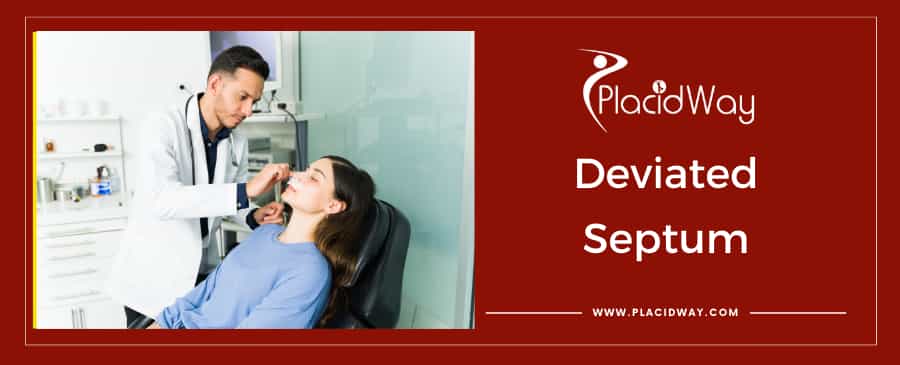
Struggling to Breathe? Discover Relief with Deviated Septum Surgery
Imagine trying to breathe through a pinched straw, or constantly feeling like one side of your nose is perpetually blocked. For millions worldwide, this isn't just an inconvenience; it's the daily reality of living with a deviated septum.
A deviated septum is a common condition where the thin wall (septum) separating your nostrils is off-center, making one nasal passage significantly smaller than the other. This misalignment can lead to a host of frustrating issues, from persistent nasal congestion and difficulty breathing to chronic nosebleeds and disrupted sleep. If you've ever wondered, "Why is my nose always blocked?" or "Can a deviated septum cause headaches?", you're not alone.
The good news is that relief is often found through a surgical procedure called septoplasty. This procedure corrects the displacement, opening up your airways and dramatically improving your quality of life. For many seeking effective and affordable solutions, especially those facing high domestic costs or long wait times, considering septoplasty abroad through medical tourism has become an increasingly popular and viable option.
This comprehensive guide will walk you through everything you need to know about deviated septum surgery, from understanding its symptoms and causes to exploring treatment options, recovery expectations, and why medical tourism might be the perfect path for you to breathe freely again.
What are the common symptoms of a deviated septum?
Living with a deviated septum can manifest in various ways, often significantly impacting daily comfort and sleep. While some individuals might have a minor deviation with no noticeable symptoms, others experience persistent and bothersome issues. Recognizing these symptoms is the first step toward seeking treatment. Common complaints include:
- Nasal Obstruction/Congestion: This is arguably the most common symptom. You might feel like one side of your nose is always blocked, or that it's difficult to get enough air when breathing through your nose. This can worsen when you have a cold or allergies.
- Difficulty Breathing: Beyond just congestion, you might experience significant trouble drawing breath through your nose, especially during physical activity or when lying down.
- Frequent Nosebleeds: The dry air flowing over the irritated, narrow passage can dry out the septal surface, making it more prone to bleeding. Many ask, "Can a deviated septum cause nosebleeds?" and the answer is yes.
- Facial Pain or Pressure: In some cases, a severely deviated septum can cause pressure or pain in the face, particularly around the nasal area. Some patients even report headaches.
- Noisy Breathing During Sleep: If the deviation is significant, it can lead to loud breathing, snoring, or even contribute to sleep apnea, where breathing repeatedly stops and starts. This often prompts partners to ask, "Why is my snoring so loud?"
- Preference for Sleeping on One Side: Many people with a deviated septum unconsciously find that sleeping on a particular side helps open up the more obstructed nostril.
- Recurrent Sinus Infections: The impaired drainage due to obstruction can increase the likelihood of developing sinus infections.
What causes a deviated septum and are there risk factors?
Understanding the origin of a deviated septum can help in diagnosis and treatment planning. There are generally two main causes:
- Congenital: Many people are born with a deviated septum. This means the deviation occurs during fetal development or during birth itself. It's often subtle and may not cause problems until later in life, or ever.
- Injury/Trauma: A direct blow to the nose can shift the septum out of alignment. This is a very common cause. Injuries can occur from:
- Sports accidents (e.g., football, basketball, martial arts)
- Car accidents
- Falls
- Fights
While a deviated septum can occur at any age, injuries during childhood or adolescence, when the nose is still developing, can have a lasting impact. Sometimes, the deviation can worsen with age as the nasal structures naturally change. If you've ever thought, "Can a hit to the nose cause a deviated septum?" the answer is a resounding yes, even years after the initial incident.
What types of procedures or treatments are available for a deviated septum?
For mild symptoms, a doctor might suggest non-surgical approaches:
- Decongestant sprays or oral medications: These can temporarily reduce swelling in the nasal passages, making breathing easier. However, prolonged use of sprays can worsen congestion.
- Antihistamines or nasal steroid sprays: If allergies contribute to congestion, these can help manage symptoms.
However, these non-surgical methods only address symptoms and do not correct the underlying structural issue. For lasting relief from a significantly deviated septum, surgery is the definitive treatment.
Septoplasty: The Primary Solution
Septoplasty is the surgical procedure specifically designed to correct a deviated septum. During septoplasty, the surgeon makes an incision inside the nose to access the septum. They then remove or reshape the bone and cartilage, repositioning it to the center of the nose. The goal is to restore proper airflow without altering the external appearance of the nose.
Related Procedures:
- Turbinate Reduction: Often performed alongside septoplasty. Turbinates are structures inside the nose that can swell and contribute to obstruction. If enlarged, reducing their size can further improve breathing.
- Rhinoplasty: If a patient also desires cosmetic changes to their nose (e.g., correcting a crooked nose, reshaping the tip), septoplasty can be combined with rhinoplasty, often called "septorhinoplasty." This addresses both functional breathing issues and aesthetic concerns.
Many patients search for "septoplasty vs rhinoplasty" to understand the difference. Septoplasty is purely functional, aimed at improving breathing, while rhinoplasty is primarily cosmetic, focused on changing the nose's appearance. A septorhinoplasty combines both.
Who is eligible for deviated septum surgery and when is it necessary?
Deciding when to undergo septoplasty is a personal choice made in consultation with a medical professional. Generally, surgery is considered necessary when:
- Symptoms are Persistent and Severe: If you experience chronic nasal obstruction, frequent nosebleeds, recurrent sinus infections, or significant sleep disruption that profoundly impacts your quality of life, septoplasty may be recommended. Many patients ask, "Am I a candidate for septoplasty?" and these symptoms are key indicators.
- Non-Surgical Treatments Fail: If decongestants, nasal sprays, or allergy medications haven't provided adequate or lasting relief, surgery becomes the next logical step.
- Diagnosis Confirmed: An ENT specialist (otolaryngologist) will perform an examination, often using an endoscope, to confirm the diagnosis and assess the severity of the deviation.
Age Considerations:
While there's no strict age limit, surgeons typically prefer to wait until the nasal septum has finished its growth and development. This usually occurs around 15-16 years for girls and 17-18 years for boys. Performing surgery before this time could potentially affect future nasal growth. However, in cases of severe obstruction causing significant health issues, it might be considered earlier.
Ultimately, the decision to proceed with surgery is based on the severity of your symptoms, their impact on your daily life, and your overall health. Your doctor will help you weigh the benefits against the risks.
What is the recovery time and what should I expect after septoplasty?
Understanding the recovery process is crucial for managing expectations and planning your return to normal activities. "Deviated septum surgery recovery" is a common search term, and here's what you can generally expect:
Immediately After Surgery (First Few Days):
- Nasal Packing/Splints: Many surgeons use soft nasal packing or silicone splints inside the nose to support the septum as it heals and prevent scar tissue. These are usually removed within 1-7 days. While in, they will make breathing through your nose impossible, requiring mouth breathing.
- Discomfort and Congestion: You'll likely experience mild pain, which can be managed with prescribed pain medication. Congestion and a feeling of fullness are also common due to swelling and possible drainage.
- Drainage: Light bloody or clear drainage is normal for a few days.
- Bruising/Swelling (Minimal): Unlike rhinoplasty, septoplasty usually causes minimal external bruising or swelling since no external incisions are made.
First 1-2 Weeks:
- Return to Light Activities: Most people can return to light, non-strenuous activities or office work within about a week.
- Avoid Strenuous Activity: You'll need to avoid heavy lifting, bending over, or strenuous exercise for at least 2-3 weeks to prevent bleeding and swelling.
- Nasal Care: Your surgeon will provide instructions for nasal rinses (saline sprays) to keep the nasal passages moist and aid healing.
Beyond 2 Weeks:
- Gradual Improvement: Swelling gradually subsides, and nasal breathing should steadily improve.
- Full Healing: While you'll feel significantly better after a few weeks, the internal healing process, where tissues fully stabilize and remodel, can take several months, sometimes up to a year. Your final breathing results may not be apparent until this time.
It's vital to follow your surgeon's post-operative instructions diligently to ensure optimal healing and outcomes. Remember to avoid blowing your nose forcefully and protect your nose from any bumps or impacts during the initial recovery period.
What are the risks and potential side effects of deviated septum surgery?
Septoplasty is considered a safe and routine procedure, and serious complications are rare. However, like any surgery, it carries potential risks and side effects that patients should be aware of. Common searches include "septoplasty risks" and "is deviated septum surgery dangerous?".
Potential Risks and Side Effects:
- Bleeding: Some bleeding is normal after surgery, but excessive or prolonged bleeding (hemorrhage) can occur, although it's uncommon.
- Infection: Any surgical incision carries a risk of infection. Antibiotics are often prescribed to prevent this.
- Numbness: Temporary or, rarely, permanent numbness in the tip of the nose, upper teeth, or palate can occur.
- Changes in Sense of Smell: Rarely, surgery can affect your sense of smell, though this is usually temporary.
- Septal Perforation: A rare but possible complication is the development of a hole (perforation) in the septum. This can sometimes cause whistling sounds or crusting and may require further surgery to correct.
- Persistent Symptoms or Recurrence: While the goal is to improve breathing, in some cases, symptoms may persist, or the septum may deviate again over time, requiring revision surgery.
- Adhesion/Synechiae: Scar tissue can form between the septum and other nasal structures, potentially causing new blockages.
- Hematoma: A collection of blood (hematoma) can form under the skin or in the septum, which may need to be drained.
- Adverse Reaction to Anesthesia: As with any surgery requiring anesthesia, there are risks associated with the anesthetic itself.
Your surgeon will discuss all potential risks with you in detail, helping you understand the likelihood and how they are managed. Choosing an experienced, board-certified surgeon is crucial for minimizing these risks.
How much does deviated septum surgery cost worldwide?
Cost is a major factor for many considering septoplasty, especially when it's not fully covered by insurance or if deductibles are high. This is where medical tourism truly shines, offering "affordable septoplasty" options. The price can vary dramatically based on the country, the surgeon's experience, the clinic's facilities, and whether other procedures (like turbinate reduction or rhinoplasty) are included. Here's a general cost comparison:
| Country | Estimated Cost (USD) for Septoplasty Only | Cost Factors |
|---|---|---|
| USA | $6,000 - $15,000+ | High facility fees, surgeon fees, anesthesia. Varies by state and insurance. |
| Canada | $5,000 - $10,000+ (if private) | May be covered by provincial health, but long wait times often lead to private options. |
| UK | £4,000 - £8,000 ($5,000 - $10,000+) | NHS wait times can be long; private options are costly. |
| Mexico | $2,500 - $4,500 | Significant savings, proximity for North Americans, high-quality private clinics. |
| Turkey | $2,000 - $4,000 | Very popular for rhinoplasty and septoplasty, excellent facilities, experienced surgeons. |
| India | $1,800 - $3,500 | Known for advanced medical infrastructure and highly skilled surgeons at lower costs. |
| Thailand | $2,200 - $4,000 | Combines quality care with a popular tourist destination. |
| South Korea | $3,000 - $6,000 | Renowned for advanced techniques, especially in cosmetic and reconstructive nose surgery. |
*Prices are estimates and can vary based on the clinic, surgeon's fees, anesthesia, hospital stay, and specific needs of the patient. These figures typically include the surgeon's fee, anesthesia, and facility costs, but may not include pre-op tests, medication, or post-operative care beyond the immediate recovery.
Why should I consider getting my deviated septum surgery abroad?
The decision to travel for medical treatment, often termed "medical tourism," is driven by several compelling factors for those seeking relief from a deviated septum:
- Significant Cost Savings: As seen in the table above, the cost of septoplasty abroad can be a fraction of what you'd pay in Western countries. This is often the primary motivator for patients without adequate insurance coverage or those facing high out-of-pocket expenses.
- Access to High-Quality Care and Specialists: Many countries have invested heavily in medical tourism, developing state-of-the-art facilities and attracting highly skilled, often internationally trained, surgeons. "Medical tourism septoplasty" often means accessing world-class expertise.
- Shorter Wait Times: In countries with universal healthcare systems, non-emergency procedures like septoplasty can involve long waiting lists. Traveling abroad allows patients to schedule their surgery quickly and at their convenience.
- Privacy and Anonymity: For some, undergoing a medical procedure away from their home country offers a level of privacy they wouldn't otherwise have.
- Combination of Treatment and Travel: Many patients appreciate the opportunity to recover in a pleasant environment, turning a medical trip into a relaxing getaway. Imagine recovering on a beach or exploring a new culture once cleared by your doctor.
- Advanced Technology: Top medical tourism destinations often boast clinics equipped with the latest surgical technology and diagnostic tools.
For those struggling with chronic breathing issues, choosing to go abroad for septoplasty can provide a path to relief that is both financially feasible and medically excellent.
Which countries offer the best value for deviated septum surgery?
When searching for "best countries for septoplasty," certain destinations consistently rise to the top due to their combination of affordability, quality, and patient experience:
- Mexico: A top choice for North Americans due to its proximity. Cities like Tijuana, Cancun, and Guadalajara offer numerous accredited clinics with English-speaking staff and experienced surgeons, often at 50-70% less than US prices.
- Turkey: Particularly Istanbul, has become a global hub for cosmetic and ENT surgeries, including septoplasty. Turkish surgeons are highly regarded, and clinics are modern, often providing all-inclusive packages.
- India: With its advanced medical infrastructure and highly skilled medical professionals, India offers very competitive pricing without compromising on quality. Major cities like Delhi, Mumbai, and Bangalore have world-class hospitals.
- Thailand: Known for its exceptional hospitality and state-of-the-art private hospitals, Thailand offers excellent medical care combined with a recovering holiday experience. Bangkok and Phuket are popular destinations.
- South Korea: While potentially a bit pricier than some other Asian options, South Korea is a leader in surgical innovation, especially for facial and ENT procedures, attracting patients seeking advanced techniques.
- Poland: For European patients, Poland offers an attractive option with high-quality care and lower costs compared to Western Europe, with many clinics catering to international patients.
When selecting a country and clinic, it's essential to research accreditations, surgeon credentials, patient reviews, and communication capabilities. PlacidWay can help you navigate these choices, connecting you with reputable providers.
What should I expect when traveling for a deviated septum procedure abroad, and how can I ensure a smooth journey?
Undertaking "traveling for septoplasty" requires careful planning, but with the right support, it can be a seamless and rewarding experience. Here's what to expect and how to prepare:
Before You Travel:
- Research and Consult: Utilize services like PlacidWay to find accredited clinics and experienced surgeons. Have initial virtual consultations to discuss your condition, desired outcomes, and get a personalized quote.
- Medical Records: Gather and send all relevant medical records, imaging (CT scans), and diagnostic reports to your chosen clinic abroad.
- Visa and Passport: Ensure your passport is valid and check if you need a visa for your chosen destination.
- Travel Insurance: Consider comprehensive travel insurance that includes medical emergencies and trip cancellations.
- Accommodation and Logistics: Many medical tourism providers or clinics offer assistance with booking flights, airport transfers, and suitable accommodation (e.g., hotels with specific recovery amenities).
During Your Trip:
- Arrival and Pre-Op: Upon arrival, you'll typically have an in-person consultation, physical examination, and necessary pre-operative tests.
- Surgery and Hospital Stay: The procedure itself is usually outpatient or requires a short overnight stay.
- Recovery Period: Plan for at least 7-10 days in the destination country for initial recovery and post-operative check-ups, including splint or packing removal. Avoid strenuous activities.
- Communication: Ensure you have reliable access to communication (phone, internet) to stay in touch with your family and the clinic.
After Your Return Home:
- Follow-up Instructions: Strictly adhere to all post-operative care instructions provided by your surgeon.
- Local Doctor: Inform your local primary care physician or ENT about your surgery abroad for ongoing care and monitoring, if needed.
To ensure safety and quality abroad, always verify the surgeon's board certifications, the clinic's international accreditations (e.g., JCI), and read patient testimonials. A reputable medical tourism facilitator can guide you through this process, providing peace of mind.
Take the Next Step with PlacidWay
Ready to explore treatment options abroad? Discover top clinics, compare prices, and get a free quote tailored to your needs with PlacidWay.


-Package-in-Riyadh,-Saudi-Arabia-at-King-Faisal-Specialist-Hospital-Thumbnail.jpg)


.png)
.png)



.png)
.png)
-(1).png)










Share this listing