
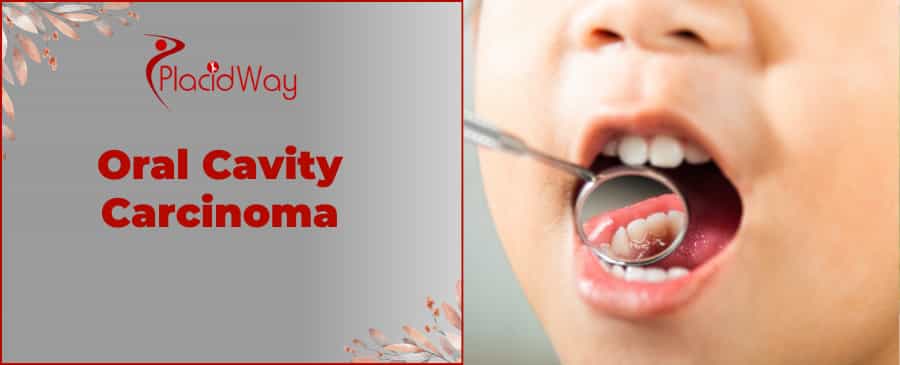
Understanding Oral Cavity Carcinoma: Your Guide to Advanced Treatment & Recovery
Facing a diagnosis of oral cavity carcinoma, often referred to simply as oral cancer or mouth cancer, can be a profoundly challenging experience. This condition, which develops in any part of the mouth – including the lips, tongue, gums, inner lining of the cheeks, roof of the mouth (hard palate), and floor of the mouth – requires prompt and precise medical attention. While the initial news can be daunting, understanding the disease, its symptoms, causes, and available treatment pathways is the first step toward effective management and recovery.
Oral cavity carcinoma is a serious health concern globally, affecting thousands each year. It’s crucial to recognize that early detection significantly improves treatment outcomes and prognosis. Many patients, seeking access to cutting-edge technologies, specialized expertise, or more affordable care, are increasingly looking beyond their home country for treatment options. This is where medical tourism plays a vital role, connecting individuals with world-class facilities and highly skilled oral cancer specialists around the globe.
This comprehensive guide aims to demystify oral cavity carcinoma, from its subtle beginnings to advanced treatment strategies. We’ll explore the signs and symptoms you should never ignore, delve into the known causes and risk factors, and outline the various therapeutic approaches available. Whether you’re researching for yourself or a loved one, our goal is to provide clear, empathetic, and actionable information, including insights into why and how medical tourism can be a viable and beneficial path for your oral cancer treatment journey.
What Are the Early Warning Signs of Oral Cavity Carcinoma?
Recognizing the early signs of oral cancer is paramount for successful treatment. Unfortunately, these symptoms can often be subtle or mistaken for less serious conditions, delaying diagnosis. Be vigilant for any changes in your mouth that don't heal within two weeks. Here’s what to look out for:
- Persistent mouth sores: A sore or ulcer on the lips, gums, tongue, or inside your cheek that doesn't heal.
- Red or white patches: Velvety white patches (leukoplakia) or reddish, speckled patches (erythroplakia) inside your mouth or on your lips. While not all are cancerous, they can be precancerous.
- Lumps or thickening: Any new lump, thickening, rough spot, crust, or eroded area on your lips or anywhere in your mouth.
- Sore throat or feeling something caught: A persistent sore throat, hoarseness, or the sensation that something is caught in your throat.
- Difficulty swallowing or chewing: Trouble with chewing, speaking, or moving your tongue or jaw.
- Numbness: Numbness, loss of feeling, or pain in any area of your face, mouth, or neck.
- Unexplained bleeding: Bleeding from the mouth or lips without an obvious cause.
- Weight loss: Unexplained weight loss.
- Changes in bite: A change in the way your teeth or dentures fit together.
Think of it like a smoke detector in your house; it's there to alert you to potential danger, even if you don't smell smoke. Your mouth gives you clues, but you need to pay attention. If you notice any of these symptoms, especially if they persist, it's crucial to consult a dentist or doctor promptly. Don't wait for pain, as oral cancer often develops silently in its early stages.
What Factors Increase Your Risk of Developing Oral Cavity Carcinoma?
Understanding the causes and risk factors associated with oral cavity carcinoma can help in prevention and early detection. While not everyone with risk factors will develop cancer, and some without risk factors may, these elements significantly increase the likelihood:
- Tobacco Use: This is by far the biggest risk factor. Smoking cigarettes, cigars, pipes, or using smokeless tobacco (chewing tobacco, snuff) exposes the mouth to harmful carcinogens. The risk dramatically increases with the amount and duration of tobacco use.
- Alcohol Consumption: Heavy and regular alcohol consumption significantly increases the risk, especially when combined with tobacco use. The two together have a synergistic effect, meaning they amplify each other's damaging potential far beyond what either would cause alone.
- Human Papillomavirus (HPV) Infection: Certain strains of HPV, particularly HPV-16, are increasingly linked to oral and oropharyngeal cancers. This is becoming a more common cause, especially among younger, non-smoking individuals.
- Sun Exposure: Prolonged and unprotected exposure to sunlight can lead to lip cancer, a type of oral cavity carcinoma.
- Poor Diet: A diet low in fruits and vegetables and high in processed foods may contribute to an increased risk.
- Weakened Immune System: Individuals with compromised immune systems (e.g., organ transplant recipients on immunosuppressants, HIV/AIDS patients) may have a higher risk.
- Genetics and Family History: While less common, a family history of oral or other head and neck cancers can slightly increase risk.
- Age: The risk generally increases with age, most commonly affecting people over 40.
Imagine your mouth as a garden. Tobacco and alcohol are like harsh pesticides that damage the plants, making them prone to disease. HPV is like a specific type of invasive weed. While some factors are beyond our control, many significant risks are linked to lifestyle choices, highlighting the importance of preventative measures.
What Are the Primary Treatment Options for Oral Cavity Carcinoma?
Treatment for oral cavity carcinoma is highly individualized, depending on the cancer's stage, location, size, and the patient's overall health. A multidisciplinary team of specialists, including head and neck surgeons, radiation oncologists, medical oncologists, and reconstructive surgeons, typically collaborates to create the best plan. The main treatment modalities include:
-
Surgery: This is often the primary treatment, especially for early-stage cancers. The goal is to surgically remove the tumor and a margin of healthy tissue around it (wide local excision). Depending on the tumor's size and location, surgery might involve:
- Glossectomy: Removal of part or all of the tongue.
- Mandibulectomy: Removal of part of the jaw bone.
- Maxillectomy: Removal of part of the upper jaw bone or palate.
- Neck Dissection: Removal of lymph nodes in the neck if cancer has spread or is suspected to have spread.
- Reconstructive Surgery: Often performed immediately after cancer removal to restore function and appearance using tissue grafts from other parts of the body.
-
Radiation Therapy: Uses high-energy rays (like X-rays or protons) to kill cancer cells. It can be used:
- As a primary treatment for small tumors.
- After surgery (adjuvant therapy) to destroy any remaining cancer cells.
- In combination with chemotherapy (chemoradiation) for more advanced cancers.
- To relieve symptoms (palliative care).
-
Chemotherapy: Uses drugs to kill cancer cells. It's often used:
- In combination with radiation therapy (chemoradiation).
- For advanced cancers that have spread (metastatic cancer).
- To shrink large tumors before surgery.
- Targeted Therapy: These drugs focus on specific abnormalities within cancer cells, disrupting their growth and spread. They are often used for advanced cancers that don't respond to other treatments or for specific genetic mutations.
- Immunotherapy: Uses the body's own immune system to fight cancer. These drugs help the immune system recognize and attack cancer cells. It's typically used for advanced oral cancers that have recurred or spread.
Choosing the right treatment is like choosing the best tool for a specific job – it depends on the exact nature of the problem. A comprehensive evaluation by an expert team ensures the most effective strategy is developed for each patient.
Who Is a Candidate for Oral Cavity Carcinoma Treatment?
Essentially, anyone diagnosed with oral cavity carcinoma is a candidate for some form of treatment. The goal is always to eradicate the cancer, preserve function, and maximize quality of life. However, the *type* of treatment and its intensity depend on several factors:
- Stage of Cancer: Early-stage cancers (Stage I or II) often respond well to surgery or radiation alone. Advanced-stage cancers (Stage III or IV) typically require a combination of treatments, such as surgery followed by chemoradiation.
- Location and Size of the Tumor: Tumors in certain areas (e.g., deep in the tongue base) may be harder to remove surgically and might lean towards radiation or chemoradiation.
- Overall Health and Co-morbidities: A patient's general health, including pre-existing conditions like heart disease, diabetes, or lung issues, will influence their ability to tolerate aggressive treatments like extensive surgery or intensive chemotherapy. Anesthesia risks and recovery capacity are critical considerations.
- Patient Preferences: While medical recommendations are paramount, a patient's informed choices and quality-of-life considerations also play a role in shaping the treatment plan.
- Response to Previous Treatment: For recurrent or metastatic cancer, treatment plans will be adjusted based on how the cancer responded to initial therapies.
Think of it as tailoring a suit – it needs to fit your unique measurements and preferences perfectly. A comprehensive evaluation, including scans (CT, MRI, PET), biopsies, and consultations with various specialists, will determine the most appropriate and effective treatment pathway for each individual. Age alone is rarely a barrier; rather, it’s the physiological age and overall fitness that matter.
What Does Recovery From Oral Cavity Carcinoma Treatment Involve?
Recovery from oral cavity carcinoma treatment is a multi-faceted process that extends beyond the initial hospital stay. It's often a marathon, not a sprint, and requires patience, support, and a dedicated rehabilitation plan. The exact duration and challenges depend heavily on the type and extent of treatment received:
-
Post-Surgery Recovery:
- Hospital Stay: Typically ranges from a few days to several weeks, especially if reconstructive surgery was performed.
- Pain Management: Pain medication will be prescribed to manage discomfort.
- Feeding Tubes: Many patients will have a temporary feeding tube (nasogastric or gastrostomy) to ensure adequate nutrition while the mouth and throat heal, potentially for weeks or months.
- Swelling and Numbness: Expect swelling, bruising, and possibly temporary or permanent numbness in the surgical area.
-
Radiation Therapy Recovery:
- Fatigue: A common side effect that can persist for weeks or months after treatment.
- Sore Mouth and Throat: Mucositis (inflammation of the mouth lining) can make eating and swallowing painful.
- Dry Mouth (Xerostomia): Damage to salivary glands can lead to chronic dry mouth, impacting speech and increasing dental decay risk.
- Skin Changes: Redness, peeling, or darkening of the skin in the treated area.
-
Chemotherapy Recovery:
- Nausea and Vomiting: Can be managed with anti-emetic medications.
- Hair Loss: Not always, but common with certain chemotherapy drugs.
- Fatigue and Weakness: Can be significant.
- Lowered Blood Counts: Increased risk of infection, anemia, and bleeding.
-
Rehabilitation and Support:
- Speech and Swallowing Therapy: Crucial for regaining normal function. Patients work with speech-language pathologists to improve speech clarity and safe swallowing.
- Nutritional Support: Dietitians help manage dietary changes, liquid diets, and potentially tube feeding.
- Physical Therapy: To help restore neck and shoulder mobility if a neck dissection was performed.
- Psychological Counseling: Emotional support is vital. Many patients experience anxiety, depression, or body image concerns.
- Dental Care: Ongoing oral hygiene and dental check-ups are essential, especially after radiation.
Imagine recovering from a major injury – it takes time, dedication, and professional guidance. For oral cavity carcinoma, the recovery journey is deeply personal, often involving a team of specialists to help patients regain their voice, ability to eat, and overall confidence. Adherence to follow-up appointments and rehabilitation programs is critical for long-term success.
What Are the Potential Risks and Side Effects of Oral Cavity Carcinoma Treatment?
While treatments for oral cavity carcinoma are designed to be life-saving, they can come with a range of potential risks and side effects. These can be short-term, resolving within weeks or months, or long-term/permanent, significantly impacting a patient's quality of life. Understanding these possibilities is part of informed decision-making:
-
Surgical Risks:
- Bleeding and Infection: As with any surgery.
- Pain and Swelling: Manageable with medication.
- Nerve Damage: Can lead to numbness, weakness, or paralysis in parts of the face, tongue, or shoulder (if neck dissection is performed). This can affect speech, swallowing, and facial expression.
- Difficulty Swallowing (Dysphagia) and Speech (Dysarthria): Depending on the extent of tissue removed from the tongue, palate, or throat.
- Facial Disfigurement and Scarring: Especially if extensive tissue removal and reconstruction are needed.
- Trismus: Difficulty opening the mouth due to scar tissue.
-
Radiation Therapy Side Effects:
- Oral Mucositis: Severe inflammation and sores in the mouth and throat, making eating and swallowing difficult.
- Xerostomia (Dry Mouth): Often permanent, increasing the risk of dental decay, making speech and eating challenging.
- Dysphagia: Difficulty swallowing due to tissue changes and scarring.
- Taste Changes: Food may taste different or bland.
- Osteoradionecrosis: Rare but serious condition where jaw bone tissue dies due to lack of blood supply, often years after treatment.
- Skin Reactions: Redness, peeling, blistering in the treated area.
- Fatigue: Can be profound and long-lasting.
-
Chemotherapy Side Effects:
- Nausea, Vomiting, Diarrhea: Common gastrointestinal issues.
- Fatigue: Severe and persistent.
- Hair Loss: Varies by drug.
- Mouth Sores (Stomatitis): Similar to mucositis but caused by chemotherapy.
- Increased Risk of Infection: Due to lowered white blood cell counts.
- Neuropathy: Numbness or tingling in hands and feet.
-
Long-Term Quality of Life Impacts:
- Changes in Appearance: Can lead to self-consciousness and psychological distress.
- Difficulty Eating and Drinking: May require dietary modifications or permanent feeding tubes.
- Speech Impairment: Can affect social interaction and work.
- Dental Problems: Increased risk of cavities, gum disease, and jaw bone issues.
These potential challenges highlight the need for comprehensive pre-treatment counseling, supportive care during treatment, and long-term rehabilitation. The medical team will work to mitigate these effects and support patients through every stage. It's like navigating a stormy sea; there will be challenges, but with the right crew and equipment, you can reach the calmer waters.
How Does the Cost of Oral Cavity Carcinoma Treatment Compare Globally?
The financial burden of oral cavity carcinoma treatment can be substantial, often ranging from tens of thousands to hundreds of thousands of dollars, depending on the stage of cancer, chosen therapies, and geographical location. This significant cost disparity is a primary driver for medical tourism. Patients seeking high-quality care at a more affordable price often look to countries renowned for their medical expertise and value.
Here’s a general comparison of estimated costs for comprehensive oral cavity carcinoma treatment (which might include surgery, radiation, and chemotherapy, and associated hospital stays and consultations – *these are estimates and can vary widely based on individual case complexity, specific protocols, and clinic*):
| Region/Country | Estimated Cost Range (USD) | Key Advantages for Medical Tourists |
|---|---|---|
| United States | $100,000 - $350,000+ | Leading-edge technology, highly experienced specialists, clinical trials. High costs without robust insurance. |
| United Kingdom / Western Europe | $70,000 - $250,000+ | High quality of care, advanced facilities. Costs can still be very high for international patients. |
| India | $15,000 - $45,000 | Highly competitive pricing, JCI-accredited hospitals, English-speaking staff, renowned oncologists and surgeons. |
| Turkey | $20,000 - $50,000 | Strategic location, modern hospitals, experienced doctors, often includes accommodation and transfers. |
| Mexico | $18,000 - $40,000 | Proximity for North American patients, high-quality private clinics, often a good option for combination therapies. |
| Thailand | $25,000 - $55,000 | Excellent patient care, luxurious facilities, popular for integrated wellness and recovery options. |
These figures demonstrate that patients can achieve significant savings – often 50-80% – by opting for treatment in reputable medical tourism destinations without compromising on quality or expertise. It's like finding a luxury car at a discounted price; the value is still there, but the cost is more accessible.
Why Consider Seeking Oral Cavity Carcinoma Treatment Abroad?
The decision to travel abroad for medical treatment is a significant one, often driven by a compelling need for solutions not readily available or affordable at home. For oral cavity carcinoma, several factors make medical tourism a highly attractive and practical option:
- Significant Cost Savings: As seen in the cost comparison, the most prominent driver is the potential for substantial financial savings. High-quality treatment in countries like India, Turkey, Mexico, or Thailand can be a fraction of the cost in Western nations, making life-saving care accessible to more people.
- Access to Cutting-Edge Treatments and Technologies: Some countries are at the forefront of medical innovation, offering advanced surgical techniques, precision radiation therapies (like proton therapy), and novel targeted or immunotherapies that might not be available or commonly practiced in a patient's home country.
- Reduced Waiting Times: In some healthcare systems, waiting lists for specialist consultations, diagnostic tests, or even surgery can be lengthy, especially for non-emergency conditions. Traveling abroad can offer immediate access to care, which is critical for cancer treatment where time is often of the essence.
- World-Class Expertise and Facilities: Many medical tourism hubs boast JCI-accredited (Joint Commission International) hospitals with state-of-the-art infrastructure and highly experienced, internationally trained head and neck oncologists and surgeons. These facilities often specialize in complex procedures, ensuring top-tier care.
- Privacy and Anonymity: For some, seeking treatment away from their local community offers a degree of privacy during a challenging health journey.
- Personalized Care and Holistic Approach: Many international hospitals are known for their patient-centric approach, offering comprehensive support services including dedicated international patient departments, language interpreters, and even assistance with travel and accommodation, allowing patients to focus solely on recovery.
Imagine needing a specialized repair for a unique classic car. If the local mechanic isn't equipped or charges an exorbitant price, you'd naturally look elsewhere for an expert who can do the job well and at a fair cost. Medical tourism functions similarly for complex health needs like oral cavity carcinoma.
Which Countries Offer Leading Care and Best Value for Oral Cavity Carcinoma?
When considering oral cavity carcinoma treatment abroad, several countries stand out for their combination of high-quality medical care, advanced facilities, experienced specialists, and competitive pricing:
- India: A global leader in medical tourism, especially for oncology. India offers numerous JCI-accredited hospitals with state-of-the-art cancer centers, highly skilled oncologists and surgeons (many trained in the West), and competitive pricing. English is widely spoken in medical settings.
- Turkey: Strategically located at the crossroads of Europe and Asia, Turkey has invested heavily in its healthcare infrastructure. Its hospitals are modern, well-equipped, and staffed by internationally recognized specialists. Often, packages include transfers and accommodation.
- Mexico: Particularly appealing to patients from North America due to its proximity. Mexico boasts high-quality private hospitals, especially in cities like Tijuana, Monterrey, and Mexico City, offering advanced cancer treatments often at significantly lower costs.
- Thailand: Renowned for its hospitality and excellent patient care, Thailand offers world-class hospitals with cutting-edge technology and specialists. It's a popular choice for those seeking integrated wellness options during recovery.
- South Korea: Known for its technological advancements and highly sophisticated medical infrastructure. While potentially pricier than other Asian options, South Korea offers exceptional quality of care, particularly in complex surgeries and advanced therapies.
When traveling for treatment, expect comprehensive support from the international patient department of your chosen hospital or a medical tourism facilitator like PlacidWay. This typically includes assistance with visa applications, airport transfers, accommodation, language interpretation, and coordination of medical appointments. Your journey will involve initial consultations, diagnostic tests, the treatment itself, and a crucial recovery period before you are cleared to travel home. Many facilities offer virtual consultations upfront, allowing you to discuss your case and treatment plan with specialists before you even leave your home country. This streamlined approach ensures a smoother and less stressful experience.
How Can I Ensure Safety and Quality When Choosing Treatment Abroad for Oral Cavity Carcinoma?
Ensuring safety and quality is paramount when embarking on a medical journey abroad. While many international facilities offer excellent care, due diligence is key. Here’s how to navigate the process confidently:
- Accreditation Matters: Look for hospitals accredited by recognized international bodies like Joint Commission International (JCI). JCI accreditation signifies that a hospital meets stringent global standards for patient safety and quality of care, similar to those in the US.
- Verify Doctor Credentials: Research the qualifications, experience, and specialization of the oral oncologists and surgeons who will be involved in your care. Many international doctors have received training or fellowships in Western countries. Ask for their CVs and professional affiliations.
- Request Detailed Treatment Plans and Costs: Insist on a comprehensive, written treatment plan outlining all procedures, expected duration, and a transparent breakdown of costs (including hospital stay, doctor fees, medication, follow-up, and rehabilitation). Be wary of vague estimates.
- Communicate Clearly: Ensure there are robust communication channels, including readily available interpreters, if there's a language barrier. Clear communication with your medical team is vital for your safety and understanding.
- Read Patient Testimonials and Reviews: Look for genuine patient stories and reviews, particularly those related to oral cavity carcinoma or similar complex oncology cases. A reputable medical tourism facilitator can often provide direct references or detailed case studies.
-
Consider a Medical Tourism Facilitator (like PlacidWay): Services like PlacidWay specialize in connecting patients with vetted, high-quality international hospitals and doctors. They can assist with:
- Vetting clinics and specialists.
- Obtaining multiple quotes and treatment plans.
- Arranging travel logistics (visas, accommodation, transfers).
- Providing language support.
- Ensuring continuity of care.
- Plan for Post-Treatment Follow-up: Discuss how follow-up care and potential complications will be managed once you return home. Ensure you receive all medical records and reports.
Patient success stories from abroad often highlight not only the medical outcomes but also the exceptional patient experience, the compassionate care, and the relief of accessing affordable, high-quality treatment. These stories underscore that with careful planning and the right support, a journey abroad for oral cavity carcinoma treatment can lead to successful recovery and renewed hope.
Take the Next Step with PlacidWay
Ready to explore treatment options abroad? Discover top clinics, compare prices, and get a free quote tailored to your needs with PlacidWay.


-Package-in-Riyadh,-Saudi-Arabia-at-King-Faisal-Specialist-Hospital-Thumbnail.jpg)


.png)
.png)
.png)



.png)
-(1).png)
.png)
.png)










Share this listing