
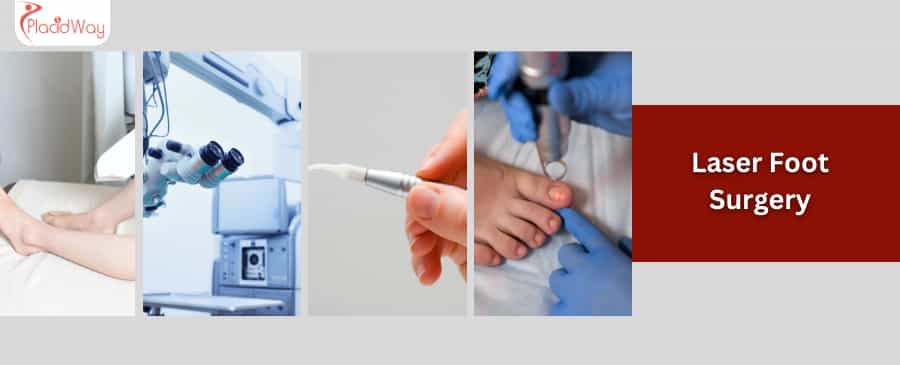
Step Towards Comfort: Exploring Minimally Invasive Laser Foot Surgery Options
Living with chronic foot pain or visible deformities can significantly impact your daily life, making simple activities like walking, exercising, or even wearing your favorite shoes a challenge. For many, the idea of traditional foot surgery, with its longer recovery times and larger incisions, can be daunting. This is where the concept of "laser foot surgery" often comes into play, representing a modern, less invasive approach to achieving relief.
While the term "laser foot surgery" might conjure images of lasers replacing scalpels entirely, it often refers to Minimally Invasive Foot Surgery (MIS) techniques. In these procedures, specialized instruments, including miniature burrs and sometimes lasers for soft tissue or precise bone work, are used through tiny incisions. This approach aims to correct conditions like bunions, hammertoes, bone spurs, and neuromas with greater precision, reduced trauma to surrounding tissues, and potentially faster healing.
Patients often seek these advanced procedures not only for the promise of less pain and quicker recovery but also for cosmetic benefits due to smaller scars. When local options are limited, wait times are long, or costs are prohibitive, exploring "laser foot surgery" abroad through medical tourism platforms like PlacidWay becomes an attractive solution. This guide will delve into what these procedures entail, who can benefit, what to expect, and how to navigate the global landscape of foot care.
What Symptoms Indicate I Might Need Foot Surgery?
Your feet bear the brunt of your daily activities, and when something is wrong, it can disrupt your entire life. Identifying the symptoms that signal a need for professional intervention, including potentially foot surgery, is the first step towards relief. Common signs include:
- Persistent Pain: Especially when walking, standing, or engaging in physical activity. This pain can be localized or spread across the foot. Many search for "foot pain when walking" or "constant foot ache."
- Visible Deformities: Such as bunions (a bony bump at the base of the big toe), hammertoes (a toe bending downwards at the middle joint), or bone spurs. These are often what drive people to search for "bunion pain relief" or "hammertoe symptoms."
- Swelling and Inflammation: Chronic swelling around a joint or area of the foot, often accompanied by redness or warmth.
- Stiffness and Reduced Mobility: Difficulty bending your toes, ankles, or experiencing a general loss of flexibility in your foot.
- Numbness, Tingling, or Burning Sensations: These can indicate nerve compression or damage, commonly associated with conditions like neuromas. Patients often look up "nerve pain in foot."
- Difficulty Wearing Shoes: When bunions, hammertoes, or other deformities make it impossible to find comfortable footwear, leading to calluses or corns.
- Failed Conservative Treatments: If insoles, physical therapy, medication, or lifestyle changes haven't provided lasting relief, surgery may be the next step.
If you experience any of these symptoms, it's crucial to consult a podiatrist or orthopedic surgeon to get an accurate diagnosis and discuss potential treatment paths.
What Are the Common Causes and Risk Factors for Foot Conditions?
Understanding why certain foot conditions develop can help in prevention and effective treatment. While some causes are unavoidable, many can be mitigated. Patients frequently search for "causes of bunions" or "why do hammertoes develop."
- Genetics: Many foot deformities, like bunions and hammertoes, have a strong genetic component. If your parents or grandparents had them, you might be predisposed.
- Improper Footwear: High heels, narrow shoes, or shoes that don't provide adequate support can exacerbate or even cause conditions like bunions, hammertoes, and corns.
- Foot Injuries: Past trauma, such as fractures or severe sprains, can alter foot mechanics and lead to long-term issues.
- Arthritis: Various forms of arthritis (osteoarthritis, rheumatoid arthritis, gout) can affect the joints in your feet, causing pain, inflammation, and deformity.
- Age: As we age, the connective tissues in our feet can weaken, and years of wear and tear can take their toll.
- Obesity: Excess weight puts additional stress on the feet, contributing to conditions like plantar fasciitis and flat feet.
- Neurological Conditions: Certain conditions, like Charcot-Marie-Tooth disease, can affect the muscles and nerves in the feet, leading to deformities.
- Foot Structure/Biomechanics: Flat feet, high arches, or imbalances in foot mechanics can predispose individuals to various problems.
While you can't change your genetics, choosing supportive footwear and maintaining a healthy lifestyle can significantly reduce your risk of developing severe foot conditions.
What Types of Procedures Are Considered "Laser Foot Surgery"?
It's important to clarify the term "laser foot surgery." While lasers are powerful, precise tools, they don't replace all traditional surgical instruments for complex bone realignments in the foot. Instead, "laser foot surgery" is often used interchangeably with or as a component of Minimally Invasive Foot Surgery (MIS). Patients often search for "minimally invasive bunion surgery" or "laser hammertoe correction" when exploring these options.
In MIS, surgeons make very small incisions (often just a few millimeters) and use fluoroscopy (real-time X-ray imaging) to guide specialized instruments. Lasers can be employed for:
- Soft Tissue Ablation: Precisely removing or reshaping soft tissues, ligaments, or tendons that contribute to deformities.
- Bone Reshaping/Drilling: In some MIS techniques, lasers (or specialized burrs, which are more common for bone) can be used for very fine bone work, such as shaving bone spurs or performing osteotomies (bone cuts) for realignment.
- Removing Growths: Such as warts, benign tumors, or specific lesions on the foot.
Common conditions treated with MIS, potentially involving laser tools, include:
- Bunions (Hallux Valgus): Minimally invasive bunionectomies can correct the alignment of the big toe joint with smaller incisions, aiming for faster healing and less scarring than traditional open surgery.
- Hammertoes: Correction involves realigning the toe joints, often by reshaping bone or releasing tendons through small incisions.
- Bone Spurs: Precise removal of bony growths that cause pain or discomfort.
- Neuromas: Surgical excision of thickened nerve tissue.
- Plantar Fasciitis: While often treated non-surgically, severe cases might involve minimally invasive release of the plantar fascia, with lasers sometimes used for precision.
The key advantage of MIS, whether it uses a laser or other advanced tools, is the smaller incision, which translates to less disruption to surrounding tissues, reduced pain, and a potentially quicker return to normal activities. It's crucial to discuss with your surgeon which specific tools and techniques are best suited for your condition.
Am I an Eligible Candidate for Minimally Invasive Foot Surgery?
Deciding if "laser foot surgery" or any minimally invasive foot procedure is right for you involves a comprehensive evaluation by a qualified podiatrist or orthopedic surgeon. Patients often ask, "who qualifies for bunion surgery?" or "can I get laser foot surgery?" Here are the general criteria:
- Diagnosis: A clear diagnosis of a foot condition (e.g., bunion, hammertoe, bone spur) that has not responded to conservative treatments.
- Severity of Condition: MIS is often ideal for mild to moderate deformities. Very severe or complex cases might still require traditional open surgery, though techniques are constantly evolving.
- Overall Health: You should be in good general health, without uncontrolled medical conditions (like diabetes or heart disease) that could increase surgical risks or impair healing.
- Non-Surgical Treatments Have Failed: Before considering surgery, your doctor will likely recommend non-invasive options such as orthotics, wider shoes, padding, physical therapy, or medication. Surgery is typically a last resort when these methods fail to provide adequate relief.
- Realistic Expectations: Understanding the potential outcomes, recovery process, and possible limitations of the surgery is crucial for patient satisfaction.
- Lifestyle Factors: Being a non-smoker can significantly improve healing outcomes.
A specialist will review your medical history, perform a physical examination, and utilize imaging tests (X-rays, MRI) to determine if MIS is the most appropriate and effective treatment option for you. They will weigh the potential benefits against the risks based on your individual circumstances.
What Does Recovery After Laser Foot Surgery Entail?
One of the main appeals of minimally invasive foot surgery is the promise of a quicker and less painful recovery compared to traditional methods. However, it's still surgery, and a structured recovery plan is essential. Many wonder about "recovery time laser bunion surgery" or "walking after foot surgery."
While individual experiences vary, here’s a general outline of what to expect:
- Immediate Post-Op (Days 1-7):
- Pain Management: You will be prescribed pain medication. Keep your foot elevated to reduce swelling.
- Weight-Bearing: Often, you can bear weight immediately in a specialized post-operative shoe or boot, though full weight-bearing might be restricted for a few days to weeks depending on the procedure.
- Dressing Changes: Follow your surgeon's instructions for wound care.
- Weeks 1-6:
- Special Footwear: You'll continue to wear a surgical shoe or boot to protect the foot and aid healing.
- Activity Restrictions: Avoid prolonged standing, strenuous activities, and high-impact exercises.
- Swelling: It's normal for swelling to persist, especially after activity. Elevate your foot whenever possible.
- Physical Therapy: Your surgeon might recommend gentle exercises to improve range of motion and strength.
- Months 2-6:
- Gradual Return to Activity: You'll slowly transition back to regular shoes and resume normal activities.
- Full Recovery: While significant improvement is usually seen within a few weeks, complete healing, and resolution of swelling can take several months, and sometimes up to a year for bone remodeling.
Adhering strictly to your surgeon's post-operative instructions is vital for optimal results and to minimize complications. Patience is key, as healing takes time, but the benefits of restored comfort and mobility are often well worth the effort.
What Are the Potential Risks and Side Effects of Foot Surgery?
While "laser foot surgery" and MIS techniques are designed to be less invasive, no surgical procedure is entirely without risk. It's crucial to be aware of potential complications to make an informed decision. Patients commonly search "is laser foot surgery safe" or "side effects of bunion surgery."
Potential risks and side effects include:
- Infection: Though less likely with smaller incisions, any break in the skin carries a risk of infection.
- Nerve Damage: Nerves can be bruised, stretched, or, in rare cases, permanently damaged, leading to numbness, tingling, or pain.
- Persistent Swelling: Swelling is normal post-surgery but can sometimes last longer than expected.
- Recurrence of Deformity: While surgery aims for permanent correction, in some cases, the original deformity (like a bunion) can gradually return over time.
- Non-Union or Malunion: If bones were cut, they might not heal properly (non-union) or heal in an incorrect position (malunion), potentially requiring further intervention.
- Scarring: Even with small incisions, some scarring is inevitable, though often less noticeable with MIS.
- Anesthesia Risks: Reactions to anesthesia, though rare, can occur.
- Pain: While pain is managed post-op, some patients may experience chronic pain or discomfort.
- Hardware Complications: If screws or pins are used to stabilize bones, they can sometimes cause irritation or require removal.
Your surgeon will discuss these risks with you in detail, taking into account your specific health profile and the complexity of your procedure. Choosing an experienced surgeon and following post-operative care instructions meticulously can help minimize these risks.
How Do Costs for Foot Surgery Compare Worldwide?
For many patients, the cost of foot surgery, especially for elective procedures, can be a major barrier in their home country. This is a primary driver for medical tourism, with patients actively searching for "cost of bunion surgery abroad" or "affordable foot surgery international."
Here's a general comparison of estimated costs for common foot surgeries (e.g., bunionectomy, hammertoe correction) in different regions. Prices are highly variable based on the complexity of the procedure, the facility, the surgeon's fees, and whether they include anesthesia, hospital stay, and post-operative care. These are rough estimates and should be confirmed with specific clinics.
| Country/Region | Estimated Cost Range (USD) | Key Advantages for Medical Tourists |
|---|---|---|
| USA / Canada / Western Europe | $5,000 - $15,000+ (per foot) | Advanced technology, highly trained specialists, proximity for some. High cost, long wait times. |
| Mexico | $2,500 - $6,000 | Proximity to the US, experienced surgeons, modern facilities, cultural familiarity. |
| Costa Rica | $3,000 - $7,000 | Beautiful destination for recovery, skilled surgeons, JCI-accredited hospitals. |
| India | $2,000 - $5,000 | Highly competitive pricing, world-class hospitals, English-speaking staff. |
| Thailand | $2,500 - $6,000 | Excellent patient care, luxurious facilities, renowned medical tourism destination. |
| Turkey | $2,000 - $5,500 | Strategic location, modern hospitals, often bundled with hotel/transport. |
| Poland | $2,800 - $6,500 | Growing medical tourism sector, high-quality care, good value for European patients. |
These figures highlight the significant savings available, which often include the procedure, anesthesia, and facility fees, sometimes even accommodation or transfers when organized through a medical tourism facilitator.
Why Should I Consider Traveling Abroad for Foot Surgery?
The decision to seek medical care outside your home country is personal, but for many, the advantages are compelling. Patients exploring "benefits of medical tourism for foot surgery" often discover several key motivators:
- Significant Cost Savings: As seen in the table above, the primary driver for medical tourism is often the dramatic reduction in cost, which can make otherwise unaffordable procedures accessible.
- Access to Specialized Care: Some countries excel in specific medical fields or offer innovative techniques not widely available elsewhere. You might find a surgeon with particular expertise in "laser foot surgery" or MIS techniques.
- Shorter Wait Times: In countries with universal healthcare systems, elective surgeries can involve long waiting lists. Traveling abroad bypasses these delays, allowing for quicker treatment and relief.
- High-Quality Care and Facilities: Many international hospitals catering to medical tourists are JCI-accredited, meaning they meet rigorous international standards for patient care and safety, often rivaling or exceeding those in Western nations.
- Privacy and Anonymity: Some patients prefer the discretion that comes with having a procedure performed away from their local community.
- Combining Treatment with Travel: The opportunity to recover in a beautiful, relaxing destination can enhance the overall experience and contribute to psychological well-being.
For those struggling with foot pain and seeking advanced, affordable solutions, medical tourism provides a viable and often superior alternative.
Which Countries Offer the Best Value for Foot Surgery Abroad?
When searching for "best countries for bunion surgery" or "top destinations for medical tourism foot care," several nations consistently emerge as leaders due to their blend of quality, affordability, and patient-centric services:
- Mexico: A top choice for North Americans due to its proximity. Cities like Tijuana, Cancun, and Guadalajara boast modern hospitals with US-trained or affiliated surgeons offering a wide range of foot procedures at a fraction of US costs.
- Costa Rica: Known for its beautiful landscapes and high-quality medical facilities, particularly in the capital, San José. It offers a combination of excellent medical care and a serene environment for recovery.
- India: A global hub for medical tourism, India provides extremely competitive pricing without compromising on expertise. Many hospitals are JCI-accredited, with highly skilled, English-speaking doctors.
- Thailand: Famous for its hospitality and luxurious private hospitals, particularly in Bangkok and Phuket. Patients receive top-tier care in resorts-like settings, making recovery a more pleasant experience.
- Turkey: Positioned at the crossroads of Europe and Asia, Turkey has invested heavily in its healthcare infrastructure. Istanbul and Ankara offer state-of-the-art facilities with experienced surgeons, often including comprehensive packages.
- Poland: An increasingly popular destination in Eastern Europe, offering high-quality medical services and advanced technology at competitive prices, especially appealing to patients from Western Europe.
Each destination has unique strengths. Researching specific clinics and surgeons within these countries is key to finding the best fit for your needs.
How Can I Ensure Safety and Quality When Getting Foot Surgery Abroad?
Ensuring the safety and quality of your medical procedure abroad is paramount. While the allure of lower costs is strong, due diligence is essential. Patients seeking "safe medical tourism foot surgery" or "how to choose a clinic abroad" should focus on these aspects:
- Accreditation: Look for hospitals accredited by international bodies like the Joint Commission International (JCI). JCI accreditation signifies that a hospital meets rigorous global standards for patient safety and quality of care.
- Surgeon Credentials and Experience: Verify the surgeon's qualifications, experience in performing your specific procedure (especially MIS or "laser foot surgery"), board certifications, and professional affiliations. Many international surgeons have trained in Western countries.
- Facility Standards: Research the clinic's technology, hygiene standards, and patient reviews. Look for evidence of modern equipment and clean environments.
- Transparent Communication: Ensure clear and consistent communication with the clinic and surgical team, ideally in a language you are comfortable with. Ask all your questions, no matter how small.
- Comprehensive Packages: Understand what the quoted price includes (surgery, anesthesia, hospital stay, medications, follow-up). Be wary of hidden costs.
- Medical Tourism Facilitators: Reputable companies like PlacidWay specialize in connecting patients with vetted, high-quality international providers. They can assist with vetting facilities, coordinating travel, and providing support throughout your journey, acting as a crucial layer of safety and guidance.
- Post-Operative Care Plan: Discuss the follow-up care plan, including virtual consultations or local support upon your return home.
By taking these steps, you can significantly enhance your chances of a safe, successful, and satisfying medical tourism experience.
Take the Next Step with PlacidWay
Ready to explore treatment options abroad? Discover top clinics, compare prices, and get a free quote tailored to your needs with PlacidWay.
Laser Surgery Abroad






.jpg)
.png)

















Share this listing