
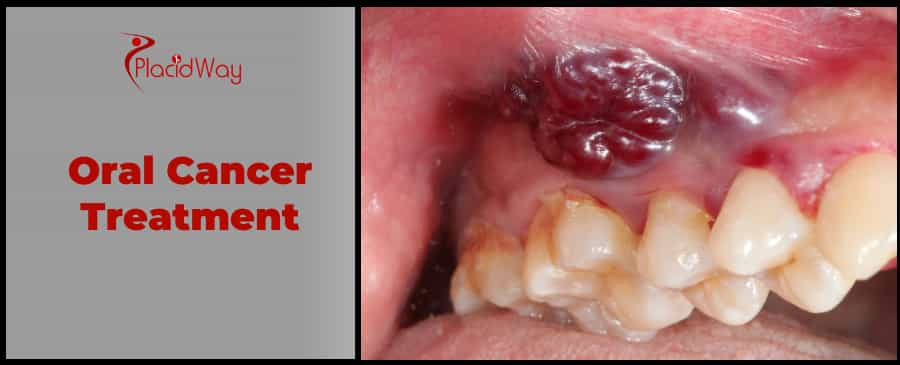
Navigating Oral Cancer Treatment: Your Guide to Global Care Options
Receiving an oral cancer diagnosis can be a daunting experience, raising countless questions about treatment options, recovery, and future health. Oral cancer, a type of head and neck cancer, can affect any part of the mouth, including the lips, tongue, gums, inner cheek lining, roof of the mouth, and floor of the mouth. Early detection is paramount for effective treatment and improved prognosis, making awareness of symptoms and prompt medical attention critical.
For many, the journey to recovery involves exploring all available avenues, including seeking high-quality, potentially more affordable care in international destinations. Medical tourism for oral cancer treatment offers a compelling option for patients looking to access advanced medical technologies, renowned specialists, and personalized care plans that might not be readily available or affordable in their home countries. This comprehensive guide will walk you through understanding oral cancer, its symptoms and causes, various treatment approaches, recovery expectations, and why considering global healthcare solutions could be the right path for you.
Whether you're searching for "early signs of oral cancer," "best treatment for mouth cancer," or "cost of oral cancer surgery abroad," this resource is designed to empower you with the knowledge needed to make informed decisions about your health and treatment journey.
What are the common symptoms of oral cancer?
Recognizing the early symptoms of oral cancer is key to early diagnosis and successful treatment. While some signs may seem minor, persistent changes in your mouth warrant immediate medical attention. Keep an eye out for any of the following:
- Persistent Sores: A sore on the lip or in the mouth that doesn't heal within two weeks.
- Red or White Patches: Red (erythroplakia) or white (leukoplakia) patches inside the mouth or on the lips that don't go away. While not all patches are cancerous, they can be precancerous.
- Lumps or Thickening: Any unexplained lumps, bumps, swellings, rough spots, crusts, or eroded areas on the lips, gums, or other areas inside the mouth.
- Difficulty or Pain: Trouble chewing, swallowing (dysphagia), speaking, or moving the jaw or tongue. Persistent sore throat or a feeling that something is caught in your throat.
- Numbness or Pain: Unexplained numbness, loss of feeling, or pain in any area of the face, mouth, or neck.
- Bleeding: Unexplained bleeding in the mouth.
- Voice Changes: Persistent hoarseness or changes in voice.
- Weight Loss: Unexplained weight loss.
- Ear Pain: Persistent ear pain that occurs on one side.
If you experience any of these symptoms for more than two weeks, consult your doctor or dentist. They can perform a thorough examination, including an "oral cancer screening," and recommend further diagnostic steps if necessary. Remember, early detection dramatically increases the "oral cancer survival rate."
What causes oral cancer and what are its main risk factors?
Oral cancer develops when cells in the mouth or throat mutate, leading to uncontrolled growth. While the exact trigger for these mutations isn't always clear, several risk factors are strongly linked to the disease:
- Tobacco Use: Smoking cigarettes, cigars, pipes, and using smokeless tobacco (chewing tobacco, snuff) are major risk factors. The harmful chemicals in tobacco damage the cells in the mouth, increasing the likelihood of cancerous changes. This is often linked to "tobacco-related oral cancer."
- Excessive Alcohol Consumption: Heavy and frequent alcohol use is another significant risk factor. When combined with tobacco use, the risk multiplies.
- Human Papillomavirus (HPV) Infection: Certain strains of HPV, particularly HPV-16, are increasingly linked to oral cancers, especially those at the back of the throat (oropharyngeal cancer). This is a growing concern for "HPV-positive oral cancer."
- Sun Exposure: Prolonged and unprotected exposure to the sun's UV rays can lead to lip cancer, especially in individuals with fair skin.
- Weakened Immune System: People with compromised immune systems, such as organ transplant recipients on immunosuppressant drugs or those with HIV/AIDS, may have a higher risk.
- Poor Nutrition: A diet lacking in fruits and vegetables may increase risk.
- Genetics: A family history of cancer may indicate a genetic predisposition, though this is less common for oral cancer than for some other types.
- Age: The risk of oral cancer increases with age, most commonly affecting people over 40.
Understanding these risk factors can help individuals make lifestyle choices to reduce their chances of developing oral cancer. Regular screenings are vital, especially for those with higher risk profiles.
What types of treatments are available for oral cancer?
Treatment for oral cancer depends heavily on the stage of the cancer, its location, the patient's overall health, and personal preferences. A multidisciplinary team of specialists, including oncologists, surgeons, radiation therapists, and dentists, typically collaborates to create a comprehensive treatment plan. Common "oral cancer treatment options" include:
- Surgery: This is often the primary treatment for early-stage oral cancers. The goal is to surgically remove the tumor and a margin of healthy tissue around it. Depending on the cancer's size and location, surgery can range from small excisions to more extensive procedures, potentially involving jaw reconstruction or removal of lymph nodes in the neck (neck dissection) if the cancer has spread. Patients often search for "oral cancer surgery types" and "jaw reconstruction after oral cancer."
- Radiation Therapy: This uses high-energy beams (like X-rays or protons) to kill cancer cells. It can be used as the primary treatment for smaller cancers, after surgery to kill any remaining cancer cells (adjuvant therapy), or in combination with chemotherapy for advanced cancers. "Radiation for oral cancer" is a common search term.
- Chemotherapy: Chemotherapy drugs are used to kill cancer cells throughout the body. It's often combined with radiation therapy (chemoradiation) for more advanced oral cancers or used to treat cancer that has spread to other parts of the body (metastatic oral cancer). People often ask about "chemotherapy for mouth cancer side effects."
- Targeted Therapy: These drugs target specific genes or proteins involved in cancer growth and survival. They work differently than traditional chemotherapy and may have fewer side effects, offering a more personalized approach.
- Immunotherapy: This treatment uses the body's own immune system to fight cancer. It's often used for advanced oral cancers that haven't responded to other treatments.
The choice of treatment is highly individualized. Your medical team will discuss the best approach for your specific situation, balancing effectiveness with potential side effects and quality of life.
Who is eligible for oral cancer treatment, and how is it diagnosed?
Eligibility for specific oral cancer treatments is determined by several factors, including the stage and location of the cancer, the patient's overall health, medical history, and personal preferences. Generally, anyone diagnosed with oral cancer is eligible for some form of treatment. The journey begins with accurate diagnosis:
How is Oral Cancer Diagnosed?
- Physical Examination: Your dentist or doctor will visually inspect your mouth, throat, and neck for any suspicious lesions, lumps, or swollen lymph nodes. They might use a small mirror and light.
- Biopsy: If a suspicious area is found, a small tissue sample (biopsy) will be taken. This is the definitive way to diagnose cancer. The sample is sent to a pathologist who examines it under a microscope for cancerous cells. Different types of biopsies exist, including incisional (removing a piece of the lesion) or brush biopsy (collecting cells with a small brush). Patients often search for "oral cancer biopsy procedure."
- Imaging Tests: Once cancer is confirmed, imaging tests are used to determine the size and extent of the tumor and whether it has spread. These may include:
- CT scan: To see the extent of the tumor and spread to lymph nodes.
- MRI scan: Provides detailed images of soft tissues, useful for defining tumor boundaries.
- PET scan: Helps identify if cancer has spread to other parts of the body.
- Dental X-rays/Panorex: To check for bone involvement in the jaw.
- Endoscopy: In some cases, a procedure to examine the throat, larynx, or esophagus may be performed to check for additional primary tumors or spread.
Based on these diagnostic findings, your medical team will stage the cancer (e.g., Stage I, II, III, IV), which guides the treatment plan. Your overall health and fitness for various treatments will also be assessed, as some therapies can be intensive.
What can I expect during recovery from oral cancer treatment?
The recovery journey after oral cancer treatment can be challenging and varies significantly based on the type, extent, and combination of treatments received. Generally, patients should expect a period of healing and adaptation. "Oral cancer surgery recovery time" is a common concern.
Key Aspects of Recovery:
- Pain Management: Post-surgical pain is common and will be managed with medication. Radiation and chemotherapy can also cause discomfort, including mouth sores (mucositis).
- Eating and Swallowing: Many patients experience difficulty eating and swallowing, especially after surgery or radiation to the mouth and throat. A soft diet, nutritional supplements, or even a feeding tube may be necessary temporarily. Speech and swallow therapists play a crucial role in rehabilitation.
- Speech and Voice Changes: Depending on the treatment area, speech may be affected. Speech therapy can help patients regain clear communication.
- Physical Appearance: Extensive surgery, particularly involving the jaw or face, can alter appearance. Reconstructive surgery may be part of the treatment plan, and psychological support can help cope with body image changes.
- Oral Hygiene: Maintaining meticulous oral hygiene is critical to prevent infections and manage dry mouth (xerostomia), a common side effect of radiation.
- Fatigue: Fatigue is a pervasive side effect of all cancer treatments and can persist for weeks or months after treatment ends.
- Psychological Support: The emotional toll of a cancer diagnosis and treatment is significant. Support groups, counseling, and psychological services are invaluable resources during recovery.
- Follow-up Care: Regular follow-up appointments are essential to monitor for recurrence and manage long-term side effects.
Recovery is a marathon, not a sprint. Patience, adherence to rehabilitation programs, and a strong support system are vital for a successful outcome. Many patients find that focusing on small victories each day helps them through this demanding period.
Are there risks and side effects associated with oral cancer treatment?
While oral cancer treatments are life-saving, they are not without potential risks and side effects. These can range from mild to severe and may be short-term or long-lasting, significantly impacting a patient's quality of life. Understanding these potential outcomes helps patients prepare and manage expectations. "Oral cancer treatment side effects" is a critical search query for patients.
Common Risks and Side Effects by Treatment Type:
- Surgery:
- Pain and Swelling: Expected after any surgical procedure.
- Infection: A risk with any surgery, managed with antibiotics.
- Bleeding: Post-operative bleeding.
- Difficulty Eating/Speaking: Especially if parts of the tongue or jaw are removed or reconstructed.
- Nerve Damage: Can lead to numbness in the face or tongue, or difficulty moving facial muscles.
- Changes in Appearance: More extensive surgeries can lead to visible changes, sometimes requiring reconstructive surgery.
- Trismus: Difficulty opening the mouth wide, especially if jaw muscles are affected.
- Radiation Therapy:
- Mouth Sores (Mucositis): Painful sores that can make eating difficult.
- Dry Mouth (Xerostomia): Permanent damage to salivary glands, leading to chronic dry mouth, increasing risk of tooth decay.
- Taste Changes: Food may taste different or bland.
- Difficulty Swallowing: Due to inflammation and pain.
- Skin Changes: Redness, peeling, or blistering in the treated area.
- Jaw Stiffness (Trismus): Can result from radiation to the jaw.
- Osteoradionecrosis: In rare cases, radiation can damage jaw bone, leading to non-healing wounds.
- Fatigue: Common and often profound.
- Chemotherapy:
- Nausea and Vomiting: Often managed with anti-emetic medications.
- Hair Loss: Temporary hair thinning or loss.
- Fatigue: Severe tiredness.
- Weakened Immune System: Increased risk of infection.
- Mouth Sores: Can occur similar to radiation.
- Neuropathy: Tingling or numbness in hands and feet.
Your medical team will discuss these potential side effects in detail and provide strategies for prevention and management. Supportive care, including pain management, nutritional support, and physical therapy, is crucial for mitigating these effects.
How do oral cancer treatment costs compare globally?
One of the driving factors for medical tourism is the significant disparity in healthcare costs across different countries. For complex procedures like oral cancer treatment, these differences can amount to tens or even hundreds of thousands of dollars. "Cost of oral cancer surgery" and "affordable cancer treatment overseas" are frequent searches.
Oral Cancer Treatment Cost Comparison Table (Estimated Averages in USD)
| Country | Initial Diagnosis & Biopsy | Surgical Resection (e.g., glossectomy) | Radiation Therapy (full course) | Chemotherapy (per cycle/session) | Total Estimated Cost (Complex Case) |
|---|---|---|---|---|---|
| USA | $2,000 - $7,000 | $25,000 - $100,000+ | $30,000 - $100,000+ | $5,000 - $20,000+ | $100,000 - $300,000+ |
| UK (Private) | $1,500 - $5,000 | $20,000 - $80,000 | $25,000 - $80,000 | $4,000 - $15,000 | $80,000 - $250,000+ |
| India | $300 - $1,000 | $5,000 - $15,000 | $3,000 - $10,000 | $500 - $3,000 | $10,000 - $40,000 |
| Turkey | $400 - $1,200 | $6,000 - $18,000 | $4,000 - $12,000 | $600 - $3,500 | $12,000 - $45,000 |
| Mexico | $300 - $1,000 | $7,000 - $20,000 | $5,000 - $15,000 | $800 - $4,000 | $15,000 - $50,000 |
| Thailand | $350 - $1,100 | $6,000 - $17,000 | $4,500 - $13,000 | $700 - $3,800 | $13,000 - $48,000 |
Disclaimer: These are estimated averages and actual costs can vary significantly based on the specific hospital, surgeon's fees, complexity of the case, duration of stay, and chosen treatment plan. Always request a personalized quote.
As illustrated, the potential savings are substantial, particularly for comprehensive treatment plans that may involve surgery, radiation, and chemotherapy. These lower costs do not necessarily indicate lower quality; rather, they reflect different economic structures and healthcare systems.
Why should I consider traveling abroad for oral cancer treatment?
For many patients facing oral cancer, traveling abroad for treatment, often referred to as "medical tourism for cancer," has become a viable and attractive option. The reasons are compelling:
- Significant Cost Savings: As seen in the table above, the most prominent driver is cost. Patients from countries with high healthcare expenses (e.g., USA, Canada, Western Europe) can save 50-80% on treatment costs by opting for care in destinations like India, Turkey, Mexico, or Thailand, often without compromising on quality. This makes life-saving "affordable oral cancer treatment" accessible.
- Access to Advanced Treatments and Technologies: Many international hospitals specialize in cancer care and are equipped with state-of-the-art technology and modern treatment protocols that may not be available or commonly used in every home country.
- Shorter Wait Times: In some public healthcare systems, patients may face long waiting lists for specialist consultations, diagnostics, or even essential surgeries. Traveling abroad often means immediate access to care, which can be critical for a time-sensitive condition like cancer.
- Renowned Specialists: Many medical tourism destinations boast internationally trained and recognized oncologists and surgeons who have extensive experience in treating complex oral cancer cases.
- Privacy and Discretion: Some patients prefer to undergo intense medical treatments away from their home environment, providing a sense of privacy and the opportunity to recover in a more serene setting.
- Personalized Care: Due to different healthcare structures, some international clinics offer a more personalized, patient-centric approach with dedicated care coordinators and extensive post-operative support.
Considering these advantages, many patients find that the benefits of seeking oral cancer treatment abroad far outweigh the logistical challenges.
Which countries offer the best value and quality for oral cancer care?
When selecting a destination for oral cancer treatment, patients typically look for a combination of high medical standards, experienced professionals, advanced technology, and reasonable costs. Several countries have emerged as leaders in "medical tourism for cancer," particularly for head and neck cancers like oral cancer:
- India: Renowned for its JCI-accredited hospitals, highly skilled English-speaking doctors, and state-of-the-art medical infrastructure. India offers some of the most competitive prices globally for complex cancer treatments, often hailed for its "affordable oral cancer surgery."
- Turkey: With its strategic location, modern hospitals, and a growing number of JCI-accredited facilities, Turkey provides high-quality care, especially in Istanbul and Ankara. Many Turkish doctors are trained in Europe and the US, and the country offers excellent value.
- Mexico: Especially popular with patients from North America, Mexico offers convenient access, competitive pricing, and a range of modern hospitals, particularly in cities like Tijuana, Cancun, and Monterrey.
- Thailand: A long-standing leader in medical tourism, Thailand offers world-class hospitals with luxurious amenities, often described as five-star hotels. Its compassionate care, English-speaking staff, and advanced facilities make it a top choice, especially in Bangkok.
- South Korea: Known for its cutting-edge medical technology, research-driven approaches, and highly advanced cancer centers. While potentially pricier than India or Turkey, it still offers significant savings compared to the US and Europe for "advanced oral cancer treatments."
When evaluating clinics, look for international accreditations (like JCI), specialist qualifications, patient testimonials, and transparent pricing structures to ensure both quality and safety. "Best hospitals for oral cancer treatment abroad" should be thoroughly researched.
What to expect when traveling for oral cancer treatment?
Embarking on a medical journey abroad requires careful planning and a clear understanding of the process. While each patient's experience is unique, here's a general outline of "what to expect when traveling for medical treatment":
- Initial Consultation and Planning:
- Research: Identify potential countries, clinics, and specialists.
- Medical Records Submission: You'll send your current medical records, diagnostic reports, and recent scans to the chosen clinic(s) for a remote review and preliminary treatment plan/quote.
- Virtual Consultation: Many clinics offer virtual consultations with specialists to discuss your case, treatment options, and answer questions.
- Logistics Planning: This includes visa requirements, flight bookings, accommodation (which may be arranged by the clinic or a medical tourism facilitator like PlacidWay), and transfer services.
- Arrival and Pre-Treatment:
- Airport Pickup: Often arranged by the clinic or facilitator.
- Accommodation: You'll settle into your chosen accommodation, which could be a hotel or a guesthouse near the hospital.
- In-Person Consultations & Diagnostics: Upon arrival, you'll undergo thorough in-person consultations with your medical team, repeat diagnostic tests (e.g., blood tests, imaging) to confirm the diagnosis and finalize the treatment plan.
- Treatment Phase:
- This is where you receive your surgery, radiation, chemotherapy, or combination therapy.
- Hospital stays will vary depending on the procedure's invasiveness.
- During this time, communication with your medical team is crucial.
- Recovery and Post-Treatment Care:
- After initial treatment, you'll enter a recovery phase, which might involve staying at a recovery facility or your accommodation.
- Follow-up appointments, wound care, medication management, and rehabilitation (e.g., speech therapy, dietary counseling) will be part of this stage.
- Ensure you have a clear plan for post-treatment care upon returning home.
- Departure:
- Once deemed fit to travel by your medical team, you'll receive all necessary medical reports, prescriptions, and follow-up instructions for your journey home.
It's highly recommended to travel with a companion, especially for complex treatments like oral cancer, to provide emotional support and practical assistance.
How to ensure safety and quality for oral cancer treatment abroad?
Ensuring the safety and quality of medical care abroad is paramount. Here are key steps to mitigate risks and make an informed decision for "safe medical tourism for cancer":
- Accreditation Matters: Look for hospitals with international accreditations like the Joint Commission International (JCI). JCI accreditation signifies that a hospital meets stringent global standards for patient safety and quality of care. Other reputable accreditations exist, so research their equivalents in your chosen country.
- Verify Doctor Credentials: Confirm that the surgeons and oncologists treating you are board-certified and have extensive experience in oral cancer treatment. Inquire about their training, specializations, and success rates for similar cases. Many internationally trained doctors will have affiliations with recognized medical bodies.
- Transparent Pricing and Package Deals: Ensure you receive a detailed, all-inclusive cost estimate that covers all aspects of your treatment, including consultations, diagnostics, surgery, hospital stay, medications, and follow-up care. Beware of hidden fees.
- Communication and Language: Confirm that you will have access to English-speaking medical staff or qualified translators to ensure clear communication throughout your treatment.
- Post-Operative Care Plan: Understand the plan for your recovery, including follow-up appointments, rehabilitation services, and how your care will transition back to your home country.
- Travel Insurance: Purchase comprehensive medical travel insurance that specifically covers complications arising from planned medical procedures abroad. Standard travel insurance often excludes this.
- Use a Reputable Medical Tourism Facilitator: Organizations like PlacidWay specialize in connecting patients with accredited international hospitals and managing logistical details, offering an added layer of security and expertise. They can help vet clinics and provide support throughout the process.
- Patient Testimonials and Reviews: Seek out genuine patient testimonials and reviews from others who have undergone similar treatments in your chosen facility.
By diligently researching and asking the right questions, you can significantly enhance the safety and quality of your oral cancer treatment abroad.
What are patient success stories from abroad for oral cancer treatment?
The decision to travel abroad for oral cancer treatment is often influenced by the encouraging experiences of others. While individual outcomes can never be guaranteed, numerous "medical tourism success stories" highlight the benefits of global healthcare:
- John from the UK, Tongue Cancer: Diagnosed with early-stage tongue cancer, John faced a long waitlist for surgery in his home country. He traveled to India, where he received comprehensive surgical removal of the tumor and immediate reconstructive work within two weeks of diagnosis. He reported excellent care, English-speaking staff, and a recovery that allowed him to return to work much sooner, all at a fraction of the cost he would have paid privately in the UK.
- Maria from Canada, Oral Cavity Cancer: Maria needed complex surgery involving partial jaw removal and reconstruction. The cost in Canada was prohibitive, even with insurance. She chose a hospital in Turkey, known for its expertise in head and neck reconstruction. Not only did she receive state-of-the-art surgery and a meticulously crafted reconstructive plan, but her total expenses, including travel and accommodation, were less than half of the initial quote she received at home. She praises the follow-up care and the dedication of her medical team.
- David from the USA, Lip Cancer: Facing significant out-of-pocket costs for radiation therapy after surgery, David explored options in Mexico. He found a JCI-accredited facility that offered a full course of precision radiation therapy at a quarter of the US price. He commuted across the border for his daily treatments, found the staff highly professional, and has been cancer-free for three years, grateful for the accessible care.
These stories, often shared through platforms like PlacidWay, underscore that high-quality, effective oral cancer treatment is globally accessible. Patients find not only medical solutions but also renewed hope and financial relief, enabling them to focus on healing and rebuilding their lives.
Take the Next Step with PlacidWay
Ready to explore treatment options abroad? Discover top clinics, compare prices, and get a free quote tailored to your needs with PlacidWay.
Cancer Treatment Abroad, Breast Cancer, Lung Cancer



.png)

.png)
.png)





.png)
-(6).png)
-(5).png)










Share this listing