
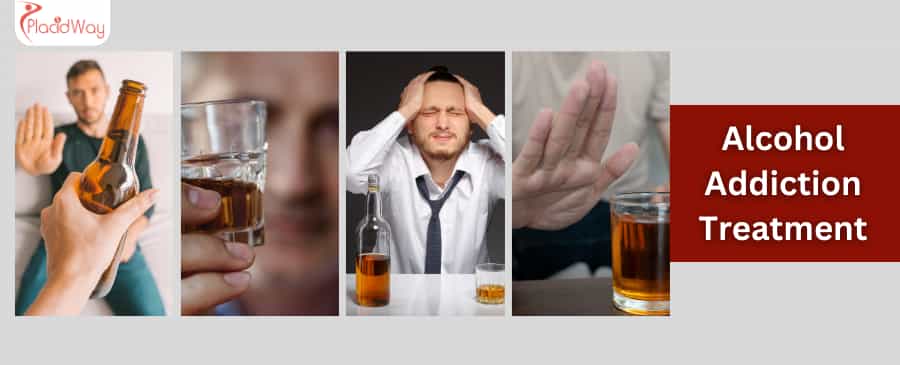
Reclaim Your Life: Comprehensive Alcohol Addiction Treatment Abroad
Facing alcohol addiction can feel like an isolating battle, but it doesn't have to be. Alcohol addiction, or Alcohol Use Disorder (AUD), is a complex chronic disease that affects millions worldwide, yet it is treatable. Recognizing the signs and taking the crucial step towards recovery is the first, most powerful move you can make.
For many, the idea of traditional treatment can be daunting due to costs, lack of privacy, or the need for a complete change of environment. This is where exploring alcohol addiction treatment abroad becomes a compelling option. Imagine focusing solely on your healing in a serene, supportive setting, away from triggers, and often at a fraction of the cost you might find closer to home.
Our goal is to provide a clear, empathetic guide to understanding alcohol addiction treatment, whether you're searching for "how to stop drinking alcohol," "best alcohol rehab programs," or "affordable alcohol treatment abroad." We'll explore everything from the subtle symptoms and underlying causes to the diverse range of treatments available, including medication-assisted therapy, intensive counseling, and holistic approaches. We'll also delve into why medical tourism for addiction has become a lifeline for many, offering access to world-class facilities and expert care in destinations renowned for their therapeutic environments.
Taking control of alcohol dependence is a journey of courage and hope. Let's explore how you can embark on this path to lasting sobriety and a healthier future.
What are the common signs and symptoms of alcohol addiction?
Recognizing the signs of alcohol addiction is crucial for seeking timely help. It's often difficult to admit you or a loved one might have a problem, but understanding the symptoms can clarify the situation. Alcohol Use Disorder (AUD) manifests in various ways, from mild to severe, impacting physical health, mental well-being, and relationships. People often search for "how to tell if someone is an alcoholic" or "signs of alcohol dependence."
Key indicators include:
- Increased Consumption: Drinking more alcohol than intended or for longer periods.
- Cravings: A strong, often overwhelming urge to drink.
- Loss of Control: Inability to cut down or stop drinking despite wanting to.
- Withdrawal Symptoms: Experiencing physical or psychological discomfort when alcohol's effects wear off (e.g., tremors, nausea, anxiety, sweating, insomnia, hallucinations, seizures in severe cases). These symptoms are a key indicator of physical dependence.
- Tolerance: Needing to drink more to achieve the same effect.
- Neglecting Responsibilities: Failing to meet obligations at work, school, or home due to drinking.
- Continued Use Despite Harm: Drinking even when it causes problems in relationships or exacerbates physical or mental health issues.
- Risky Situations: Engaging in hazardous activities while drinking, such as driving under the influence.
- Reduced Activities: Giving up important social, occupational, or recreational activities because of alcohol.
- Time Spent: Spending a lot of time drinking, recovering from its effects, or acquiring alcohol.
If you or someone you know exhibits several of these signs, it's essential to consider professional assessment for alcohol dependence recovery.
What causes alcohol addiction and what are its risk factors?
Understanding "why do people become addicted to alcohol" involves looking at a combination of factors, rather than a single cause. Alcohol addiction is not a moral failing but a disease influenced by genetics, environment, and individual psychology.
Common causes and risk factors include:
- Genetics and Family History: A "genetic predisposition to alcoholism" is real. If you have a parent or close relative with AUD, your risk is significantly higher. Genes can influence how your body processes alcohol and your susceptibility to addiction.
- Mental Health Conditions: Co-occurring disorders like depression, anxiety, bipolar disorder, and PTSD often lead individuals to use alcohol as a coping mechanism, increasing their risk of dependence.
- Early Exposure to Alcohol: Starting to drink at an early age can significantly increase the likelihood of developing AUD later in life. The developing brain is more vulnerable to alcohol's effects.
- Social and Cultural Environment: Peer pressure, cultural norms that encourage heavy drinking, lack of family support, and easy access to alcohol can all contribute to addiction.
- Stress and Trauma: Chronic stress, traumatic experiences (e.g., abuse, combat), and difficult life transitions can make individuals more vulnerable to using alcohol to self-medicate.
- Poverty and Unemployment: Socioeconomic disadvantages can create chronic stress and despair, which may lead to increased alcohol consumption.
- Frequency and Quantity of Drinking: Regular, heavy drinking over time can lead to physical dependence, where the body adapts to the presence of alcohol and goes into withdrawal without it.
It's important to remember that addiction is a complex disease, and identifying these factors can help guide targeted prevention and treatment strategies.
What types of alcohol addiction treatments are available?
When searching for "best alcohol rehab programs" or "alcohol detox options," you'll find a spectrum of treatments designed to address the multifaceted nature of alcohol addiction. No single approach works for everyone, which is why personalized treatment plans are essential. The main categories of treatment include:
- Detoxification (Detox):
- Medical Detox: This is often the first step, especially for individuals with significant physical dependence. It involves medically supervised withdrawal in a hospital or specialized facility to manage potentially severe and dangerous "alcohol withdrawal symptoms." Medications may be used to ease discomfort and prevent complications like seizures or delirium tremens.
- Rehabilitation (Rehab):
- Inpatient Rehab: Patients live at the treatment facility for a period (e.g., 30, 60, 90 days or longer), receiving intensive therapy, counseling, and support in a structured environment. This is ideal for those with severe addiction or unstable home environments. People often search for "inpatient vs outpatient rehab."
- Outpatient Rehab: Patients live at home and attend treatment sessions at a clinic or center during the day or evening. This option suits individuals with milder addictions, strong support systems, or those who cannot leave their work/family responsibilities.
- Therapies and Counseling:
- Cognitive Behavioral Therapy (CBT): Helps individuals identify and change negative thought patterns and behaviors contributing to alcohol use.
- Dialectical Behavior Therapy (DBT): Focuses on emotional regulation, distress tolerance, and interpersonal effectiveness.
- Motivational Enhancement Therapy: Helps individuals build motivation to change their drinking behavior.
- Family Therapy: Involves family members in the recovery process to address family dynamics and support systems.
- Group Therapy: Provides a supportive environment where individuals share experiences and learn from others in recovery.
- Medication-Assisted Treatment (MAT):
- Medications like Naltrexone, Acamprosate, and Disulfiram can help reduce cravings ("medication for alcohol cravings"), prevent relapse, or cause unpleasant reactions to alcohol, supporting long-term sobriety. MAT is always combined with counseling and behavioral therapies.
- Support Groups:
- Organizations like Alcoholics Anonymous (AA) and SMART Recovery offer peer support, accountability, and guidance, playing a vital role in long-term recovery and preventing relapse.
A holistic approach, often found in specialized overseas alcohol rehab centers, combines these methods with complementary therapies like yoga, meditation, and nutrition to support overall well-being.
Who is eligible for alcohol addiction treatment and how is it diagnosed?
If you're asking "am I an alcoholic test" or "who needs alcohol rehab," it's likely you or someone you care about is experiencing concerns about drinking patterns. The good news is that virtually anyone who struggles with alcohol misuse or dependence can benefit from treatment. There are no strict prerequisites beyond a willingness to seek help.
Diagnosis of Alcohol Use Disorder (AUD) is typically made by a healthcare professional, such as a doctor, psychiatrist, or addiction specialist. They will conduct a comprehensive assessment that often includes:
- Detailed Interview: Questions about drinking patterns, frequency, quantity, consequences of drinking, and any previous attempts to cut down.
- Physical Examination: To assess overall health and check for any alcohol-related physical complications.
- Psychological Evaluation: To identify co-occurring mental health conditions (like depression or anxiety) that may contribute to or result from alcohol use.
- Diagnostic Criteria: Healthcare providers use specific criteria, most commonly from the Diagnostic and Statistical Manual of Mental Disorders, Fifth Edition (DSM-5), to determine the severity of AUD (mild, moderate, or severe). These criteria assess impaired control, social impairment, risky use, and pharmacological criteria (tolerance and withdrawal).
Early intervention is always best, but it's never too late to seek help. Treatment plans are highly individualized, taking into account the severity of the addiction, any co-occurring conditions, and personal circumstances.
What is the recovery time and what can I expect during alcohol addiction treatment?
The question of "how long does alcohol rehab last" and "what to expect in rehab" are common and valid. Recovery from alcohol addiction is a journey, not a destination, and its timeline varies greatly for each individual. Factors like the severity of addiction, presence of co-occurring disorders, and individual response to treatment all play a role. However, there are general phases to expect:
- Phase 1: Detoxification (Typically 5-10 days)
- This is the initial period where the body rids itself of alcohol. Medically supervised detox is crucial for safety and comfort, managing "alcohol withdrawal timeline" symptoms that can range from mild anxiety to life-threatening seizures.
- Expect discomfort, medical monitoring, and possibly medication to ease withdrawal.
- Phase 2: Rehabilitation (Typically 30, 60, 90+ days)
- Following detox, the focus shifts to intensive therapy and counseling. Inpatient programs offer a structured environment free from external triggers, while outpatient programs provide flexibility.
- Expect daily schedules filled with individual therapy, group sessions, educational workshops, and holistic activities. You'll learn coping mechanisms, relapse prevention strategies, and address underlying issues contributing to your addiction.
- This phase is about self-discovery, emotional healing, and developing new, healthy habits.
- Phase 3: Aftercare and Ongoing Recovery (Lifelong)
- "Life after alcohol addiction treatment" involves continued support to maintain sobriety. This might include regular therapy, participation in support groups (like AA or SMART Recovery), sober living arrangements, and building a strong support network.
- Expect challenges and temptations, but with the tools and support gained in rehab, you'll be better equipped to navigate them. Relapse is a possibility, but it's often a part of the recovery process, not a failure.
Throughout the process, you can expect to develop a deeper understanding of yourself, improve your communication skills, and build resilience. It's a challenging yet profoundly rewarding experience that lays the groundwork for a healthier, alcohol-free life.
What are the potential risks and side effects of alcohol addiction treatment?
While alcohol addiction treatment offers a path to freedom, it's important to be aware of potential risks and challenges, particularly during the initial stages. Understanding these can help you prepare and cope effectively. People often worry about "alcohol withdrawal symptoms" and "challenges of sobriety."
Key risks and side effects include:
- Severe Alcohol Withdrawal Syndrome: Without proper medical supervision, withdrawal from heavy, prolonged alcohol use can be life-threatening. Symptoms can include:
- Tremors, nausea, vomiting, sweating
- Severe anxiety, agitation, paranoia
- Hallucinations (auditory, visual, tactile)
- Delirium Tremens (DTs): A severe form of withdrawal characterized by sudden, severe mental or nervous system changes, including confusion, rapid heart rate, fever, and seizures.
- Psychological Distress:
- Emotional Turmoil: As alcohol's numbing effects wear off, individuals may experience intense emotions, anxiety, depression, or grief related to past actions or underlying issues.
- Cravings: Intense cravings for alcohol can persist, especially in the early stages, making treatment challenging.
- Sleep Disturbances: Insomnia or disrupted sleep patterns are common during withdrawal and early recovery.
- Medication Side Effects:
- Medications used in MAT (e.g., Naltrexone, Acamprosate, Disulfiram) can have their own side effects, such as nausea, headaches, fatigue, or liver issues. These are typically managed by medical staff. For example, "side effects of naltrexone" can include nausea and headache.
- Risk of Relapse:
- Relapse is a common challenge in recovery, not a failure. It means the treatment plan needs adjustment. Stress, triggers, and lack of adequate aftercare can contribute to relapse.
- Co-occurring Mental Health Issues:
- Treatment can sometimes uncover or intensify symptoms of underlying mental health conditions that were previously masked by alcohol use. Integrated treatment for both addiction and mental health is crucial.
These risks highlight the importance of choosing accredited, medically supervised treatment programs, especially for initial detox, to ensure safety and effective management of potential complications.
What is the worldwide cost of alcohol addiction treatment?
The "cost of alcohol rehab" is a major concern for many seeking help. It can vary dramatically based on the type of program (inpatient vs. outpatient), length of stay, services included (e.g., holistic therapies, dual diagnosis treatment), and most importantly, geographical location. This is why many explore "affordable alcohol treatment abroad" or "international alcohol treatment prices."
Worldwide Alcohol Addiction Treatment Cost Comparison (Estimates for 30-Day Inpatient Programs)
| Country/Region | Estimated Cost Range (USD) | Key Considerations |
|---|---|---|
| United States | $15,000 - $60,000+ | Highest costs, extensive luxury options, highly accredited facilities. Insurance coverage varies. |
| United Kingdom | $10,000 - $35,000+ | High-quality care, often private, but costs can be prohibitive without private insurance. |
| Western Europe (e.g., Switzerland) | $25,000 - $80,000+ | Premium, luxury facilities, often with discreet, high-profile clientele. Very high cost. |
| Mexico | $5,000 - $15,000 | Close proximity for North Americans, often offers holistic and culturally sensitive programs at lower prices. |
| Thailand | $4,000 - $12,000 | Popular for serene environments, holistic approaches, and excellent value for money. "Rehab in Thailand for alcohol" is a common search. |
| India | $3,000 - $8,000 | Very affordable, good quality care, often incorporates traditional Eastern wellness practices. |
| Eastern Europe (e.g., Ukraine, Poland) | $4,000 - $10,000 | Emerging medical tourism destinations offering competitive pricing and good medical standards. |
| Costa Rica | $6,000 - $15,000 | Focus on nature and holistic healing in beautiful, tranquil settings. |
These figures are estimates and can vary based on specific clinic, services, and duration. It's crucial to get a detailed quote directly from providers when considering treatment abroad.
Why consider alcohol addiction treatment abroad?
For many, seeking "overseas alcohol rehab" or "private alcohol treatment abroad" isn't just about cost savings; it's about finding the most conducive environment for profound healing and lasting change. The decision to travel for treatment offers several compelling advantages:
- Affordability: As seen in the cost comparison, many countries offer high-quality addiction treatment at significantly lower prices than in Western nations. This makes long-term, comprehensive care accessible to more people.
- Privacy and Anonymity: Traveling abroad can provide a level of discretion not always possible at home. Being in a new country, away from familiar faces and potential judgment, allows individuals to focus entirely on their recovery without societal pressures.
- A Fresh Start in a New Environment: Escaping old routines, triggers, and negative influences is incredibly powerful. A new setting can help break destructive patterns and create a mental space for healing. Imagine focusing on "overcome alcoholism" in a serene tropical setting or a peaceful mountainous retreat.
- Specialized and Holistic Programs: Many international centers offer unique or integrated approaches, combining evidence-based therapies with holistic practices like yoga, meditation, mindfulness, acupuncture, or traditional healing methods that might not be readily available domestically.
- Reduced Wait Times: In some countries, wait times for quality addiction treatment can be long. Abroad, you might find immediate access to top-tier facilities and expert care.
- Focus on Self: Being away from daily responsibilities and distractions allows for complete immersion in the treatment process, fostering deeper self-reflection and personal growth.
This approach transforms the recovery process into an opportunity for a true reset, offering a chance to "get help for drinking problem" in a supportive and transformative setting.
Which countries offer the best value for alcohol addiction treatment?
When searching for "best country for alcohol rehab" or "affordable rehab destinations," several countries consistently stand out for providing exceptional value, balancing cost-effectiveness with high-quality care, experienced staff, and unique therapeutic environments:
- Thailand: Often considered a global leader in addiction treatment tourism. Facilities in Thailand are known for their luxurious settings, holistic programs, experienced international staff, and significantly lower costs compared to Western countries. The serene environment, focus on mindfulness, and cultural immersion can be incredibly beneficial. "Rehab in Thailand for alcohol" is a very popular search.
- Mexico: A convenient option for North Americans, Mexican clinics offer a range of programs from traditional to holistic. They often provide excellent medical care, highly trained staff, and competitive pricing. The proximity makes travel less stressful for many patients and their families. "Alcohol treatment in Mexico" is a well-established sector.
- India: Emerging as a strong contender in medical tourism, India offers highly affordable addiction treatment without compromising on medical standards. Many centers integrate traditional Indian healing practices like Ayurveda and yoga alongside Western therapies, offering a unique and holistic recovery experience.
- Costa Rica: Known for its stunning natural beauty and focus on wellness, Costa Rica offers a peaceful and supportive environment for recovery. Programs often emphasize outdoor activities, nature immersion, and holistic healing, making it an attractive destination for those seeking a tranquil setting.
- South Africa: Offers a mix of high-quality, private facilities with stunning natural backdrops, often at a more accessible price point than Europe or North America, especially for longer stays.
- Portugal: Has gained recognition for its progressive drug policies and effective treatment models. Some private clinics offer excellent comprehensive care, often with a focus on long-term recovery and reintegration, at competitive European prices.
These destinations provide not just treatment, but an opportunity for a transformative experience, offering a blend of professional care, cultural enrichment, and often a profound sense of healing amidst beautiful surroundings.
How to ensure safety and quality when choosing alcohol addiction treatment abroad?
Choosing "safe alcohol treatment overseas" is paramount. While the benefits of medical tourism for addiction are clear, due diligence is essential to ensure you receive high-quality, ethical care. Here's how to ensure safety and quality:
- Accreditation and Licensing: Verify that the facility is accredited by recognized international bodies (e.g., JCI - Joint Commission International) or reputable national health organizations. This ensures they meet stringent safety and quality standards. Ask about their local licensing as well.
- Staff Qualifications and Experience: Inquire about the credentials and experience of the medical doctors, therapists, counselors, and support staff. Are they licensed in their respective fields? Do they have specific experience in addiction treatment?
- Language Compatibility: Ensure that key staff (therapists, medical doctors) can communicate effectively in your native language or that qualified translators are consistently available. Miscommunication can severely impact the quality of care.
- Treatment Philosophy and Approach: Understand the clinic's treatment model. Does it align with evidence-based practices? Do they offer a comprehensive, individualized plan that includes medical detox, various therapies, and aftercare planning?
- Medical Supervision for Detox: For those requiring detox, confirm that there is 24/7 medical supervision by qualified doctors and nurses, equipped to handle severe withdrawal symptoms.
- Aftercare Planning: A good treatment program doesn't end when you leave. Inquire about their "aftercare planning for addiction." Do they help coordinate ongoing support, therapy, or connections to support groups back home? This is crucial for long-term sobriety.
- Facility Environment and Patient-to-Staff Ratio: Visit the facility virtually (through photos/videos) or inquire about the living conditions. A low patient-to-staff ratio often indicates more personalized care.
- Patient Reviews and Testimonials: Seek out independent reviews and testimonials from former patients. While not always definitive, they can offer valuable insights into the patient experience.
- Use a Reputable Medical Tourism Facilitator: Companies like PlacidWay specialize in connecting patients with vetted, high-quality international providers. They can help with vetting, travel logistics, and ensure your experience is smooth and safe.
By thoroughly researching these aspects, you can confidently choose an international alcohol treatment center that prioritizes your safety and delivers effective, compassionate care, significantly improving your "rehab success rates."
Take the Next Step with PlacidWay
Ready to explore treatment options abroad? Discover top clinics, compare prices, and get a free quote tailored to your needs with PlacidWay.


.png)
.png)




-(10).png)
.png)
.png)
-(9).png)









Share this listing