
Eric’s Journey with Ibogaine Therapy and Toad Medicine at New Path Tijuana
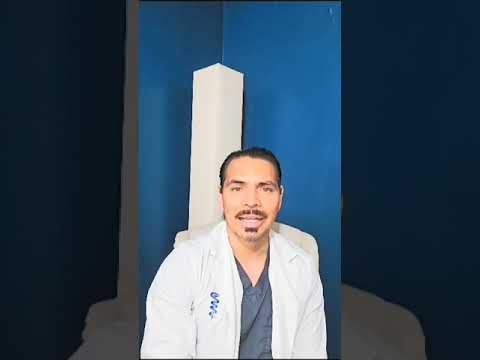
Eric’s experience at New Path in Tijuana explores a medically supervised program involving ibogaine therapy followed by 5-MeO-DMT, commonly referred to as toad medicine. In the video, Eric describes his personal experience with these intensive psychedelic therapies and how the program encouraged him to examine emotional patterns, past experiences, and his approach to life. This page explains the therapies discussed in his story, the medical screening involved, treatment costs, preparation, safety considerations, and the role of post-treatment integration.
Video Chapters & Quick Navigation
Why Patients Are Exploring Psychedelic Therapy in Mexico
Interest in psychedelic-assisted therapy has increased as researchers investigate new approaches to addiction, trauma, depression, and other mental health conditions. Conventional treatment may involve psychotherapy, medications, behavioral interventions, rehabilitation programs, or a combination of these approaches. Some patients who feel they have not achieved their desired results through standard care also investigate treatment options abroad.
Research institutions are studying how psychedelic compounds may influence perception, emotional processing, neuroplasticity, and patterns of thought. However, many psychedelic treatments remain investigational, and their safety and effectiveness vary depending on the substance, medical condition, patient health, treatment environment, and level of clinical supervision.
Ibogaine and 5-MeO-DMT are two substances discussed in Eric’s experience at New Path. They produce very different effects and carry distinct risks. Patients considering either therapy should undergo medical evaluation and understand that personal testimonials do not predict how another individual will respond.
Understanding Ibogaine Therapy in Tijuana
Ibogaine is a naturally occurring psychoactive alkaloid derived from the root bark of Tabernanthe iboga, a plant native to Central and West Africa. Iboga has a long history of ceremonial use within Bwiti traditions. In modern settings, some treatment centers in Mexico use ibogaine within structured programs focused on substance dependence, psychological exploration, or behavioral change.
Ibogaine interacts with several neurotransmitter systems in the brain and is being researched for its effects on substance withdrawal, cravings, mood, and neuroplasticity. Its mechanisms are complex and should not be described as simply “resetting” or repairing the brain. Research has examined its influence on multiple receptors and signaling pathways, including pathways involving neurotrophic factors.
An ibogaine experience can last many hours and may involve vivid imagery, altered perception, introspection, nausea, physical fatigue, or other psychological and physiological effects. In Eric’s account, the experience encouraged him to reflect on past experiences and emotional patterns from a different perspective.
What Is Toad Medicine or 5-MeO-DMT?
The video also discusses 5-MeO-DMT, a powerful psychoactive substance commonly associated with what is sometimes called toad medicine. The compound can occur in secretions of the Incilius alvarius, or Sonoran Desert toad, although synthetic 5-MeO-DMT also exists.
The acute experience is typically much shorter than an ibogaine session and may last approximately 15 to 30 minutes, although psychological effects and emotional processing may continue afterward. Users may report altered awareness, loss of ordinary self-perception, intense emotional experiences, or feelings sometimes described as ego dissolution.
Experiences vary substantially. Some individuals report feelings of connection, peace, or emotional release, while others may experience fear, confusion, physical distress, or psychologically difficult reactions. Because 5-MeO-DMT is extremely potent, appropriate screening, dosing practices, supervision, and emergency preparedness are important.
How New Path Combines Ibogaine and Toad Medicine
The New Path program described in the video uses ibogaine and 5-MeO-DMT sequentially rather than administering both substances at the same time. The purpose of this approach is to give patients time to complete and recover from the longer ibogaine experience before considering a separate 5-MeO-DMT session.
Phase One: Ibogaine Therapy
The first phase centers on ibogaine. Patients may enter the program seeking support for substance dependency, emotional distress, or behavioral patterns. Some people report reduced cravings or changes in withdrawal symptoms after ibogaine, but results vary and the therapy should not be viewed as a guaranteed detoxification or addiction cure.
The psychological component can also involve intense autobiographical memories, imagery, and reflection. For some patients, this may become material for later psychotherapy or integration work.
Phase Two: 5-MeO-DMT Experience
After the ibogaine session and an appropriate recovery period, the program may introduce 5-MeO-DMT if the patient remains medically and psychologically suitable. The experience is considerably shorter but can be extremely intense.
The intention of the sequential protocol described by New Path is to combine the extended introspection associated with ibogaine with a separate experience involving 5-MeO-DMT. Whether this sequence provides additional therapeutic benefit has not been established for every condition or patient and should be assessed carefully.
Eric's Experience at New Path in Tijuana
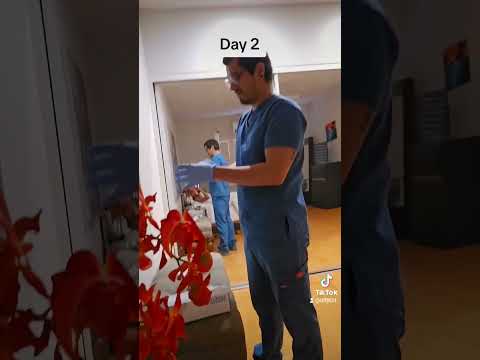
Eric’s story provides a personal perspective on undergoing the New Path program. He describes arriving with uncertainty and emotional concerns before participating in the ibogaine session.
During his ibogaine experience, Eric describes confronting memories and emotional material from his past. He explains that the altered state allowed him to observe aspects of his life from a different perspective rather than experiencing them in the same way he normally would.
After recovering from the ibogaine portion of the program, Eric also participated in a 5-MeO-DMT experience. He describes this second experience as emotionally significant and associates it with feelings of peace and a different perspective on his life.
Eric’s story is an individual testimonial. His experience should not be interpreted as evidence that ibogaine or 5-MeO-DMT will produce the same psychological or medical outcomes for another patient.
Medical Screening and Safety for Ibogaine Therapy
Medical screening is particularly important before ibogaine treatment because ibogaine can affect cardiac electrical activity and may increase the risk of dangerous heart rhythm abnormalities in susceptible patients. A treatment program should therefore evaluate cardiovascular health, medication use, liver function, electrolyte balance, substance use history, and other relevant risk factors before administration.
The screening process described for programs such as New Path may include blood testing, liver-function assessment, medical history review, and electrocardiogram testing. Continuous cardiac and vital-sign monitoring may also be used during the ibogaine experience.
Patients should ask exactly who is present during treatment, what medical credentials the staff hold, what monitoring equipment is available, and what emergency protocols are in place. Ibogaine is not a risk-free substance, and serious complications can occur without appropriate screening and medical supervision.
Traditional Rehabilitation vs Ibogaine Therapy Programs
Traditional rehabilitation and ibogaine programs differ substantially in duration, clinical philosophy, medication use, therapeutic structure, and evidence base. They should not be viewed as interchangeable treatments. The most appropriate approach depends on the substance involved, severity of dependence, mental health history, medical condition, relapse risk, and access to follow-up care.
| Feature | Traditional Inpatient Rehab | Ibogaine Program at New Path |
|---|---|---|
| Treatment Duration | Programs may last approximately 30 to 90 days or longer. | The program described typically involves approximately 7 to 10 days of intensive care. |
| Withdrawal Management | May use evidence-based medications and structured medical detoxification when appropriate. | Ibogaine is used with the goal of addressing withdrawal symptoms and cravings, although response varies. |
| Psychological Approach | May include individual therapy, group therapy, behavioral treatment, peer support, and recovery planning. | Includes an intense altered-state experience followed by psychological processing and integration. |
| Long-Term Recovery | Usually includes ongoing behavioral treatment and relapse-prevention planning. | Long-term outcomes depend heavily on integration, follow-up support, behavior change, and continued treatment when needed. |
Ibogaine Treatment Cost in Tijuana
Legal and regulatory restrictions affect access to ibogaine and 5-MeO-DMT in countries such as the United States and Canada. This is one reason some patients travel to Mexico to explore psychedelic treatment programs. Tijuana is especially accessible to North American patients because of its proximity to San Diego and the US-Mexico border.
The pricing presented in the video places comprehensive ibogaine and toad medicine programs in Tijuana at approximately $5,000 to $10,000, while some private inpatient rehabilitation programs in the United States may cost $30,000 to $50,000 or more.
Prices vary significantly by clinic, treatment duration, medical complexity, accommodation, nursing support, testing, and follow-up services. Patients should request a written itemized quote before traveling.
Packages may include medical screening, accommodation, meals, nursing support, treatment sessions, transportation, and integration coaching. Patients should verify exactly which services are included rather than assuming all programs provide the same level of medical supervision.
Preparing for Ibogaine and 5-MeO-DMT Treatment
Preparation is an essential component of any medically supervised psychedelic treatment program. Clinics may request medical records, blood tests, cardiovascular evaluation, medication lists, psychiatric history, substance-use history, and other information before determining whether treatment is appropriate.
Some medications can interact dangerously with ibogaine or 5-MeO-DMT. Patients should never discontinue antidepressants, psychiatric medications, opioids, or other prescription drugs on their own in preparation for treatment. Any medication taper or change should be directed by the prescribing physician and the treatment team.
Some programs may also provide dietary instructions before treatment. Patients should follow only the preparation plan supplied by qualified medical professionals familiar with their health history.
Psychological preparation may include discussions about personal goals, expectations, fears, and the reasons for seeking treatment. Establishing realistic intentions can help patients approach an intense psychedelic experience with a clearer therapeutic framework.
Integration and Life After Ibogaine Therapy
The experience itself is only one component of treatment. Patients still need to determine how insights gained during ibogaine or 5-MeO-DMT sessions will be incorporated into everyday behavior, relationships, mental health care, and recovery planning.
New Path includes integration support as part of the treatment model described in the video. Integration coaching can help patients discuss memories, emotions, imagery, and personal insights that emerged during the experience and identify practical ways to apply them after returning home.
Some patients incorporate practices such as journaling, meditation, counseling, peer support, exercise, or other structured routines into their post-treatment plan. Patients recovering from substance dependency may also require ongoing addiction treatment, psychotherapy, psychiatric care, support groups, or medication when clinically appropriate.
Long-term improvement should not be assumed from a single psychedelic experience. Sustainable recovery depends on the individual, underlying condition, quality of follow-up care, environment, support system, and continued participation in appropriate treatment.
Explore Ibogaine Treatment Options in Tijuana
PlacidWay can help you compare ibogaine treatment providers in Tijuana, review medical screening and safety protocols, understand program costs, and request information directly from participating treatment centers.
REQUEST TREATMENT INFORMATION





















Share this listing