
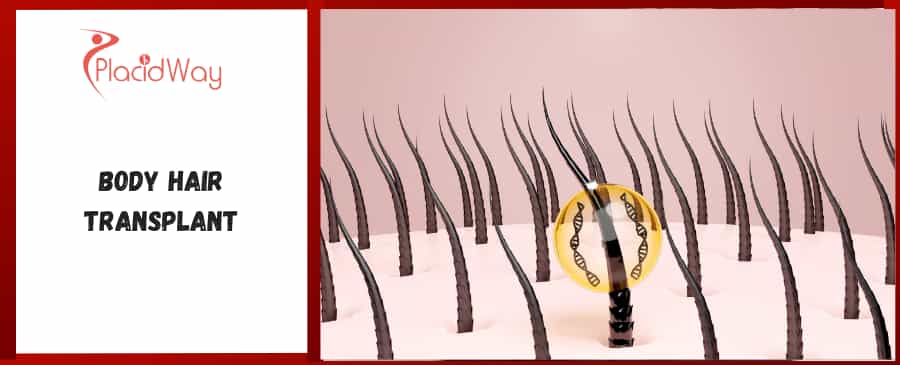
Unlock New Hair Growth: Discover Advanced Body Hair Transplant Solutions
Are you struggling with hair loss, but find that your scalp donor hair is simply not enough to achieve the density or coverage you desire? Perhaps you dream of a fuller beard, a more defined chest, or even discreetly camouflaging a scalp scar. You’re not alone. Many individuals face similar challenges, searching for effective solutions that go beyond traditional scalp-to-scalp hair transplants. This is where Body Hair Transplant (BHT) emerges as a groundbreaking option, offering new hope and possibilities.
Body Hair Transplant is a highly advanced form of hair restoration that involves extracting individual hair follicles from various parts of the body – such as the beard, chest, or even legs – and meticulously transplanting them to areas where hair growth is desired. This innovative technique opens up a world of possibilities for those with extensive hair loss, poor scalp donor quality, or specific aesthetic goals like enhancing facial or body hair.
Imagine regaining confidence with a thicker hairline, a denser beard, or camouflaging previously resistant areas. BHT can make these dreams a reality. It's particularly vital for patients who have already undergone multiple hair transplants and exhausted their scalp donor reserves, or those who naturally have sparse scalp hair. By leveraging the body's own hair, BHT provides a viable and often superior alternative, allowing for more comprehensive and natural-looking results.
Understanding the "why" behind your hair loss is crucial. Factors like genetics (androgenetic alopecia), previous hair transplant failures that depleted scalp donor areas, trauma, burns, or even certain medical conditions can lead to insufficient scalp hair. If you find yourself searching for "more donor hair options," "scar camouflage hair transplant," or "body hair to head transplant," then BHT is a procedure you need to explore. This guide will delve deep into the procedure, its benefits, what to expect, and why medical tourism is an increasingly popular pathway for accessing world-class BHT services.
Why consider Body Hair Transplant (BHT) as an option?
For many patients, the primary driver for considering BHT is the simple fact that their scalp hair just isn't enough. You might be experiencing extensive baldness, or perhaps you've had hair transplants in the past that have used up much of your precious scalp donor hair. In such cases, traditional FUE or FUT might no longer be feasible. If you've ever thought, "I need more donor hair" or "my scalp donor area is weak," BHT offers a lifeline.
Beyond addressing scalp donor limitations, BHT is also a game-changer for specific aesthetic enhancements. Want a fuller beard, but lack the natural density? BHT can provide the grafts. Dreaming of a masculine chest with more hair? Body hair can be moved there. It's also incredibly effective for camouflaging scars on the scalp from previous surgeries or injuries, providing a natural cover where hair once struggled to grow. The "symptoms" driving people to BHT are often visible thinning, receding hairlines despite previous treatments, and the desire for hair in specific areas where it doesn't naturally grow.
What is Body Hair Transplant and how does it work?
At its core, Body Hair Transplant operates on the same principle as Follicular Unit Extraction (FUE), which is the most advanced and widely used hair transplant technique today. The key difference lies in the donor area. Instead of exclusively harvesting grafts from the back and sides of the head, a skilled surgeon carefully extracts individual follicular units (FU) – naturally occurring groupings of 1-4 hairs – from areas like the beard, chest, abdomen, or even legs.
These extracted grafts are then meticulously prepared and transplanted into tiny incisions made in the recipient area, whether it's the scalp, beard, eyebrows, or other body regions. The goal is to match the angle, direction, and density of the surrounding native hair, ensuring a natural-looking result. The success of BHT heavily relies on the surgeon's expertise in selecting viable donor hair, performing delicate extraction to minimize damage, and artistic placement in the recipient site. This technique is often searched for as "body to head hair transplant" or "FUE body hair transplant."
Am I a good candidate for a Body Hair Transplant?
Determining your eligibility for a BHT involves a thorough consultation with a hair restoration specialist. Generally, ideal candidates are those who:
- Have insufficient scalp donor hair: This is the most common reason, often seen in individuals with advanced hair loss (Norwood scale 5-7) or those who have had multiple previous hair transplants.
- Possess adequate body hair: Not everyone has sufficient, suitable body hair. Beard hair (especially under the chin) is often considered the best quality, followed by chest hair. The hair should be thick enough to provide density and have a compatible growth cycle.
- Are in good general health: Free from medical conditions that could impair healing or increase surgical risks.
- Have realistic expectations: Body hair, particularly chest or leg hair, often has a different texture, growth rate, and terminal length compared to scalp hair. While it can provide density, it might not perfectly match scalp hair characteristics. Understanding these nuances is key.
If you're asking "who is a good candidate for body hair transplant?" it's crucial to have a professional assessment of your donor and recipient areas.
What types of body hair are suitable for transplant?
The choice of body hair donor area is critical for the success and naturalness of a BHT. Here’s a breakdown of common sources:
- Beard Hair: Often considered the "gold standard" for BHT. Beard hair, particularly from under the chin, is usually thick, coarse, and has a longer growth phase, making it most similar to scalp hair. It provides excellent density and can integrate well. Searches like "beard hair to scalp" are very common.
- Chest Hair: A good secondary option for many. While generally finer and with a shorter growth cycle than beard hair, chest hair can still contribute significantly to density, especially in the mid-scalp or crown.
- Abdominal/Pubic Hair: Can be used, but these hairs are typically finer, curlier, and have a shorter growth phase, making them less ideal for primary coverage but potentially useful for filling in small areas or increasing density in conjunction with other hair types.
- Leg/Arm Hair: Generally the least preferred due to their very fine texture and short growth cycles. They are rarely used for the scalp but might be considered for very specific, small areas or scar camouflage where other options are exhausted.
The surgeon will assess the quality, quantity, and compatibility of your body hair during your consultation to determine the best donor sites for your specific needs.
What is the recovery time and what can I expect after BHT?
Post-BHT recovery is similar to that of a scalp FUE procedure but involves two donor areas (body and scalp, if both are used) plus the recipient site. Immediately after the procedure, you can expect:
- Redness and Swelling: Mild redness and swelling will be present in both the donor (body) and recipient (scalp or other) areas for a few days.
- Scabbing: Tiny scabs will form around each transplanted graft and in the donor areas, which will typically fall off within 7-10 days.
- Tenderness/Discomfort: Mild discomfort or tenderness is common and can be managed with prescribed pain relievers.
- Shedding Phase: Around 2-4 weeks after the transplant, the transplanted hairs will enter a "shedding phase" where they fall out. This is a normal part of the process and makes way for new, permanent hair growth.
- New Growth: New hair typically starts to grow around 3-6 months post-procedure, with significant results becoming visible around 8-12 months. The final results may take up to 12-18 months, as body hair often has a slightly different growth cycle.
Downtime is usually minimal, allowing most patients to return to light activities within a few days, though strenuous exercise should be avoided for a few weeks. Patients often search for "recovery body hair transplant" or "how long is recovery for body hair transplant?"
Are there any risks or side effects associated with Body Hair Transplant?
While BHT is generally a safe procedure when performed by an experienced surgeon, it's important to be aware of potential risks and side effects, similar to any surgical procedure:
- Swelling and Bruising: Common but temporary.
- Infection: Rare, but possible. Adhering to post-operative care instructions is crucial.
- Numbness: Temporary numbness in donor or recipient areas can occur.
- Scarring: FUE results in tiny, pinpoint scars in the donor area, which are usually barely noticeable. However, if not done correctly, visible scarring can occur.
- Poor Growth/Survival Rate: Not all transplanted grafts may survive or grow as expected. The survival rate of body hair grafts can sometimes be slightly lower than scalp grafts, and their growth characteristics may differ.
- Folliculitis: Inflammation of hair follicles, usually temporary.
- "Shock Loss": Temporary shedding of existing hair around the transplanted area.
Discussing "risks BHT" or "side effects of body hair transplant" with your surgeon is vital to ensure you are fully informed and prepared.
How much does a Body Hair Transplant cost worldwide?
The cost of a Body Hair Transplant can fluctuate wildly depending on several factors:
- Number of Grafts: The more grafts needed, the higher the cost.
- Clinic Reputation and Location: Highly renowned clinics in major cities often charge more.
- Surgeon's Expertise: Highly experienced and specialized surgeons command higher fees.
- Country: A significant factor, as labor costs, clinic overheads, and regulatory environments differ globally.
Here’s a general estimate for "cost of body hair transplant" (these are ranges and can change):
| Country | Estimated Cost Range (USD) per session | Notes |
|---|---|---|
| United States / Canada | $8,000 - $20,000+ | Higher cost of living and medical expenses. |
| United Kingdom | $7,000 - $18,000+ | Similar to Western Europe, high standards. |
| Turkey | $2,500 - $7,000+ | Very competitive pricing, high volume of procedures. Often includes packages. |
| India | $2,000 - $6,000+ | Affordable, growing medical tourism hub, experienced surgeons. |
| Mexico | $3,000 - $8,000+ | Popular for North American patients seeking proximity and value. |
| Thailand | $4,000 - $9,000+ | Known for excellent medical facilities and patient care. |
These figures are estimates and can vary based on the specific requirements of your procedure and the clinic's offerings. It’s always best to get a personalized quote.
Why should I consider traveling abroad for a Body Hair Transplant?
Medical tourism for hair transplants, especially BHT, has exploded in popularity for compelling reasons. If you're searching for "body hair transplant abroad" or "medical tourism hair transplant," you're likely drawn by the promise of:
- Significant Cost Savings: As seen in the table above, the difference in price can be substantial, often saving patients thousands of dollars even after accounting for travel and accommodation.
- Access to Specialists: Many countries specialize in hair restoration, boasting surgeons with extensive experience in advanced techniques like BHT, which might be less common or more expensive in your home country.
- Cutting-Edge Technology: Clinics abroad often invest heavily in the latest FUE equipment and techniques to attract international patients.
- No Waiting Lists: Unlike some healthcare systems with long wait times, clinics abroad typically offer prompt scheduling.
- Integrated Packages: Many clinics provide all-inclusive packages covering consultation, procedure, accommodation, transfers, and even follow-up care, simplifying the patient journey.
- Privacy and Recovery: Traveling abroad can offer a sense of privacy for those who prefer to recover away from their immediate social circles.
Which countries offer the best value and quality for BHT procedures?
When considering "best clinics for body hair transplant" or "where to get body hair transplant," certain destinations consistently rise to the top:
- Turkey: Particularly Istanbul, is often considered the global capital for hair transplantation. Clinics here perform a massive volume of procedures, leading to highly experienced surgeons and incredibly competitive pricing. They often offer comprehensive packages.
- India: With a growing reputation for high-quality medical care at a fraction of Western costs, Indian clinics offer skilled surgeons and advanced facilities.
- Mexico: A popular choice for patients from the United States and Canada due to its geographical proximity, offering excellent value and modern clinics, especially in border cities and tourist destinations.
- Thailand: Known for its exceptional patient hospitality and state-of-the-art medical facilities, Thailand provides a compelling option for those seeking quality care in an exotic location.
These countries have built robust medical tourism infrastructures, making the entire process, from initial inquiry to post-operative care, relatively smooth for international patients.
What should I expect when planning my Body Hair Transplant journey abroad?
Embarking on a medical journey abroad requires careful planning. Here's a typical roadmap for "what to expect when traveling for this procedure":
- Initial Research: Identify potential clinics and surgeons, read reviews, and check credentials.
- Online Consultation: Most clinics offer free remote consultations via video call or by reviewing your photos. This is where you discuss your goals, assess your donor areas, and receive a personalized quote.
- Booking and Travel Arrangements: Once you choose a clinic, you'll book your procedure date. Clinics or medical tourism facilitators often assist with booking flights, hotels, and airport transfers.
- Pre-Operative Care: Upon arrival, you'll have an in-person consultation, blood tests, and final preparations.
- The Procedure: The BHT procedure itself, which can take several hours depending on the number of grafts.
- Post-Operative Instructions and Follow-up: You'll receive detailed care instructions. Many clinics offer virtual follow-ups once you return home.
- Recovery & Sightseeing: Plan for a few days of rest after the procedure. Many patients combine their recovery with some gentle sightseeing or relaxation before returning home.
Working with a trusted medical tourism facilitator like PlacidWay can streamline this process significantly, handling logistics and providing peace of mind.
Take the Next Step with PlacidWay
Ready to explore treatment options abroad? Discover top clinics, compare prices, and get a free quote tailored to your needs with PlacidWay.
Hair Transplant Abroad | Hair Restoration | FUE | FUT





.png)
.png)




.png)











Share this listing