
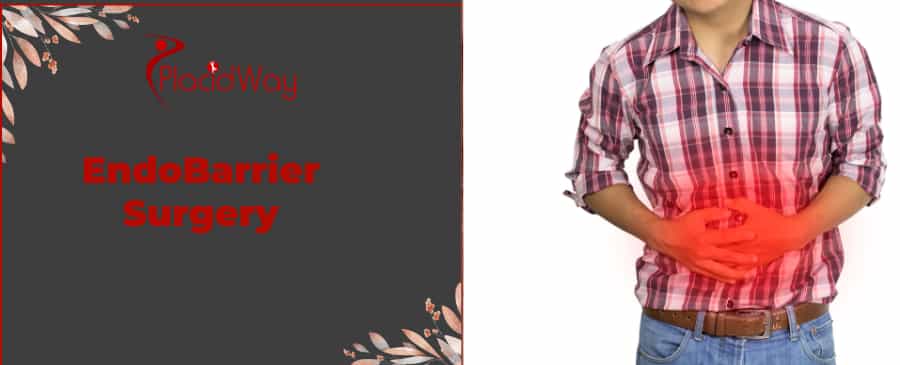
Reclaim Your Health: Exploring EndoBarrier Surgery for Diabetes & Weight Loss
Living with Type 2 Diabetes and obesity can feel like an uphill battle, impacting every aspect of your life. From managing blood sugar levels to struggling with weight, the journey can be overwhelming. Many people search for effective, less invasive solutions when diet and medication aren't enough. If you're looking for advanced treatment options and considering possibilities beyond your local healthcare system, you're not alone. Welcome to the world of EndoBarrier Surgery – a non-surgical, temporary solution gaining recognition for its powerful impact on Type 2 Diabetes and weight management.
EndoBarrier is a groundbreaking medical device, a thin, flexible sleeve endoscopically placed in the duodenum (the first part of your small intestine). It acts as a barrier, preventing food from coming into contact with a specific section of the intestine. This simple yet ingenious mechanism triggers hormonal changes that significantly improve insulin sensitivity, leading to better blood sugar control and often substantial weight loss. It’s an exciting option for those seeking a less invasive alternative to traditional bariatric surgeries like gastric bypass, especially when managing symptoms such as persistent high blood sugar, unexplained weight gain, and energy fluctuations.
For many, the high costs or long wait times for such innovative treatments at home lead them to explore medical tourism. Imagine accessing world-class care in leading international clinics, often at a fraction of the price, and sometimes even combining your treatment with a refreshing journey. This guide will walk you through everything you need to know about EndoBarrier, from how it works and who qualifies, to understanding costs and confidently planning your medical journey abroad. Let's explore how EndoBarrier could be your path to a healthier, more vibrant life.
What are the symptoms and health challenges linked to Type 2 Diabetes and obesity?
Recognizing the signs of Type 2 Diabetes and the health implications of obesity is the first step towards seeking effective treatment. Many people searching online often ask "what are the early signs of diabetes?" or "how does obesity affect my health?". These conditions often go hand-in-hand, compounding health challenges.
Common symptoms and health challenges include:
- Frequent Urination and Increased Thirst: Your kidneys work overtime to remove excess sugar, leading to more trips to the bathroom and subsequent dehydration.
- Persistent Hunger: Despite eating, your cells aren't getting glucose, leaving you feeling hungry.
- Fatigue and Lack of Energy: Inefficient glucose use means your body isn't getting the fuel it needs, leading to tiredness.
- Blurred Vision: High blood sugar can affect the fluid levels in your eyes.
- Slow-Healing Sores or Frequent Infections: High glucose levels impair your body's healing process and immune response.
- Numbness or Tingling (Neuropathy): Nerve damage can occur, often starting in the hands and feet.
- Unexplained Weight Loss or Gain: While often associated with weight gain, initial diagnosis can sometimes involve unexpected weight loss. Obesity itself, however, is a major risk factor and symptom contributor.
Beyond these, uncontrolled Type 2 Diabetes and obesity significantly increase risks for severe complications such as heart disease, stroke, kidney failure, nerve damage, vision loss, and joint problems. This constellation of issues motivates many to search for phrases like "how to control blood sugar when diet fails" or "effective treatments for obesity and diabetes."
What causes Type 2 Diabetes and obesity, and who is at risk?
Understanding the root causes helps in addressing these conditions effectively. Patients often search for "what causes high blood sugar" or "why am I gaining weight easily?". The primary drivers are complex and often intertwined:
- Insulin Resistance: This is the hallmark of Type 2 Diabetes. Your cells don't respond effectively to insulin, a hormone that regulates glucose uptake. The pancreas tries to compensate by producing more insulin, but eventually, it can't keep up, leading to high blood sugar.
- Genetics: A family history of Type 2 Diabetes significantly increases your risk.
- Lifestyle Factors:
- Sedentary Lifestyle: Lack of physical activity contributes to insulin resistance.
- Unhealthy Diet: Diets high in refined sugars, unhealthy fats, and processed foods are major contributors to both obesity and diabetes.
- Obesity: Being overweight or obese, especially carrying excess weight around the abdomen, is a primary risk factor. Fat cells, particularly abdominal fat, can release hormones that promote insulin resistance.
- Age: Risk increases with age, though Type 2 Diabetes is increasingly seen in younger populations.
- Ethnicity: Certain ethnic groups have a higher predisposition.
- Other Conditions: Polycystic Ovary Syndrome (PCOS), gestational diabetes, and high blood pressure/cholesterol can also increase risk.
These factors highlight why a multifaceted approach, sometimes including innovative interventions like EndoBarrier, is often necessary when traditional methods fall short.
What exactly is EndoBarrier Surgery and how does it work?
Many patients looking into this procedure often search for "EndoBarrier device explained" or "non-surgical diabetes treatment options." EndoBarrier (also known as the Duodenal-Jejunal Bypass Liner) offers a unique approach without incisions or permanent alteration to your anatomy.
Here's how this innovative device works:
- Endoscopic Placement: The device is a thin, flexible sleeve compressed into a capsule. It is delivered via an endoscope (a thin, flexible tube with a camera) through the mouth, down the esophagus and stomach, and positioned in the first part of the small intestine (duodenum). There are no surgical incisions.
- Creating a Barrier: Once in place, the sleeve expands and is anchored. It creates a physical barrier along approximately 60 cm of the duodenum and jejunum. Food passes through the stomach and then directly into the sleeve, bypassing this section of the intestine.
- Mimicking Gastric Bypass: This "bypass" effect is similar to how a gastric bypass works, without the actual surgery. By preventing food from contacting the lining of the upper small intestine, it significantly alters the signals between the gut and the brain.
- Hormonal Changes: This redirection of food flow leads to changes in various gut hormones (like GLP-1 and PYY) that play crucial roles in appetite control, glucose metabolism, and insulin sensitivity. These beneficial hormonal changes lead to:
- Improved blood sugar control (lower HbA1c).
- Reduced appetite and increased satiety.
- Significant weight loss.
- Temporary Solution: The EndoBarrier device is temporary. It typically remains in place for 6 to 12 months, after which it is removed endoscopically. The positive metabolic changes often persist even after removal, especially with continued lifestyle modifications.
This procedure represents a powerful tool for those struggling with Type 2 Diabetes and obesity, offering a less invasive yet effective pathway to better health.
Who is an ideal candidate for EndoBarrier and what are the eligibility criteria?
Many prospective patients wonder "who can get EndoBarrier?" or "what BMI is needed for EndoBarrier?". Eligibility is carefully assessed to ensure the procedure is safe and effective for the individual.
Generally, ideal candidates for EndoBarrier meet the following criteria:
- Age: Adults, typically between 18 and 65-70 years old.
- Type 2 Diabetes: Diagnosed with Type 2 Diabetes that is not adequately controlled by diet, exercise, and oral medications or insulin.
- Body Mass Index (BMI): Eligibility often falls within a BMI range, typically from 27 to 45 kg/m². This can vary slightly by country and clinical guidelines, with some regions accepting lower BMIs for individuals with poorly controlled diabetes.
- Motivation: Willingness to commit to significant lifestyle changes, including dietary modifications and increased physical activity, both during and after the device is in place.
- Overall Health: Good general health, capable of undergoing an endoscopic procedure and tolerating the device.
Contraindications (conditions that would prevent you from being a candidate) include:
- Active inflammatory bowel disease (Crohn's disease, ulcerative colitis).
- Prior gastric or bariatric surgery (e.g., gastric bypass, sleeve gastrectomy).
- Severe liver or kidney disease.
- Known allergies to materials used in the device.
- Significant esophageal or gastrointestinal abnormalities (e.g., large hiatus hernia, severe esophagitis).
- Pregnancy or breastfeeding.
- Alcohol or drug dependency.
A thorough medical evaluation by a specialist is crucial to determine if EndoBarrier is the right option for you.
What should I expect during recovery and what are the long-term outcomes?
Understanding the "EndoBarrier recovery time" and "EndoBarrier results" is vital for managing expectations. Since EndoBarrier is a non-surgical procedure, recovery is generally much quicker than traditional bariatric surgery.
Immediate Recovery (First few days):
- Discomfort: It's common to experience mild abdominal discomfort, nausea, cramping, or vomiting for the first 24-72 hours as your body adjusts to the device. This is usually managed with medication.
- Diet: You'll start on a liquid diet, progressing to soft foods and then a regular diet over a few days or weeks, as advised by your medical team.
- Activity: Most patients can return to light daily activities within 2-3 days and resume normal activities, including work, within a week.
During Treatment (6-12 months):
- Lifestyle Changes: You'll work closely with a dietitian and possibly an exercise physiologist to adopt sustainable healthy eating habits and an active lifestyle. This is crucial for maximizing results.
- Regular Monitoring: Your medical team will monitor your blood sugar, weight, and overall health regularly.
- Device Removal: After 6-12 months, the device is removed endoscopically in a procedure similar to its placement, usually performed under sedation.
Long-Term Outcomes:
- Blood Sugar Control: Significant and sustained reduction in HbA1c levels, often leading to reduced reliance on diabetes medications, or even remission in some cases.
- Weight Loss: Patients typically experience substantial weight loss, which contributes to overall health improvement.
- Improved Comorbidities: Better blood pressure, cholesterol levels, and reduced risk of cardiovascular disease.
- Sustained Benefits: While the device is temporary, the metabolic changes and learned healthy habits often lead to long-term benefits even after its removal. Think of it as a powerful reset button that helps you establish a new, healthier baseline.
Success largely depends on your commitment to the lifestyle changes during and after the treatment period, reinforced by ongoing support from your healthcare team.
What are the potential risks and side effects of EndoBarrier treatment?
While generally considered safe, it's important to be aware of the "EndoBarrier side effects" and "risks of EndoBarrier" before considering the procedure. The non-surgical nature typically means fewer risks than traditional surgery, but no medical procedure is entirely risk-free.
Common Side Effects (usually transient and manageable):
- Gastrointestinal Discomfort: Nausea, vomiting, abdominal pain, and cramping are most common during the first few days or weeks as your body adjusts to the device. These often respond well to medication.
- Heartburn/Reflux: Some patients may experience increased heartburn.
- Diarrhea or Constipation: Changes in bowel habits can occur.
- Fatigue: Initial fatigue might be experienced.
Less Common but More Serious Risks (requiring medical attention):
- Device Migration: The liner could move from its intended position, though anchoring techniques minimize this. If it migrates, it would need to be repositioned or removed.
- Gastrointestinal Bleeding: Any endoscopic procedure carries a small risk of bleeding, usually mild and self-limiting.
- Perforation: A very rare but serious risk where the gastrointestinal wall is punctured during placement or removal, or by the device itself.
- Bile Duct Obstruction: Extremely rare, but reported cases where the device could potentially interfere with bile flow.
- Liver Abscess: A very rare complication, potentially linked to altered gut flora and subsequent infection.
- Esophagitis: Inflammation of the esophagus.
- Iron Deficiency Anemia: Due to malabsorption from bypassing a section of the duodenum, iron supplementation may be needed.
Your medical team will discuss these risks in detail and perform thorough assessments to minimize potential complications. Open communication about any symptoms you experience after placement is crucial.
How does the cost of EndoBarrier Surgery compare worldwide?
The "EndoBarrier cost" is a primary concern for many patients, often prompting searches for "affordable diabetes surgery abroad." The price can differ dramatically based on geographic location, the clinic's reputation, the surgeon's experience, and what's included in the package (e.g., pre-op tests, post-op care, device removal).
| Country/Region | Estimated Cost Range (USD) | Notes on Cost |
|---|---|---|
| United States / Western Europe | $18,000 - $25,000+ | High costs, often not covered by insurance unless specific criteria met. |
| Canada / UK | $15,000 - $22,000+ | Can have long wait times, often out-of-pocket for private options. |
| Mexico | $8,000 - $14,000 | Popular for US patients due to proximity and significant savings. |
| India | $7,000 - $12,000 | Known for advanced medical facilities and highly competitive pricing. |
| Turkey | $7,500 - $13,000 | Emerging medical tourism hub with modern clinics and experienced doctors. |
| Eastern Europe (e.g., Poland, Czech Republic) | $9,000 - $15,000 | Growing medical tourism destinations offering good value. |
These figures are estimates and can fluctuate. They generally include the procedure, device cost, hospital stay, and initial follow-up. Travel, accommodation, and extended post-op care might be extra. Comparing "price of EndoBarrier abroad" reveals substantial savings, making international treatment an attractive option.
Why should I consider having EndoBarrier Surgery abroad through medical tourism?
For many patients, the decision to undergo "medical tourism for diabetes" treatments like EndoBarrier comes down to several compelling factors:
- Significant Cost Savings: As seen in the cost comparison, the price of EndoBarrier can be considerably lower abroad, often saving patients 50-70% compared to costs in their home country, without compromising on quality.
- Reduced Wait Times: In countries with public healthcare systems or high demand, wait lists for specialized procedures can be lengthy. Traveling abroad often means faster access to treatment.
- Access to Specialized Expertise and Technology: Many international clinics specialize in advanced diabetes and obesity treatments, offering surgeons with extensive experience in procedures like EndoBarrier. These facilities often boast state-of-the-art equipment.
- Privacy and Discretion: Some individuals prefer to undergo medical procedures away from their home country for personal privacy.
- Opportunity for a "Medication Vacation": Combining treatment with a visit to a new country can offer a more relaxed recovery environment and a unique cultural experience.
- Comprehensive Packages: Many medical tourism providers offer all-inclusive packages that cover treatment, accommodation, airport transfers, and sometimes even a dedicated coordinator, simplifying the entire process.
For those seeking "affordable bariatric surgery abroad" or alternative non-surgical diabetes solutions, the global market offers a wide array of high-quality, cost-effective choices.
What should I expect when traveling for EndoBarrier treatment and how do I choose a clinic?
Planning "traveling for medical treatment" requires careful consideration. Here’s a general roadmap and tips for choosing the right clinic:
The Medical Tourism Process:
- Initial Inquiry and Consultation: You'll typically start by contacting a medical tourism facilitator (like PlacidWay) or directly reaching out to clinics. Share your medical history, and you'll receive virtual consultations with potential doctors.
- Treatment Plan and Quote: Based on your consultation, you'll receive a personalized treatment plan, including estimated costs, duration of stay, and what's included.
- Travel Arrangements: Once you've chosen a clinic, you'll arrange your flights and accommodation. Many facilitators assist with this. Ensure your passport and any necessary visas are in order.
- Arrival and Pre-Op: Upon arrival, you'll undergo in-person consultations, medical evaluations, and pre-operative tests to ensure you're fit for the procedure.
- The Procedure: The EndoBarrier placement is a relatively quick endoscopic procedure, typically lasting less than an hour, often under conscious sedation.
- Post-Op Recovery: You'll have a short hospital stay (often overnight) or be discharged the same day, followed by a few days of local recovery before being cleared to travel home.
- Follow-up: Your chosen clinic will provide instructions for post-op care, dietary guidelines, and communication channels for follow-up once you return home.
How to Choose a Clinic:
- Accreditation: Look for international accreditations like JCI (Joint Commission International) or local national accreditations. This is a strong indicator of quality and safety standards.
- Surgeon's Credentials and Experience: Research the surgeon's qualifications, number of EndoBarrier procedures performed, and any specialized training.
- Facility Quality: Ensure the clinic or hospital has modern equipment, adheres to strict hygiene standards, and offers comprehensive support services.
- Patient Reviews and Testimonials: Seek out genuine reviews from previous medical tourists. PlacidWay can provide these insights.
- Communication: Choose a clinic where communication is clear, prompt, and in a language you understand. A dedicated patient coordinator is a huge plus.
- Transparent Pricing: Ensure the quote is comprehensive and there are no hidden fees. Ask what's included and what's not.
By asking the right questions and doing thorough research, your "medical tourism planning" for EndoBarrier can be smooth and successful.
How can I ensure safety and quality when getting EndoBarrier abroad?
Ensuring "safe medical tourism" and high-quality care is paramount. While the allure of "affordable EndoBarrier surgery" is strong, never compromise on safety. Here’s how you can maximize your chances of a positive experience:
- Verify Accreditations: The gold standard for international healthcare accreditation is JCI (Joint Commission International). This indicates that the hospital or clinic meets stringent international benchmarks for patient safety and quality of care. Local accreditations are also important.
- Research Doctor Qualifications: Confirm that your surgeon is board-certified in their specialty (e.g., gastroenterology, bariatric endoscopy) and has extensive experience with the EndoBarrier procedure. Ask about their training, affiliations, and success rates.
- Review Facility Standards: Modern, well-maintained facilities with state-of-the-art equipment are crucial. Look for clinics that prioritize hygiene and infection control.
- Understand the Entire Treatment Plan: Ensure you have a clear, written understanding of your procedure, potential risks, expected outcomes, and the complete cost breakdown before you travel.
- Plan for Post-Operative Care: Discuss the follow-up plan for when you return home. Will your local doctor coordinate with the overseas clinic? What support is available remotely?
- Consider a Medical Tourism Facilitator: Reputable facilitators like PlacidWay specialize in vetting clinics and doctors, negotiating packages, and providing comprehensive support before, during, and after your trip. They act as your advocate, simplifying the process and helping you navigate potential challenges.
- Travel Insurance: Invest in comprehensive travel insurance that includes medical emergencies and medical evacuation, just in case.
By diligently following these steps, you can confidently pursue "quality care abroad" for your EndoBarrier treatment, knowing you've taken every precaution for your safety and well-being.
Take the Next Step with PlacidWay
Ready to explore treatment options abroad? Discover top clinics, compare prices, and get a free quote tailored to your needs with PlacidWay.
Affordable Obesity Surgery Abroad | Best Bariatric Surgery



.png)
.png)
.png)
.png)


-(6).png)
.png)
-(1).png)
.png)












Share this listing