Bariatric Surgery in Poland

Publish date: Jun 19, 2023 Modified date: Oct 06, 2026 Medically reviewed by: Dr. Channarong Kittivong on Oct 06, 2026 Author: Hina Munawar

Experience Price

$5,712 Price starting from
Bariatric Surgery in Poland

Contents

If you are living in the UK, Ireland, or the US, trying to get bariatric surgery can feel like navigating a maze while dragging a heavy anchor. You are likely stuck choosing between a private healthcare bill that costs more than a new car or a public health waiting list that stretches years into the future. It is incredibly frustrating when you have finally made the life-changing decision to take control of your health, only to be told to sit tight and wait indefinitely.

That is exactly why so many people are packing their bags for bariatric surgery in Poland, where high medical standards meet genuine affordability. You can generally expect to pay around $5,500 to $7,500 for procedures like a gastric sleeve or bypass, saving thousands compared to back home. When evaluating Polish facilities, be sure to look for strong local accreditations, such as approval from the Polish Ministry of Health or certification by the Polish Society of Bariatric Surgeons (PTB), which highlight a commitment to patient safety.

What You Should Know

Average Cost
$5,500 - $7,500
Typical Procedure Time
1.5 to 3 hours
Recommended Stay
7 to 10 days in the country
Key Accreditations
PTB, ISO 9001, Polish Ministry of Health

A major advantage of traveling for your procedure is that international patient packages often wrap the complex logistics into one manageable plan. Most comprehensive options for weight loss surgery in Poland will include your hospital stay, the surgical fees, pre-op testing, and sometimes even airport transfers. However, it is crucial to read the fine print to understand exactly what is covered and what might be an extra out-of-pocket expense.

You do not want surprise bills for follow-up nutritional consultations or extra nights at a hotel if your recovery takes a bit longer than expected. Review and compare the detailed treatment packages below to see which option aligns best with your budget and travel plans.

`

Understanding the financial side of weight loss surgery is usually the first big hurdle for patients looking abroad. On average, the cost of bariatric surgery in Poland ranges from $5,500 to $7,500, depending on whether you need a gastric sleeve, a bypass, or a revision procedure. This straightforward pricing generally reflects the lower cost of living and administrative overhead in Central Europe, rather than any compromise in medical quality.

Keep in mind that these figures typically cover the medical procedure and hospital stay, so you will need to budget separately for flights and personal expenses. Compare the specific pricing and cost estimates below to help plan your medical journey efficiently.

Obesity/Bariatric Surgery Centers Cost Comparison in Poland

Provider Procedure Price
KCM Clinic - Multispecialty Center in Jelenia Gora, Poland Sleeve Gastrectomy, Obesity/Bariatric Surgery $5712

Obesity/Bariatric Surgery Cost Comparison in Poland

Country Procedure Price
United States Sleeve Gastrectomy, Obesity/Bariatric Surgery $18000
Canada Sleeve Gastrectomy, Obesity/Bariatric Surgery $19500

Choosing a hospital for weight loss surgery abroad is not about picking the one with the nicest lobby; it is about verifying real medical credentials. When comparing clinics for bariatric surgery in Poland, look closely at their regulatory compliance rather than just their marketing materials. You want to confirm that the facility holds recognized licenses, such as ISO 9001 for quality management or specific endorsements from the Polish Society of Bariatric Surgeons.

A little research into a hospital's infection protocols and surgical volume goes a long way toward your peace of mind. Take your time to carefully evaluate and compare the clinics listed below to find the most secure and qualified fit for your medical needs.

Reading about a hospital is helpful, but actually seeing the facilities and hearing from the medical staff provides a much clearer picture of what to expect. Video tours allow you to step inside the recovery rooms, view the modern operating theaters, and get a feel for the environment where you will be healing. This visual context helps demystify the experience of having surgery in a foreign country.

Many patients find that watching detailed facility walkthroughs and surgeon interviews significantly lowers their pre-travel anxiety. Take a moment to watch the videos below to get a virtual look at what your stay in Poland could look like.

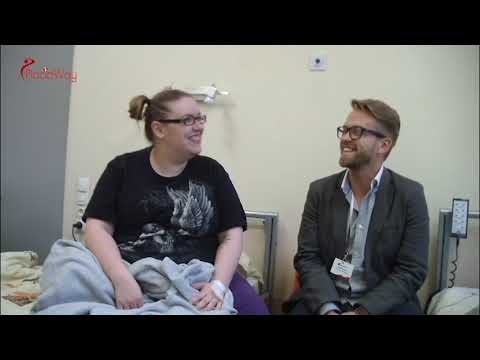
There is no better way to understand what a medical journey is really like than by listening to someone who has already walked that path. Reading firsthand experiences from other international patients can reveal subtle details about bedside manner, language barriers, and the actual recovery process in Poland. Genuine patient feedback helps you look past the clinical terms and see the human side of the care provided.

Pay attention to how previous patients describe their post-operative support, as that is a crucial part of bariatric success. Browse through the patient reviews below to gain honest insights and compare the real-world outcomes of these clinics.

It is completely normal to have a lot of questions before booking a flight for a major medical procedure. Below are some of the most common questions patients ask when considering weight loss surgery in Poland.

Is it safe to get bariatric surgery in Poland?

Yes, Poland adheres to strict European Union healthcare regulations. Private clinics catering to international patients maintain high standards of hygiene, utilize modern medical technology, and are heavily regulated by the Polish Ministry of Health.

What is the typical recovery time before I can fly home?

Most surgeons recommend staying in Poland for 7 to 10 days after your procedure. This allows the medical team to monitor your initial healing, manage any early discomfort, and clear you safely for a flight.

Do Polish bariatric surgeons speak English?

Yes, in private clinics that treat international patients, the surgeons and core nursing staff are generally fluent in English. Many packages also include a dedicated patient coordinator to assist with translation if needed.

Will my procedure be performed laparoscopically?

The vast majority of gastric sleeve and gastric bypass surgeries in Poland are performed using minimally invasive laparoscopic techniques. This approach typically results in smaller scars, less pain, and a faster overall recovery.

How does the cost in Poland compare to the UK or US?

Patients often save between 40% to 60% by traveling to Poland. While a gastric sleeve might cost upwards of £10,000 in the UK or $15,000 in the US, the same procedure in Poland generally ranges from $5,500 to $7,500.

What pre-operative tests are required in Poland?

Clinics require a comprehensive health check before surgery, usually performed a day or two before the procedure. This includes blood tests, an ECG, an abdominal ultrasound, and often a gastroscopy.

Are post-op nutritional guidelines different in Poland?

No, the dietary guidelines align with international bariatric standards. You will start on a clear liquid diet, progress to purees, and eventually move to solid foods, with a heavy emphasis on protein intake and hydration.

What happens if I experience complications after returning home?

Reputable Polish clinics provide you with detailed medical records, operative notes, and imaging in English to share with your local physician. Many also offer long-term virtual follow-ups to monitor your progress.

Can I bring a companion with me to the hospital?

Yes, having a support person is highly encouraged. Many clinic packages offer private rooms where a companion can stay with you, or they assist in booking nearby partner hotels for their convenience.

Which Polish cities are best for weight loss surgery?

Warsaw, Krakow, and Wroclaw are the primary destinations for medical tourists. These cities have major international airports, robust healthcare infrastructure, and numerous specialized bariatric centers.

How Much is a Gastric Sleeve in Poland?

The estimated gastric sleeve cost in Poland typically ranges from $5,000 to $8,000 USD (€4,500 to €7,500). This often covers the surgery, hospital stay, and basic pre-op tests, though exact prices vary based on your specific medical needs. If you are considering options for bariatric care, getting a gastric sleeve in Poland has become a frequently researched alternative for patients facing high domestic healthcare costs. As part of the European Union, the country features modern private hospitals that adhere to strict medical standards, making it a popular destination for those seeking weight loss solutions abroad. However, traveling for major surgery requires careful consideration. A sleeve gastrectomy is a permanent, life-altering procedure that removes a large portion of your stomach. It is not just about the upfront cost; you must evaluate eligibility, potential risks, necessary lifestyle changes, and how you will handle aftercare once you return home. Key Takeaways The typical estimated cost ranges from $5,000 to $8,000 USD, often significantly lower than in the US or UK. Private facilities in the region comply with stringent European Union medical and safety regulations. The surgery removes roughly 80% of the stomach, permanently restricting food intake. Patients must commit to lifelong dietary adjustments and daily vitamin supplementation. Establishing local medical follow-up before you travel is critical for managing long-term health and potential complications. 1. What is the estimated cost of a gastric sleeve in Poland? Patients generally find that a gastric sleeve costs between $5,000 and $8,000 USD, depending on the facility, surgeon experience, and the comprehensiveness of the treatment package. Pricing can fluctuate based on the specific city you visit, the length of your hospital stay, and any underlying medical conditions that might require additional monitoring. Even at the higher end of this range, the fees are often a fraction of what uninsured or underinsured patients might pay in North America or Western Europe, where prices can easily exceed $15,000 to $20,000 USD. It is crucial to request a detailed, written quote from any prospective provider. Make sure you understand exactly what is included in that price and what might be billed separately. Remember to factor in your travel expenses, accommodation for the days before and after hospitalization, and the cost of lifelong nutritional supplements. Location Estimated Average Cost (USD) Poland $5,000 - $8,000 United Kingdom $10,000 - $14,000 United States $15,000 - $25,000+ Note: The prices above are rough estimates and can vary significantly based on individual circumstances, provider, and currency exchange rates. 2. What does a bariatric surgery package usually include? Most international bariatric packages bundle the surgeon's fees, anesthesia, pre-operative testing, and the hospital stay into one transparent price to simplify the process for traveling patients. When you book treatment with a gastric sleeve clinic in Poland, the facility typically provides an all-inclusive medical itinerary. This prevents unexpected hospital bills from popping up during your stay. A standard package often features: Pre-operative blood work, EKG, and abdominal ultrasounds. Consultations with the bariatric surgeon and anesthesiologist. The surgical procedure and operating room fees. A 2 to 3-night stay in the hospital for immediate post-op monitoring. Basic post-operative medications provided upon discharge. Keep in mind that flights are rarely included in these medical packages. You will also need to budget for hotel accommodations for the recovery days spent outside the hospital before you are medically cleared to fly home. 3. Who is a suitable candidate for sleeve gastrectomy? Candidates generally need a Body Mass Index (BMI) of 35 or higher, or a BMI over 30 accompanied by obesity-related health conditions like type 2 diabetes or severe sleep apnea. Bariatric surgery is not a quick fix for minor weight loss; it is a serious medical intervention designed for individuals suffering from clinical obesity who have not found success with diet and exercise alone. Guidelines established by international medical bodies dictate who is medically appropriate for this procedure. Beyond physical measurements, successful candidates must be psychologically prepared for the massive lifestyle shifts required after surgery. You must be willing to drastically reduce portion sizes, eliminate certain foods, and commit to long-term nutritional monitoring. A thorough medical evaluation, often including a psychological screening, is required to determine your eligibility. 4. What are the medical standards like at a gastric sleeve clinic in Poland? Healthcare facilities in the country must adhere to the rigorous medical, hygiene, and patient safety regulations set forth by the European Union. Many private hospitals catering to international patients invest heavily in modern surgical technology, including advanced laparoscopic equipment designed for minimally invasive procedures. Surgeons performing these operations often hold board certifications and have trained extensively both domestically and abroad. When researching providers, you can look for clinics that hold international accreditations, such as ISO certifications, which indicate standardized quality management. English is widely spoken in the medical tourism sector, meaning you can expect clear communication with your medical team, nurses, and patient coordinators throughout your stay. 5. How should I prepare for weight loss surgery abroad? Preparation involves adopting a strict preoperative "liver-shrinking" diet, organizing your travel logistics carefully, and securing a local doctor to handle your aftercare once you return. Usually, your surgical team will require you to follow a specific high-protein, low-carbohydrate liquid diet for two to three weeks prior to your operation. This crucial step reduces fat around your liver, making it much safer for the surgeon to access your stomach during the procedure. You also need to prepare for the travel aspect. Ensure your passport is valid and check if you need a visa. Pack loose, comfortable clothing that won't irritate abdominal incisions. Most importantly, speak with your primary care physician at home before you leave. They need to be aware of your surgery so they can help monitor your blood work and overall health in the months and years following the procedure. 6. What is the typical recovery time after gastric sleeve surgery? Patients typically spend 2 to 3 nights in the hospital, followed by several days resting in a local hotel, and generally need 2 to 4 weeks off work to recover fully. Immediately after surgery, you will feel tired and likely experience some abdominal soreness and gas pain. Nurses will encourage you to stand up and walk short distances just hours after waking up; this is vital for preventing blood clots and alleviating trapped gas. You cannot fly home immediately. Most surgeons require you to stay in the country for at least 7 to 10 days post-operation. This allows them to monitor your initial healing phase, remove drains if any were used, and ensure you are tolerating liquids without issue before you endure a pressurized flight back home. 7. What are the potential risks and complications? Like all major surgeries, a gastric sleeve carries risks, including bleeding, infection, blood clots, and the serious possibility of a staple line leak. During the procedure, the surgeon cuts away a large portion of the stomach and seals the remaining "sleeve" with surgical staples. While relatively rare, a staple line leak—where stomach contents leak into the abdominal cavity—is a severe complication that requires immediate emergency medical intervention. Long-term risks are also present. Patients may experience acid reflux, strictures (narrowing of the stomach), or severe nutritional deficiencies if they fail to take their prescribed supplements. Because outcomes and risks vary by patient, it is essential to have a frank discussion with a qualified healthcare professional about your personal risk profile before committing to surgery. 8. How does medical tourism in Poland work for bariatric patients? Medical tourism in Poland is highly streamlined, with many private clinics offering dedicated coordinators who help patients navigate consultations, airport transfers, and medical appointments. The process usually begins with an online consultation. You will send your medical history, BMI details, and sometimes local test results to the clinic for an initial assessment. Once approved, the clinic will help you schedule a date for surgery. Upon arrival in cities like Warsaw, Krakow, or Wroclaw, you typically undergo a final round of in-person medical clearances before the operation proceeds. Because the country boasts excellent infrastructure and frequent flights from major European and international hubs, travel is generally straightforward for medical tourists. 9. Will I need follow-up care after returning home? Yes, comprehensive local follow-up care is absolutely critical for your long-term health, nutritional stability, and ongoing weight management. One of the biggest challenges of traveling for surgery is the geographical distance between you and your surgeon during the long-term recovery phase. While your overseas clinic may offer virtual check-ins, they cannot draw your blood or examine you physically. You must have a local healthcare provider willing to take over your post-operative care. This includes routine blood tests every few months during the first year to check for iron, calcium, and B12 deficiencies. Working with a registered dietitian who specializes in bariatrics is also highly recommended to keep you on track. 10. What dietary changes are required after a gastric sleeve? Post-surgery eating requires a strict, phased progression from clear liquids to puréed foods, eventually transitioning to small portions of solid, high-protein meals. In the first few weeks, your stomach is swollen and healing. You will consume only clear liquids, moving slowly to protein shakes and broths. Around weeks three and four, you can introduce puréed foods and soft foods, chewing everything thoroughly to avoid blockages. Long term, your meal sizes will be drastically reduced—often to just half a cup to a cup of food per sitting. You will need to prioritize eating protein first, avoid drinking water within 30 minutes of your meals to prevent flushing food out too quickly, and eliminate carbonated beverages and sugary snacks. These habits are vital for sustaining weight loss and preventing discomfort. Why Consider PlacidWay for Global Healthcare Discovery? Navigating international healthcare options requires reliable information. PlacidWay serves as a global medical tourism platform designed to help patients research their options. Here are a few factual points about what PlacidWay offers: Extensive Directory: PlacidWay provides access to a large database of medical centers, clinics, and hospitals across dozens of countries. Information Facilitation: The platform allows users to request pricing estimates and treatment details directly from international healthcare providers. Free to Browse: Patients can use the platform's resources, articles, and provider profiles without incurring subscription fees. Global Reach: PlacidWay connects individuals with facilities spanning Europe, Asia, the Americas, and the Middle East. Educational Resources: The site offers guides, articles, and patient resources regarding various medical procedures and international destinations. Frequently Asked Questions How long does the gastric sleeve surgery usually take? The procedure typically takes between one and two hours to complete under general anesthesia, though this can vary depending on individual anatomical factors and the surgeon's specific approach. Is it safe to fly after bariatric surgery in Poland? Most surgeons recommend waiting at least 7 to 10 days after your operation before flying home. You will need medical clearance from your surgical team to ensure you are healing properly and to minimize the risk of blood clots during the flight. Can I drink coffee after a gastric sleeve? You will generally need to avoid coffee and other caffeinated beverages for the first few months after surgery. Caffeine can irritate your healing stomach lining and contribute to dehydration, which is a common risk early in recovery. Will I need skin removal surgery later on? Many patients who experience significant, rapid weight loss develop excess or sagging skin. Whether you need or want contouring surgery depends on your age, genetics, skin elasticity, and how much weight you ultimately lose. Do medical staff at Polish clinics speak English? Yes, private healthcare facilities that frequently treat international patients typically employ English-speaking surgeons, nurses, and patient coordinators to ensure clear communication throughout your journey. Can a sleeve gastrectomy be reversed? No, a gastric sleeve is a permanent procedure. Because roughly 80% of the stomach is surgically removed from the body, the process cannot be reversed, making it a lifelong commitment. How much weight can I expect to lose? While individual results vary greatly, many patients lose between 50% and 70% of their excess body weight within the first 12 to 24 months. Success heavily depends on strict adherence to dietary and lifestyle changes. What happens if I overeat and stretch my stomach? If you consistently eat portions larger than recommended, your new, smaller stomach can stretch over time. This reduces the restrictive effect of the surgery and can lead to significant weight regain. Are vitamin supplements mandatory after the procedure? Yes. Because you will be eating much smaller quantities of food, you will likely need to take specific bariatric multivitamins, calcium, iron, and B12 supplements for the rest of your life to prevent nutritional deficiencies. Do Polish hospitals accept international health insurance for this? Most international patients pay out-of-pocket for bariatric surgery abroad, as private health insurance policies rarely cover elective medical tourism. You should verify your specific coverage details directly with your provider. Explore Your Bariatric Options Gathering accurate information is the first step toward making an informed medical decision. Compare treatment estimates and learn more about clinics that match your needs. Request Treatment Information References Bariatric Surgery Procedures – American Society for Metabolic and Bariatric Surgery (ASMBS) Weight loss surgery – National Health Service (NHS) Bariatric Surgery – National Institute of Diabetes and Digestive and Kidney Diseases (NIDDK) Patient Information & Guidelines – International Federation for the Surgery of Obesity and Metabolic Disorders (IFSO) Laparoscopic gastric banding/sleeve – MedlinePlus Medical Encyclopedia Cross-border healthcare – European Commission Public Health Medical Disclaimer: The information provided in this article is for educational and informational purposes only and does not constitute medical advice, diagnosis, or treatment. Outcomes, risks, recovery times, and eligibility vary significantly from patient to patient. Always consult with a qualified, licensed healthcare provider to determine if bariatric surgery is appropriate for your specific medical situation. Prices mentioned are estimated ranges and are subject to change.

Your surgical outcome is directly tied to the skill and experience of the doctor performing the procedure, so choosing the right specialist is critical. When looking for a bariatric surgeon in Poland, prioritize doctors who have specialized training in metabolic surgery and are active members of international organizations like the IFSO (International Federation for the Surgery of Obesity). A reputable doctor will always be transparent about their specific complication rates and the number of bariatric surgeries they perform annually.

Do not hesitate to ask about their specific experience with the exact type of bypass or sleeve you need. Compare the surgeon profiles below to evaluate their qualifications and find the right medical expert for your health goals.

Poland has quietly become a major destination for medical travel, especially for patients arriving from the UK, Ireland, Scandinavia, and North America. The country offers a unique blend of stringent European Union healthcare standards and deeply rooted hospitality. Cities like Warsaw, Krakow, and Wroclaw are not just medical hubs; they are culturally rich, modern destinations that offer a peaceful and safe environment for your initial surgical recovery.

Getting there is incredibly straightforward, thanks to the extensive network of budget airlines and international carriers servicing Polish airports. Most major European cities offer direct flights that take under three hours, making the travel logistics surprisingly simple for patients and their companions. Navigating the country as an English speaker is generally stress-free, particularly in urban centers and private medical facilities where bilingual staff are standard.

Flight Time (from UK)Approx. 2 to 2.5 hours
Major Medical HubsWarsaw, Krakow, Wroclaw
Local CurrencyPolish Zloty (PLN)
Entry RequirementsGenerally visa-free for UK/US short medical stays (up to 90 days)

You can expect reliable public transport, highly rated local cuisine, and comfortable accommodation options that cater specifically to recovering international patients. Review the destination details below to help plan the logistics of your medical trip to Poland.

Taking the step toward weight loss surgery is a major life decision, and organizing it in a different country can feel like a heavy lift. PlacidWay is here to help simplify that process by connecting you with accredited facilities and experienced bariatric teams in Poland. We can assist you in gathering medical records, understanding your treatment options, and coordinating the logistics of your trip so you can focus entirely on your health and recovery.

If you are ready to explore your options, we are here to provide clear, unbiased guidance every step of the way. Take a moment to compare the clinic and package options below to see which best fits your medical needs, and reach out when you are ready to begin.

References

Bariatric Surgery in Poland thumbnail

About Experience

  • Translations: EN AR
  • Price Range: $5,712 - $7,303
  • Treatment: Obesity/Bariatric Surgery
  • Location: Poland
  • Clinics: KCM Clinic - Multispecialty Center in Jelenia Gora, Poland, Medicus Clinic,
  • Packages KCM Clinic Endoscopic Sleeve Gastroplasty in Jelenia Gora, Poland, Gastric Sleeve Surgery at KCM Clinic in Jelenia Gora, Poland,
  • Overview Overcoming Obesity with Weight Loss Surgery in Poland

Trusted Medical Tourism Platform Since 2007

60+
Countries
2k+
Clinics
19.5k+
Reviews
2.5k+
Qualified Doctors
1.1M+
Patients Served Since 2007