
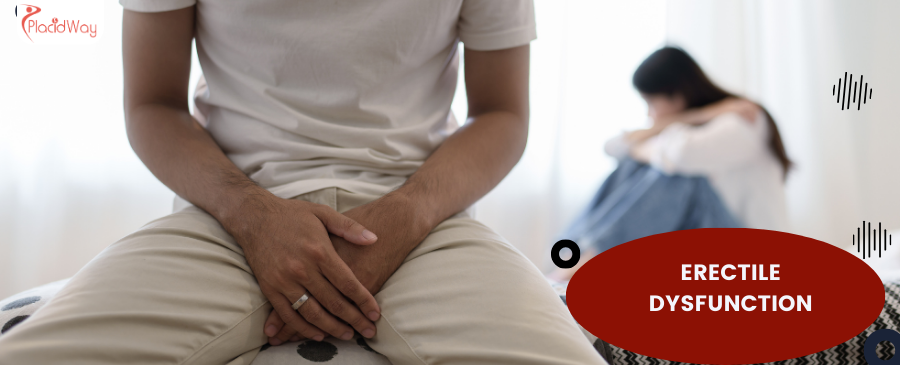
Regain Your Intimacy: Understanding and Treating Erectile Dysfunction (ED) Globally
Erectile Dysfunction (ED), often referred to as impotence, is a common condition affecting millions of men worldwide. It's defined as the consistent inability to achieve or maintain an erection firm enough for satisfactory sexual intercourse. More than just a physical challenge, ED can deeply impact a man's self-esteem, relationships, and overall quality of life. Many men discreetly search for "erection problems solutions," "can ED be cured," or "low libido male treatment," highlighting the silent struggle they face.
While discussing ED can be uncomfortable, it’s crucial to remember it’s a medical condition, not a personal failing. The good news is that effective treatments are available, offering renewed hope and confidence. From simple lifestyle adjustments to advanced surgical solutions, there's a path forward for almost everyone. However, the cost and accessibility of these treatments can vary significantly. This is where medical tourism for Erectile Dysfunction comes into play, offering a compelling option for those seeking high-quality, affordable care in a discreet environment.
This comprehensive guide will explore everything you need to know about ED – from its symptoms and causes to the array of treatment options available. We'll specifically delve into why seeking ED treatment abroad has become a viable and attractive choice for many, providing insights into international costs, top destinations, and how to ensure a safe and successful medical journey.
What are the common symptoms of Erectile Dysfunction (ED)?
Recognizing the signs of Erectile Dysfunction is the first step toward seeking help. While occasional erection difficulties are normal, especially under stress, consistent problems warrant attention. Common symptoms include:
- Difficulty getting an erection: You may find it hard to become aroused or for your penis to get firm enough for penetration.
- Difficulty maintaining an erection: Even if you achieve an erection, it may not last long enough for satisfactory sexual intercourse.
- Reduced sexual desire: Sometimes, men with ED may also experience a decrease in their libido or interest in sex, often due to frustration or anxiety surrounding their performance.
These symptoms can manifest differently for everyone. Some men might experience a complete inability to achieve an erection, while others might notice a decline in the firmness or duration of their erections. Many also report significant anxiety or stress related to their sexual performance, which can further exacerbate the problem, creating a challenging cycle.
What causes Erectile Dysfunction (ED) and what are the risk factors?
Understanding the root causes of ED is crucial for effective treatment. ED isn't just "in your head"; it's frequently linked to underlying health conditions. Here are the main culprits:
Physical Causes:
- Cardiovascular Disease: Conditions that affect blood flow, like atherosclerosis (hardening of the arteries), high blood pressure, and high cholesterol, are major contributors to ED as they restrict blood flow to the penis.
- Diabetes: This disease can damage nerves and blood vessels throughout the body, including those vital for erections. Many men search for "diabetes and ED connection."
- Obesity: Excess weight can lead to vascular disease, inflammation, and hormonal imbalances, all of which contribute to ED.
- Hormonal Imbalances: Low testosterone levels ("low T and ED") can impact libido and erectile function.
- Neurological Conditions: Diseases like Parkinson's, multiple sclerosis (MS), or spinal cord injuries can interfere with nerve signals necessary for an erection.
- Certain Medications: Antidepressants, antihistamines, blood pressure drugs, and prostate cancer medications can have ED as a side effect.
- Lifestyle Factors: Smoking, excessive alcohol consumption, and drug abuse can damage blood vessels and reduce blood flow.
Psychological Causes:
- Stress and Anxiety: Work pressure, financial worries, or performance anxiety can significantly affect your ability to get and maintain an erection. Many look for "stress related ED."
- Depression: This mental health condition, along with its treatments, can dampen sexual desire and function.
- Relationship Problems: Unresolved conflicts or poor communication with a partner can contribute to ED.
Often, a combination of these factors is at play, making a comprehensive diagnosis essential.
What types of treatments are available for Erectile Dysfunction?
Fortunately, advancements in medicine mean there are numerous effective treatments for ED. The best option depends on the underlying cause, your overall health, and personal preferences. Common "ED treatment options" include:
- Oral Medications (PDE5 Inhibitors): Drugs like sildenafil (Viagra), tadalafil (Cialis), vardenafil (Levitra), and avanafil (Stendra) are often the first line of treatment. They enhance the effects of nitric oxide, a natural chemical your body produces that relaxes muscles in the penis, increasing blood flow.
- Vacuum Erection Devices (VEDs): These are external pumps that create a vacuum around the penis, drawing blood into it to create an erection. A constriction ring is then placed at the base of the penis to maintain the erection.
- Penile Injections (Alprostadil): Medications like alprostadil can be injected directly into the side of the penis, causing it to engorge with blood and produce an erection. This is a very effective option for many.
- Urethral Suppositories (Alprostadil): A small pellet containing alprostadil is inserted into the urethra. This is another way to deliver the medication to the penis.
- Penile Implants (Prosthesis): For men who don't respond to other treatments, surgical implantation of a penile prosthesis is a highly effective and permanent solution. There are two main types:
- Inflatable Implants: These devices consist of inflatable cylinders placed inside the penis, a pump in the scrotum, and a fluid reservoir in the abdomen. Squeezing the pump inflates the cylinders, creating an erection.
- Malleable Implants: These consist of bendable rods implanted in the penis, allowing manual positioning for sexual activity.
- Lifestyle Changes: Improving diet, exercising regularly, losing weight, quitting smoking, and reducing alcohol intake can significantly improve ED symptoms, especially in milder cases.
- Psychological Counseling: For ED with psychological roots, therapy can help address stress, anxiety, or relationship issues.
Am I eligible for Erectile Dysfunction treatment, and who is it for?
If you're asking "when to see a doctor for ED" or "am I a candidate for penile implant," the answer is simple: if ED consistently impacts your quality of life, it's time to seek medical advice. Eligibility for specific treatments depends on several factors:
- Diagnosis: A doctor will conduct a thorough medical history, physical exam, and potentially blood tests to identify underlying conditions like diabetes, heart disease, or hormonal imbalances.
- Overall Health: Your general health, including any chronic conditions or medications you take, will influence which treatments are safe and effective for you. For instance, men with severe heart conditions might not be suitable for certain oral medications.
- Response to Less Invasive Treatments: Often, doctors will start with lifestyle changes and oral medications. If these aren't effective, more advanced options like injections or implants are considered.
- Personal Preference: Your comfort level with different treatment methods also plays a significant role in deciding the best course of action.
Generally, if you are a healthy adult male experiencing consistent erection difficulties, you are likely eligible for some form of ED treatment. A specialist, typically a urologist, will guide you through the diagnostic and treatment selection process.
What is the typical recovery time and what can I expect after ED treatment?
The "recovery time for ED treatment" is highly dependent on the chosen method:
- Oral Medications, Injections, and VEDs: These treatments offer near-immediate effects, allowing for sexual activity within minutes to hours of use. There's no significant "recovery period" in the traditional sense, though some may experience minor side effects that resolve quickly.
- Penile Implant Surgery: This is a more involved procedure with a distinct recovery phase.
- Initial Days: You can expect some pain, swelling, and bruising in the penis and scrotum for the first few days after surgery. Pain medication will be prescribed to manage discomfort.
- First Few Weeks: Most men can return to light activities and non-strenuous work within a week. Swelling gradually subsides. Your surgeon will provide specific instructions on caring for the surgical site.
- Return to Sexual Activity: Typically, sexual activity is advised against for about 4 to 6 weeks post-surgery to allow for proper healing and integration of the implant. After this period, you will be instructed on how to use the implant and can gradually resume sexual activity.
After any treatment, follow-up appointments are crucial to ensure the treatment is effective and to address any concerns. The goal is to restore satisfactory sexual function and improve your quality of life.
What are the potential risks and side effects of Erectile Dysfunction treatments?
Like all medical interventions, ED treatments come with potential "side effects of ED pills" or "risks of penile implant" that you should discuss with your doctor:
- Oral Medications (PDE5 Inhibitors):
- Common: Headache, flushing, indigestion, nasal congestion, visual disturbances (blue tinge), back pain (especially with Cialis).
- Less Common but Serious: Sudden vision loss, sudden hearing loss, priapism (an erection lasting more than 4 hours, which is a medical emergency).
- Penile Injections and Urethral Suppositories:
- Common: Pain or aching in the penis, bruising, scarring at the injection site.
- Less Common: Priapism, dizziness, lightheadedness.
- Vacuum Erection Devices (VEDs):
- Common: Bruising, numbness, coldness, or pain in the penis.
- Less Common: Trapping of blood in the penis causing discomfort.
- Penile Implant Surgery:
- Common: Pain, swelling, and bruising after surgery.
- Less Common but Serious: Infection (requires removal of the implant), mechanical malfunction of the device, erosion of the implant through the skin, damage to nerves or blood vessels, sensation changes.
A thorough consultation with your surgeon or doctor is essential to understand all potential risks and benefits specific to your chosen treatment.
How do the costs of Erectile Dysfunction treatment compare worldwide?
For many, the "cost of ED treatment" is a significant factor, especially when insurance coverage is limited or non-existent. This is where "medical tourism for ED" offers a compelling advantage. The price of advanced procedures like penile implant surgery can vary dramatically depending on the country, the clinic's reputation, the surgeon's experience, and the type of implant used. The table below illustrates typical cost ranges for penile implants, providing a general idea of "ED treatment prices worldwide":
| Treatment Type | USA / Canada | Western Europe | Mexico | Turkey | India | Thailand |
|---|---|---|---|---|---|---|
| Penile Implant (2-piece) | $15,000 - $25,000 | $12,000 - $20,000 | $8,000 - $15,000 | $7,000 - $14,000 | $6,000 - $12,000 | $7,000 - $13,000 |
| Penile Implant (3-piece) | $20,000 - $30,000 | $18,000 - $25,000 | $10,000 - $18,000 | $9,000 - $17,000 | $8,000 - $15,000 | $9,000 - $16,000 |
Note: These are estimated ranges and can vary based on the specific clinic, surgeon, brand of implant, and included services. Always get a detailed quote.
Why should I consider having my Erectile Dysfunction procedure abroad?
Many individuals are now exploring "ED treatment overseas" for compelling reasons beyond just cost:
- Cost-Effectiveness: As seen above, the financial savings for procedures like penile implants can be substantial, making treatment accessible where it might otherwise be prohibitively expensive. This is often the primary driver for those searching for "affordable ED surgery."
- Access to Specialist Expertise: Many international clinics boast world-renowned urologists and microsurgeons who specialize in ED treatments, offering advanced techniques and extensive experience.
- Reduced Waiting Times: In some countries, public healthcare systems can have long waiting lists for non-urgent procedures. Medical tourism can provide quicker access to necessary care.
- Privacy and Discretion: For a sensitive procedure like ED treatment, traveling abroad can offer a level of privacy that might be harder to achieve at home, allowing for a more discreet recovery.
- High-Quality Care and Facilities: Many leading medical tourism destinations have state-of-the-art hospitals and clinics that are internationally accredited, ensuring high standards of care.
- Combined with Travel: The opportunity to combine treatment with a relaxing recovery period in an appealing tourist destination can reduce stress and aid the healing process. Many patients report positive "patient success stories from abroad" due to comprehensive care and a supportive environment.
Which countries offer the best value and quality for ED treatments?
When searching for the "best countries for ED surgery" or "top hospitals for penile implant abroad," certain destinations frequently emerge as leaders:
- Mexico: Due to its proximity to the United States and Canada, Mexico is a popular choice for North Americans. Cities like Tijuana, Cancun, and Guadalajara offer modern, accredited hospitals with experienced urologists at significantly lower costs.
- Turkey: Istanbul and Ankara are home to numerous JCI-accredited hospitals (Joint Commission International) that offer advanced urological procedures, including penile implants, with a strong focus on patient care and often all-inclusive packages.
- India: Renowned for its high-quality medical services at very affordable prices, India has a large pool of highly skilled surgeons and state-of-the-art facilities, particularly in cities like Delhi, Mumbai, and Chennai.
- Thailand: With its world-class hospitals and a reputation for excellent patient hospitality, Thailand (especially Bangkok and Phuket) provides a holistic medical tourism experience, combining quality care with a relaxing recovery.
- Colombia: Emerging as a strong contender, cities like Medellin offer excellent medical infrastructure, highly trained surgeons, and cost-effective treatment options.
These countries have invested heavily in their healthcare infrastructure, attracting international patients by offering a balance of quality, affordability, and accessibility.
How can I ensure safety and quality when seeking ED treatment abroad?
Ensuring "safe ED treatment abroad" is paramount. While medical tourism offers many benefits, diligence is key. Here’s how to navigate the process:
- Accreditation Matters: Look for hospitals and clinics that have international accreditations, such as those from the Joint Commission International (JCI). This signifies adherence to global standards of patient safety and quality of care.
- Verify Surgeon Credentials: Research your surgeon's qualifications, experience, and specialization in urology and ED procedures. Check their board certifications and professional memberships.
- Read Patient Reviews and Testimonials: Genuine feedback from previous patients can offer valuable insights into the quality of care, patient experience, and outcomes. Look for "patient success stories from abroad" specifically related to ED.
- Transparent Communication: Ensure the clinic provides clear and comprehensive information regarding the procedure, risks, recovery, and total cost (including all associated fees). Language barriers should be addressed, ideally with interpreters if needed.
- Pre-operative Consultation: Request a virtual consultation with your surgeon before traveling. This allows you to ask questions, understand the treatment plan, and assess their expertise.
- Post-operative Care Plan: Discuss the post-operative care, follow-up appointments, and how any complications would be handled, both locally and after you return home.
- Consider a Medical Tourism Facilitator: Companies like PlacidWay specialize in connecting patients with reputable international healthcare providers. They can assist with vetting clinics, coordinating travel, accommodation, and providing support throughout your journey, simplifying "choosing overseas ED clinic" and ensuring a smooth experience. They help manage "what to expect when traveling for this procedure" from start to finish.
By taking these steps, you can significantly enhance your safety and ensure you receive high-quality care for your ED treatment abroad.
Take the Next Step with PlacidWay
Ready to explore treatment options abroad? Discover top clinics, compare prices, and get a free quote tailored to your needs with PlacidWay.
Urology Abroad | Best Urology Center



.png)


Share this listing