


The Complete Guide to Soft Tissue Lasers: A Gentler, Precision-Driven Way to Treat Your Gums
About this video: Gum health is the foundational pillar of a beautiful, lasting smile, yet the mere thought of traditional gum surgery is often enough to keep patients away from the dentist's chair. For decades, treating periodontal disease or reshaping an uneven gum line meant facing scalpels, sutures, and prolonged, uncomfortable recovery times. The anxiety associated with traditional periodontal therapy has caused countless individuals to delay essential oral healthcare, leading to worsening conditions and eventual tooth loss.
But what if there was a gentler, far more precise alternative? Enter the soft tissue laser—a revolutionary advancement in modern dentistry that is completely transforming how we treat our gums. By harnessing highly focused light energy, laser dentistry offers a virtually painless experience with significantly faster healing. In this comprehensive guide, we will explore how advanced soft tissue laser technology is making invasive, painful gum procedures a thing of the distant past.
Video Chapters & Quick Navigation
The Evolution of Periodontal Care and the Rise of Lasers
Historically, treating severe gum disease or addressing cosmetic gum issues required highly invasive surgical techniques. Periodontists and oral surgeons relied exclusively on stainless steel scalpels to physically cut away diseased tissue or reshape the gum line. This traditional approach, while effective, inevitably resulted in significant bleeding, required cumbersome sutures, and mandated a long, painful recovery period for the patient.
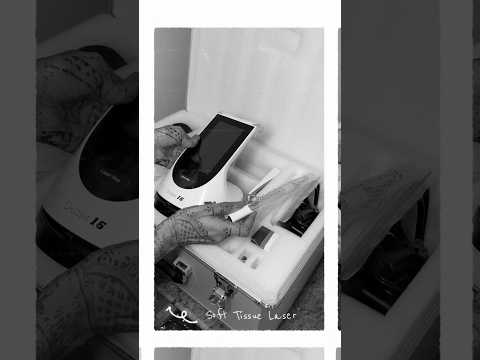
As medical technology advanced, the dental industry actively sought ways to minimize patient trauma while maximizing clinical outcomes. This pursuit led to the integration of specialized diode lasers into everyday dental practice. As perfectly illustrated early in the video at [00:09], modern, forward-thinking clinics are now unboxing compact, highly sophisticated soft tissue laser devices. These devices have effectively replaced outdated surgical tools, offering a minimally invasive alternative that prioritizes both precision and profound patient comfort.
The transition from mechanical cutting to light-based tissue ablation represents one of the most significant leaps forward in the history of periodontics. Today, high-end dental practices consider the soft tissue laser an absolute necessity rather than a luxury, ensuring that their patients receive the highest standard of modern care available.
The Fascinating Science Behind Soft Tissue Laser Technology
To truly appreciate the benefits of laser dentistry, it is vital to understand the underlying physics. The term "laser" is actually an acronym for Light Amplification by Stimulated Emission of Radiation. In the context of a soft tissue dental laser, the device emits a highly concentrated, incredibly focused beam of light energy at a very specific wavelength.
Targeting Tissue with Specific Wavelengths
Not all dental lasers are created equal. Hard tissue lasers are designed to cut through tooth enamel, but soft tissue lasers operate on an entirely different spectrum. As clearly visible on the device's digital interface at [00:18], these specific diode lasers often operate around the 976nm wavelength. This specific optical frequency is highly absorbed by melanin and hemoglobin (the primary components of blood and gum tissue).
Because the laser energy is naturally drawn to these specific biological pigments, it interacts seamlessly with the gums, cheeks, and tongue while completely ignoring the hard structures of the teeth and underlying bone. This creates an incredibly safe surgical environment. When the concentrated light energy contacts the soft tissue, it instantly vaporizes the targeted cells in a process called ablation, resulting in a perfectly clean, highly controlled cut.
Demystifying Gingivoplasty and Cosmetic Gum Reshaping
One of the most popular and transformative procedures performed with a soft tissue laser is Gingivoplasty. In the video at [00:21], the surgeon specifically selects the "Gingivoplasty" setting on the touch screen interface, highlighting its prevalence in aesthetic dentistry. But what exactly does this procedure entail?
Gingivoplasty is the surgical reshaping and contouring of healthy gum tissue for primarily cosmetic, physiological, or functional purposes. Many individuals suffer from what is commonly known as a "gummy smile," a condition where an excessive amount of gum tissue covers the teeth, making the teeth appear abnormally short or disproportionate. This can severely impact a person's self-esteem and willingness to smile openly.
Sculpting the Perfect Smile Frame
Using the laser, a skilled cosmetic dentist can meticulously sculpt the gum line, gently removing the excess tissue to reveal more of the natural tooth crown. Think of the gums as the frame around a beautiful painting; if the frame is uneven or too large, it detracts from the art itself. The laser acts as an ultra-fine paintbrush, allowing the dentist to create perfect symmetry and balance across the entire smile.
Furthermore, gingivoplasty is frequently used in conjunction with orthodontic treatments or before placing porcelain veneers and crowns. By evening out the soft tissue margins first, the dentist ensures that the final restorative work looks perfectly natural and structurally sound.
The Unmatched Clinical Benefits of Laser Gum Treatment
The rapid adoption of soft tissue lasers by elite dental professionals is driven by a long list of profound clinical advantages. These benefits radically improve not only the surgeon's workflow but, more importantly, the patient's overall health and comfort.
- Immediate Hemostasis (Bloodless Surgery): As the laser ablates the tissue, the heat instantly cauterizes and seals exposed blood vessels. As beautifully demonstrated at [00:27], the procedure is virtually bloodless. This gives the dentist a perfectly clear field of vision and prevents the patient from swallowing excess blood.
- Natural Sterilization: The high-energy light beam effectively destroys bacteria, viruses, and pathogens on contact. By sterilizing the surgical site in real-time, the laser drastically reduces the risk of post-operative infections and complications.
- Minimized Need for Anesthesia: Because the laser seals nerve endings as it cuts, pain transmission is heavily blocked. Many minor laser procedures require only a topical numbing gel, completely eliminating the need for terrifying local anesthetic injections.
- Zero Need for Sutures: The cauterization process promotes rapid blood clotting and initial tissue sealing. Consequently, stitches are almost never required after a soft tissue laser procedure, saving the patient from uncomfortable pulling sensations and mandatory follow-up removal appointments.
Traditional Scalpel Surgery vs. Modern Laser Dentistry
To fully grasp the magnitude of this technological upgrade, it is incredibly helpful to compare traditional scalpel-based periodontics side-by-side with modern laser dentistry. The differences in patient experience and recovery are night and day.
| Feature | Traditional Scalpel Surgery | Soft Tissue Laser Surgery |
|---|---|---|
| Bleeding & Vision | Moderate to heavy bleeding; obscures the surgeon's field of vision. | Virtually no bleeding; instant cauterization provides a perfectly clear view. |
| Anesthesia Required | Deep local anesthesia via injection is absolutely mandatory. | Often requires only topical numbing gel, avoiding needle injections. |
| Sutures (Stitches) | Always required to close the wound and stop bleeding. | Rarely required; the tissue seals itself naturally during the procedure. |
| Infection Risk | Higher risk due to open wounds and manual tissue manipulation. | Extremely low; the high-energy light sterilizes the surgical pocket instantly. |
| Recovery Timeline | 7 to 14 days of swelling, pain, and heavily restricted eating. | 24 to 48 hours with minimal to zero swelling or postoperative discomfort. |
Step-by-Step: The Patient Experience in the Laser Chair
If you have never experienced laser dentistry before, you might be wondering exactly what happens during an appointment. The process is remarkably streamlined and focused heavily on patient safety and comfort. Upon sitting in the dental chair, the very first step is ensuring eye protection. Because the laser emits intense, focused light, both the patient and the dental staff must wear specialized protective glasses, a crucial safety protocol distinctly visible at [00:14].
Next, the dentist configures the machine. The laser is not a "one size fits all" tool; it is a highly calibrated medical instrument. The dentist inputs precise parameters based on the specific tissue type and procedure. We can see the screen displaying settings like "Peak Power 3.00W" and a "Time of 20S" at [00:21]. This level of digital control guarantees that the exact amount of necessary energy is delivered without damaging surrounding healthy tissue.
During the actual ablation phase, the dentist uses a fine, pen-like handpiece to direct the laser tip precisely over the gums. Unlike a scalpel, the laser tip does not require heavy physical pressure or aggressive sawing motions. It glides smoothly over the tissue. Patients typically report feeling absolutely nothing, or at most, a very faint, warm tingling sensation as the laser works its magic.
Advanced Laser Applications Beyond Simple Reshaping
While gingivoplasty is a fantastic cosmetic application, the versatility of the soft tissue laser extends far beyond just making smiles look prettier. It is a formidable weapon in the ongoing fight against severe oral diseases and functional abnormalities.
Laser Periodontal Therapy (Treating Gum Disease)
For patients suffering from periodontitis (advanced gum disease), deep pockets of aggressive bacteria form below the gum line, threatening to destroy the bone holding the teeth in place. Traditional treatment involved physically slicing the gums open to scrape the roots clean. Today, a soft tissue laser can be slipped directly into these periodontal pockets. The laser instantly vaporizes the diseased, inflamed tissue lining the pocket and destroys the underlying bacterial colonies, leaving the healthy tissue completely unharmed and primed for reattachment.
Frenectomies and Lesion Treatment
Soft tissue lasers are also the gold standard for performing frenectomies—the removal of tight tissue bands (frenums) that cause tongue-ties or gaps between front teeth. In children and infants, a laser frenectomy takes mere seconds, involves no bleeding, and allows babies to nurse immediately afterward. Furthermore, lasers are incredibly effective at neutralizing painful cold sores and aphthous ulcers. A quick 60-second laser exposure instantly kills the viral components, immediately eliminating pain and cutting the healing time of the sore in half.
The Biological Magic of Photobiomodulation and Accelerated Healing
Perhaps the most incredible, yet least talked about, benefit of soft tissue laser dentistry is a biological phenomenon known as photobiomodulation (sometimes called Low-Level Laser Therapy or LLLT). When the specific wavelengths of the laser penetrate the deeper layers of the soft tissue, they do much more than just cut or cauterize.
The light energy interacts directly with the mitochondria (the powerhouses) of your cells. This interaction rapidly stimulates the production of Adenosine Triphosphate (ATP), which is essentially the cellular fuel required for tissue repair. By supercharging your cells with ATP, the laser dramatically accelerates the natural regeneration process. It actively reduces harmful inflammation, encourages fresh blood flow to the surgical site, and triggers faster collagen production.
This biological magic is the exact reason why laser gum surgery patients experience exponentially faster healing timelines. A traditional scalpel wound might take up to two weeks of careful, painful management to close properly. In contrast, laser-treated gums often look entirely normal and feel completely painless within just 24 to 48 hours.
Overcoming Dental Anxiety Through Technological Innovation
We cannot discuss the rise of laser dentistry without addressing the massive psychological barrier of dental phobia. Millions of people around the globe actively avoid necessary dental care simply because they are terrified of the tools involved. The shrill, high-pitched whine of a dental drill, the sharp pressure of an anesthetic syringe, and the visceral thought of a metal scalpel cutting into their gums are enough to induce severe panic attacks.
The soft tissue laser is the ultimate antidote to this deeply rooted anxiety. The device operates in near-total silence, emitting only a soft, reassuring electronic beep to indicate it is active. There is no aggressive friction, no bone-rattling vibration, and importantly, no traumatic sight of blood. By removing the sensory triggers associated with traditional surgery, laser dentistry provides a deeply calming, stress-free environment. Patients who have avoided the dentist for decades find themselves comfortably receiving complex periodontal treatments without a hint of fear.
Post-Operative Care: What to Expect After Laser Surgery
While the laser does the heavy lifting to ensure a smooth recovery, patients still play a vital role in the aftercare process. Because the trauma to the tissue is so minimal, the post-operative instructions are incredibly simple and easy to follow, allowing you to return to your normal daily routine almost immediately.
- Dietary Adjustments: For the first 24 to 48 hours, it is highly recommended to stick to a soft diet. Avoid incredibly spicy, highly acidic, or aggressively crunchy foods (like chips or hard nuts) that could mechanically irritate the healing tissue.
- Gentle Oral Hygiene: You must continue to brush and floss your teeth to maintain overall oral health, but exercise extreme caution around the newly treated gum area. Use an ultra-soft bristle brush and avoid harsh, alcohol-based mouthwashes. Instead, gently rinse your mouth with a warm saltwater solution to naturally soothe the gums and keep the area pristine.
- Pain Management: Because the laser seals the nerve endings, severe post-operative pain is incredibly rare. If any mild discomfort or slight swelling occurs, standard over-the-counter anti-inflammatory medications like Ibuprofen are typically more than enough to manage it. Strong prescription painkillers are almost never required.
Making a Vital Investment in Your Long-Term Oral Health
Embracing advanced soft tissue laser treatments is an investment in both your physical well-being and your peace of mind. While clinics utilizing state-of-the-art laser technology may have slightly higher initial fees compared to those using outdated scalpel methods, the true value becomes overwhelmingly apparent when you consider the complete picture.
You are investing in a procedure that significantly reduces your time spent in the dental chair. You are avoiding the cost of expensive prescription pain medications and eliminating the need to take multiple days off work to recover in bed. You are choosing a treatment path with drastically lower risks of infection, guaranteed superior aesthetic results, and a pain-free experience.
The precision, comfort, and remarkable healing capabilities of the soft tissue laser represent the absolute pinnacle of modern periodontal care. By choosing a provider equipped with this revolutionary technology, you are taking a proactive, empowered step toward securing a vibrant, healthy, and flawlessly contoured smile for years to come.
Ready to Experience Painless Laser Dentistry?
Stop letting the fear of painful, outdated surgery keep you from achieving the perfect gum line and optimal oral health. Discover the comfort and precision of advanced soft tissue laser treatments at a top-tier clinic near you.
Book Your Laser Consultation TodayView Video Event Transcript
Note: This video features a visual demonstration with background music and on-screen text, rather than spoken dialogue.
[00:00] Logo display: Trikaaya Care - For You Always.
[00:05] Dr. Suman Gupta, Dentist, prepares the patient in the dental chair in a modern, high-rise clinic setting.
[00:09] Opening the secure metallic case to reveal the advanced soft tissue laser equipment.
[00:14] Dr. Suman Gupta places protective laser safety glasses on both herself and the patient.
[00:18] The surgeon interacts with the DBA digital touch screen, navigating the menu.
[00:21] Setting selected: Gingivoplasty. Parameters configured to Peak Power 3.00W, Frequency 10Hz, Time 20S, Energy 30.00J.
[00:24] The fine laser tip is shown in a close-up, gently contouring the patient's gum tissue around a molar.
[00:27] On-screen text appears: "Done with PRECISION," highlighting the bloodless, accurate nature of the laser cut.
[00:30] Final on-screen call to action text: "Book your Appointment now" displayed over the clinical team finishing the procedure.




.png)










Share this listing