
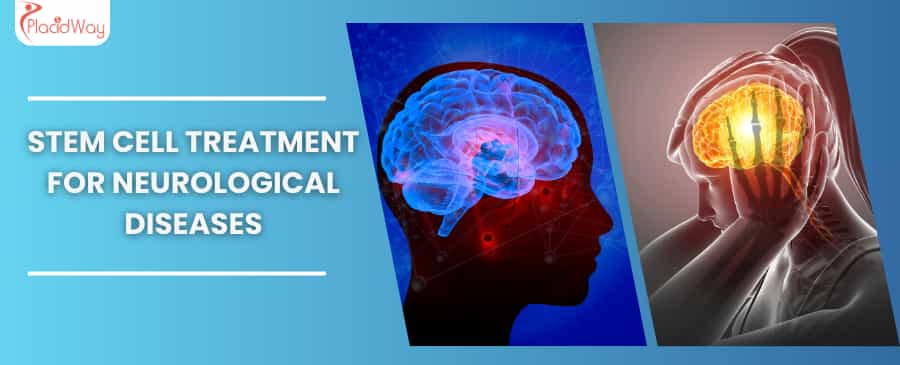
Regain Hope: Advanced Stem Cell Treatment for Neurological Diseases
Living with a neurological disease can be an incredibly challenging journey, often marked by a progressive loss of function, independence, and quality of life. Conditions like Parkinson's disease, Multiple Sclerosis (MS), Alzheimer's disease, and the aftermath of a stroke can slowly erode one's ability to move, think, and interact with the world. The search for effective treatments is not just about managing symptoms; it's about finding hope for regeneration, repair, and a return to a fuller life.
For many, traditional therapies offer limited relief or simply slow the inevitable progression. This has led to a growing interest in innovative, regenerative approaches, particularly stem cell treatment for neurological diseases. This cutting-edge therapy holds the promise of going beyond symptom management, aiming to repair damaged tissues and restore lost neurological function.
Stem cell therapy leverages the unique ability of stem cells to differentiate into various cell types and to promote healing, reduce inflammation, and protect existing neurons. For individuals facing the debilitating impact of conditions affecting the brain and nervous system, it represents a beacon of potential for improved motor skills, cognitive function, and overall well-being. This guide delves into how stem cell treatments are addressing these complex conditions, explores what patients can expect, and provides crucial information for those considering pursuing these therapies, especially in the context of medical tourism.
What are the common symptoms and causes of neurological diseases?
Neurological diseases encompass a vast array of conditions that affect the brain, spinal cord, and nerves throughout the body. The symptoms experienced can be incredibly varied and often progressive, depending on which part of the nervous system is impacted. Common symptoms patients search for and experience include:
- Motor Function Issues: Tremors (as in Parkinson's), muscle weakness, spasticity, paralysis, difficulty with coordination and balance, and speech impediments.
- Cognitive Decline: Memory loss, confusion, difficulty with problem-solving, attention deficits, and changes in personality (common in Alzheimer's and other dementias).
- Sensory Disturbances: Numbness, tingling, chronic pain, altered sensation, or loss of sensation.
- Autonomic Dysfunctions: Problems with bladder control, digestion, heart rate regulation, and blood pressure.
- Seizures: Uncontrolled electrical activity in the brain.
- Fatigue: Profound and often debilitating tiredness that isn't relieved by rest.
The causes of neurological diseases are equally diverse. They can stem from a complex interplay of factors:
- Genetic Predisposition: Many conditions, like Huntington's disease or certain forms of Parkinson's and Alzheimer's, have a genetic link.
- Autoimmune Disorders: In diseases like Multiple Sclerosis (MS), the body's immune system mistakenly attacks healthy nerve cells or their protective myelin sheath.
- Infections: Viruses (e.g., meningitis, encephalitis) or bacteria can cause significant neurological damage.
- Traumatic Injury: Head injuries or spinal cord injuries can lead to long-term neurological impairments.
- Environmental Factors: Exposure to toxins or certain lifestyle choices can contribute to disease development.
- Age-Related Degeneration: As we age, nerve cells can naturally degenerate, contributing to conditions like Parkinson's and Alzheimer's.
- Vascular Issues: Blocked or ruptured blood vessels in the brain can lead to strokes, causing brain damage and neurological deficits.
Understanding these symptoms and causes is the first step in seeking appropriate and effective treatment, including exploring advanced options like stem cell therapy.
How do stem cells work and what types of treatments are available for neurological conditions?
Stem cells are unique biological cells that have the remarkable ability to develop into many different cell types and to self-renew. In the context of neurological diseases, their therapeutic potential lies in several key mechanisms:
- Neuroprotection: They release growth factors and cytokines that protect existing neurons from further damage.
- Immunomodulation & Anti-inflammation: Stem cells can regulate the immune system and reduce chronic inflammation, which is a major contributor to many neurological conditions like MS.
- Regeneration & Repair: They can differentiate into new neurons, glial cells (which support neurons), or blood vessels, directly replacing damaged tissue or promoting natural repair processes.
- Angiogenesis: They can stimulate the formation of new blood vessels, improving blood flow and nutrient delivery to affected brain regions, crucial after conditions like stroke.
Several types of stem cells are utilized, with Mesenchymal Stem Cells (MSCs) being the most common due to their accessibility, immunomodulatory properties, and low ethical concerns. MSCs can be sourced from a patient's own bone marrow or adipose (fat) tissue (autologous) or from healthy donors, often from umbilical cord tissue (allogeneic).
Types of stem cell treatments available for neurological conditions include:
- Autologous Stem Cell Therapy: Cells are harvested from the patient's own body (e.g., bone marrow, adipose tissue), processed, and then re-introduced. This minimizes the risk of immune rejection.
- Allogeneic Stem Cell Therapy: Cells are derived from a donor, often from umbilical cord blood or tissue. These are generally immune-privileged, meaning they are less likely to cause a significant immune response.
- Neural Stem Cell Therapy: While still largely experimental, these cells have a higher propensity to differentiate into neurons and glial cells, offering more direct repair of neurological tissue.
The method of delivery is critical for neurological conditions:
- Intravenous (IV) Infusion: The most common and least invasive method, where stem cells are administered directly into the bloodstream.
- Intrathecal (Lumbar Puncture): Cells are injected directly into the cerebrospinal fluid surrounding the spinal cord, allowing them to bypass the blood-brain barrier and reach the central nervous system more directly.
- Stereotactic Intracerebral Injection: In highly specialized cases, cells may be directly injected into specific brain regions, though this is a more invasive surgical procedure.
The choice of cell type and delivery method depends on the specific neurological condition, its severity, and the clinic's expertise.
Am I a suitable candidate for stem cell treatment for neurological diseases?
Determining eligibility for stem cell treatment is a crucial first step and requires a thorough medical evaluation by specialists. While each clinic and treatment protocol may have specific criteria, general considerations include:
- Diagnosis Confirmation: A definitive diagnosis of the neurological disease (e.g., Parkinson's, MS, stroke recovery, neuropathy) and its stage is essential.
- Overall Health: Candidates should generally be in good health, free from active infections, uncontrolled chronic diseases (like severe diabetes or heart disease), or certain types of cancer.
- Age: While there isn't a strict age limit, very elderly patients or those with severe comorbidities might have higher risks or less predictable outcomes.
- Realistic Expectations: It's vital for patients to understand that stem cell therapy is not a universal cure, but rather a treatment aimed at improving symptoms, slowing progression, or restoring some function. Outcomes can vary significantly.
- Stability of Condition: Some clinics prefer patients with stable disease, while others may consider those with progressive or advanced conditions if conventional treatments have failed.
- Contraindications: Patients with certain conditions, such as active malignancy, severe immunosuppression, or a history of allergic reactions to cellular products, may be excluded.
A typical eligibility assessment involves a review of your complete medical history, diagnostic imaging (MRI, CT scans), neurological examinations, and possibly blood tests. Reputable clinics prioritize patient safety and will only recommend treatment if it is deemed potentially beneficial and safe for the individual.
What is the recovery process and what can I expect after stem cell therapy?
The recovery process following stem cell therapy for neurological diseases can be broadly divided into immediate post-procedure and long-term expectations:
Immediate Recovery:
- Duration: For minimally invasive procedures like intravenous (IV) infusions or intrathecal (lumbar puncture) injections, patients often experience minimal downtime. They may be observed for a few hours or a day and then discharged. If bone marrow aspiration is performed, some soreness at the harvest site might occur.
- Side Effects: Mild side effects such as fatigue, headache, or low-grade fever are possible but usually resolve within a day or two. Pain or discomfort at the injection site is also common.
- Activity: Most patients can resume light activities shortly after treatment, though strenuous exercise might be advised against for a short period.
Long-Term Expectations and Recovery:
- Gradual Improvement: Unlike immediate results, the therapeutic effects of stem cell therapy often manifest gradually over weeks or even months. Stem cells work by initiating repair processes, modulating inflammation, and promoting regeneration, which takes time.
- Variable Outcomes: The extent and speed of improvement vary significantly among individuals, depending on the disease, its severity, and the patient's overall health. Some may experience significant improvements in motor function, cognitive abilities, or reduced pain, while others may only see a slowing of disease progression.
- Follow-up and Rehabilitation: Post-treatment follow-up with the clinic and ongoing rehabilitation (physical therapy, occupational therapy, speech therapy) are crucial to maximize potential benefits and support the body's healing process.
- Patience is Key: It’s important to maintain realistic expectations and understand that stem cell therapy is often part of a broader, ongoing management strategy rather than a one-time "cure."
Clinics typically provide a detailed post-treatment plan, including recommendations for medication, activity levels, and scheduled follow-up appointments to monitor progress.
What are the potential risks and side effects of stem cell treatment for neurological diseases?
As with any medical procedure, stem cell treatment carries potential risks and side effects, though serious complications are rare, especially when performed in accredited, ethical clinics using established protocols.
Common and Mild Side Effects:
- Injection Site Discomfort: Temporary pain, bruising, or swelling at the site of cell harvest (e.g., bone marrow, adipose tissue) or injection (e.g., IV, lumbar puncture).
- Systemic Reactions: Mild fever, headache, nausea, or fatigue, typically resolving within 24-48 hours.
Potential Risks (Rare but Serious):
- Infection: A risk with any invasive procedure, though minimized by sterile techniques.
- Immune Reaction: While autologous (patient's own) cells greatly reduce this risk, allogeneic (donor) cells carry a slight chance of immune rejection, though MSCs are generally considered immune-privileged.
- Allergic Reaction: Though uncommon, some patients may have an allergic reaction to components used in cell processing or administration.
- Bleeding or Nerve Damage: Risks associated with injections, particularly intrathecal or direct brain injections, though mitigated by skilled practitioners and imaging guidance.
- Unintended Cell Growth/Tumor Formation: This is a highly publicized but exceedingly rare risk, primarily associated with embryonic stem cells or ethically questionable, unregulated clinics using uncharacterized cell types. Reputable clinics using adult MSCs have a very low incidence of this complication.
- Ineffectiveness: The treatment might not yield the desired therapeutic benefits, which, while not a "risk" in the traditional sense, can be a significant disappointment for patients.
To minimize risks, it's paramount to choose a clinic with a strong track record, proper accreditation, transparent protocols, and experienced medical professionals. Always discuss all potential risks and benefits thoroughly with your treating physician.
How do costs compare for neurological stem cell treatment worldwide?
The cost of stem cell treatment for neurological diseases is a significant factor for many patients, and it varies widely depending on several variables:
- Country and Clinic: Healthcare costs differ dramatically between regions.
- Type of Disease and Severity: More complex conditions or advanced stages might require more intensive protocols.
- Type of Stem Cells: Autologous vs. allogeneic, specific cell processing techniques.
- Number of Injections/Cycles: Some protocols involve multiple infusions over a period.
- Additional Therapies: Rehabilitation, adjunctive treatments, and follow-up care can add to the total cost.
- Included Services: Some packages might include consultations, diagnostics, accommodation, and transfers.
Here’s a general overview of cost comparisons for a single treatment cycle (prices are estimates and can fluctuate):
| Region/Country | Estimated Cost Range (USD) | Key Considerations |
|---|---|---|
| USA & Western Europe | $15,000 - $50,000+ | High regulatory oversight, but limited availability of certain therapies and high costs, often not covered by insurance. |
| Mexico | $8,000 - $25,000 | Popular for medical tourism due to proximity to the US, competitive pricing, and established clinics, often with US-trained staff. |
| Turkey | $7,000 - $20,000 | Emerging medical tourism hub with modern facilities, skilled professionals, and a good balance of cost and quality. |
| Ukraine | $7,000 - $18,000 | Known for pioneering stem cell research and offering relatively lower costs. (Note: Geopolitical situation may impact current access). |
| India | $5,000 - $15,000 | Cost-effective option with a large number of hospitals and growing expertise in regenerative medicine. |
| South Korea | $10,000 - $30,000 | Advanced research and technology, high-quality medical infrastructure, but slightly higher costs than other Asian destinations. |
Patients should request a detailed cost breakdown from clinics, ensuring transparency and understanding what is included in the quoted price. Insurance typically does not cover these treatments, so patients are usually responsible for the full cost.
Why should I consider traveling abroad for neurological stem cell treatment?
For many individuals seeking stem cell treatment for neurological diseases, looking beyond their home country is a practical and often necessary choice. Here are the compelling reasons why patients consider medical tourism for these advanced therapies:
- Cost Savings: This is often the primary driver. The same high-quality treatment can be significantly more affordable in countries with lower operational costs and different healthcare payment structures. This allows patients to access life-changing therapies that might otherwise be financially out of reach.
- Access to Advanced Therapies: Some cutting-edge stem cell protocols and specific cell types may not be approved or widely available in a patient's home country due to different regulatory environments. Medical tourism provides access to these innovative treatments faster.
- Shorter Wait Times: In many countries, long waiting lists for specialized treatments are common. Traveling abroad can mean quicker access to consultations and treatment, which can be crucial for progressive neurological conditions.
- Expertise and Specialization: Certain international clinics and specialists have developed world-renowned expertise in stem cell therapy for neurological conditions, attracting patients seeking their specific knowledge and experience.
- Privacy and Anonymity: For some, undergoing treatment away from home offers a level of privacy and anonymity that is valued during a sensitive health journey.
- Combination with Tourism: The opportunity to combine medical treatment with a recuperative holiday can enhance the overall experience, though the primary focus should always remain on medical care.
By exploring international options, patients can find a balance between quality care, cost-effectiveness, and timely access to potentially life-changing treatments.
Which countries offer the best value and quality for this advanced therapy?
When selecting a destination for stem cell therapy for neurological diseases, patients prioritize a combination of quality, safety, and affordability. Several countries have emerged as leaders in medical tourism for advanced stem cell treatments:
- Mexico: A top choice, especially for North American patients, due to its geographical proximity, state-of-the-art clinics, and experienced, often US-trained, medical professionals. Mexican clinics often adhere to international standards and offer significantly lower costs.
- Turkey: With its strategic location, modern healthcare infrastructure, and government support for medical tourism, Turkey has become a hub for various specialized treatments, including stem cell therapy. Many clinics are JCI (Joint Commission International) accredited.
- South Korea: Renowned for its cutting-edge medical research and technology, South Korea offers high-quality stem cell treatments. While slightly pricier than some other Asian destinations, the level of expertise and innovation is often unparalleled.
- India: A strong contender for cost-effective medical care, India has numerous large hospital networks with specialized departments for regenerative medicine. Patients benefit from experienced doctors and comprehensive treatment packages.
- Ukraine: Historically a pioneer in stem cell research, Ukraine has established clinics offering advanced therapies at competitive prices. (Patients should research current travel advisories due to geopolitical events.)
When evaluating these options, look for clinics with:
- International Accreditations: Such as JCI or ISO certifications, which indicate adherence to global standards of patient care and safety.
- Specialized Expertise: Doctors and staff with specific experience in treating neurological conditions with stem cells.
- Transparent Protocols: Clear information on the type of cells used, preparation methods, and administration.
- Patient Testimonials and Reviews: Insights from past patients can offer valuable perspectives.
- Comprehensive Support: Services for international patients, including language assistance, travel coordination, and accommodation.
PlacidWay specializes in connecting patients with such reputable clinics worldwide, helping you navigate these choices.
What should I expect before, during, and after traveling for treatment abroad?
Embarking on a medical journey abroad for stem cell treatment requires careful planning and knowing what to expect at each stage:
Before You Travel:
- Initial Consultation & Medical Records: You'll typically start with a remote consultation, submitting your complete medical history, diagnostic reports (MRIs, CT scans, blood tests), and current medication list to the international clinic. They will assess your eligibility and propose a treatment plan.
- Travel Logistics: Coordinate visa requirements (if any), book flights, and arrange accommodation. Many medical tourism facilitators like PlacidWay assist with these arrangements, often securing discounts or special packages.
- Financial Planning: Ensure you have a clear understanding of all costs involved (treatment, travel, accommodation, potential follow-ups) and arrange payment.
- Communication Plan: Establish clear communication channels with the clinic, including interpreter services if needed.
During Your Stay for Treatment:
- Arrival and Transfer: You'll usually be met at the airport and transferred to your accommodation or the clinic.
- On-Site Consultations: A thorough in-person medical evaluation, including physical exams and potentially new diagnostic tests, will confirm the treatment plan. This is your chance to ask any remaining questions.
- Treatment Day(s): The stem cell procedure itself (e.g., IV infusion, lumbar puncture) will be performed. Depending on the protocol, this might involve one or several sessions over a few days.
- Immediate Recovery: You'll have a brief observation period, typically at the clinic or hospital, before being discharged.
After Treatment and Returning Home:
- Post-Procedure Instructions: The clinic will provide detailed instructions for your recovery, including medication, activity restrictions, and signs to watch for.
- Follow-up: Many clinics offer remote follow-up consultations via telemedicine to monitor your progress. It's crucial to maintain open communication.
- Continued Rehabilitation: Your home healthcare providers can integrate recommendations from the international clinic into your ongoing rehabilitation plan.
- Patience: Remember that the benefits of stem cell therapy can take time to manifest, so patience and adherence to post-treatment guidelines are essential.
PlacidWay serves as your dedicated partner, streamlining this entire process, from initial inquiry to post-treatment follow-up, ensuring a smooth and supportive experience.
What are the reported outcomes and patient experiences with stem cell treatment for neurological diseases abroad?
Patient experiences and reported outcomes with stem cell treatment for neurological diseases abroad offer a crucial perspective, highlighting the potential benefits and the hope these therapies provide. While it's important to remember that individual results can vary greatly, many patients share inspiring stories of improvement:
- Improved Motor Function: Patients with conditions like Parkinson's disease or post-stroke deficits often report better balance, reduced tremors, increased muscle strength, and improved walking ability. For MS patients, a reduction in spasticity and fatigue is frequently noted.
- Enhanced Cognitive Abilities: Individuals with conditions affecting memory and cognition, such as early-stage Alzheimer's or post-concussion syndrome, sometimes experience improvements in memory, focus, and overall mental clarity.
- Reduced Pain and Sensory Symptoms: For those suffering from chronic neuropathic pain or numbness associated with various neurological conditions, stem cell therapy can lead to a noticeable reduction in discomfort and improved sensation.
- Slowing of Disease Progression: For progressive diseases, some patients report a stabilization or slower progression of their condition, offering a crucial respite from relentless decline.
- Overall Quality of Life: Beyond specific symptoms, many patients report a general uplift in their quality of life, greater independence in daily activities, and a renewed sense of hope. This holistic improvement is often a significant outcome.
For example, a patient with MS might report fewer relapses and better mobility, while a Parkinson's patient might find it easier to perform daily tasks like eating or dressing. Stroke survivors often see gains in motor control and speech. It is important to approach these treatments with realistic expectations, understanding that while significant improvements are possible, a complete "cure" is not guaranteed.
PlacidWay connects patients with clinics that track outcomes and gather testimonials, providing transparent insights into what past patients have experienced. These stories, combined with clinical data, help paint a comprehensive picture of the potential impact of stem cell treatment for neurological diseases.
Take the Next Step with PlacidWay
Ready to explore treatment options abroad? Discover top clinics, compare prices, and get a free quote tailored to your needs with PlacidWay.
Stem Cell Therapy Abroad





.png)
.png)


.png)

.png)










Share this listing