
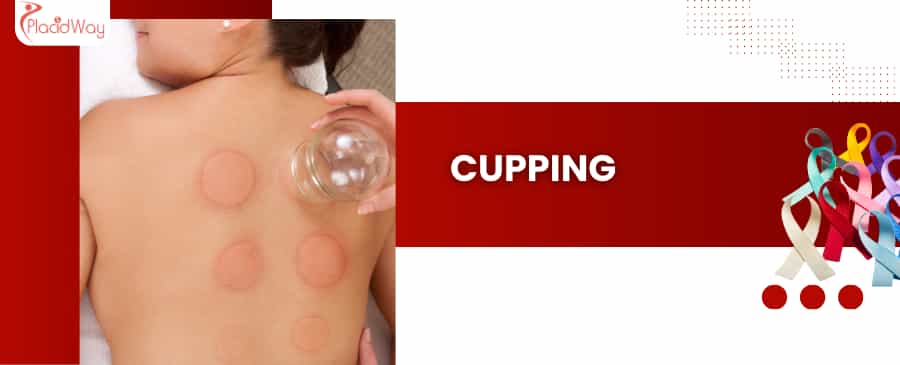
Discover the Healing Power of Cupping Therapy Abroad
Are you experiencing persistent muscle aches, chronic pain, or seeking a natural way to reduce stress and improve your overall well-being? Cupping therapy, an ancient healing art, might be the solution you’re looking for. This complementary medical technique involves placing special cups on your skin to create suction, which helps to increase blood flow, relax muscles, and promote healing in targeted areas.
Rooted in Traditional Chinese Medicine (TCM) and other global healing traditions, cupping has been practiced for thousands of years. It's not just for athletes with muscle soreness; many individuals find relief from a range of conditions, from back pain and headaches to anxiety and fatigue. Often described as feeling like a deep tissue massage, cupping draws blood to the surface, encouraging circulation and releasing muscle tension. People commonly search for "cupping near me," "benefits of cupping," or "cupping for back pain," highlighting its growing popularity as a go-to remedy.
If you're considering cupping therapy, especially for more advanced or specialized forms, or if you're looking for more affordable options, exploring treatment abroad through medical tourism can open up a world of possibilities. PlacidWay connects you with reputable clinics and experienced practitioners worldwide, making your journey to natural wellness accessible and convenient.
What symptoms can cupping therapy help relieve?
Many patients wonder, "What is cupping therapy good for?" or "Does cupping really work for pain?" Cupping therapy is widely utilized to address a variety of symptoms, primarily those related to pain, inflammation, and muscle tension. Some of the common symptoms and conditions people seek cupping for include:
- Musculoskeletal Pain: Chronic back pain, neck and shoulder stiffness, knee pain, and general muscle soreness often benefit from cupping's ability to release tension and improve local circulation.
- Headaches and Migraines: By targeting tension in the neck and shoulders, cupping can reduce the frequency and intensity of tension headaches and certain types of migraines.
- Arthritis and Fibromyalgia: The anti-inflammatory effects of cupping can help manage pain and discomfort associated with chronic conditions like arthritis and fibromyalgia.
- Carpal Tunnel Syndrome: Cupping on the forearm can help relieve pressure and inflammation, offering relief from carpal tunnel symptoms.
- Respiratory Conditions: For centuries, cupping has been used to help clear congestion and improve breathing in conditions like bronchitis and asthma.
- Digestive Issues: Some practitioners use cupping on the abdomen to help with symptoms of irritable bowel syndrome (IBS) or general digestive discomfort.
- Stress and Anxiety: The deeply relaxing nature of cupping can help reduce stress and anxiety, promoting a sense of calm and well-being.
- Chronic Fatigue: Improved blood flow and relaxation can contribute to reduced fatigue and increased energy levels.
Patients often report a feeling of lightness and reduced tension almost immediately after a session, making it a popular choice for those seeking alternative pain management.
What are the main causes of conditions treated by cupping?
Understanding the root causes of your symptoms is key to effective treatment. Cupping therapy addresses several underlying issues that lead to pain and discomfort:
- Muscle Tension and Spasms: Everyday stress, poor posture, strenuous activity, and emotional strain often lead to tight, knotted muscles. Cupping's suction lifts the skin and underlying tissues, helping to untangle muscle fibers and release tension.
- Inflammation: Injuries, autoimmune conditions, and chronic stress can cause localized or systemic inflammation. Cupping promotes circulation, helping to clear inflammatory agents and reduce swelling.
- Poor Blood Circulation: Stagnant blood flow can prevent oxygen and nutrients from reaching tissues, leading to pain, slow healing, and discomfort. Cupping draws fresh blood to the area, invigorating circulation.
- Fascial Restrictions: The fascia, a connective tissue system, can become tight and restricted, limiting movement and causing pain. Cupping helps to release fascial adhesions, improving flexibility.
- Stagnant Qi (Energy) and Blood: In Traditional Chinese Medicine, pain is often attributed to blockages in the body's energy pathways (meridians) and blood flow. Cupping is believed to move stagnant qi and blood, restoring balance.
- Toxic Accumulation: Some believe that cupping helps draw out toxins and metabolic waste products from deeper tissues to the surface for elimination.
By addressing these root causes, cupping therapy offers a holistic approach to pain relief and wellness, which is why many individuals search for "how cupping works" or "why cupping leaves marks."
What are the different types of cupping therapy available?
The world of cupping therapy is diverse, with several techniques tailored to specific needs. When researching "types of cupping" or "what is wet cupping," you'll find:
- Dry Cupping: This is the most common form. Cups are placed on the skin, and suction is created using heat (fire cupping) or a mechanical pump.
- Stationary Cupping: Cups are left in place for a few minutes (5-15 mins).
- Gliding/Moving Cupping: Oil is applied to the skin, and cups are moved across the skin while suction is maintained, similar to a deep tissue massage.
- Fire Cupping: A flame is briefly inserted into the cup to consume oxygen, creating a vacuum when placed on the skin.
- Silicone/Rubber Cupping: Flexible cups are squeezed to create suction and can be easily moved, often used for self-cupping or dynamic treatments.
- Wet Cupping (Hijama): This traditional practice involves making small, superficial incisions on the skin before applying the cups. The suction then draws out a small amount of "stagnant" blood and fluids. This method is often sought for detoxification and specific ailments and is highly respected in some cultures. People often specifically search for "Hijama cupping benefits" or "wet cupping procedure."
- Flash Cupping: Cups are applied and immediately removed repeatedly over an area, creating a rapid pumping action. This is often used for conditions where sustained suction is too intense.
The choice of cupping type depends on the patient's condition, the practitioner's expertise, and cultural preferences.
Who is eligible for cupping therapy, and who should avoid it?
While cupping therapy offers many benefits, it's not suitable for everyone. Understanding eligibility is crucial before seeking treatment, especially if you're searching for "is cupping safe for me?"
Generally Eligible:
- Healthy adults experiencing muscle pain, stiffness, tension headaches, or seeking relaxation and improved circulation.
- Athletes looking for faster muscle recovery and performance enhancement.
- Individuals with chronic pain conditions like fibromyalgia or arthritis (with doctor's approval).
Individuals Who Should Avoid Cupping (or consult a doctor first):
- Pregnant women: Especially on the abdomen, lower back, or acupuncture points associated with labor.
- Individuals with bleeding disorders: Such as hemophilia, or those taking blood-thinning medications (e.g., Warfarin, Aspirin).
- People with skin conditions: Eczema, psoriasis, open wounds, burns, or severe sunburn in the treatment area.
- Individuals with deep vein thrombosis (DVT) or severe varicose veins: Cupping can worsen these conditions.
- Those with a fever or acute illness.
- People with pacemakers or other medical implants.
- Individuals with severe heart conditions or extremely fragile skin.
- Children and the elderly: May require lighter pressure or specific modifications.
Always have an initial consultation with a qualified practitioner to determine if cupping is appropriate for your specific health situation.
What is the typical recovery time and what should I expect after cupping?
One of the most common questions people have after their first session is, "What do the cupping marks mean?" or "How long do cupping marks last?"
Immediate Aftermath:
- Temporary Marks: The most noticeable effect will be circular marks on the skin where the cups were placed. These range in color from light pink to dark purple, resembling bruises. The color intensity often reflects the level of stagnation or tension in that area; darker marks usually indicate more stagnant blood or toxins.
- Slight Discomfort/Tenderness: The treated areas might feel slightly tender or sore, similar to how muscles feel after a deep massage or intense workout. This usually subsides within a day or two.
- Relaxation or Energized: Many people report feeling deeply relaxed, calm, or even invigorated immediately after a session.
Recovery Time:
- There is generally no downtime needed after cupping therapy. You can typically resume your normal activities immediately.
- The circular marks typically fade within 3 to 7 days, though in some cases, they might last up to two weeks. The fading time depends on the individual's circulation and the intensity of the suction.
Aftercare Tips:
- Stay Hydrated: Drink plenty of water to help flush out toxins and aid recovery.
- Keep Warm: Avoid exposure to cold or drafts immediately after treatment, as your pores are open.
- Avoid Strenuous Activity: Give your body some time to rest and integrate the treatment, especially for the first 24 hours.
- Moisturize: Keep the treated areas moisturized to help skin healing.
- Eat Lightly: Some practitioners recommend light, easily digestible meals.
- Avoid Showers/Baths: For at least a few hours, or as advised by your practitioner, to prevent cold entering open pores.
What are the potential risks and side effects of cupping?
While generally safe when performed by a qualified practitioner, it's important to be aware of the potential risks and side effects of cupping therapy:
- Bruising and Skin Discoloration: As mentioned, the most common side effect is circular marks on the skin, which are not bruises in the traditional sense but rather broken capillaries that resolve on their own. The intensity and duration vary.
- Mild Discomfort or Tenderness: You might feel a pulling sensation during the procedure and some tenderness afterward, similar to a deep tissue massage.
- Burns (rare): In fire cupping, if the flame is not handled properly or the cup is too hot, there is a very rare risk of minor burns. This emphasizes the need for an experienced practitioner.
- Skin Infections (very rare): With wet cupping, if proper sterilization and hygiene protocols are not strictly followed, there's a minimal risk of skin infection at the incision sites. Reputable clinics adhere to stringent hygiene standards.
- Dizziness or Nausea: Some individuals, especially those new to cupping or sensitive to the sensation, might feel lightheaded or nauseous.
- Skin Irritation: Allergic reactions to oils used or skin sensitivity can sometimes lead to localized irritation.
To minimize risks, always choose a certified and experienced practitioner, discuss your full medical history beforehand, and ensure the clinic maintains high hygiene standards. Questions like "is cupping painful?" are common, and while it can be intense, it's generally well-tolerated.
How does the cost of cupping therapy compare globally?
The "cost of cupping therapy" is a major factor for many, and prices can vary dramatically depending on location, practitioner experience, type of cupping, and clinic reputation. Medical tourism offers an opportunity to find more affordable options without compromising quality.
Here’s a general comparison of cupping therapy costs per session (these are estimates and can fluctuate):
| Country | Estimated Cost Per Session (USD) | Notes |
|---|---|---|
| USA / Canada | $50 - $150+ | Higher cost due to operating expenses; often part of acupuncture or massage package. |
| United Kingdom | $60 - $130+ (approx. £50-£100+) | Similar pricing to North America; varies by city and clinic. |
| Thailand | $20 - $60 | Excellent value; often integrated with traditional Thai massage and wellness retreats. |
| Turkey | $30 - $80 | Very popular for Hijama (wet cupping); highly skilled practitioners. |
| India | $15 - $50 | Affordable, often combined with Ayurvedic or Unani medicine. |
| Mexico | $30 - $70 | Growing wellness tourism sector, good for combining with vacation. |
| UAE (Dubai) | $70 - $150+ | Higher end for specialized, luxury clinics; popular for Hijama. |
These figures highlight why many consider "cupping therapy abroad" as a viable and attractive option.
Why consider traveling abroad for cupping therapy?
Many people globally are now asking, "Why travel for medical procedures?" The benefits of seeking cupping therapy in another country extend far beyond just the treatment itself:
- Cost Savings: As seen in the table above, the cost of cupping therapy can be significantly lower in certain countries compared to Western nations, making it more accessible.
- Access to Expert Practitioners: Countries where cupping traditions are deeply rooted (e.g., Turkey for Hijama, China/Thailand for TCM-based cupping) often boast highly experienced practitioners who have practiced the art for generations.
- Combined with Wellness Retreats: Many destinations offer integrated wellness packages that combine cupping with other traditional therapies like acupuncture, massage, yoga, and meditation, providing a more holistic healing experience.
- Cultural Immersion and Vacation: Medical tourism allows you to combine your treatment with a travel experience, transforming a medical trip into a rejuvenating vacation. Explore new cultures, sights, and cuisines while focusing on your health.
- Privacy and Discretion: For some, seeking treatment abroad offers a level of privacy not always available at home.
- Advanced Techniques: Some regions specialize in particular cupping techniques or have integrated cupping with modern rehabilitation, offering diverse treatment options.
Choosing to go abroad can provide not only excellent care but also a refreshing break from your daily routine, facilitating both physical and mental rejuvenation.
Which countries offer the best value and expertise for cupping treatment?
When considering "where to get cupping abroad," several countries stand out for their blend of affordability, expertise, and integrated wellness offerings:
- Turkey: A leading destination for Hijama (wet cupping), Turkey offers a rich history of Islamic medicine. Clinics are often modern, adhering to high medical standards, and practitioners are highly skilled. The blend of ancient tradition with modern facilities makes it a top choice.
- Thailand: Known globally for its wellness and medical tourism, Thailand integrates cupping seamlessly into its Traditional Thai Medicine (TTM) and spa services. You can find excellent dry and gliding cupping, often combined with traditional massages, in serene retreat settings.
- India: With its deep roots in Ayurveda and Unani medicine, India offers affordable cupping services, often alongside holistic treatments. It's an excellent option for those seeking comprehensive wellness journeys.
- Mexico: Growing rapidly as a wellness tourism hub, Mexico provides accessible and affordable cupping therapy, particularly convenient for North American travelers. Many clinics focus on integrative and holistic health.
- Malaysia & Indonesia: These Southeast Asian countries also have strong traditional medicine practices that incorporate cupping, offering high-quality care at competitive prices, especially for Islamic cupping (Hijama).
- United Arab Emirates (UAE): Particularly Dubai, offers high-end, specialized cupping clinics, especially for Hijama, attracting a global clientele seeking top-tier services and luxury experiences.
These countries provide a spectrum of choices, whether you prioritize tradition, luxury, or maximum affordability, all while ensuring experienced care.
What should I expect when traveling for cupping therapy abroad, and how can I prepare?
Planning your medical trip for cupping therapy can be exciting. Here's what to expect and how to prepare to ensure a smooth and beneficial experience:
Before You Go:
- Research Clinics and Practitioners: Use platforms like PlacidWay to find accredited clinics and read patient reviews. Look for certifications and experience levels, especially for specific cupping types like Hijama.
- Consultation: Many clinics offer online consultations. Discuss your health history, symptoms, and expectations.
- Travel Logistics:
- Passport & Visa: Ensure your passport is valid, and check visa requirements for your chosen destination.
- Travel Insurance: Consider comprehensive travel insurance that covers medical emergencies abroad.
- Flights & Accommodation: Book flights and lodging in advance. Many clinics offer assistance with these arrangements.
- Language: Verify if the clinic offers English-speaking staff or interpreter services if needed.
- Medical Records: Bring copies of relevant medical records, especially if you have chronic conditions or are taking medications.
- Budget: Account for treatment costs, travel, accommodation, food, and any tourism activities.
During Your Trip:
- Initial Assessment: You'll have a thorough consultation with your practitioner to confirm cupping is suitable for you and to plan your treatment.
- Treatment Sessions: Be prepared for the process, including the temporary marks. Communicate any discomfort.
- Explore: Take advantage of your location to enjoy local culture and sights, which can further enhance your relaxation and recovery.
After Treatment:
- Follow-up: Discuss aftercare instructions and any necessary follow-up sessions with your practitioner.
- Enjoy Your Recovery: Allow your body time to heal and integrate the benefits of the therapy.
With careful planning, your cupping therapy journey abroad can be a highly rewarding experience for your health and well-being.
Take the Next Step with PlacidWay
Ready to explore treatment options abroad? Discover top clinics, compare prices, and get a free quote tailored to your needs with PlacidWay.
Detoxification | A world-renowned Detox facility



.png)
.png)

-(2).png)
-(5).png)
.png)









Share this listing