


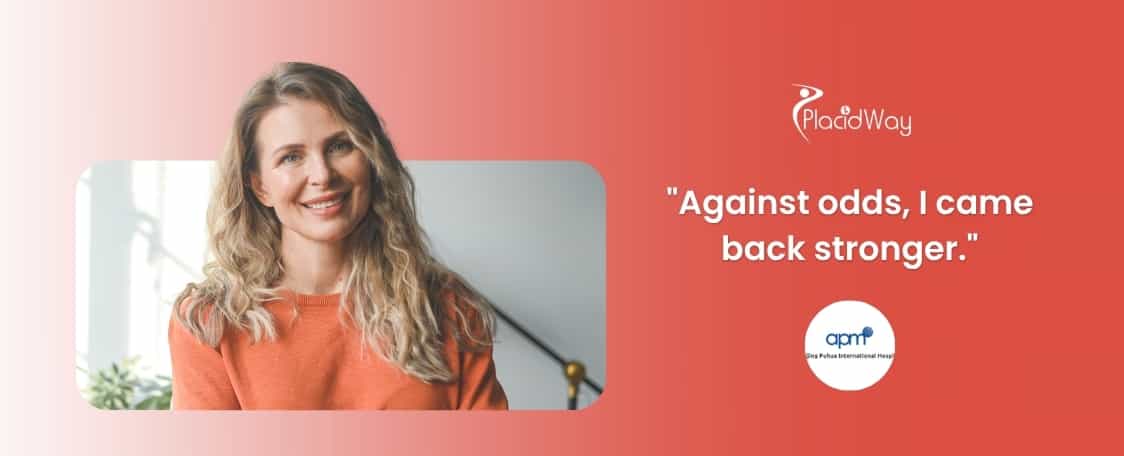
Sarah's Atypia Meningioma Surgery in China from USA
Patient Name: Sarah
Profession: High School Teacher
Residence: Chicago, USA
Treatment: Neurosurgical Approach for Atypia Meningioma
Treatment Destination: Beijing, China
Medical Tourism Platform: PlacidWay
Partner Clinic: Beijing Tiantan Puhua International Hospital, Ltd.
The Devastating Diagnosis: How I Discovered My Atypia Meningioma
It started as a dull, persistent ache at the base of my skull. As a high school teacher in Chicago, I was no stranger to stress headaches, so I brushed it off for months. I drank more water, took over-the-counter painkillers, and blamed it on grading papers late into the night. But when the blurred vision and dizzy spells began, I knew something was profoundly wrong. My doctor ordered an MRI, and just two days later, I was sitting in a sterile, windowless office hearing the words that would change my life forever.
"You have a brain tumor," the neurologist said, his voice sounding like it was underwater. Further biopsies and scans revealed it was an Atypia Meningioma—a Grade II tumor. While meningiomas are often benign, the "atypia" classification meant mine was growing faster and behaving more aggressively. The sheer terror that washed over me is something I will never fully be able to articulate. I was 45 years old, a mother of two, and suddenly, my future was an agonizing question mark.
The emotional toll in those early weeks was paralyzing. I spent hours researching my condition online, reading through this patient story neurosurgery forum and that, trying to find someone who had survived what I was facing. I needed a complex neurosurgical approach, but little did I know, the medical diagnosis was only the first hurdle in my exhausting journey.
Hitting a Wall: Why I Couldn't Get Treatment in the US
Once the initial shock subsided, my husband and I immediately began looking for the best neurosurgeons in the United States. We quickly realized that accessing top-tier care was going to be a nightmare. My health insurance plan was restrictive, classifying the top specialists as "out-of-network." The in-network doctors available to me had waitlists stretching out for four to six months. With an atypical tumor, time was a luxury I simply did not have.
When we finally secured a consultation with a renowned specialist out-of-pocket, the financial reality hit us like a freight train. The estimated cost for the surgery, hospital stay, and immediate post-op care exceeded $150,000. Even if we drained our life savings, sold our home, and took out loans, we would barely cover the initial procedure, let alone the potential need for radiation or prolonged rehabilitation.
I felt entirely abandoned by the healthcare system I had paid into my entire adult life. The frustration and hopelessness were suffocating. It felt as though my life was being assigned a dollar amount that I simply couldn't afford. It was in the depths of this despair that I began looking for alternatives, desperately typing phrases like "affordable healthcare abroad" into my search engine late one sleepless night.
Discovering Medical Tourism in China and PlacidWay Support
The concept of traveling internationally for a major brain surgery sounded terrifying at first. I had heard of people going overseas for dental work or cosmetic procedures, but complex neurosurgery? I had my doubts. However, as I dug deeper into medical tourism, my perspective began to shift. I realized that some of the most advanced medical technologies and highly specialized surgeons were located outside the United States.
That’s when I found PlacidWay. Unlike the overwhelming and scattered information on Google, PlacidWay offered a structured, transparent platform that connected patients with internationally accredited hospitals. Reading about their PlacidWay support services gave me a glimmer of hope. I discovered that medical tourism in China, specifically for neurology and neurosurgery, was incredibly advanced. China has massive research centers and surgeons who perform high volumes of these specific tumor removals, often utilizing techniques that are still in clinical trials in the West.
I decided to reach out. I wasn't committing to anything just yet; I just needed to know if it was a viable option. That single inquiry changed the trajectory of my entire treatment journey.
Connecting with Specialists: My PlacidWay Medical Tourism Assistance
The PlacidWay medical tourism assistance I received was nothing short of a lifeline. Within 24 hours of my inquiry, a dedicated coordinator contacted me. They didn't just hand me a list of hospitals; they actively listened to my medical history, reviewed my MRI scans, and understood the urgency of my Atypia Meningioma diagnosis. They explained how they would help me search through different international options and find the medical centers best suited for my specific neurological needs.
Through their secure platform, I was able to connect directly with doctors. PlacidWay facilitated the exchange of my medical records and arranged a virtual video consultation with a leading neurosurgeon in Beijing. Sitting in my living room in Chicago, I spoke face-to-face with the doctor who would eventually save my life. He was patient, answered every single question about his neurosurgical approach, and explained the risks and expected outcomes with profound clarity.
Following the consultation, PlacidWay helped me obtain a formal, comprehensive quote for the entire medical procedure and hospital stay. The cost was a fraction of what I was quoted in the US, yet the facility was internationally accredited and the surgical team was world-renowned. With all the medical coordination handled smoothly, my husband and I confidently made the decision to proceed with the neurosurgery for Atypia Meningioma in China.
Arriving in Beijing for My Neurosurgery for Atypia Meningioma
Stepping off the plane in Beijing, a mix of exhaustion and high anxiety washed over me. I was halfway across the world, about to undergo brain surgery. However, the moment I walked through the doors of Beijing Tiantan Puhua International Hospital, Ltd., my fears began to dissipate. The facility was stunning—modern, immaculately clean, and buzzing with a quiet, efficient energy. It felt more like a high-end wellness center than a traditional clinical hospital.
The medical staff greeted me warmly, many speaking excellent English. I was immediately assigned an international patient coordinator who walked me through the pre-operative testing schedule. Over the next two days, I underwent a battery of tests more thorough than anything I had experienced back home. High-resolution MRIs, functional brain mapping, and extensive blood work were all completed seamlessly.
Meeting my lead neurosurgeon in person the day before the surgery was deeply comforting. He held my hand, looked me in the eyes, and promised he would treat me as if I were his own family. For the first time in months, I slept soundly.
The Procedure: Facing My Atypia Meningioma Surgery in China
The morning of the surgery was a blur of sterile gowns, IV lines, and quiet prayers. The medical team explained that they would be using an advanced neurosurgical approach, utilizing intraoperative MRI and neuronavigation systems to ensure they removed as much of the atypical tumor as possible without damaging the surrounding healthy brain tissue. As the anesthesia began to take effect, my last thought was of my children.
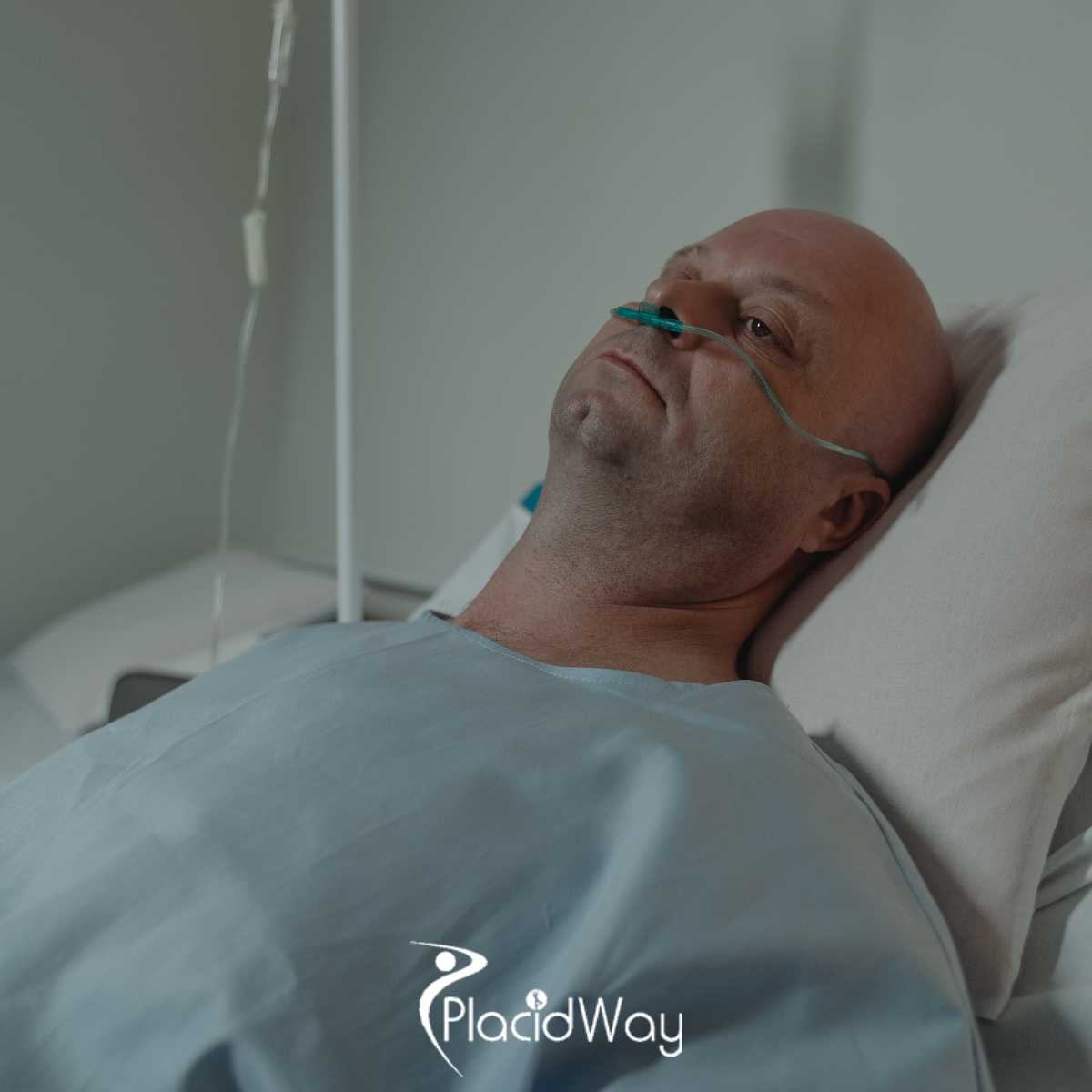
I woke up hours later in the intensive care unit, groggy and with a heavily bandaged head, but overwhelmingly grateful to be alive. My husband was by my side, tears in his eyes, telling me the surgery was a complete success. The surgeons at Beijing Tiantan Puhua International Hospital, Ltd. had managed a gross total resection—meaning they had removed the entire visible tumor.
The post-operative care in the ICU was incredibly attentive. Nurses checked my vitals and neurological responses around the clock. Even in my hazy, medicated state, I could sense the profound expertise of the team handling my recovery. The worst was finally behind me, and the healing could begin.
The Road to Recovery: How I Overcame Atypia Meningioma
Recovery from brain surgery is not a straight line; it is a rollercoaster of emotional ups and physical downs. The first few days were tough. I battled severe post-operative headaches and a terrifying, albeit temporary, weakness on my left side. There were moments in my hospital bed when I would break down crying, overwhelmed by the trauma my body had just endured.
But then came the small victories. On day four, I managed to sit up unassisted. On day six, I walked down the hospital corridor, gripping my husband's arm, taking shaky but determined steps. The hospital's physiotherapy team worked with me daily, offering constant encouragement. Every day, the mental fog lifted a little more, and my physical strength slowly returned.
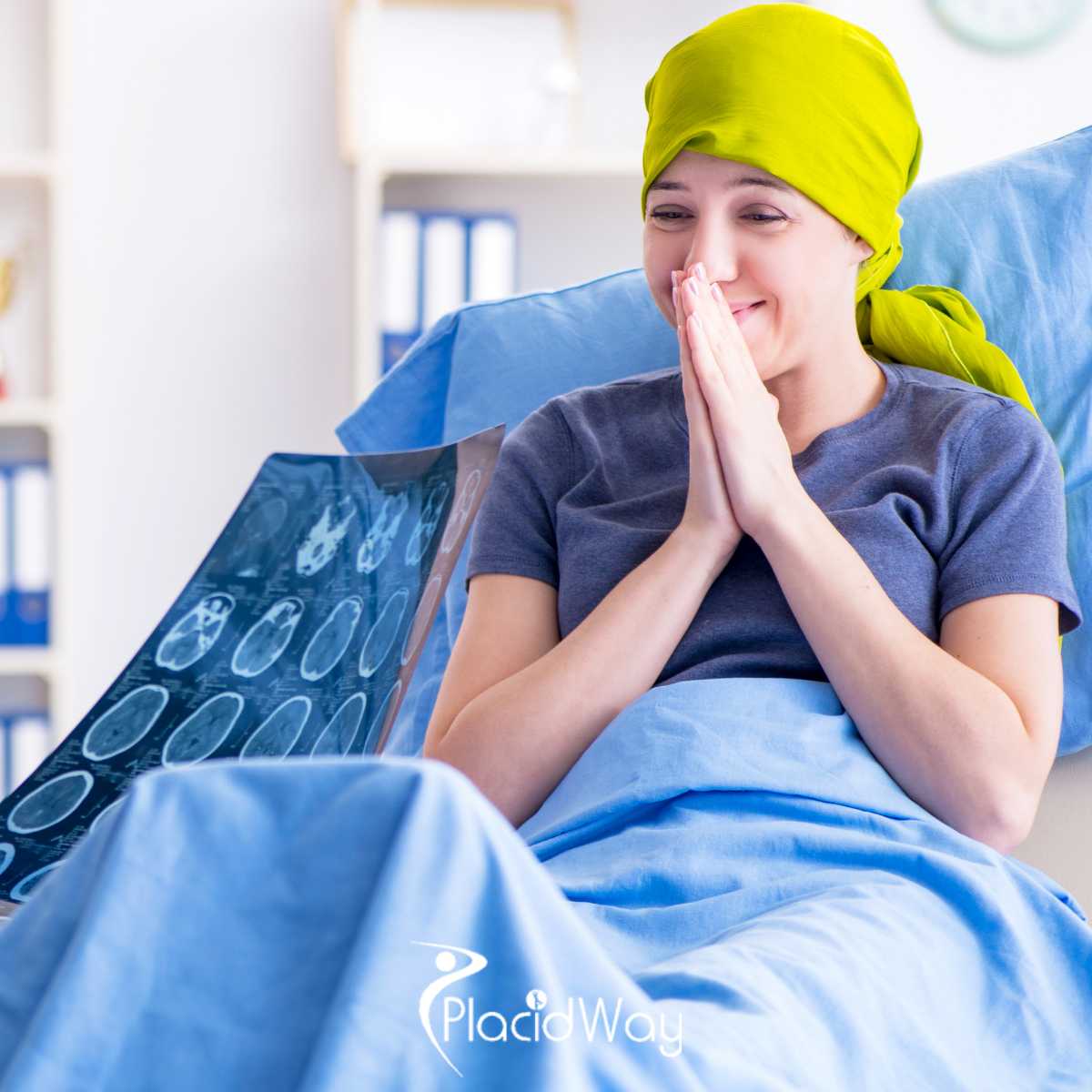
After two weeks of intensive inpatient recovery, my doctors declared me fit to travel. When I looked at my final post-op MRI scans—showing a clear, tumor-free brain—I finally exhaled a breath I felt I had been holding for months. I had truly overcome my condition.
A New Chapter: Embracing Life After Affordable Healthcare Abroad
Returning to Chicago felt surreal. I came back not just as a survivor, but as a completely transformed person. The headaches and dizziness were gone. More importantly, the crushing weight of the unknown had been lifted from my shoulders. Because I chose affordable healthcare abroad, I returned home without the catastrophic financial debt that ruins so many families facing critical illnesses in the US.
Months later, my PlacidWay coordinator still checked in on me, asking for updates on my follow-up scans back home. Their dedication didn't end when the surgery was over; they genuinely cared about my long-term success. My recent six-month scan was completely clear, and I have officially returned to teaching, cherishing every single day in the classroom.
If you are reading this patient story neurosurgery journey and feeling trapped by a devastating diagnosis or a broken healthcare system, I want you to know that you have options. The world is much smaller than we think, and world-class medical care is accessible. Don't let fear or geography dictate your survival. Be your own advocate, explore every avenue, and never, ever give up hope.
Ready to Start Your Own Success Story?
Connect with top-tier medical specialists in China and discover how personalized, advanced neurosurgery can transform your life.
Get Your Free Consultation Today

.png)

.png)
.png)










Share this listing