
.png)
Patient Demographics
- Name: Leo (accompanied by his mother, Sarah M.)
- Diagnosis: Autism Spectrum Disorder (ASD), Non-verbal
- Treatment: Stem Cell Therapy for Autism
- Treatment Country: Mexico
- Clinic: CellsTime Clinique
The Wall We Couldn't Break
Hey there. If you’re a parent of a child on the spectrum, you already know the fierce, protective love that makes you want to move mountains for your kid. That’s exactly where Sarah was with her 5-year-old son, Leo. At age two, Leo slipped away into his own world. The eye contact stopped, the babbling disappeared, and he became completely non-verbal. The sensory overloads were intense; a trip to the grocery store could trigger a two-hour meltdown.
Sarah and her husband did everything right by the US standard. They had Leo in Applied Behavior Analysis (ABA) therapy, speech therapy, and occupational therapy for over 30 hours a week. But after two years, it felt like they had hit a massive brick wall. The therapies were helping him cope, but they weren't addressing the root of the neurological inflammation. Sarah felt exhausted, and worse—she felt like she was running out of time to help her little boy.
Looking Beyond the Border
One night, while frantically researching alternative treatments, Sarah stumbled onto a parent support group discussing regenerative medicine. Parents were talking about how Mesenchymal Stem Cells (MSCs) could potentially cross the blood-brain barrier to reduce neuroinflammation and promote new neural connections. It sounded like science fiction, but the more medical journals she read, the more it made sense.
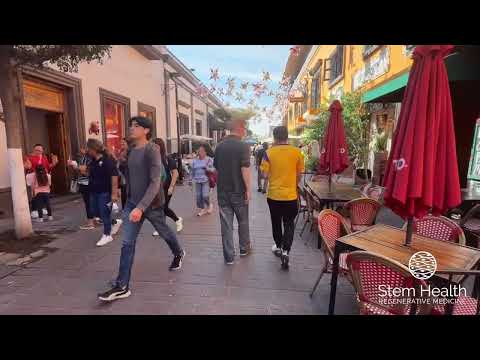
The problem? Accessing these advanced, expanded stem cell treatments in the US was incredibly restricted and astronomically expensive. That’s when another mom told her about Puerto Vallarta. Not only was it a gorgeous, safe beach destination, but it was home to cutting-edge medical facilities operating under strict, legal Mexican health regulations. After a free video consultation with a pediatric regenerative specialist who took a full hour just to understand Leo’s specific quirks, Sarah knew they had to go.
A Gentle, Healing Environment
Traveling with a child who has severe sensory issues is terrifying, but arriving in Puerto Vallarta felt like a deep exhale. The clinic sent a private, quiet car to the airport. But the real magic was the clinic itself. It didn't smell or look like a sterile, scary hospital. It felt like a peaceful wellness retreat.
The medical team was phenomenal. Mexican doctors are known for their incredible warmth and bedside manner, and they instantly bonded with Leo. They didn't rush him. They let him explore the treatment room, played his favorite cartoons, and made sure his anxiety was at an absolute zero before doing anything. For Sarah, seeing her son so calm in a medical setting brought tears to her eyes.
The Treatment and the "Vacation"
The actual procedure was incredibly fast and minimally invasive. Leo received a high dose of ethically sourced, expanded umbilical cord stem cells via a simple IV drip. Because he was so relaxed, he actually slept through most of it. There was no surgery, no major downtime, and no stress.
The best part? Because they were in Puerto Vallarta, the recovery was spent building sandcastles on the beach and swimming in the warm ocean. The salt air and the change of pace were just as healing for Sarah and her husband as the medicine was for Leo. It was the first time in years they felt like a "normal" family on vacation.
The Awakening
Sarah was warned that stem cells aren't an overnight miracle—they need time to work in the body. But about six weeks after they returned to Texas, the shifts started happening. First, it was the sleep. Leo went from waking up screaming three times a night to sleeping a solid nine hours. Then, the sensory meltdowns cut in half.
But the moment Sarah will never forget happened at the three-month mark. She was making breakfast when Leo walked into the kitchen, looked her dead in the eye—real, sustained eye contact—and clearly said, "More juice, Mama." It was the first time she had heard him call her Mama in three years.
Today, Leo is thriving. He is still on the spectrum, and he still goes to his standard therapies, but it's like a fog has lifted from his brain. He’s learning, engaging, and finally connecting with the world around him. As Sarah puts it, "Puerto Vallarta didn't just give us a treatment; it gave us our son back."
.png)



.png)
.png)
.png)
.jpg)

.jpg)








Share this listing