
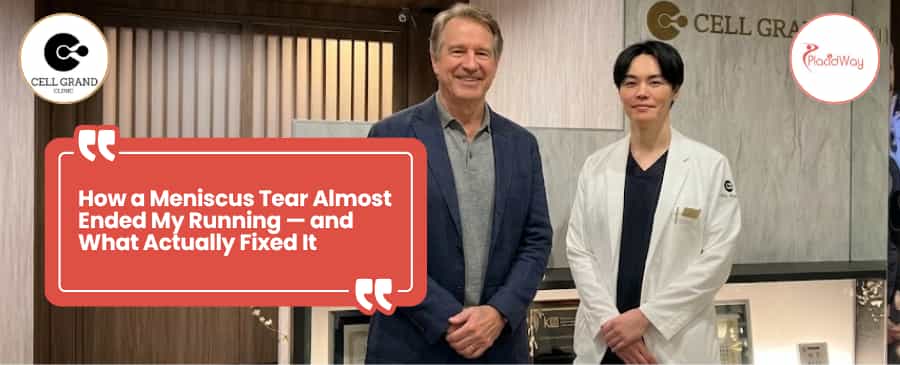
How a Meniscus Tear Almost Ended My Running — and What Actually Fixed It
A firsthand account of overcoming a severe running injury through advanced regenerative medicine in Osaka, Japan.
Patient Profile
Name: Mark Thompson, 56, Southern California, USA
Condition: Left knee — torn medial meniscus from a running injury
Treatment: Exosome + autologous stem cell therapy at CELL GRAND CLINIC, Osaka
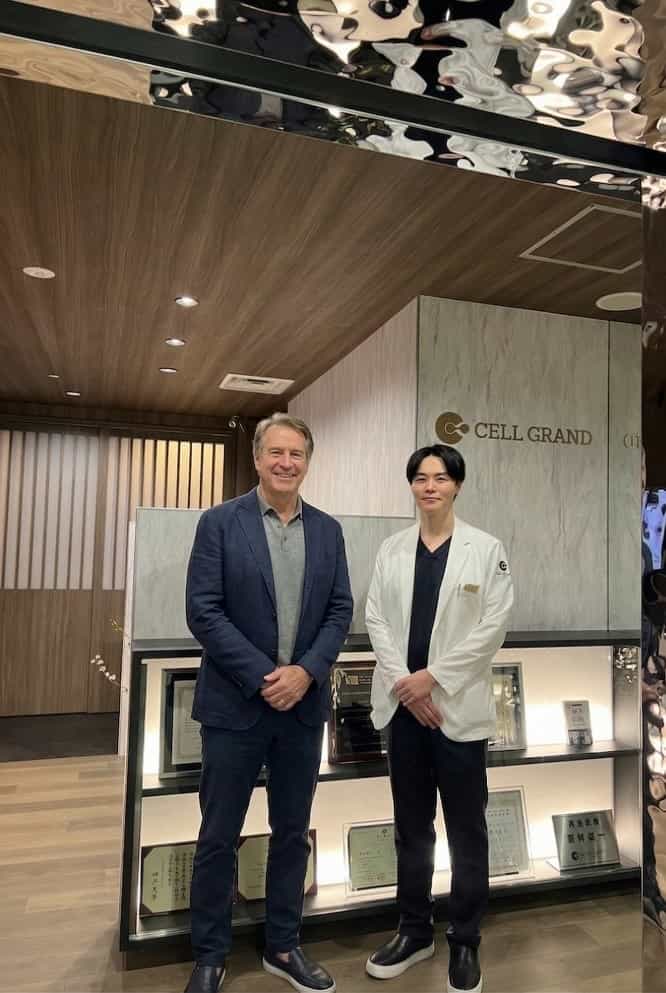
It Started on a Sunday Long Run
I’m Mark. I’m 56, I live in Southern California, and I’ve been a runner for the better part of 25 years. 25 to 30 miles a week. Two half marathons a year, one full marathon every fall. It’s not just exercise for me — it’s how I stay sane. A few months ago, I was about eight miles into a Sunday long run when my foot caught on something — a root, a raised chunk of sidewalk, I couldn’t tell you for sure. My left knee twisted hard. I felt a pop. I tried to walk it off. I couldn’t. I limped the last mile home.
The Diagnosis I Didn’t Want
The orthopedic doctor pulled up the MRI and confirmed what I was already afraid of: torn meniscus. He gave me three options. Live with it. Go in for arthroscopic surgery. Or try injections and hope for the best. I asked him straight up: if I get the surgery, will I be able to run marathons again? He told me the truth — which I respected. Probably, yes. But the recovery is weeks of real downtime. I run a small business. I can’t just disappear for a month. And then he said the part that really got me: even with the surgery, the tear can come back, especially for someone who plans to go right back to running the way I used to.
Walking Hurt. Bending Hurt. Even Getting Into the Car Hurt.
I want to be clear about where I was, physically.
I was limping. Not a subtle limp — I mean the obvious, embarrassing kind where people at the grocery store ask if you’re okay. Going down stairs was the worst. Bending the knee to climb into the car hurt. Sitting with the knee bent for more than ten minutes and then standing up — that first step was brutal.
Running was completely out of the question. I went from 30 miles a week to zero.
Why I Started Looking at Japan
I’m not the type of person who usually looks overseas for medical care. But surgery with a real recurrence risk, in exchange for weeks off work? That math just didn’t add up for me.
I started researching alternatives. Regenerative medicine kept coming up — PRP, stem cells, exosomes. The U.S. options I found were expensive, and it was tough to get a straight answer on what was actually in the syringe.
Japan kept appearing in my research. Regulated. Clean protocols. And the clinic I kept finding — CELL GRAND CLINIC in Osaka — mentioned an English-speaking physician who consulted directly with international patients.
That mattered to me. I’m not going to lie — the idea of going through an interpreter, in a hospital, about a medical decision I was making in a foreign country, made me nervous.
The First Consultation — No Interpreter Needed
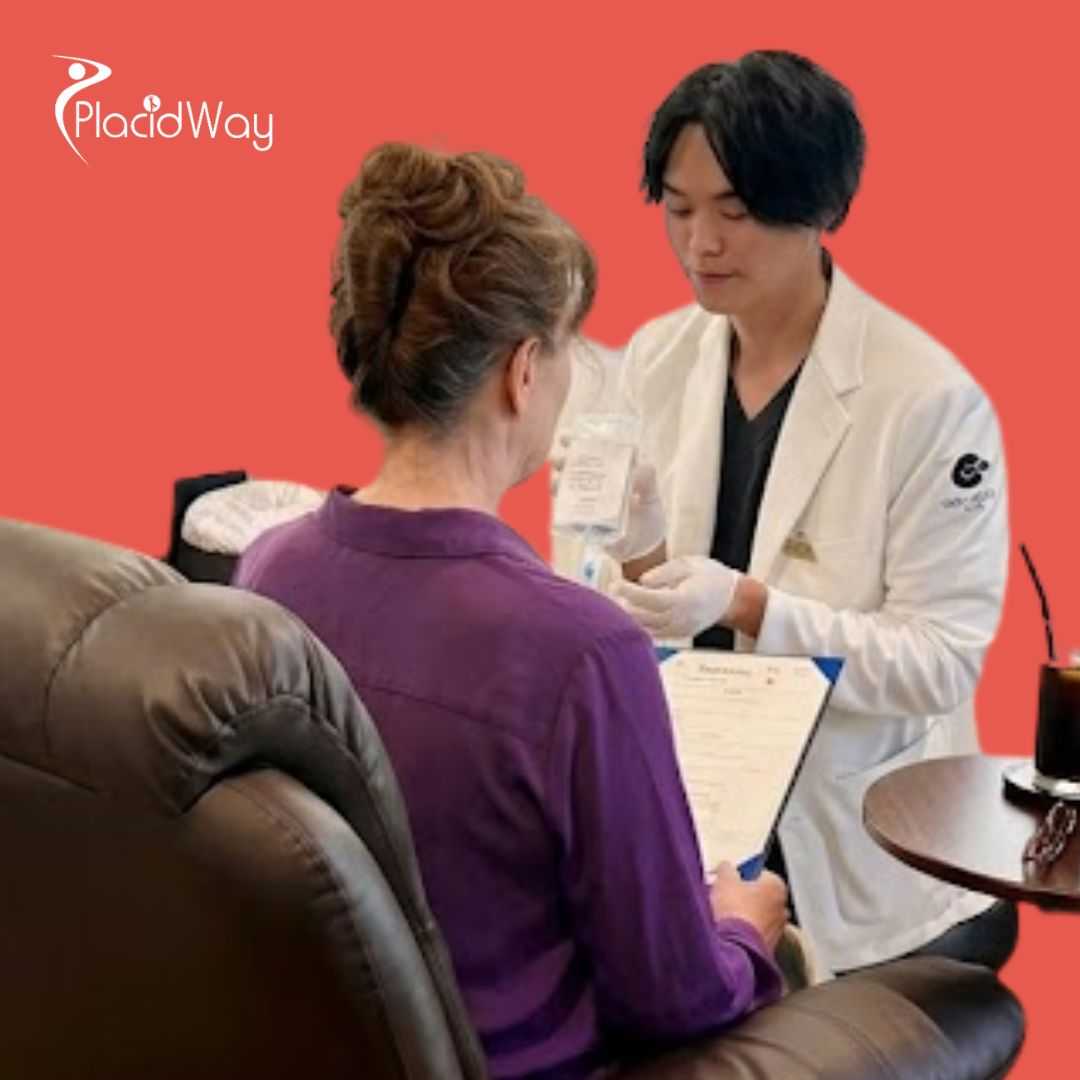
I had a video consultation with the doctor before I booked the flight. Just him and me. No interpreter in the middle.
He walked through my MRI. He explained what Stem Cell Therapy for Meniscus Tear in Osaka Japan could and couldn’t do. He didn’t oversell it. He said something like, “We’re not going to grow you a brand-new meniscus — but we can calm the inflammation and help the tissue heal in a way that has a real chance of getting you back to running.”
That was exactly what I needed to hear. Straight talk. Not a sales pitch.
First Visit: Fat Collection, Plus Exosomes for the Pain
When I landed in Osaka and walked into the clinic, my pain was maybe an 8 out of 10. Limping badly. Real discomfort bending the knee.
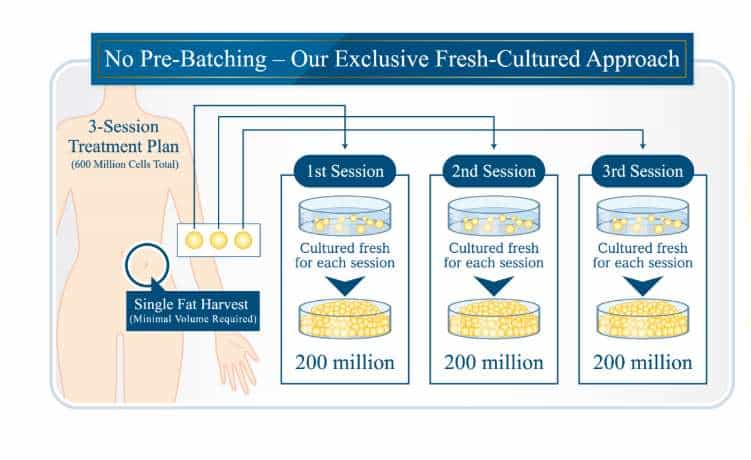
They did the fat harvest for the stem cell culture — smoother than I expected. Local anesthetic, a small incision on the abdomen, done in under an hour.
Then the doctor explained that the stem cells would take about 7 weeks to culture in the lab — longer than I’d realized — and offered something I hadn’t planned on: an exosome injection into the knee that same day, to calm the pain and inflammation while I waited.
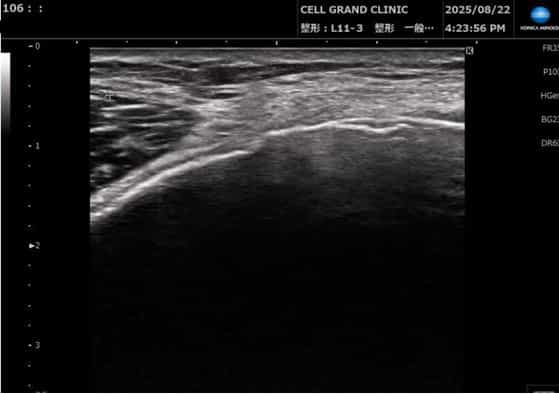
My first ultrasound scan at CELL GRAND CLINIC (Aug 2025). The doctor used this to check the inflammation levels in my left knee before giving me that first exosome injection.
What really stood out to me was this: they weren’t just treating the future. They took my pain — the pain I was living with right then — seriously. I said yes to the exosomes. And I’m very glad I did.
That made the 7-week culturing wait so much easier. I wasn’t just sitting around in pain, counting days until the “real” treatment. I could move. I could work. I could live my life. The fact that the clinic took care of my current pain — not just the long-term plan — made a bigger difference than I can put into words.
Stem Cell Day
Seven weeks later I flew back to Osaka for the stem cell treatment itself — a direct injection of my own cultured stem cells into the knee joint.
The knee injection was a little uncomfortable for maybe ten minutes. Some tightness that evening. No swelling, no drama.
Two Weeks Later — The Pain Was Just... Gone
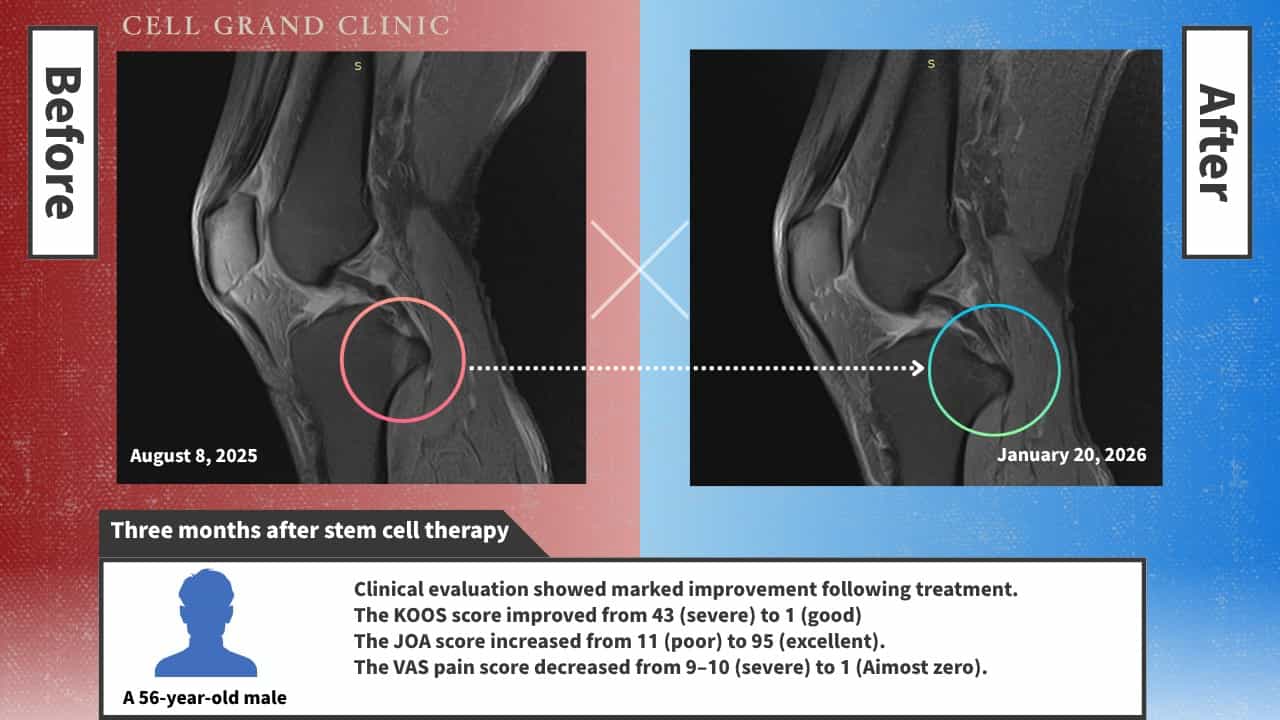
About two weeks after the stem cells, the pain was essentially gone.
Not “better.” Not “manageable.” Gone. I’d forget the knee had ever been a problem, then remember halfway through the day that I hadn’t thought about it once.
I was walking completely normally. Stairs were fine. Bending was fine. Getting out of a chair — no more first-step pain.
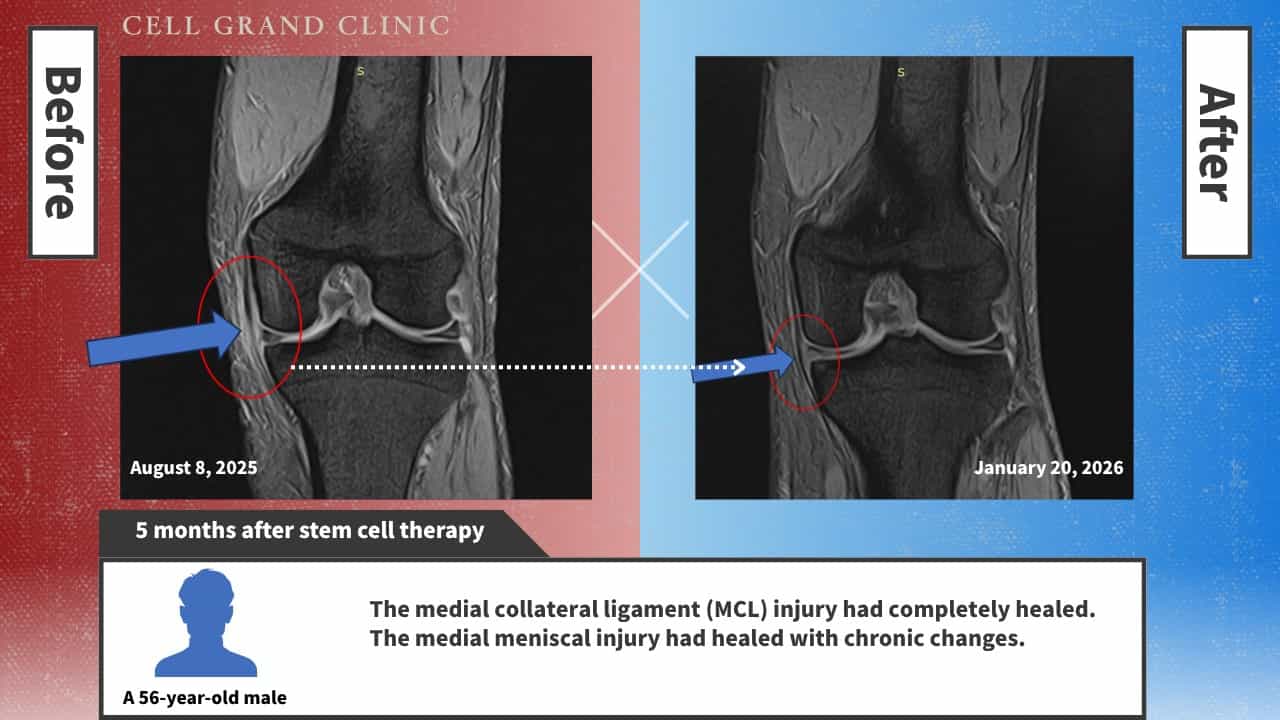
Six Months Later: Back on the Road
It’s been six months now. I didn't rush the process. I started with walks. Then longer walks. Just recently, I finally started jogging again.
Am I back to running marathons? Absolutely not. I'm taking it very slow. I'm not pushing for speed or distance—I’m just doing short runs at a very relaxed pace. I’ll be completely honest: this wasn't a magic trick. When I run, I do feel a little bit of stiffness or mild soreness on the inside of my knee the next morning. But the doctor explained that's normal as the tissue and ligaments adapt to the impact again. The important thing is: the discomfort is totally manageable. It doesn't stop me from getting out there. I’m running again, on my own two legs, without going under the knife.
Final Thoughts
Flying to another country for medical treatment is a big decision. I took it seriously. But for me, the math finally worked out. No weeks of downtime for surgery. No recurrence anxiety hanging over every run.
A doctor I could talk to directly. Exosomes that had me walking comfortably again almost immediately. And stem cells that did the long-term work. I won’t oversell anyone else’s experience — every knee is different, every injury is different. Is my knee 100% like it was when I was 30? No. But I avoided a destructive surgery, and I got my daily routine back. If you’re dealing with a meniscus tear, and surgery with a real recurrence risk isn’t something you can accept, it’s worth at least having the conversation. For me, this treatment was exactly what I needed.
Why Choose Regenerative Medicine at Cell Grand Clinic?
Speak directly to English-speaking physicians without the need for an interpreter, ensuring no info is lost.
Exosome therapy can be used to address acute pain and inflammation while long-term cell cultures are prepared.
Avoid weeks of recovery and the risks associated with invasive surgery like meniscus removal or repair.
Benefit from Japan's highly regulated regenerative medicine landscape and world-class laboratory standards.
Stem Cell Gallery at Cell Grand Clinic

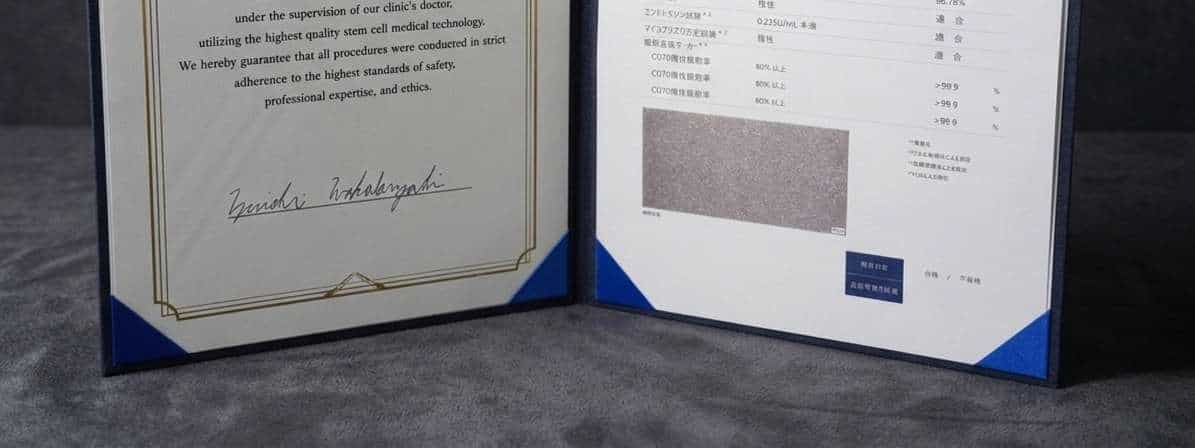
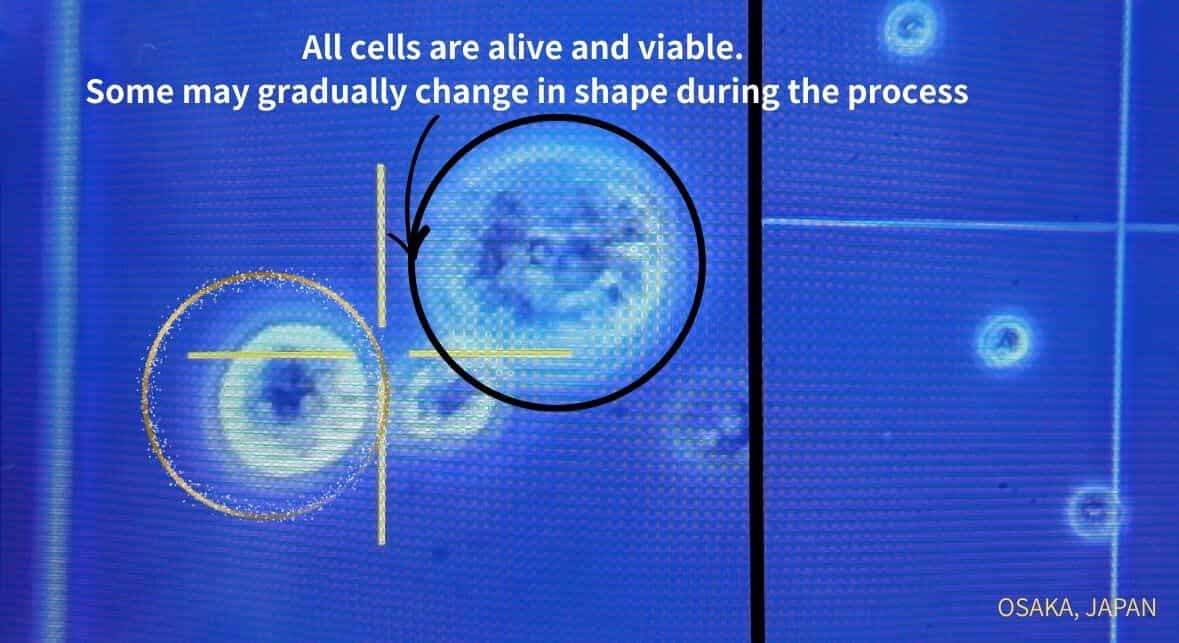
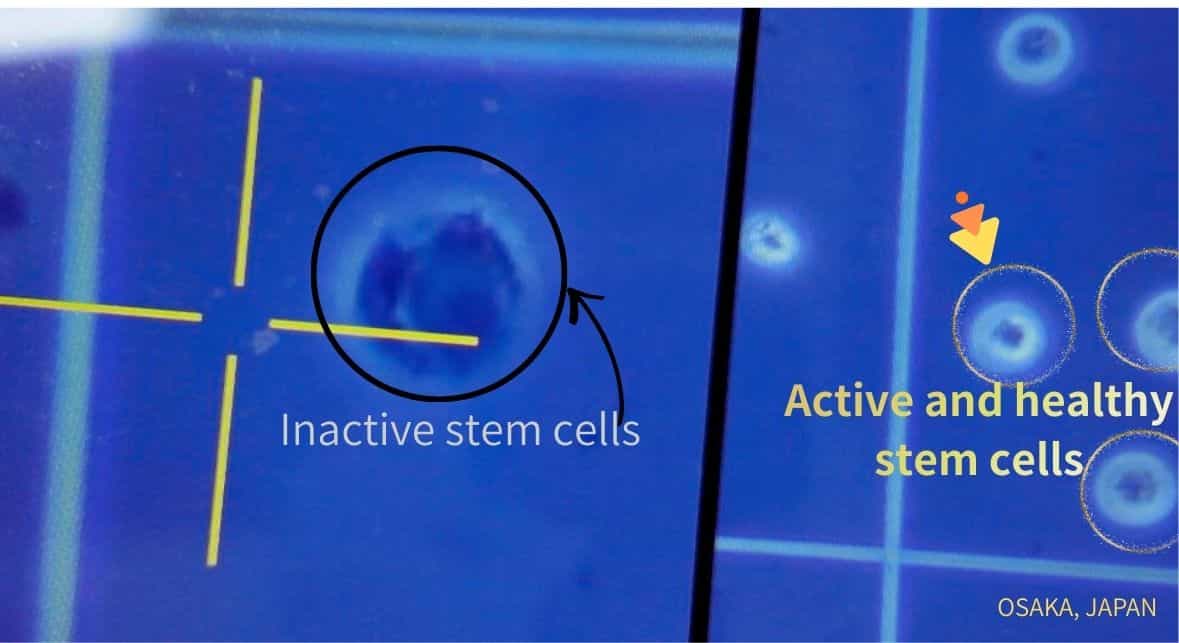
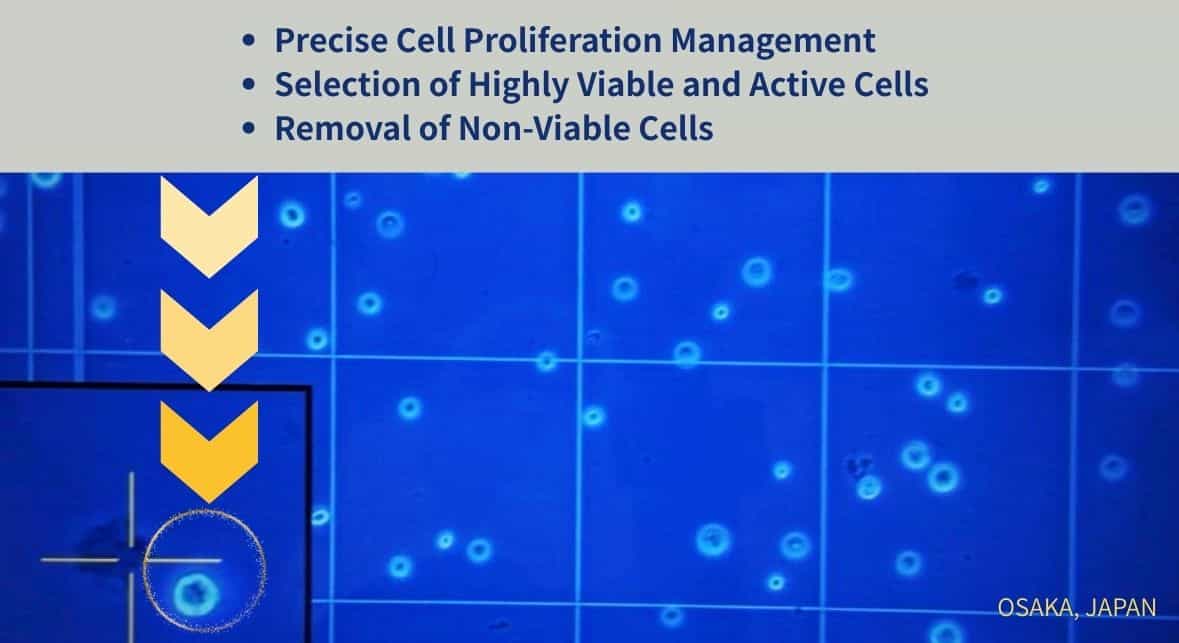
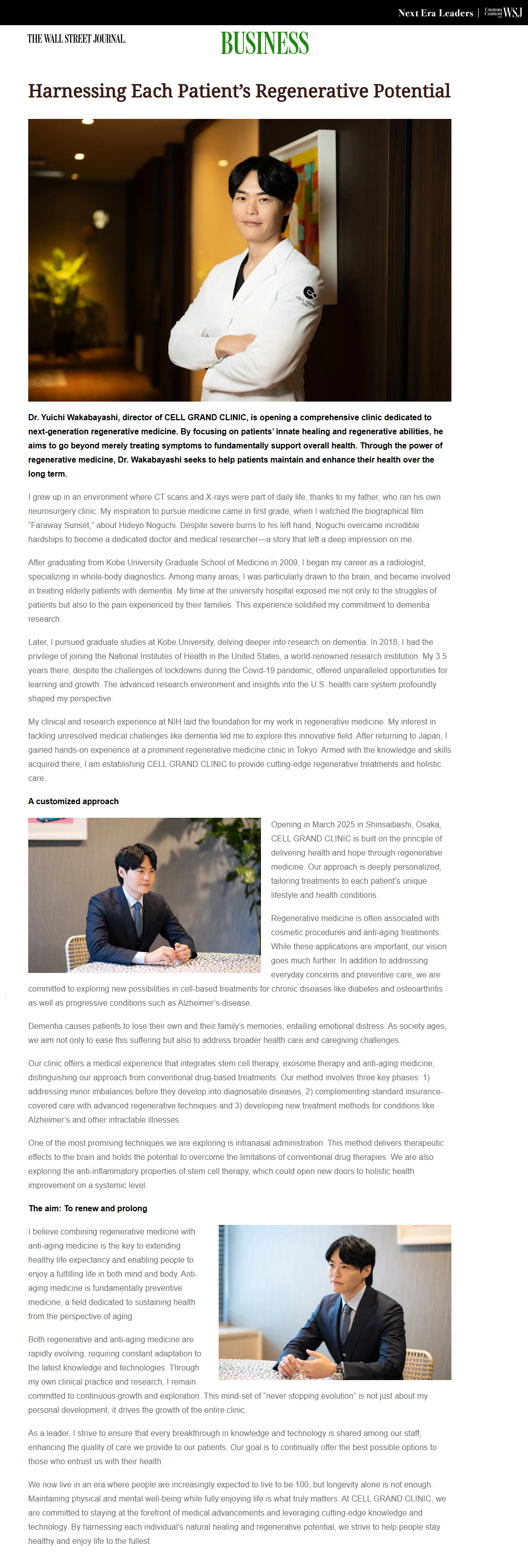
Cell Grand Clinic has earned international recognition for its leadership in regenerative medicine and commitment to advancing patient-centered care. The clinic's founder, Dr. Yuichi Wakabayashi, was featured in the Business section of The Wall Street Journal, highlighting his pioneering work and innovative vision in the field of regenerative medicine.
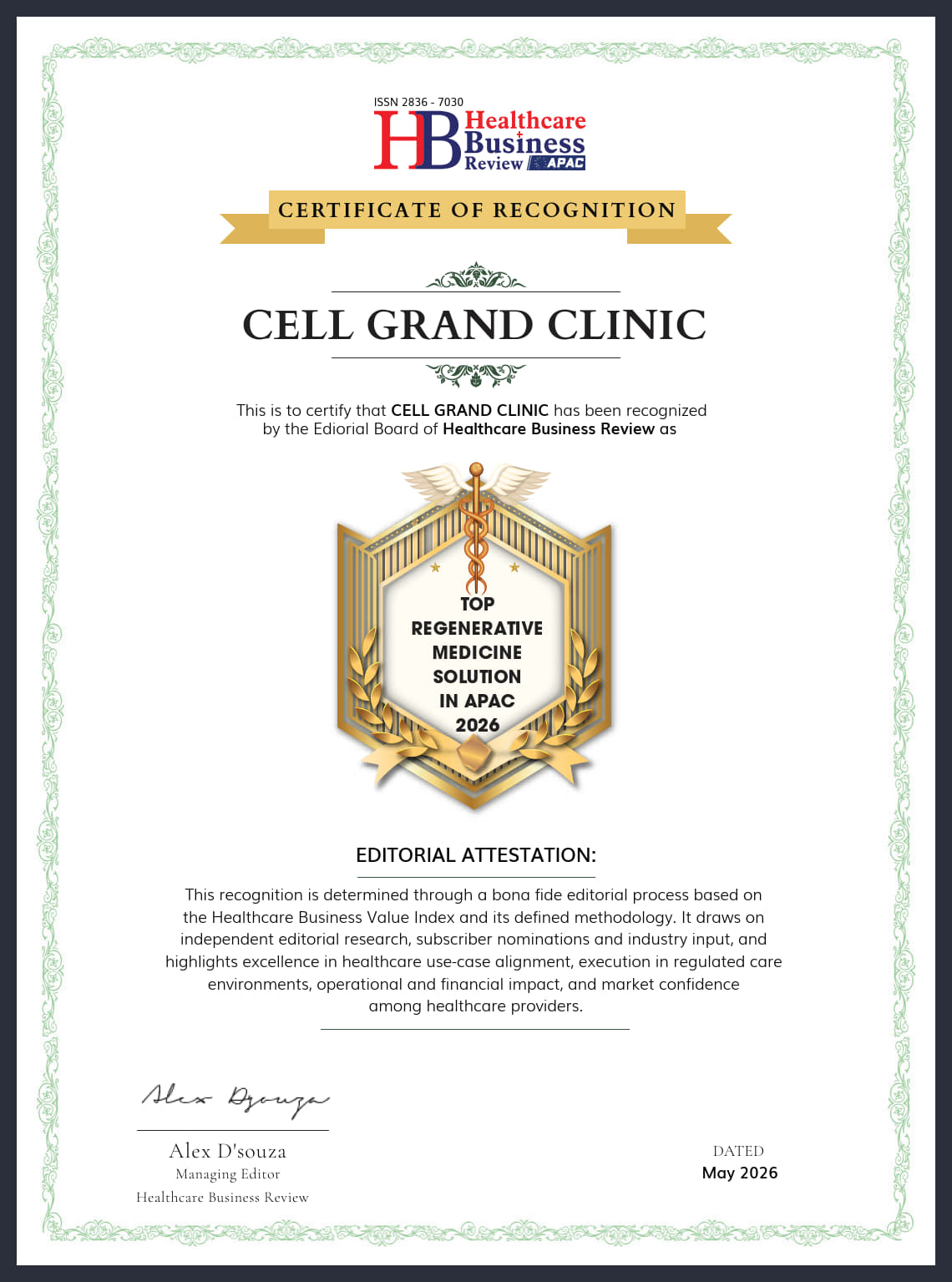
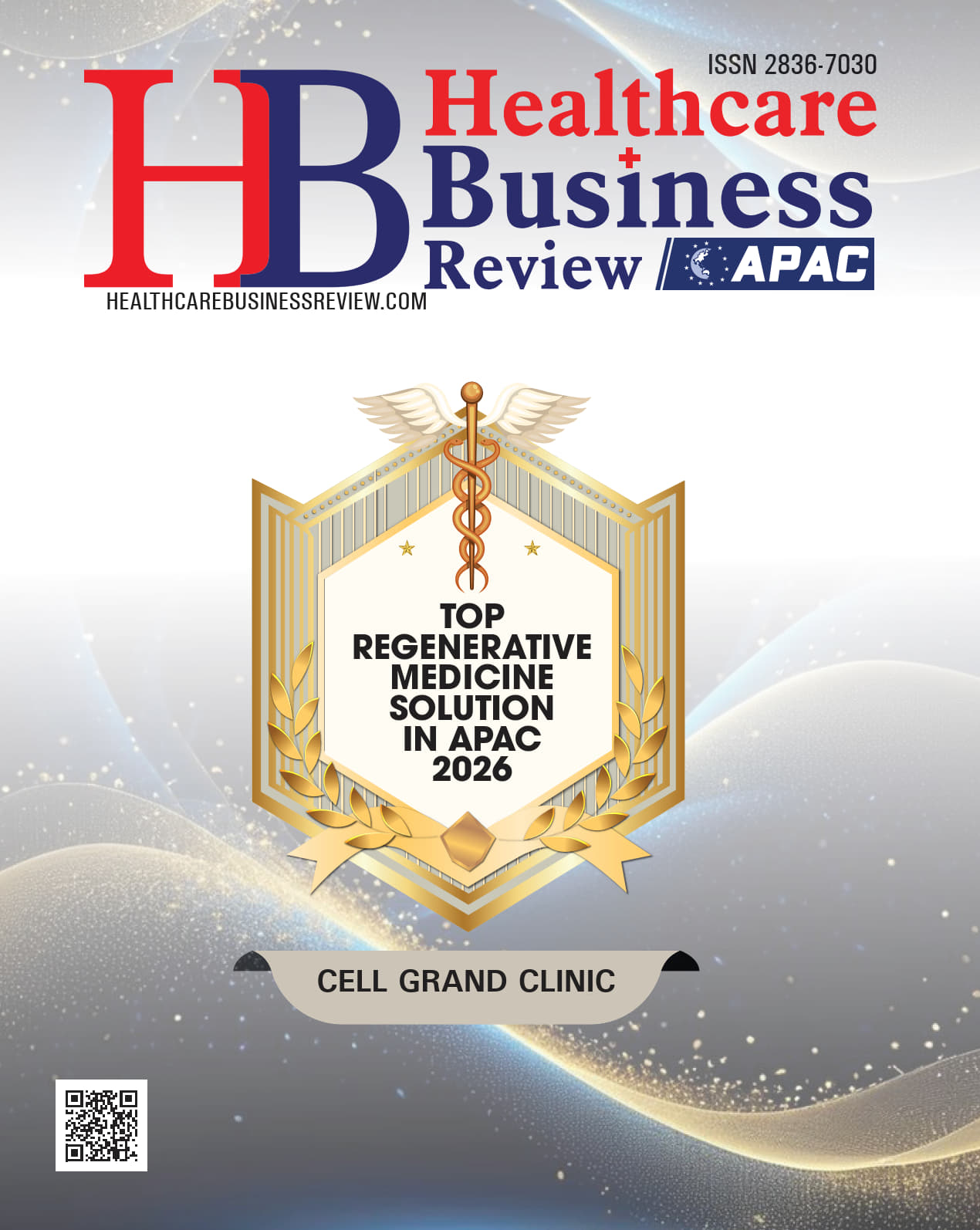
Further demonstrating its dedication to clinical excellence, the clinic's leadership holds the prestigious American Board of Regenerative Medicine Certificate, reinforcing its reputation as an Advanced Stem Cell Clinic in Japan. Adding to these achievements, Cell Grand Clinic was recognized by Healthcare Business Review APAC as a Top Regenerative Medicine Solution in APAC for 2026, reflecting its growing influence and excellence in delivering cutting-edge regenerative healthcare solutions.
Recognized by Healthcare Business Review APAC as a Top Regenerative Medicine Solution in APAC (2026).
The Wall Street Journal Feature Dr. Yuichi Wakabayashi
Peer-Reviewed Publication
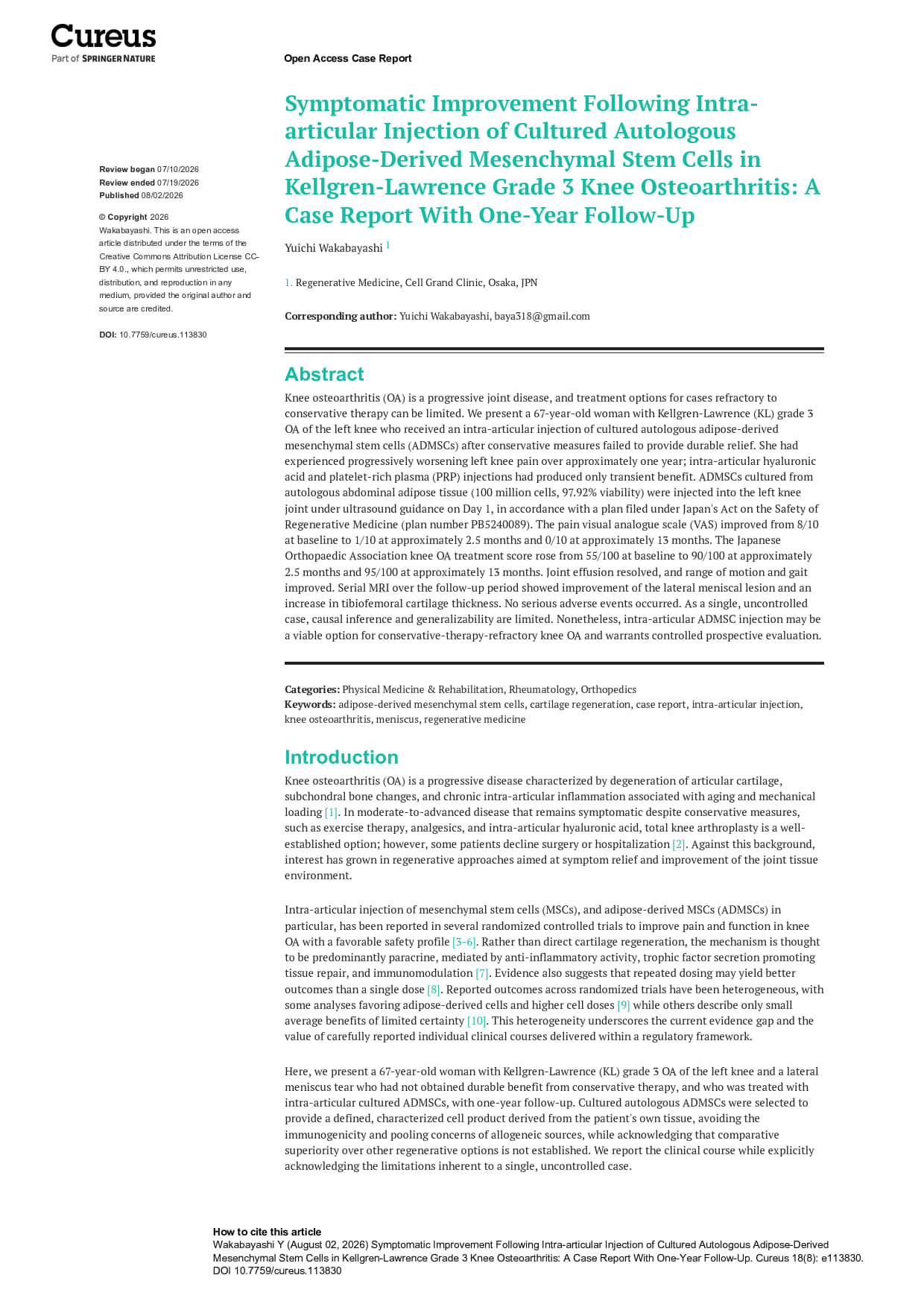
Reflecting this commitment to transparency, Dr. Wakabayashi’s one-year outcome report on adipose-derived stem cell therapy for knee osteoarthritis was published in the peer-reviewed medical journal Cureus in 2026 (DOI: 10.7759/cureus.113830), adding independently verifiable clinical documentation to the clinic’s growing body of research.
Symptomatic Improvement Following Intra-articular Injection of Cultured Autologous Adipose-Derived Mesenchymal Stem Cells in Kellgren-Lawrence Grade 3 Knee Osteoarthritis: A Case Report With One-Year Follow-Up
 Page 1
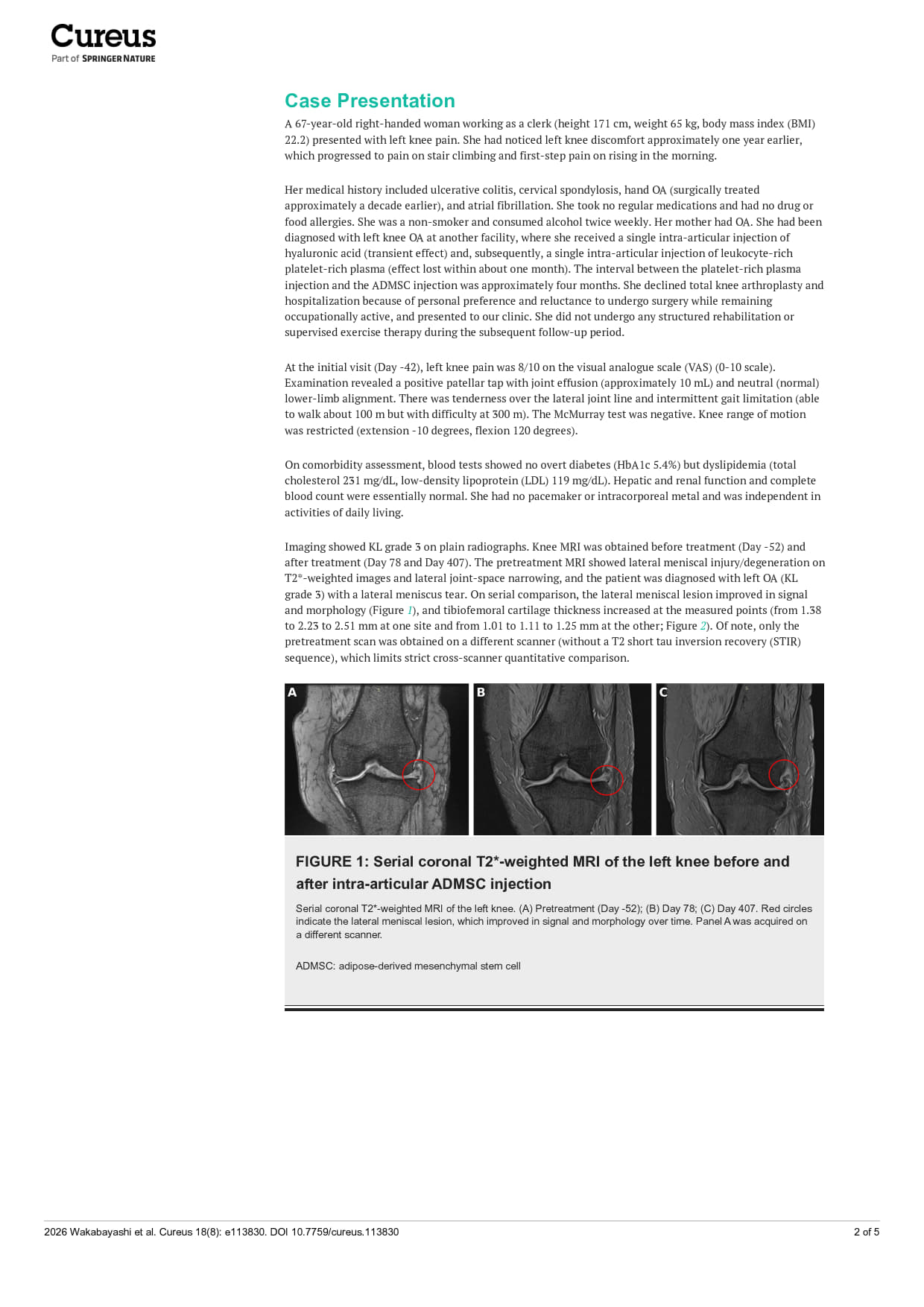 Page 2
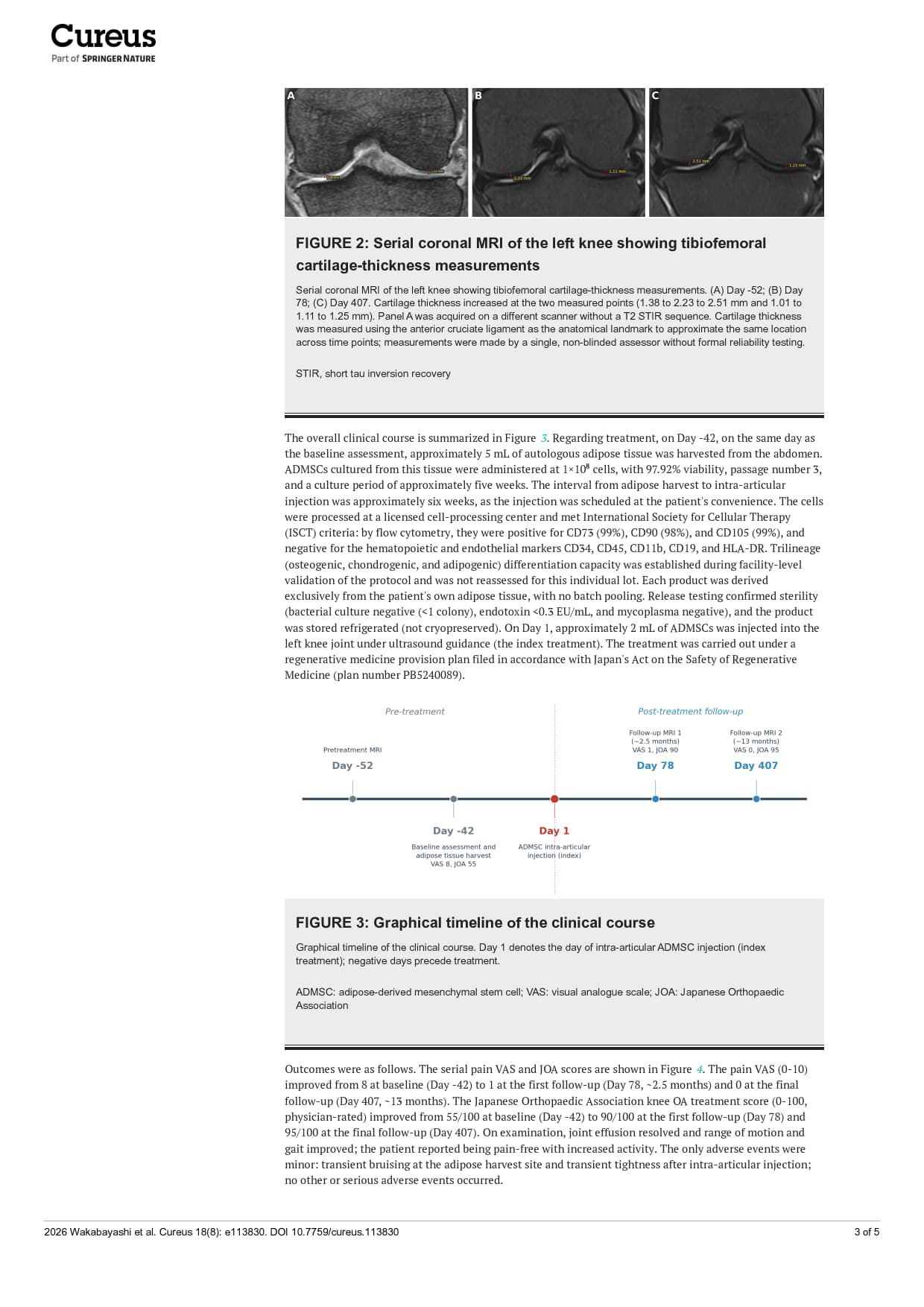 Page 3
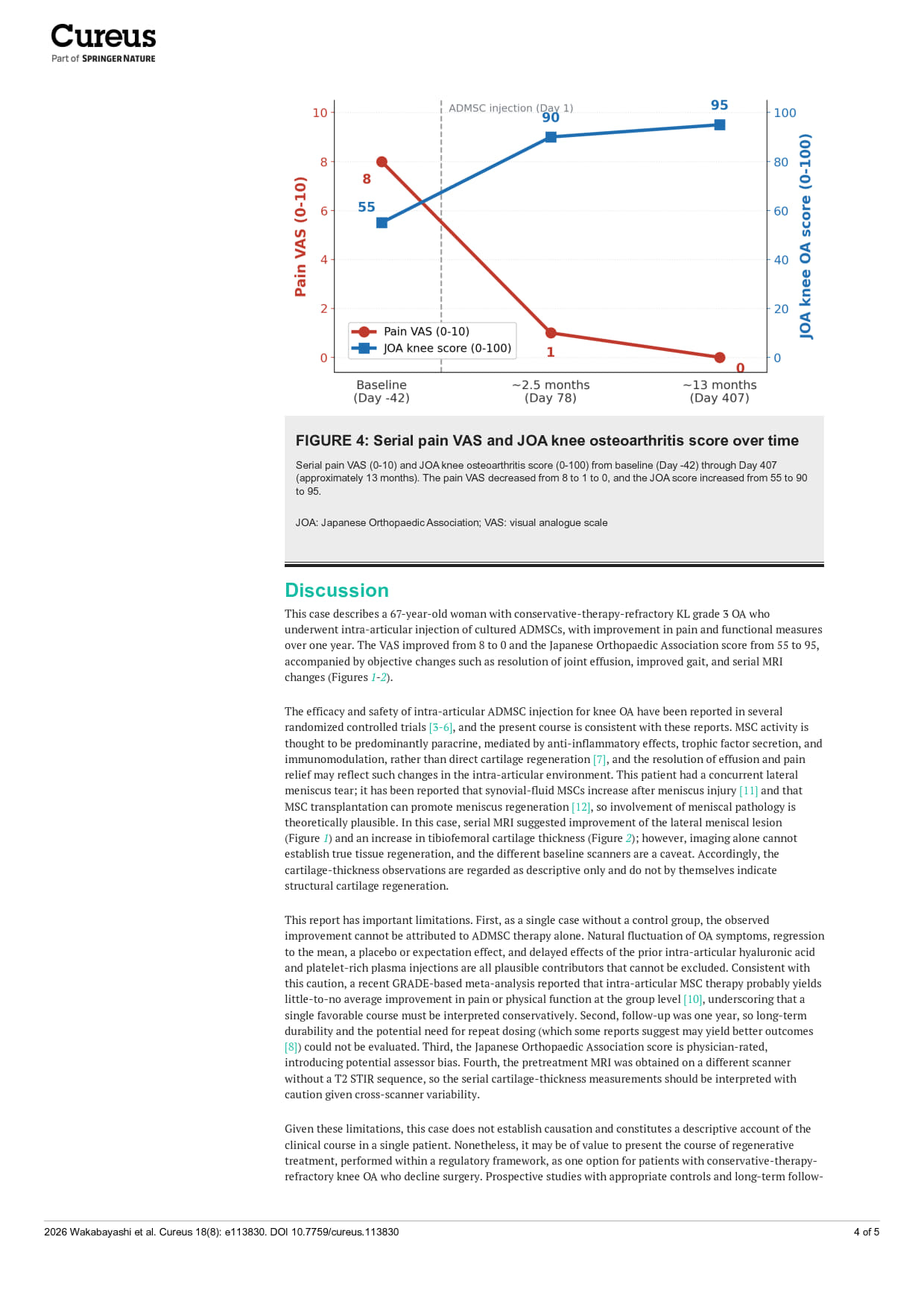 Page 4
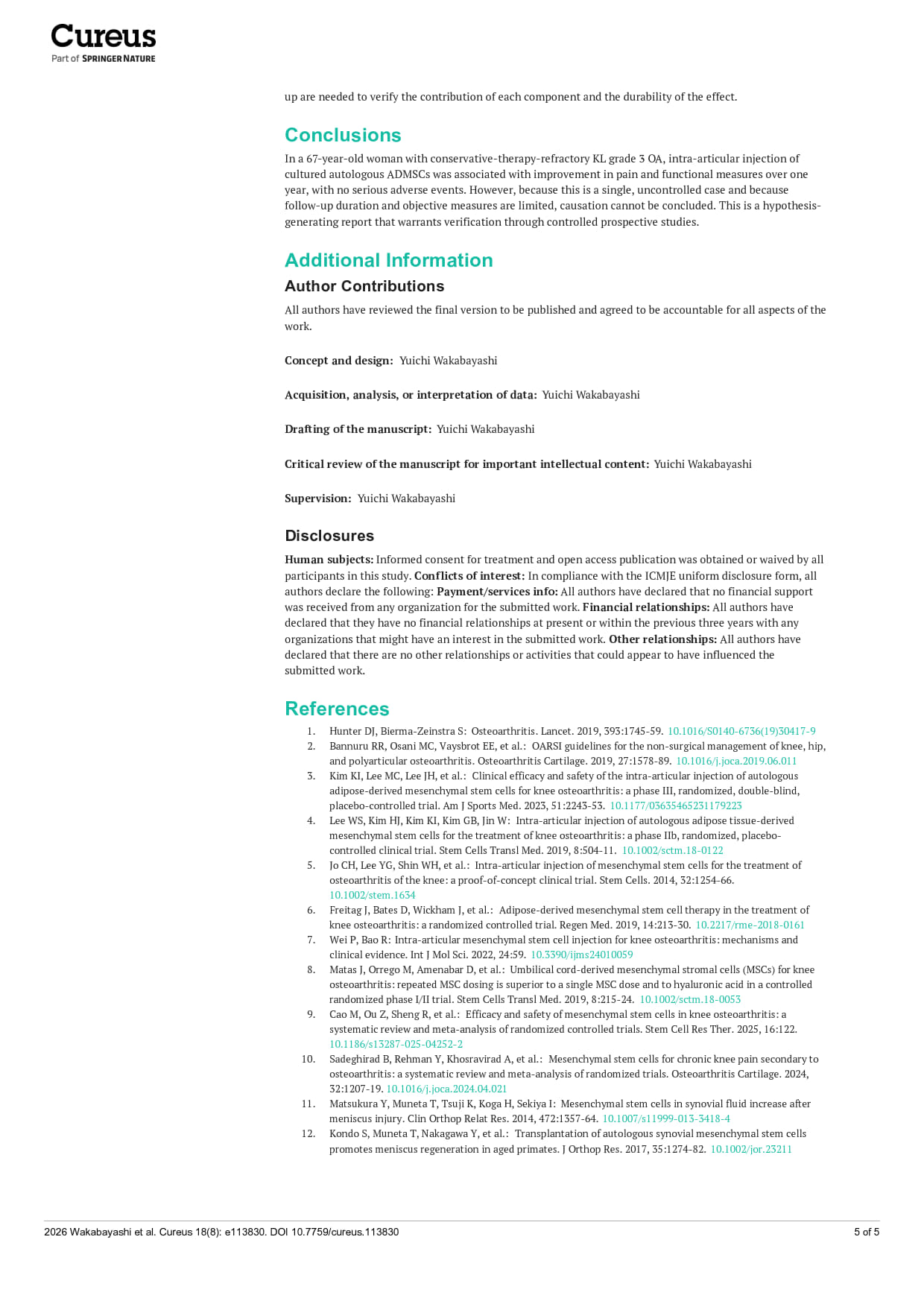 Page 5
Author: Yuichi Wakabayashi
Affiliation: Regenerative Medicine, Cell Grand Clinic, Osaka, Japan
Journal: Cureus
Year: 2026
Volume/Issue: 18(8)
Article: e113830
DOI: 10.7759/cureus.113830
Take the First Step Toward Recovery
If you're dealing with a meniscus tear or chronic knee pain and want to avoid surgery, a consultation is the best way to explore your options. Just like Mark, you can get a straight answer and a personalized plan for Regenerative Knee Therapy in Osaka Japan from world-class experts.
Consult with Cell Grand Clinic



.png)


.png)

.png)
-(5).png)


.png)
.jpg)









Share this listing